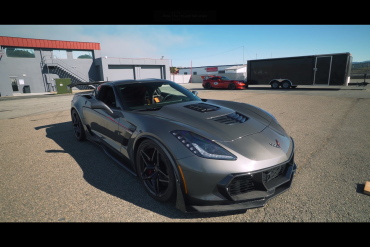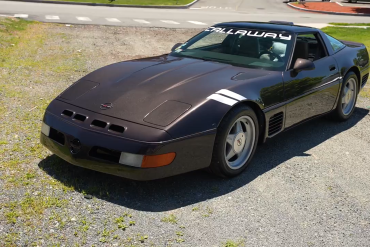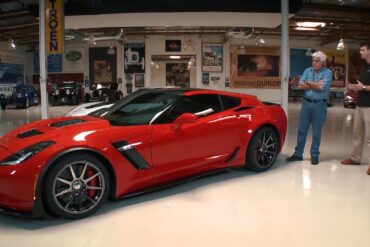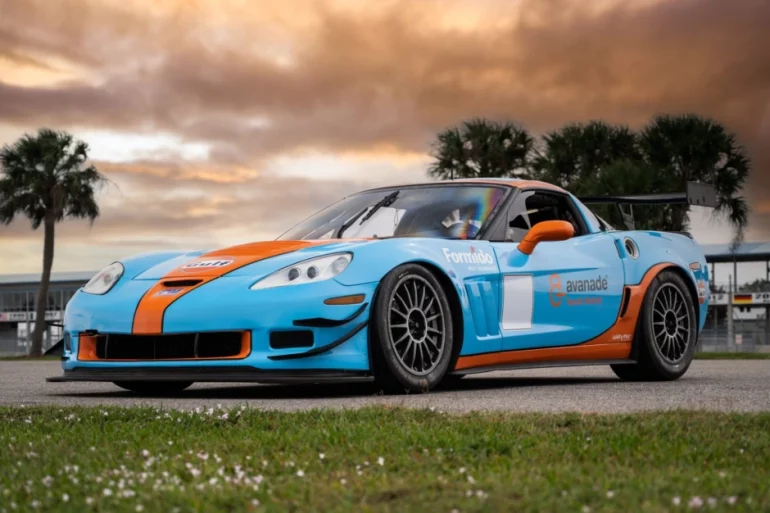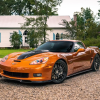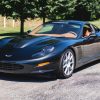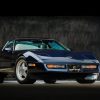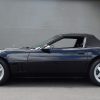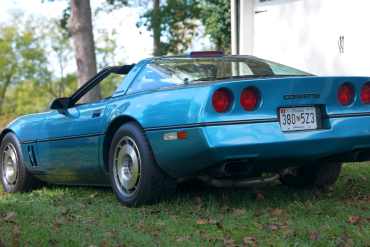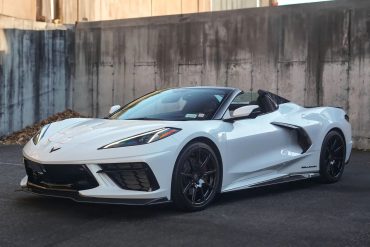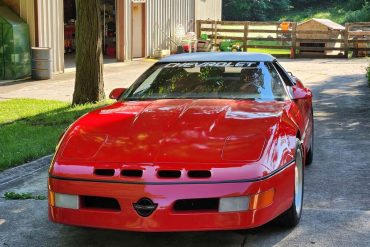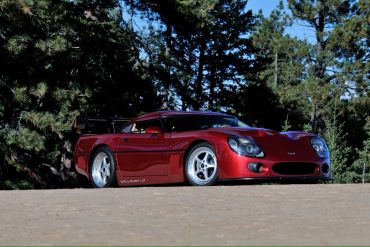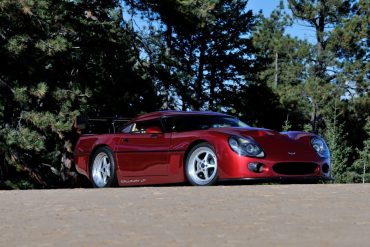
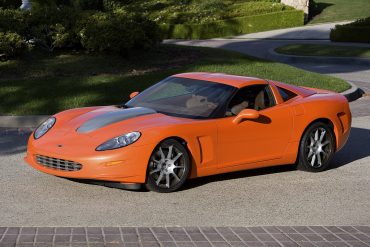
A 766 hp twin-turbo LT5, a Le Mans GT2-derived body by Paul Deutschman and Candy Wine Red paint: the Super Speedster LM is the most powerful of the twelve Callaway Speedsters ever built.



CORVETTE MODELS
Callaway Cars of Old Lyme, Connecticut is the tuner Chevrolet let inside: from 1987 to 1991 a Callaway Twin Turbo was a factory option, RPO B2K, ordered at the dealer and warranted by GM, and the 880-horsepower Sledgehammer that grew out of it ran 254.76 mph in 1988 and drove home.
Quick Nav: Overview · The Story · Every Callaway · By Generation · Model Guides · Videos · For Sale · News · FAQs · All Research
Company: Callaway Cars, Inc., Old Lyme, Connecticut; founded 1977 by Reeves Callaway (1947–2023), who began with turbocharger kits for BMWs; callawaycars.com
The Chevrolet Connection: RPO B2K, 1987–91: the Callaway Twin Turbo ordered through Chevrolet dealers with GM’s warranty, the only tuner car ever sold as a Corvette factory option; the C7 SC627/SC757 kept the warranty the same way
The Famous One: The 1988 Sledgehammer: 880 hp, 254.76 mph at the Transportation Research Center in Ohio, driven there and back on the road
The Racing Arm: Callaway Competition of Leingarten, Germany (founded 1995): the SuperNatural LM and C7R at Le Mans, the C12.R, the Z06.R GT3 and the C7 GT3-R, ADAC GT Masters champion in 2017
The Cars: Eighteen models over five generations, from the B2K (about 510 built) to the C7 editions of 2020; see the catalog
Related Pages: The Greenwood guide, the special editions, the race cars, the C4 hub (the B2K years), the engines index
Reeves Callaway built turbocharger kits for BMWs in a Connecticut barn before Chevrolet came calling in 1986 with a problem: the Corvette’s 240-horsepower L98 was being embarrassed by Europe, the ZR-1 was four years away, and Chevrolet wanted a fast Corvette it could sell without building one. The answer was RPO B2K, the Callaway Twin Turbo: a Corvette ordered at a Chevrolet dealer, shipped to Old Lyme for two turbochargers, intercoolers and a rebuilt engine, and delivered back with a GM warranty, the only time a tuner’s car has been a Corvette factory option. About 510 were built from 1987 to 1991, with 345 to 403 horsepower, and the Sledgehammer, the B2K taken to 880 horsepower and 254.76 mph in 1988, made Callaway the name in American speed.
When the LT1 ended the B2K, Callaway stayed with the Corvette for thirty more years: the naturally aspirated SuperNaturals and the CR1 on the C4, the Le Mans cars of 1994–97, the C12 on the C5 (a rebodied car built in Germany that raced Le Mans in 2001), the C16 and the dealer-sold C17 packages on the C6, the SC627 and SC757 and the AeroWagen shooting brake on the C7, and the anniversary editions. Callaway Competition, the German racing arm, built the Z06.R GT3 and the C7 GT3-R and won the ADAC GT Masters with it. Reeves Callaway died in 2023; the company continues.
This page is the Callaway story and the catalog: every Callaway Corvette in order, with its picture, what it was, its power and production where known and the guide to it, then the videos, the Callaways for sale and the news. The Greenwood page covers the other great Corvette tuner; the special-editions page lists the factory editions these cars sat beside.
Fifty years of Callaway and the Corvette, in seven chapters.
Reeves Callaway, a racing driver and instructor at Bob Bondurant’s school, built a turbocharger kit for his own BMW 320i in 1977, Car and Driver tested it, and Callaway Cars was in business in a barn in Old Lyme, Connecticut, selling turbo systems for BMWs, Volkswagens, Audis and Mercedes. The Alfa Romeo GTV6 twin-turbo of 1983 and the work on Alfa’s factory program were the credentials Chevrolet noticed.
Chevrolet’s Corvette chief Dave McLellan needed a 180-mph Corvette while the ZR-1 was being developed and chose Callaway to build it as a factory option. A B2K car was ordered at a Chevrolet dealer, built at Bowling Green, trucked to Old Lyme for twin turbochargers, intercoolers, a rebuilt bottom end and a Callaway dash plaque, and returned to the dealer with GM’s warranty intact: 345 horsepower and 465 lb-ft in 1987 for a $19,995 option, 382 horsepower in 1988 and 403 by 1991. About 510 were built in five years, and nothing like it has been offered since.
To settle who built the fastest car in the world, Callaway took a 1988 B2K, fitted an 880-horsepower twin-turbo 350 built with Hendrick Motorsports, a Deutschman aero body and a race chassis, and drove it from Connecticut to the Transportation Research Center in Ohio, where John Lingenfelter ran 254.76 mph on the 7.5-mile oval in October 1988. Then they drove it home. It remained the fastest street-legal car ever timed for years and is the car the Callaway name rests on.
The 1992 LT1 could not take the turbos, so Callaway went the other way: the SuperNatural engines, 383 and 400 cubic inches with ported heads and Callaway intakes, 400 and 435 horsepower without boost, sold as conversions and in the CR1 body. The SuperNatural LM raced Le Mans in GT2 in 1994 and 1995, and the C7R, Callaway’s GT1 car, raced it in 1997, a decade before Chevrolet used the C7 name.
The C12 was Callaway’s own car: the C5’s chassis under a wider Paul Deutschman body built in Germany with IVM Engineering, a 440-horsepower SuperNatural LS1, coupe and convertible, about twenty built at Porsche money. The C12.R raced Le Mans in 2001, and the car established Callaway Competition in Leingarten as a constructor.
On the C6 Callaway built the C16 (a rebodied, supercharged car in coupe, convertible and Speedster forms, 616 horsepower and up) and sold the C17 supercharger packages, the SC606 and SC652, through Chevrolet dealers, with the 2012 25th Anniversary Edition on 25 Grand Sports. On the C7 the packages became the SC627 (Stingray and Grand Sport) and SC757 (Z06), the AeroWagen turned the C7 into a shooting brake, and Callaway Competition’s C7 GT3-R won the ADAC GT Masters in 2017. The 2020 Z06 editions closed the front-engine era.
Reeves Callaway died in July 2023 at 75. The company he founded continues in Old Lyme, with the 2022 B2K 35th Anniversary Edition on the C8 Stingray marking the car that started it; the Callaways themselves have become collectors’ cars, with the B2Ks, the Speedsters and the C12s the ones the market chases.
MORE: HOW THE SLEDGEHAMMER HIT 254 MPH / THE FIVE COOLEST CALLAWAYS / THE GREENWOOD CORVETTES
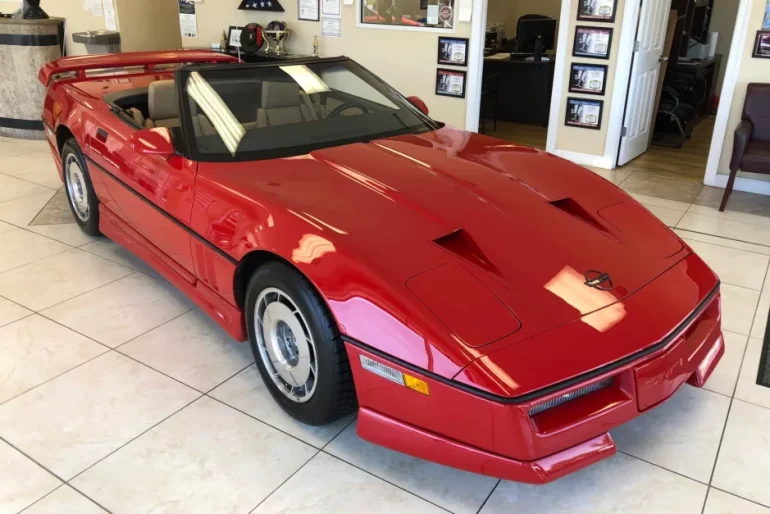
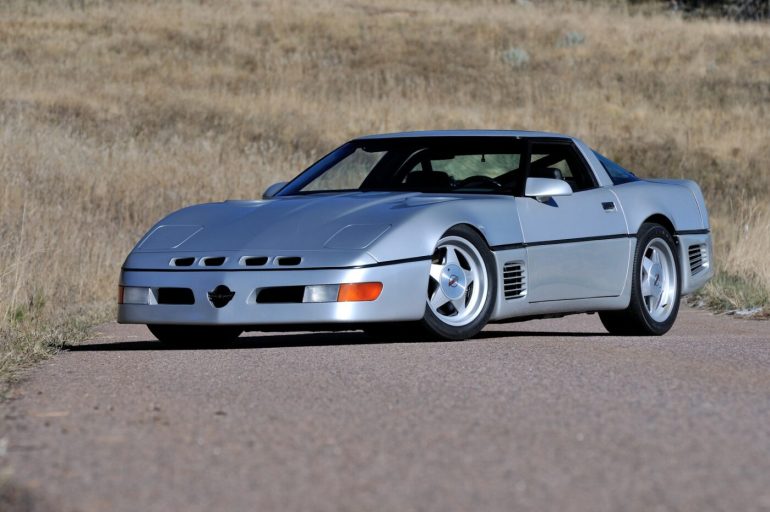
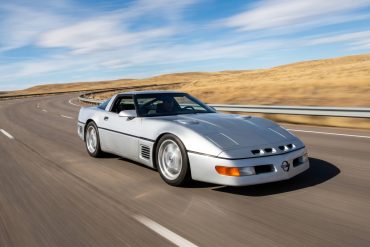
 A 1997 Callaway C12 Corvette.
Eighteen cars in order, each with its picture, what it was, its power and production where known, and the guide. The race cars are here too; the race-cars page carries them with the rest of the Corvette’s competition history.
MORE: ALL THE CALLAWAY GUIDES / THE RACE CARS
| THE CAR | YEARS | POWER / BUILT | |
|---|---|---|---|
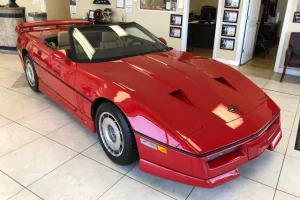 |
Callaway Twin Turbo (RPO B2K) The only tuner car ever sold through Chevrolet dealers as a factory option: a new Corvette shipped to Old Lyme for twin turbochargers, intercoolers and a strengthened engine, then back to the dealer with GM’s warranty; 345 hp in 1987, 382 by 1988 and 403 by 1991 The guide / Year page |
1987–91 | 345–403 hp; about 510 built |
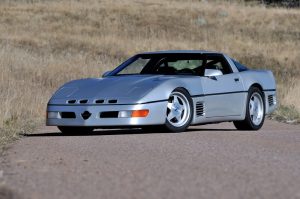 |
Callaway Sledgehammer The B2K taken to its limit: an 880-hp twin-turbo 350 in a Paul Deutschman body, driven from Connecticut to Ohio, timed at 254.76 mph by John Lingenfelter at the Transportation Research Center, and driven home; the fastest street-legal car of its day The guide / The 254-mph story / Year page |
1988 | 880 hp; 254.76 mph; one built |
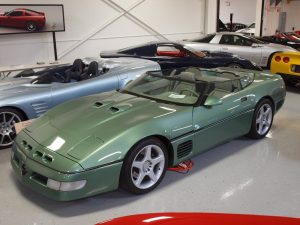 |
Callaway Speedster The B2K twin-turbo under Deutschman’s cut-down speedster body with the faired headrests, the most dramatic road Callaway of the C4 years The guide / Year page |
1989–91 | twin-turbo; a handful built |
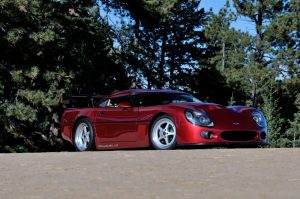 |
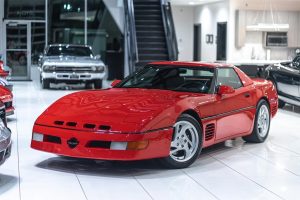
Callaway Speedster LM The Le Mans-edition Speedster, the last and most powerful of the twin-turbo cars The guide / Year page |
1991 | twin-turbo; one-off |
 |
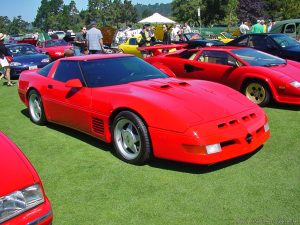
Callaway SuperNatural After the LT1 ended the B2K, Callaway went naturally aspirated: stroked 383 and 400-cubic-inch small blocks with ported heads and Callaway intakes, 400 and 435 hp, sold as conversions on the C4 The guide / Year page |
1992–96 | 400–435 hp |
 |
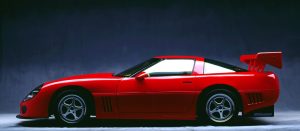
Callaway CR1 The SuperNatural in a full Deutschman body, the road-car face of the Le Mans program The guide / Year page |
1993 | SuperNatural 435 hp |
 |
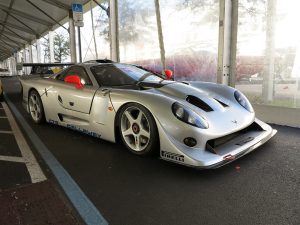
Callaway SuperNatural LM The Le Mans GT2 car: a SuperNatural Corvette raced at La Sarthe in 1994 and 1995, the first Callaway at Le Mans The guide / Year page |
1994–95 | race car |
 |
Callaway C7R Callaway’s GT1 car (the C7 in Callaway’s numbering, years before Chevrolet used it), raced at Le Mans in 1997 The guide / Year page |
1997 | race car |
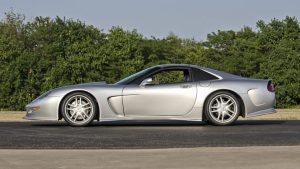 |
Callaway C12 A new car on the C5’s chassis: a wider Deutschman body built in Germany with IVM, a 440-hp SuperNatural LS1, coupe and convertible, and the C12.R that raced Le Mans in 2001 The guide / Year page |
1997–2001 | 440 hp; about 20 built |
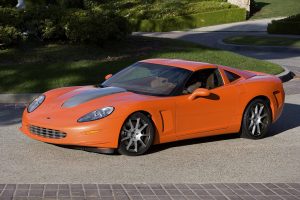 |
Callaway C16 The C6-based successor to the C12: a rebodied, supercharged Corvette in coupe, convertible and Speedster forms, 616 hp and more The guide / Year page |
2005–13 | 616–700 hp |
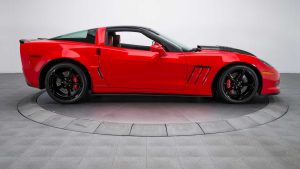 |
Callaway C17 (SC606 and SC652) The supercharged conversion for the production C6, sold through Chevrolet dealers as the SC606 and SC652; Callaway’s volume product of the era The guide / Year page |
2005–13 | 606–652 hp |
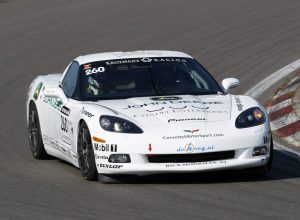 |
Corvette C6 GT4 The GT4-class customer race car of 2008, from the Callaway Competition side of the house The guide / Year page |
2008 | race car |
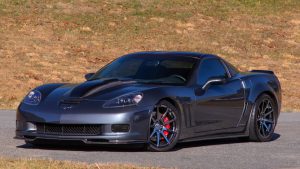 |
Callaway 25th Anniversary Edition Twenty-five supercharged Grand Sports for the twenty-fifth year since the first B2K, numbered and badged The guide / Year page |
2012 | SC606; 25 built |
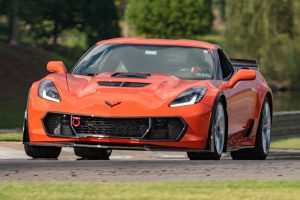 |
Callaway SC627 and SC757 The C7 conversions: the Stingray and Grand Sport with Callaway’s supercharger at 627 hp, the Z06 at 757 hp, with the GM warranty kept The guide / Year page |
2014–19 | 627 / 757 hp |
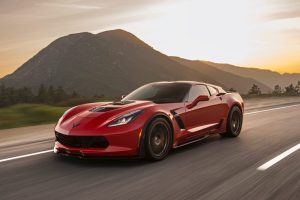 |
Callaway AeroWagen The shooting-brake hatch for the C7, a carbon roof panel that turned the Stingray, Grand Sport, Z06 or ZR1 into a wagon; Deutschman again The guide / Year page |
2014–19 | body conversion |
 |
Callaway Corvette C7 GT3-R Callaway Competition’s GT3 race car on the C7, the 2017 ADAC GT Masters champion The guide / Year page |
2016–19 | race car; 2017 ADAC champion |
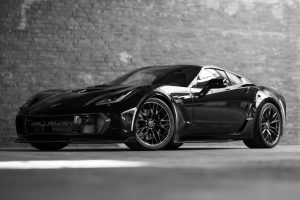 |
Callaway 25th Anniversary Edition (C7 Z06) A numbered C7 Z06 edition for a Callaway twenty-fifth anniversary, with the SC757 package The guide / Year page |
2020 | SC757 |
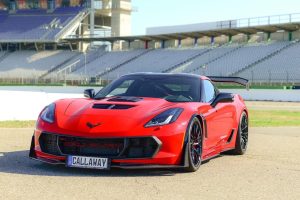 |
Callaway C7 Z06 Champion The Z06 edition built to mark Callaway Competition’s racing championships The guide / Year page |
2020 | SC757 |
What Callaway built on each Corvette, and the hub for the generation.
MORE: THE C4 HUB
| GENERATION | THE CALLAWAYS | YEARS |
|---|---|---|
| C4 Corvette | B2K Twin Turbo (the factory option), Sledgehammer, Speedster, Speedster LM, SuperNatural, CR1, SuperNatural LM and C7R race cars | 1987–97 |
| C5 Corvette | C12 coupe and convertible, C12.R | 1997–2001 |
| C6 Corvette | C16, C17 (SC606 / SC652), Z06.R GT3, C6 GT4, 25th Anniversary Edition | 2005–13 |
| C7 Corvette | SC627 and SC757, AeroWagen, C7 GT3-R, 25th Anniversary and Champion editions | 2014–20 |
| C8 Corvette | B2K 35th Anniversary Edition | 2022– |
The site’s guide to every Callaway Corvette, from the 1987 Twin Turbo to the 2020 editions: history, specs, production and what to look for.
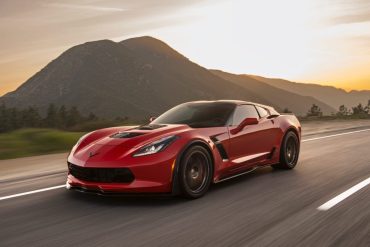
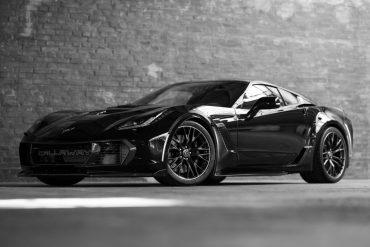
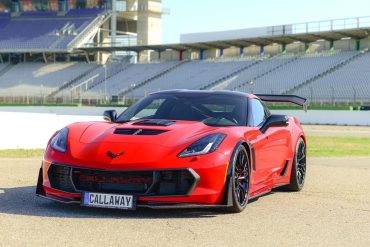
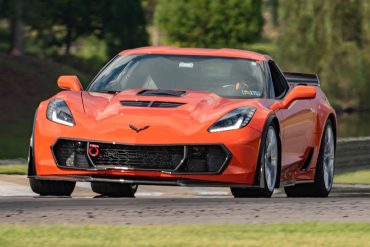
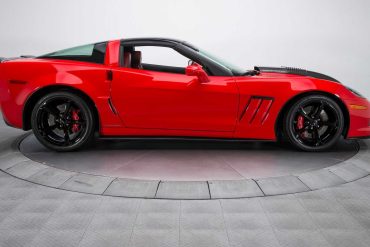
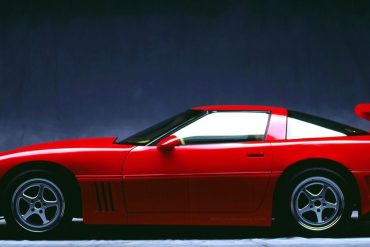
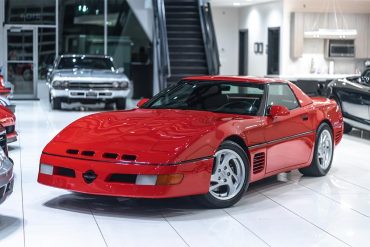
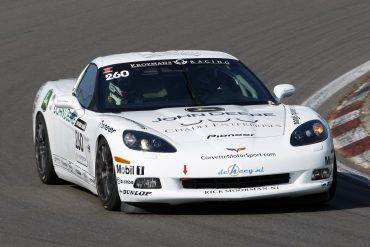
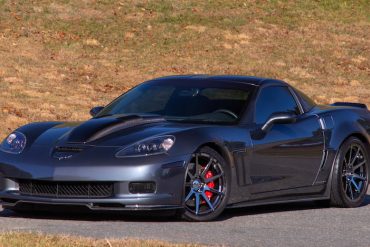
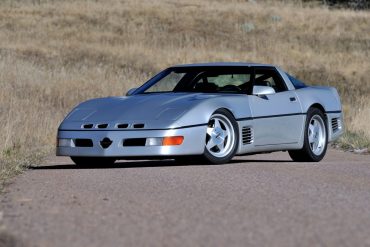
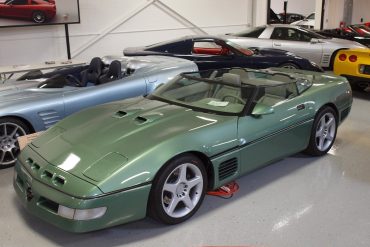
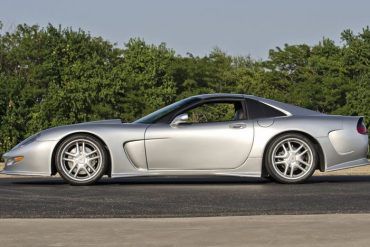
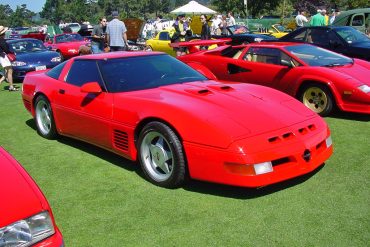
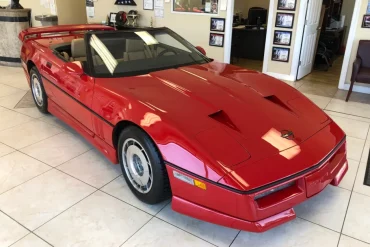
The Callaways that come to market: B2Ks and Speedsters, SuperNaturals and C12s, SC757s and AeroWagens, with the auction results. Documentation is everything on a Callaway; the dash plaque, the Callaway serial and the build records are what the guides tell you to check.
Everything tagged Callaway, newest first: the features, the Corvette of the Day pictures, the sales and the news.
A Corvette modified or rebodied by Callaway Cars of Old Lyme, Connecticut, from the dealer-sold Twin Turbo of 1987–91 (RPO B2K) through the SuperNatural, C12, C16 and C17 to the C7 SC627, SC757 and AeroWagen, plus the race cars of Callaway Competition. Every one is in the catalog above.
Yes, the only tuner car ever sold as one: RPO B2K, ordered at a Chevrolet dealer from 1987 to 1991, built at Bowling Green, converted at Old Lyme and delivered with GM’s warranty. About 510 were built, with 345 horsepower in 1987, 382 in 1988 and 403 by 1991.
254.76 mph, at the Transportation Research Center in Ohio in October 1988, driven by John Lingenfelter, with 880 horsepower from a twin-turbo 350 built with Hendrick Motorsports. It was driven to the test and home again, and remained the fastest street-legal car ever timed for years.
About 510 B2K Twin Turbos; a handful of Speedsters; about twenty C12s; 25 of the 2012 25th Anniversary Edition; the SuperNatural, C16, C17 and C7 conversions in the hundreds; a single Sledgehammer. The guides give the figures where Callaway has published them.
The B2Ks have passed $100,000 for the best cars and the Speedsters and Sledgehammer are in a class of their own; the SuperNaturals and C12s are rising; the C6 and C7 conversions trade at a premium over the standard car that depends on documentation. The for-sale feed and the market piece above have the current numbers.
By the Callaway serial number and dash plaque, the B2K code on the build sheet or window sticker for the 1987–91 cars, and Callaway’s own build records, which the company will confirm. Clones with turbo kits exist; the guides list the tells for each model.
Four times with Corvettes: the SuperNatural LM in 1994 and 1995, the C7R in 1997 and the C12.R in 2001. Callaway Competition, the German arm founded in 1995, went on to the Z06.R GT3 and the C7 GT3-R, which won the ADAC GT Masters in 2017.
Ely Reeves Callaway III (1947–2023), the racing driver and instructor who founded Callaway Cars in 1977 with a turbo kit for a BMW 320i and built it into the tuner Chevrolet trusted with the B2K. He died in July 2023; the company continues in Old Lyme.