Become a premium member for just $35/year and get ad-free access!
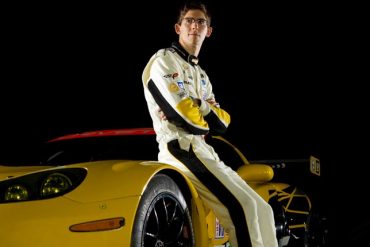
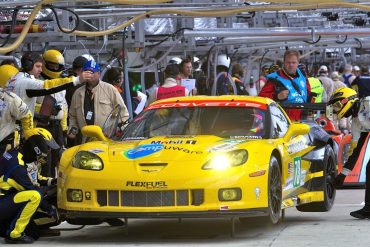
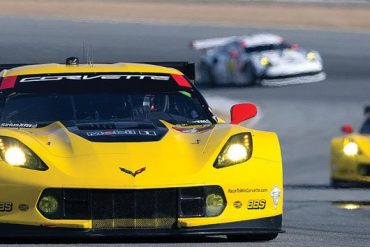
The C6.R ZR1 GT2, if you were to use its full name, was the model used in the last four years before the Corvette C7.R was introduced, and had a slick sequential manual operated by paddles that was combined with the rear differential to create a rear transaxle. This style of transaxle eventually made it into the road-going Corvette, especially the Grand Sport and ZR1 of the C7 generation.
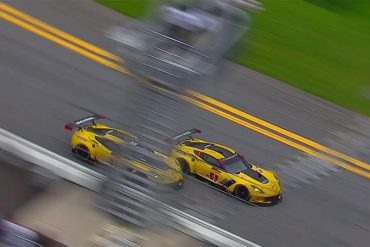
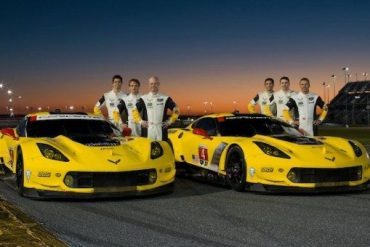
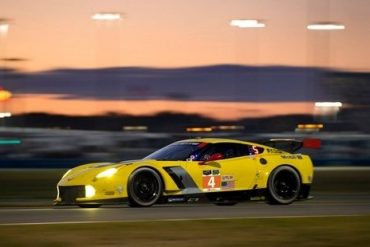
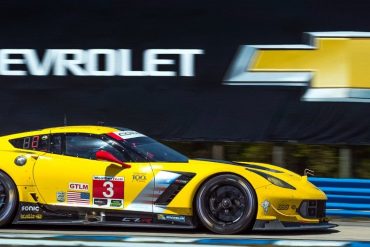
The No. 4 C7.R Corvette Race Car at Sunset in Daytona Beach, Florida
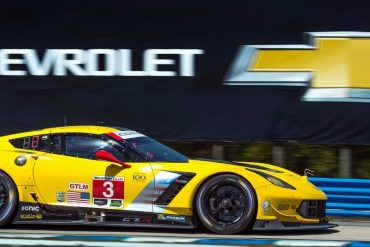
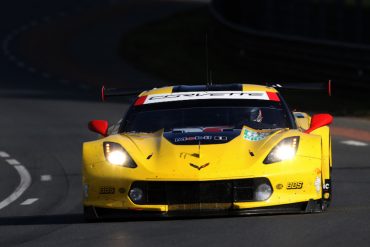
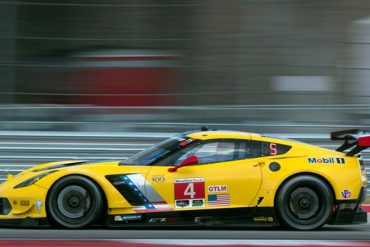
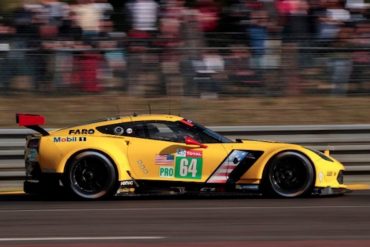
The C7.R Corvette by Pratt & Miller is one of the winningest race cars in modern history. Explore what makes this Corvette a winner on race day, and discover the connection between the C7.R and the seventh-generation Chevy Corvette Z06. At the core of the C7.R Corvette is a direct carry-over from its predecessor - the same 5.5 liter engine that was developed during the C6.R's successful tenure in both the American Le Mans series and at The 24 Hours of Le Mans. 
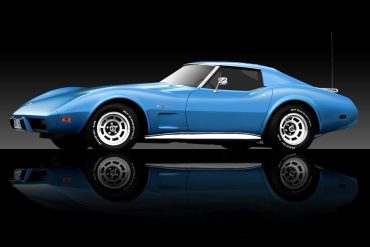
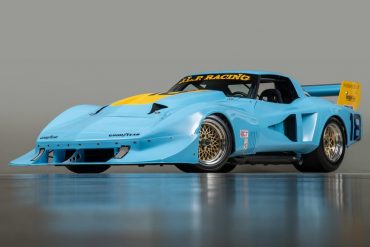
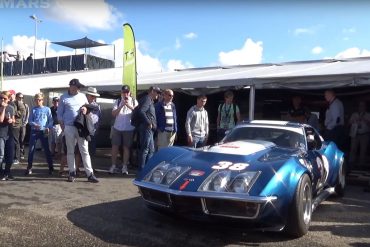
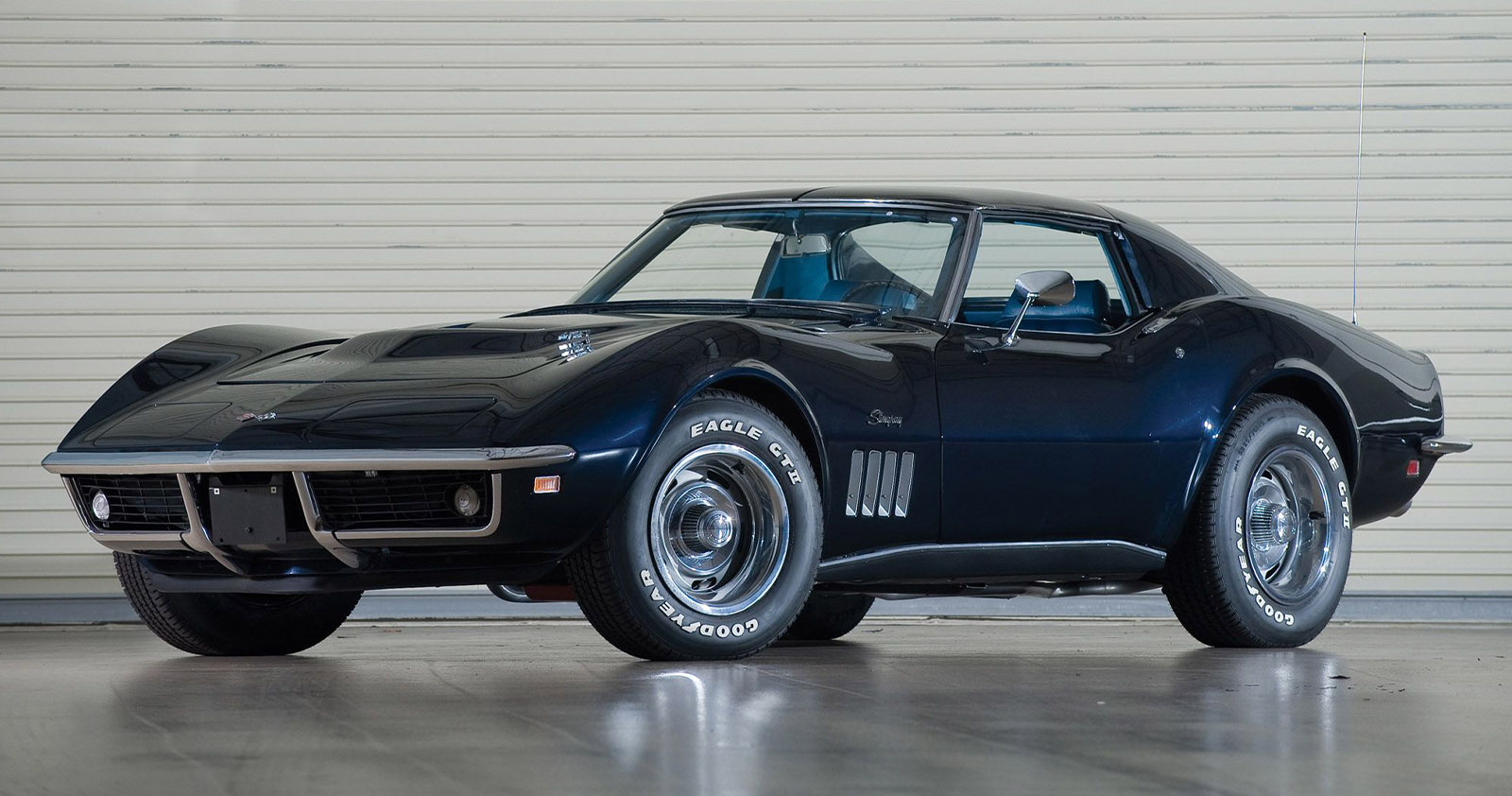
In 1969, Chevrolet changed the perception of Corvette forever by introducing the ultra-powerful ZL-1 Corvette with a 427 CI engine producing 585 horsepower! The 1969 ZL-1 Corvette came equipped with an entirely new big-block engine option that produced more horsepower than any Corvette that had come before it. Any Corvette, when ordered with RPO ZL1, came fitted with an all-aluminum 427 C.I. engine that featured a dry-sump oil system and which weight approximately 100 pounds less.
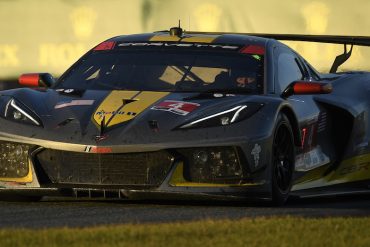
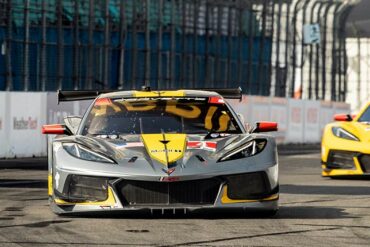
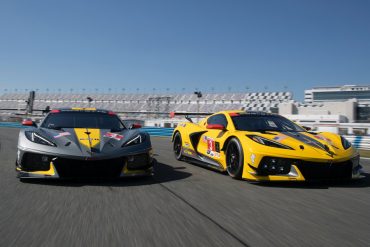
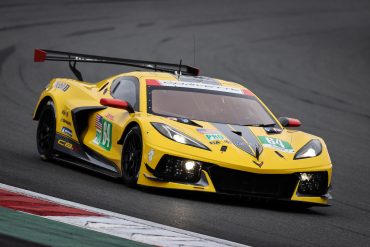
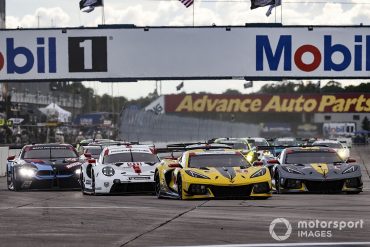
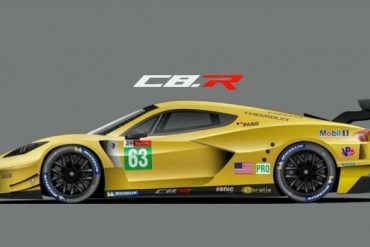
Chevrolet Corvette C8.R
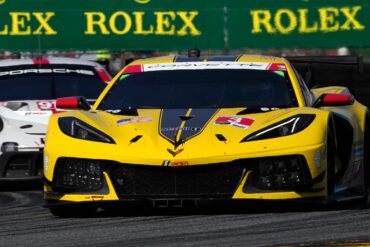
Chevrolet begins a new chapter in its storied racing legacy with the introduction of the new mid-engine Corvette race car, known as the C8.R. The C8.R will be Chevrolet’s first mid-engine race car to compete in IMSA’s GTLM class and the first clean sheet race car design since the C5.R debuted in 1999. It will make its racing debut at Rolex 24 at Daytona on Jan. 25, 2020. The C8.R is based on the strong foundation of the 2020 Corvette Stingray.