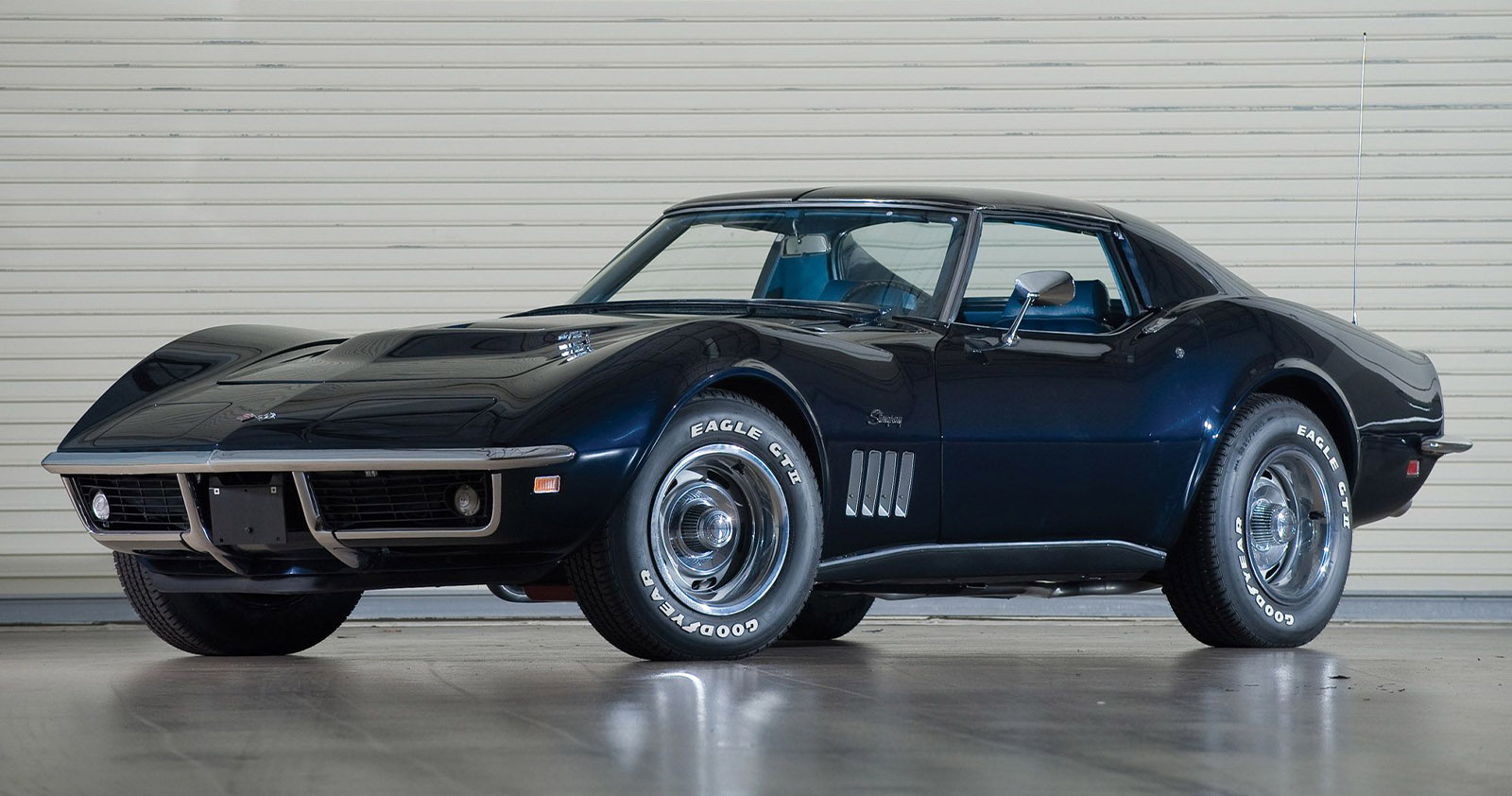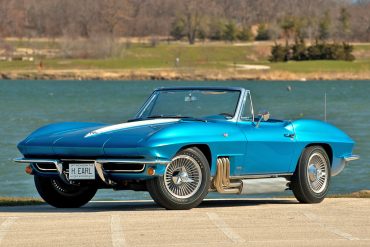
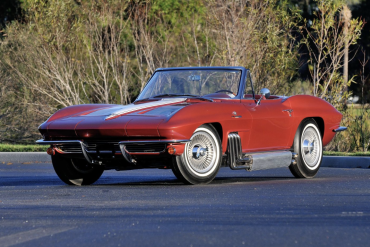
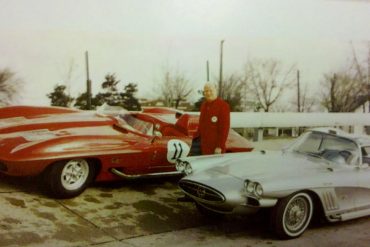
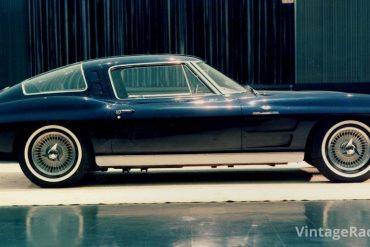
Two near-identical 1963 Sting Ray convertibles left GM Design under special work orders: one for the Chicago Auto Show, one for retired styling chief Harley Earl. Earl's car later brought $925,000 at Mecum.


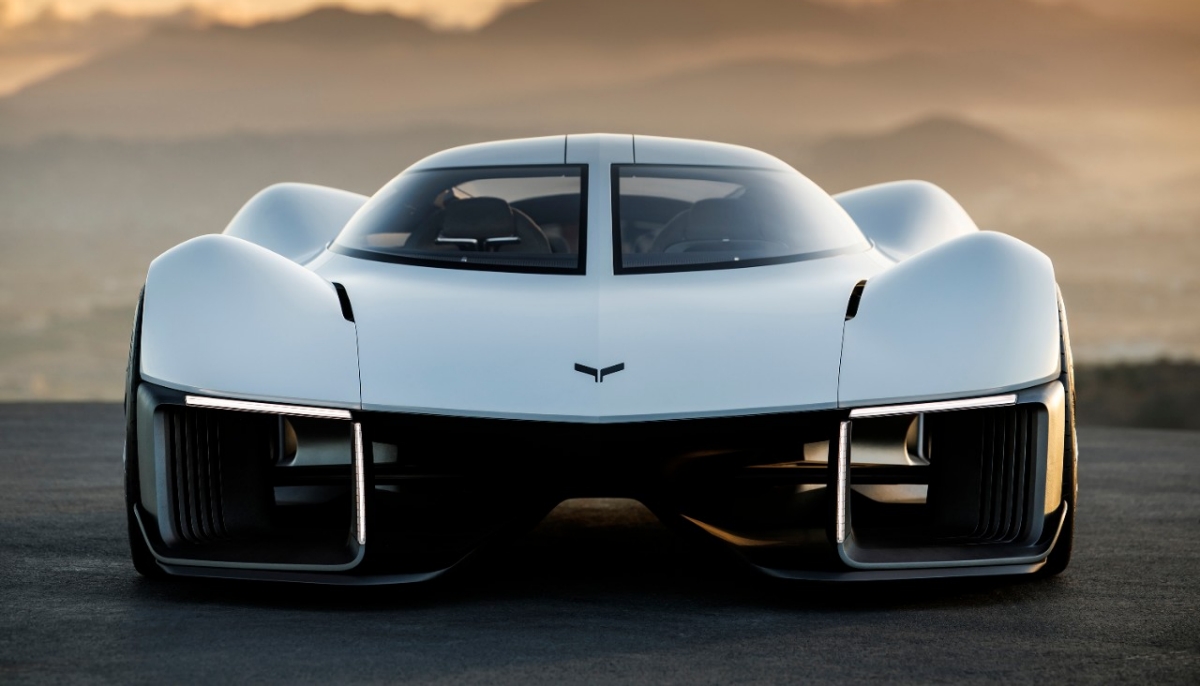
CORVETTE MODELS
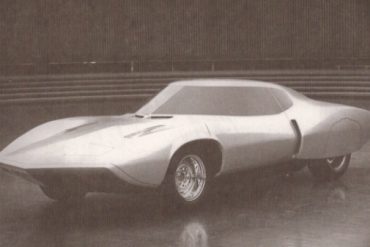
The Corvettes that were never sold: the Motorama show cars of 1953–56, Mitchell’s Stingray Racer and Mako Sharks, Duntov’s CERVs and his thirty-year campaign of mid-engine prototypes from the XP-882 to the Aerovette and the Corvette Indy, the Bertone and Italdesign cars, the Sting Ray III that previewed the C5, the Stingray Concept that previewed the C7, and the design studies of 2025. Sixty-two of them.
What This Is: A catalog of every Corvette concept, show car, design study and engineering prototype the site has a guide for, by era, with the fate of each
How Many: Sixty-two, from the 1953 Motorama car to the 2025 CX and CX.R
The Famous Ones: The 1953 EX-122; the 1959 Stingray Racer; the 1961 Mako Shark; the 1965 Mako Shark II; the 1970 XP-882 and the 1977 Aerovette; the 1986 Corvette Indy and 1990 CERV III; the 1992 Sting Ray III; the 2009 Stingray Concept
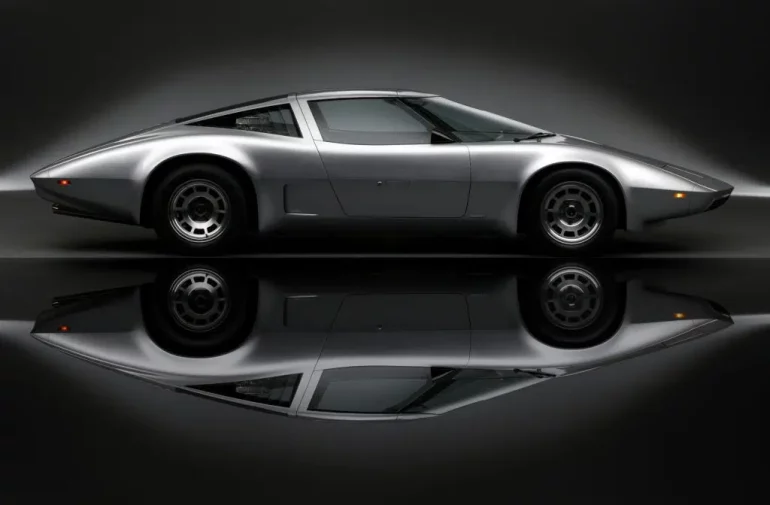
The Mid-Engine Thread: CERV II (1964), Astro II (1968), XP-882 (1970), Four-Rotor (1973), Aerovette (1977), Corvette Indy (1986), CERV III (1990): fifty years of prototypes before the 2020 C8
Where They Are: Most survive, at the GM Heritage Center, the National Corvette Museum and in private hands; the Motorama Nomad, Corvair and Impala were destroyed, and the 1957 SS sold for $7.7 million in 2025
Related Pages: The race cars, the special editions, the generation hubs (each era’s story), the full model list
The Corvette began as a concept car, and for seventy years Chevrolet has shown what it was thinking before it built it. The Motorama cars of 1953–56 tried the Corvette as a wagon, a fastback and a four-door before the roadster won; Bill Mitchell’s Stingray Racer and Mako Sharks drew the 1963 and 1968 cars on the show stand first; Zora Arkus-Duntov spent thirty years building mid-engine prototypes (CERV II, Astro II, XP-882, the Four-Rotor, the Aerovette) that GM approved and cancelled, and his successors added the Corvette Indy and CERV III before the C5 went front-engined again. The Sting Ray III previewed the C5’s proportions, the 2009 Stingray Concept the C7’s face, and in 2025 three design studies asked what comes after the C8.
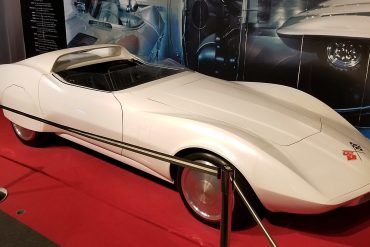
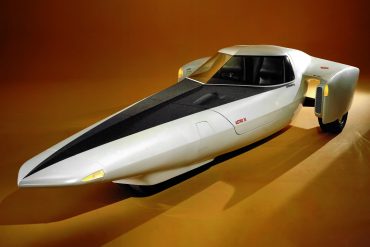
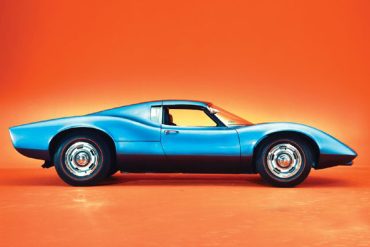
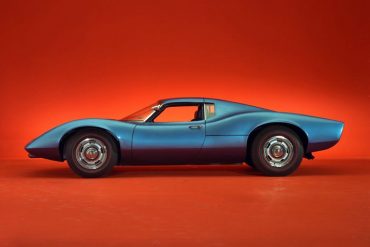
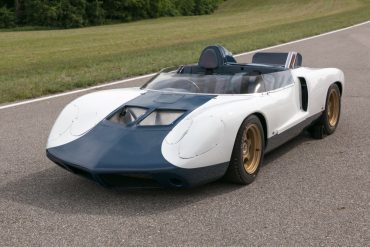
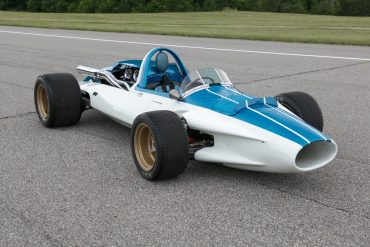
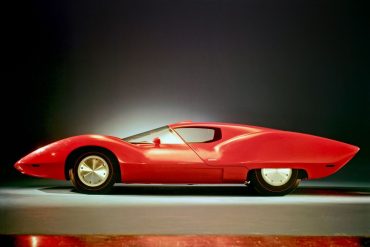
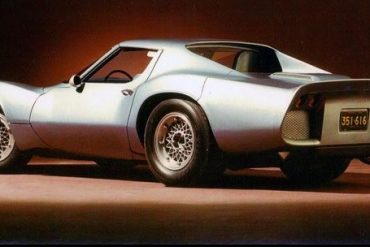
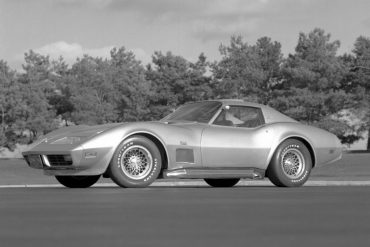
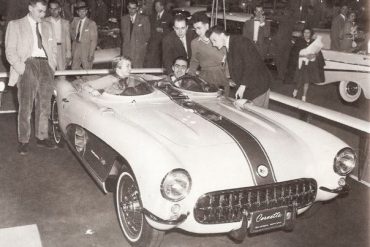
This page catalogs all of them by era, with the car’s own picture, a line on what it was, what became of it and the guide, sixty-two in all; the ten-greatest list is the short version. The race cars (the SR-2, the SS, the Grand Sports, the C5-R onward) have a page of their own and appear here only where they began as show or engineering cars, and the special editions are catalogued separately.
Fates are given where documented: most of these cars survive at the GM Heritage Center, the National Corvette Museum or in collections; a few were destroyed as show cars usually were; some were rebuilt into the next concept (the XP-700 into the Mako Shark, the Mako Shark II into the Manta Ray, the XP-882 into the Four-Rotor and the Aerovette).
The concepts fall into six threads, and the threads explain the production cars.
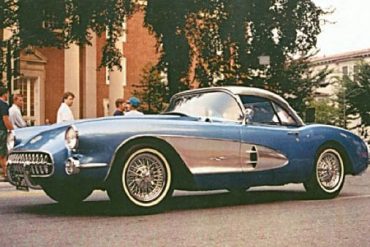
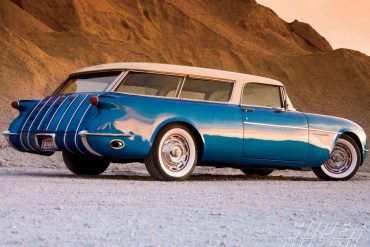
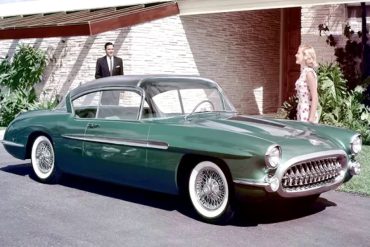
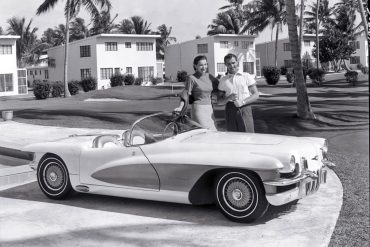
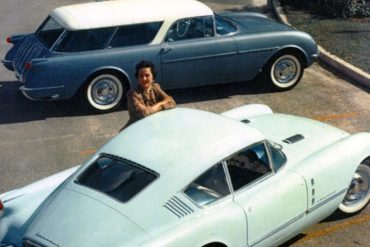
GM’s traveling Motorama shows were where the Corvette was born (the EX-122 of January 1953, in production by June) and where Chevrolet tested its variations: the Nomad wagon and the Corvair fastback of 1954, the Biscayne and LaSalle II of 1955, the Impala of 1956. None was built, but the Nomad, Corvair and Impala names went onto other Chevrolets, and the hardtop and roll-up windows of the 1954 show car reached production in 1956.
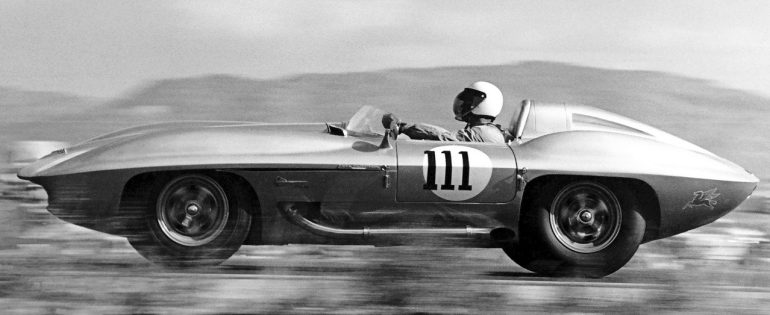
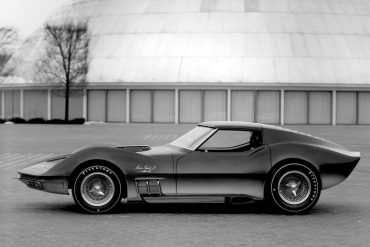
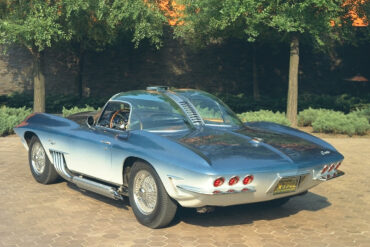
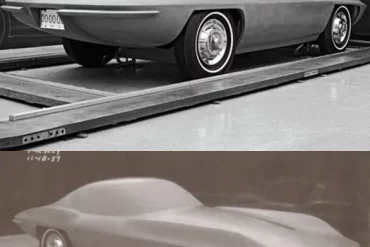
Bill Mitchell, GM’s design chief from 1958, used the Corvette as his sketchbook: the Q-Corvette study of 1957, the XP-700 he drove to work, the Stingray Racer he campaigned privately (and won a championship with) after the AMA racing ban, the Mako Shark I of 1961 and Larry Shinoda’s Mako Shark II of 1965, which became the Manta Ray in 1969. The 1963 and 1968 Corvettes are those cars with license plates.
Zora Arkus-Duntov wanted the engine behind the driver from the start, and the CERV I (1960), CERV II (1964), Astro II (1968), XP-882 (1970), Four-Rotor (1973) and Aerovette (1977) were his arguments. The Aerovette was approved for 1980 production and died when Duntov, Mitchell and Ed Cole retired; the C8 of 2020 is the idea finally built, fifty years after the XP-882.
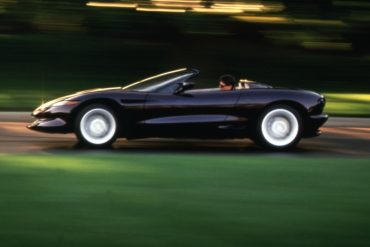
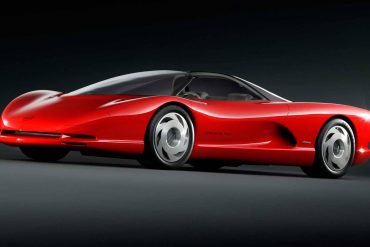
The Corvette Indy of 1985–86 and the CERV III of 1990, built with Lotus, put four-wheel drive, four-wheel steering and active suspension in a mid-engine Corvette that cost too much to build; Bertone’s Ramarro and Nivola rebodied the C4 and the ZR-1; the ZR-1 Spyder, the Snake Skinner, the Big Doggie and the ZR-12 Falconer tried variations on the flagship; and the Sting Ray III of 1992 and the CERV IV mule set the C5’s proportions and chassis.
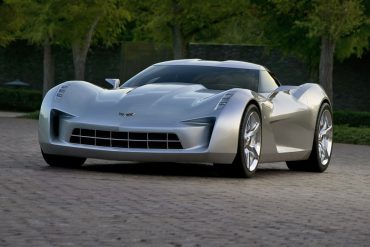
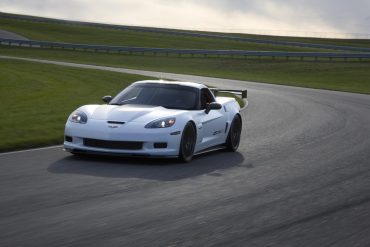
With the production car settled the concepts became show pieces: the Tiger Shark and White Shark customs, Giugiaro’s Moray for the 50th anniversary, the Stingray Concept of 2009 that played Sideswipe in Transformers and gave the C7 its face, the Z06X and Jake Edition SEMA cars, the Carlisle Blue Grand Sport whose color reached production and the Daytona Prototype that raced for five seasons.
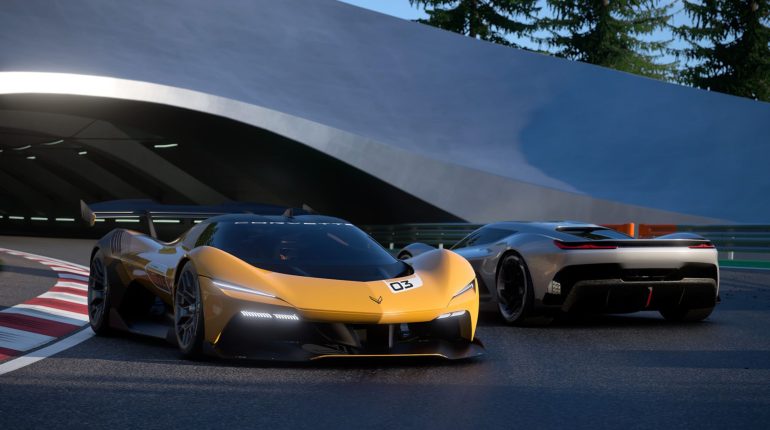
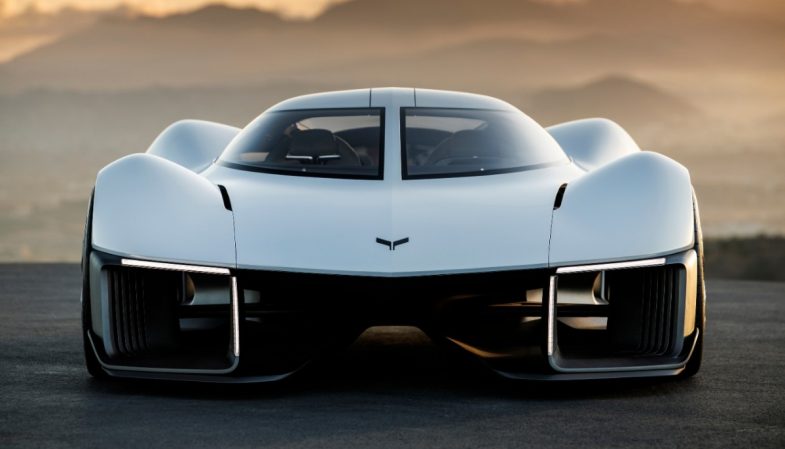
The C7 years produced no concepts beyond the SEMA packages, and the C8 was developed in secret. In 2025 Chevrolet showed three design studies, from its Leamington Spa studio in Britain and at Monterey (the electric CX and the hybrid CX.R Vision Gran Turismo), the first public look at what a Corvette after the C8 might be; the chief engineer’s 2026 remark that a Z06X is possible again is the other hint.
MORE: THE TEN GREATEST CORVETTE CONCEPTS / THE RACE CARS / THE SPECIAL EDITIONS
Six threads run through seventy years of concepts; each row lists the cars in order and the production Corvette they led to. The era sections below give every car with its picture and its fate.
MORE: THE TEN GREATEST
| THREAD | THE CARS | WHAT CAME OF IT |
|---|---|---|
| The Motorama cars | EX-122 (1953); Nomad, Corvair, Hardtop (1954); Biscayne, LaSalle II (1955); Impala (1956) | The Corvette itself; the 1956 hardtop and windows; three Chevrolet names |
| Mitchell’s show cars | Q-Corvette (1957); XP-700 (1958); Stingray Racer (1959); Mako Shark I (1961); Mako Shark II (1965); Manta Ray (1969) | The 1963 Sting Ray and the 1968 Corvette |
| Duntov’s mid-engine cars | CERV I (1960); CERV II (1964); Astro II (1968); XP-882 (1970); Four-Rotor (1973); Aerovette (1977) | Cancelled in 1977; realized in the 2020 C8 |
| The Lotus-era cars | Corvette Indy (1985–86); CERV III (1990); ZR-1 Active Suspension (1990); CERV IV (1992) | The ZR-1’s technology; the C5’s frame and transaxle |
| The coachbuilders | Ramarro (Bertone, 1984); Nivola (Bertone, 1990); Moray (Italdesign, 2003) | Show cars, all surviving |
| The previews | Sting Ray III (1992); Stingray Concept (2009); SEMA Stingray trio (2013) | The C5’s proportions, the C7’s face, the 2015 design packages |
| The 2025 design studies | GM UK Corvette concept; CX; CX.R Vision Gran Turismo | The first look past the C8 |
Nineteen cars from the decade when the Corvette was invented and reinvented at the Motorama: the EX-122, the wagon, the fastback and the four-door that were not built, Duntov’s EX87 and CERV I, Mitchell’s Q-Corvette, XP-700, Stingray Racer and Mako Shark, and the SR-2 and SS racers.
MORE: THE C1 HUB / ALL C1-ERA CONCEPT POSTS
| THE CONCEPT | YEAR | FATE | |
|---|---|---|---|
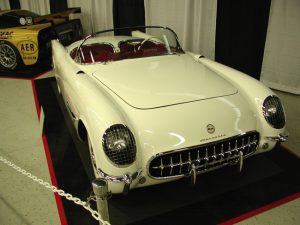 |
EX-122 Motorama Corvette The show car that became the Corvette: the Motorama roadster of January 1953, built on the EX-52 chassis, approved for production in six months The guide / Year page |
1953 | Survives; the oldest Corvette |
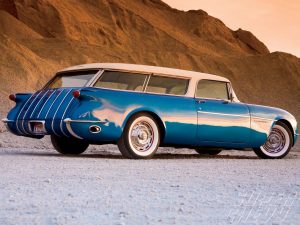 |
Corvette Nomad The Motorama station wagon on the Corvette’s nose and chassis; the name went to the full-size Chevrolet wagon in 1955 The guide / Year page |
1954 | Destroyed; name reused |
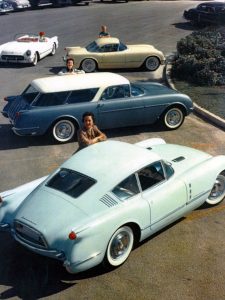 |
Corvette Corvair The Motorama fastback coupe, a Corvette with a roof and a name Chevrolet would use again in 1960 The guide / Year page |
1954 | Destroyed; name reused |
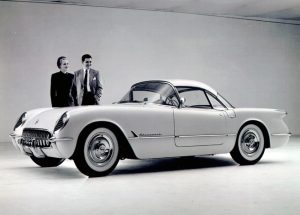 |
Corvette Hardtop Motorama Showcar The Motorama Corvette with a removable hardtop and roll-up windows, two years before the production car got them The guide / Year page |
1954 | Show car |
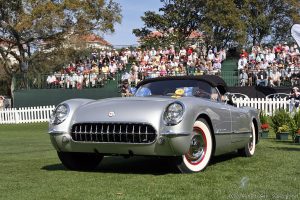 |
Corvette GM Styling Concept A GM Styling exercise on the 1954 Corvette The guide / Year page |
1954 | Study |
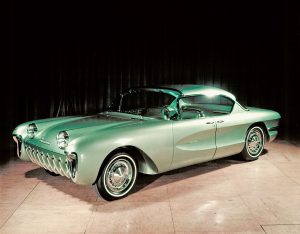 |
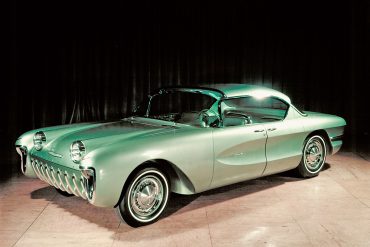
Chevrolet Biscayne The Motorama four-door hardtop with the Corvette’s V-8 and cues that reached the 1958 Chevrolets; scrapped, recovered in pieces and restored The guide / Year page |
1955 | Restored, survives |
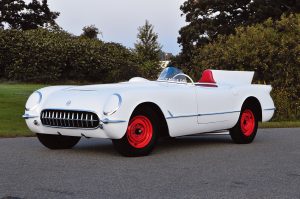 |
Corvette EX87 Duntov’s engineering mule: the 1954 chassis with the new 265 V-8 that set the Pikes Peak and Daytona records and proved the Corvette could go racing The guide / Year page |
1955 | Development car |
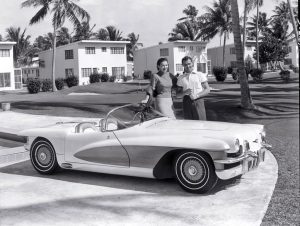 |
LaSalle II Roadster The Motorama roadster that revived Cadillac’s LaSalle name for a show, on a Corvette-sized chassis; found in a junkyard decades later The guide / Year page |
1955 | Survives |
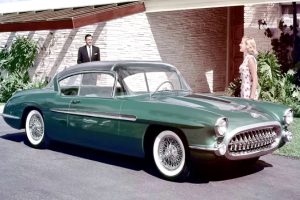 |
Corvette Impala Concept The Motorama five-seat hardtop that gave its name to the 1958 Impala The guide / Year page |
1956 | Destroyed; name reused |
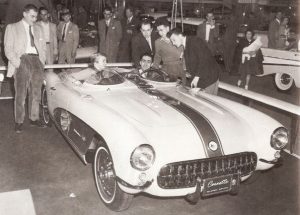 |
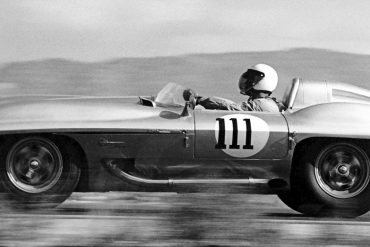
Corvette SS Show Car The show car that previewed the SR-2 and SS themes of 1956–57 The guide / Year page |
1956 | Show car |
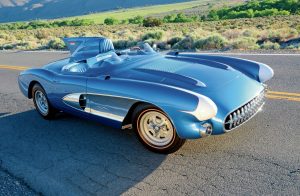 |
Corvette SR-2 Three racing Corvettes with the finned headrest and the long nose, for Jerry Earl, Bill Mitchell and Harlow Curtice; Sebring and Daytona The guide / Year page |
1956 | All three survive |
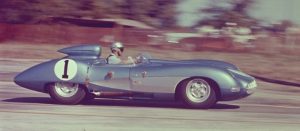 |
Corvette SS (XP-64) Duntov’s magnesium-bodied racer, driven at Sebring by Fitch and Taruffi before the AMA ban ended the program; the Stingray racer was built on its mule The guide / Year page |
1957 | Sold for $7.7 million in 2025 |
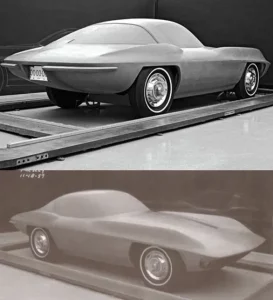 |
Q-Corvette The rear-transaxle, independent-rear-suspension design study whose lines became the Sting Ray The guide / Year page |
1957 | Study; led to the Sting Ray |
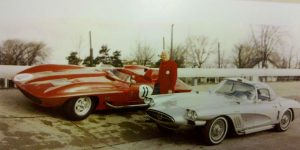 |
Corvette XP-700 Bill Mitchell’s personal show car, with the bubble top and the tail that reached the 1961 Corvette; rebuilt in 1961 as the Mako Shark The guide / Year page |
1958 | Rebuilt as the Mako Shark I |
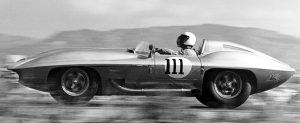 |
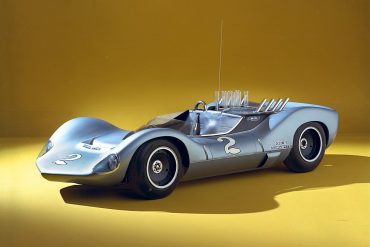
Stingray Racer (XP-87) Mitchell’s racer on the SS mule’s chassis, Shinoda’s body, the 1960 SCCA C-Modified championship and the name and the shape of the 1963 car The guide / Year page |
1959 | Survives (GM Heritage) |
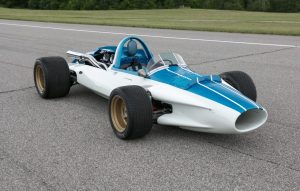 |
CERV I Duntov’s open-wheel Chevrolet Engineering Research Vehicle, the test bed for the Sting Ray’s independent rear suspension The guide / Year page |
1960 | Survives |
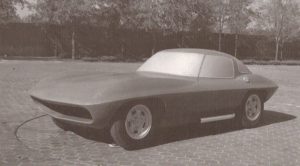 |
XP-720 C2 Prototype The development car for the 1963 Sting Ray, with the split window and the hidden headlamps taking shape The guide / Year page |
1960 | Development car |
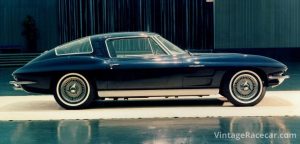 |
Four-Seat Sting Ray (XP-796) The 2+2 Sting Ray proposed to compete with the Thunderbird, built as a single car and killed by Mitchell and Duntov The guide / Year page |
1961 | One-off |
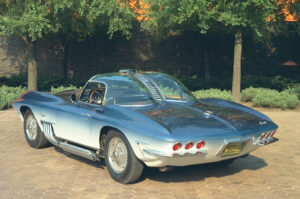 |
Mako Shark I (XP-755) The XP-700 rebuilt with the Sting Ray’s nose and a paint job matching the shark on Mitchell’s wall The guide / Year page |
1961 | Survives (GM Heritage) |
Eight cars from the Sting Ray years: the GS-II and CERV II research cars, the Banshee that Pontiac was not allowed to build, the rear-engine XP-819, the Mako Shark II that drew the 1968 car and the Astro I.
MORE: THE C2 HUB / ALL C2-ERA CONCEPT POSTS
| THE CONCEPT | YEAR | FATE | |
|---|---|---|---|
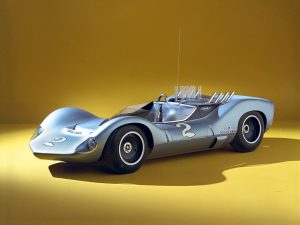 |
Corvette GS-II Chevrolet R&D’s mid-engine research car, steel then aluminum, that fed Jim Hall’s Chaparral 2 The guide / Year page |
1963 | Survives |
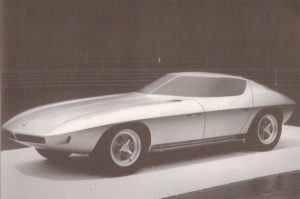 |
Wedge Concept A wedge-bodied styling proposal from the Sting Ray years The guide / Year page |
1963 | Study |
 |
CERV II Duntov’s mid-engine, four-wheel-drive answer to the Ford GT40, with a torque converter at each end; never raced The guide / Year page |
1964 | Survives |
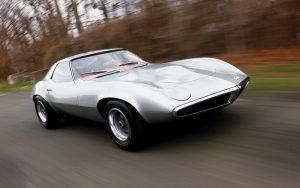 |
Pontiac Banshee (XP-833) DeLorean’s two-seat Pontiac, killed as a threat to the Corvette; its shape reached the 1968 Corvette instead The guide / Year page |
1964 | Two built, both survive |
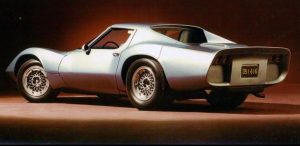 |
XP-819 Rear-Engine Corvette Frank Winchell’s rear-engine Corvette, the Corvair idea in a sports car; crashed, sold as parts and restored The guide / Year page |
1964 | Survives |
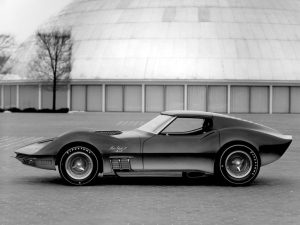 |
Mako Shark II Larry Shinoda’s show car, the shape of the 1968 Corvette three years early; the running car was rebuilt as the Manta Ray The guide / Year page |
1965 | Running car became the Manta Ray |
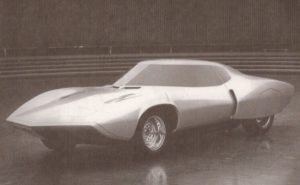 |
Mid-Engine Styling Proposal A full-size styling proposal for a mid-engine Corvette, from the years when Duntov pushed for one The guide / Year page |
1966 | Study |
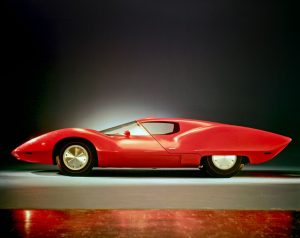 |
Astro I (XP-842) The 35-inch-tall Corvair-powered mid-engine show car with the rear-hinged canopy The guide / Year page |
1967 | Survives (GM Heritage) |
Eleven cars and the heart of the mid-engine story: Astro II, the XP-882 of 1970, the Two-Rotor and Four-Rotor Wankels, the Reynolds aluminum car and the Aerovette that was approved and cancelled, with the Manta Ray, the Astro-Vette, the Astro III and the Mulsanne.
MORE: THE C3 HUB / ALL C3-ERA CONCEPT POSTS
| THE CONCEPT | YEAR | FATE | |
|---|---|---|---|
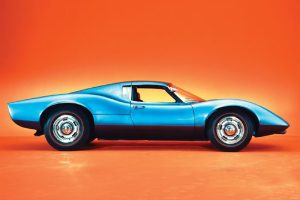 |
Astro II (XP-880) The mid-engine big-block show car of the 1968 New York show, the closest the C3 came to being mid-engined The guide / Year page |
1968 | Survives |
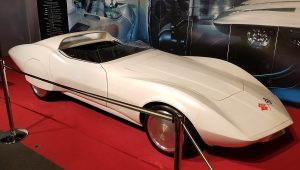 |
Astro-Vette The aerodynamic 1968 Corvette with skirted rear wheels, built for the show circuit The guide / Year page |
1968 | Survives |
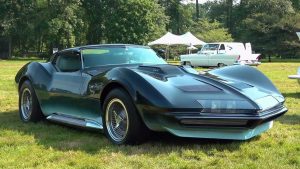 |
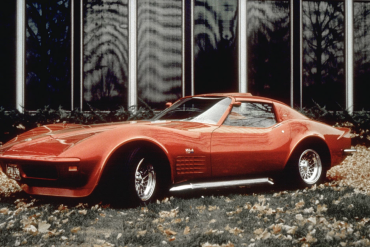
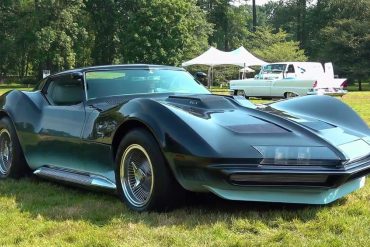
Manta Ray The Mako Shark II rebuilt with a ZL1 big block, a longer tail and side pipes The guide / Year page |
1969 | Survives (GM Heritage) |
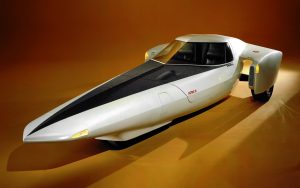 |
Astro III The gas-turbine show car with a jet canopy and a three-wheel stance The guide / Year page |
1969 | Survives |
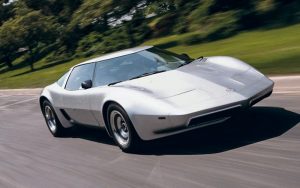 |
XP-882 Mid-Engine Prototype Duntov’s transverse-V-8 mid-engine Corvette, shown at New York in 1970 to answer the Pantera and the Ford GT; it became the Four-Rotor and the Aerovette The guide / Year page |
1970 | Became the Aerovette |
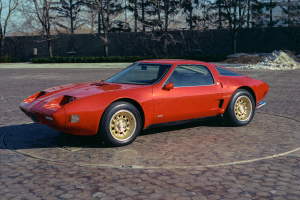 |
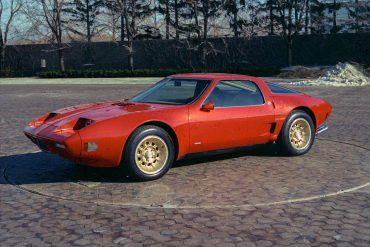
Two-Rotor XP-897 GT The Wankel Corvette: a Pininfarina body on a Porsche 914 chassis with GM’s two-rotor engine, shown at Frankfurt in 1973 The guide / Year page |
1972 | Survives (private, UK) |
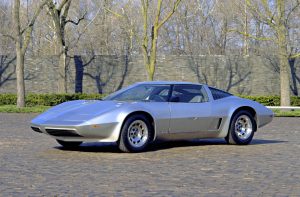 |
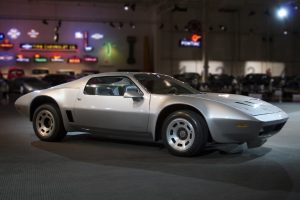
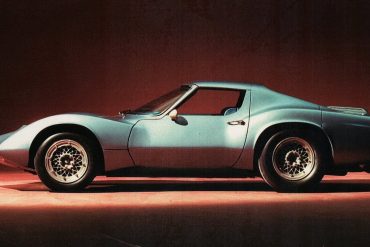
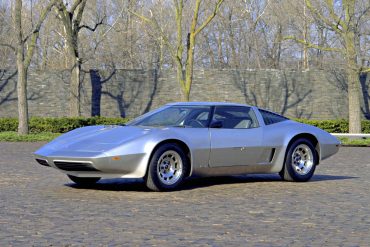
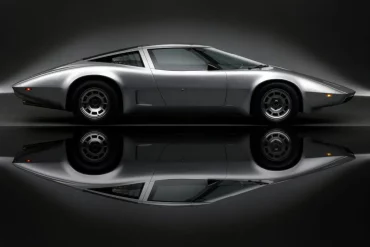
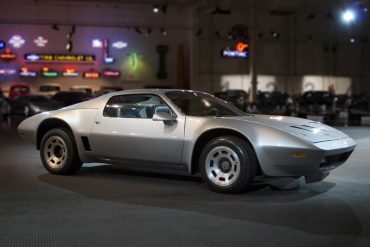
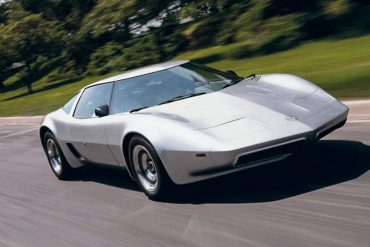
Four-Rotor XP-882 The XP-882 with a 420-hp four-rotor Wankel and the gullwing body that became the Aerovette The guide / Year page |
1973 | Became the Aerovette |
 |
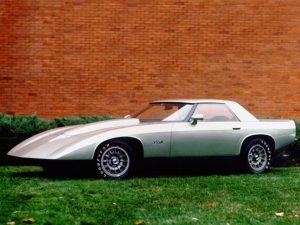
Reynolds XP-895 The XP-882’s steel-bodied twin rebodied in aluminum by Reynolds Metals to show the weight saving The guide / Year page |
1973 | Survives |
 |
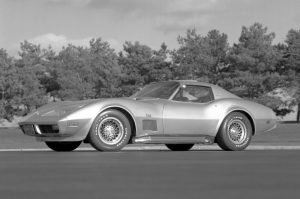
XP-898 A Vega-based study in foam-filled fiberglass sandwich construction, wearing a Corvette-like body The guide / Year page |
1973 | Study |
 |
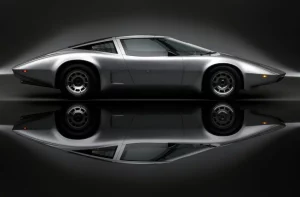
Mulsanne Showcar The 1974 Corvette show car named for the Le Mans straight The guide / Year page |
1974 | Show car |
 |
Aerovette The Four-Rotor with a 400 V-8 and a new name, approved for 1980 production and cancelled when its sponsors retired The guide / Year page |
1977 | Survives (GM Heritage) |
Fifteen cars: the Lotus-era Corvette Indy and CERV III, the ZR-1 development cars and the ZR-1 Spyder, Bertone’s Ramarro and Nivola, the ZR-12 Falconer, and the Sting Ray III and CERV IV that set up the C5.
MORE: THE C4 HUB / ALL C4-ERA CONCEPT POSTS
| THE CONCEPT | YEAR | FATE | |
|---|---|---|---|
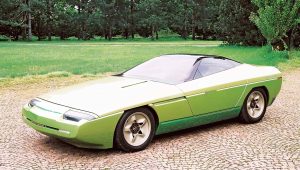 |
Bertone Ramarro Bertone’s rebody of a 1984 Corvette with the radiator moved to the tail and sliding doors The guide / Year page |
1984 | Survives |
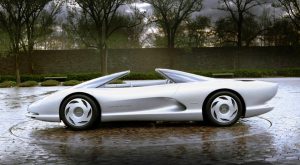 |
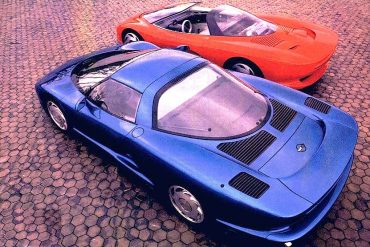
Corvette Indy (show car) The mid-engine show car around the Ilmor Indy V-8, with four-wheel drive and steering by wire; the non-running original The guide / Year page |
1985 | Show car |
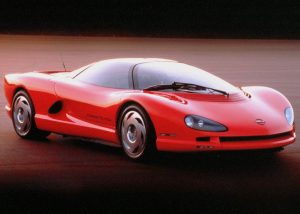 |
Corvette Indy (running) The running Corvette Indy built with Lotus: twin-turbo V-8, four-wheel drive, four-wheel steering, active suspension The guide / Year page |
1986 | Survives |
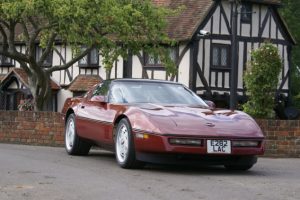 |
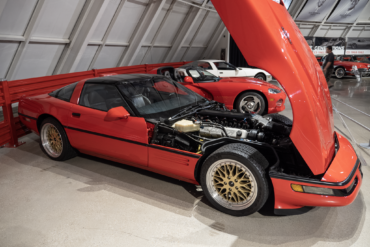
EX4607 ZR-1 Prototype The first ZR-1 development car, the LT5 in a 1986 body The guide / Year page |
1986 | Development car |
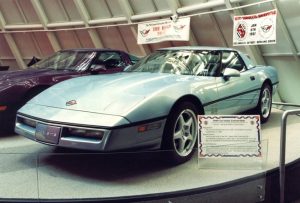 |
Corvette DR-1 Concept A 1989 Corvette design study The guide / Year page |
1989 | Study |
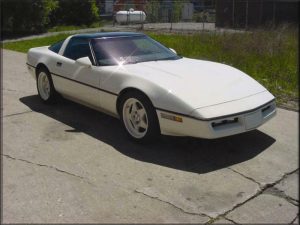 |
ZR-1 “Snake Skinner” The lightweight ZR-1 development car built to find weight in the new flagship The guide / Year page |
1989 | Development car |
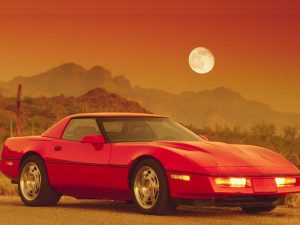 |
ZR-2 “Big Doggie” A big-block alternative to the ZR-1: a 454 in a C4, one built The guide / Year page |
1989 | One-off |
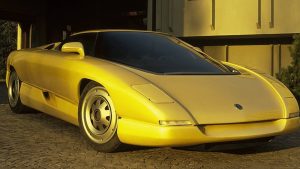 |
Bertone Nivola Bertone’s mid-engine roadster around the ZR-1’s LT5, named for Tazio Nuvolari The guide / Year page |
1990 | Survives |
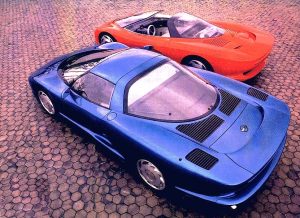 |
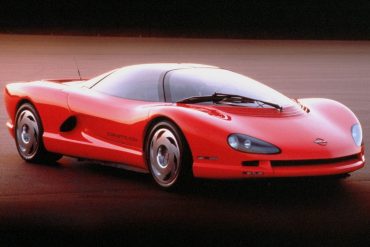
CERV III The Corvette Indy made production-feasible: twin-turbo LT5, 650 hp, four-wheel drive and steering, a $300,000 price that killed it The guide / Year page |
1990 | Survives |
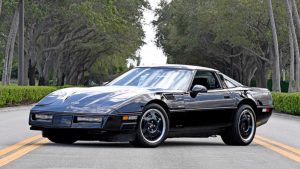 |
ZR-1 Active Suspension The Lotus active-suspension ZR-1 development cars, the Corvette Challenge cars’ successors as test beds The guide / Year page |
1990 | Development cars |
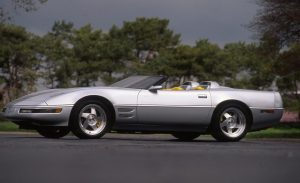 |
ZR-1 Spyder The show-car roadster version of the ZR-1 with a cut-down windshield and a speedster cowl The guide / Year page |
1991 | Survives |
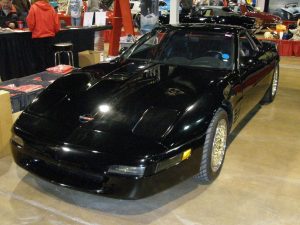 |
CERV IV The C5 development mule in a C4 body: the hydroformed frame and rear transaxle five years early The guide / Year page |
1992 | Development car |
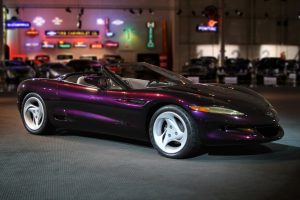 |
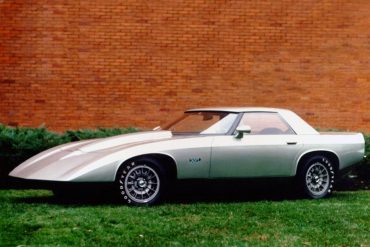
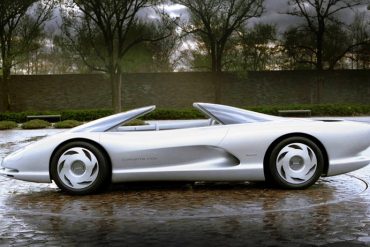
Sting Ray III The California-studio show car with the long wheelbase and the two-seat, open-top design that previewed the C5’s proportions The guide / Year page |
1992 | Survives (GM Heritage) |
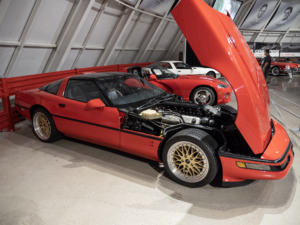 |
ZR-12 Falconer A ZR-1 with Ryan Falconer’s 9.9-liter V-12 and eight extra inches of nose, built for Chevrolet by Falconer The guide / Year page |
1992 | Survives |
Three show cars: the Tiger Shark and White Shark customs and Giugiaro’s Moray for the Corvette’s 50th birthday.
MORE: THE C5 HUB / ALL C5-ERA CONCEPT POSTS
| THE CONCEPT | YEAR | FATE | |
|---|---|---|---|
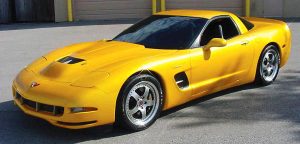 |
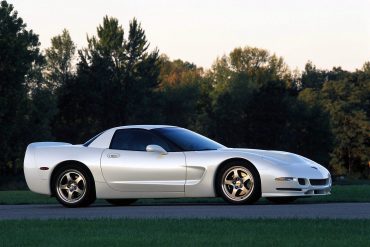
Tiger Shark The customized C5 shown by GM, with the shark theme revived for the show circuit The guide / Year page |
2001 | Show car |
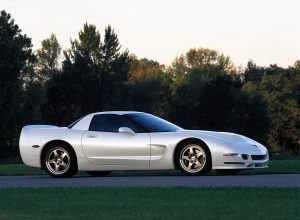 |
White Shark The white C5 convertible show car that followed the Tiger Shark The guide / Year page |
2002 | Show car |
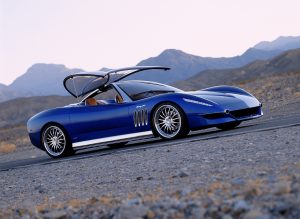 |
Italdesign Moray Giugiaro’s 50th-birthday present to the Corvette: a glass-roofed coupe on the C5 chassis, shown at Geneva The guide / Year page |
2003 | Survives (Italdesign) |
Five: the Stingray Concept that played Sideswipe and shaped the C7, the SEMA Jake Edition and Z06X, the Carlisle Blue Grand Sport and the Daytona Prototype race car.
MORE: THE C6 HUB / ALL C6-ERA CONCEPT POSTS
| THE CONCEPT | YEAR | FATE | |
|---|---|---|---|
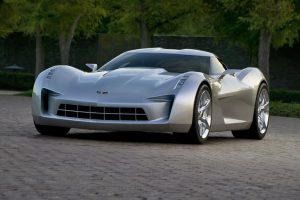 |
Stingray Concept Sideswipe from Transformers: the split-window, hidden-headlamp show car that fed the C7’s design The guide / Year page |
2009 | Survives (GM Heritage) |
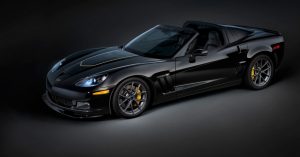 |
Jake Edition The SEMA concept wearing Corvette Racing’s Jake skull, a Z06 with the race team’s look The guide / Year page |
2010 | Show car |
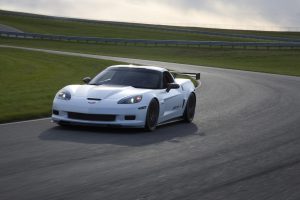 |
Z06X Track Car Concept The stripped, caged, carbon-bodied Z06 for SEMA 2010; the chief engineer said in 2026 a Z06X is possible again The guide / Year page |
2011 | Show car |
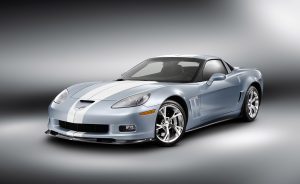 |
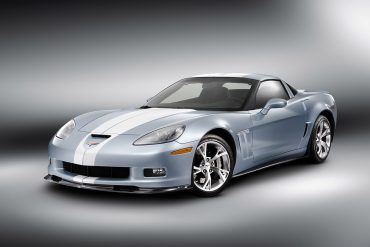
Carlisle Blue Grand Sport The Grand Sport concept in Carlisle Blue shown at Corvettes at Carlisle, a color that reached production The guide / Year page |
2012 | Show car; color produced |
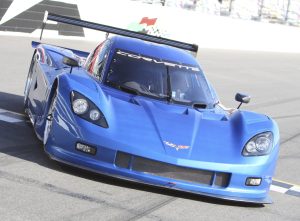 |
Corvette Daytona Prototype The Grand-Am prototype with a Corvette face on a Dallara or Coyote chassis, raced from 2012 to 2016 The guide / Year page |
2012 | Raced 2012–16 |
One: the SEMA trio of 2013 that previewed the 2014 Stingray’s packages. The C7 was developed without public concepts and the C8 in secret.
MORE: THE C7 HUB
| THE CONCEPT | YEAR | FATE | |
|---|---|---|---|
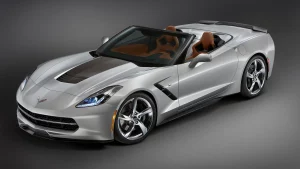 |
SEMA Stingray Trio Three 2014 Stingray concepts for SEMA 2013: the Gran Turismo, the Pacific and the Atlantic, the last two becoming 2015 design packages The guide / Year page |
2013 | Became the 2015 design packages |
The 2025 design studies, three cars in three cities, and the first public look at what comes after the mid-engine car.
MORE: THE C8 HUB
| THE CONCEPT | YEAR | FATE | |
|---|---|---|---|
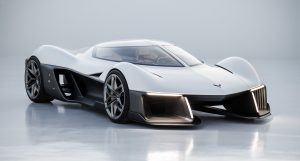 |
GM Corvette Concept (UK) The electric hypercar design study from GM’s Leamington Spa studio, the first of the Corvette design concepts of 2025 The guide / Year page |
2025 | Design study |
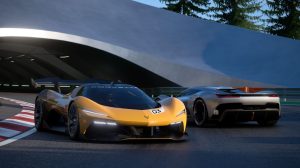 |
Corvette CX and CX.R Vision Gran Turismo The 2,000-hp electric CX and the hybrid CX.R racer shown at Monterey Car Week 2025, the second and third of the 2025 design studies The guide / Year page |
2025 | Design studies |
The whole collection, newest first: the guides, the news and the pictures.
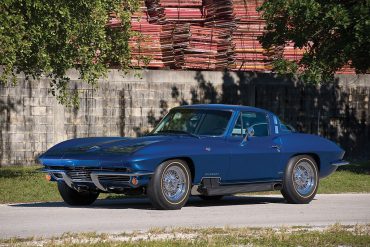
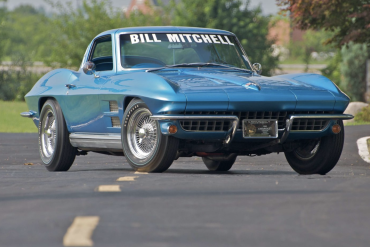
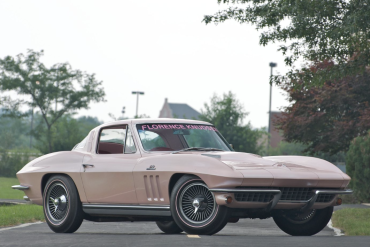
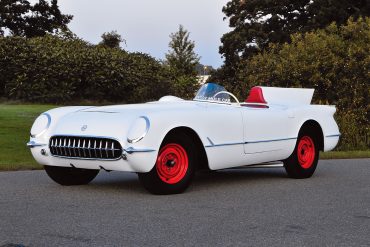

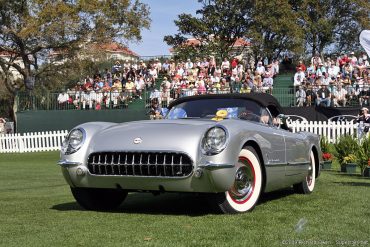
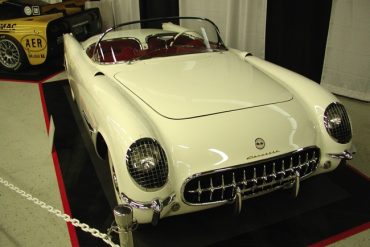

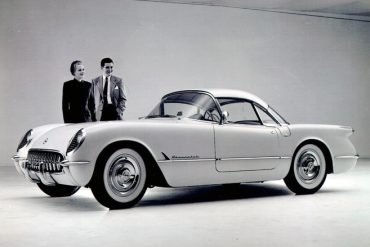

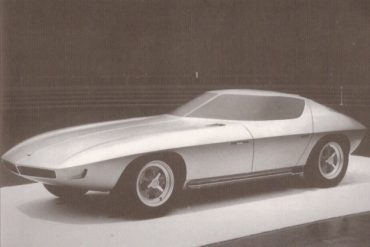
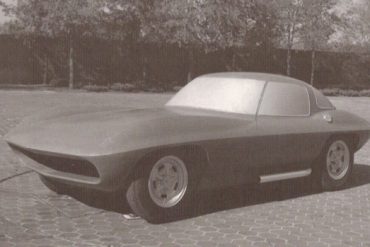
The Corvette itself: the EX-122 shown at the GM Motorama in New York in January 1953 was a concept car that went into production six months later. It survives, the oldest Corvette in existence.
The Stingray Racer and the Mako Shark I became the 1963 Sting Ray; the Mako Shark II became the 1968 Corvette; the Sting Ray III set the C5’s proportions and the CERV IV its chassis; the 2009 Stingray Concept gave the C7 its face; the 2013 SEMA Pacific and Atlantic cars became 2015 design packages; and the mid-engine idea of the XP-882 and Aerovette became the 2020 C8, fifty years later.
Duntov built mid-engine prototypes from 1964 (CERV II) through 1977 (the Aerovette, approved for 1980 production), and his successors built the Corvette Indy and CERV III in 1986–90, but each time the cost, the tooling and the question of whether Corvette buyers wanted it stopped the car. The C8 of 2020 is the Aerovette’s idea with a modern budget.
Most survive: the GM Heritage Center holds the Stingray Racer, the Mako Shark I, the Manta Ray, the Astro I, the Aerovette, the Sting Ray III and the Stingray Concept among others; the National Corvette Museum and private collections hold more (the CERVs, the SR-2s, the XP-819, the Reynolds car). The Motorama Nomad, Corvair and Impala were destroyed, and the 1957 SS sold at auction for $7.7 million in 2025.
By influence, the 1959 Stingray Racer, which gave the car its name, its shape and its racing credibility in one stroke; by what it almost was, the 1977 Aerovette; by what it started, the 1953 EX-122. The ten-greatest list, linked above, argues the order.
Three in 2025: a hypercar design study from GM’s Leamington Spa studio in Britain, and the electric CX and hybrid CX.R Vision Gran Turismo at Monterey Car Week, the first public look at ideas beyond the C8. Corvette’s chief engineer said in 2026 that a Z06X is possible again, sixteen years after the SEMA concept.
Rarely, which is why the sales make news: the 1957 Corvette SS ($7.7 million, 2025), the Pontiac Banshee, the XP-819 and the Reynolds XP-895 have changed hands; the GM Heritage cars do not. The market reports cover the sales.
On their own pages: the race cars (the SR-2, the SS, the Grand Sports, the Corvette Racing cars) and the special editions (the badged factory editions). The cars that began as engineering or show cars and went racing appear here too.