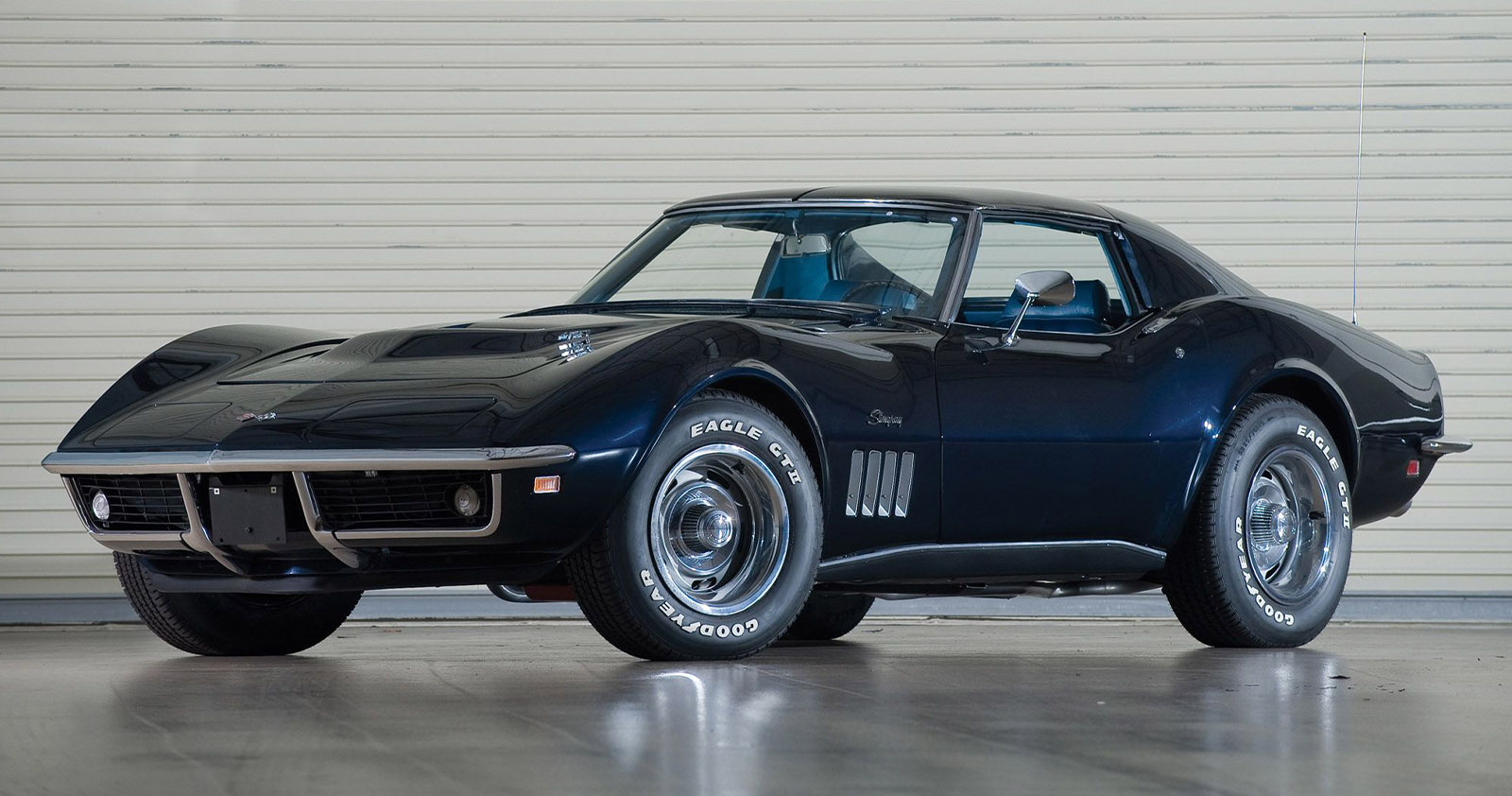
Every seasoned Corvette enthusiast can recite the holy trinity of the franchise by heart: Harley Earl gave America’s sports car its striking fiberglass skin, Zora Arkus-Duntov injected its high-performance mechanical soul, and Ed Cole fought off the corporate bean counters to keep the assembly lines rolling. But a legendary nameplate doesn’t survive seven decades and radically evolve from a low-powered 1953 cruiser into a mid-engine supercar on the backs of just three men. Beneath the polished museum wings and the high-profile marketing campaigns lies a deeper history—one forged in the shadows of General Motors by a league of corporate ghosts, engineering mutineers, and rogue managers who stepped up precisely when the car hit its absolute physical or financial limits.
Welcome to CorvSport’s Profiles and Personalities Series, where we take names you may not know and group them in unique ways you haven’t seen before. Even after 73 years, the Corvette story still has dark corners and hidden heroes waiting to be brought into the light. This series is designed for an easy-going, quick scroll, with opportunities to dig deeper if the personality grabs you. Whether you have 10 minutes or the whole afternoon to burn, you are in the right place.
To honor the built-in symmetry of America’s favorite sports car, today’s feature uncovers exactly eight of these behind-the-scenes architects to mirror every distinct generation from the C1 straight through to the C8. If you’ve been living and breathing this hobby since the glory days of the C4 and C5 eras, prepare to meet the people the corporate hierarchy almost forgot: from the luxury chassis wizard borrowed from Rolls-Royce, to the platform manager who intentionally defied executive execution orders, to the 30-year veteran who quietly ran mid-engine simulations until physics forced corporate hands. Strip away the auction-block hype and the glossy brochures, because it is time to meet some of the true shadow architects who secretly shaped, saved, and revolutionized the Corvette.
The Ghost Architects…
8 Names That Secretly Saved Or Shaped The Corvette
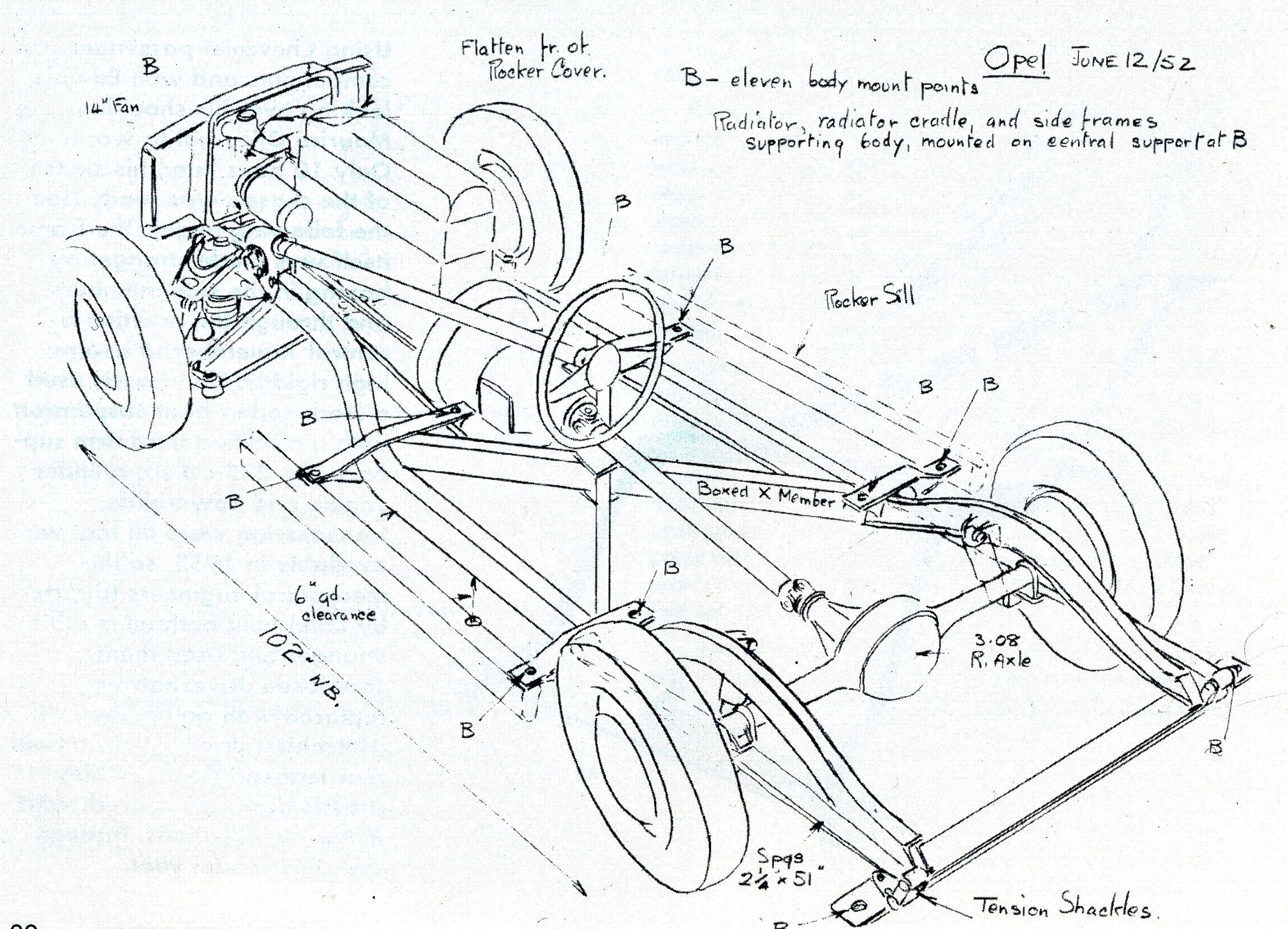
1 — Robert “Bob” McLean: The Man Who Drew the Bones
The Pitch: Before a single body line was sculpted, someone had to figure out how to squeeze heavy Chevy sedan parts into a low-slung European sports car envelope on a shoestring budget.
The Storyline: Focus on the sheer geometry of his genius. He laid out “Project Opel” from the rear axle forward. By pushing the engine far behind the front axle to get a 53/47 weight distribution, he single-handedly forced the cabin backward.
The Killer Insight: McLean didn’t design the car’s look—he designed its posture. Harley Earl’s team literally laid their styling clay over McLean’s pre-calculated frame dimensions.
The CorvSport Archive Dive: The Corvette Story — Styling by Earl, McLean and Renner
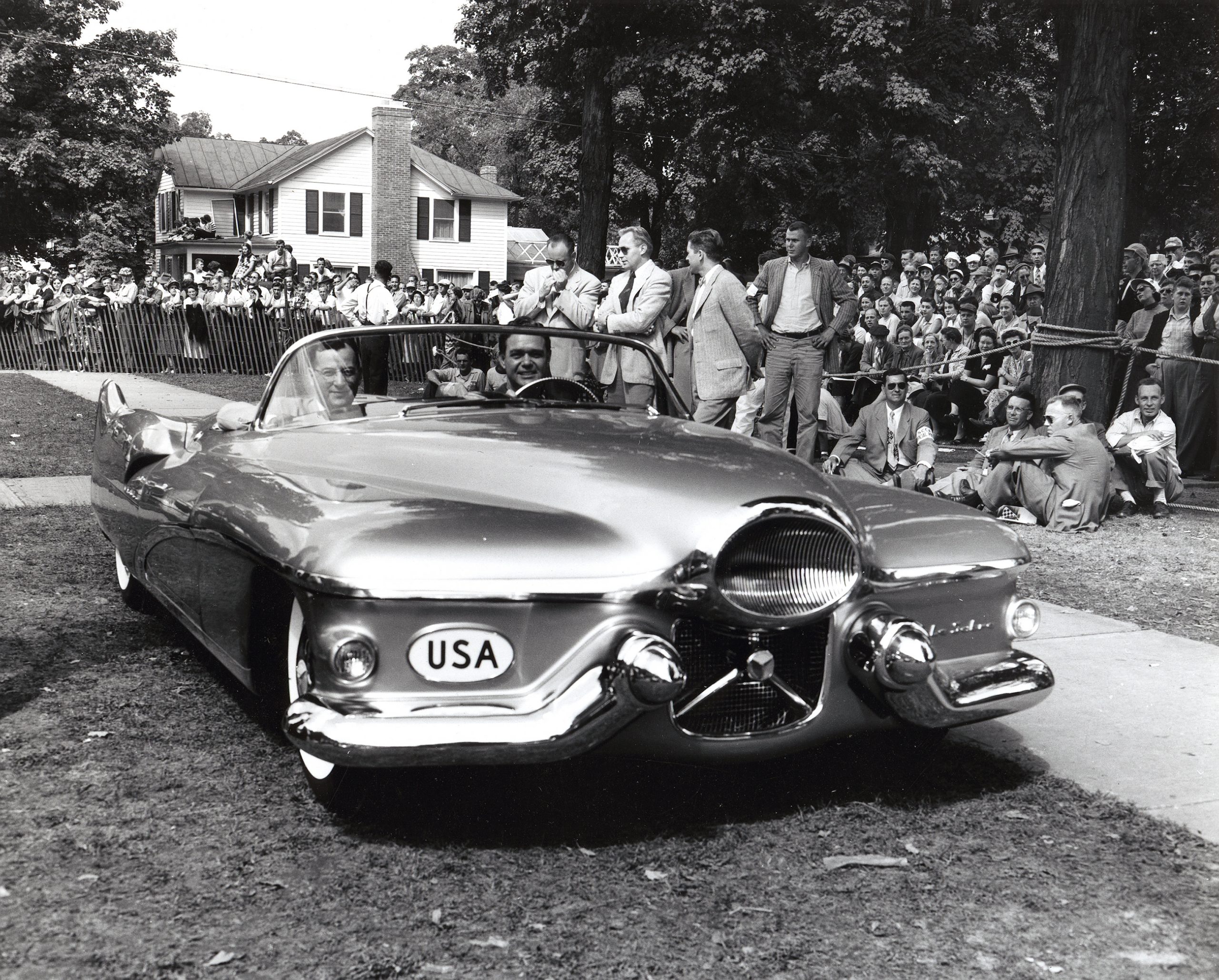
2 — Maurice Olley: The Rolls-Royce Mind in a Chevy Garage
The Pitch: The visual prototype was a beautiful shell, but it would have ridden like a standard 1950s delivery truck without this British suspension wizard.
The Storyline: Olley was the head of Chevrolet R&D and a former Rolls-Royce chassis engineer. He threw out the standard passenger-car frame blueprints and engineered a custom, ultra-rigid box-section frame that kicked up over the rear axle to lower the center of gravity.
The Killer Insight: Olley was also the guy who pioneered the structural testing of the fiberglass-reinforced plastic body, even orchestrating rollover tests to prove the space-age material was safe for production.
The CorvSport Archive Dive: The Corvette Story – Chassis by Maurice Olley
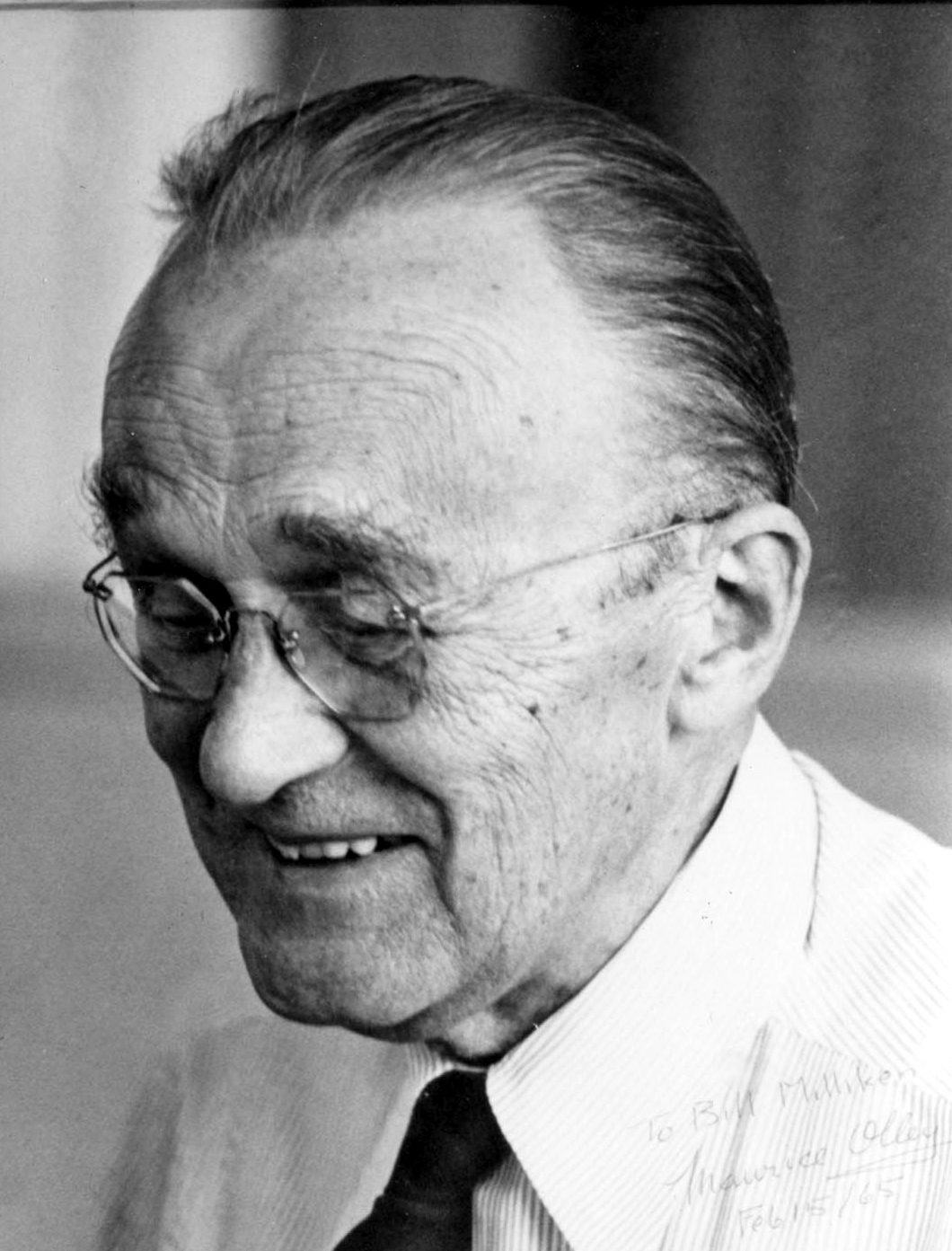
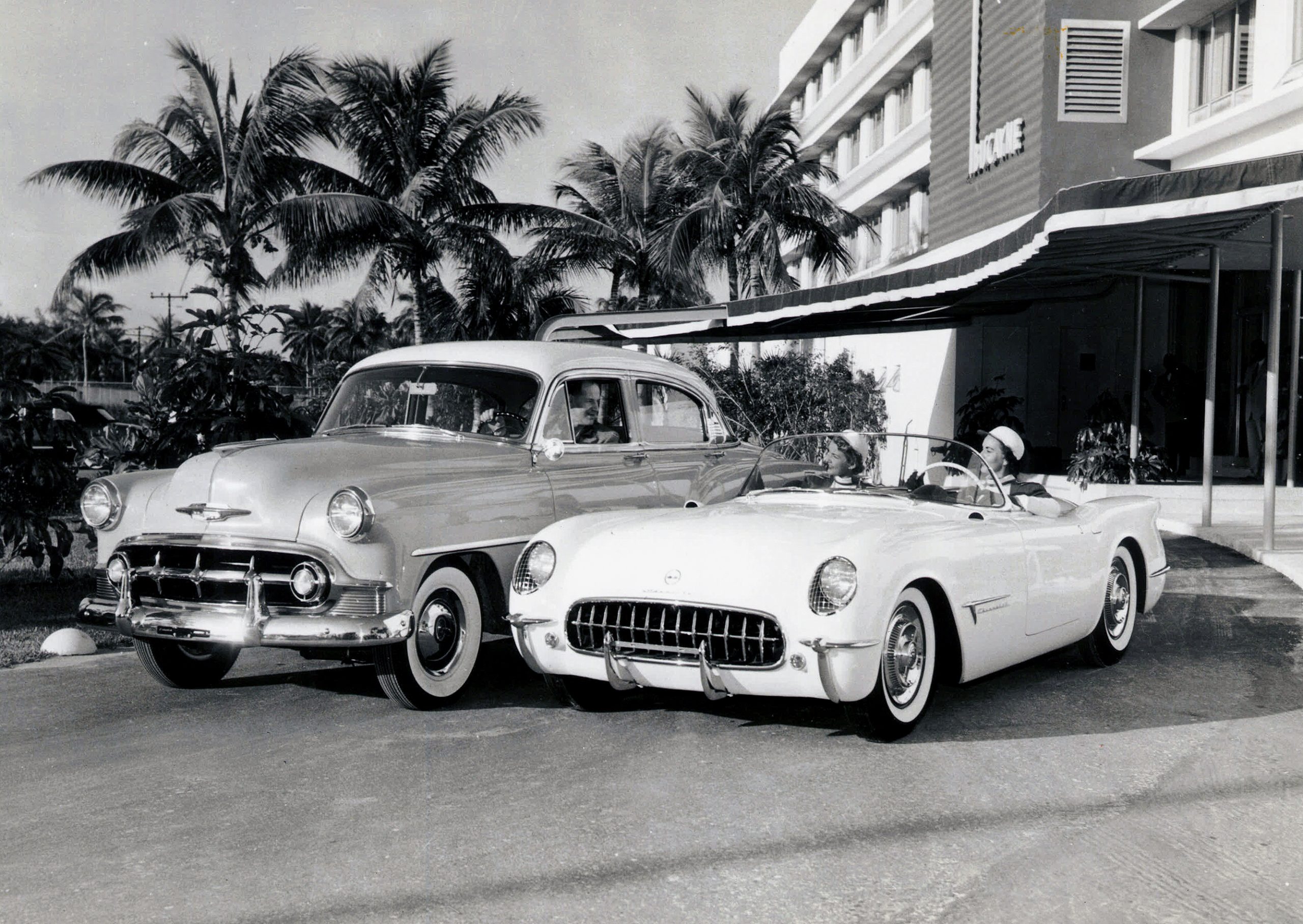
3 — Carl Renner: The Secret Weapon Who Visualized The Icon
The Pitch: Harley Earl set the grand direction, but it was a brilliant industrial designer who actually put the final, timeless pen strokes on the C1’s face.
The Storyline: Renner was a phenomenal stylist working in GM’s secret Advanced Styling Studio. Hand-picked by Earl for his futuristic eye, Renner took the raw concepts for “Project Opel” and sketched the production-ready toothy chrome grille, the seamless side profiles, and the integrated rear bullet taillights.
The Killer Insight: Renner’s sketches struck the perfect balance between aggressive European sports car dynamics and mid-century American futurism. His ability to translate Earl’s vague ideas into concrete styling lines gave the 1953 Motorama car its show-stopping, iconic presence.
The CorvSport Archive Dive: The Corvette Story — Styling by Earl, McLean and Renner
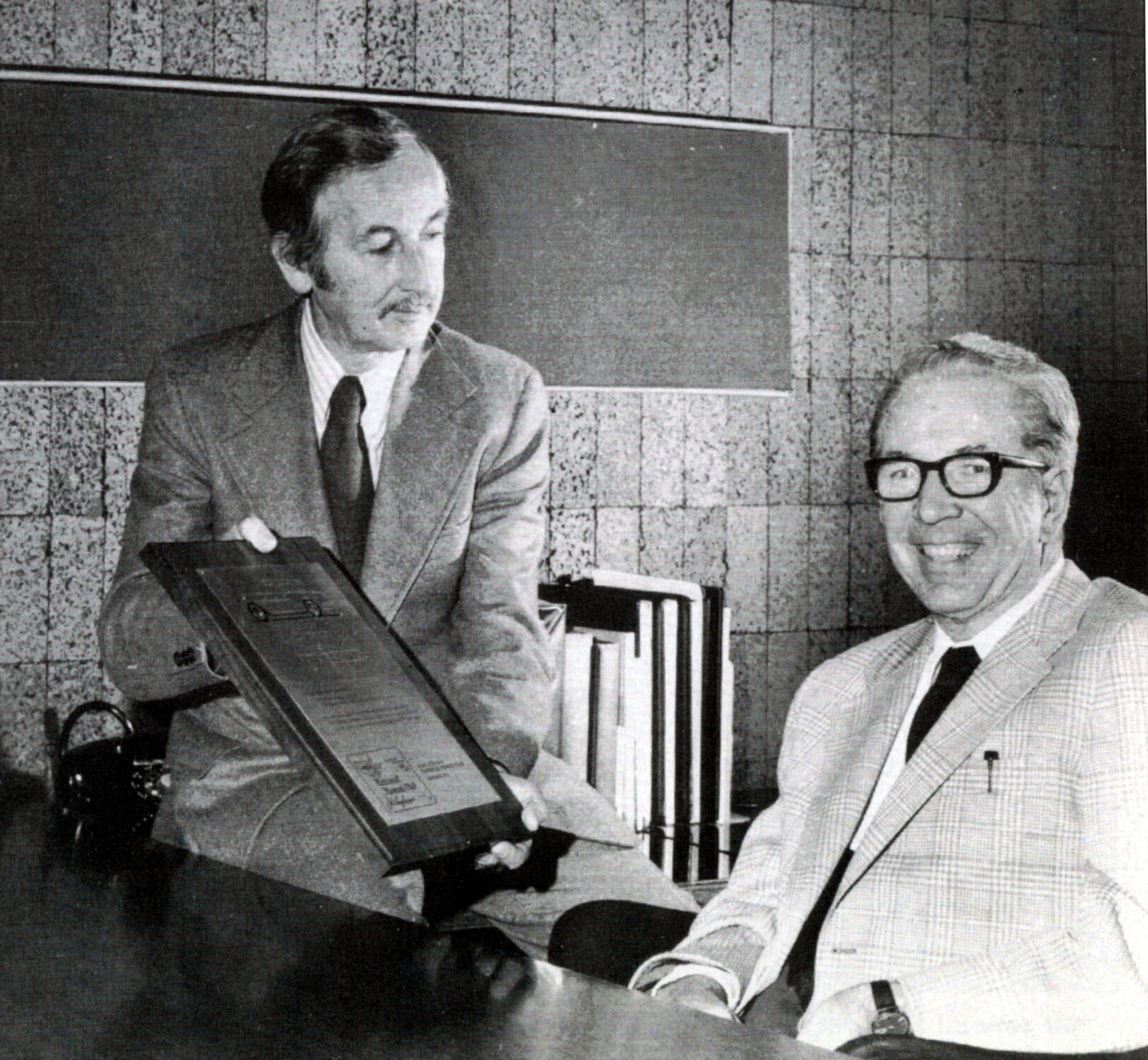
4 — Russ McLean: The Rogue Executive Who Ran an Underground Campaign
The Pitch: A perfect way to jump generations to the 1990s. While Bob McLean birthed the C1, Russ McLean (no relation) saved the entire franchise from execution.
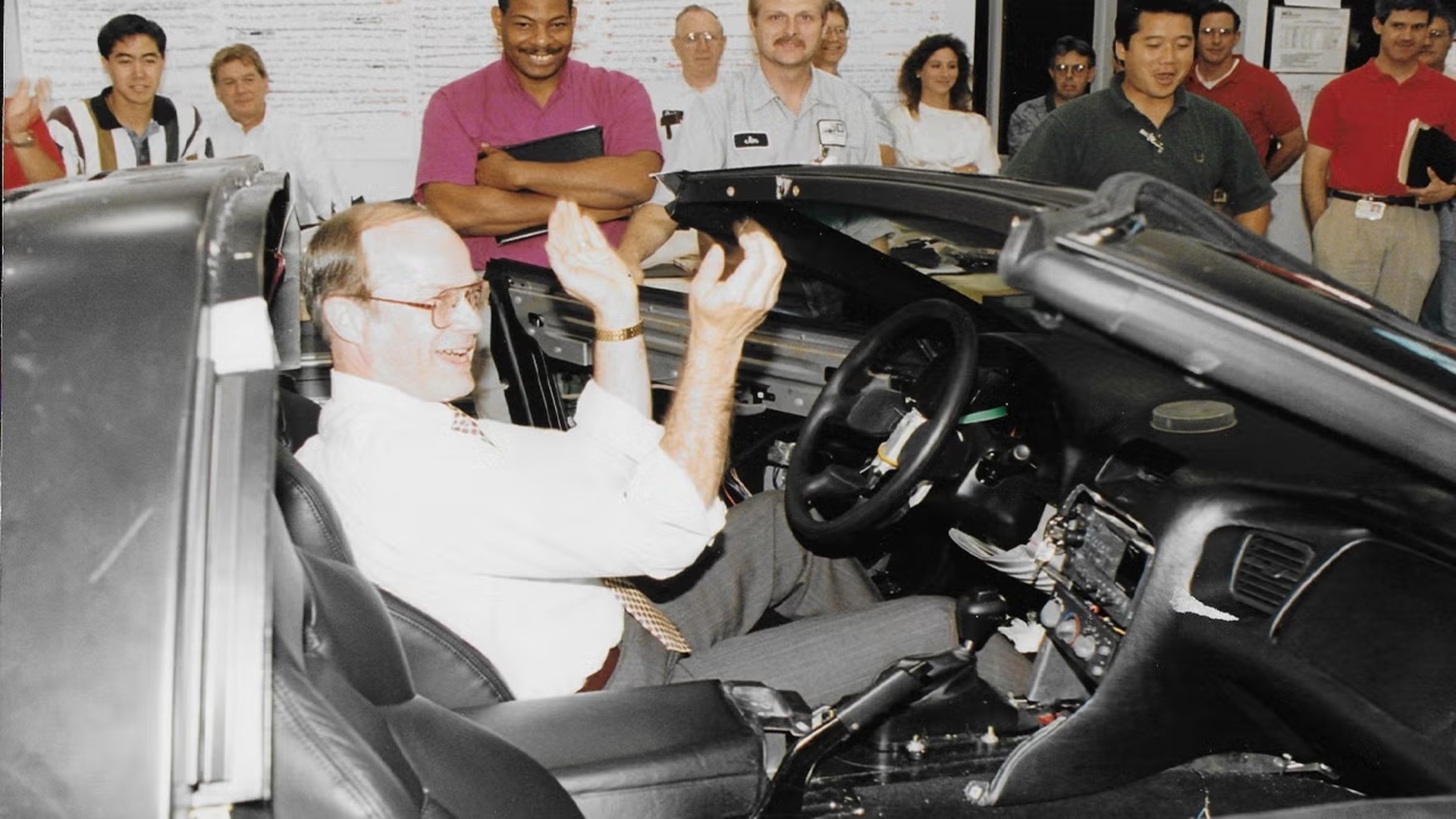
The Storyline: In 1992, GM’s corporate accountants wanted to kill the Corvette program entirely. Russ McLean, then the Platform Manager, ran a rogue, underground operation to keep the upcoming C5 alive. He hid development costs, scavenged parts, and shuffled budgets to keep engineers working on the car in secret.
The Killer Insight: He routinely risked his corporate career by intentionally defying direct orders from GM executives to stop working on the prototype. Without his defiance, the legendary C5 (and your beloved Fixed Roof Coupes!) would never have existed.
The CorvSport Archive Dive: The Secret Campaign That Saved the Corvette
5 — John Heinricy: The Silent Assassin of Corvette Racing
The Pitch: The ultimate “driver-engineer” who bridged the gap between assembly-line road cars and absolute racetrack dominance.
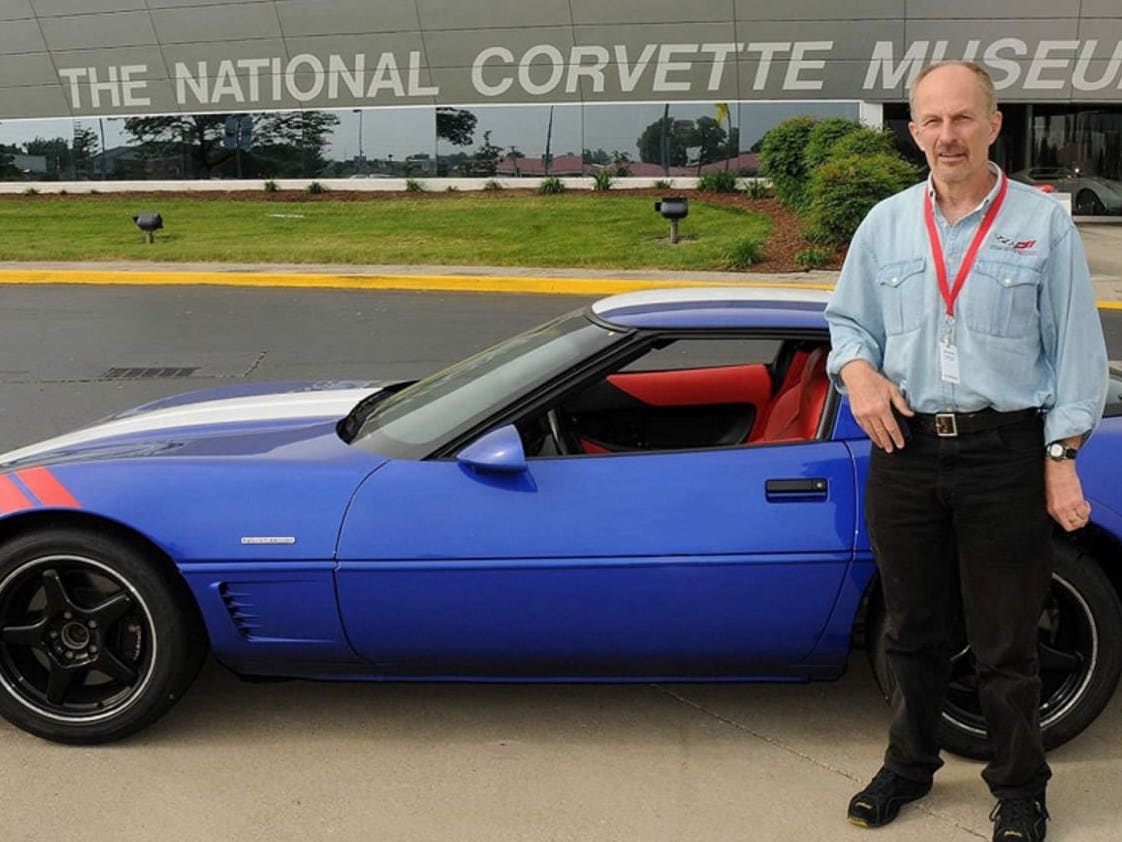
The Storyline: Affectionately known as “The Heinrocket,” Heinricy spent decades as an assistant chief engineer for Corvette. He wasn’t just sitting behind a desk; he was a savage on the track, using his dual-threat talent to refine the handling of the C4, C5, and C6 generations.
The Killer Insight: He fought relentlessly to turn the race track into a literal development lab. Long before Pratt Miller’s factory C5.R ever headed to France, Heinricy used his own brutal, real-world showroom-stock endurance-racing victories in the ’80s and ’90s to immediately validate and trickle high-performance hardware down into regular production RPO options like the Z06 and Grand Sport models.
The CorvSport Archive Dive: The Top 10: Most Influential Individuals In Corvette Design & Development
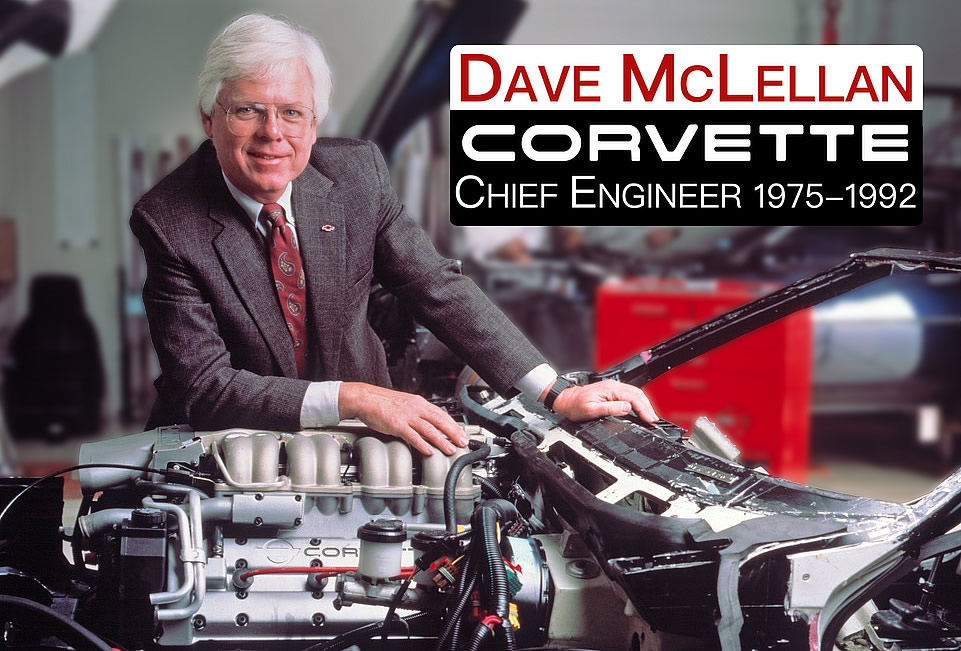
6 — David McLellan: The Quiet Genius Who Rebuilt the Modern Icon
The Pitch: Following in the footsteps of a legend like Zora Arkus-Duntov is an impossible task, but this low-key engineer dragged the Corvette kicking and screaming into the modern technological era.
The Storyline: Taking over as Chief Engineer in 1975, McLellan inherited a choked, emissions-restricted platform. He spent nearly a decade quietly masterminding the C4 Corvette. Instead of relying on raw muscle, he focused on revolutionary aerodynamics, advanced electronics, and unyielding lateral grip.
The Killer Insight: McLellan was a stoic contrast to Duntov’s fiery persona. He managed the intense corporate pressure of the 1980s to deliver the ZR-1 “King of the Hill,” proving to the global automotive industry that America could build a world-beating, high-tech supercar.
The CorvSport Archive Dive: Profiling Greatness: Dave McLellan
7 — Tom Wallace: The Integration Master Who Saved The Vette’s Soul
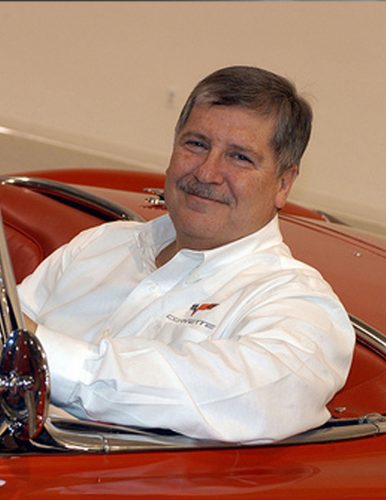
The Pitch: When GM was hurtling toward bankruptcy in the mid-2000s, this vehicle line executive fought tooth and nail to make sure the Corvette didn’t get watered down by a corporate committee.
The Storyline: Wallace took the reins during the C6 era. His true genius lay in synergy. He broke down the traditional walls between the high-flying Corvette Racing team and the production street-car engineers, forcing them to share data seamlessly.
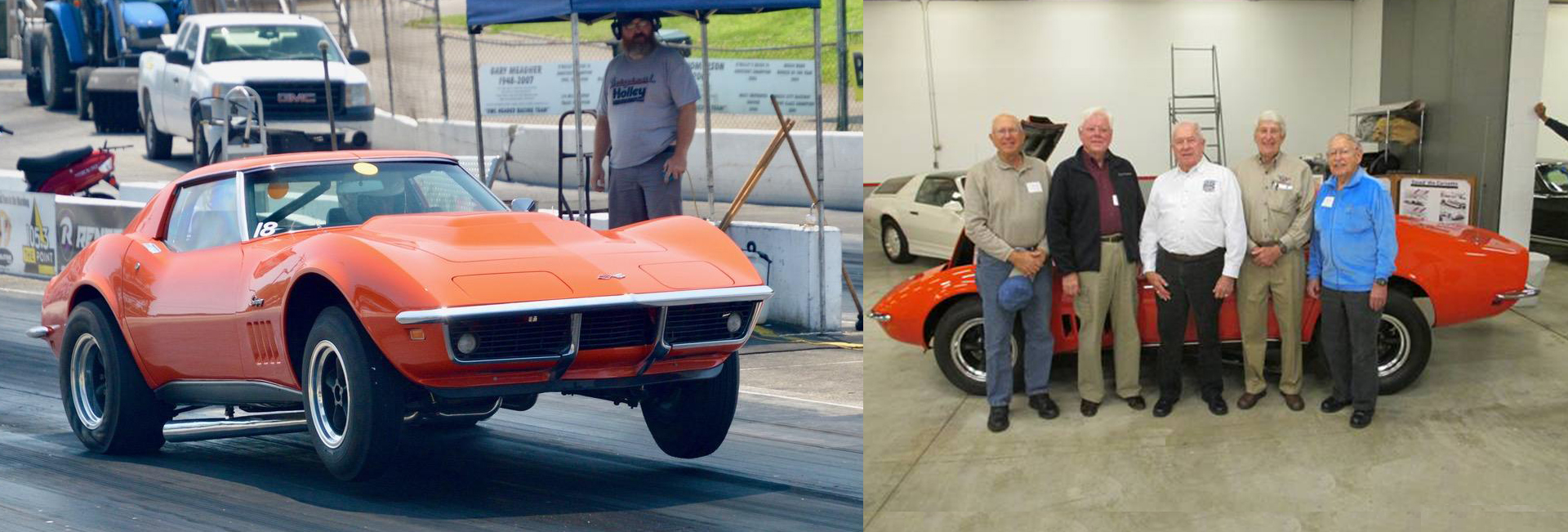
The Killer Insight: Wallace was the executive force behind the C6 ZR1 (Project Blue Devil). In a climate where GM accountants were slashing budgets everywhere, he managed to greenlight a 638-horsepower supercharged monster by proving that pushrod V8s could still dominate sophisticated European overhead-cam engines on a budget.
The CorvSport Archive Dive: 2018 Corvette Hall of Fame Inductees
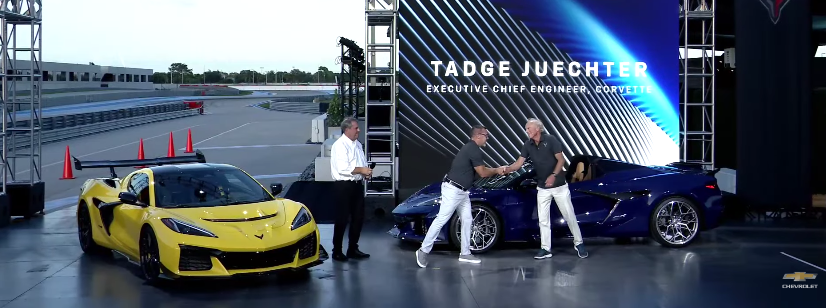
8 — Tadge Juechter: The Man Who Spent 30 Years Moving The Engine
The Pitch: While he recently retired as a highly visible Chief Engineer, his decades-long, grueling journey before taking the top spot is a masterclass in behind-the-scenes perseverance.
The Storyline: Juechter didn’t just show up and debut the mid-engine C8. He spent over 30 years in the trenches at GM. He worked intimately on the structural stiffness of the C5, served as the assistant chief engineer for the C6, and laid the complex architectural groundwork for the aluminum-framed C7.
The Killer Insight: For decades, the mid-engine Corvette was a mythical concept that GM corporate repeatedly killed. Juechter spent years quietly running simulations, gathering packaging data, and waiting for the exact moment when the front-engine layout hit its physical limits so he could finally unleash the C8.
The CorvSport Archive Dive: The Mid-Engine Magic: How the C8 Corvette Redefined the Legend.
The Final Word
When the tire smoke clears and the auction block lights fade, the seven-decade longevity of the Corvette rests entirely on the specific victories of these eight shadow architects. We clip apexes today because Bob McLean fundamentally altered the car’s posture, Maurice Olley engineered a rigid custom frame to keep it planted, and Carl Renner wrapped those raw bones in an immortal design. We have a modern, high-performance culture because David McLellan weaponized advanced electronics, Russ McLean staged a daring corporate mutiny to save the C5 platform, and John Heinricy directly transferred championship-racetrack data onto the assembly line. Even the world-beating power of the C6 ZR1 and the mid-engine architecture of the C8 simply do not exist without the relentless corporate maneuvering of Tom Wallace and the thirty-year packaging simulations run by Tadge Juechter.
They did not just design fenders or punch a corporate clock; they actively risked executive careers, subverted tightening budgets, and bent physics to their absolute will to ensure that an American icon could outrun its own corporate mortality. While the household names of the hobby will always rightfully command the museum wings, it is the fingerprints of these unsung engineers, rogue managers, and visionary designers that are permanently baked into the fiberglass and aluminum of the cars we drive today. The next time you drop the top on a pristine stretch of tarmac or swap stories at a local car meet, look past the marketing gloss and remember the ghosts in the machine. They are the architects who built the foundation, fought the bean counters, and successfully kept the American dream on four wheels.
Join Our Weekly Email Newsletter!
- No daily spam
- One meaty and to-the-point newsletter per week
- Plus additional opportunities for discounts on Corvette giveaways
CLICK HERE TO JOIN–It’s FREE!

We hope you enjoyed this episode of CorvSport’s Profiles and Personalities Series. Thanks for being with us today on this Corvette journey. If you enjoy what you see, we’d love for you to join the CorvSport movement!
- Engage with CorvSport’s 165,000 Facebook followers and be the first to see our daily content.
- Experience how obsessed we are and view our whole arsenal of Corvette content at CorvSport.com!
- Never miss a beat on the community pulse! Sign up for our weekly newsletter here.
- Enjoy an ad-free experience, get exclusive content, and support CorvSport for only $2.92/month!