Become a premium member for just $35/year and get ad-free access!
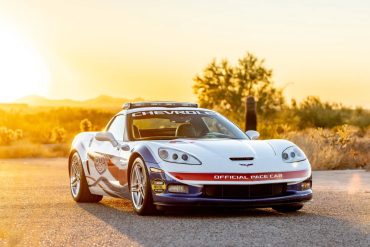
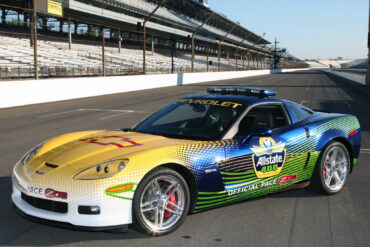
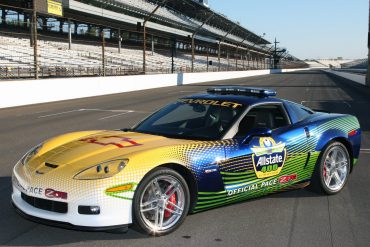
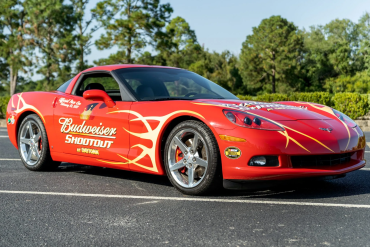
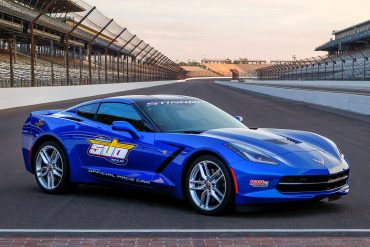
Two racing icons will unite when Lance Armstrong, seven-time Tour de France winner, drives the 2006 Chevrolet Corvette Z06 pace car to lead the field to the start of the 90th running of the Indianapolis 500 on May 28, 2006. For a record 17th time, a Chevy will pace the race, and it's the eighth time for a Corvette to be leading the pack. The only changes made to prepare it for this year's role were the addition of strobe lights and racing safety gear.
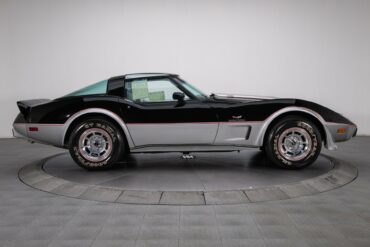
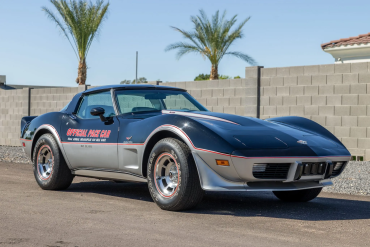
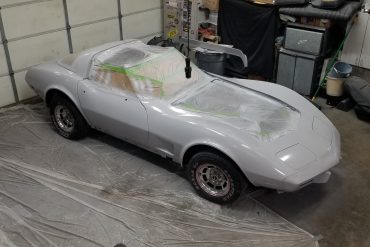
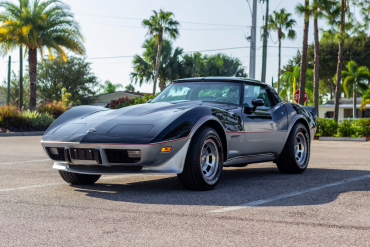
1978 was significant because it marked the cars 25th anniversary of production. Recognizing the achievement of manufacturing a car for a quarter-century, Chevrolet commemorated this accomplishment by introducing two special-edition Corvette that year.  The first of these was known as the "Silver Anniversary" edition Corvette.  It featured a two-tone silver over gray exterior with special pin-striping and special "25th Anniversary" badging.
Corvette’s decision to become the official pace car of the Rolex 24 Hours at Daytona is a key component of Chevrolet’s strategy to reinforce Corvette’s image as "America’s Performance Icon." Jim Campbell, Corvette brand manager, is responsible for developing this strategy, and he’s the guiding force behind Corvette’s return to the racetrack.
In 2005, the Corvette was chosen as the official pace car of the 47th Daytona 500. The car was based on a 2005 production model Corvette and it presented an excellent opportunity for the 2005 Corvette to showcase its true capabilities. The pace car was designed to honor the heritage of the historic Corvette race cars of yesteryear. It was finished in millennium yellow with over-the-top black racing stripe that runs from the hood to the trunk lid. It is powered by a 6.0L V-8 LS2 engine with 400 horsepower.
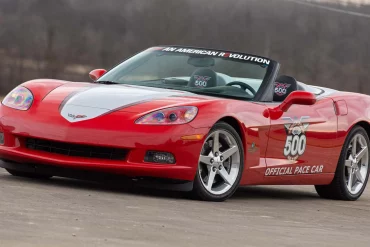
A 2007 Chevrolet Corvette convertible paced the 91st running of the Indianapolis 500 on May 27, 2007. As it was selected as the Official Pace Car, Chevrolet supplied several identically prepared and uniquely trimmed Corvette convertibles – in new Atomic Orange paint with distinctive gold ribbon graphics – that served in the official pace duties of the race, as well as supporting activities. This year, the driver of this Pace Car was Patrick Dempsey.
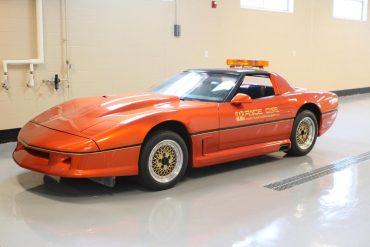
The big news for 1986 was that a Corvette would pace the Indy 500 for the second time. Retired General Chuck Yeager was enjoying celebrity status as a result of the book and movie, “The Right Stuff.” But Chevrolet was still smarting from the heavy criticism over the ‘78 Corvette Pace Car debacle and decided that all 1986 Corvette convertibles were designated as “Pace Car Replica”.
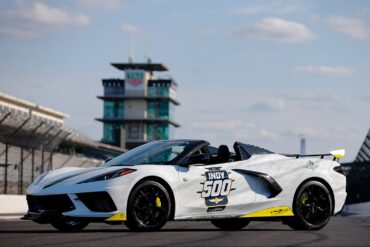
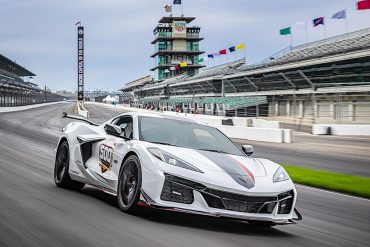
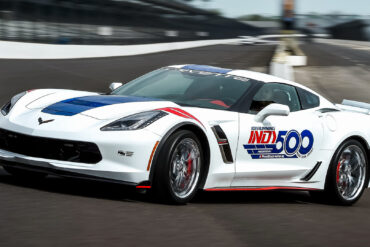
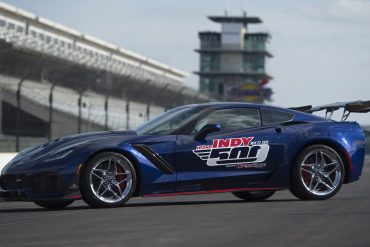
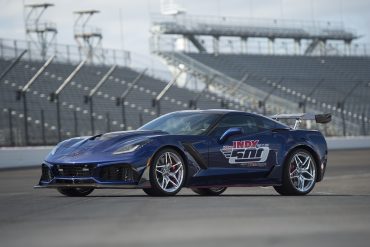
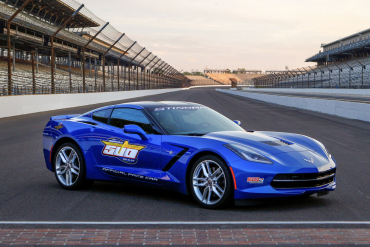
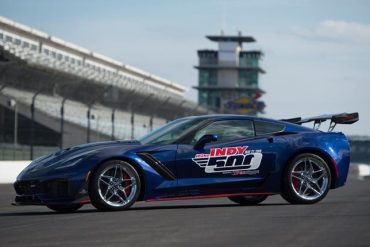
Known for their charismatic designs and superior performance, the pack-leading Pace Cars share a special place in Indianapolis 500 lore. History was made at the 2008 Indianapolis 500 when a pair of distinctive yet highly differentiated Corvette models served as the Official Pace Cars — one highlighting a commitment to fuel solutions and the other marking 30 years of Corvette's Pace Car heritage.
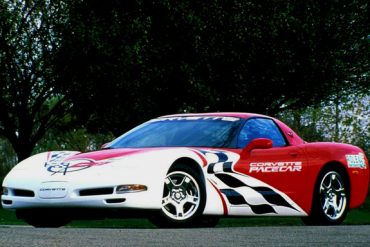
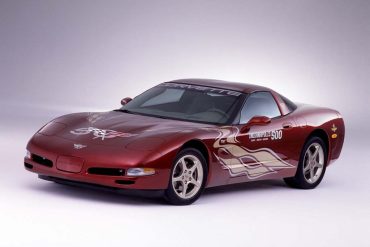
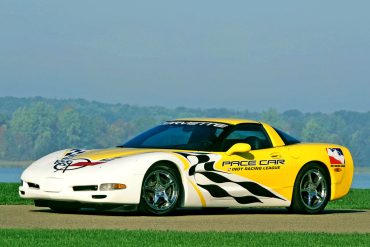
For 50 years, Chevrolet Corvette has represented American performance. In 2002, Corvette also led the pack at two important racing venues: the Indy Racing League (IRL) and the 86th running of the Indianapolis 500. In its IRL pace duties, Corvette wore a two-tone white and Millennium Yellow paint scheme with checkered-flags graphics forming a V for victory.
Corvette performed Indianapolis 500 Pace Car duties for a record sixth time. It marks the third consecutive year and 15th time overall that a Chevrolet product has served as the Official Pace Car – the most appearances by any brand. The 2004 Corvette that will serve as the Indy 500 Pace Car is virtually identical to the Convertibles available today through local Chevrolet dealerships.
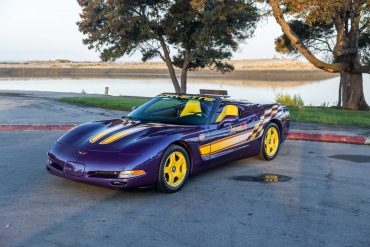
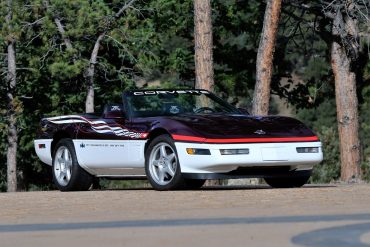
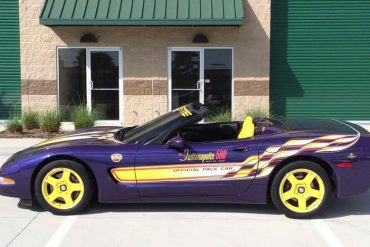
The actual Corvette Pace Car that served at the 79th running of the Indianapolis 500 was a near-stock LT1 Corvette Convertible, except for the mandatory safety features that were required by the Indianapolis Motor Speedway.  The Official Pace Car cam equipped with strobe lights, a special roll-bar, five-point safety harnesses for the driver and passenger and an on-board fire suppression system. Chevrolet built just three of the actual pace cars.