CORVETTE LISTS
The Best Corvette Of Every Generation
Eight generations, eight picks: the 1962, the 1967 L88, the 1970 LT-1, the 1996 Grand Sport, the 2004 Commemorative Edition, the 2013 427 Convertible, the 2019 ZR1 and the 2023 Z06, with the runner-up and the value buy for each, and why.
At A Glance
C1 (1953–62): 1962 Corvette — the 327, the cleaned-up body, the last of the solid-axle cars
C2 (1963–67): 1967 L88 — Zora’s 427 racing engine in a road car; 20 built
C3 (1968–82): 1970 LT-1 — the 370-hp solid-lifter small block
C4 (1984–96): 1996 Grand Sport — 1,000 Admiral Blue send-offs with the LT4
C5 (1997–2004): 2004 Commemorative Edition — Le Mans Blue, and the Z06 with the carbon hood
C6 (2005–13): 2013 427 Convertible — the Z06’s LS7 in a drop-top
C7 (2014–19): 2019 ZR1 — 755 hp, the last front-engine Corvette
C8 (2020– ): 2023 Z06 — the 8,600-rpm flat-plane LT6
The Overview
They say that “beauty is in the eye of the beholder.” While we know this is true with most things, it is most definitely true when selecting the best Corvette from each generation. However, not all of the cars in this review are just beauties - many of them are also BEASTS! Whether admiring the early-generation Corvettes or reveling at the power and technology packed into many of the current models, every generation of Corvette featured some truly beautiful - and POWERFUL - variants.
The picks are Scott Kolecki’s and have held up since he made them in 2020; the C8 was added when the Z06 arrived. What is new here is the rest of the podium: for each generation we give the runner-up, the one the purists argue for, and the value buy, the car that delivers most of the pick for a fraction of the money, with every car linked to its year page and the generation’s buyer’s guide. The best Corvettes of all time, across generations, are ranked on their own page, linked at the bottom.
The Picks At A Glance
The pick, the runner-up and the value buy for every generation.
| GENERATION | THE PICK | WHY | RUNNER-UP | THE VALUE BUY |
|---|---|---|---|---|
| C1 1953–62 | 1962 Corvette | First 327, last and cleanest solid-axle body | 1957 fuel-injected 283 — first fuelie, first four-speed | 1961: the 1962 look with the 283, for less |
| C2 1963–67 | 1967 L88 | The racing 427 in a road car; 20 built | 1963 split-window coupe — the icon | 1966 427/390: big-block mid-year without the L72 premium |
| C3 1968–82 | 1970 LT-1 | 370-hp solid-lifter small block, best-driving C3 | 1969 L88 / ZL1 — the big-block peak | 1972 LT-1 or a 1981–82: late chrome-bumper or the best late car |
| C4 1984–96 | 1996 Grand Sport | 1,000 LT4 send-offs in Admiral Blue | 1990–95 ZR-1 — the 375–405-hp LT5 King of the Hill | 1992–96 LT1 coupe: 300 hp for used-Camaro money |
| C5 1997–2004 | 2004 Commemorative Edition | Le Mans Blue tribute, carbon-hood Z06 | 2001–04 Z06 — 385/405 hp, the best-value track Corvette ever | 1999–2000 hardtop (FRC): the stiffest C5, Z06 before the Z06 |
| C6 2005–13 | 2013 427 Convertible | The Z06’s LS7 in an open car | 2009–13 ZR1 — 638 hp, first 200-mph Corvette | 2010–13 Grand Sport: Z06 looks and brakes, LS3 reliability |
| C7 2014–19 | 2019 ZR1 | 755 hp, last front-engine Corvette | 2015–19 Z06 — 650 hp, most of the ZR1 for half | 2017–19 Grand Sport: Z06 chassis, LT1 engine, the sweet spot |
| C8 2020– | 2023 Z06 | 670-hp 8,600-rpm flat-plane LT6 | 2025 ZR1 — 1,064 hp, 233 mph | 2020–21 Stingray Z51: the mid-engine revolution for the least money |
Best C1 Corvette: The 1962 Corvette
The first model year to incorporate the 327 cubic-inch V8 engine
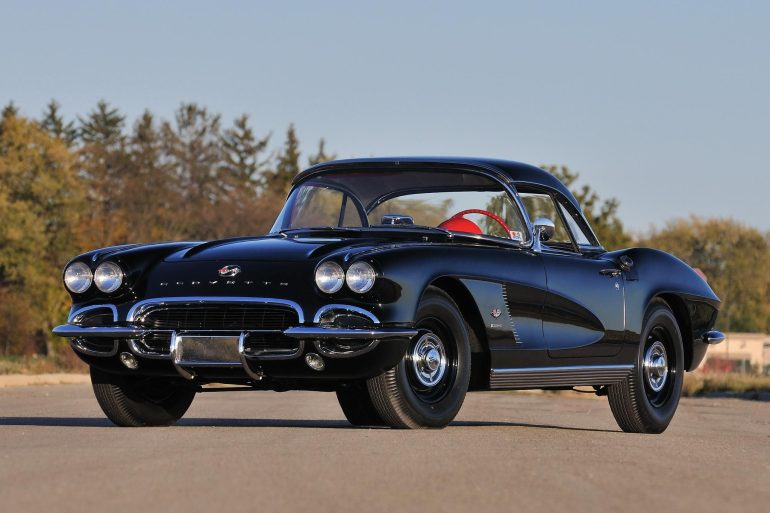
The Pick: The 1962 Corvette
The first model year to incorporate the 327 cubic-inch V8 engine
Many Corvette enthusiasts say that the 1962 Corvette is the best model-year of its generation. We are inclined to agree. The 1962 Corvette was the first model year to incorporate the 327 cubic-inch V8 engine in place of the smaller 283 cubic-inch engine. Though technically the same engine block as the 283, the smaller engine was bored and stroked to bring its cylinder dimensions to 4.00 x 3.25 inches and its displacement up to 327 cubic inches. The larger 327 V8 produced more horsepower and torque than any Corvette powerplant that came before it.
Aesthetically, the 1962 Corvette had a more refined look than any of the other Corvettes that came before it. This final variation was stripped of the remaining excesses that had plagued its earlier counterparts.
The most obvious of these deletions was the removal of the chrome outlines that had framed the body side coves since 1956. Further, the chrome accent spears (that had accentuated the side vents within the coves) were also removed and replaced by more conservative aluminum blades that were finished in black. Additionally, the side coves of the car were painted to match the rest of the exterior. This gave the car a more cohesive appearance.
Despite its origins and its undeniable ties to the very first Corvette, the 1962 was faster, handled better, was more physically appealing and was the most completely realized and refined Corvette of its generation.
MORE: THE C1 CORVETTE HUB / C1 BUYER’S GUIDE / THE 1962 CORVETTE
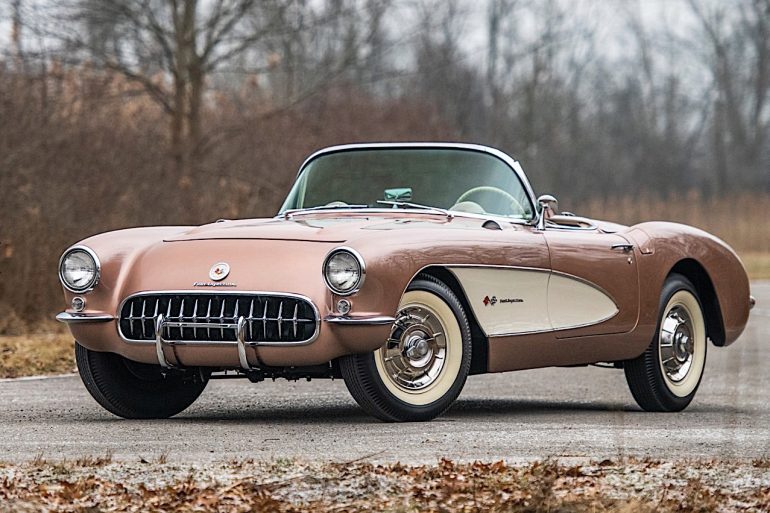
Runner-Up: 1957 Corvette, fuel-injected 283
The purist’s C1
The year the Corvette became a sports car: Ramjet fuel injection took the new 283 to 283 horsepower, one per cubic inch, the four-speed arrived, and the RPO 684 heavy-duty brake and suspension package made it a racer off the showroom floor. Scott’s 1962 is the better car to drive and own; the 1957 fuelie is the one that matters most to history, and the one collectors pay for.
The Value Buy: 1961 Corvette
Most of the C1 for the least money
The 1961 got the 1962 car’s ducktail rear and four taillights a year early but kept the 283 and the chrome-trimmed coves, which keeps it a step cheaper than the 1962 while looking nearly the same.
MORE: THE 1961 CORVETTE
Best C2 Corvette: The 1967 L88 Corvette
Highly modified 427-cubic-inch V8 engine with a very conservative 435 horsepower
The Pick: The 1967 L88 Corvette
Highly modified 427-cubic-inch V8 engine with a very conservative 435 horsepower
The 1967 L88 Corvette is not only one of the best Corvettes of its generation, it is also considered by many to be one of the best Corvettes of all time. The L88 was introduced in 1967 as a special option package that had been developed under the direction of Zora Arkus-Duntov. The car featured a highly modified version of Chevy's 427-cubic-inch V8 engine that boasted a very conservative 435 horsepower (though actual engine output has since been estimated at between 540 and 580 horsepower!)
Duntov developed this variant of the Corvette specifically for racing. Despite General Motors agreement to comply with the AMA's (American Manufacturers Association) ban on factory-backed race cars, Duntov was passionate about developing a Corvette that could contend with brands like Ferrari and Porsche.
The L88 Corvette was his vision made a reality. In addition to massive horsepower, a number of weight-and-power saving measures were included with the L88 package. "Creature comforts" including power steering, air conditioning and even the car radio were deleted when the L88 option was selected by would-be owners. Instead, each car received a heavy-duty M22 four-speed transmission, a performance suspension package, a Positraction rear differential, upgraded brakes including heavy-duty disc brake calipers and a transistor ignition.
Because of the AMA ban, General Motors "discouraged" consumers by publishing language in the sales literature that warned would-be consumers that this Corvette could only run on racing-grade gasoline. That alone was enough to deter many casual enthusiasts from purchasing the L88 package. Even more discouraging was the added cost of $1,500 to the car's base price of $4,240.75 (roughly $14,000 in 2026 dollars) As a result, most of the early L88 Corvettes were built for racing teams. While versions of the L88 Corvette were also manufactured in 1968 and 1969, just twenty of the 1967 L88 Corvettes were manufactured, making this variant of the C2 ultra-rare and incredibly valuable in today's collector's car market.
MORE: THE C2 CORVETTE HUB / C2 BUYER’S GUIDE / THE 1967 CORVETTE / THE L88 MODEL GUIDE

Runner-Up: 1963 Sting Ray split-window coupe
The purist’s C2
The L88 is the best C2 if you can find one of twenty; the 1963 coupe is the best C2 you can actually buy, and the single most recognizable Corvette ever built.
One year only for the split rear window Duntov hated and Mitchell insisted on, the first Corvette coupe, the first with independent rear suspension, and a fuel-injected 327/360 at the top of the sheet.
 FOR SALE: A 1963 Corvette Sting Ray
The Value Buy: 1966 Corvette 427/390
Most of the C2 for the least money
A big-block mid-year with the hydraulic-lifter L36, which drives beautifully on the street and costs a fraction of an L72 or an L71, in the one year before the 1967’s premium.
MORE: THE 1966 CORVETTE
Best C3 Corvette: The 1970 Corvette LT-1
The ultimate engine package in 1970
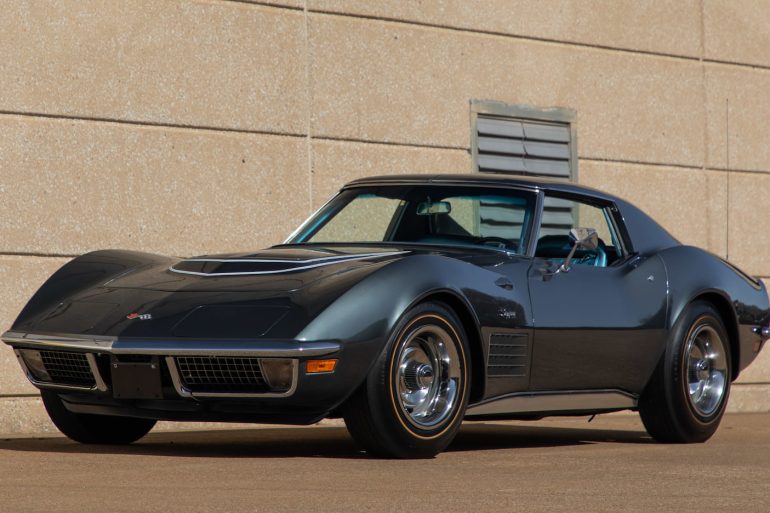
The Pick: The 1970 Corvette LT-1
The ultimate engine package in 1970
While not specifically a "variant" so much as an engine package/upgrade, the 1970 LT-1 Corvette nonetheless has become one of the most sought-after models of its day. In 1970, Chevrolet introduced a small block, 350-cubic-inch,V8 engine that was capable of producing 370 horsepower. Designated the LT-1, this small-block engine was developed to rival the power output of its big-block counterparts while also introducing weight-saving measures because of its smaller mass/size.
Although 370 horsepower was the LT-1's “official” rating, most Corvette enthusiasts felt that this was a very conservative estimate of the car’s actual power. The LT-1 equipped Corvettes could manage a quarter-mile run in just 14.2 seconds with a top speed of 102 miles per hour, strongly suggesting that the engine was probably producing closer to 400 horsepower. However, with stiffer emission regulations and the ever increasing cost of insurance, the lesser horsepower number remained the official published rating.
Corvettes equipped with this engine received a special hood dome surrounded by striping and “LT-1” lettering. While these markings were certainly a differentiation between which engine a particular Corvette was equipped with, it was also readily obvious to anyone who heard the unique rumble from the exhaust pipes and the tapping of its mechanical lifters that they were in the presence of an LT-1 engine.
The 1970 Corvette LT1 was specified for use in the SCCA’s Class B Production car series. For racers wishing to purchase a Corvette so equipped, they would need look no further than the factory order sheet and select the correct options, which included the LT-1 engine as well as a cold-air hood and all of the relevant brake and chassis racing equipment.
MORE: THE C3 CORVETTE HUB / C3 BUYER’S GUIDE / THE 1970 CORVETTE / THE 1970 LT-1 ENGINE GUIDE
Runner-Up: 1969 Corvette 427, L88 and ZL1
The purist’s C3
The big-block argument. 1969 was the C3’s best year for horsepower: the 435-hp L71, the 116 L88s and the two all-aluminum ZL1s, the most expensive option Chevrolet ever listed. If the LT-1 is the best C3 to drive, the 1969 L88 is the one to own, and the ZL1 convertible became the most expensive C3 ever sold at $3.14 million.
MORE: THE 1969 CORVETTE / THE 1969 ZL-1 GUIDE
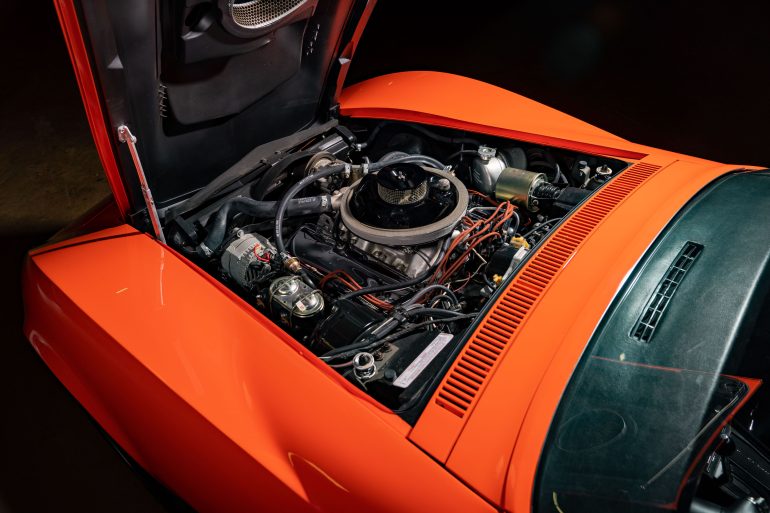
The Value Buy: 1972 LT-1, or a 1981–82
Most of the C3 for the least money
The 1972 is the last chrome-bumper car and the last year of the LT-1, at 255 net horsepower; the 1981–82 cars are the best-built C3s and the cheapest way into a Corvette with real road manners.
Best C4 Corvette: The 1996 Corvette Grand Sport
A fitting special-edition send-off to the fourth generation
The Pick: The 1996 Corvette Grand Sport
A fitting special-edition send-off to the fourth generation
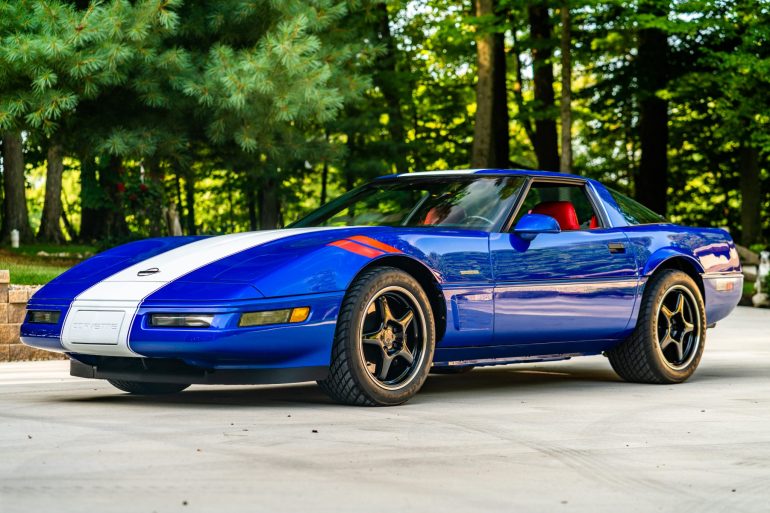
Although there are a number of fourth-generation Corvettes that made an "indelible mark" on the history of the brand, there is no other Corvette from this era as remarkable as the 1996 Corvette Grand Sport. Chevrolet introduced the Corvette Grand Sport special edition as a send off to the fourth generation model. Each car came finished with an Admiral Blue exterior featuring an Arctic White stripe and red hash marks on the left-front fender. This unique paint scheme was deliberately developed by GM to pay homage to the classic Corvette Grand Sport Racer of the 1960’s.
The Grand Sport’s interior upholstery was offered either in an all black or a sporty red/black combination, and all of the Grand Sport interiors featured a specialized embroidered headrest which featured the Grand Sport emblem.
All of the 1996 Corvette Grand Sports were equipped with the newly revised 330 horsepower LT4 5.7 liter small-block V8 engine. Each engine received a special “dress” kit that included bright red paint and red ignition wires. All Grand Sports –both coupes and convertibles- were also equipped with a six speed manual transmission.
In all, Chevy built 1,000 Grand Sports - 810 were coupes and 190 were convertibles - and each was given a special, sequential serial number. While many of the C4 Corvettes have depreciated considerably over the past twenty years, the 1996 Corvette Grand Sport Corvettes continue to command an asking price in the used market that is comparable to when these cars were new.
MORE: THE C4 CORVETTE HUB / C4 BUYER’S GUIDE / THE 1996 CORVETTE / THE 1996 GRAND SPORT GUIDE
Runner-Up: 1990–95 Corvette ZR-1
The purist’s C4
Half the staff would put the ZR-1 first. The Lotus-designed, Mercury Marine-built 32-valve LT5 made 375 and then 405 horsepower when a Mustang made 225, it set the 24-hour world speed record at Fort Stockton, and it was the first Corvette to be taken seriously in Europe.
The Grand Sport wins on rarity and on being the C4 at its most developed; the ZR-1 wins on engineering, and 6,939 of them make it the attainable one.
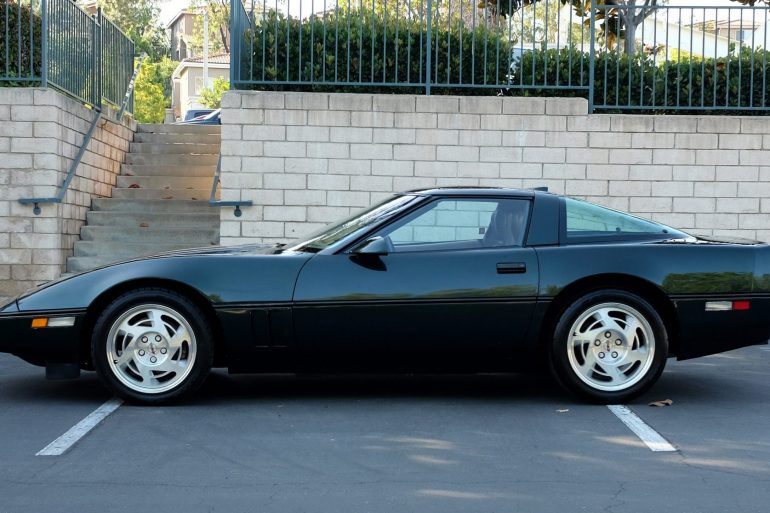
The Value Buy: 1992–96 Corvette LT1 coupe
Most of the C4 for the least money
The 300-horsepower LT1 of 1992 transformed the base C4, and the 1994–96 cars with the revised interior and optional six-speed are the best of them, for less than any other Corvette on this page.
MORE: THE 1992 CORVETTE
Five of the eight picks are the last model year of their generation: the 1962, the 1996 Grand Sport, the 2004 Commemorative Edition, the 2013 427 and the 2019 ZR1. Chevrolet has a habit of getting each Corvette right just before it replaces it.
DID YOU KNOW
Best C5 Corvette: The 2004 Commemorative Edition
Designed to pay homage to Corvette’s successful return to racing
The Pick: The 2004 Commemorative Edition
Designed to pay homage to Corvette’s successful return to racing
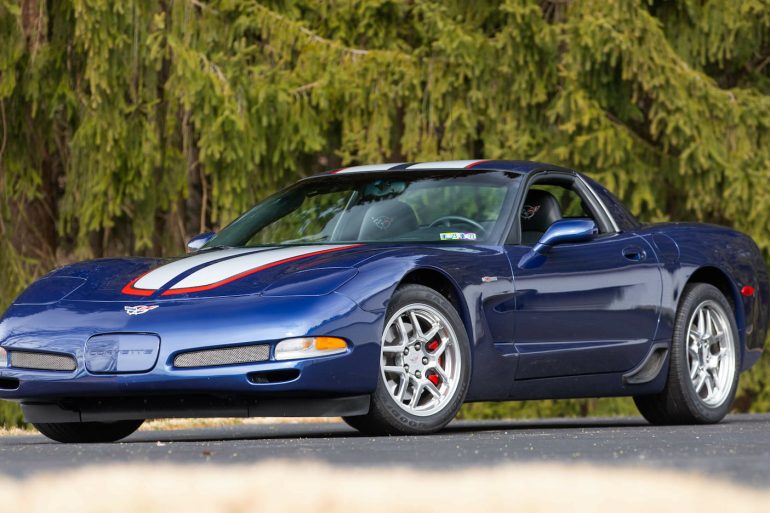
The 2004 Commemorative Edition Corvette was specifically designed to pay homage to Corvette’s successful return to racing. All the Commemorative Edition Corvettes (including the coupe, convertible and Z06 models) were finished in a striking LeMans Blue paint with red-edged silver stripes that adorned the hood, roof and rear deck lid. Special “LeMans 24-hours” emblems featuring Corvette’s iconic crossed-flags trademark appeared on the nose and the tail of the car, and a matching emblem was embroidered into the headrests of the custom shale color interior leather seats.
Completing the commemorative package on all of the specially equipped coupes and convertibles was the introduction of polished alloy wheels. This option, which could be ordered as part of the regular 1SB Preferred Equipment group, was also made available – at a moderate additional cost of $3,700 for either the coupe or convertible upgrade.
The Z06 Commemorative Edition was a little more costly. However, it also included a few additional upgrades over the base coupe and convertible. Priced at an additional $4,335 (when new), the Commemorative Edition option for the Z06 Coupe included a unique carbon-fiber hood that reduced the nose weight of the car by 10.6 pounds.
Beyond the car’s hood, clear coat wheels with hubs reading “Commemorative 24:00 Heures du Mans” were also added to the Z06 package upgrade. Additionally, a black interior was once again featured as part of the Z06 Commemorative Edition package, just as it had been on the 50th anniversary commemorative edition.
MORE: THE C5 CORVETTE HUB / C5 BUYER’S GUIDE / THE 2004 CORVETTE / THE 2004 COMMEMORATIVE EDITION GUIDE
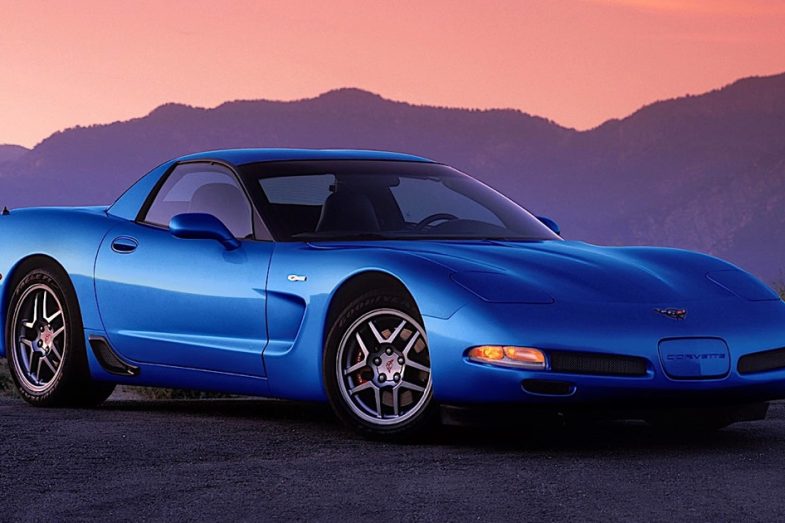
Runner-Up: 2001–04 Corvette Z06
The purist’s C5
The car the Commemorative Edition Z06 is a dressed-up version of. The fixed-roof hardtop became the Z06 in 2001 with the 385-hp LS6, upgraded to 405 horsepower for 2002, on a 3,118-pound car with the stiffest structure Chevrolet had built.
Twenty-five years on it is still the most capability per dollar in the Corvette catalog, and the 2004 Commemorative is simply the best-looking one.
The Value Buy: 1999–2000 Corvette hardtop
Most of the C5 for the least money
The fixed-roof coupe was the lightest, stiffest C5, manual-only with the Z51 suspension standard, and it became the Z06 in 2001. The 1999 and 2000 cars are the Z06 recipe with the LS1, at base-coupe prices.
MORE: THE 1999 CORVETTE
Best C6 Corvette: The 2013 Corvette 427 Convertible
Took Corvette convertible performance to an entirely new level
The Pick: The 2013 Corvette 427 Convertible
Took Corvette convertible performance to an entirely new level
Evoking the heritage of early 427-powered Corvettes, the 427 Convertible Collection edition model took Corvette convertible performance to an entirely new level. It combined the convertible found in the base model and Grand Sport editions, and fused it with elements from the Z06 and the ZR1 Corvettes, making it the fastest and most-capable convertible in Corvette’s history. The car’s powertrain is the same as the Z06 coupe, including its 505 horsepower, 427 cubic-inch LS7 engine with dry sump. Also like the Z06 Corvette, the 427 Convertible was only offered with a manual transmission.
With a curb weight of just 3,355 pounds (1,522 kg), the 427 Convertible was designed to be lighter than other 2013 Corvette convertibles. Combined with the LS7 engine, the Corvette 427 Convertible produced a power-to weight ratio of 6.64 – or one horsepower for every 6.64 pounds of vehicle mass. Comparatively speaking, that’s a better power-to-weight ratio than that found in an Audi R8 Spyder or a Ferrari California. This combination of low mass and high output made the 427 Convertible one of the fastest convertibles in the world, delivering an estimated 0-60 performance time of just 3.8 seconds, a quarter mile time of just 11.8 seconds, a lateral acceleration of 1.04 g and a top speed of more than 190 miles per hour!
All 427 Convertibles came equipped with a manual transmission, 427 hood badging, ZR1-style rear spoiler, and carbon-fiber hood, fenders and floor panels. Wheels were machine-face cup style (black cup wheels and chrome ZR1 wheels were optional) and included nineteen inch wheels up front and twenty inch wheels in the back.
MORE: THE C6 CORVETTE HUB / C6 BUYER’S GUIDE / THE 2013 CORVETTE / THE 2013 427 CONVERTIBLE GUIDE
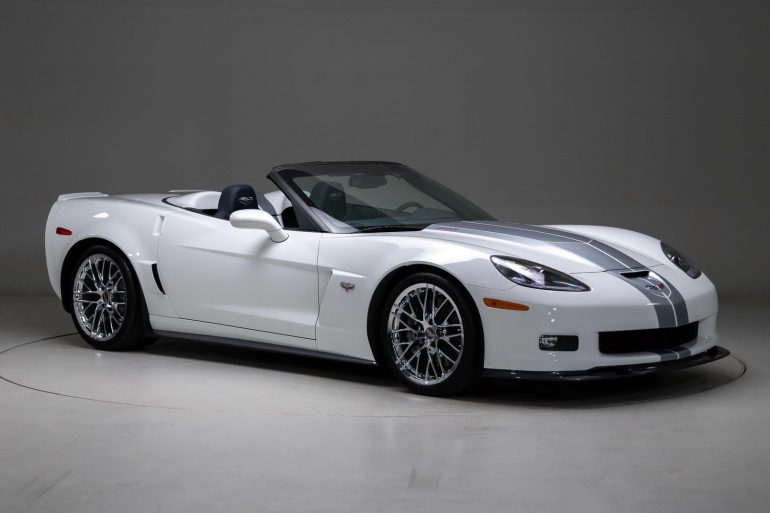
Runner-Up: 2009–13 Corvette ZR1
The purist’s C6
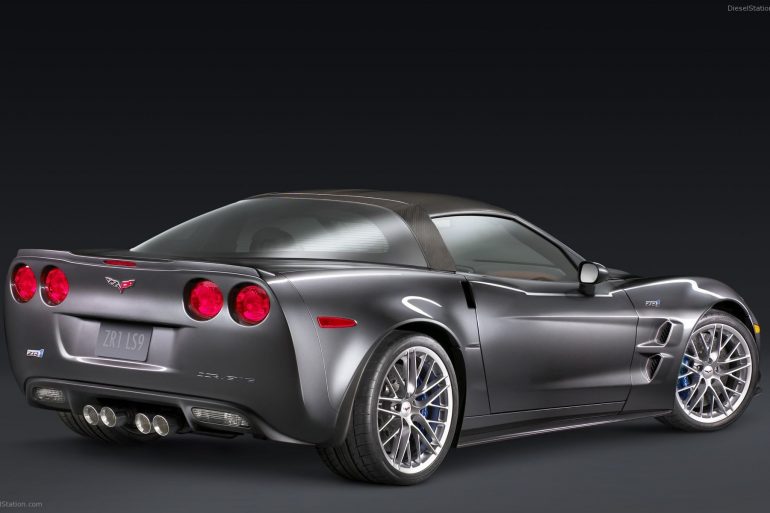
The Blue Devil: a 638-hp supercharged LS9, carbon-ceramic brakes, a carbon-fiber roof, hood and fenders, and 205 mph, the first production Corvette past 200. Scott picked the 427 Convertible for being the perfect C6 to own; the ZR1 is the C6 that changed what a Corvette could be, and its 7:19.63 Nürburgring lap stood as the Corvette record for more than a decade, until the C8 ZR1.
The Value Buy: 2010–13 Corvette Grand Sport
Most of the C6 for the least money
The Z06’s wide body, brakes and suspension with the 436-hp LS3 instead of the LS7: all of the look and most of the pace, none of the LS7 valve-guide anxiety, and the best-selling C6 of its years for a reason.
Best C7 Corvette: The 2019 Corvette ZR1
One of the fastest, most powerful Corvettes in the history of the brand
The Pick: The 2019 Corvette ZR1
One of the fastest, most powerful Corvettes in the history of the brand
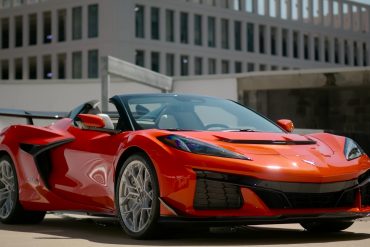
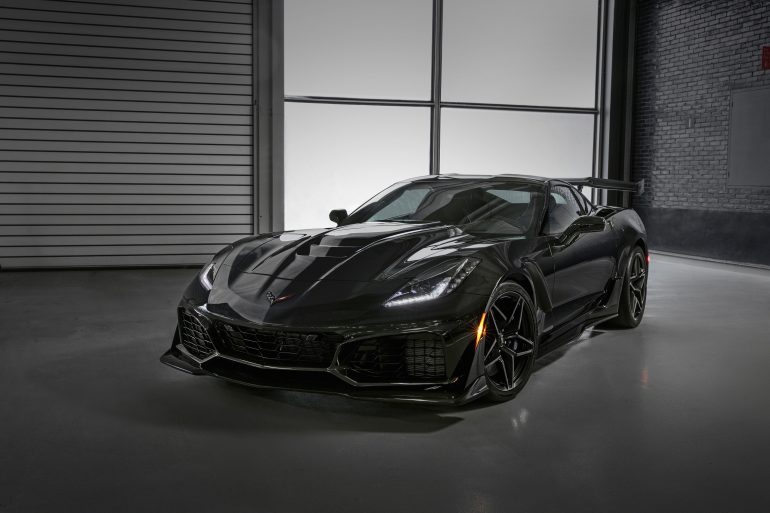
Introduced in 2019 as a send-off to the much-loved seventh-generation Corvette Stingray, the C7 ZR1 Corvette was, until the C8 ZR1, the fastest, most powerful Corvette in the history of the brand.
The 2019 Corvette ZR1 featured an LT5 6.2L V-8 supercharged engine which dramatically advanced the supercharging technologies first introduced in the 2009 sixth-generation Corvette ZR1. The engine, which is officially rated with an SAE-certified 755 horsepower (563 kW) and 715 lb-ft of torque (969Nm), established an entirely new benchmark in Chevrolet performance. Mated to the LT5 engine was either a seven-speed manual transmission or an optional eight-speed automatic transmission. The introduction of an automatic transmission on the ZR1 was a first for the seventh-generation iteration of the Corvette supercar.
The 2019 Corvette ZR1 incorporates the highest percentage of carbon fiber components of any Chevrolet vehicle to date. A special carbon-fiber “halo” hood with a uniquely designed central opening was developed to clear the LT5 engine’s supercharger/intercooler assembly.
What makes this Corvette truly incredible is what it can do - especially in the hands of a professional GM performance driver. The car has a 0-60 time of just 2.8 seconds, a quarter mile time of just 10.1 seconds at 134 mph, a standing mile at 190 mph with the wing removed and a top speed of 212 mph with the low downforce package. It ran wide open for 24 hours straight at Virginia International Raceway, stopping only to change fuel and tires, demonstrating the car's endurance and durability, even under extreme driving conditions. In the process of running 24 hours at VIR, the 2019 Corvette ZR1 "accidentally" set a new record, running its fastest lap 1.37 seconds quicker than the Ford GT did at the same track barely a week before.
MORE: THE C7 CORVETTE HUB / C7 BUYER’S GUIDE / THE 2019 CORVETTE / THE 2019 ZR1 GUIDE
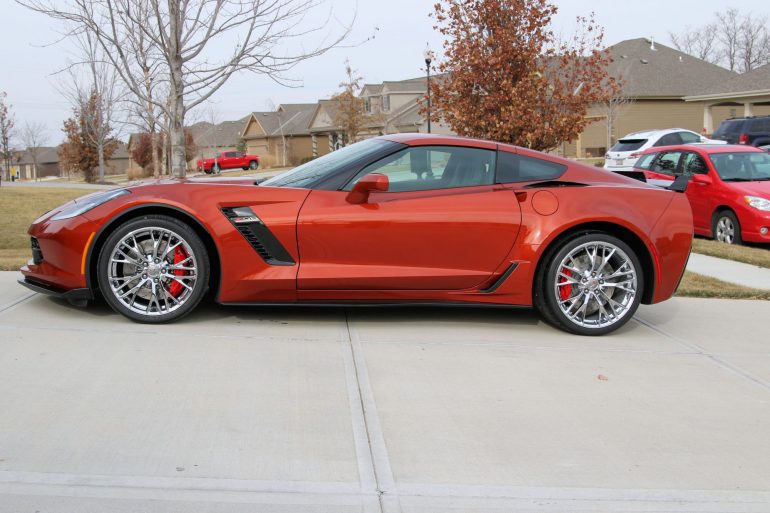
Runner-Up: 2015–19 Corvette Z06
The purist’s C7
The 650-hp LT4 Z06 does nine-tenths of what the ZR1 does for roughly half the price, with the Z07 package’s carbon-ceramic brakes and aero available from the first year, and a convertible for the first time since the C6 427. The ZR1 is the greater car; the Z06 is the one most people should buy.
The Value Buy: 2017–19 Corvette Grand Sport
Most of the C7 for the least money
The Z06’s chassis, wide body, brakes and aero with the 460-hp LT1: the sweet spot of the whole generation, and with the Z07 package it will lap with a Z06 on most tracks.
Best C8 Corvette: The 2023 Corvette Z06
Chevy builds a Ferrari 458 Speciale. WOW, just WOW.
The Pick: The 2023 Corvette Z06
Chevy builds a Ferrari 458 Speciale. WOW, just WOW.
The 2023 Z06 was designed and engineered to be a “precision tool” for the race track. While the DNA of every modern Corvette evolved from its racing car heritage, the new Z06 has blurred the lines between street car and race car to such an extent that it is hard to decide which environment this car is best suited for. Everything about this car – from its outward aesthetic, to its wider front and rear fascias, its exotic proportions, and its luxuriously appointed interior – all state unequivocally that the 2023 Z06 is not just a Corvette – but a car that’s fully capable of holding its own in the supercar stratosphere.
“Corvette has always brought a discerning customer to the Chevy family,” said Steve Hill, vice president of Chevrolet. “This new Z06 was designed and engineered to set a higher bar with increased levels of craftsmanship, personalization and performance so customers can truly have their own bespoke performance car.”
An all-new 5.5L LT6 engine sits at the heart of this beast. Rated at an incredible 670 horsepower, this NATURALLY ASPIRATED V8 is the most powerful engine of its kind to be introduced in ANY production car….EVER. The LT6 features an all-new, lightweight, flat-plane crankshaft designed to rev the engine to a staggering 8,600 rpm. It’s at this point that the engine hits its peak horsepower. Where past iterations of the Z06 relied heavily on superchargers to achieve this level of horsepower, Chevrolet’s engineers recognized an opportunity to return to a naturally aspirated engine without compromising horsepower or responsiveness. In fact, engine responsiveness and trackability were both identified as top priorities for the eighth-generation Z06.
MORE: THE C8 CORVETTE HUB / C8 BUYER’S GUIDE / THE 2023 CORVETTE / THE 2023 Z06 GUIDE
Runner-Up: 2025 Corvette ZR1
The purist’s C8
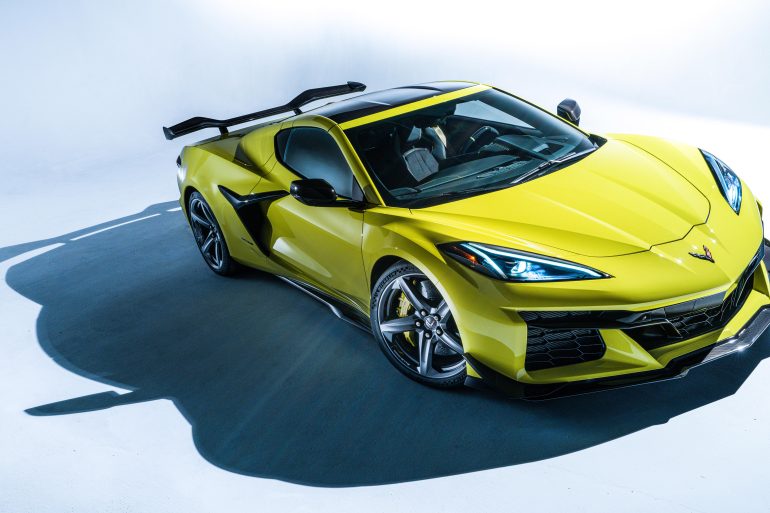
The ZR1 is the most powerful Corvette ever built: 1,064 horsepower from the twin-turbo LT7, 233 mph, and a Nürburgring lap that embarrassed cars at three times the price.
Scott’s Z06 keeps the pick because the ZR1 is built on it, and because the naturally aspirated flat-plane LT6 is the engine Chevrolet will never be allowed to make again.
The 1,250-hp ZR1X is the fastest Corvette; whether it is the best is an argument for the next edition of this page.
The Value Buy: 2020–21 Corvette Stingray Z51
Most of the C8 for the least money
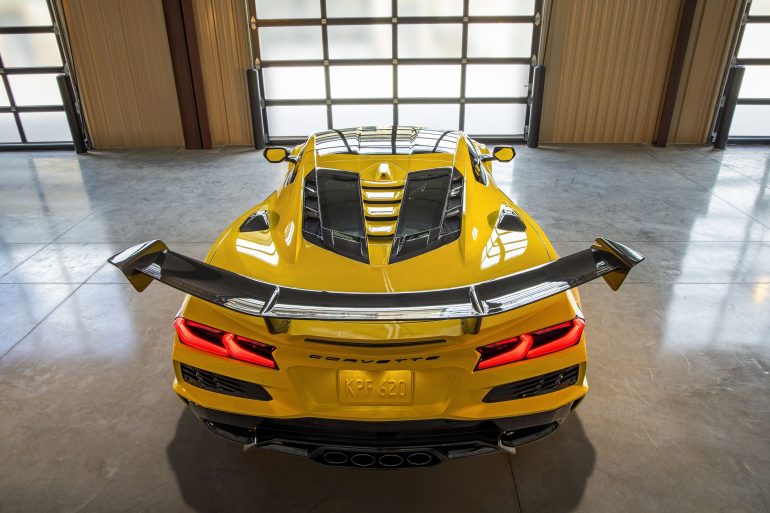
The car that moved the engine: 495 horsepower, 2.9 seconds to 60 and the mid-engine layout for the price of a well-optioned pickup. The first two model years are the cheapest way into any C8, and the 2020 is a landmark in its own right.
How We Picked
The pick for each generation is the car that best represents what that generation was for, at its most developed, and that an enthusiast could in principle buy and drive: that is why the 1970 LT-1 beats the 1969 L88 for the C3 and why the 1967 L88, with twenty built, still gets the C2, because it is the car the whole generation was building toward. The runner-up is the car the other half of the argument would choose; the value buy is the car that gets you most of the pick for the least money, and it changes as the market moves. Prices are deliberately left out of the entries so the page does not age; the generation buyer’s guides, linked under each pick, carry current values and what to check.
Scott Kolecki wrote the eight picks and their entries; the runners-up, value buys and table are CorvSport’s, and we re-argue the C8 every time Chevrolet moves the goalposts. The best Corvettes of all time, across generations and ranked, are on the Best of the Best page.
FAQs
What is the best Corvette ever made?
Across all generations, most lists, including ours, put the 1967 L88 first for what it was and the 2019 ZR1 or the 2023–25 C8 Z06 and ZR1 first for what they do. This page picks one per generation; the all-time ranking is on CorvSport’s Best of the Best page.
What is the best year for a C1 Corvette?
1962, the last of the first generation: the first year of the 327, the cleaned-up body without the chrome cove trim, and the best-driving solid-axle Corvette. The 1957 fuelie is the collector’s choice and the 1961 the value buy.
What is the best C3 Corvette?
The 1970 LT-1 for driving, the 1969 L88 or ZL1 for collecting. The 1968–72 chrome-bumper cars are the ones to have; the 1981–82 cars are the best-built and the cheapest way in.
Is the C4 ZR-1 better than the Grand Sport?
As an engineering achievement, yes: the 32-valve LT5 and the Fort Stockton records make it the most significant C4. As a car to own, the 1996 Grand Sport is the C4 at its most developed and far rarer at 1,000 built, which is why it gets the pick. Both are undervalued next to what came after.
What is the best C5 Corvette to buy?
A 2002–04 Z06 if you want the fastest, a 2004 Commemorative Edition Z06 if you want the best-looking fastest, and a 1999–2000 hardtop if you want the Z06 idea for base-coupe money. All share the hydroformed frame and the LS1/LS6 that made the C5 the most reliable Corvette to that point.
What is the best C7 Corvette?
The 2019 ZR1 is the best; the 2017–19 Grand Sport is the one to buy, and the 2015–19 Z06 sits between them. All C7s have the LT-series engines, the aluminum frame and the interior that finally matched the performance.
What is the best C8 Corvette?
The 2023–25 Z06 for its 8,600-rpm naturally aspirated LT6, the 2025 ZR1 for outright performance (1,064 hp, 233 mph), the E-Ray for all-weather usability, and the 2020–21 Stingray Z51 for value. The 1,250-hp ZR1X is the quickest car Chevrolet has ever built and the argument for the top spot is open.
More Corvette Lists
The fastest, the rarest, the most expensive and the ones we would buy with our own money. All of CorvSport’s lists and rankings.