Become a premium member for just $35/year and get ad-free access!
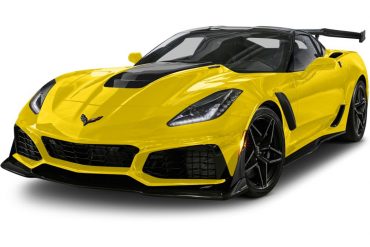
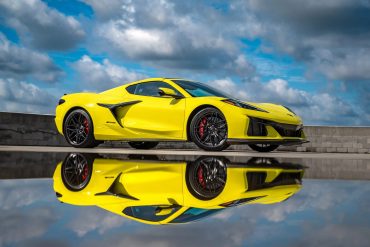
2022 IMSA GTLM Cs.R Accerlate Yellow
Immediately following this unveiling, consumers began clamoring at the opportunity to become one of the fortunate few to own their own IMSA GTLM Championship C8. Chevrolet filled all 1,000 orders for the race-inspired commemorative C8 in record time, as production commenced. Those lucky enough to place their order before the mandatory production cap was reached, were treated to a handful of IMSA GTLM Championship C8 variants to choose from.
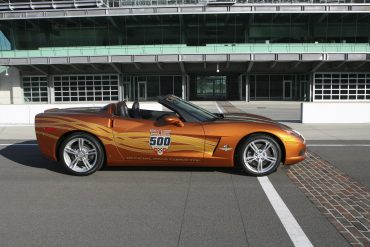
Total Production for the 2008 Indy Pace Car replicas sold to the public was 500. The first replica rolled off the production line approximately March 4th, and the last was June 6th. There were 61 Corvettes built in early March, however only 60 cars shipped to the Indianapolis Motor Speedway to be used as rack” and “festival committee" vehicles which were distributed to their lucky drivers on April 9th and in use thru May 31st.
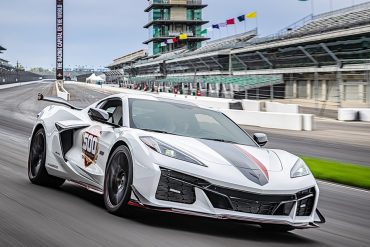
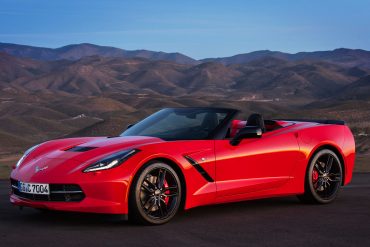
The Chevrolet Corvette has served as the official pace car of the Indy 500 18 times since 1978. That accounts for half of the 32 times that Chevrolet has been given the honor since 1948, which only highlights the sports car’s endearing legacy. Interestingly enough, this C8 Corvette convertible is the first Indy 500 pace car to have a drop-top since the 2011 Chevrolet Camaro.
1978 was significant because it marked the cars 25th anniversary of production. Recognizing the achievement of manufacturing a car for a quarter-century, Chevrolet commemorated this accomplishment by introducing two special-edition Corvette that year.  The first of these was known as the "Silver Anniversary" edition Corvette.  It featured a two-tone silver over gray exterior with special pin-striping and special "25th Anniversary" badging.
This is no ordinary C4 coupe, but a GM Engineering test mule with VIN plate EX4607 proudly displayed in the windscreen, built in 1986 to test all the new-for-1988 features. This actual car must have spent weeks pounding round the General Motors Proving Ground at Milford, Michigan with longer runs on the road, testing all the changes for a year which saw the C4 suspension, steering and brakes vastly improved.
The Zagato company took a C7 Corvette Z06 and transformed it into the IsoRivolta GTZ, a "spiritual descendant" of the Iso Grifo A3/C (Corsa).  The original A3/C race car was developed by Giotto Bizzarrini not long after he left Ferrari, where he had served as cheif engineer behind the 250 GTO, which is revered as the world's most expensive car.  Bizzarrini purportedly fancied the A3/C as his "own personal evolution of (and improvement upon) the GTO design."