Become a premium member for just $35/year and get ad-free access!
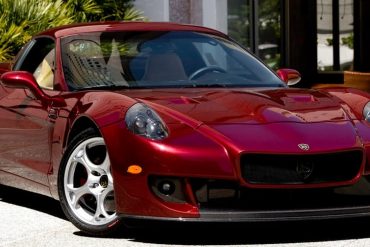
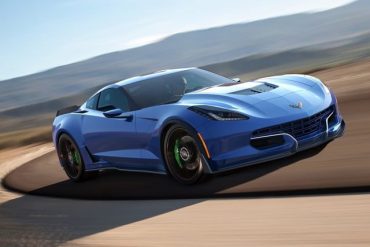
Based on the Corvette Z06, this new GTR also represents a collaboration between Specter Werkes and Lingenfelter Performance Engineering, with a Lingenfelter twin-turbo system powering the car – and pumping its 7.0-liter LS7 engine to 800 horsepower. Featuring dramatic bodywork and carbon fiber details, the GTR blends racing-inspired design cues with uncompromising luxury and performance.
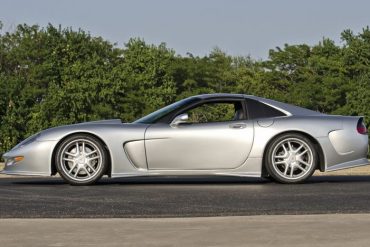
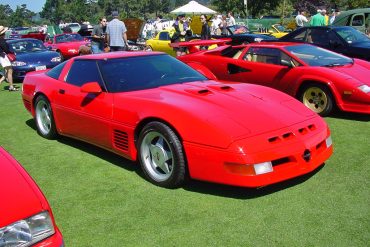
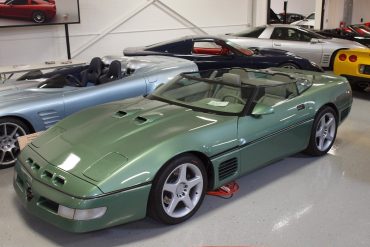
When Chevrolet changed gears to the LT1 engine, Callaway revealed their new SuperNatural line and the CR1 based on the ZR1’s LT5. Options for the CR1 included the radical Aerobody, German upholstery and special wheels, brakes and exhausts. The CR1 used a larger displacement to produce either 475 or 490 bhp.
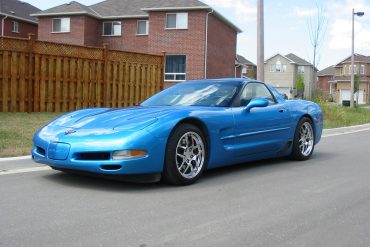
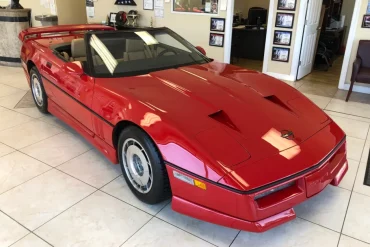
Offered from 1987 to 1991, the RPO-B2K upgrade was available from any Chevrolet dealer and also Callaway’s first major Corvette tuning program. Together, GM and Callaway made the upgrade package a Regular Production Order (RPO) which was the first time GM had outsourced such an option to a specialist manufacturer. It even had a factory back warranty. As the C4 updated, so did Callway’s program and by 1988, the B2K was pushing 382 bhp and 562 ft. lbs. of torque.
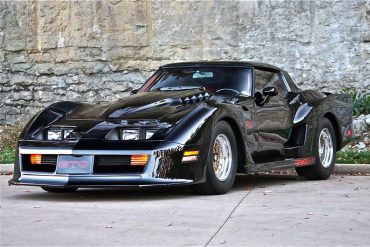
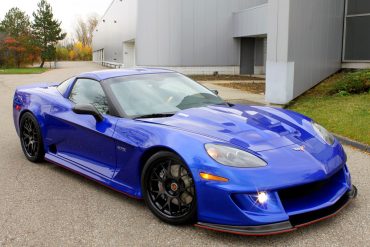
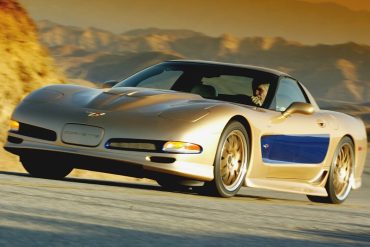
In 2003 Dick produced his version of a 50th Anniversary Corvette. Dick’s 50th Anniversary Corvette was bright gold with blue accents. And of course a “special” Corvette should be the toughest available version, which in 2003 was the Z06. And to top it all off, the Z06’s LS6 was opened up to the magical “426 CID.” The GS80 came out in 1986 that was more or less a Showroom Stock-prepared black beauty with very trendy lace wheels.
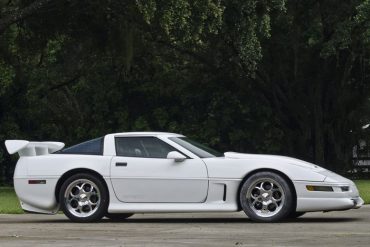
For the fourth generation Corvette, legendary Corvette racer John Greenwood developed the G4R. It was essentially a radical bodykit that usually followed a high level of performance upgrades. Included was a ground effects package that had integrated lights on the front valance. Furthermore the a new engine scoop and rear wing were fitted.