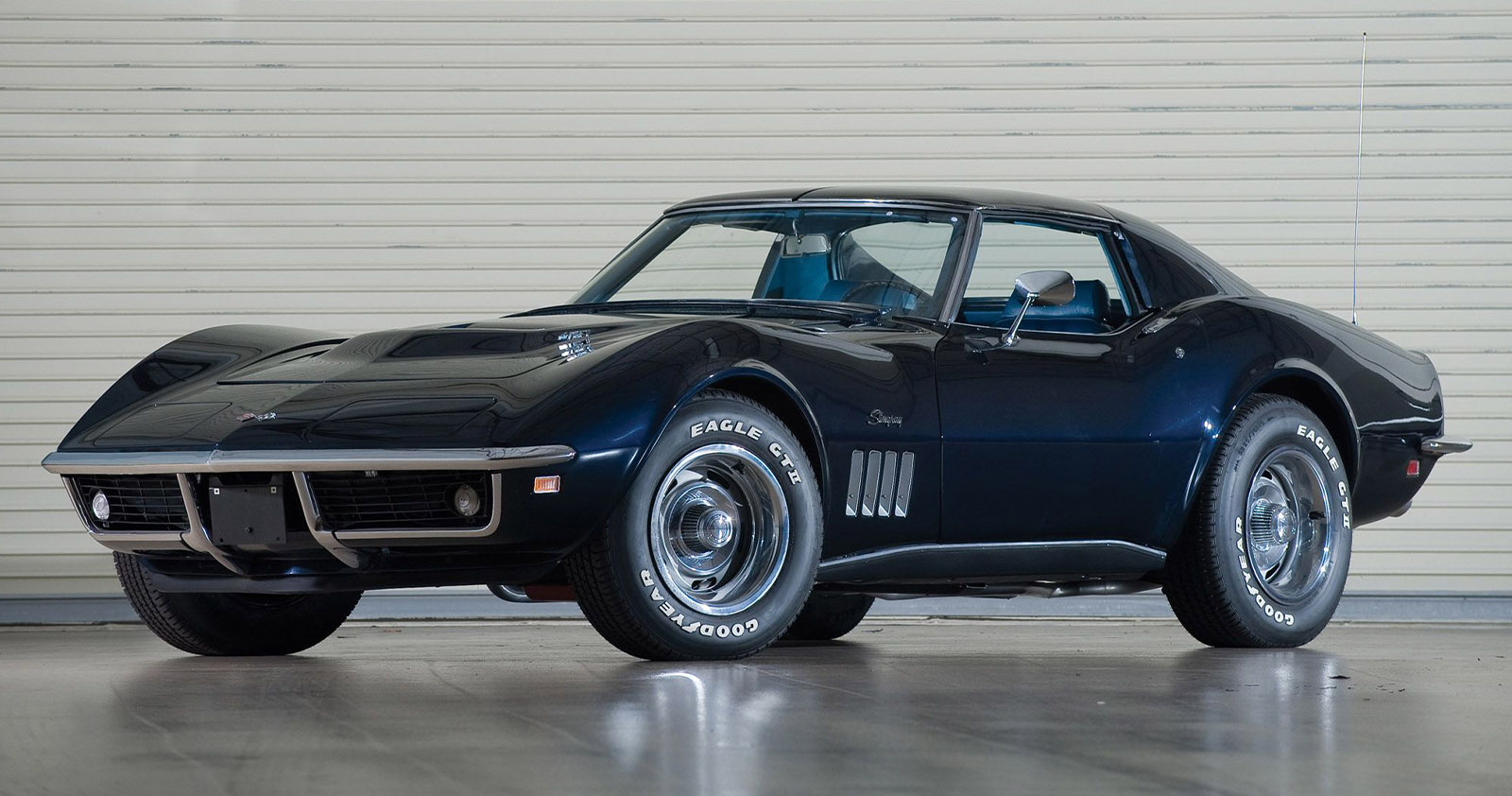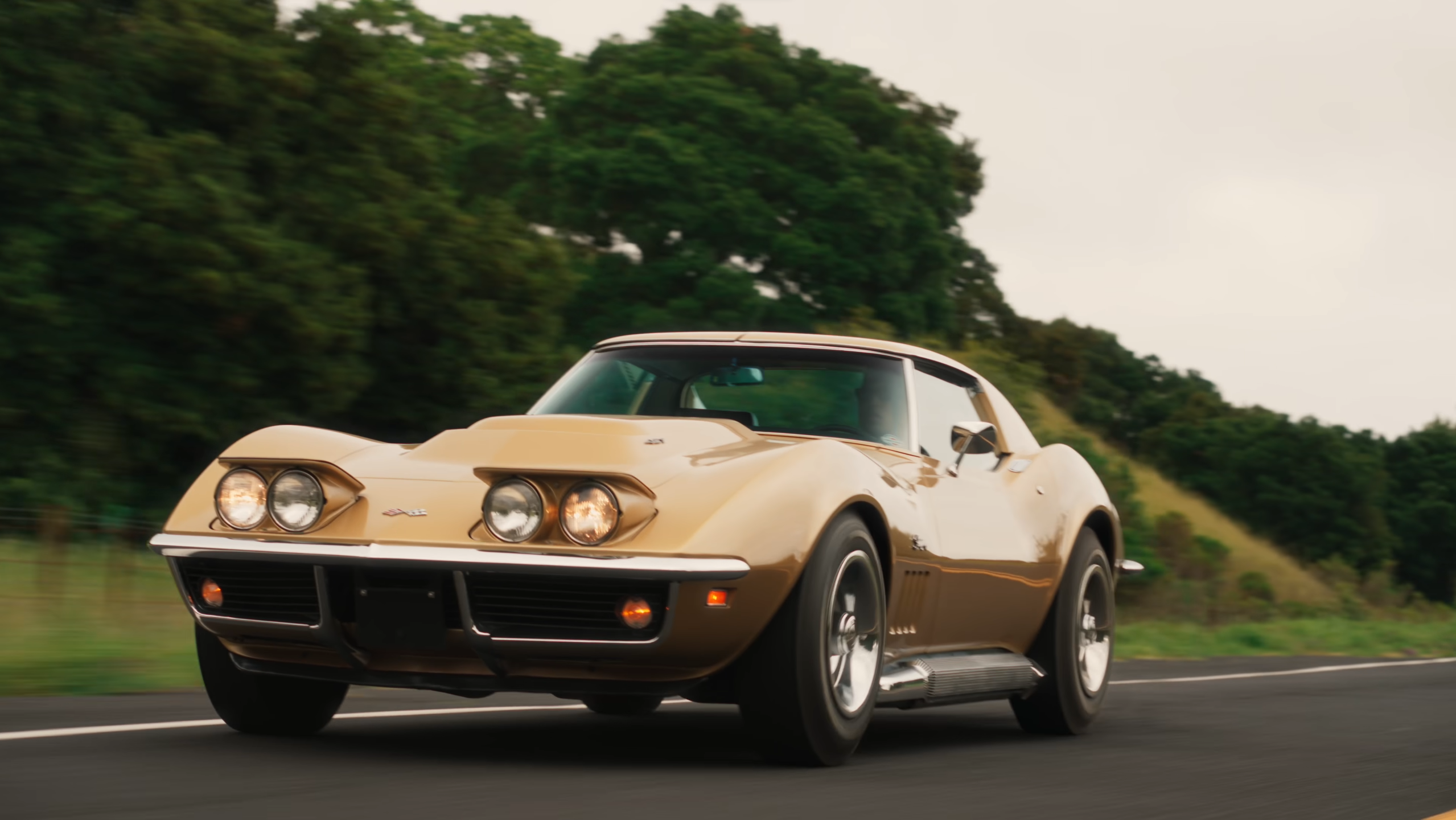
Watch the legendary L88 Corvette come alive as it cruises along California’s scenic roads, offering a glimpse of one of the most formidable performance cars ever produced by Chevrolet. Its story traces back to development work led by Zora Arkus-Duntov in 1962, when Chevrolet began evolving its “Heavy-Duty 427” into a purpose-built competition engine. That work ultimately produced the L88, the powerplant that helped Roger Penske’s Sunoco-backed Corvette secure victory in the 1966 Daytona 24 Hours.
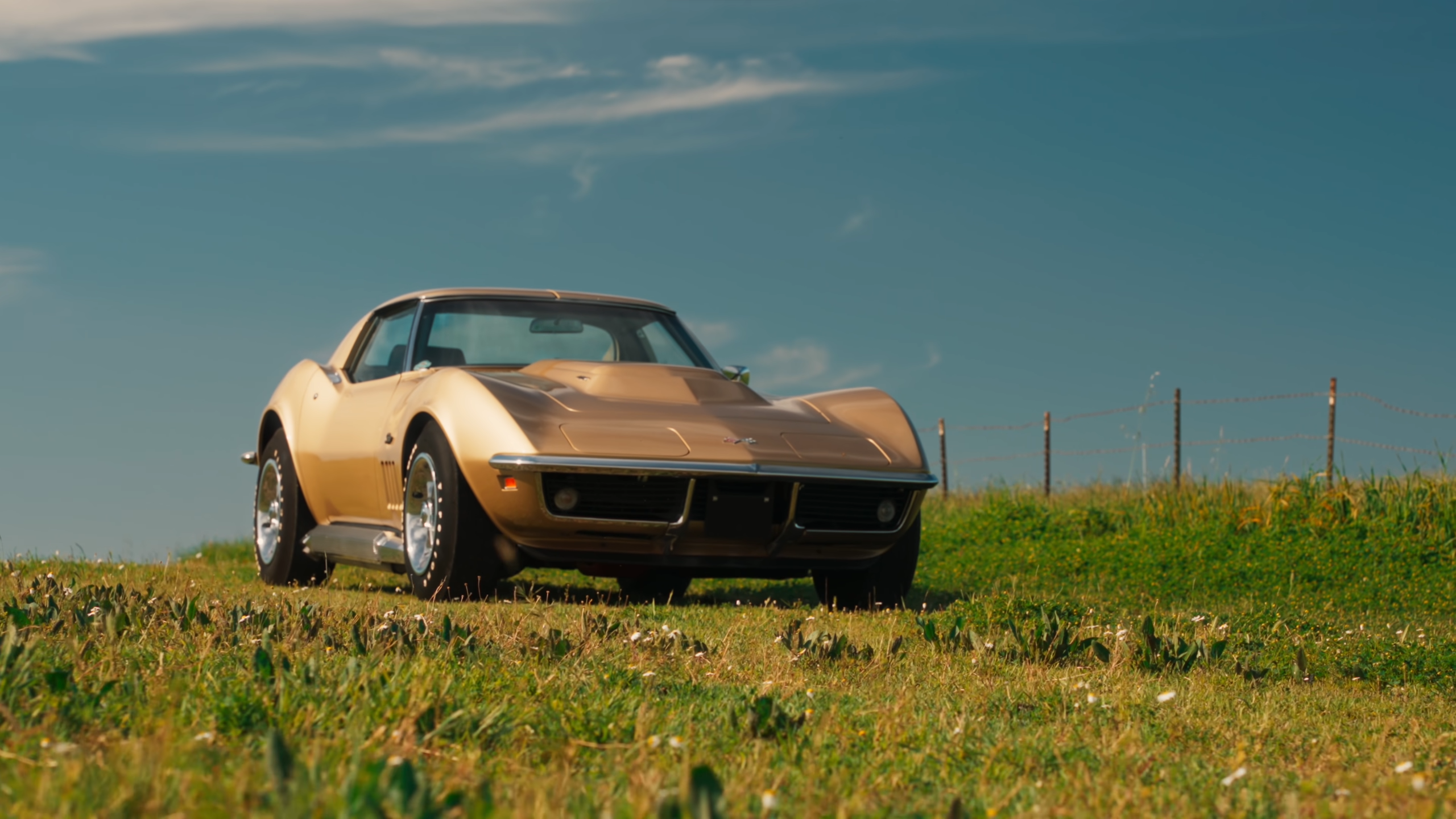
Introduced for the 1967 model year, the L88 was anything but an ordinary high-performance Corvette. Chevrolet deliberately discouraged casual customers from ordering it, effectively reserving the package for experienced racers. Its official 430-horsepower rating was remarkably conservative, particularly given its 12.5:1 compression ratio, aluminum cylinder heads, 850-cfm Holley carburetor, aggressive solid-lifter camshaft and requirement for 103-octane fuel. Its $1,032 price by 1969 also made it substantially more expensive than the 435-hp L71 Tri-Power.
The L88’s racing credentials quickly justified its intimidating specification. In 1968, Jerry Grant and Dave Morgan drove an L88 Corvette to a GT-class victory at Daytona, reportedly reaching 194 mph. Jerry Thompson and Tony DeLorenzo subsequently dominated SCCA competition, capturing the 1969 A/Production championship. The car’s competition legacy continued into 1972, when a Luigi Chinetti North American Racing Team Corvette achieved a class victory at Le Mans.
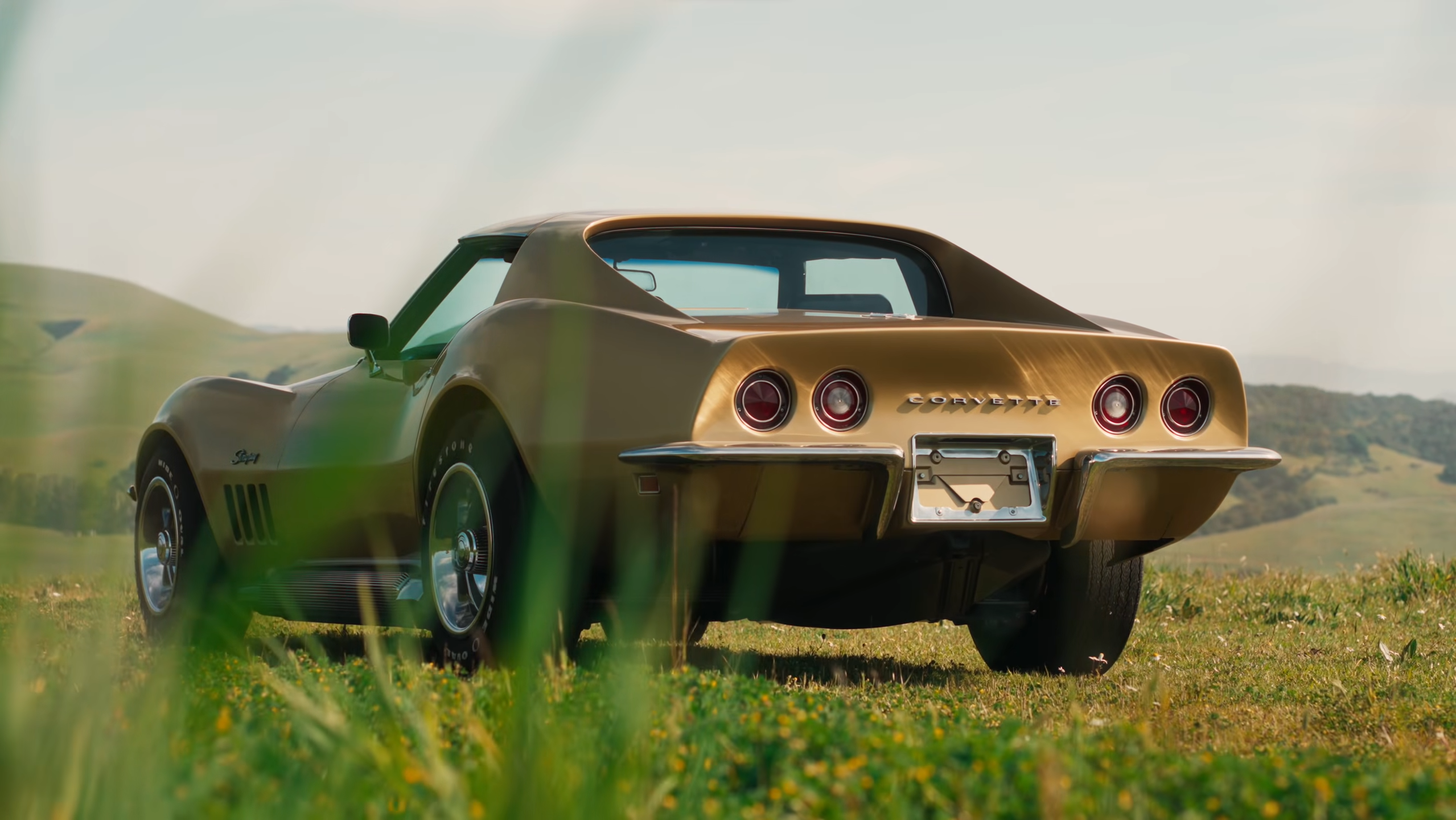
Chevrolet engineered the L88 as a competition machine rather than a luxurious road car. Buyers accepted a stripped-back approach in exchange for heavy-duty suspension, brakes and drivetrain components designed to withstand sustained racing loads. Many examples quickly transitioned from dealerships to circuits such as Sebring and Le Mans.
Production remained exceptionally limited throughout its three-year run. Chevrolet built only 216 L88 Corvettes: 20 in 1967, 80 in 1968 and 116 during the final 1969 model year. That combination of scarcity, engineering sophistication and proven motorsport success has cemented the L88’s status as one of the most significant and desirable C3 Corvettes ever created.
Source: Petrolicious