Two black two-seat sports cars can represent radically different approaches to performance, engineering and ownership. One is a 1997 Ferrari 355 F1 Berlinetta, a landmark car that brought Formula One-inspired paddle shifting to the road. The other is a 1981 Chevrolet Corvette, a comparatively inexpensive American sports car whose 190-hp V8 and straightforward mechanicals make it remarkably accessible. At the Audrain Automobile Museum in Newport, Rhode Island, Jay Leno and automotive valuation expert Donald Osborne use the two cars to examine a more complicated question than which is faster: which delivered the better financial return over the previous five years?
Ferrari 355 F1: Formula One Technology for the Road
The Ferrari represents a pivotal moment in performance-car technology. Styled by Pininfarina, the 355 combines a 375-horsepower, five-valve-per-cylinder V8 with a sophisticated chassis and the era-defining F1 transmission. Ferrari pioneered paddle-shift technology in Formula One with its 1989 640 race car, using electro-hydraulic clutch actuation. Nigel Mansell won the system’s debut race, although subsequent reliability problems demonstrated that the technology still required considerable development. Nearly a decade later, the concept reached Ferrari’s road cars with the 355 F1.
The 355 is also significant because it represents Ferrari’s transition toward a more usable and customer-focused generation of sports cars. The discussion highlights the influence of the Honda NSX, whose combination of performance, reliability, quality, and everyday usability challenged established European manufacturers.
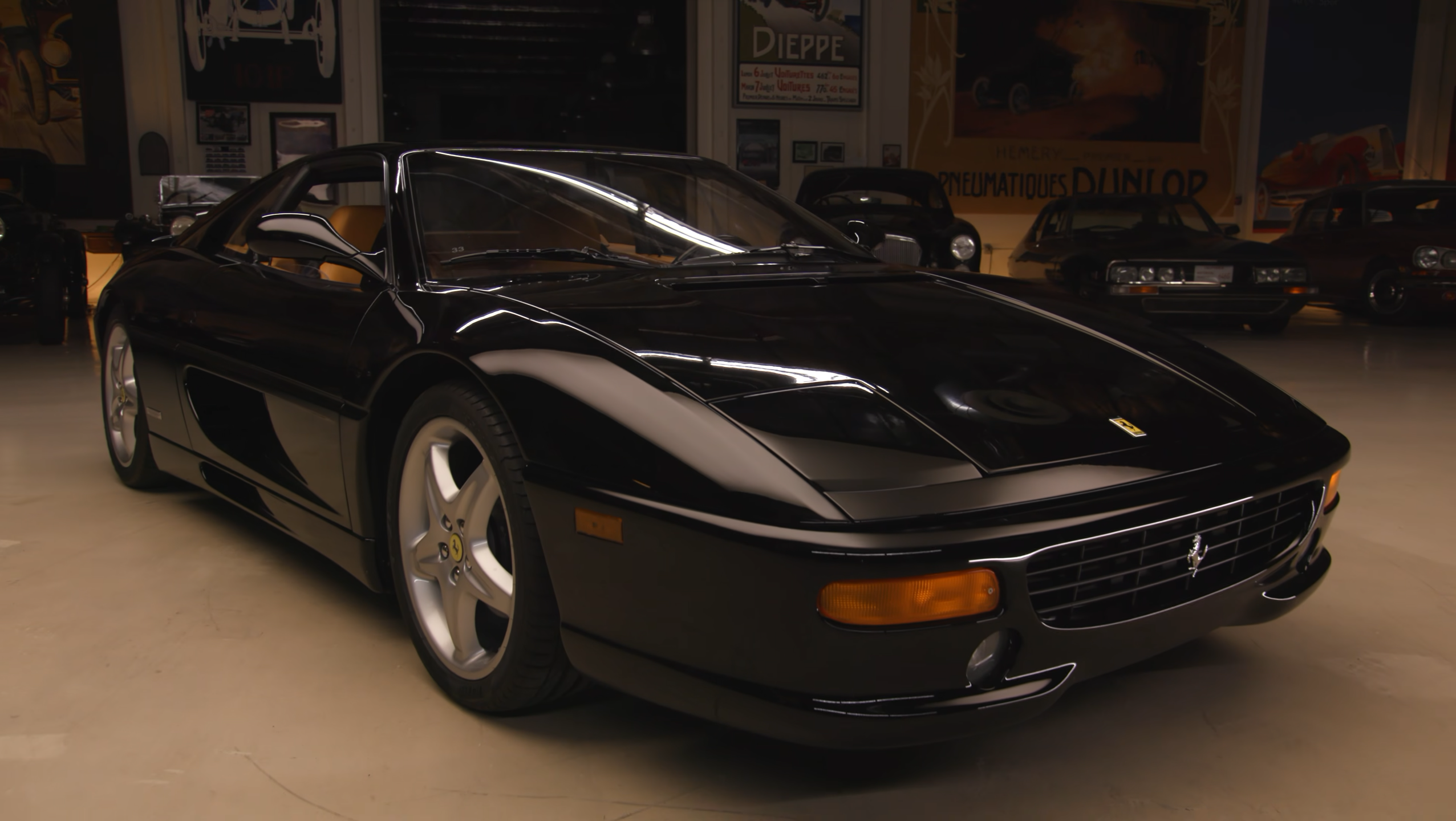
Although the traditional gated six-speed manual remains highly desirable among Ferrari enthusiasts, the original F1 transmission could become an increasingly important part of the 355’s historical identity. Many cars originally equipped with F1 systems have subsequently been converted to gated manuals.
From a collector perspective, however, retaining the original F1 configuration preserves the specification that made the car historically significant. As the first road-going Ferrari to bring this Formula One-derived paddle-shift concept to customers, an unconverted example could ultimately command a premium over cars that have been modified.
1981 Corvette: Performance Under Pressure
The 1981 Corvette occupies a completely different place in the performance-car landscape. Its 190-horsepower V8 reflects an era defined by emissions regulations, safety requirements, and intense cost pressures. Yet Chevrolet’s engineers continued searching for ways to preserve the Corvette’s sporting character.
Weight-saving measures included a fiberglass rear leaf spring, magnesium valve covers, and lightweight exhaust components. These details demonstrate the engineering challenges involved in extracting usable performance from a platform operating under severe regulatory and financial constraints.
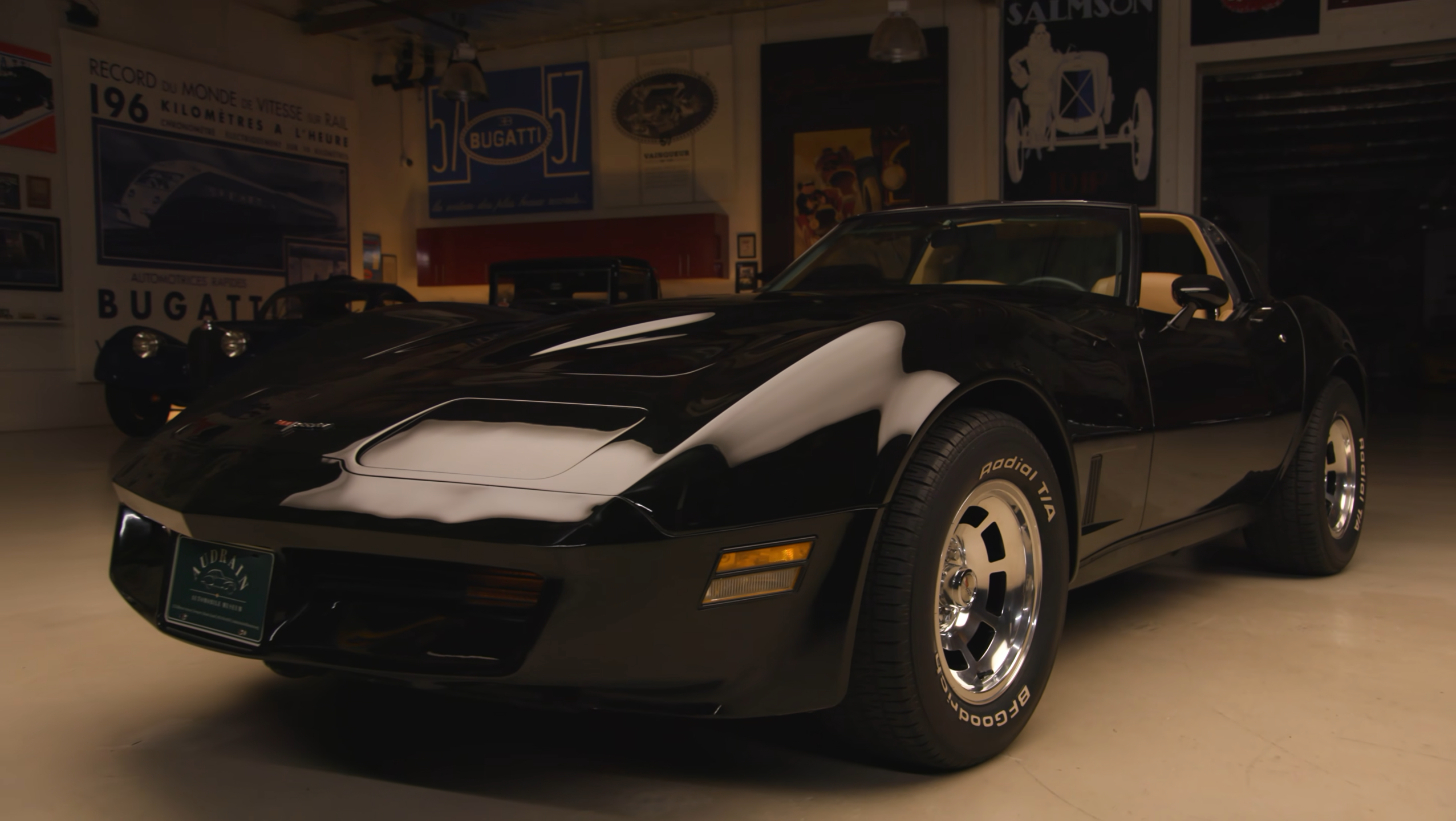
Where the Ferrari demands specialized maintenance and a substantial financial commitment, the Corvette remains fundamentally accessible. Its mechanical simplicity allows owners to perform much of the work themselves, while common components can be sourced without the expense associated with Ferrari-specific systems.
The contrast is particularly evident in maintenance costs. A basic Corvette water pump can be sourced inexpensively, while servicing the Ferrari’s F1 transmission and electronic control systems can run into several thousand dollars.
The Corvette also benefits from an important characteristic of the model: owners actually drive them. Its long-distance usability makes it a practical enthusiast car rather than simply a collectible. The comparison’s “cross the country test”—whether a car is comfortable enough to spend hours behind the wheel—strongly favors the Corvette.
Five-Year Appreciation: Ferrari Takes the Lead
When the comparison shifts from driving enjoyment to investment performance, the Ferrari emerges as the clear winner.
Five years earlier, a 1981 Corvette of this type could have been purchased for approximately $20,000. Today, its value is estimated at roughly $27,000, representing a respectable increase.
The Ferrari 355 F1 tells a much stronger story. Five years ago, an example was valued at approximately $95,000; today, the figure is around $175,000. That substantial increase gives the Ferrari the clear victory in the five-year appreciation contest.
Value Versus Appreciation
The Ferrari’s stronger appreciation does not automatically make it the better ownership proposition. At roughly $175,000, the financial consequences of major repairs are considerably greater than those associated with a $27,000 Corvette. The F1 gearbox alone can represent a significant maintenance liability, reinforcing the importance of preventative maintenance and regular use.
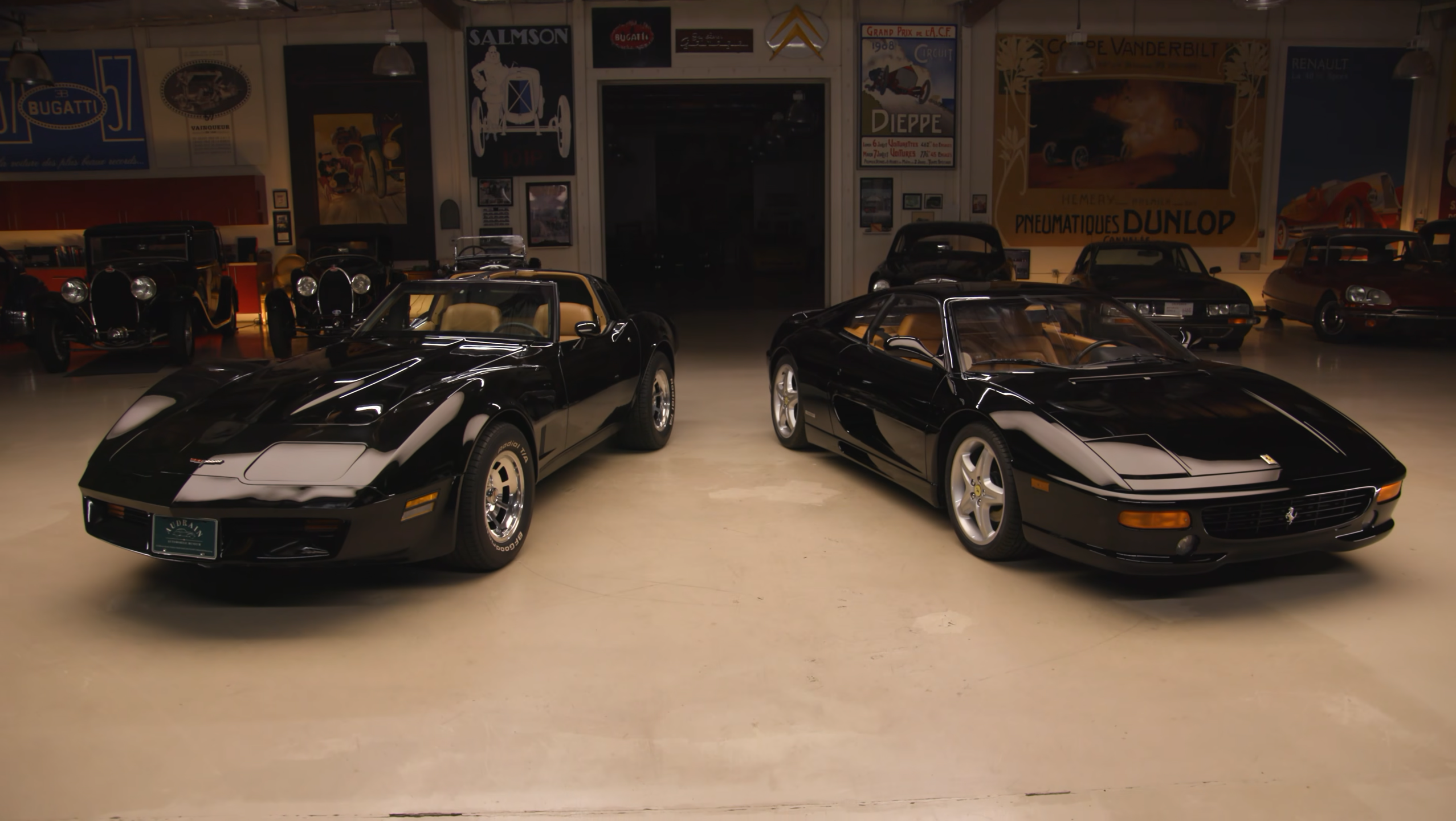
The Corvette, meanwhile, offers a much lower barrier to entry while retaining the fundamental appeal of a two-seat American sports car. Its appreciation may be modest, but its combination of affordability, mechanical accessibility, and everyday usability gives it a compelling value proposition.
Source: Jay Leno’s Garage