Become a premium member for just $35/year and get ad-free access!
1993 ZR-1 COrvette
The C4 ZR-1 Corvette, even some 30 years after its initial year of production, carries indisputable performance merit, the likes of which few can deny. In fact, the ZR-1 is often cited as the car which helped fend off threats, both foreign and domestic in origin, to the Corvette's elite performance car status. However, after only 6,939 ZR-1 Corvettes were built, and 6 years of production had passed, the program was terminated, falling victim to decisions regarding pricing.
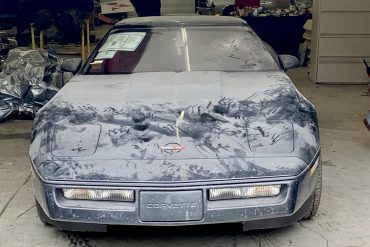
This vehicle pioneered the advantages of “Active Suspension” and had GTP Corvette race car technology. Built at the Bowling Green Plant, this vehicle was developed as a prototype for a limited edition run in the 1990 model year. Chevrolet ordered it to be built with a complex, high-tech active suspension that includes an Eaton hydraulic pump and Moog actuators. This car and the technology inside of it led to the Active Handling system GM released in 1996.
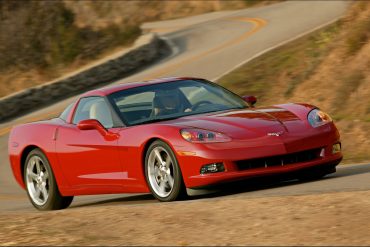
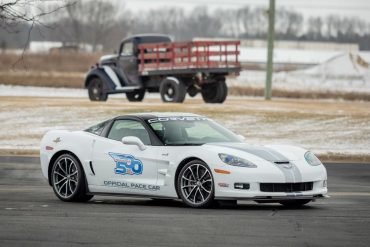
Another decade – another milestone anniversary edition Corvette. However, the 2003 model year was especially significant as it marked the 50th year of the Corvette’s production at Chevrolet.  To commemorate a half-century of manufacturing, every Corvette built in 2003 was adorned with special “50th Anniversary” badging – a unique “50” badge on each of the front fenders above the bodyside coves, and a special crossed flags badge that included “50 Anniversary” badging.
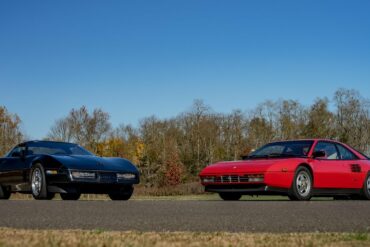
In the late 80s, Chevy was developing what some dubbed a ‘Super Vette.’ But the 1989 debut of the Dodge Viper sent GM engineers on a new path to develop a ‘Viper-Killer.’ It started with a factory test mule and the experiment was to see how a ZR-1 would perform if given more power and less weight. It was so fast it was called "Snake Skinnner", for it's ability to beat the Viper and Cobra.
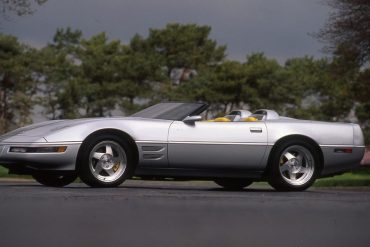
Chevrolet Corvette ZR-1 Spyder prototype, 1991, by ASC. An experimental styling prototype ordered by Don Runkle, Chevrolet’s chief engineer, to see how far the ZR-1 might be pushed in convertible form. The windshield was chopped in half and the seats were mounted directly to the floorpan. The black example in the National Corvette Museum was originally painted Sebring Silver with a Neutrino Yellow interior.