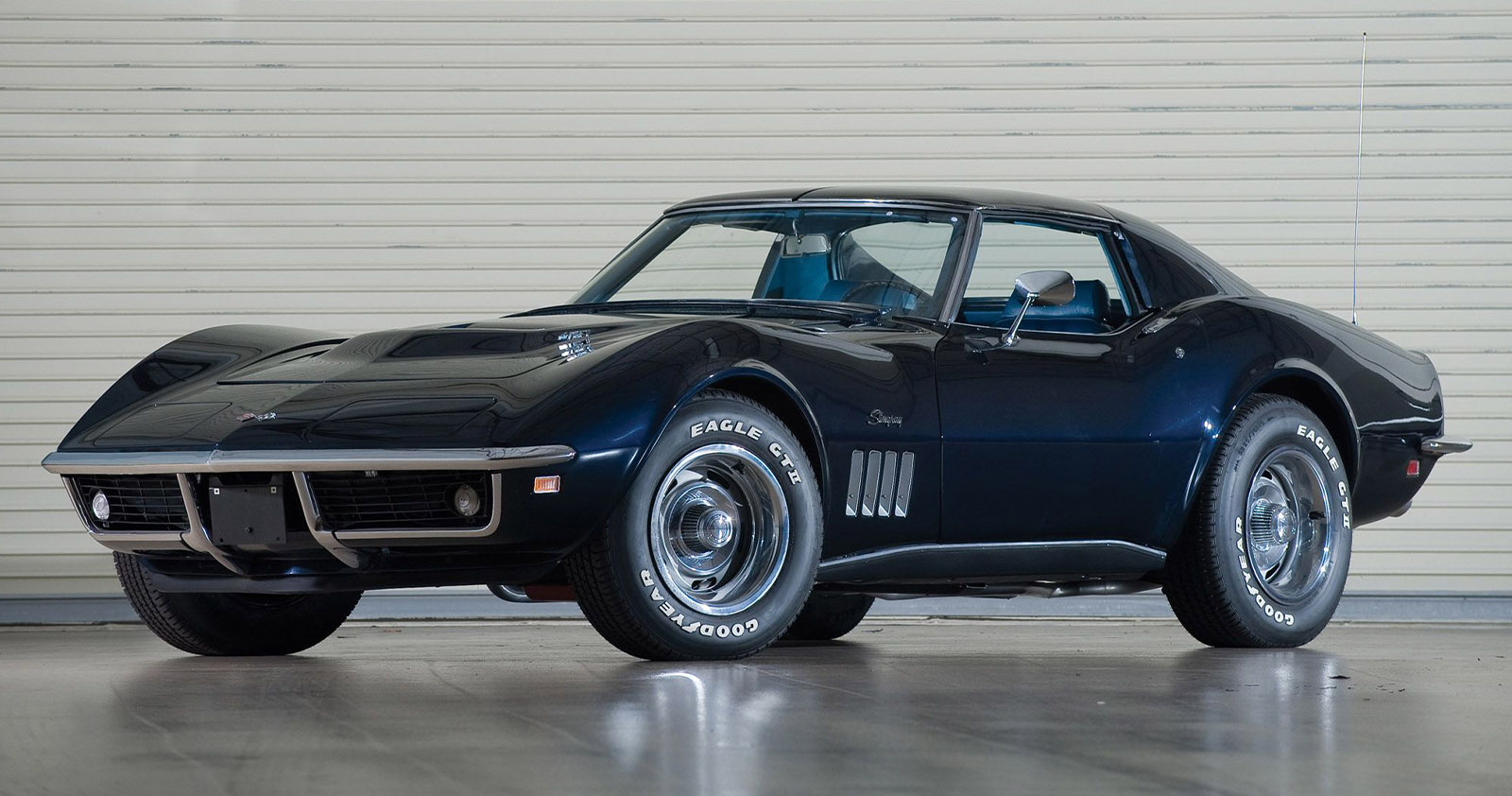
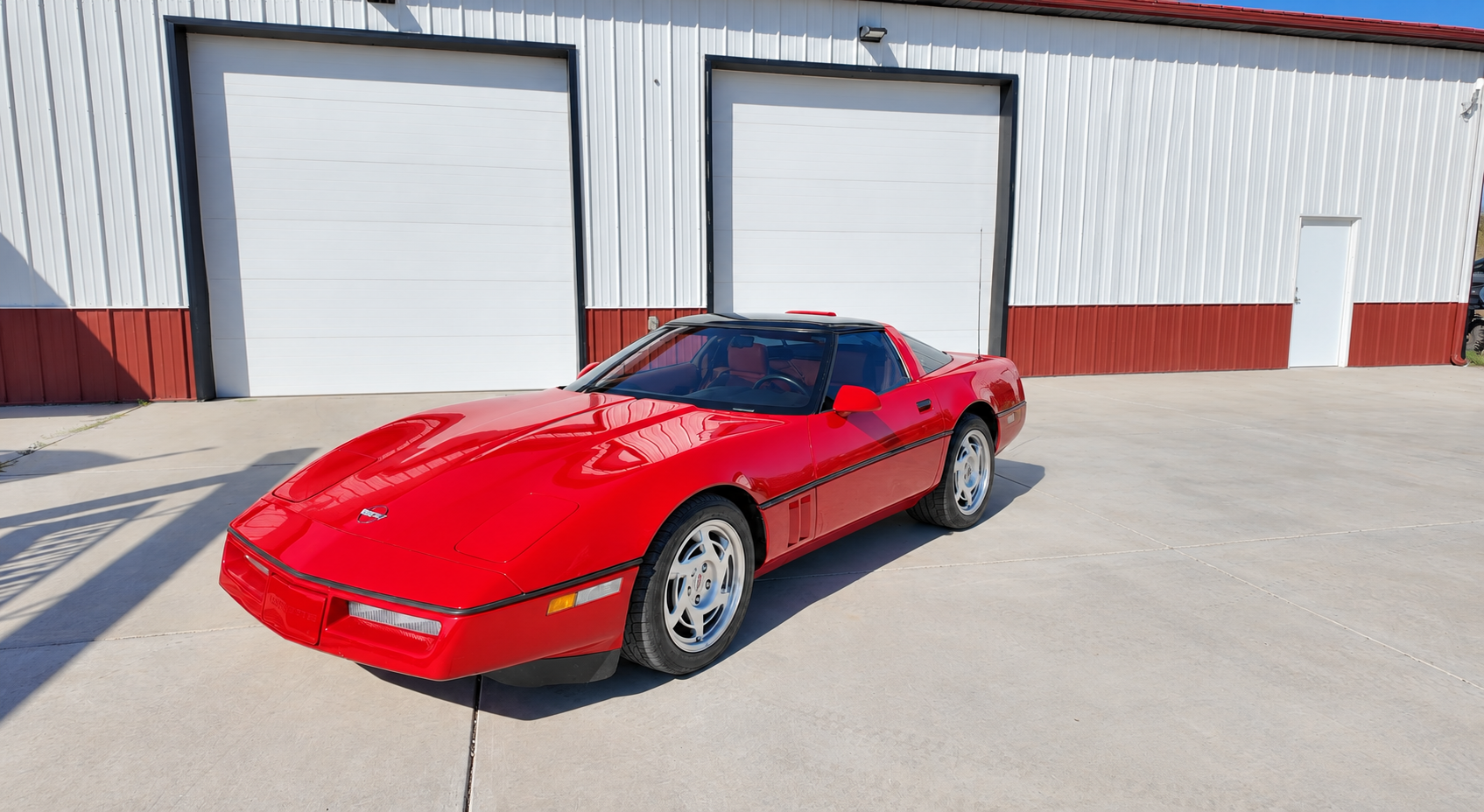
The 1990 Chevrolet Corvette ZR-1 represents one of the most ambitious engineering projects in the history of America’s sports car industry. Developed to challenge European performance benchmarks, the first-generation ZR-1 combined Chevrolet’s fourth-generation Corvette platform with an advanced 32-valve V8, sophisticated suspension technology, and a six-speed manual transmission. More than three decades later, it remains a significant example of General Motors’ effort to transform the Corvette into a world-class performance machine.
In its review, TFLclassics examines a 1990 Corvette ZR-1 that illustrates both the model’s technical achievements and the practical challenges of owning an aging performance car. Although the example retains its original paint, presents in excellent cosmetic condition, and has approximately 27,000 miles, mechanical faults and warning lights demonstrate why condition and maintenance history matter as much as the car’s reputation.
The LT5 V8: Advanced Engineering for Its Era
The defining feature of the 1990 Corvette ZR-1 is its LT5 engine, an all-aluminum 5.7-liter V8 developed with assistance from Lotus. Unlike the conventional small-block V8 used in other C4 Corvettes, the LT5 employs four overhead camshafts and 32 valves, allowing it to breathe more effectively at high engine speeds.
The engine’s sophisticated design helped distinguish the ZR-1 from traditional American performance cars. Its output was rated at 375 horsepower and 370 lb-ft of torque when the model debuted for 1990. A driver-selectable engine management system provided Normal and full-power modes, giving the ZR-1 a broader operating character than its conventional pushrod-powered counterparts.
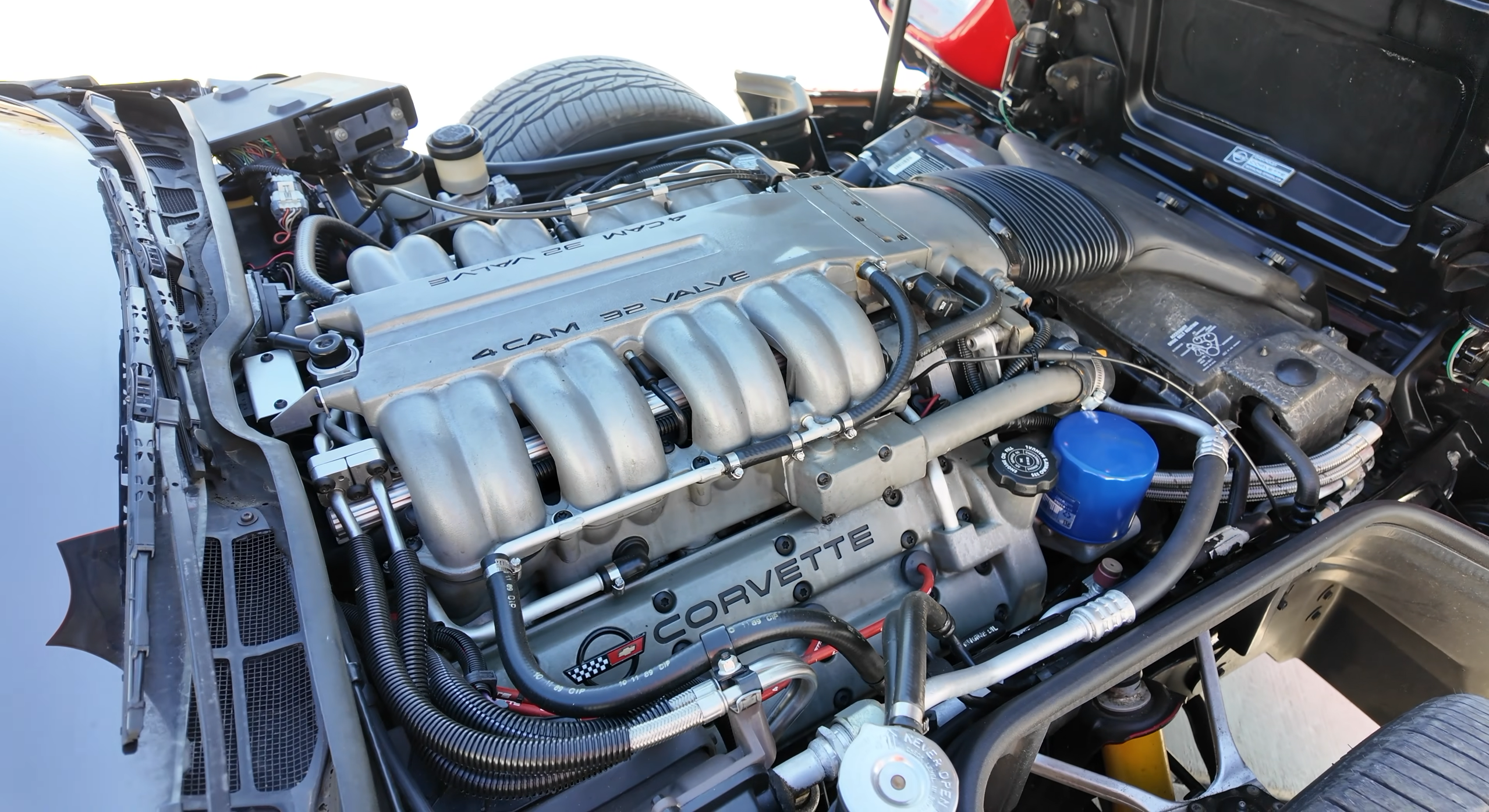
The reviewed example reportedly runs strongly and retains the distinctive sound that made the LT5 famous. However, it has an unresolved emissions problem and has failed Colorado emissions testing. The precise cause has not been established, making further diagnosis essential before assuming the engine is mechanically sound.
Six-Speed Manual and Adjustable Suspension
The ZR-1’s performance package extended beyond its engine. A six-speed manual transmission helped keep the LT5 within its effective power band, while the available FX3 Selective Ride Control system gave drivers the ability to adjust suspension behavior for different driving conditions.
The suspension offered Tour, Sport, and Performance settings, allowing the driver to prioritize ride comfort or more controlled handling. This adjustability was particularly significant for a production American sports car of the period, reflecting Chevrolet’s intention to compete with sophisticated European performance models.
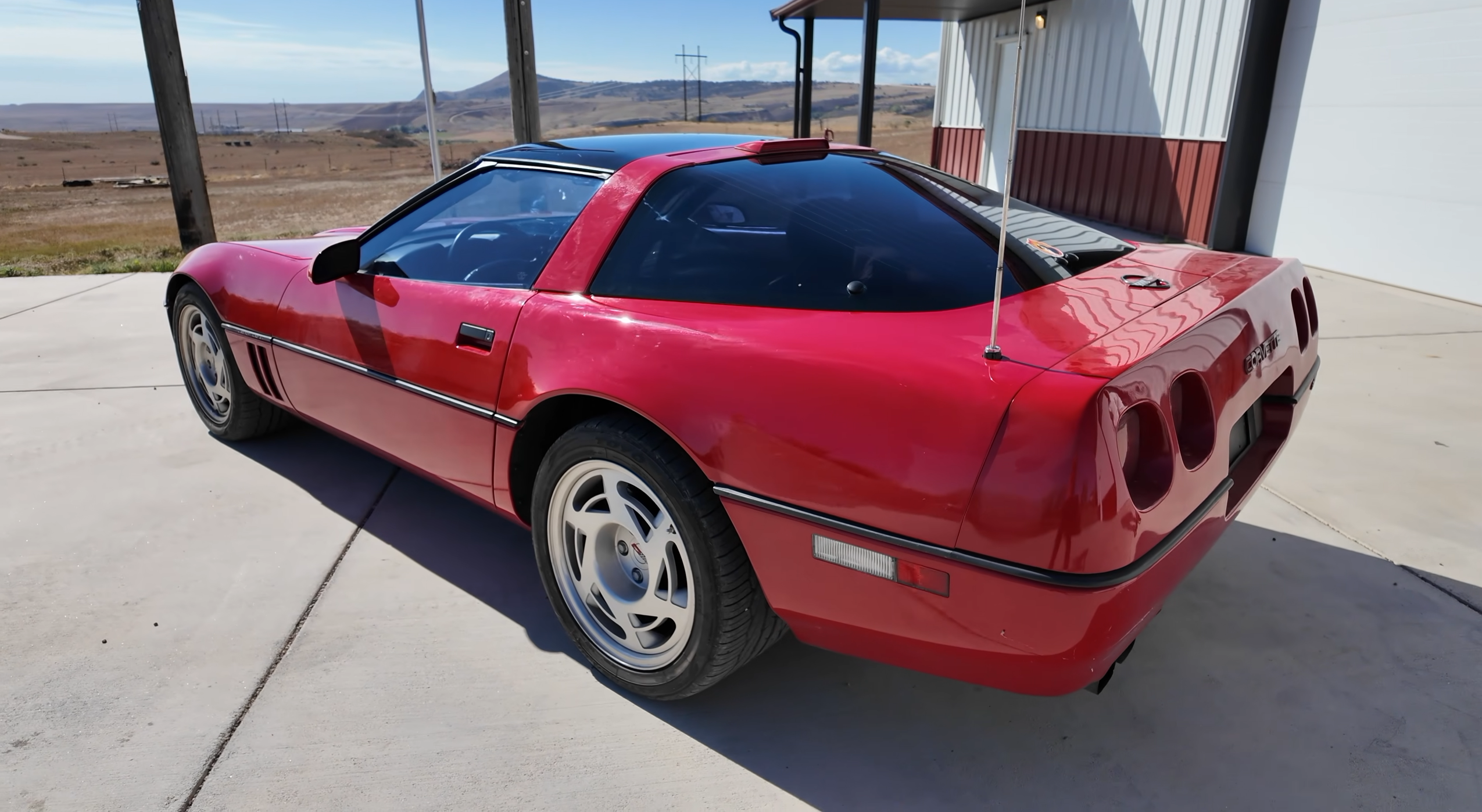
However, the suspension system in TFLclassics’ example displays an intermittent “Service Ride Control” warning. This raises questions about the condition of its electronic controls, sensors, actuators, or related components. A prospective buyer should investigate the fault rather than assume that the system will continue to function correctly.
The six-speed gearbox presents another concern. The transmission generally shifts well, but first gear sometimes produces a pronounced grinding noise. The symptoms suggest a deteriorating first-gear synchronizer, although a proper inspection would be needed to establish the precise cause and repair requirements.
These faults illustrate the distinction between the ZR-1’s impressive original engineering and the condition of an individual car after decades of use.
Exterior Design and Distinctive C4 Details
The pop-up headlights remain one of the car’s most memorable design elements. Their rotating mechanism adds mechanical theater to the otherwise restrained exterior, reinforcing the distinctly late-1980s and early-1990s character of the car.
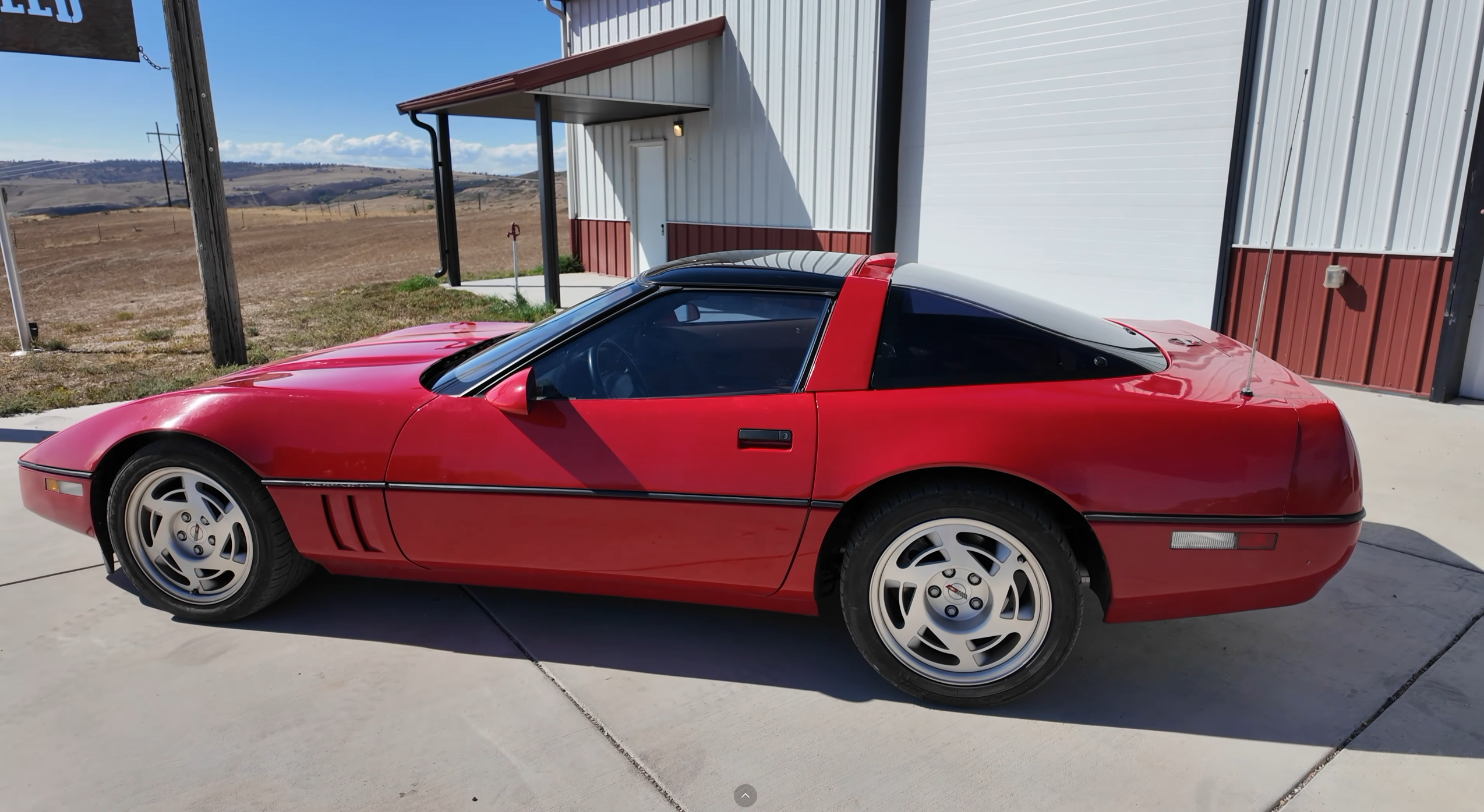
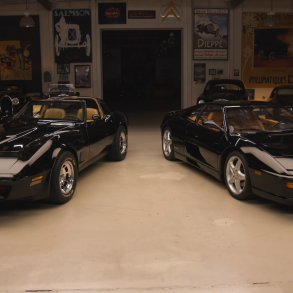
The reviewed example benefits from original paint, original wheels, and a body described as being in excellent condition. It also comes with both a glass roof panel and a conventional roof panel, giving the owner flexibility in configuring the removable-roof coupe.
The fiberglass body is another practical advantage. Unlike conventional steel bodywork, fiberglass does not rust, although its panels can still suffer from cracking, impact damage, previous repairs, and deterioration of the paint or underlying materials.
Preserving an original exterior can be particularly valuable on a collectible sports car. Cosmetic restoration may involve substantial expense, making a sound, largely original body an important consideration even when mechanical work remains necessary.
A Period-Correct Interior With Everyday Comfort
Inside, the ZR-1 reflects the transition between traditional analog controls and the emerging digital technology of the 1990s. The dashboard incorporates a digital instrument display, a trip computer, conventional climate controls, and an original-style radio with a cassette player.
The result is an interior that feels distinctly period-correct rather than burdened with modern aftermarket equipment. Its controls also offer a tangible reminder of how manufacturers integrated electronic functions before contemporary touchscreen interfaces became commonplace.
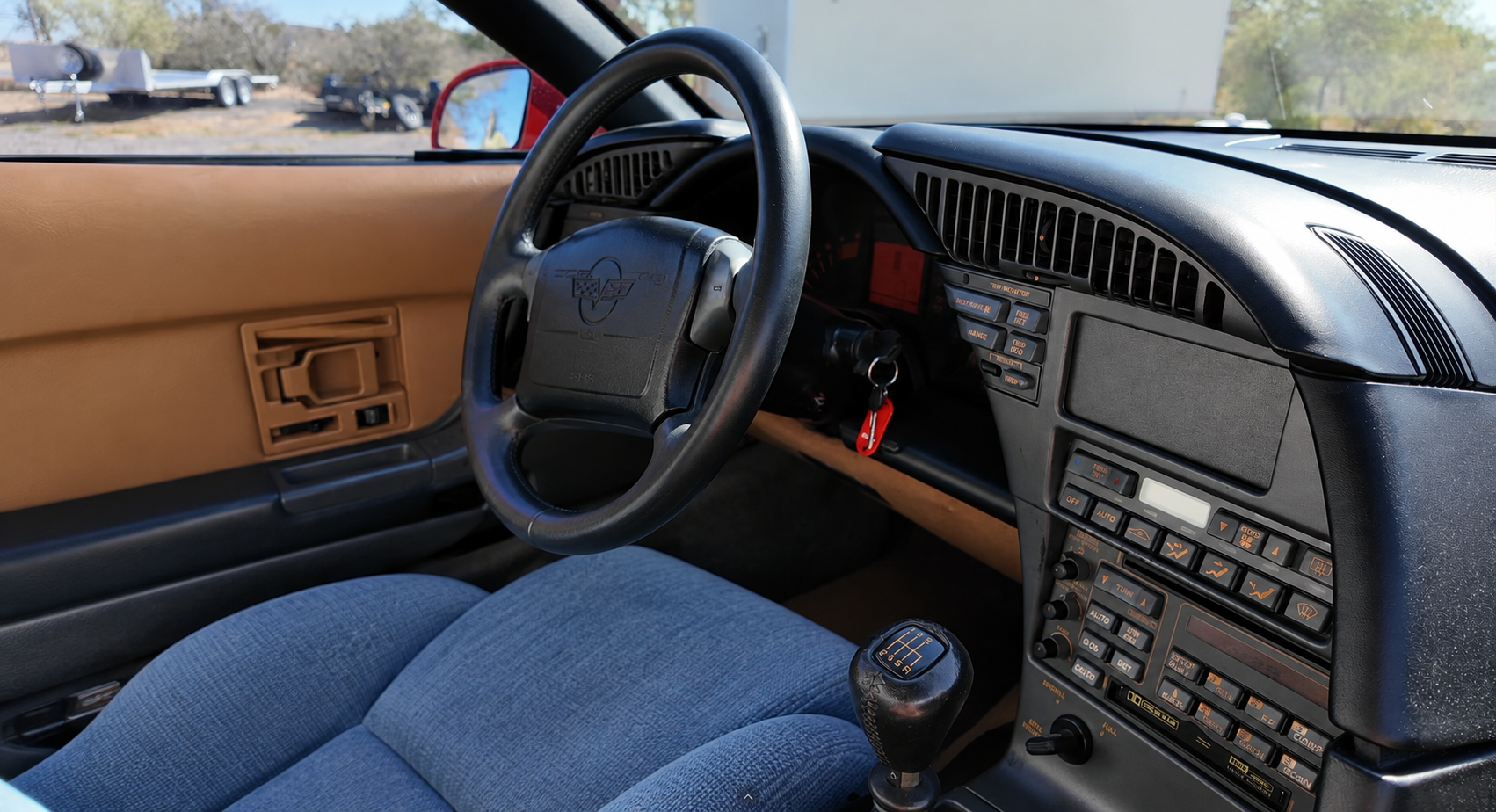
The air conditioning reportedly works, as do most of the vehicle’s other systems. Nevertheless, the airbag warning light remains illuminated, indicating a potential fault that requires diagnosis. The warning alone does not establish which component has failed or whether a particular airbag is inoperative.
The sport seats also demonstrate an important consideration for buyers: ergonomics are subjective. Their pronounced side bolsters provide support during spirited driving but can feel restrictive for occupants whose body shape does not suit the narrow seating profile. Seat adjustment cannot necessarily resolve that issue, and the low roofline further limits the usefulness of additional seat cushions for taller drivers.
Ownership Challenges and Maintenance Priorities
The car’s history provides a practical lesson in maintaining a technically sophisticated vehicle from the early 1990s. According to TFLclassics, an oil-cooler line detached from the oil-filter housing during a trip, causing oil to spread throughout the engine compartment. The owner subsequently replaced the vulnerable lines with braided-steel alternatives.
The experience highlights the importance of inspecting oil-cooler plumbing, fittings, hoses, and connections on an older ZR-1. A sudden oil leak can rapidly become a serious problem if the engine continues running with insufficient lubrication.
Several additional concerns deserve attention before the car returns to regular use:
-
Engine diagnostics: Determine why the vehicle failed Colorado emissions testing and investigate any underlying engine-management, fuel-delivery, or emissions-control faults.
-
Transmission inspection: Confirm the condition of the first-gear synchronizer and assess whether internal transmission repairs are necessary.
-
Suspension electronics: Diagnose the intermittent ride-control warning and verify that all suspension settings function correctly.
-
Safety systems: Investigate the airbag warning and confirm that the restraint system meets its intended operating specifications.
-
Tires and running gear: Address the low-tire-pressure warning and investigate any steering-wheel vibration before sustained high-speed driving.
-
General mechanical inspection: Check for fluid leaks, aging rubber components, electrical faults, and other deterioration associated with a vehicle more than 30 years old.
Documentation is equally important. The reviewed car reportedly comes with a substantial collection of records, including information suggesting that it may originally have been part of a press fleet. The presenter estimates that it cost approximately $84,000 when new, although the available documentation would need to confirm its original configuration and transaction history.
Service invoices, ownership records, original sales documents, and evidence of previous repairs can help establish provenance and identify recurring problems. For a ZR-1, records relating specifically to the LT5 engine, cooling and lubrication systems, transmission, and adjustable suspension are especially useful.
Market Position and Collectibility
TFLclassics reports purchasing the car through Bring a Trailer for $27,000 approximately a year before the review. The presenter also cites a roughly 16% decline in ZR-1 values over the intervening period and offers the vehicle for approximately $20,000.
These figures describe the seller’s experience and asking position, rather than establishing a definitive market valuation for every 1990 ZR-1. Actual values depend on mileage, originality, condition, documentation, and the cost of resolving outstanding mechanical issues.
At around $20,000, the reviewed example could appeal to an enthusiast seeking access to one of the most technically ambitious Corvettes of its generation. However, the apparent discount must be weighed against the unresolved engine, transmission, suspension, and airbag concerns. Repair costs can quickly narrow the difference between a low purchase price and the cost of a better-maintained example.
Source: TFLclassics