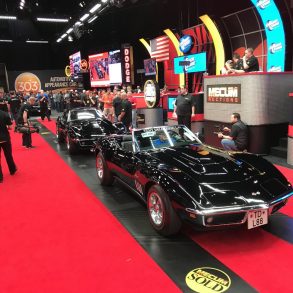
What makes a Corvette truly iconic? Is it outright speed, racing pedigree, cultural impact, or the way a car refuses to fade quietly into history? In this new original CorvSport series, Corvette Icons On The Move, we’re answering that question by doing something different. We’re telling the stories first—where these cars came from, why they mattered—then following them as they move across today’s auction lanes. This series connects heritage to the hammer drop, tracing how history, rarity, and emotion collide when icons roll across the block at Mecum, Barrett-Jackson, and Bring a Trailer.
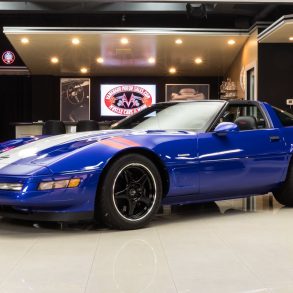
In this second installment, our spotlight eventually lands on the 1996 Corvette Grand Sport, but the story doesn’t start there. Long before the 1996’s Admiral Blue paint and red hash marks emerged, the Grand Sport name was forged in racing ambition, defiance, and unfinished business. The comeback kid, the 1996 Grand Sport has been moving through the auction lanes faster than the originals once stormed around the track, and that momentum didn’t happen by accident. Before we get to the top five most expensive C4 Grand Sport sales, we’re going back to ground zero—to 1963—where the Grand Sport legend was born, buried, and ultimately destined to return.
Ground Zero: The Iconic Grand Sport Is Born
A Vision Bigger Than The Rulebook
Zora Arkus-Duntov’s influence on the Corvette cannot be overstated, and the Grand Sport was his most daring expression of what the car could be. From the moment he joined Chevrolet in 1953, Duntov pushed relentlessly toward performance, advocating for V8 power, racing credibility, and engineering excellence that could stand toe-to-toe with Europe. His early memos to Ed Cole weren’t just ideas—they were warnings that without performance, Corvette would wither. The arrival of the V8 in 1955, followed by fuel injection and the legendary “Duntov Cam,” laid the foundation for something far more radical.
Racing Glory Meets Corporate Reality
The Corvette’s on-track presence grew through projects like the SR-1, SR-2, and the magnesium-bodied Corvette Super Sport, and momentum was building—until it wasn’t. The 1955 Le Mans tragedy sent shockwaves through the industry, culminating in the AMA Racing Ban, which effectively outlawed factory-backed racing. Manufacturers were forbidden from building race cars, promoting performance, or supporting competition efforts. For Chevrolet, it should have been the end of the story. For Duntov, it was merely an obstacle to work around.
The 1963 Grand Sport Takes Shape
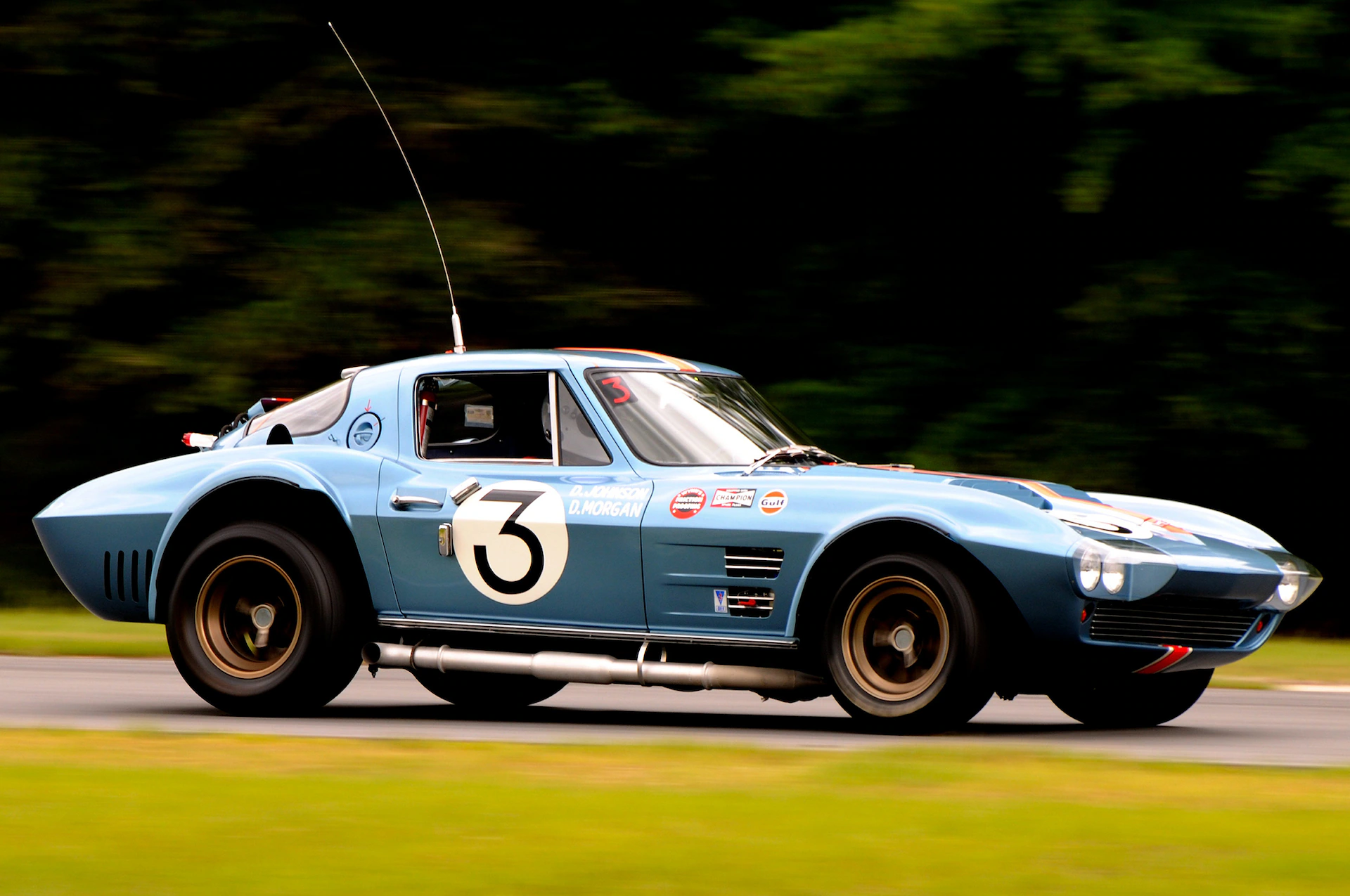
The arrival of the second-generation Corvette in 1963 finally gave Duntov a platform worthy of his ambition. While the Z06 already pushed boundaries with its 360-horsepower 327ci V8, heavy-duty suspension, and massive fuel tank, it wasn’t enough. To beat Ferrari—and Carroll Shelby’s Cobra—weight had to disappear, and power had to rise. The Grand Sport program was born in secrecy, featuring an all-new lightweight chassis, ultra-thin fiberglass panels, and extensive use of aluminum. The result was staggering: nearly 1,000 pounds shed compared to the Z06.
Built To Win, Stopped Too Soon
Under the hood, Duntov’s team developed a ferocious 377 cubic-inch V8 with aluminum heads, capable of producing 550 horsepower at 6,400 rpm. The plan was clear: build 150 cars, meet homologation rules, and dominate the GT class, starting at Le Mans. But reality struck hard. With only five cars completed and a sixth chassis underway, GM leadership shut the program down entirely, doubling down on enforcement of the AMA ban. The Grand Sport was dead—at least on paper.
Legacy Without Permission
Refusing to let the cars vanish, Duntov quietly placed the completed Grand Sports with elite drivers like Roger Penske, A.J. Foyt, Jim Hall, and Dick Thompson. Though stripped of their original engines, the cars still found success, earning wins and proving their merit at Watkins Glen and Nassau Speed Week. When the dust settled, the Grand Sport had done enough. It became the greatest Corvette that never officially raced—and the myth only grew stronger. That legend lay dormant for more than three decades, until 1996, when enthusiasts could finally check an RPO box—Z16—and channel the spirit of 1963. The Grand Sport skipped the C5, returned for the C6 and C7, and after six years of C8 production, all signs—including CorvSport’s and every major Corvette publication’s reporting—point to one thing: the Grand Sport is coming back again.
The Resurrection Of An Icon
Why 1996, And Why The C4?
By the early 1990s, the Corvette team knew the C4’s long run was nearing its end, and they wanted to send it out with meaning—not just nostalgia. Chief Designer John Cafaro spearheaded the idea of a bold Grand Sport tribute, one that honored the past while anchoring the end of the C4 era. Early design mules shocked dealers, who worried the look was too aggressive and the sales too limited. Enter John Heinricy, then assistant chief engineer, who helped unlock the solution: two special models. One unlimited–the Collector Edition–one rare. The Grand Sport would be capped at exactly 1,000 units, making it exclusive by design, not by accident.
Performance First, Paint Second
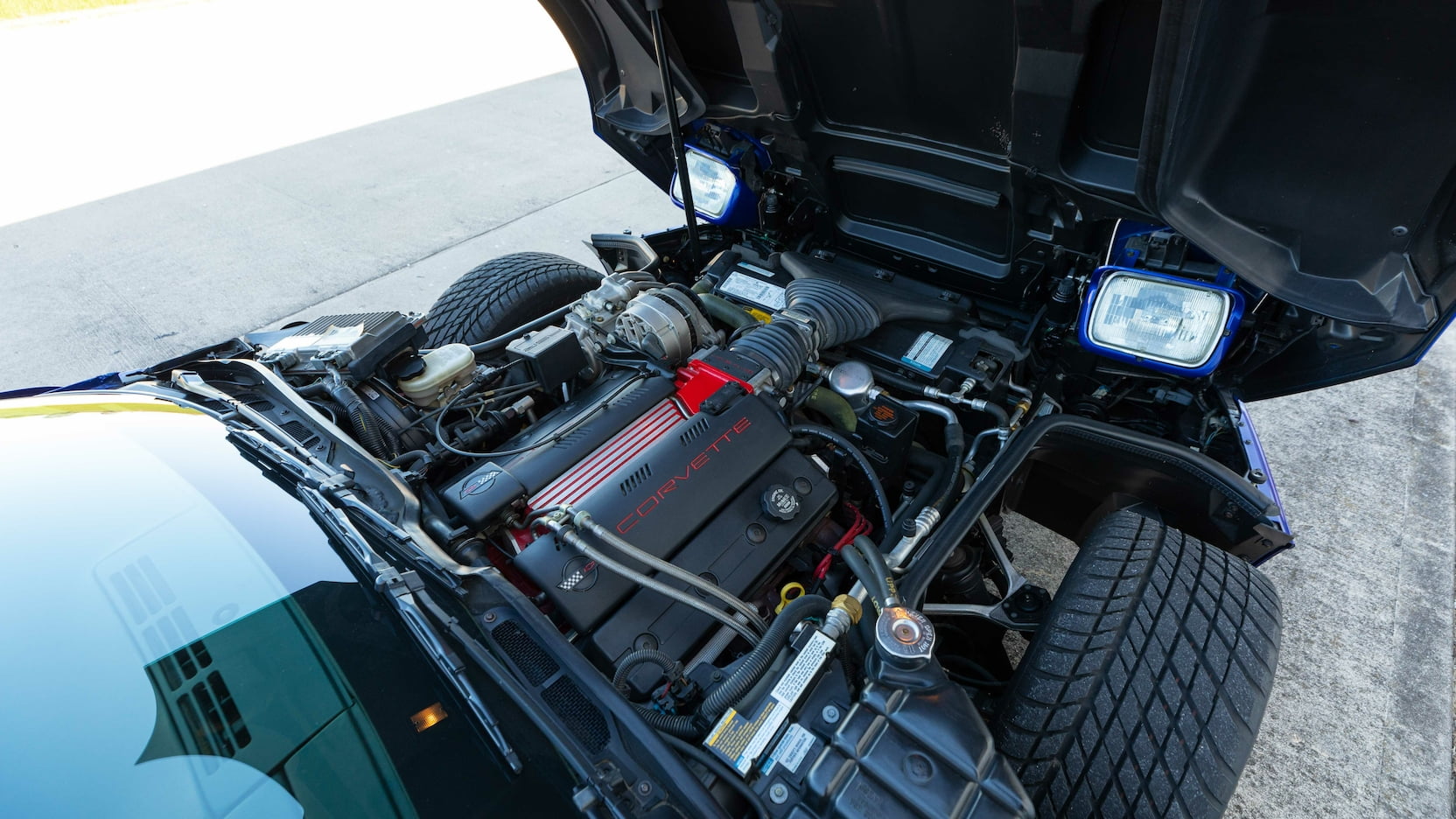
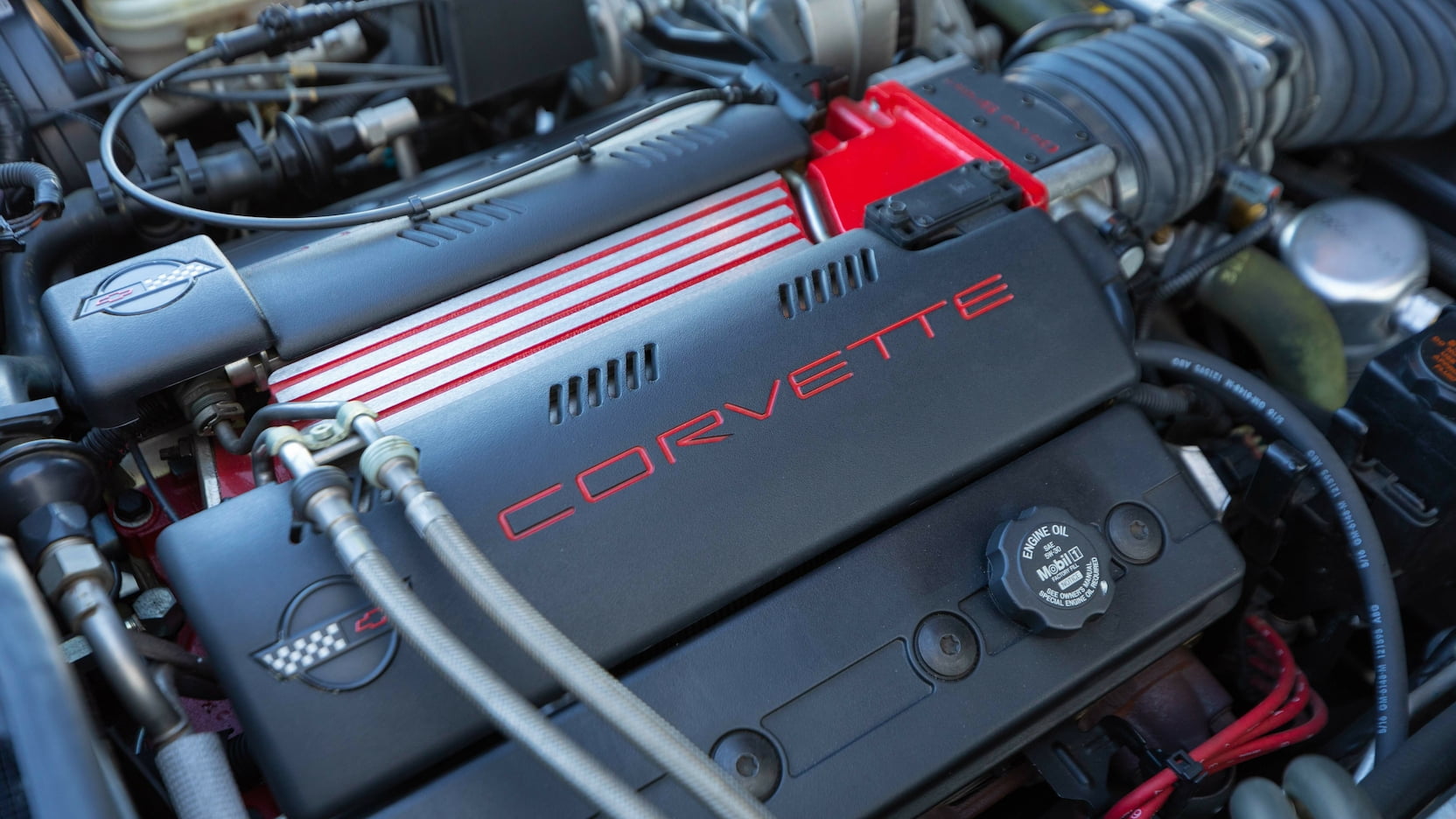
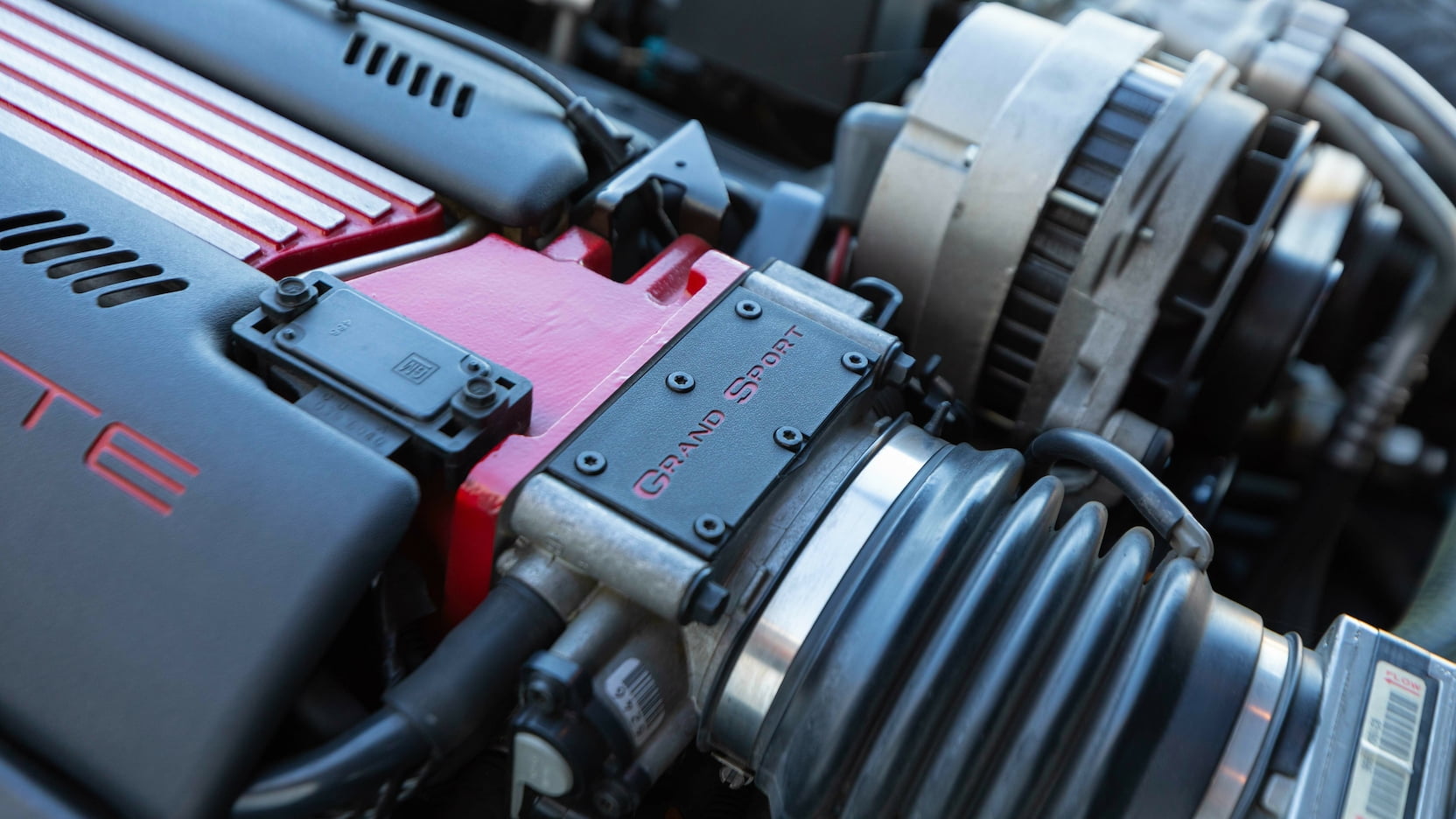
From the outset, the 1996 Grand Sport was meant to be more than stripes and badges. With time and budget constraints ruling out an all-new engine, the team reworked the LT1 into something special—the LT4. Manual transmission only, higher compression, revised heads, camshaft, valves, and fueling brought output to 330 horsepower. It wasn’t just about numbers; it was about intent. Every Grand Sport was built to feel sharper, louder, and more purposeful than a standard C4.
- LT4 5.7L V8 producing 330 hp at 5,800 rpm, with a 6,300 rpm redline (700 rpm higher than the LT1)
- 340 lb-ft of torque
- Six-speed manual transmission only
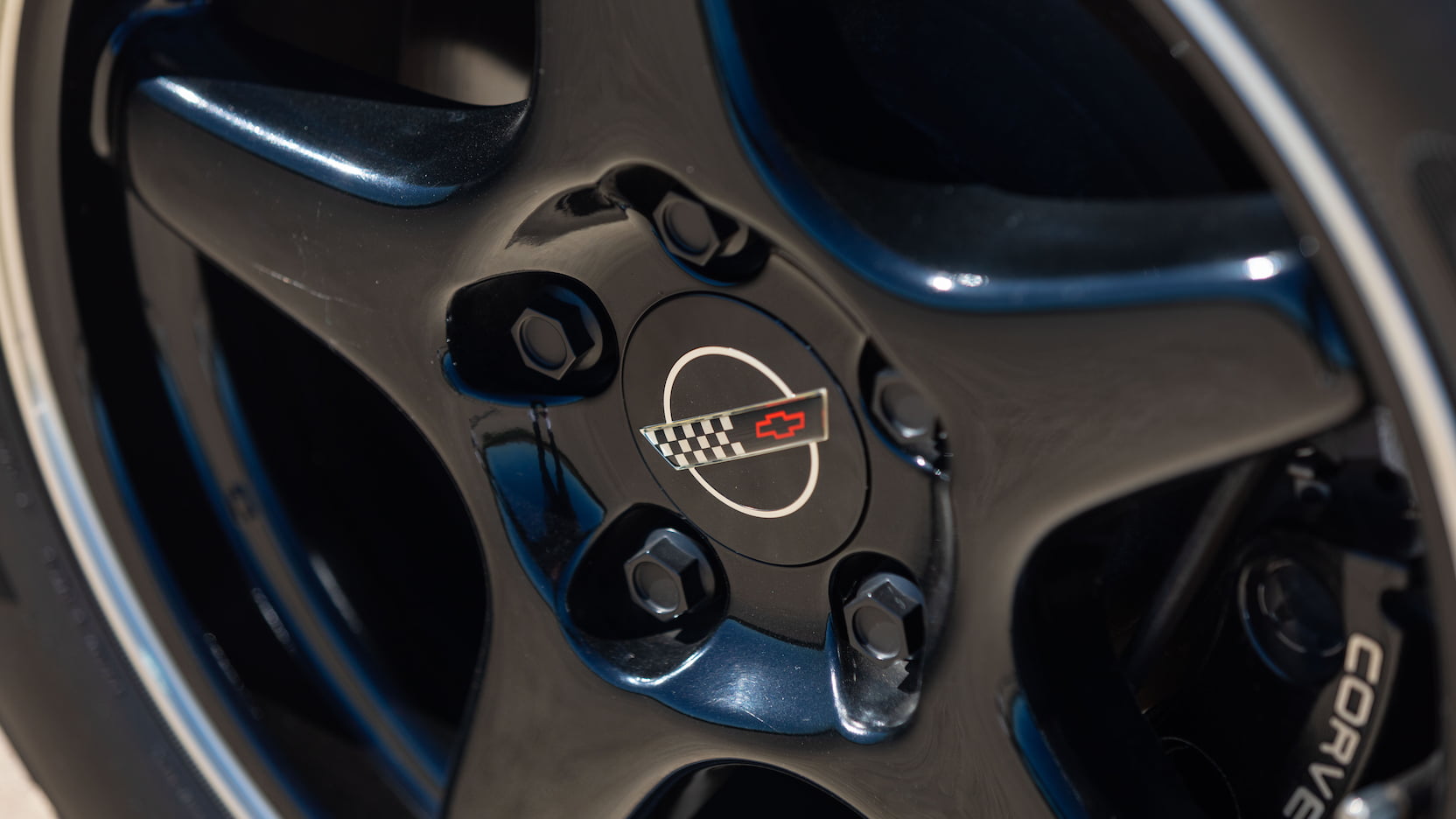
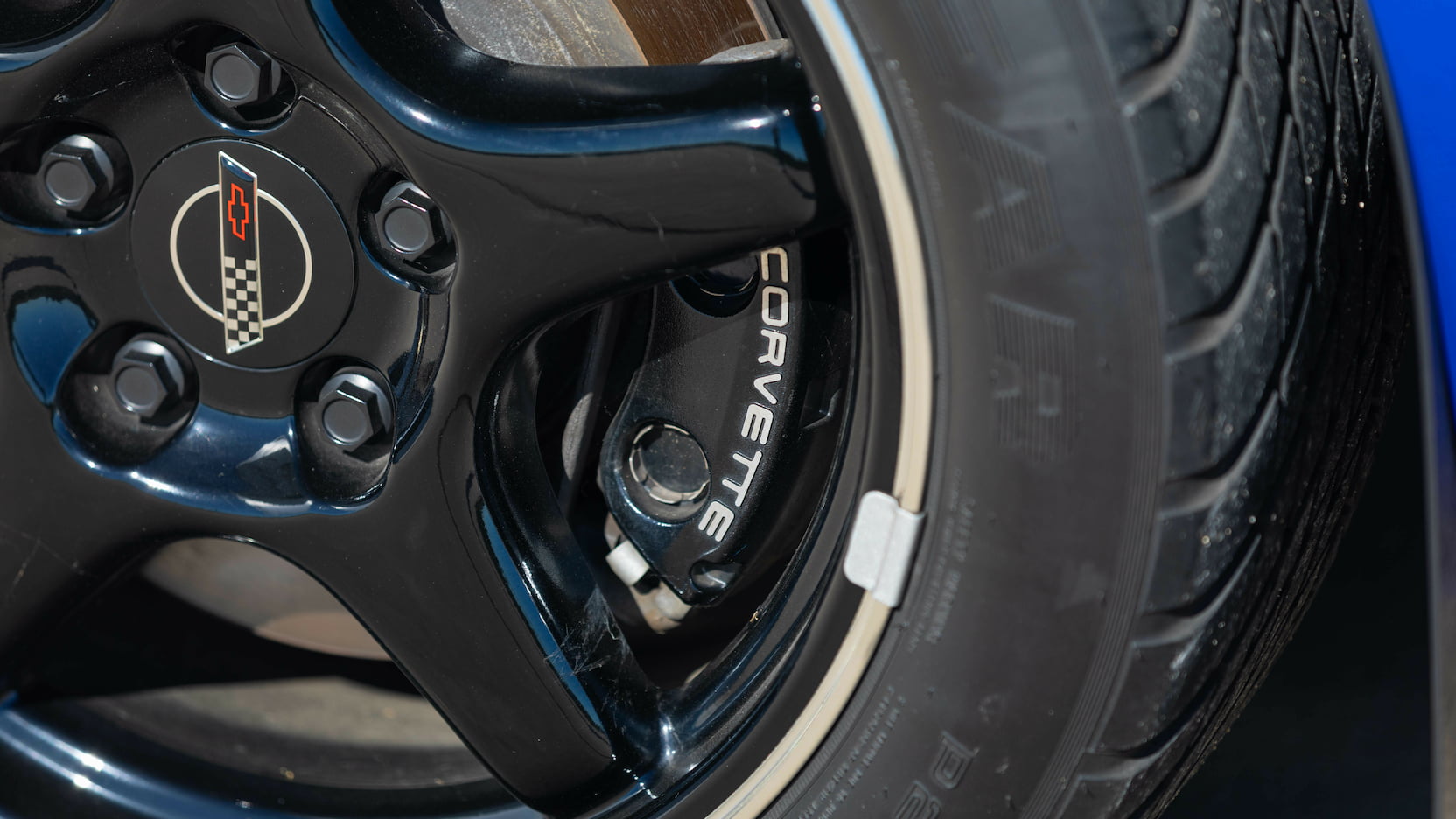
- ZR-1 wheels and wider tires on coupes (P275/40ZR17s in the front and P315/35ZR17s in the rear)
- Rear fender flares to accommodate increased rubber (coupe only)
- Performance-focused suspension tuning
-
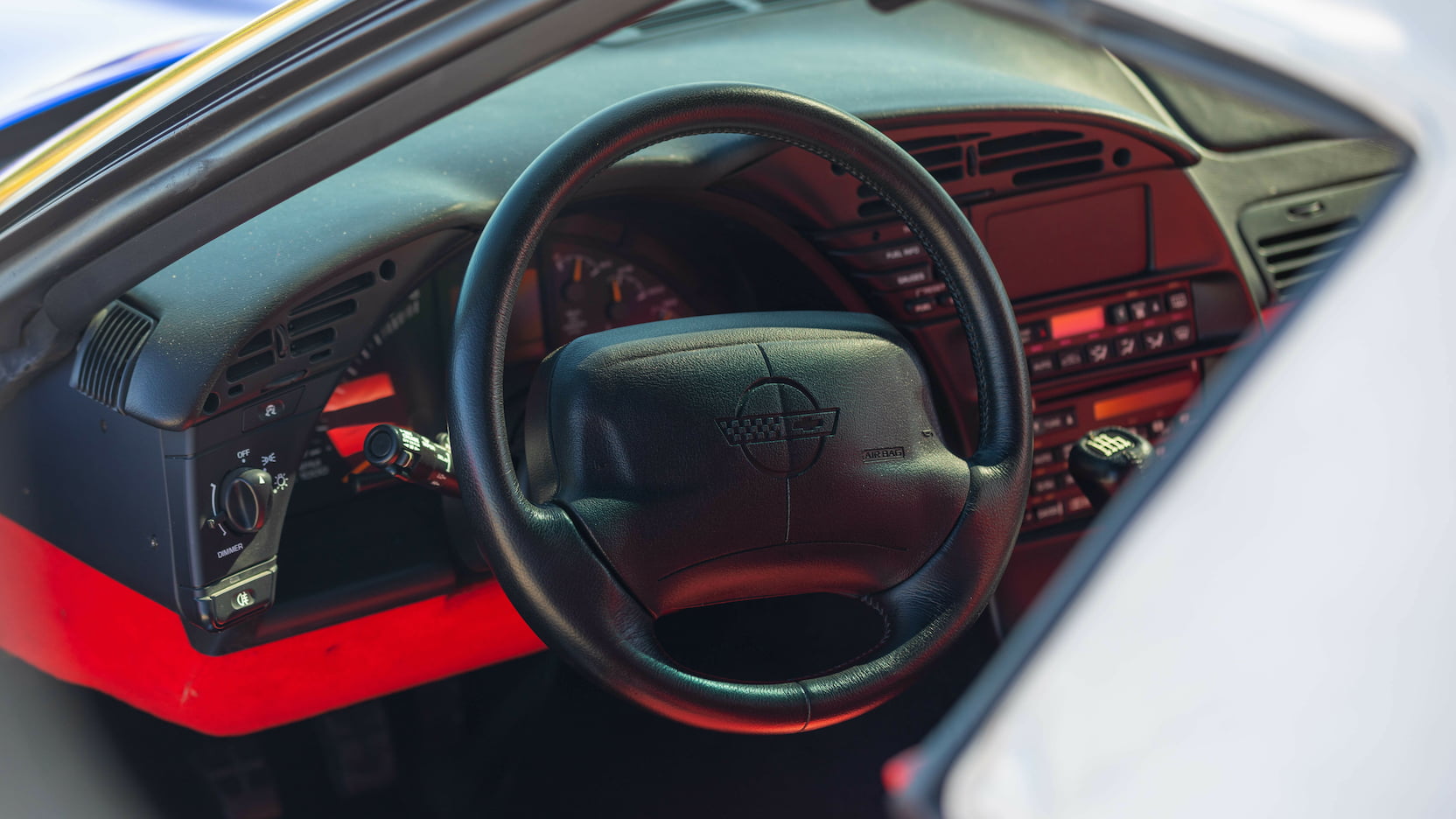
All models equipped with the LT4 engine included a special 8,000 rpm tachometer instead of the standard 6,000 rpm tachometer
Instant Icon, Built In Limited Numbers
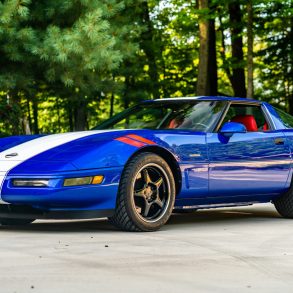
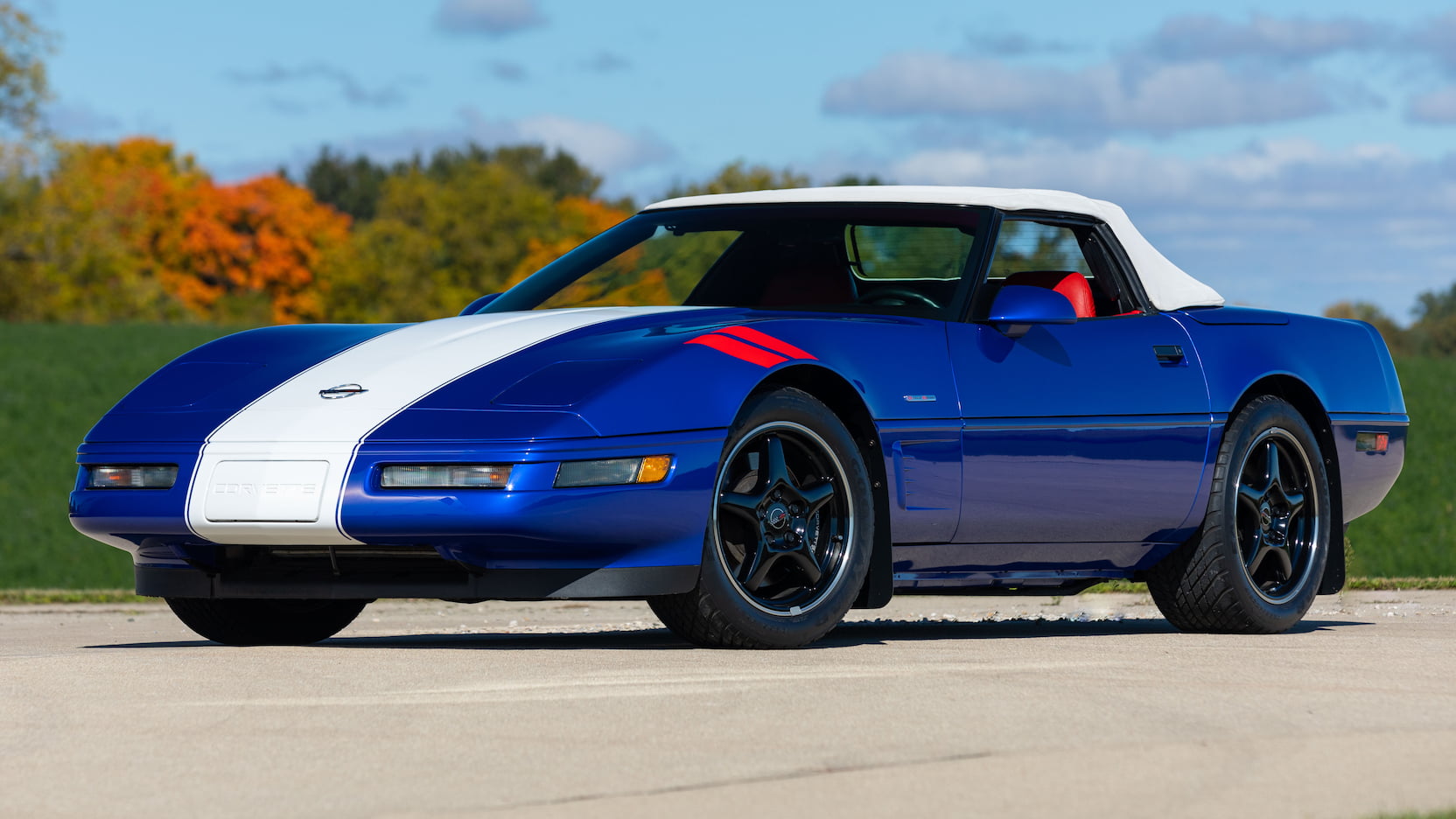
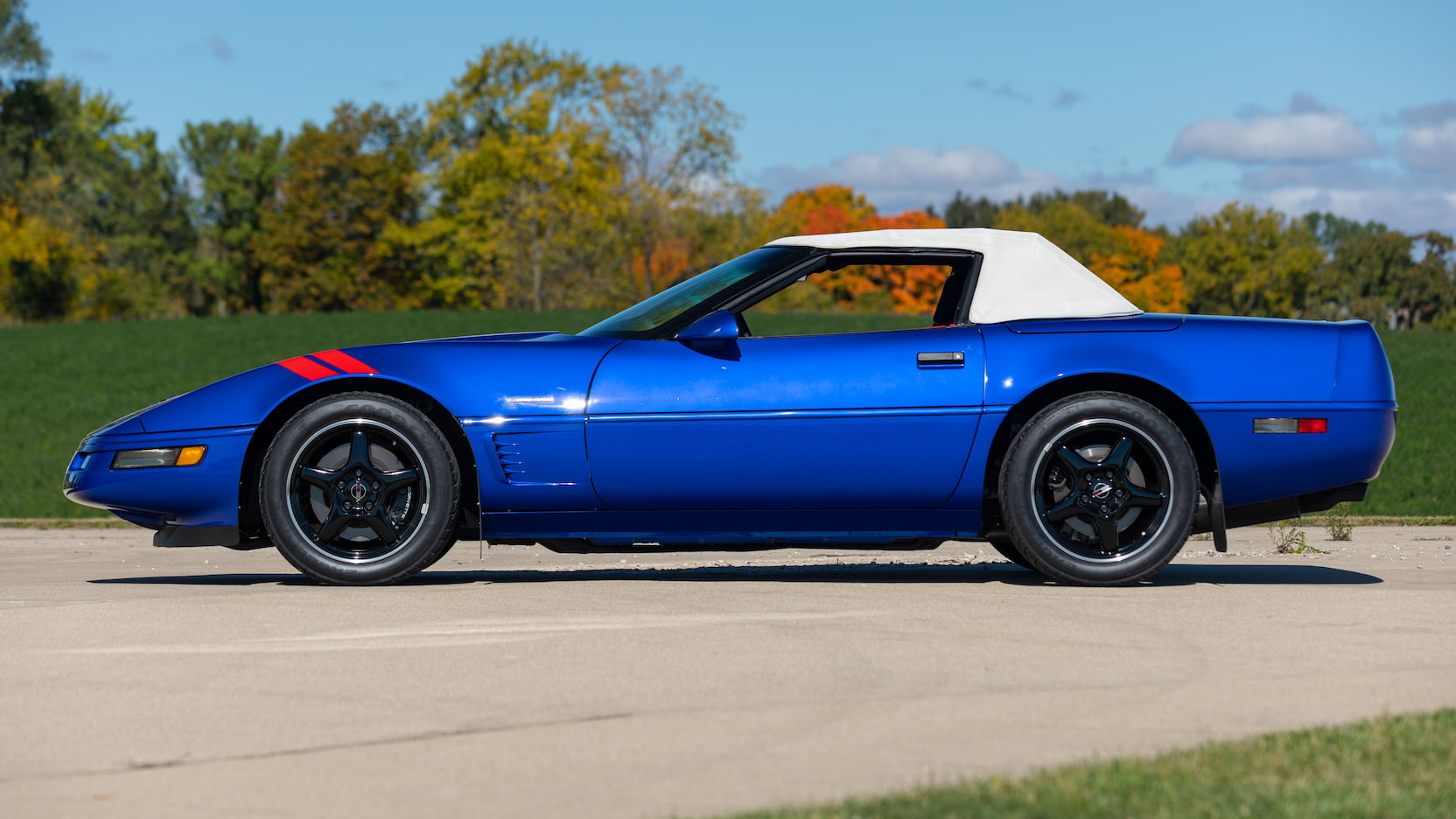
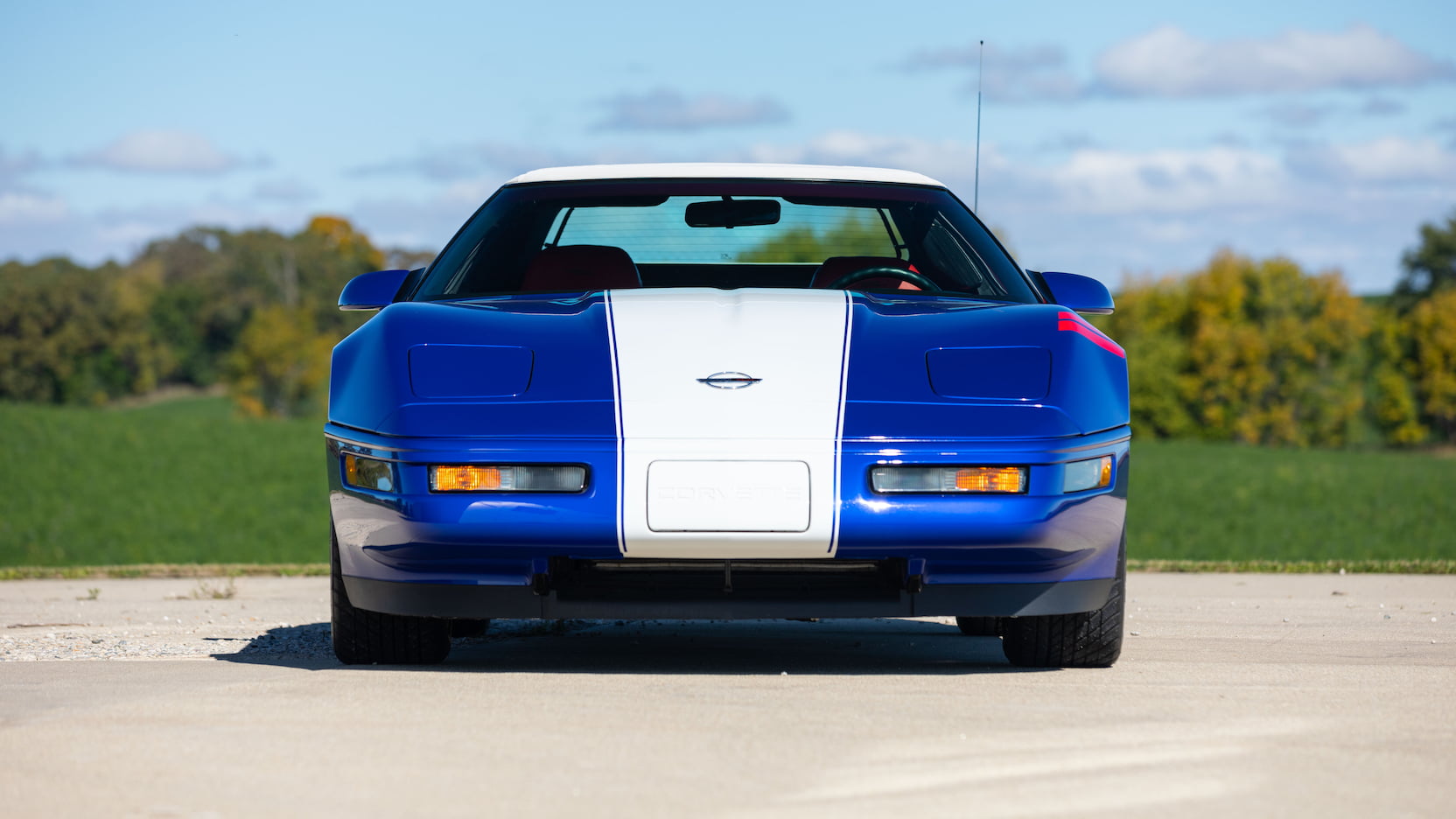
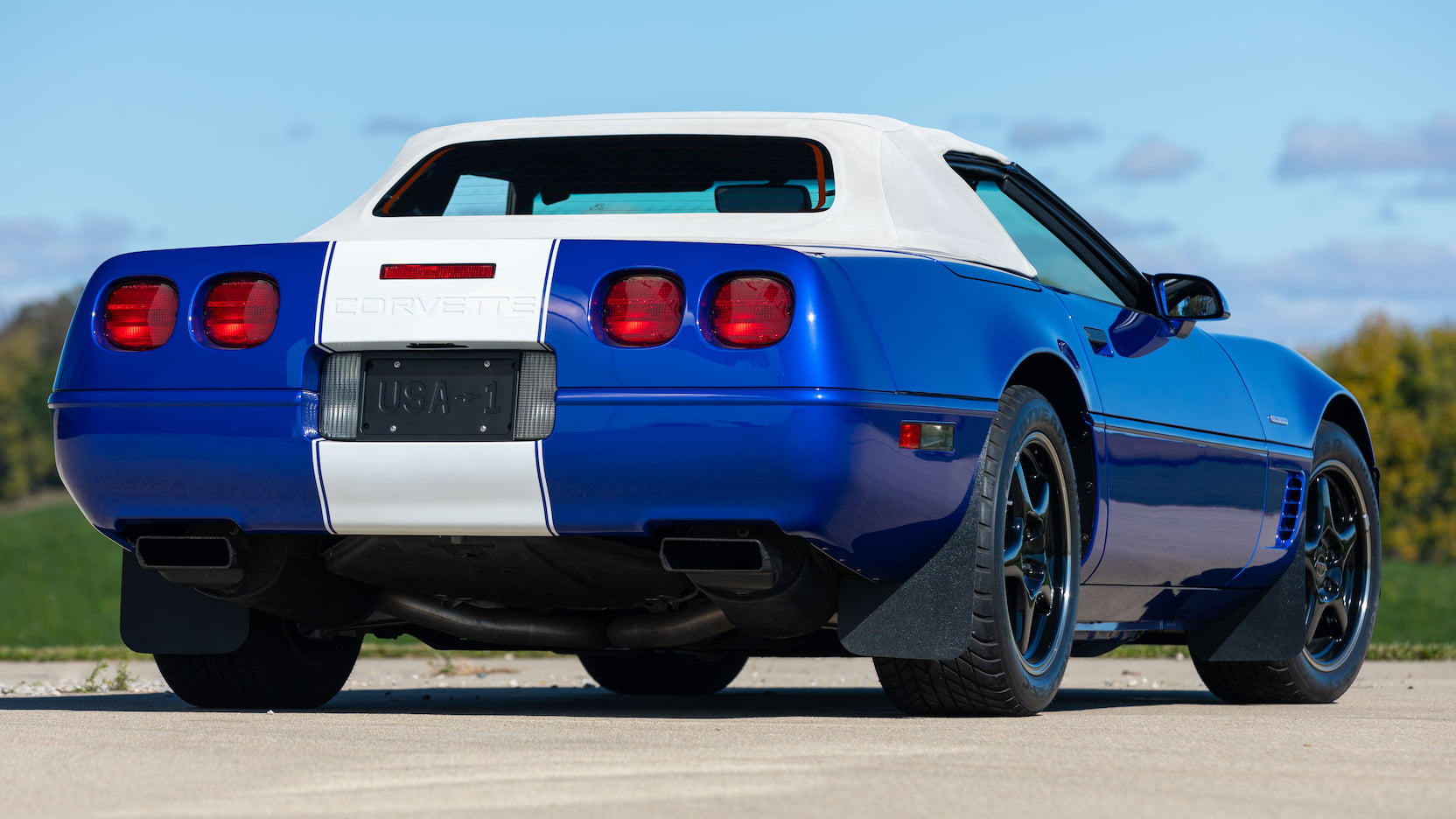
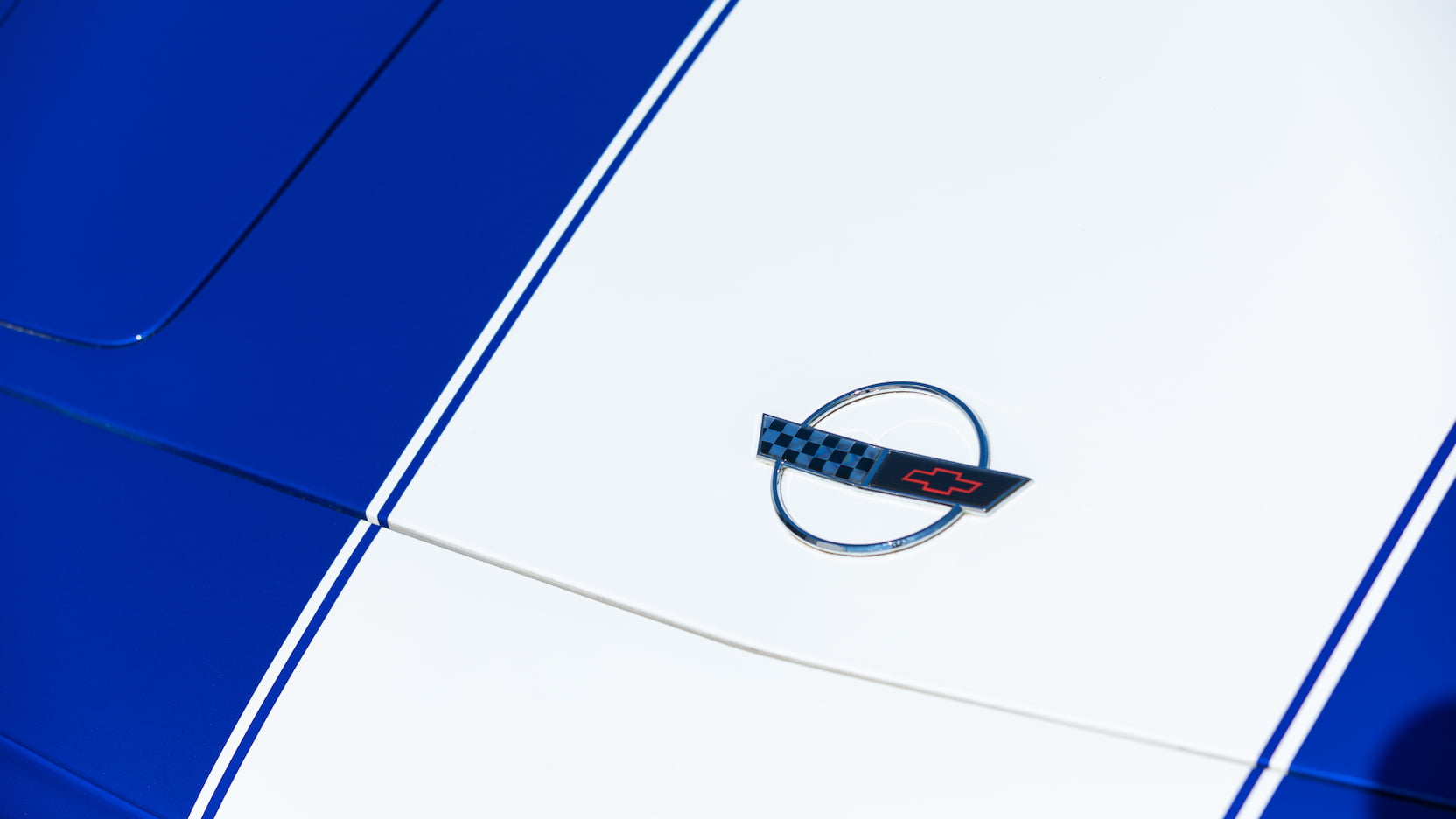
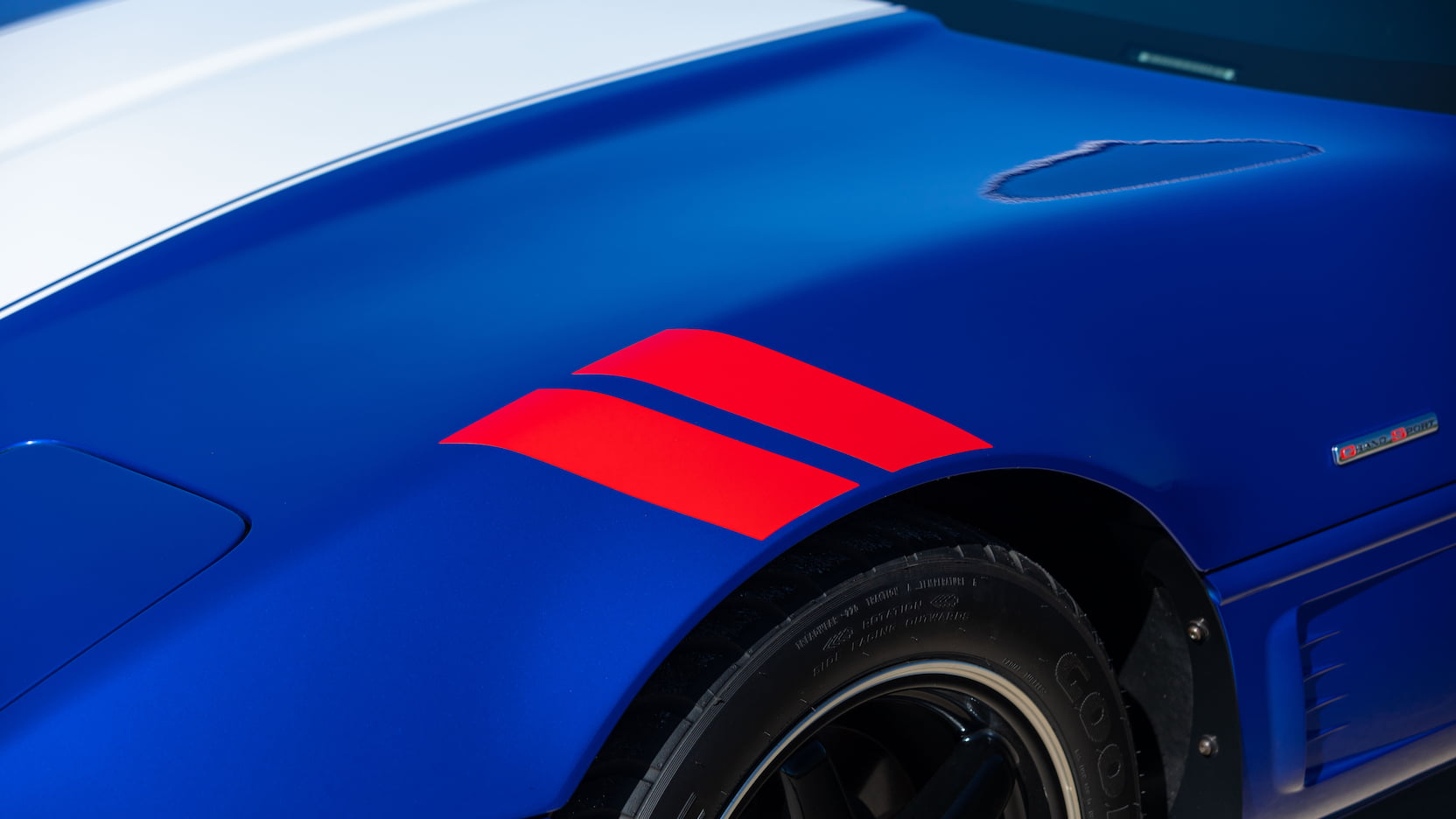
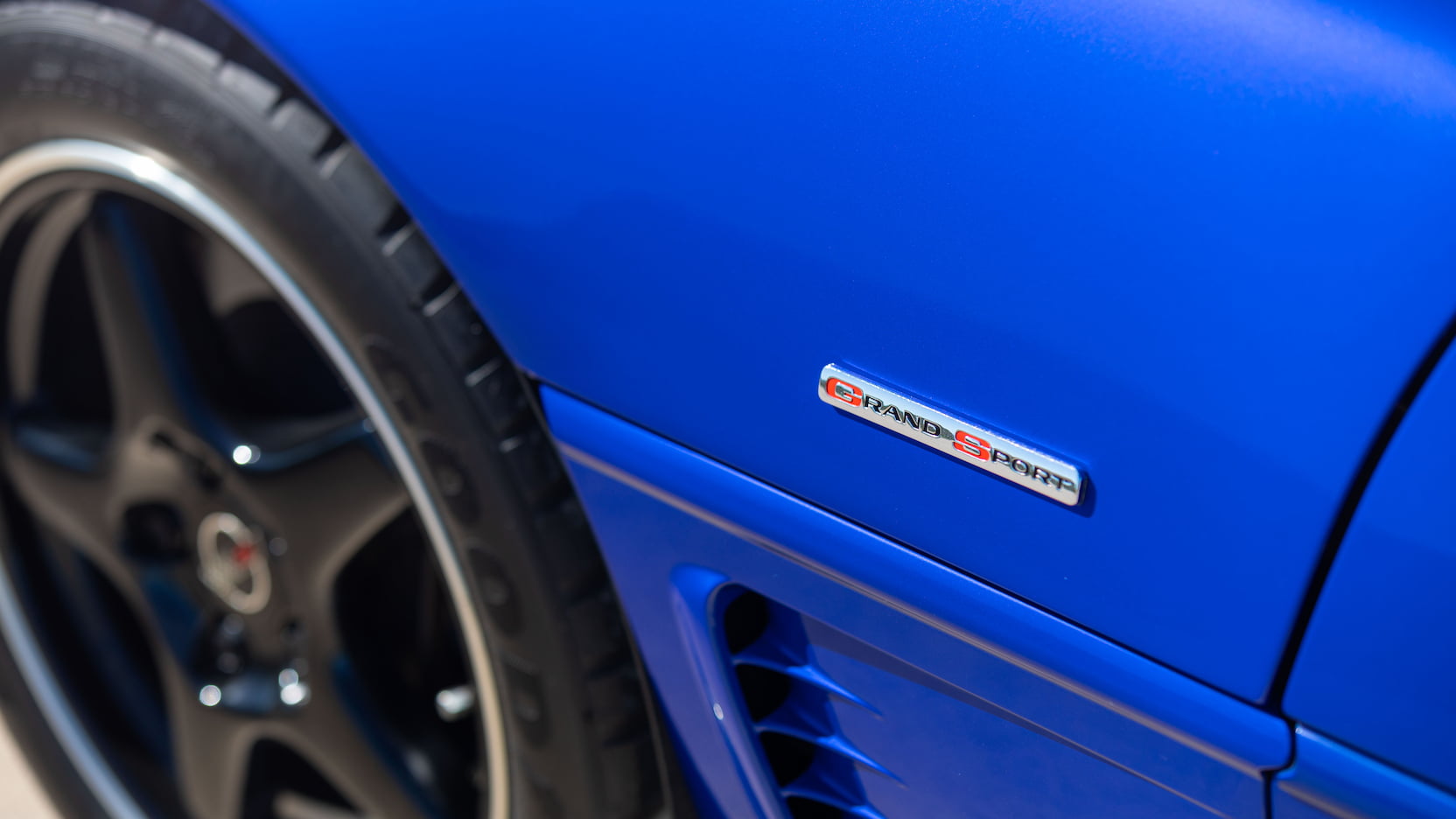
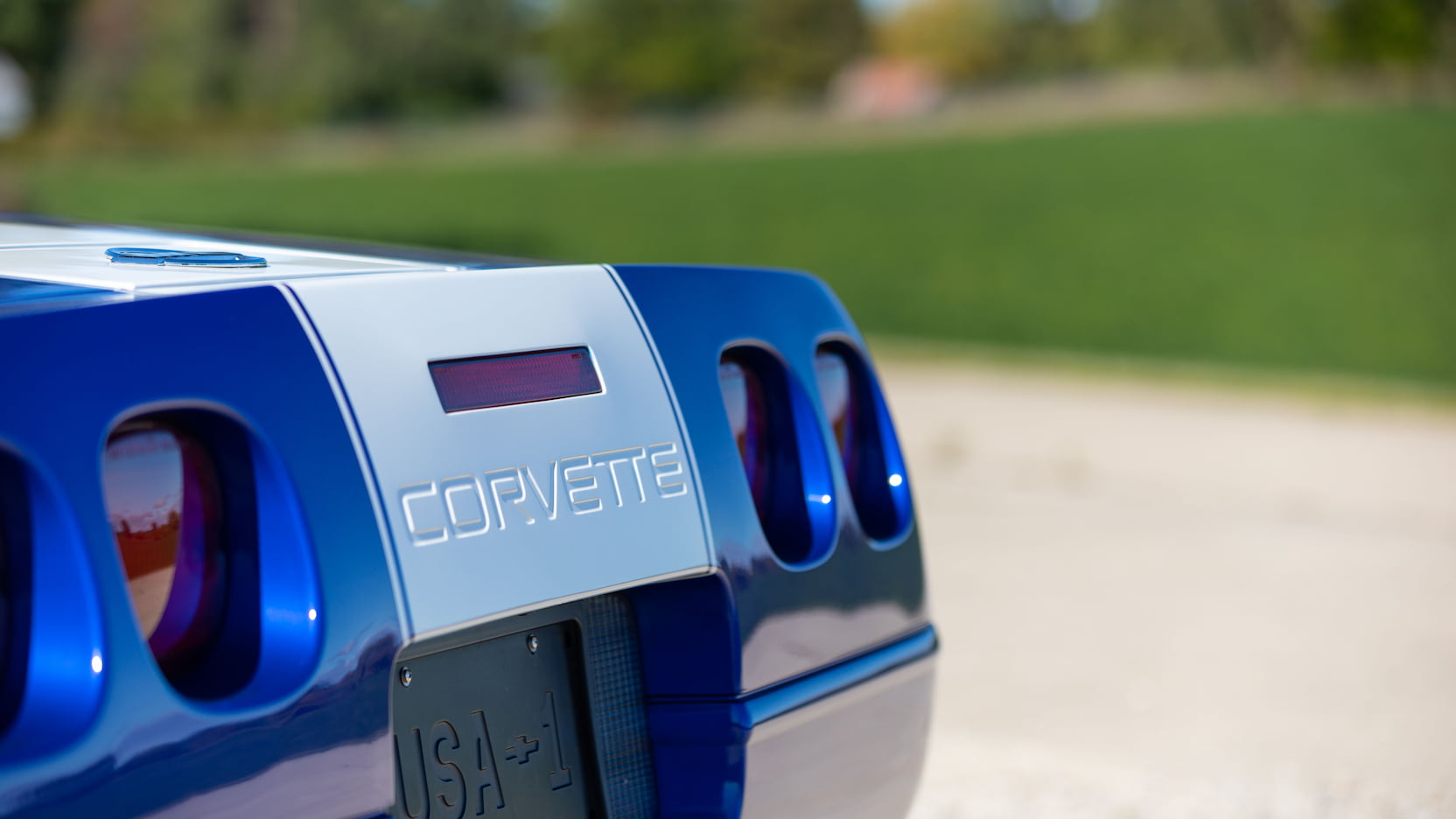
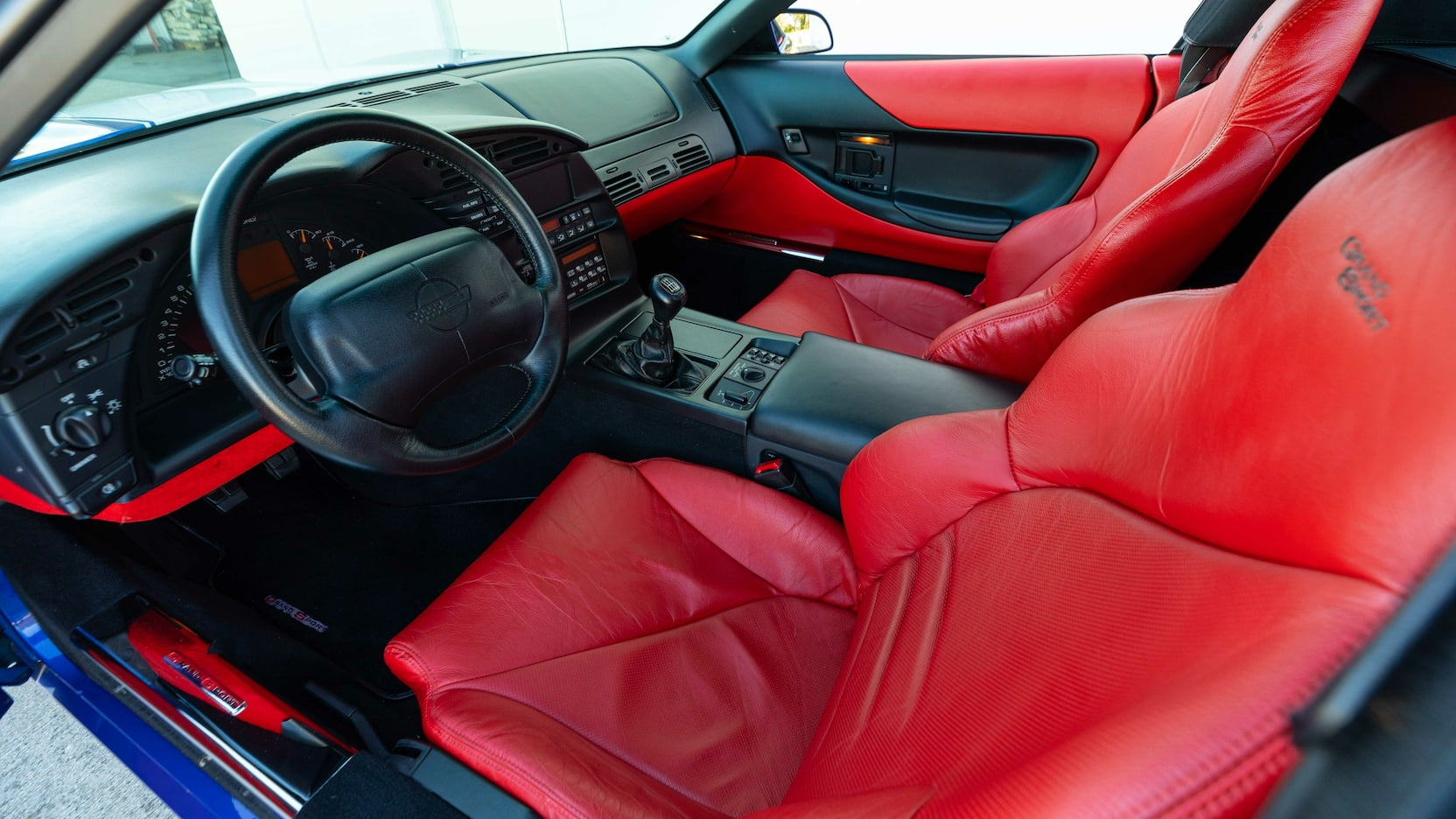
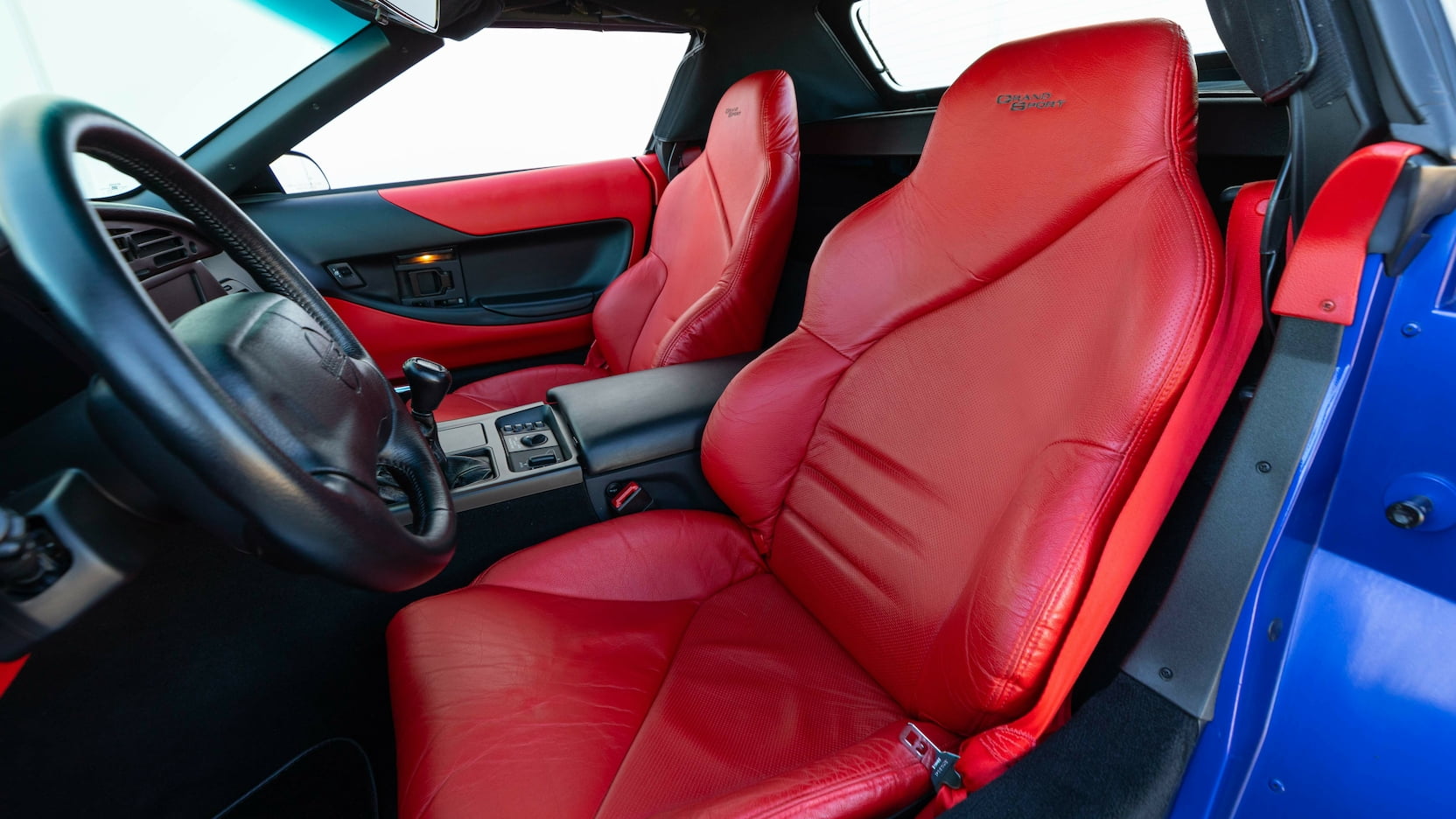
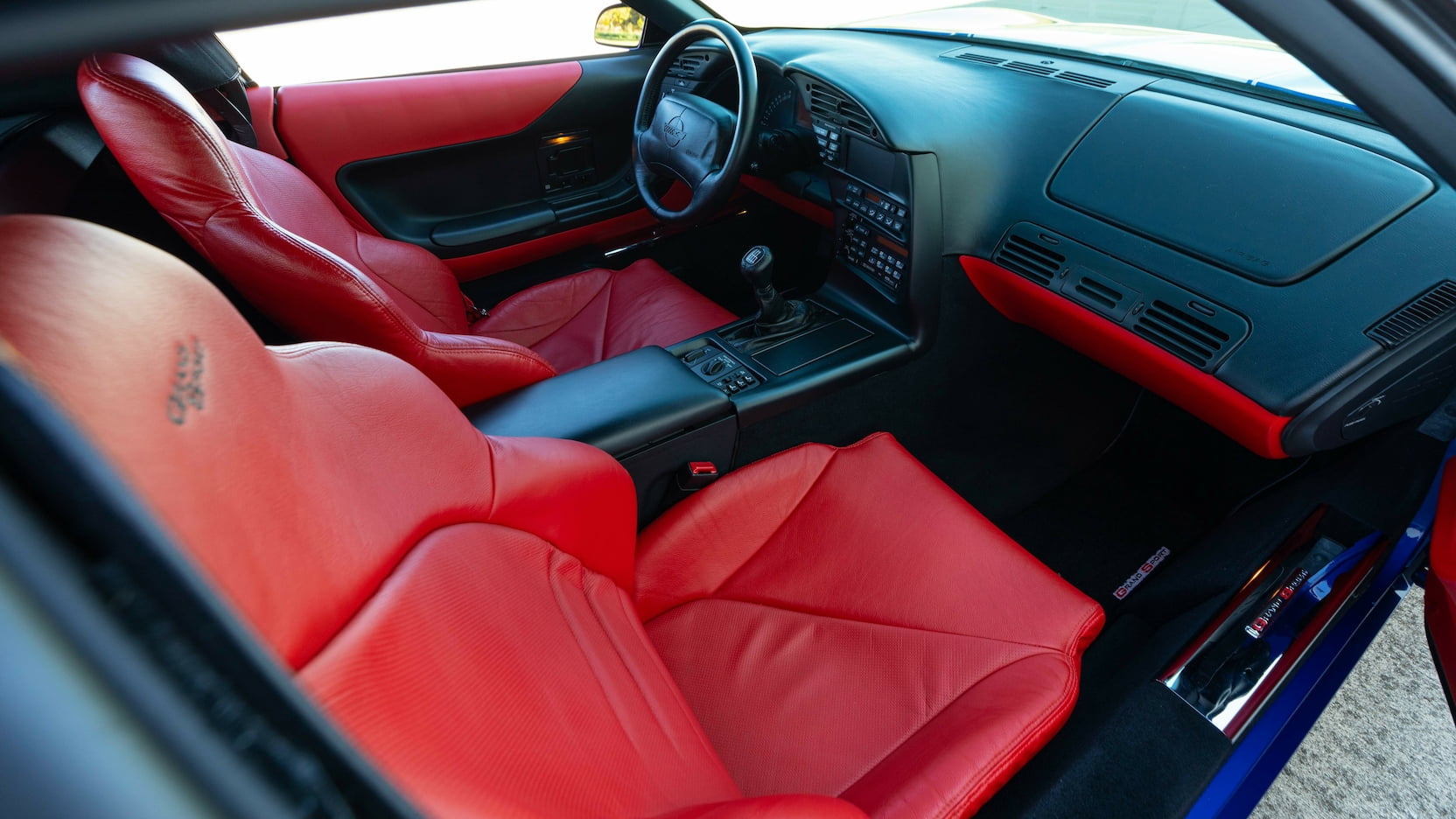
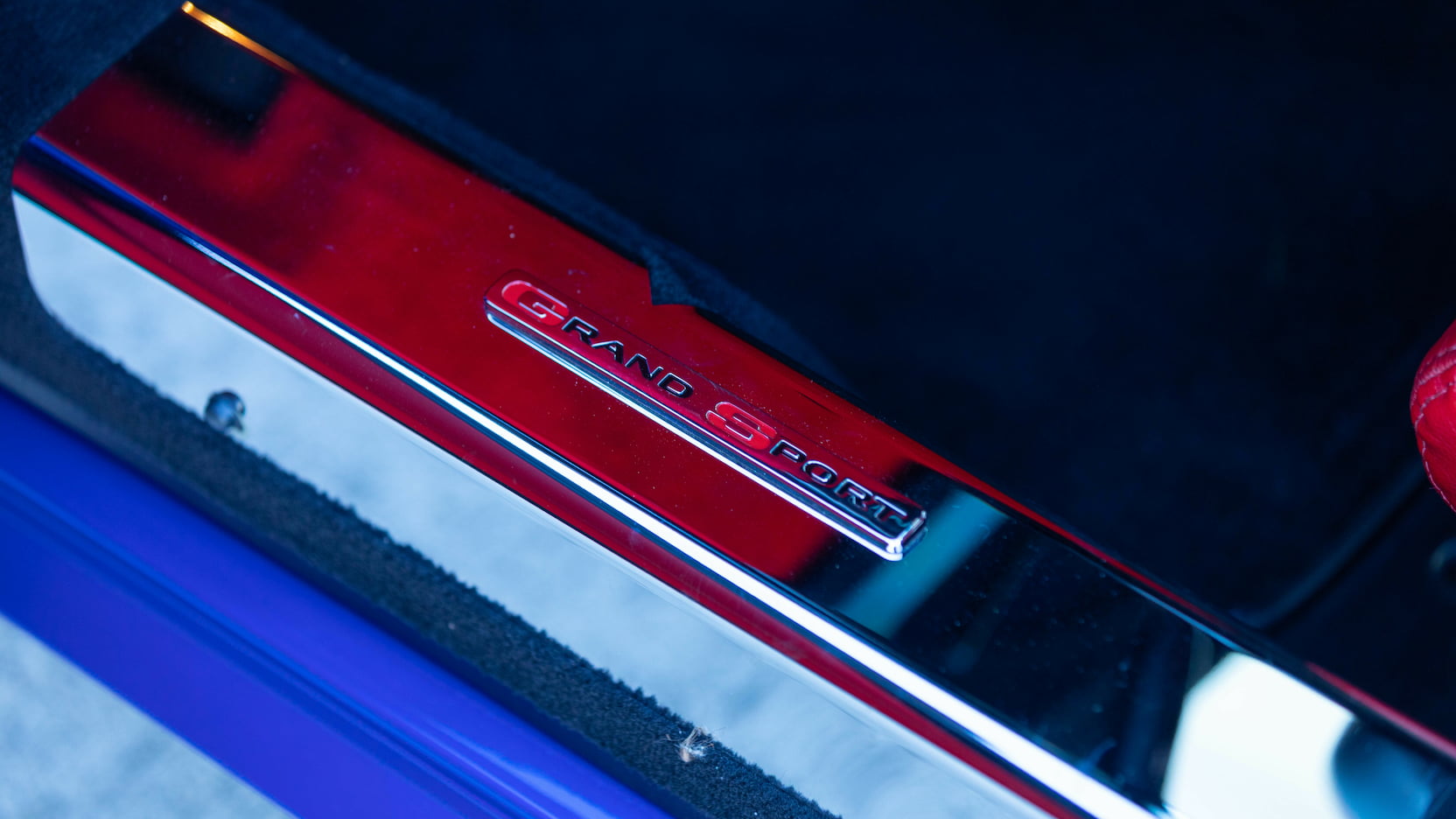
Visually, the Grand Sport was unmistakable. Admiral Blue paint, a wide white center stripe, and red hash marks on the driver-side fender directly echoed the 1963 racers. Inside, embroidered headrests and exclusive trim reinforced the message. Production was capped at 1,000 total cars—810 coupes and 190 convertibles—each carrying a unique VIN sequence, a distinction shared only with the ZR-1. With a price premium of $3,250 for coupes and $2,880 for convertibles, buyers weren’t just purchasing a Corvette—they were buying into history. And today, as these cars move across the auction block, that decision looks smarter with every passing sale.
Corvette Icons On The Move
The C4 Grand Sport: Top 5 Highest Auction Sales
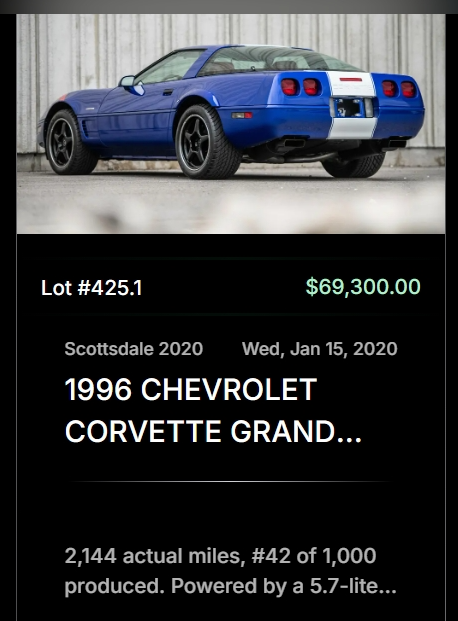
#5 — 1996 Grand Sport Coupe
Hammer Price: $69,300
Miles: 2,144
Date Sold: 1/15/2020
Auction Venue: Barrett-Jackson Scottsdale
Notable Factoid: #42 of 1,000 produced, dash plaque is signed by Zora Arkus-Duntov
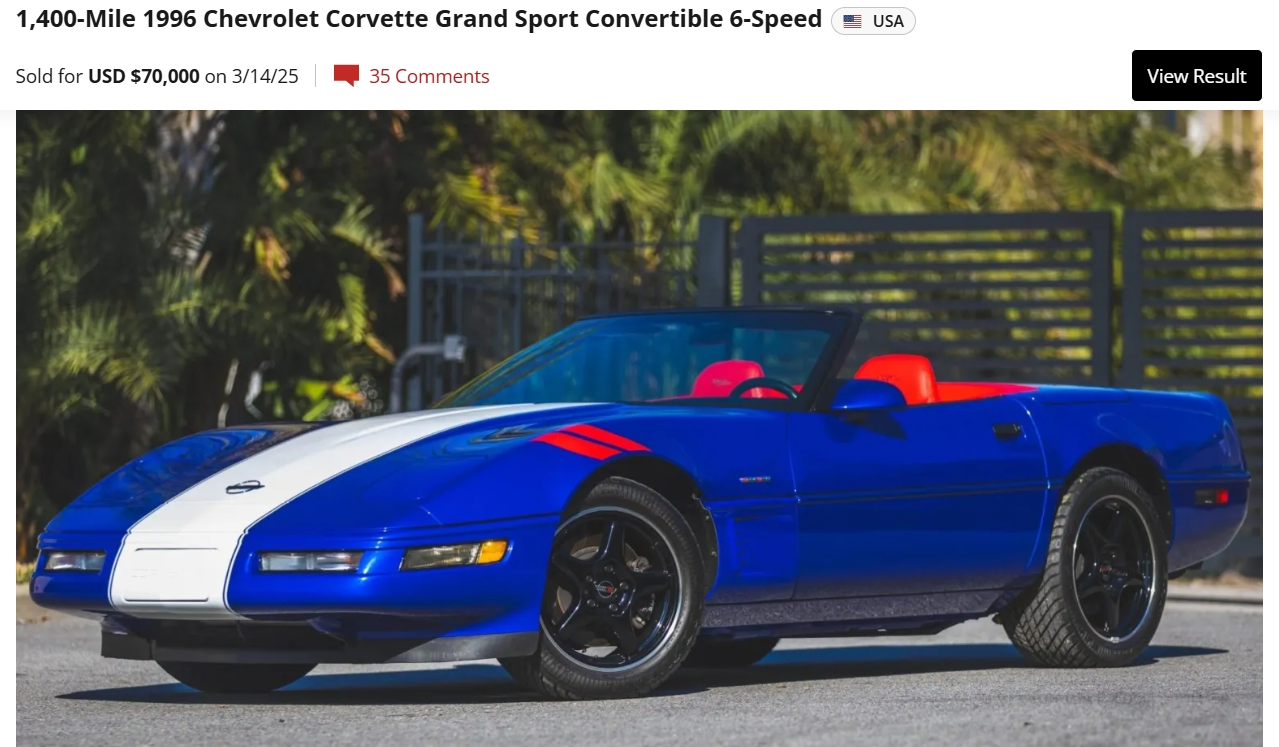
#4 — 1996 Grand Sport Convertible
Hammer Price: $70,000
Miles: 1,363
Date Sold: 3/14/2025
Auction Venue: Bring a Trailer
Notable Factoid: Initial delivery was to Woodfield Chevrolet with a total vehicle price of $52,379
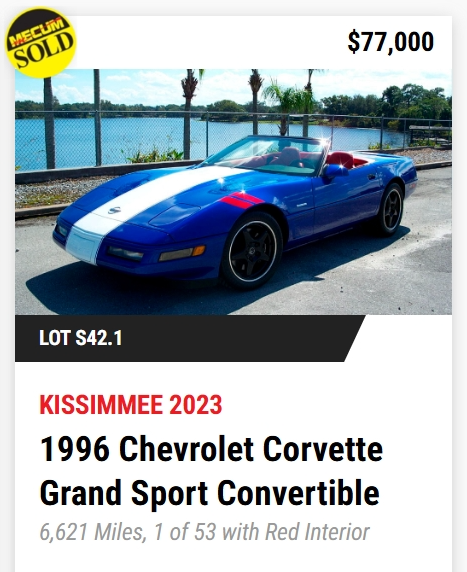
#3 — 1996 Grand Sport Convertible
Hammer Price: $77,000
Miles: 6,621
Date Sold: 1/14/2023
Auction Venue: Mecum Kissimmee
Notable Factoid: Documented by the Grand Sport registry to be No. 53 of 53 produced with the rare red interior
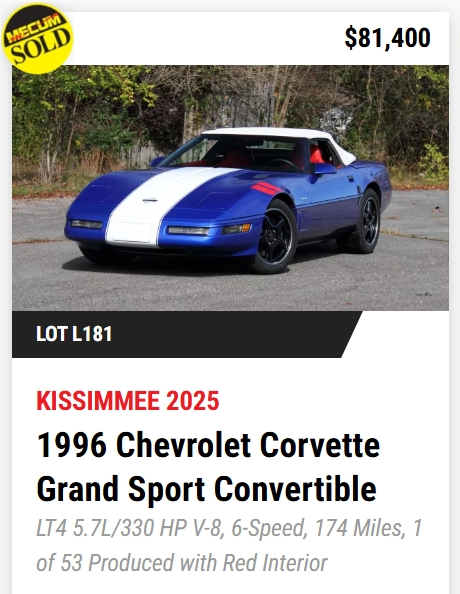
#2 — 1996 Grand Sport Convertible
Hammer Price: $81,400
Miles: 174
Date Sold: 1/12/2025
Auction Venue: Mecum Kissimmee
Notable Factoid: 174 original miles
#1 — 1996 Grand Sport Convertible
Hammer Price: $82,500
Miles: 5,165
Date Sold: 1/12/2023
Auction Venue: Mecum Kissimmee
Notable Factoid: Desirable Red interior, 1 of 53
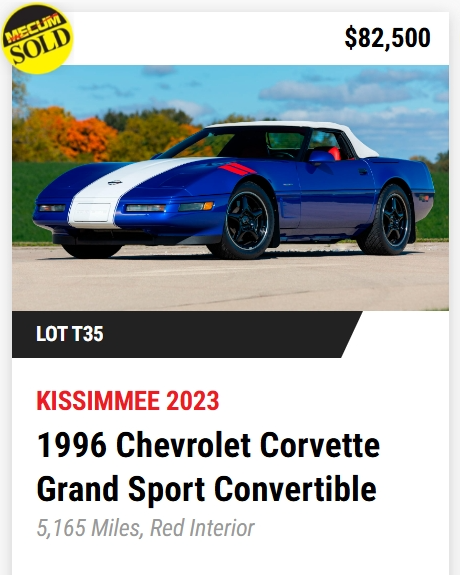
*All photos and information are fully credited to the respective auctions
The Last Word
History Still Moves The Needle
From Zora Arkus-Duntov’s quiet defiance in 1963 to the deliberate resurrection of the Grand Sport name in 1996, this story has always been about unfinished business. The original Grand Sport proved what Corvette could be before the rulebook slammed shut, and the C4 revival picked up that legacy three decades later with intention, restraint, and reverence. What we’re seeing in today’s auction results is the market finally connecting those dots. Buyers aren’t just bidding on paint, stripes, or horsepower—they’re bidding on a throughline that starts at Sebring, disappears into corporate shadows, and re-emerges as a one-year-only sendoff to the C4 era.
The Auction Lanes Tell A Clear Story
When the hammer fell, Mecum owned the podium, capturing the top three sales outright—an emphatic statement about where serious Grand Sport money is flowing. Even more striking, only one coupe cracked the top five, while the top four were all convertibles, a not-so-subtle nod to the rarity of the 190 open-top examples built in 1996. Mileage mattered, but not always how you’d expect. While the group was uniformly low-mileage, the top sale wore the highest odometer reading of the bunch at 5,165 miles—proof that provenance, configuration, and desirability can outweigh delivery-mile bragging rights. Add in the timing, with four of the five sales coming from 2023 onward and the lone coupe dating back to 2020, and it’s clear the Grand Sport’s momentum is recent, real, and accelerating.
Rarity, Narrative, And Timing Win
Look closer, and the factoids seal the deal. A Zora-signed dash plaque, ultra-rare red interiors, registry-documented examples, and sub-200-mile time capsules all played their part—but it was the convertibles that consistently rose to the top. The highest sale combined red interior desirability with open-air rarity, while the cleanest example barely turned a wheel before finding a new home. Together, these five results confirm what this series set out to explore: icons don’t sit still. They move—through history, through generations, and across the auction block. And when the story is right, the market listens.
The Grand Sport Ressurection: A Photo Gallery From Our Top Dog
Thanks for being with us today on this Corvette journey. This is the time to join the CorvSport movement!
- Engage with CorvSport’s 167,000 Facebook followers and be the first to see our daily content.
- Experience how obsessed we are and view our top 25 monthly features by visiting our digital magazine, CORVETTE OBSESSED.
- Enjoy an ad-free experience, get exclusive content, and support CorvSport for only $2.92/month!