What is an icon? What does it mean to be iconic? Oftentimes, words like these are thrown around in enthusiast circles without any real meaning behind them. However, in the Corvette world, we know that every generation is full of icons, whether it’s the first V8-optioned 1955 model from the C1 or the hair-raising 1,064 horsepower ZR1 from the C8; there is no shortage of iconic ‘Vettes. In this exclusive CorvSport series, we rediscover some of the Corvette greats, then visit the largest online collector car auction, Bring a Trailer, to get a snapshot of how they are performing in today’s market.
The Mighty Big-Block LS5
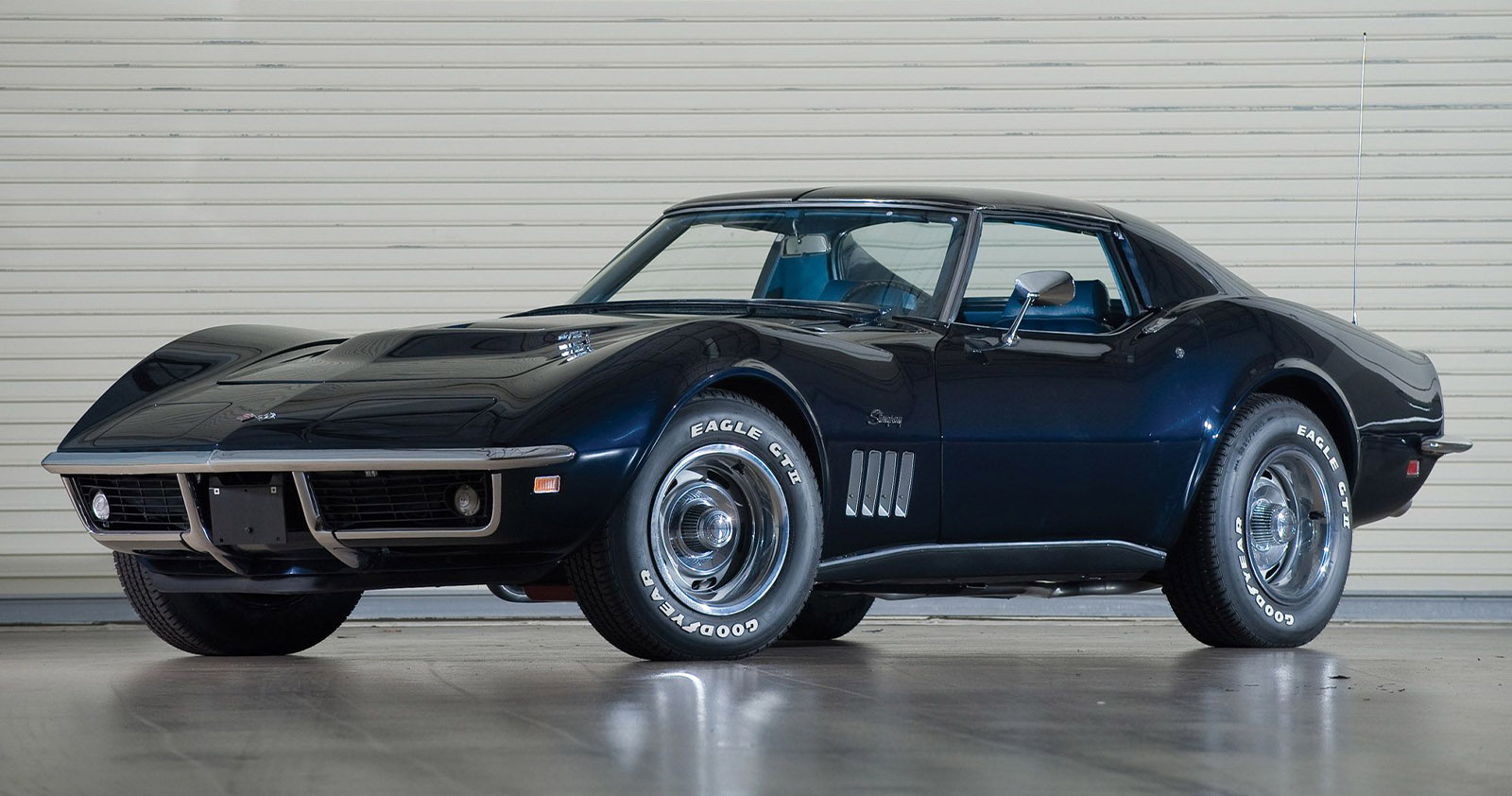
Today, we visit the big-block glory years of the Corvette and delve into the first two years when the 454 cubic-inch beast was shoehorned under the sleek, curvaceous hood of the third-generation Corvette — 1970 and 1971. By the dawn of the ’70s, the muscle-car glory days were running into a brick wall of emissions mandates. Overnight, the era of unchecked horsepower was facing extinction. Yet GM wasn’t ready to let the Corvette lose its performance swagger. Their solution? Engineer around the red tape—and bring out a new brute: the LS5 454 big-block.
Even as smaller engines gained traction across the industry, GM knew Corvette buyers still wanted real firepower. So for 1970, they introduced a stroked-up evolution of the 427: the 454-ci LS5, rated at 390 hp and a stump-pulling 500 lb-ft of torque. Paired with the new LT-1 small-block option, it signaled that Chevrolet wasn’t backing down from the performance fight just yet. The result was a 1970 Corvette capable of sub-7-second 0–60 runs and mid-14s in the quarter—respectable, especially on the verge of the emissions era.
The LS5 came with classic big-block architecture:
- Cast-iron block with forged-steel crank (2-bolt mains common; 4-bolt rare)
- Forged steel rods and forged aluminum pistons
- 4.251″ bore × 4.00″ stroke (454 ci / 7.44L)
- 10.25:1 compression (1970)
- “High-Performance” hydraulic camshaft (#3883986)
- 2.06″ intake / 1.72″ exhaust valves
- Low-rise cast-iron intake with a Rochester Quadra-Jet 750 CFM carb
As emissions rules tightened, the LS5 was progressively detuned:
- 1970: 390 hp
- 1971: 365 hp (And high-compression engines made their final appearance)
- 1972–1974: Dropped to 270 hp (now rated in net horsepower)
- Before its retirement after 1974, the LS5 also powered heavy hitters like the Chevelle, Monte Carlo, El Camino, and Chevy’s C/K-Series trucks. It became one of the last high-displacement big-blocks to roam freely before government regulations closed the chapter on GM’s golden age of cubes.
CorvSport Takeaway:
The LS5 might not have been the wildest big-block to grace Corvette history, but it represents something even more meaningful: the final stand of GM muscle in a changing automotive world. It’s the last big hit before the lights came back on in the performance party—and that alone earns it serious Corvette street cred.