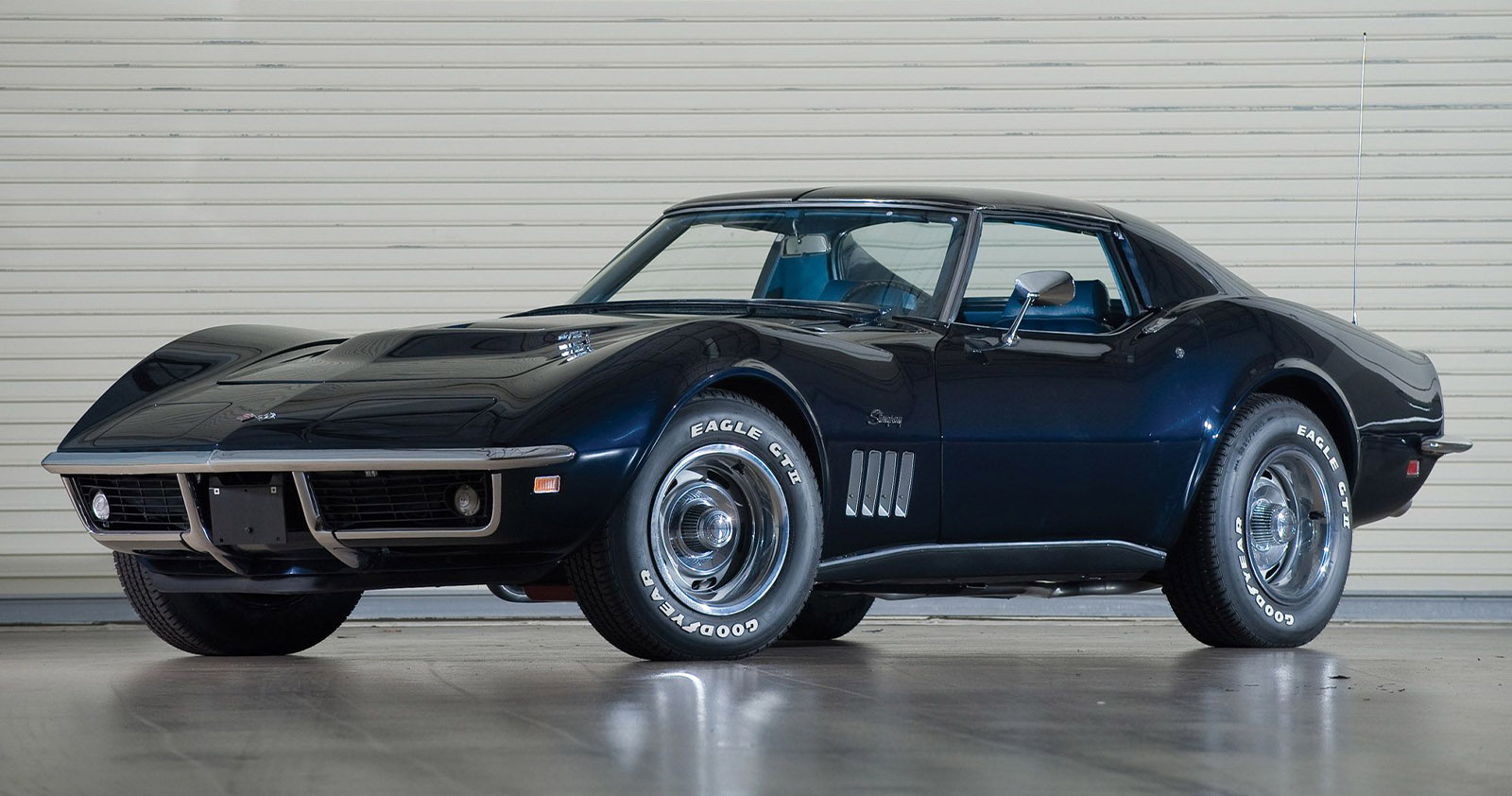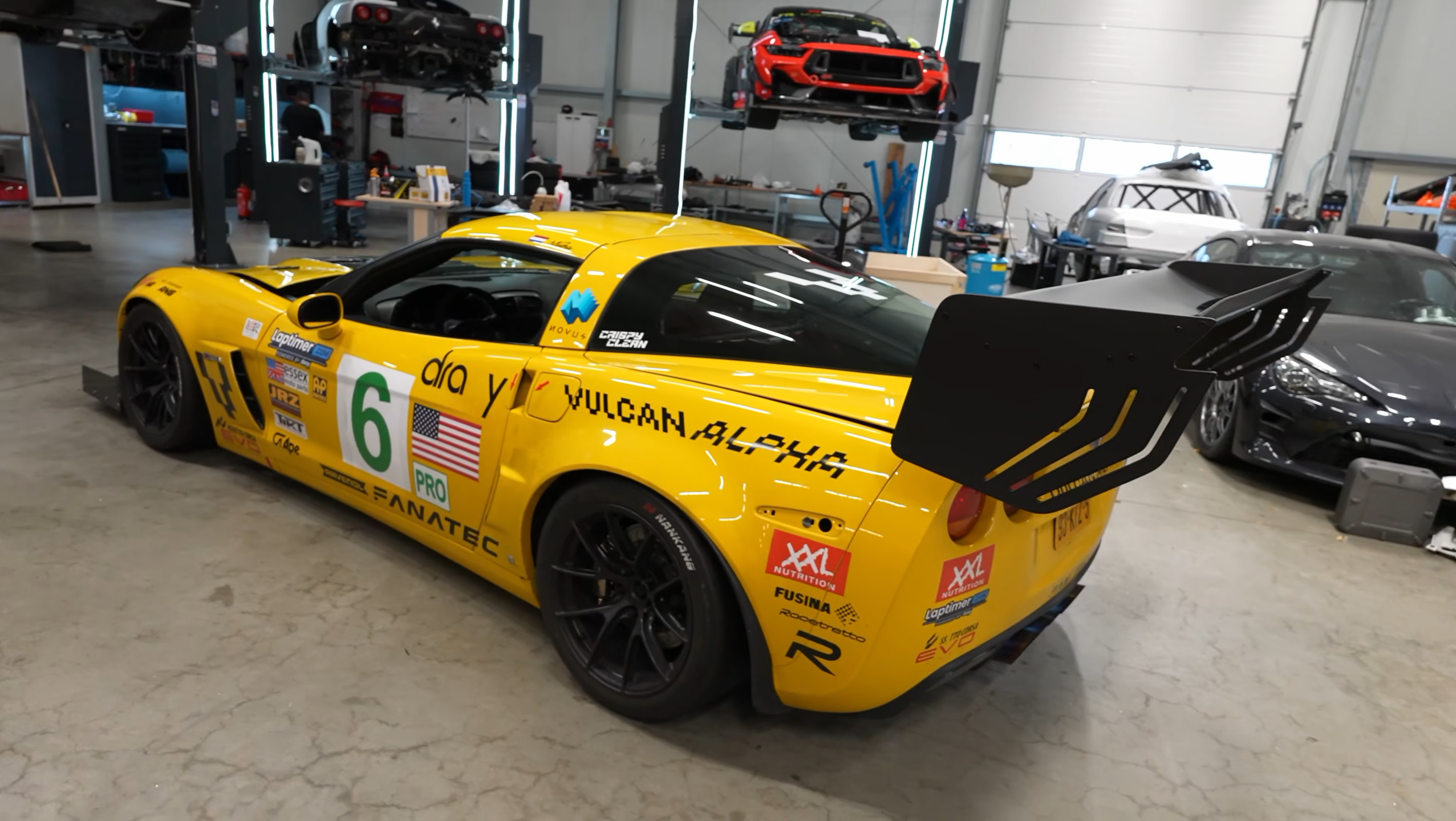
Misha Charoudin takes his Chevrolet Corvette out for one final series of Touristenfahrten laps at the Nürburgring Nordschleife before a substantial aerodynamic overhaul transforms the car’s setup. Joined by fellow drivers and guests, Charoudin uses the outing to evaluate the Corvette’s existing chassis configuration, identify its limitations, and establish a baseline for comparison once the new aerodynamic components are installed.
The session marks the end of the Corvette’s current configuration as the project moves toward a more track-focused setup. The upcoming package includes a prominent rear wing, a front splitter, and additional carbon-fiber bodywork. With the rear wing already installed later that day, the car’s return to the circuit in its new form will require a different approach to public-session driving.
Balancing Tire Grip and Aerodynamic Load
One of the central issues with the Corvette’s existing setup is the relationship between its substantial tire dimensions and the limited aerodynamic load available to exploit them. The car runs 335-section rear tires and 315-section Nankang CRS tires at the front, providing a considerable contact patch. However, tire width alone cannot guarantee grip, particularly when the tires struggle to reach their optimal operating temperatures.
Charoudin’s passenger describes the experience as unsettling, noting a lack of grip across the car. Without sufficient aerodynamic downforce to increase tire loading at speed, the chassis cannot fully capitalize on the available rubber. This is particularly relevant to the Corvette’s rear end, which Charoudin describes as naturally light and lively even in its factory configuration.
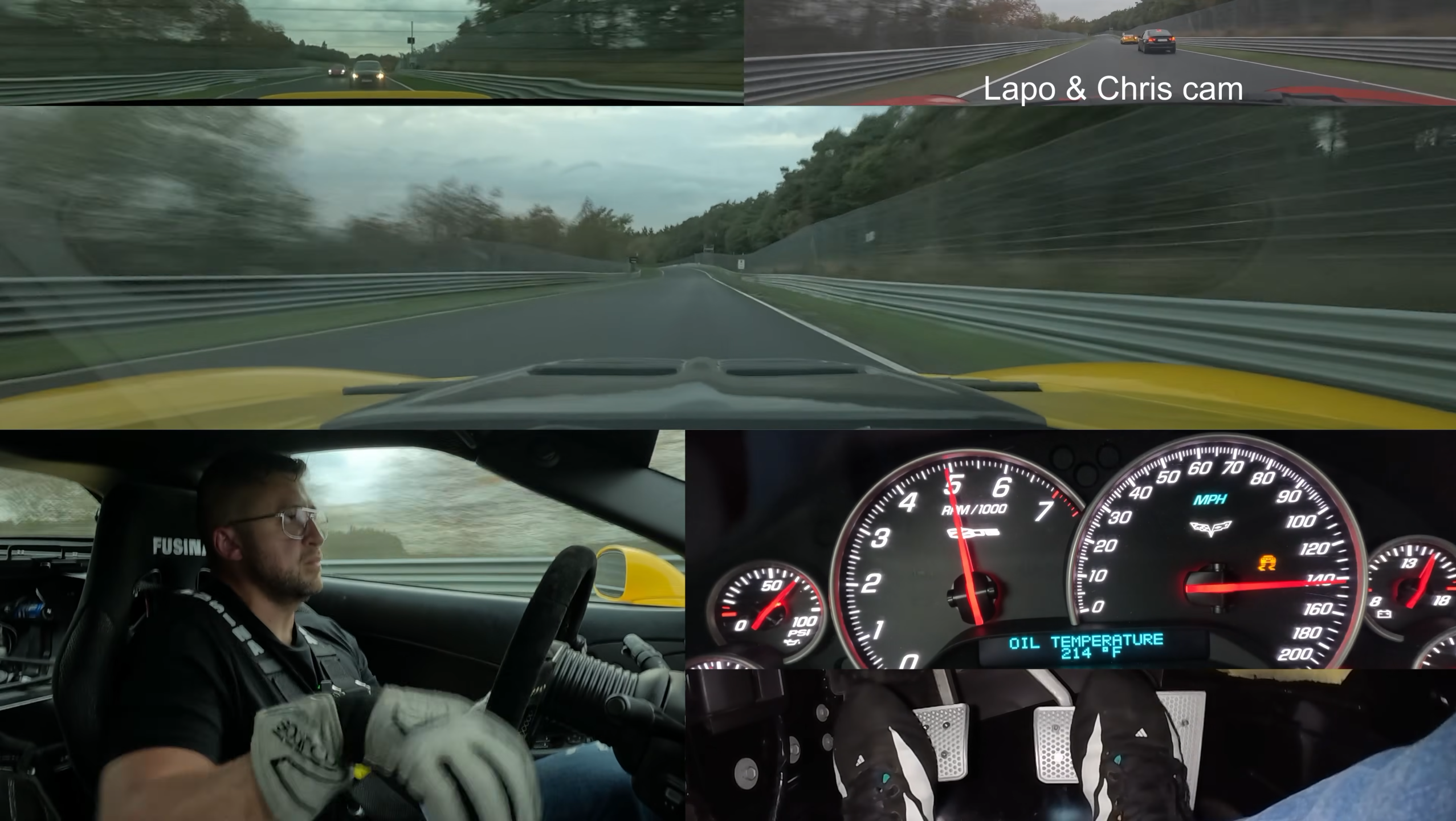
The planned aerodynamic package is intended to address this imbalance. A substantial rear wing should increase rear-axle stability, while the front splitter will help generate additional downforce at the front. The objective is to establish a more cohesive aerodynamic platform, improving confidence and allowing the tires to perform more consistently under demanding circuit conditions.
Chassis Development and Braking Limitations
The final outing also exposes several mechanical and setup issues that remain part of the Corvette’s development process. Charoudin highlights problems with the ABS calibration, explaining that the system’s behavior appears to introduce excessive rear brake bias and compromises braking performance. The car can feel as though it is struggling to decelerate effectively, making the issue a priority alongside the aerodynamic changes.
A pedal box and Bosch ABS management are identified as potential components of the revised setup, offering a route toward more predictable braking control. Suspension adjustments are also discussed, including the need for additional rear rebound damping to improve the car’s behavior under changing loads.
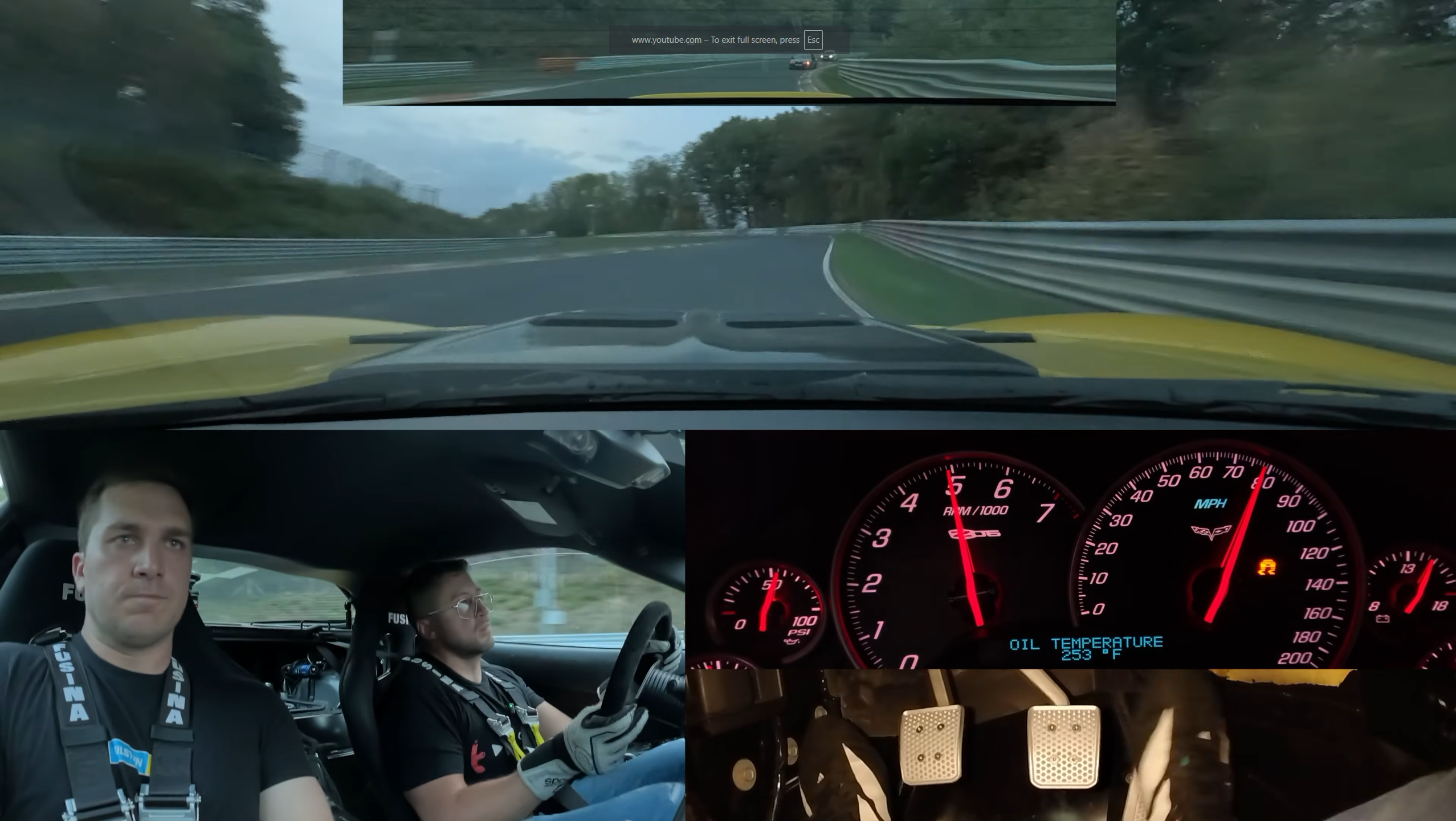
Cooling performance receives attention as well. Charoudin observes that oil pressure remains healthy and that temperatures fall effectively when the car is driven off-throttle. A more open front bumper and splitter assembly is expected to improve airflow, potentially helping manage temperatures during sustained track use.
The End of the Corvette’s Current Configuration
Despite the shortcomings, the final laps provide a valuable opportunity to assess the Corvette before its next stage of development. The session includes chase laps with other cars and a final run with the exhaust valves open, giving Charoudin and his guests one last opportunity to enjoy the car in its existing form.
The forthcoming transformation goes beyond adding a rear wing. Carbon-fiber panels, revised front-end components, braking-system development, and further chassis adjustments are all part of the broader effort to create a more balanced track car.
These final Touristenfahrten laps therefore serve as a reference point for the project. The next phase will reveal whether the new aerodynamic package can deliver the stability and grip that the current configuration lacks, while allowing the Corvette to make better use of its substantial tires and performance potential.
Source: Misha Charoudin