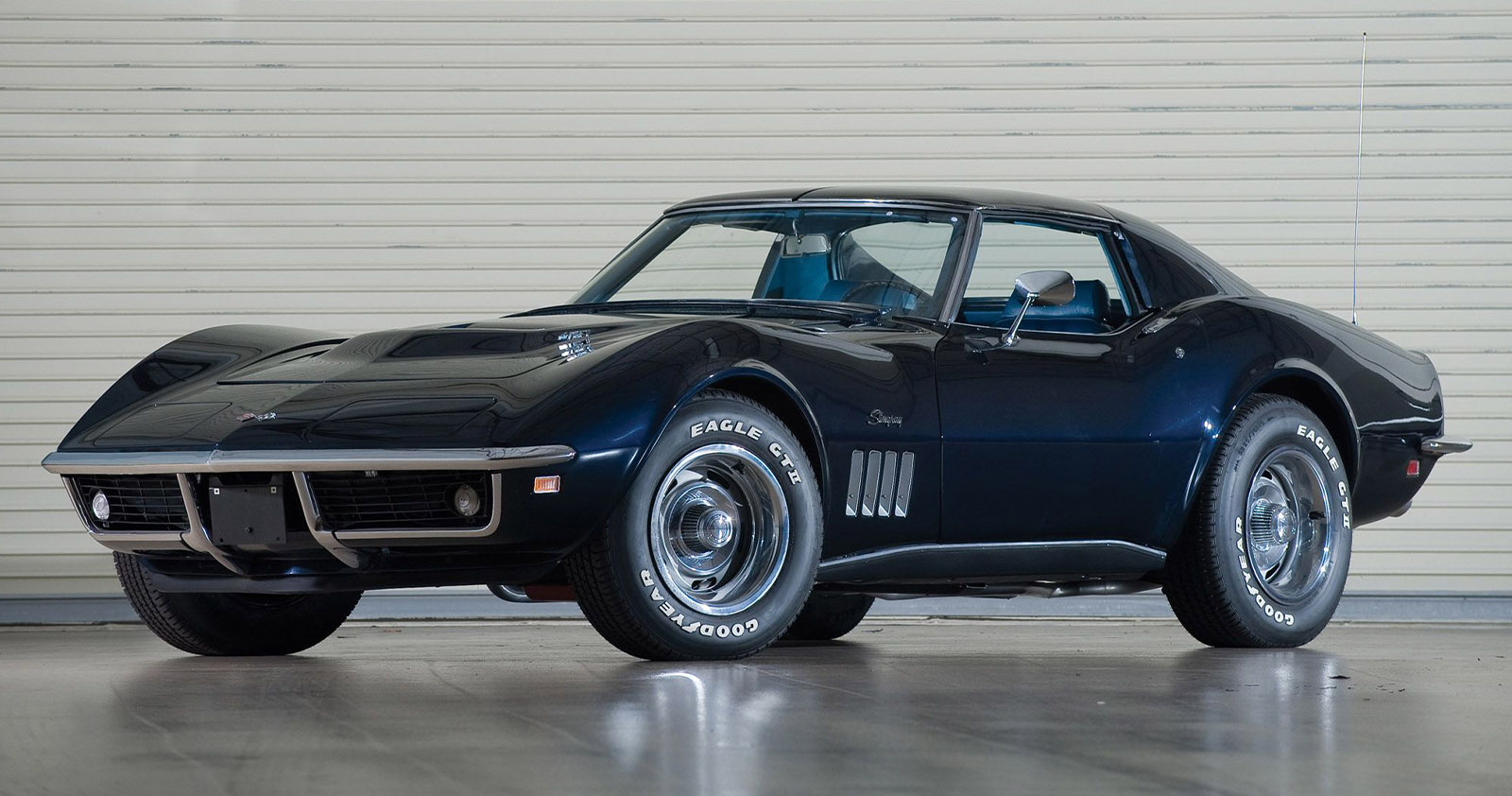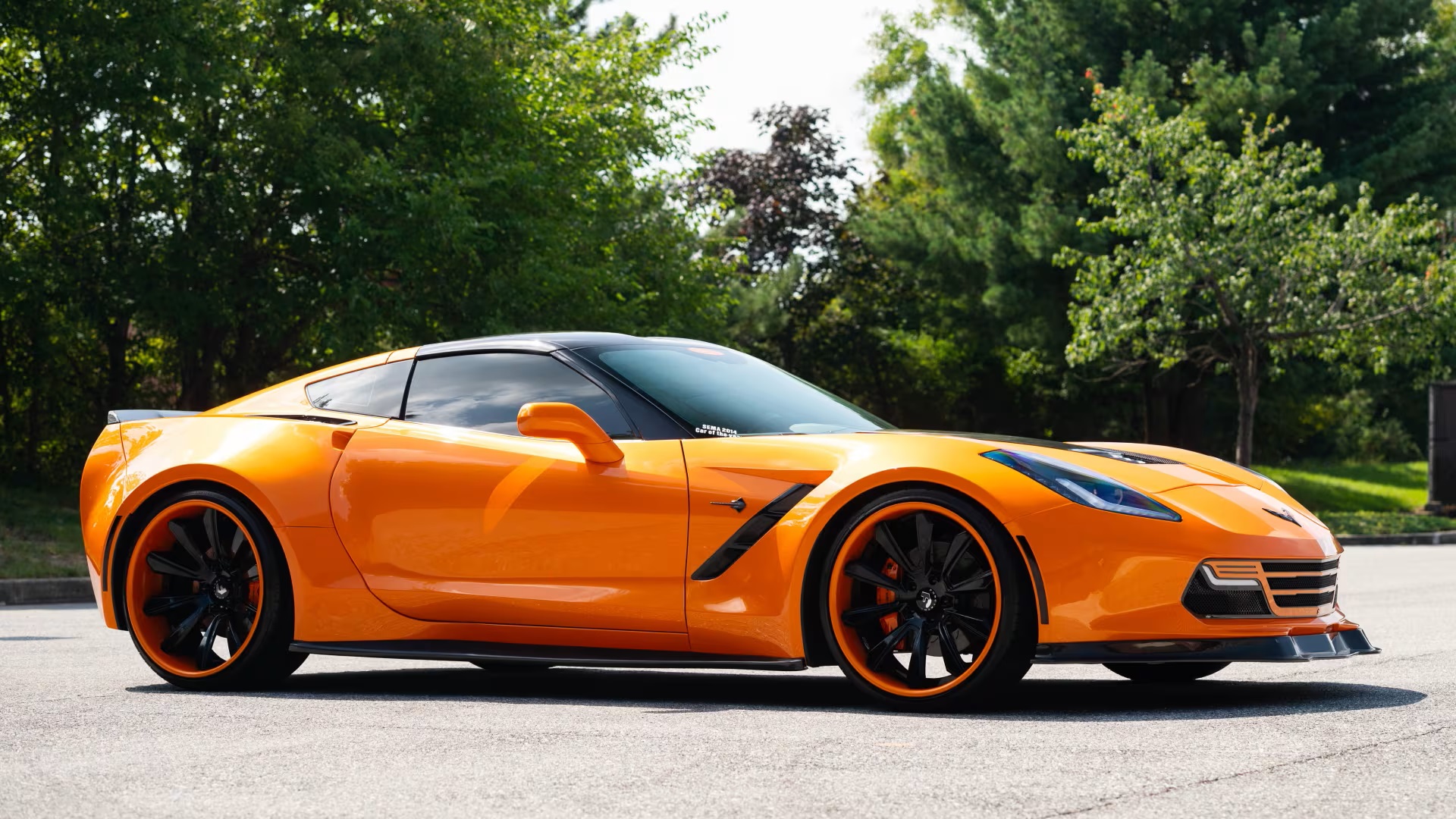
Forgiato makes some of the most visually striking custom wheels on the market. But between the bold designs, the wide size range, the finish options and the fitment variables that come with any serious custom wheel purchase, there’s a lot to navigate before you hit checkout. This guide covers everything you need to know, from how the lineup is organized to what size actually makes sense for your vehicle, what to budget beyond the wheels themselves and how to buy right the first time.
What Are Forgiato Wheels?
Forgiato is a Los Angeles-based custom wheel manufacturer, and “custom” here doesn’t mean bolt-on aftermarket. Their wheels are built and finished in-house, which is a meaningful part of why the brand carries the weight it does in the luxury, exotic and custom truck world. The wheel families are distinct, the sizing goes wider and larger than most manufacturers will touch and the finish options run from production standards to fully custom combinations built around your vision.
The brand has earned genuine credibility in segments where wheel choice is taken seriously. You’ll find Forgiatos on high-end SUV builds, exotic cars and custom trucks where the wheel is meant to anchor the entire build rather than blend into it. Before you land on a style, get clear on wheel type, size and fitment. Those three variables determine both how your build looks and how it performs.
Types of Forgiato Wheels
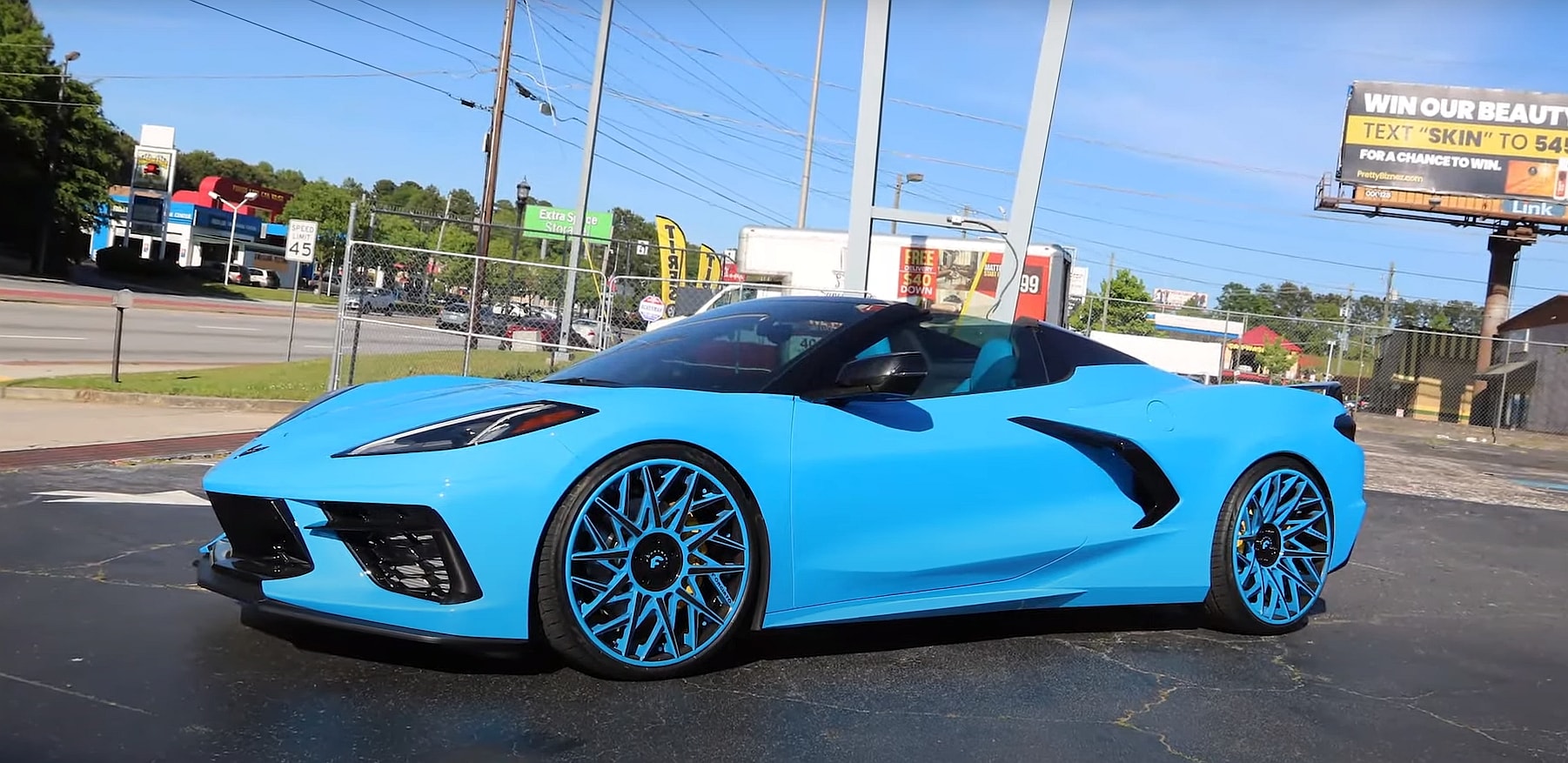
Monoblock (One-Piece Forged)
A monoblock wheel is machined from a single forged billet of aluminum, one continuous piece with no separate barrel, face or lip sections. That construction produces a cleaner, lighter wheel that’s structurally strong and straightforward to maintain. No seams, no hardware, fewer surfaces to worry about. For a performance-oriented or luxury daily driver, a well-specified monoblock is usually the most practical choice. The design language tends toward purposeful aesthetics that work across a wide range of vehicle types without demanding constant attention.
Multi-Piece (Two- and Three-Piece Forged)
Multi-piece construction separates the wheel into distinct components: the center face, the inner barrel and, in three-piece configurations, an outer lip section. That separation is what makes deep customization possible. A deep-dish lip with an aggressive offset, mixed finishes across the face and barrel, or a combination built entirely around a specific vision are all achievable here in ways a one-piece design simply can’t match. This is the natural choice for show-oriented builds and buyers who want a result that’s genuinely theirs.
The practical upside is repairability. If a barrel or lip section gets damaged, a multi-piece wheel can often be repaired at that specific section rather than replaced entirely. For a high-investment build, that matters.
How Forgiato Wheels Are Built
Forgiato produces wheels in two manufacturing categories, both built from high-grade 6061-T6 aluminum.
Forged wheels are machined from solid billet aluminum using extreme heat and pressure. That process creates a dense, uniform grain structure with no air pockets, no impurities and maximum strength-to-weight efficiency. They run approximately 20% lighter than a comparable cast alloy wheel, hold up better under real driving loads at large diameters and aggressive offsets and support the tight tolerances required for full custom machining. Both monoblock and multi-piece Forgiato wheels use the same forged aluminum base. The difference between one-piece and multi-piece is about design flexibility, not a compromise in material quality.
Flow-formed wheels cover Forgiato’s Flow, EV, Flow Terra and Quadri-T collections. The process starts with a cast aluminum base that’s heated and spun while rollers compress the barrel, strengthening and tightening the molecular structure in that section. The result is a wheel that’s meaningfully stronger and lighter than a standard cast piece, produced at a lower cost than a fully forged build. For buyers who want a real upgrade without committing to the price of a full forged set, the flow-formed collections are worth serious consideration rather than being treated as a compromise.
Forgiato’s Lineup and Most Popular Models
| Family | What It Is | Best For |
| ECL | Signature multi-spoke and mesh-inspired family with broad fitment across luxury vehicles and SUVs | Buyers who want a detailed, expressive wheel design with standout road presence |
| Monoleggera | One-piece forged line focused on the lightest possible wheel within the brand’s design language | Builds where weight reduction matters alongside premium styling |
| Flat Forging | Centered on cleaner, more contemporary face designs | Buyers who prefer a sleek, understated aesthetic |
| Model | Construction | Why They Sell |
| Blocco / Blocco-ECL | ECL Forged | Strong all-around name for luxury SUVs and trucks. Most relevant sizes are 22″ and 24″, with 26″ on builds that lean harder into presence |
| Biaforca | Flat Forging | Deep-lip show-and-street appeal. 22″, 24″ and 26″ are the sweet spot for SUVs, trucks and aggressive luxury setups |
| Affilato-ECL | ECL Forged | Works well across luxury sedans, SUVs and performance builds. 22″ and 24″ are the sweet spot when presence matters without going too far into show territory |
| Autonomo-L | Flat Forging | Clean modern design with broad luxury and custom appeal. 24″ and 26″ lead, with 20″ and 21″ still relevant for more restrained fitments |
| Classico-ECL | ECL Forged | Classic multi-spoke design with wide premium appeal. The strongest public-facing 20″, 22″, and 24″ inch forgiato rims |
Forgiato Wheel Sizes
Bigger is not automatically better. The right diameter depends on your vehicle class, tire sidewall needs, ride comfort expectations and the visual result you’re after. A larger diameter means less tire sidewall, more exposure to pothole and curb damage and on rougher urban surfaces, a noticeable shift in ride quality. Wider, larger wheels can also influence steering feel in ways that aren’t always obvious until the car is back on the road. None of that makes them the wrong choice, but your tire selection needs to account for those tradeoffs, especially on a vehicle that gets used daily. Forgiato currently offers in-stock sizes from 20 to 30 inches.
| Size | Best For | Daily Comfort | Visual Impact | What to Know |
| 20″ | Luxury sedans, smaller SUVs, performance coupes | High | Moderate to strong | Widest tire selection, easiest to balance comfort and performance |
| 21″ | Factory 20″ or 21″ luxury and performance platforms | High | Strong | Natural upgrade path on vehicles designed around this diameter |
| 22″ | Full-size SUVs, luxury trucks, large sedans | Moderate to high | High | Serious presence without pushing sidewalls too thin for daily use |
| 24″ | Statement SUVs, custom luxury builds, larger trucks | Moderate | Very high | Tire selection narrows, fitment precision becomes more important |
| 26″, 28″, 30″ | Lifted trucks, custom SUVs, show vehicles | Low to situational | Maximum | Best for high-impact builds where every fitment variable needs to be exact |
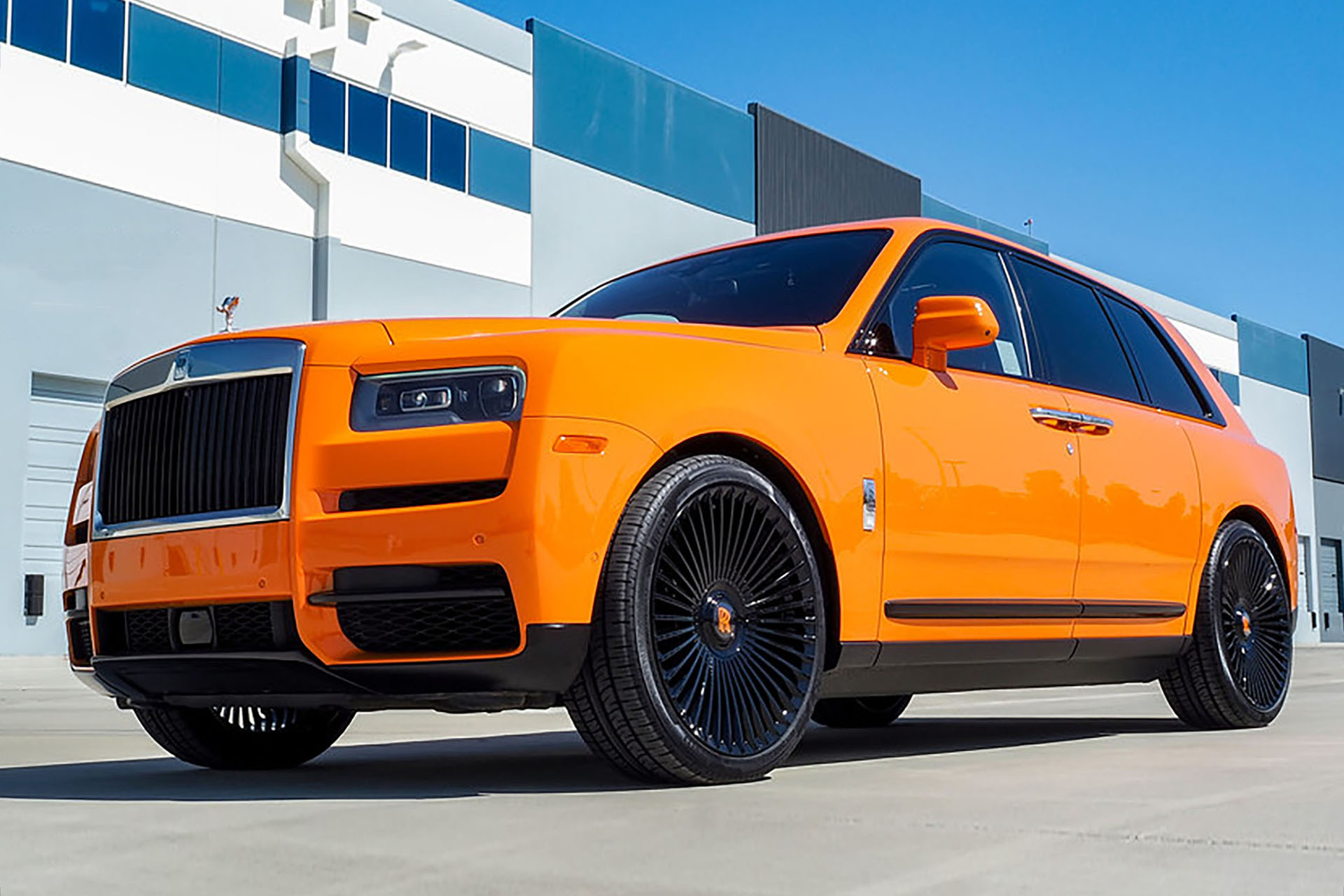
For most full-size SUV and luxury truck owners, 22 inches is the practical sweet spot. On a platform like a Cadillac Escalade or GMC Yukon Denali, a 22-inch fitment feels proportionate and adds presence without making the vehicle harder to live with. Moving to 24 inches makes sense when the wheel is meant to define the build, but tire selection narrows, costs rise and every fitment variable needs to be exact. Once you move into 26 inches and above, you’re in specialized territory. That size range suits lifted trucks, custom SUVs and show-focused builds where maximum visual impact is the clear priority.
Finishes and Customization
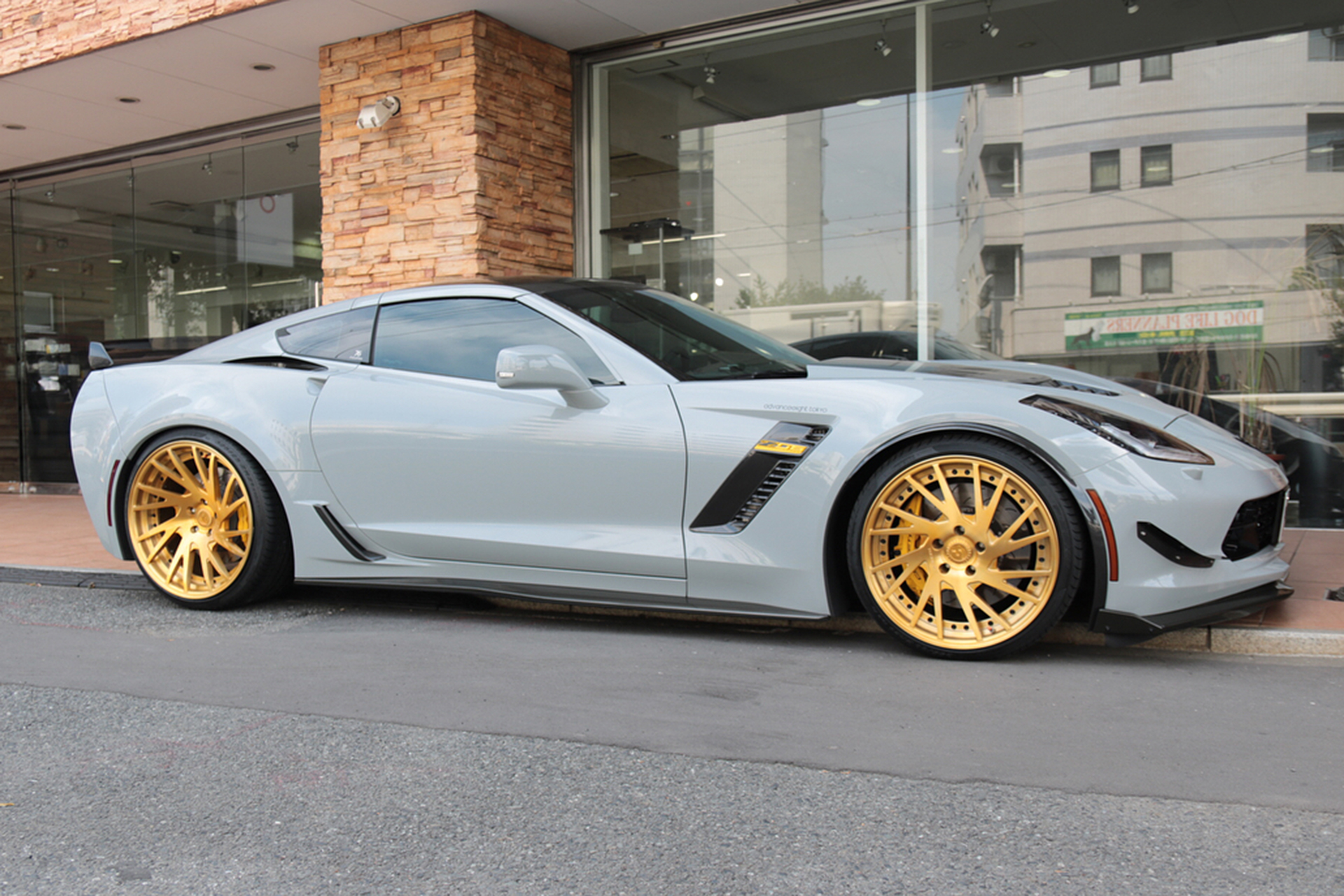
Finish choice is where you either get it right the first time or find yourself wanting a do-over six months down the road. The visual difference between options is obvious. What catches most buyers off guard is the maintenance gap and how drastically each finish holds up differently after a year and a half of real-world use.
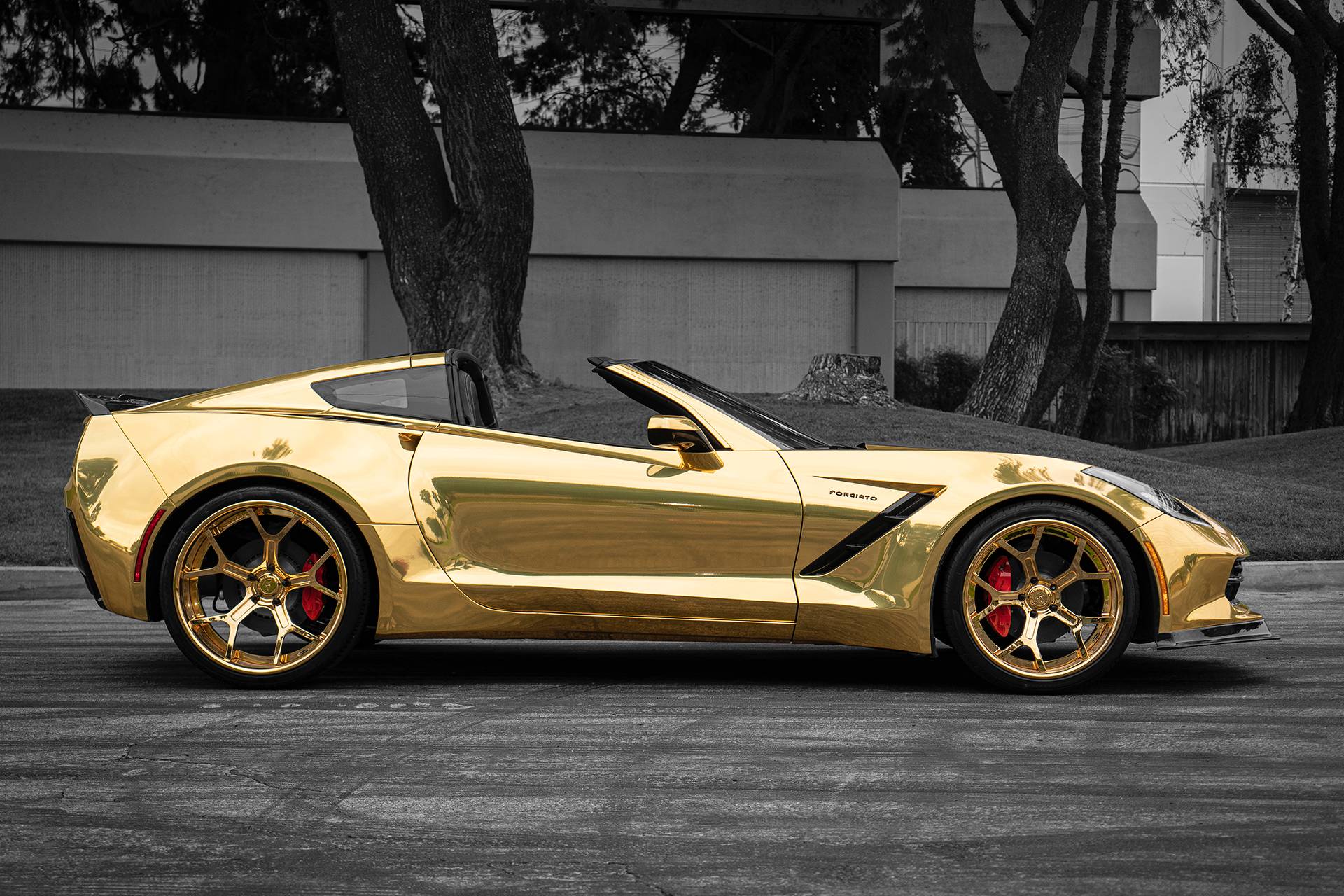
Forgiato’s current range covers brushed finishes in multiple tones, gloss, satin clears, chrome, candy colors, gold and bronze variations and machined face treatments, as well as custom combinations that mix finishes across the face, barrel and lip. A machined face treatment means specific sections of the wheel are cut on a CNC lathe after the initial finish is applied, exposing raw aluminum in a pattern that contrasts against the surrounding surface. It’s one of the more visually distinctive options in the lineup and tends to hold up well in daily use since the machined sections don’t carry the same upkeep demands as chrome or high-gloss.
Two-tone combinations, such as a brushed bronze face paired with a gloss black barrel, are specified at the order stage by identifying the finish for each wheel section separately. This is one area where working with an experienced authorized dealer pays off. Getting a two-tone spec right requires clear communication before the order goes into production. Changes after the fact are expensive and slow.
| Build Type | Recommended Finishes | What to Expect |
| Daily driver | Satin, brushed | Forgiving in real-world conditions. These hide brake dust, water spots and minor scuffs far better than gloss or chrome between washes |
| Show car | Chrome, high-gloss | Visually spectacular but demands consistent upkeep, including regular washing and careful drying to stay show-ready |
| Truck / SUV street build | Brushed bronze, brushed gold, two-tone | Pairs exceptionally well with the blacks, whites, grays and earth tones most common on premium trucks |
For buyers in northern states with heavy winter road treatment, chrome and polished finishes face real exposure to road salt over time. Even with regular cleaning, constant salt cycling attacks those finishes in ways that accumulate season over season. A painted or powder-coated finish with a proper clear coat is a smarter long-term call in those environments.
Fitment: The Most Important Section in This Guide
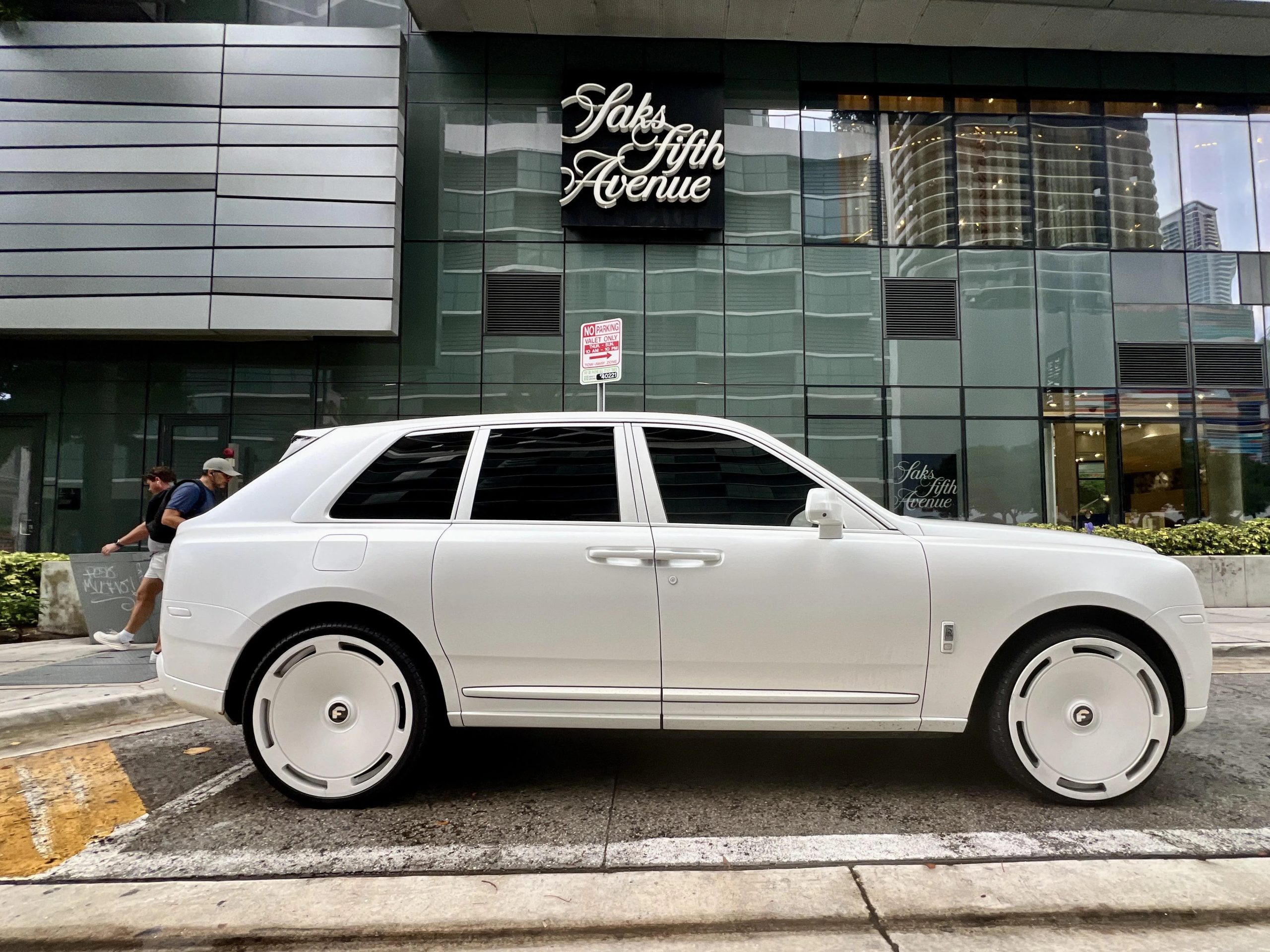
Fitment mistakes are the most expensive mistakes you can make in this purchase and they’re entirely preventable. Getting the bolt pattern right is only part of it. A wheel with the correct bolt pattern and the wrong offset, width or center bore can rub on suspension components, affect steering response or create a safety concern that only becomes apparent once the vehicle is moving.
| Spec | What It Means | Why It Matters |
| Bolt pattern | Number of studs and spacing between them | Must match exactly. No approximation works here |
| Wheel width | Affects how the tire seats and how the vehicle drives | Wrong width causes rubbing and throws off stance |
| Offset | Distance between the wheel’s centerline and mounting face | Controls clearance and appearance; wrong offset adds stress to hubs and bearings |
| Center bore | The hole that centers the wheel on the hub | A mismatch causes vibration even when the wheel is balanced correctly |
| Brake and suspension clearance | Space needed to clear hardware and components | A wheel that fits a stock setup may not fit a modified one |
| Square vs. staggered | Square uses same size front and rear; staggered runs wider rears | Square allows rotation; staggered is more aggressive but less flexible |
Offset is where most buyers underestimate the complexity. A positive offset pulls the wheel inward toward the vehicle; a negative offset pushes it outward. On a lifted truck or an SUV with a leveling kit, the offset range that works on a stock suspension may not work at the new ride height. A wheel that clears everything perfectly on a stock Ram 1500 may rub on a leveled one. Suspension setup needs to be part of the fitment conversation from the beginning, not something mentioned after the order is already in.
Before speaking to a fitment specialist, have your year, make, model and trim confirmed, your suspension setup noted, your factory wheel specs on hand and your preferred stance identified. Different trims within the same model can have meaningfully different brake setups and suspension geometry. Always confirm the complete specification before the order goes in.
In-Stock vs. Custom-Built: What to Expect
Forgiato distinguishes between in-stock wheels that ship promptly and custom production that typically runs several weeks depending on specification and current production schedule. For buyers working toward a deadline such as a car show, a specific delivery date or a scheduled event, confirming inventory status before finalizing the order is essential.
Custom production is worth the wait when the finish or configuration is specific enough that an in-stock option won’t get you there. The key is building the timeline into the plan from the start rather than treating lead time as an afterthought. If your build has a hard deadline, start the conversation with your dealer earlier than feels necessary.
Pricing and What to Budget
Four variables move the price of a Forgiato build: construction type, finish level, wheel width and custom fitment requirements. Construction type and finish level are the two biggest drivers. Additional charges may apply for widths of 11 inches and above, so confirm this early on any wide-body or aggressive-stance build before finalizing the spec.
| Tier | Set Price Range |
| Outlet / in-stock / flow-formed | $3,000 – $7,500 |
| Standard forged | $7,500 – $12,000 |
| Custom finish / ECL / candy | $11,000 – $16,000 |
| Highly customized / show build | $16,000+ |
The wheels are one line item in a larger build budget. Tires at 22 inches and above can add $1,500 to $3,000 or more depending on brand and size. On top of that, factor in TPMS sensors, lug nuts or wheel locks, mounting and road-force balancing, alignment and suspension work if ride height is changing. On a 24-inch build with a custom finish, the total cost of a complete setup will land meaningfully above the wheel price alone. Planning the full budget before speccing the wheels prevents the common situation of committing to a wheel you can’t fully execute without cutting corners somewhere else.
Are Forgiato Wheels Safe?
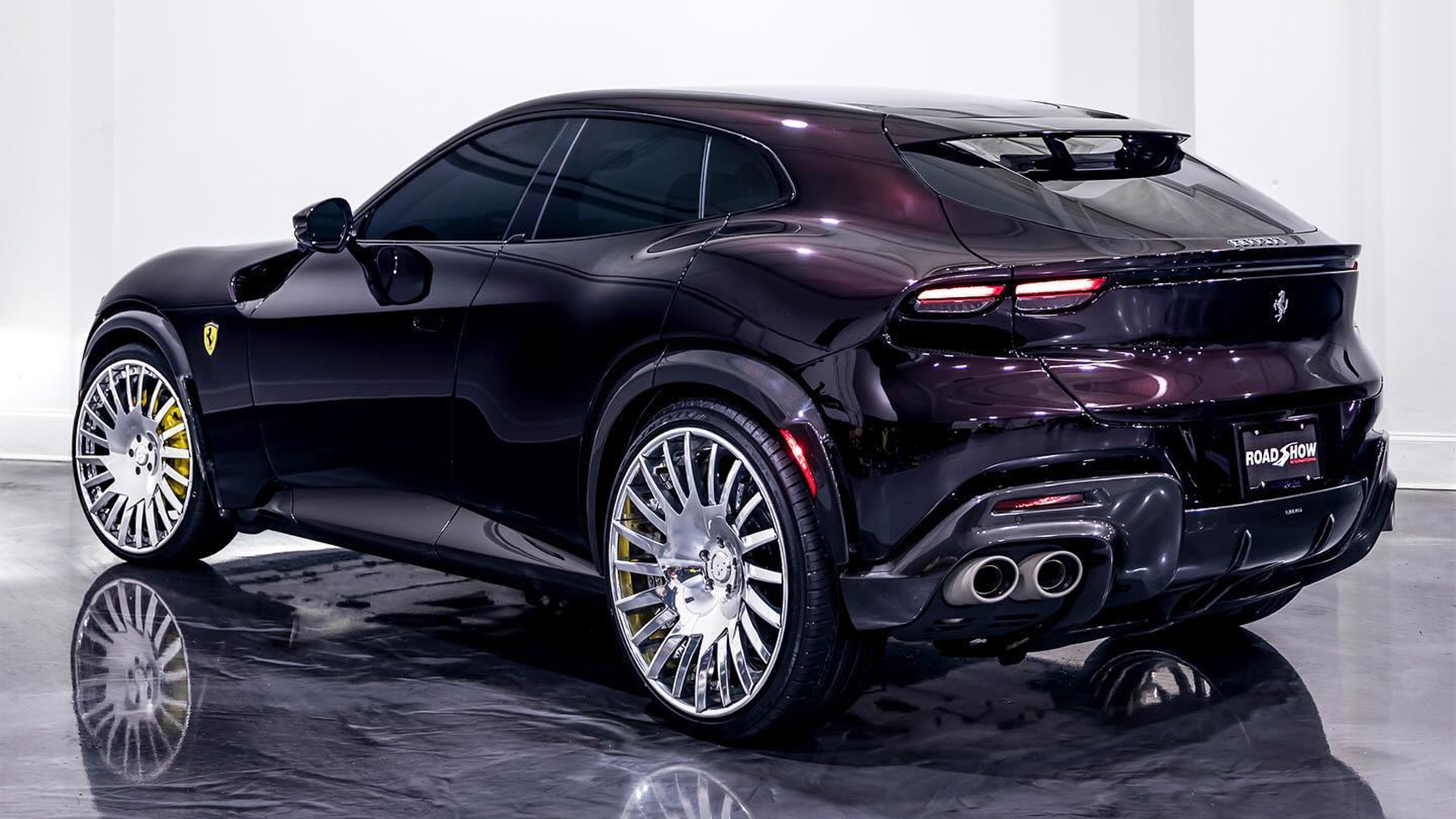
Yes, when they’re authentic, correctly specified, properly installed and maintained as intended. Buying from an authorized dealer, verifying the complete fitment spec upfront and using a qualified installer removes the primary risk factors.
Counterfeit and misrepresented wheels are a real issue in this market. Products built without proper quality control can fail structurally under load in ways that authentic Forgiato wheels do not. Beyond the safety concern, counterfeit wheels come with no warranty path and no recourse if something goes wrong. Your authorized dealer is also your warranty connection, and if a defect surfaces after purchase, you need a dealer who can process a legitimate claim through Forgiato’s official channels.
Installation, Maintenance and Warranty
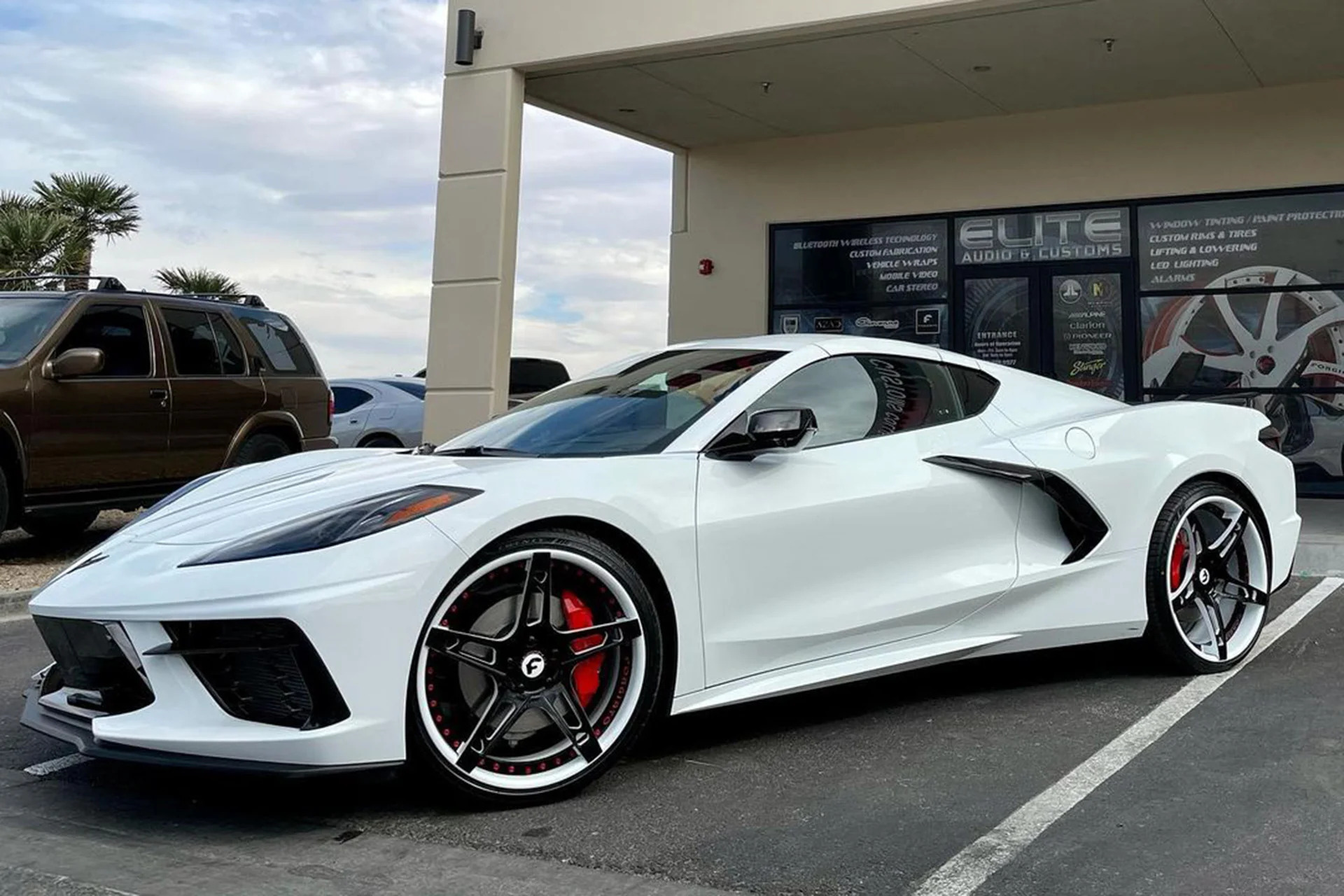
Professional installation is not optional at this price point. Confirm the correct lug nut seat type before anything goes on the vehicle, use the correct torque spec in the correct sequence and request road-force balancing rather than standard spin balancing. Road-force balancing simulates real driving load conditions and catches what standard balancing misses. At 500 miles, a re-torque is required per Forgiato’s official guidance. As the wheel beds against the hub during the first few drives, lug nuts can back off slightly from their installation torque and a re-torque corrects this before it becomes a problem.
Forgiato backs its wheels with 12 months on chrome cosmetic defects and a 3-year limited structural warranty, processed exclusively through the original authorized dealer. Key warranty voids include improper installation, third-party refinishing, pressure-washer damage and running the wheel at a different spec than it was built for.
For ongoing maintenance, soft soap and water only. Avoid acid-based cleaners, chemical degreasers and pressure washers on any painted or coated surface. Brake dust left to bake through heat cycles etches into premium finishes in ways that get progressively harder to reverse. A quick inspection of the wheel surface, valve stems and lug nut seats each time you clean takes minutes and keeps small issues from turning into costly ones.
Where to Buy
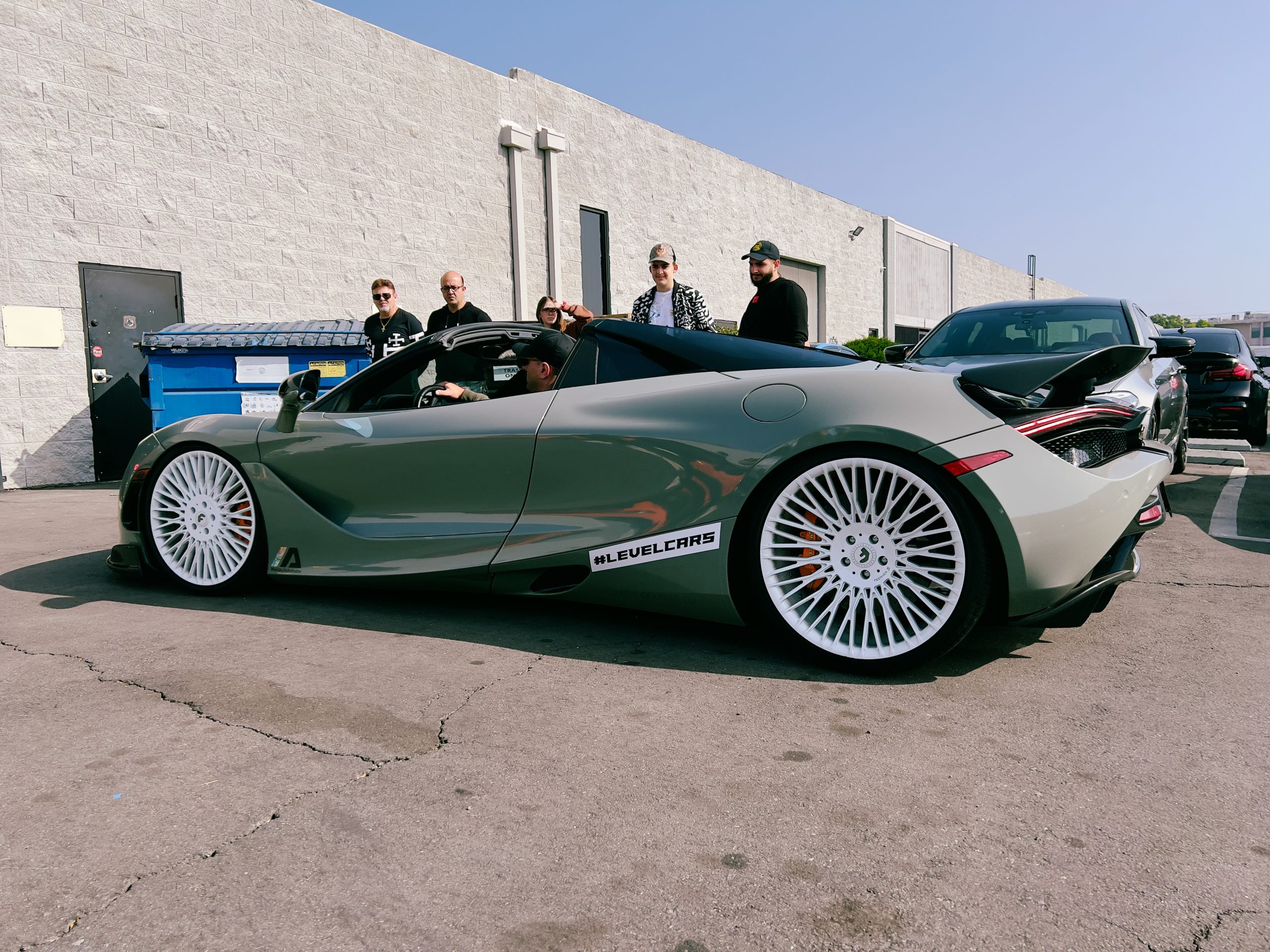
For a purchase at this level, where you buy matters almost as much as what you buy. AudioCityUSA is an authorized Forgiato rims dealer with over 30 years in the industry. Fitment verification is built into the process, covering bolt pattern, offset, width, center bore and vehicle compatibility before anything ships. Wheel-and-tire packages include free mounting, balancing, lugs and locks with road-force balancing included as standard. Financing is available for buyers who want to spec the build correctly without compromising on size or finish.
Pre-Purchase Checklist
Before your order goes in, confirm each of these:
Year, make, model and trim confirmed. Suspension setup identified. Square or staggered decision made. Target wheel diameter chosen based on vehicle type and intended use. Finish and center cap details locked in. Tire size is planned alongside wheel selection. A full budget is accounted for, extending beyond the wheels themselves. Lead time is confirmed based on whether production is in-stock or custom. Installer confirmed or wheel-and-tire package selected. Warranty and support path confirmed through an authorized dealer. Fitment reviewed with a specialist before final checkout.
Frequently Asked Questions
Do I need special lug nuts for Forgiato wheels? Often yes. Many Forgiato wheels require a lug nut seat type that differs from factory hardware. Confirm the correct spec when ordering, or select a wheel-and-tire package that includes the appropriate hardware as standard.
Can I use Forgiato wheels in winter? You can, but finish considerations matter. Chrome and polished finishes are more vulnerable to salt damage over time. Many buyers run a dedicated winter wheel and tire setup and keep their Forgiatos for warmer months, both to protect the finish and to avoid running low-profile summer tires in cold conditions.
Can Forgiato wheels be refinished or repaired if damaged? Multi-piece wheels can sometimes be repaired at the barrel or lip section, which is one of the practical advantages of that construction type. Refinishing must go through Forgiato’s approved process. Third-party refinishing voids both finish and structural warranty coverage.
What’s the difference between ECL wheels and the standard forged line? ECL refers to Forgiato’s signature design family: multi-spoke and mesh-inspired wheels built for strong visual presence. Standard forged sets tend to be cleaner and more minimal in design. ECL sets also typically sit higher in the price range due to design complexity and finish options.
Will Forgiato wheels fit my vehicle without suspension modifications? Many applications fit stock suspension setups, but it depends entirely on the specific wheel spec relative to your vehicle’s wheel well geometry. Verify with a fitment specialist before ordering.