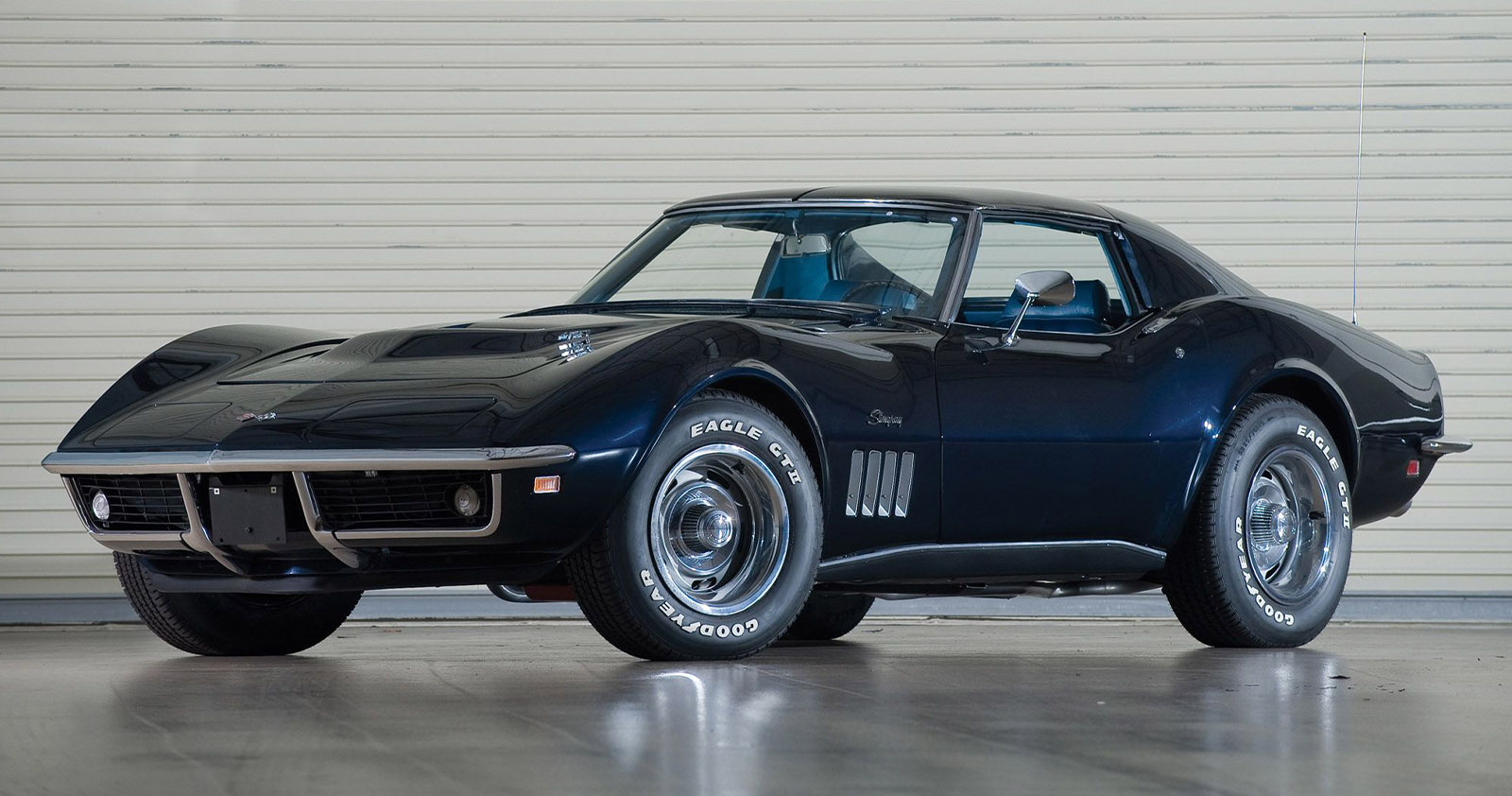
The Chevrolet Corvette L88 represents one of the most uncompromising performance variants ever produced by Chevrolet. Developed under the direction of Zora Duntov, the RPO L88 package transformed the Corvette into a competition-focused machine, while its deliberately understated factory specifications helped keep it away from ordinary customers.
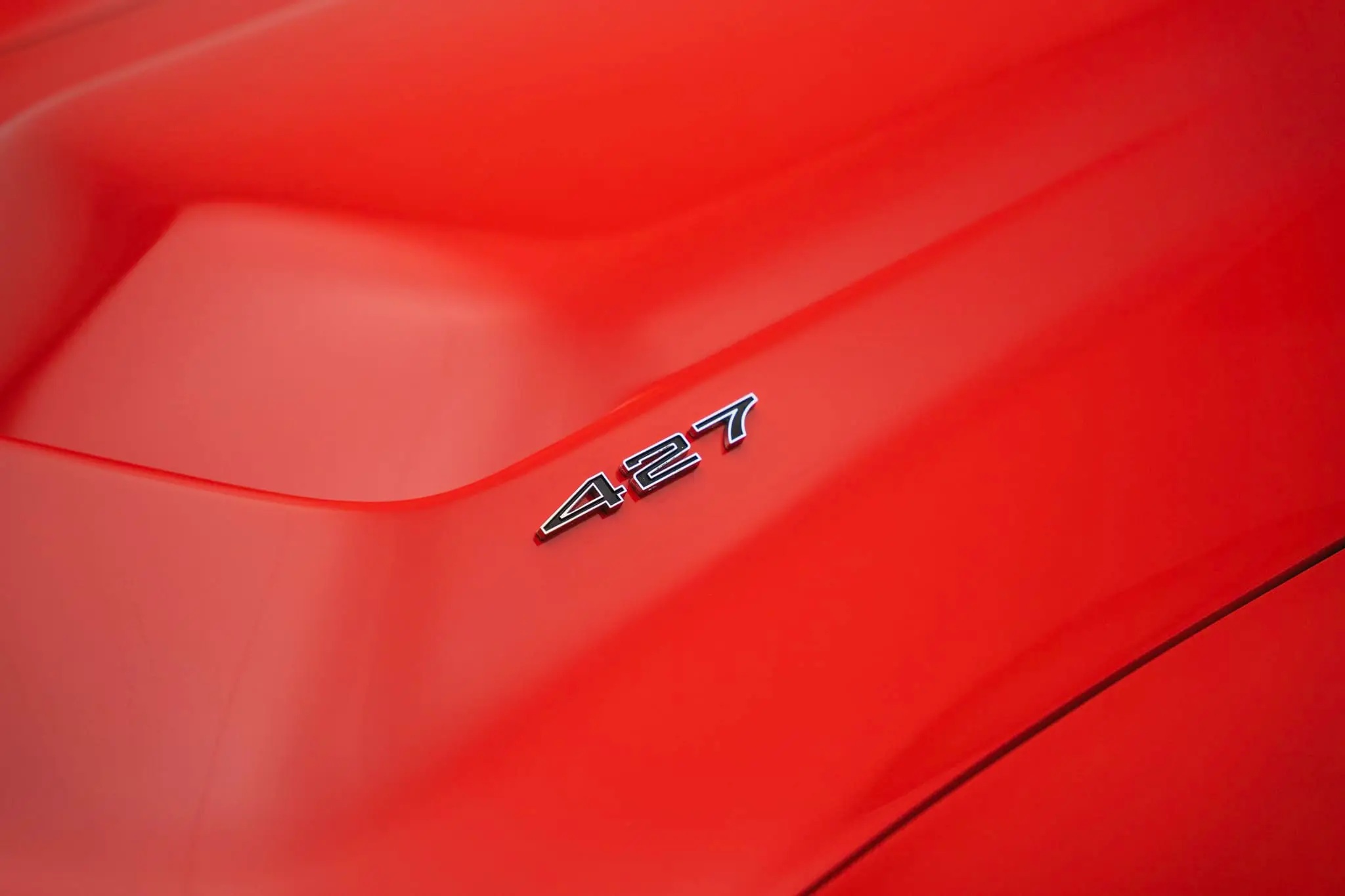
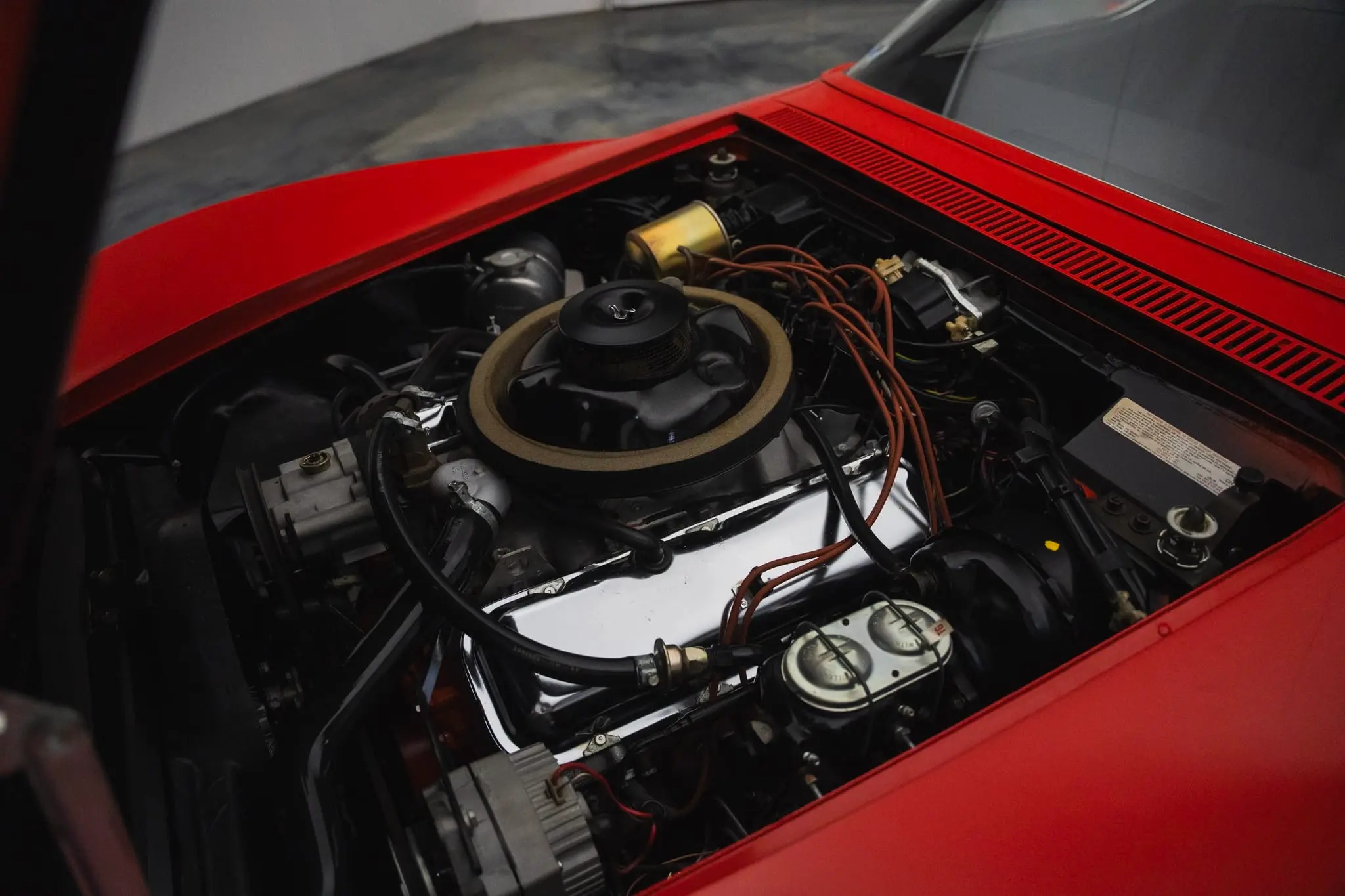
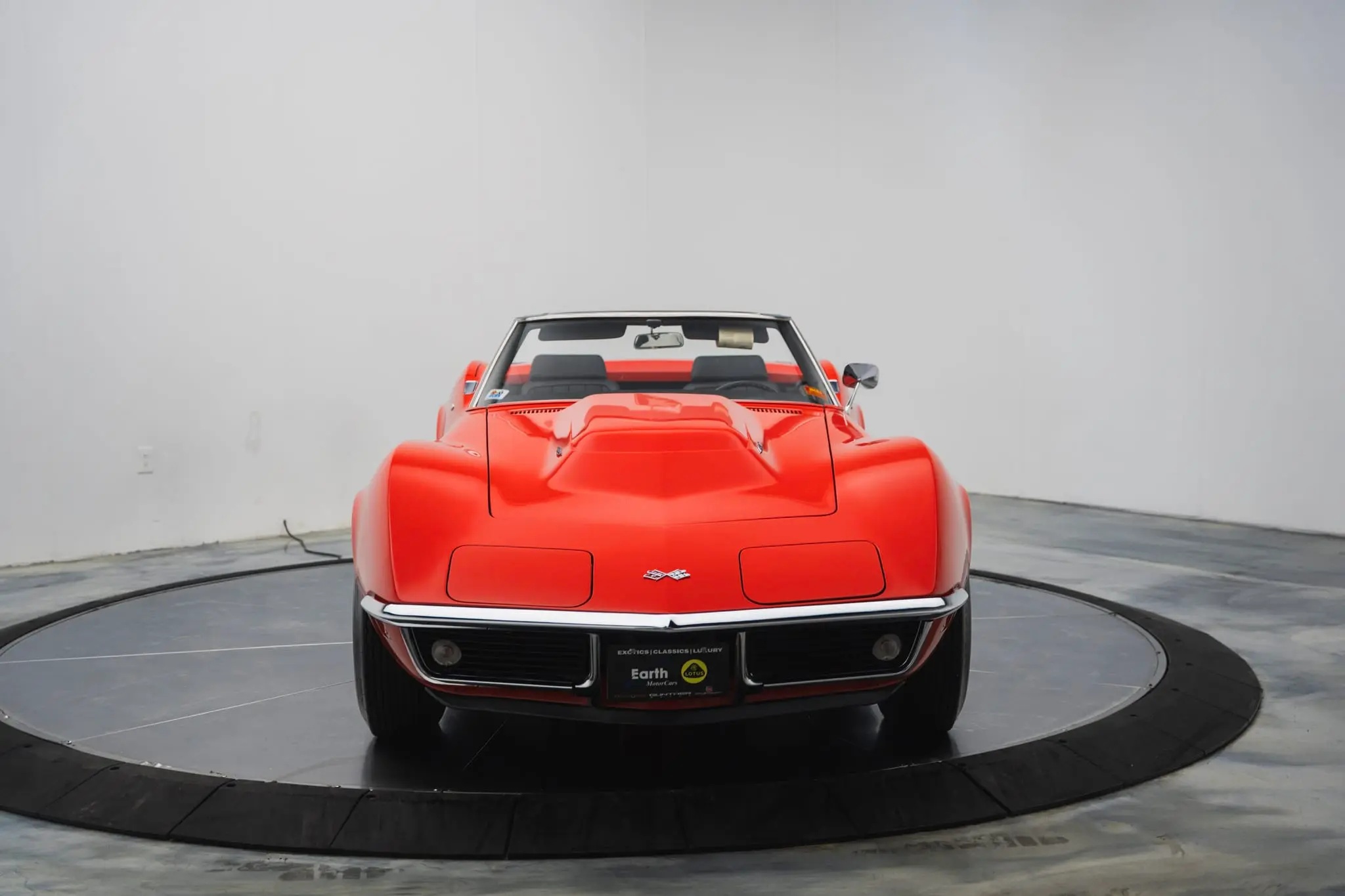
The L88’s roots trace to the “Heavy Duty 427” engine field-tested by Roger Penske during the 1966 24 Hours of Daytona. When introduced for 1967, the 427-cubic-inch V8 was officially rated at 430 horsepower, although its true output exceeded 500 horsepower. Built around forged internals, aluminum cylinder heads, solid lifters and an aggressive high-lift, high-overlap camshaft, the engine was optimized for high-rpm operation. Functional cold-air induction through the distinctive L88 hood further supported its racing-oriented character.
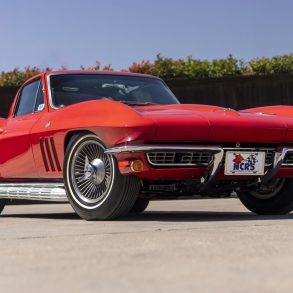
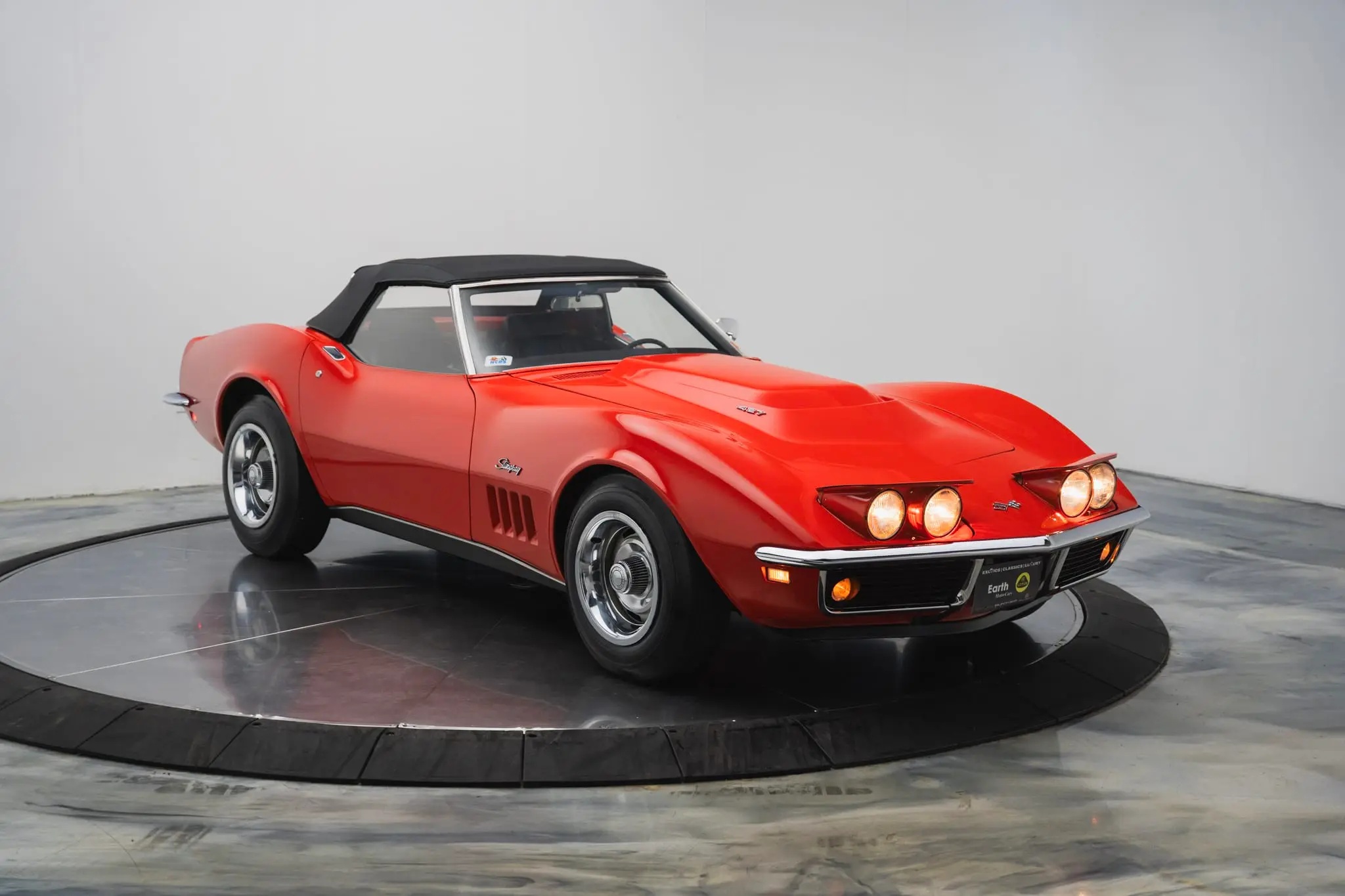
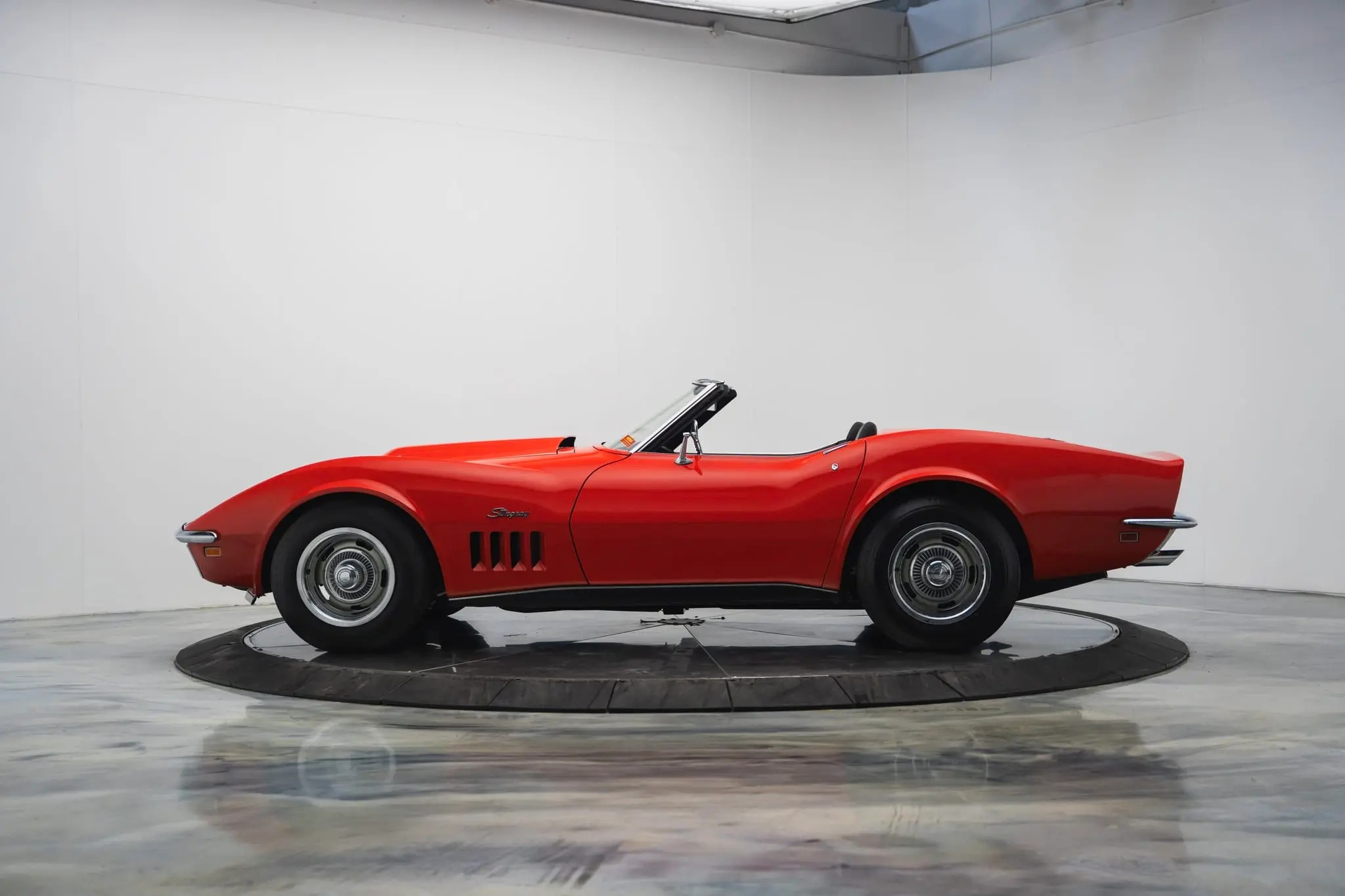
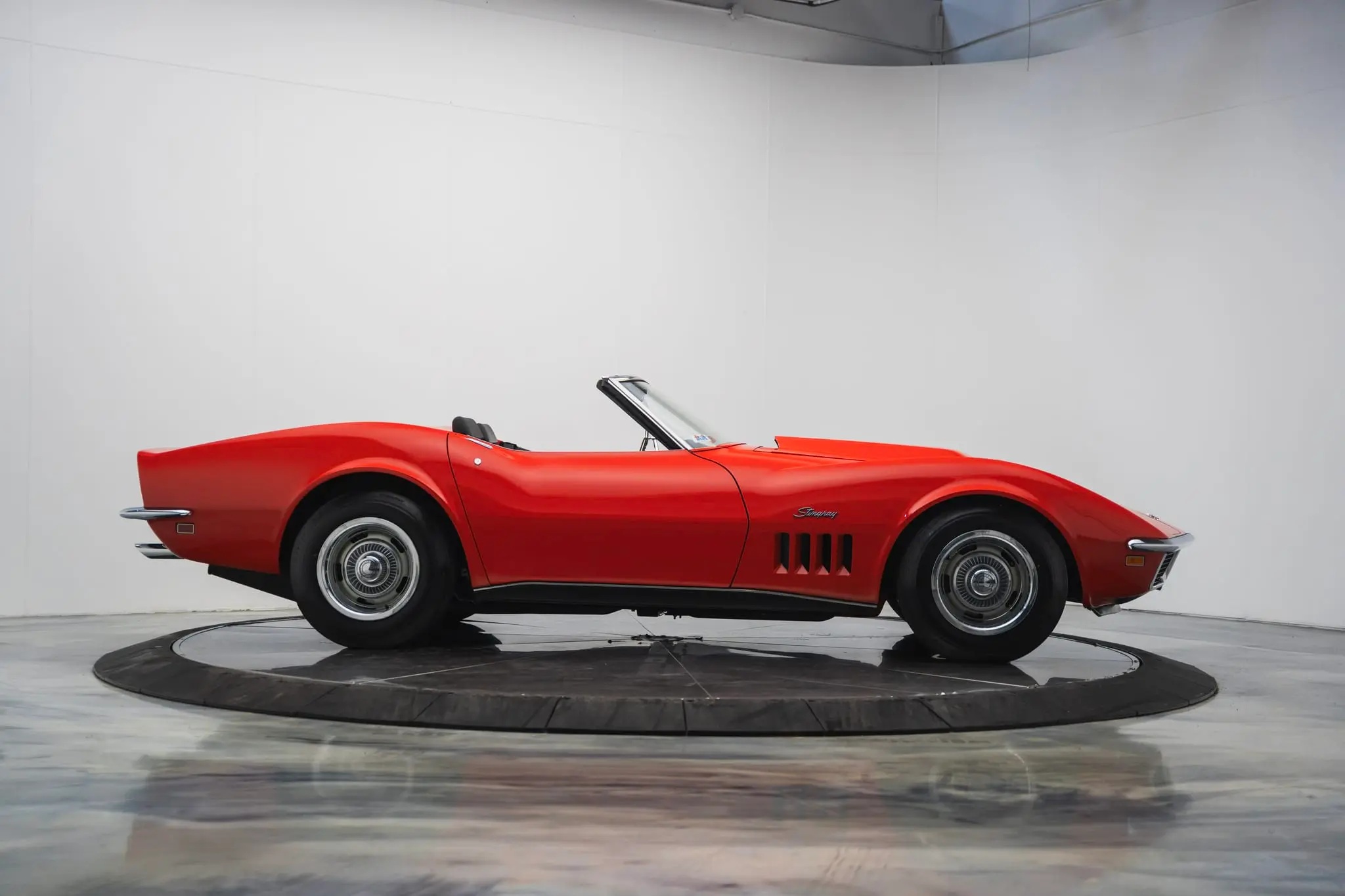
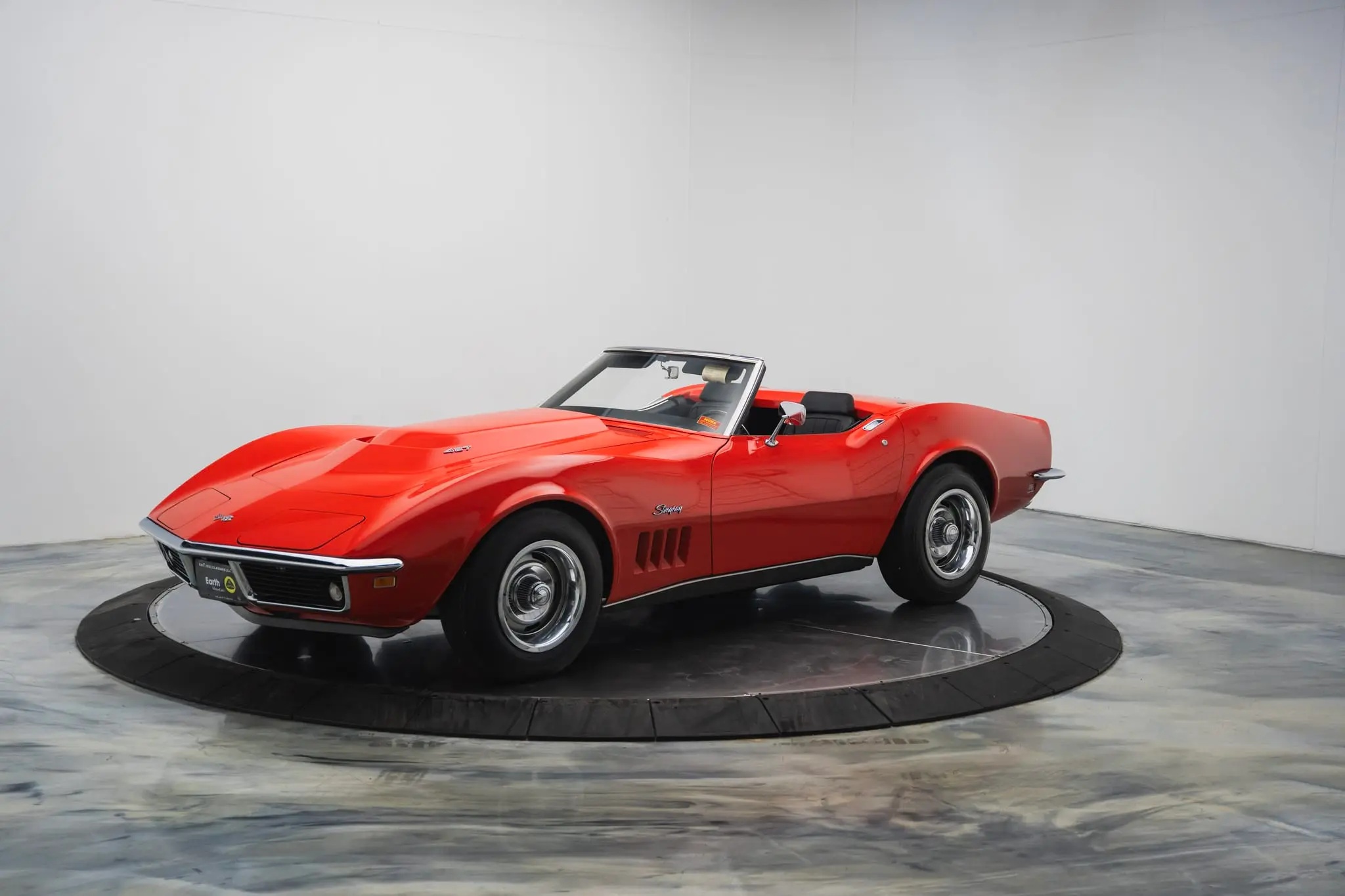
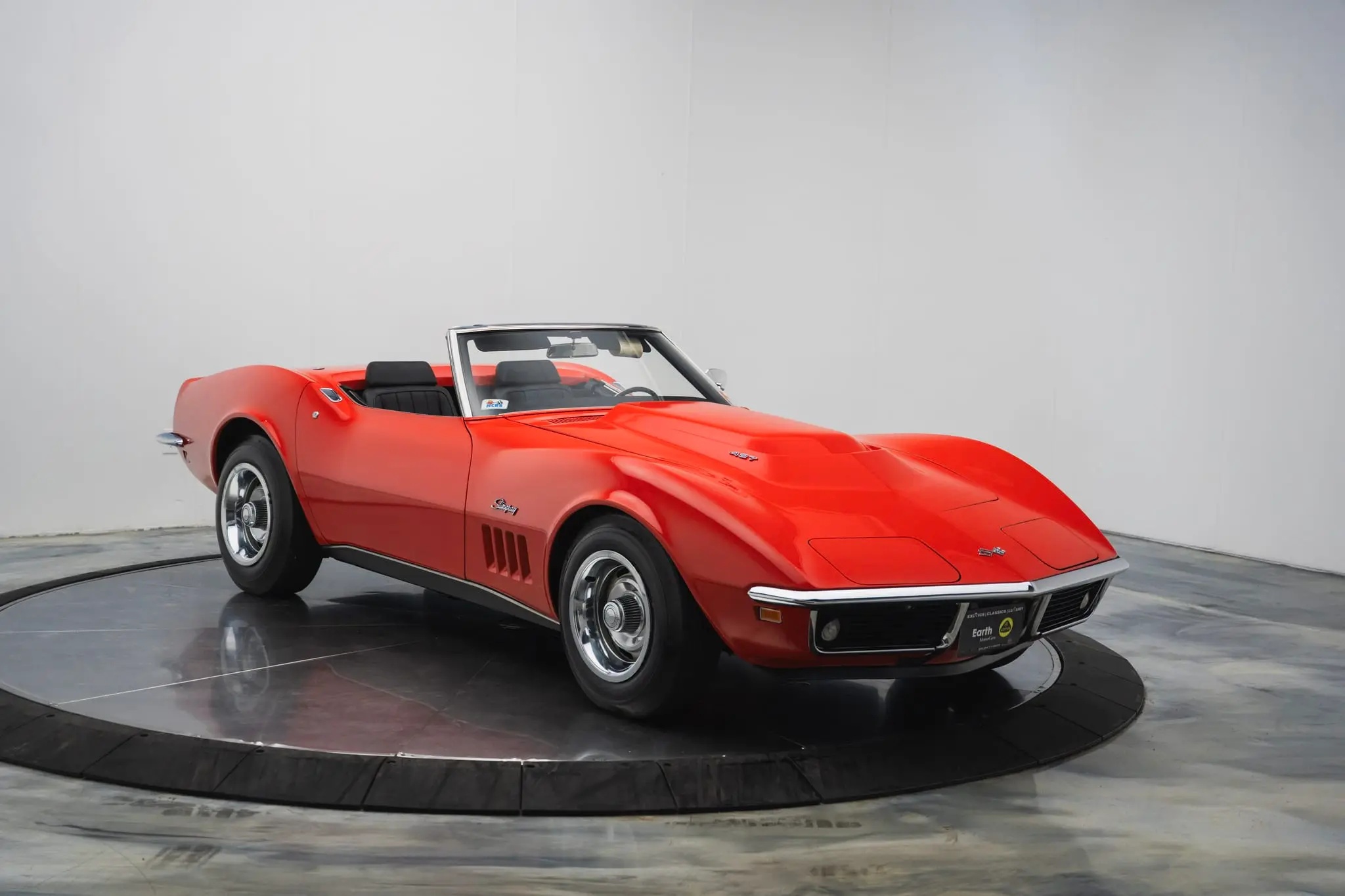
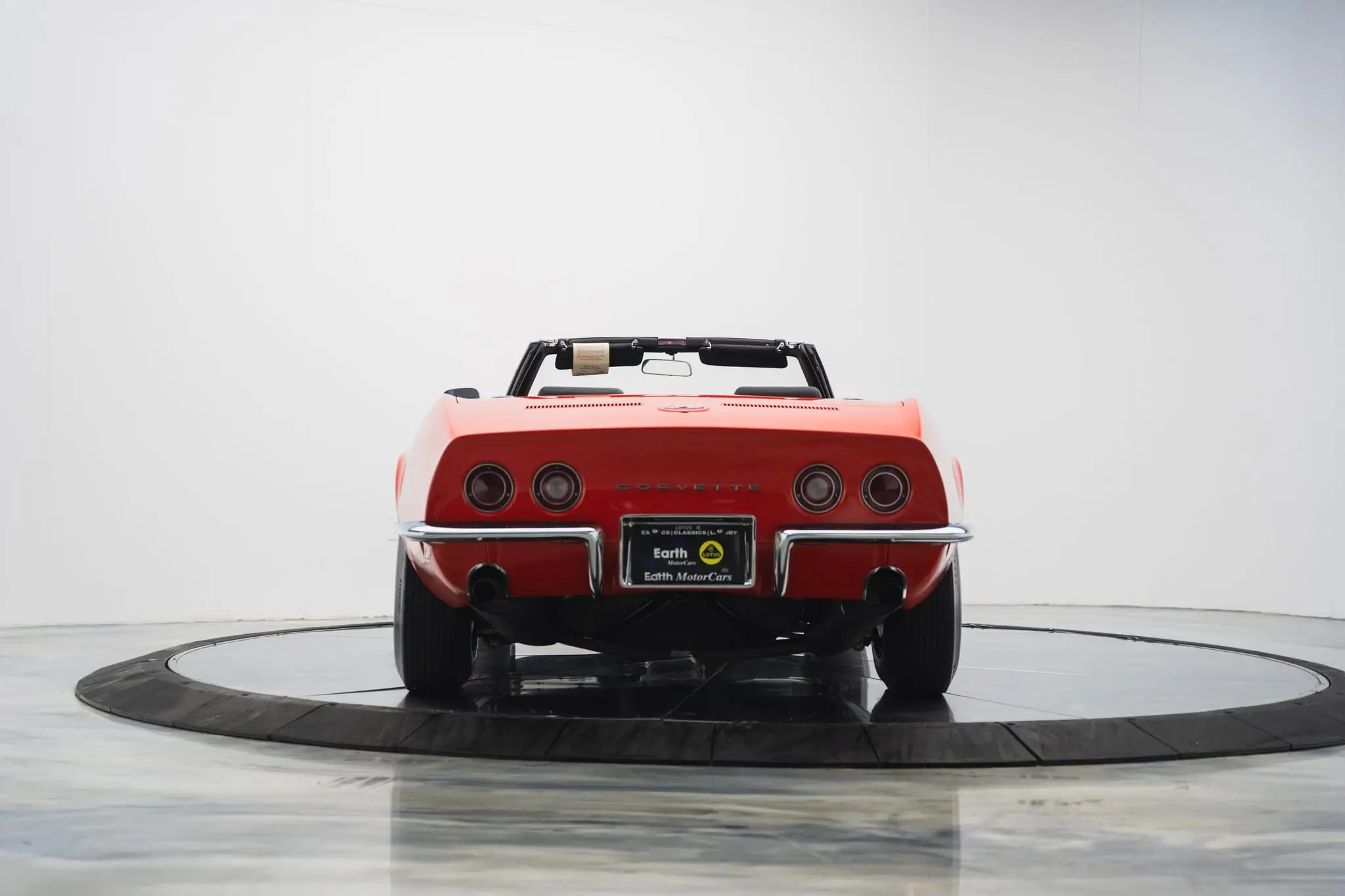
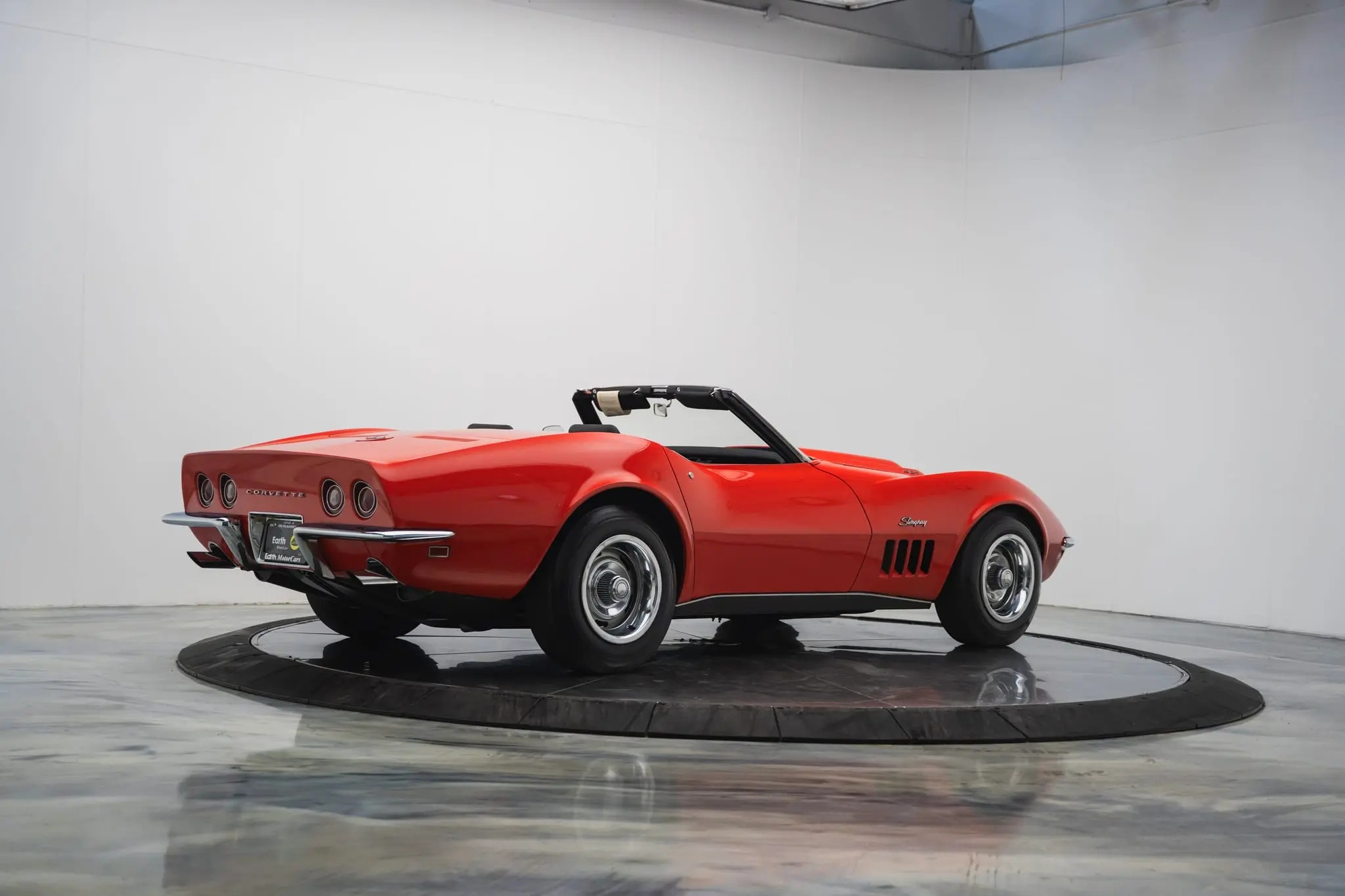
Only 20 L88 Corvettes were produced in 1967, followed by 80 in 1968 and 116 during the final 1969 model year, resulting in just 216 factory L88s over three years. This 1969 example offered on Bring a Trailer is one of those 116 cars and was originally finished in Monza Red with black upholstery and a black convertible top.
The car subsequently received a replacement L88-specification 427 under previous ownership, followed by refurbishment in 2018. Its credentials have been reinforced by a Duntov Mark of Excellence Award, multiple NCRS Top Flight awards and Bloomington Gold certifications. During the restoration, the exterior was repainted while retaining the distinctive L88 visual cues, including its domed hood, Stingray badging and dual exhaust outlets.
Chassis hardware reflects the package’s competition intent. The mandatory F41 suspension incorporated a seven-leaf rear spring, stiffer front coils, specialized shock absorbers and a rear stabilizer bar. The J56 heavy-duty brake package upgraded the braking system, while a Positraction differential helped transfer the engine’s output to the rear wheels. Fifteen-inch Rally wheels with stainless trim rings and Goodyear tires complete the period-correct appearance.
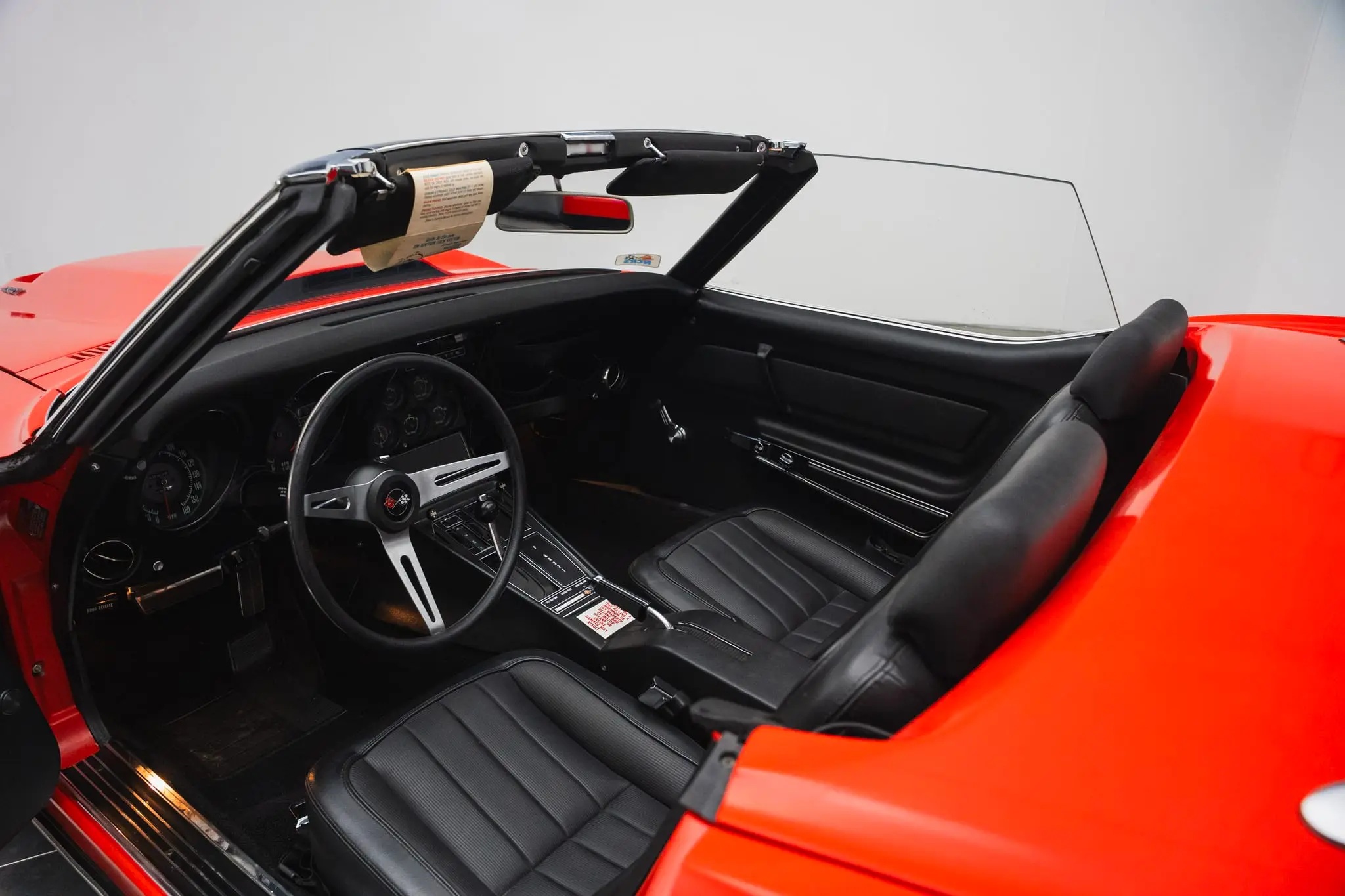
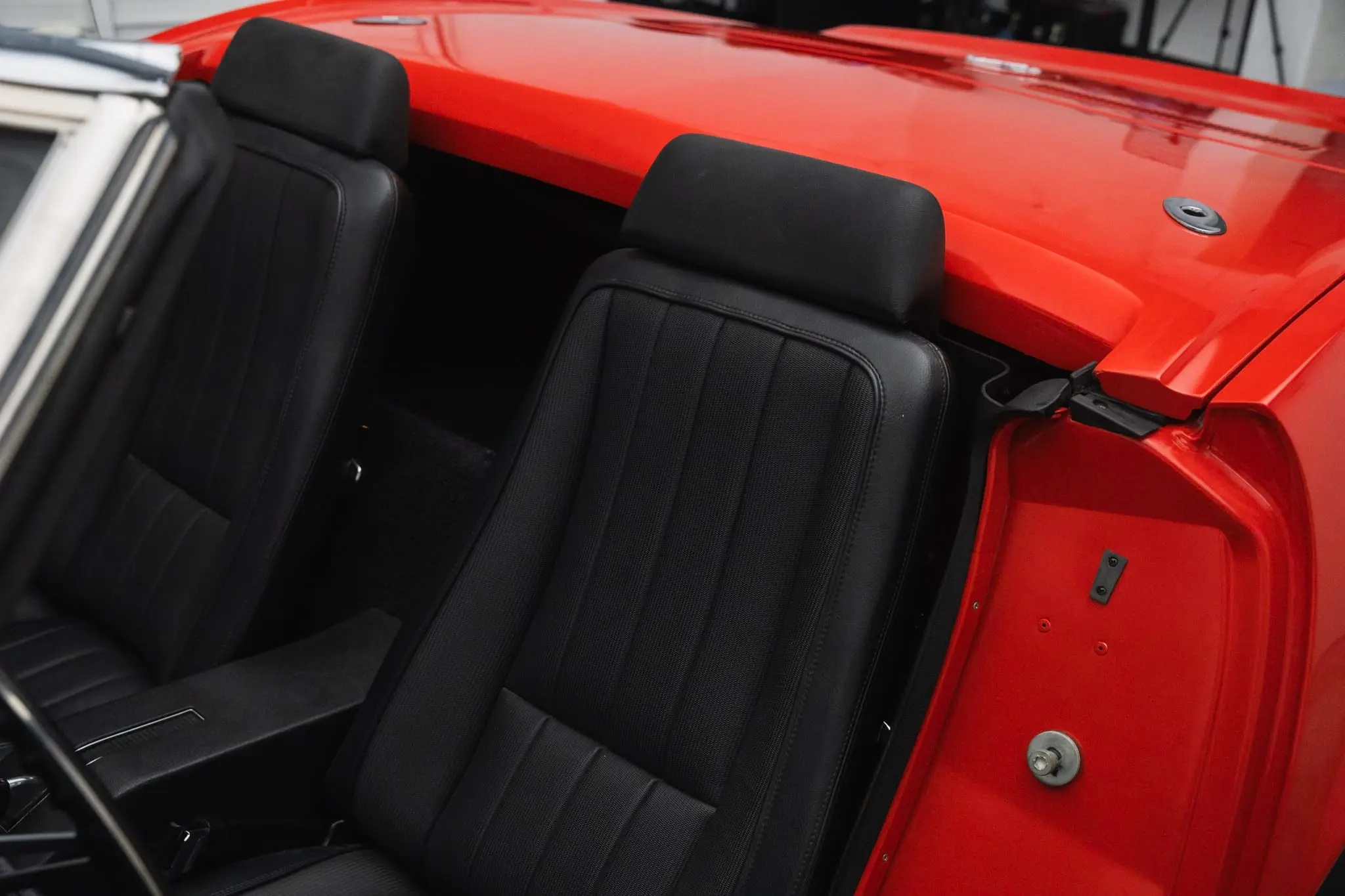
Inside, black vinyl bucket seats with headrests surround a driver-focused cockpit featuring a 160-mph speedometer and 6,500-rpm tachometer. A heater, analog clock and lap belts were retained, but the L88 package prohibited air conditioning, power steering and a radio.
Interestingly, this example pairs its replacement 427 with a three-speed Turbo Hydra-Matic automatic transmission and Positraction. Despite that departure from the stereotypical manual-transmission L88, the Corvette remains a highly significant example of Chevrolet’s brief era of factory-built, road-legal racing hardware.
Source: Bring a Trailer