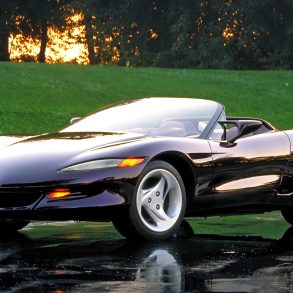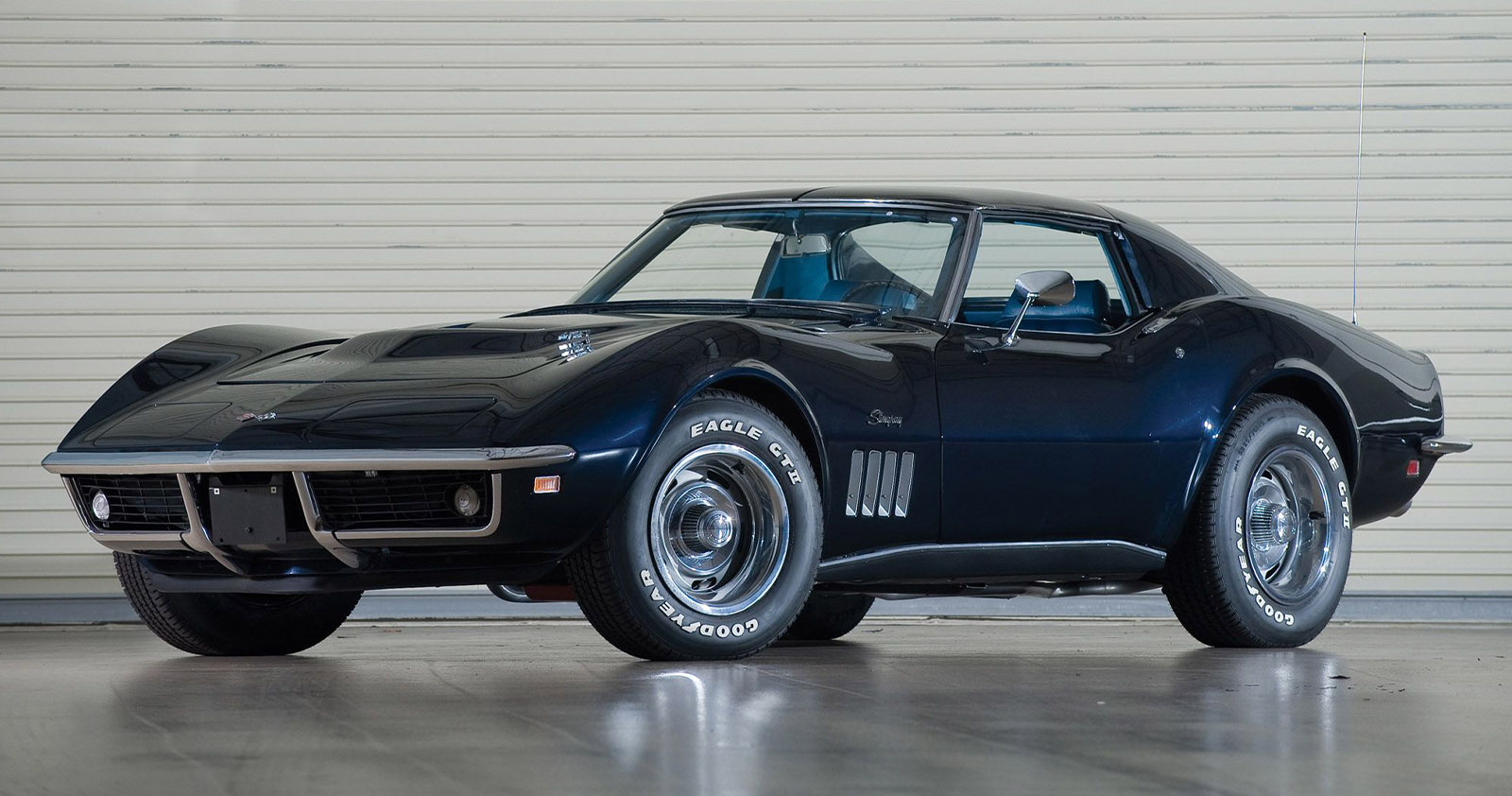
The Corvette has always been a car people feel strongly about. Ask someone who grew up around them, and you will usually get a mix of admiration and a few eye-rolls. The admiration is easy to understand. A Corvette, no matter the generation, still has a presence that makes people stop and look. The eye-rolls come from a different place: memories of squeaky targa tops, glitchy electronics, or interior plastics that never matched the car’s performance.
That reputation did not appear out of nowhere. Earlier Corvettes had some real shortcomings, especially in the mid-1980s and into the early 2000s. Many owners remember those issues clearly, and the stories have outlived the cars themselves.
But the Corvette has changed. The last two generations show how much work Chevrolet has done to tighten tolerances, improve materials, and make the car more livable. So it is fair to ask: does the old reputation still match the Corvette you can buy today, or are we holding on to something that belongs to another era?
Fact: Past Corvette Generations Did Struggle With Build Quality and Some Reliability Issues
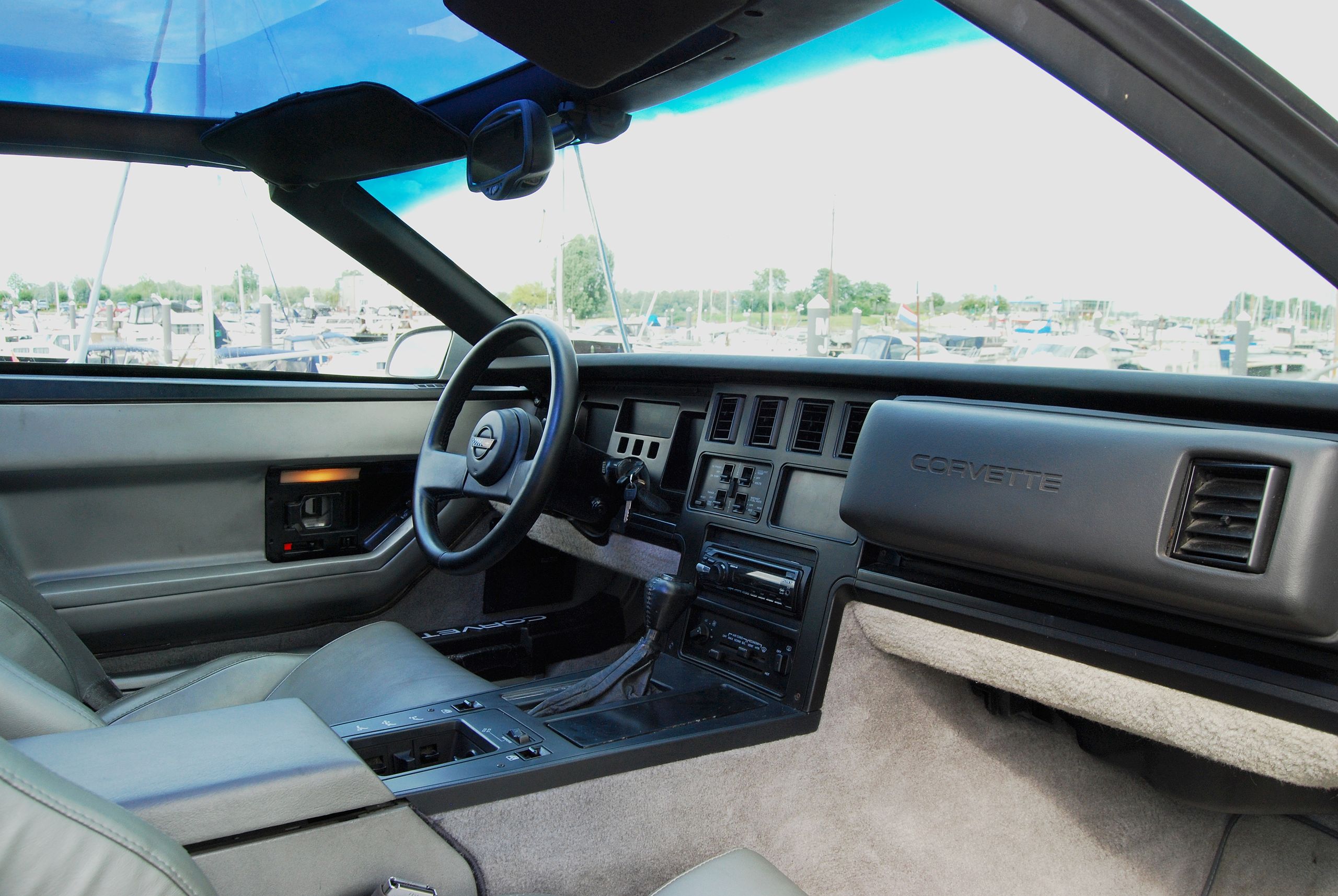
If you talk to long-time Corvette fans, the same model years usually get mentioned first. The C4, for example, perhaps the least loved Corvette, was a major leap forward in technology. It brought digital dashboards and lots of early electronic features, which were impressive in the 1980s but not always durable. Owners dealt with buzzing trim, electrical gremlins, and interior materials that wore out faster than expected. It was a fun car to drive, but consistency was not its strongest trait.
The C5 fixed a lot of that and introduced the first LS engines, which became famous for being nearly bulletproof. Even so, the car still had its weak points. One of the best-known is the steering column lock problem. GM issued a recall (No. 04006B) on 127,000 Corvettes built between 1997-2004 because the electronic steering column lock could remain locked while the vehicle was being driven. Many owners reported that even after the recall fix the issue recurred.
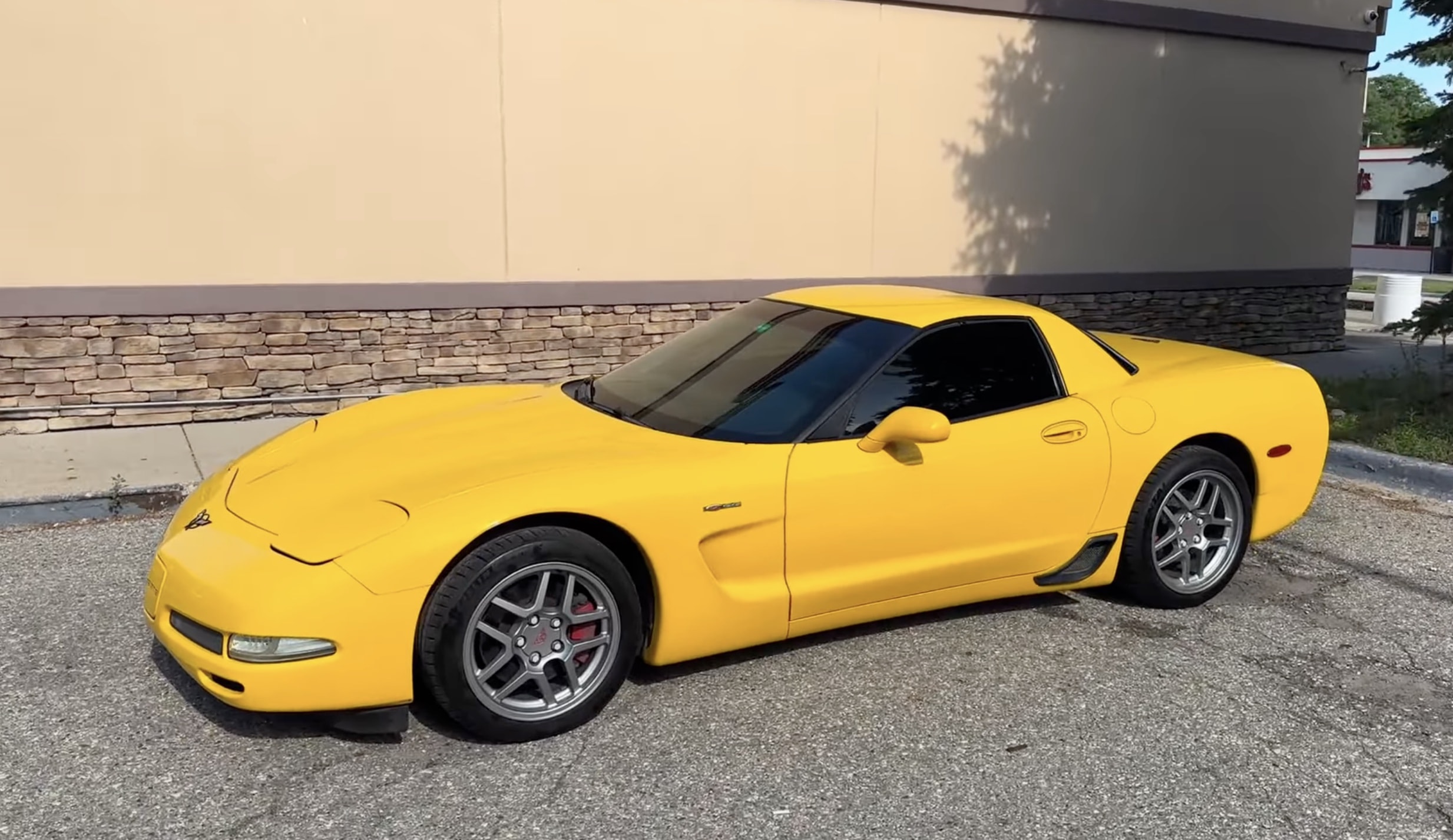
The C6 brought sharper styling and a noticeable jump in refinement. Still, it had its own set of talking points: early paint that was hit-or-miss, wind noise from roof panels, and the LS7 valve-guide problem on the Z06 that caught a lot of attention.
Because of all this, reliability surveys during those years landed somewhere in the middle. Not terrible, not great, but inconsistent enough that stories stuck around. When people say Corvettes have “bad build quality,” this is usually the era they are remembering.
Fiction: Modern Corvettes Are Still Unreliable
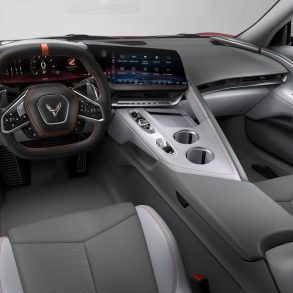
The turning point came with the C7. Chevrolet put real money into the Bowling Green plant before that car went into production. The paint shop was updated, the assembly process was tightened, and the interior finally felt like it belonged in a modern sports car.
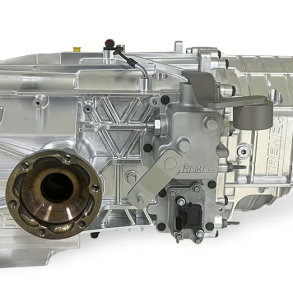
Most long-term complaints about the C7 come down to the 8-speed automatic’s torque converter shudder. Owners described a shake or hesitation at speed, which fed into a wider issue around that transmission. But that issue is increasingly isolated.
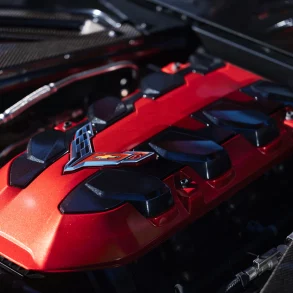
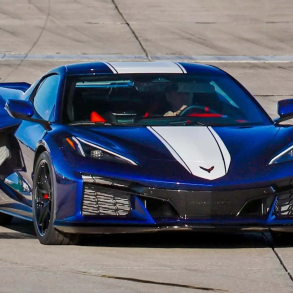
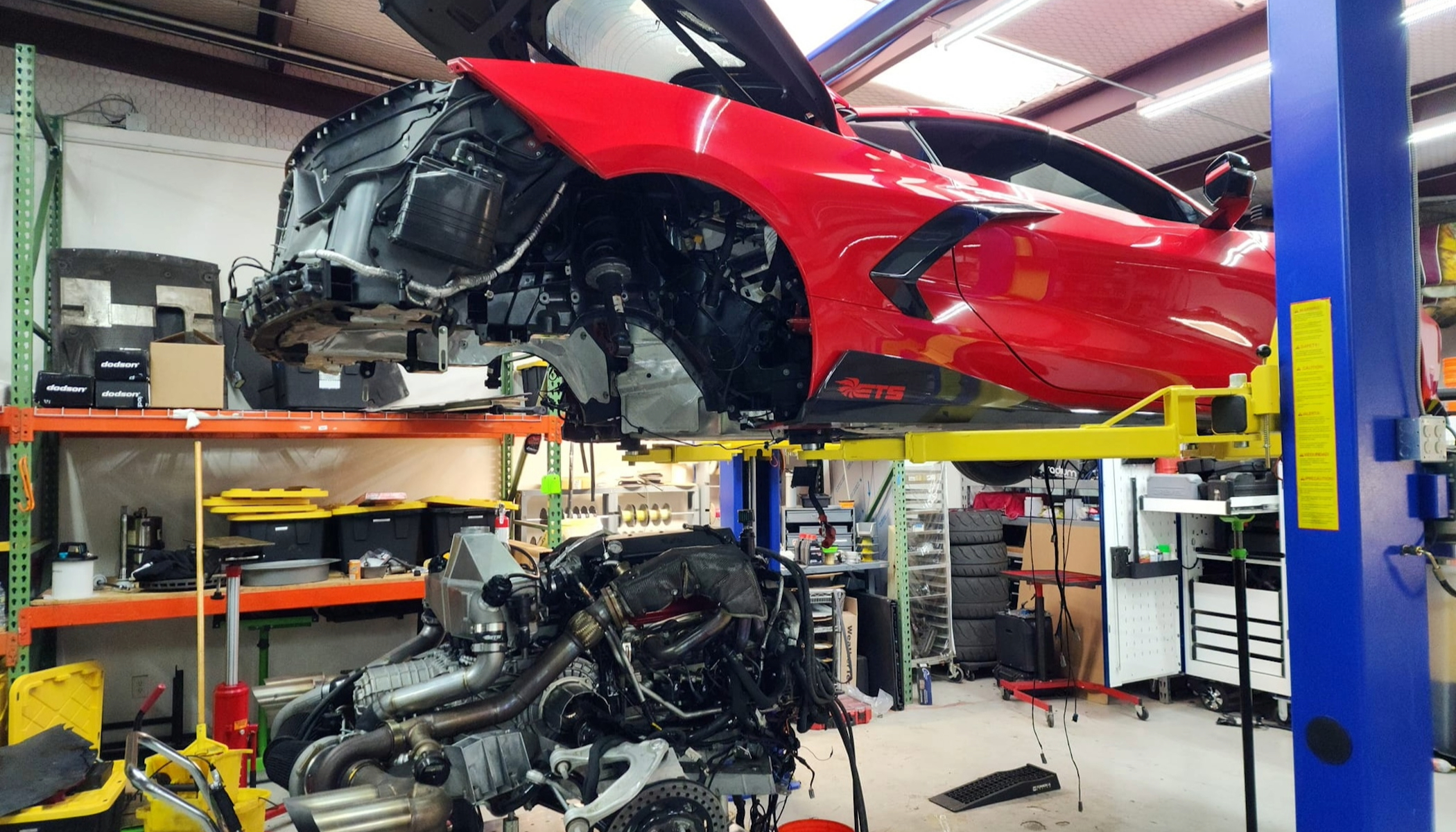
Then the C8 arrived and changed the conversation again. Moving the engine behind the driver meant Chevrolet had to rethink almost every part of the build process. New equipment came in, new quality checks were added, and the car that rolled out of the factory felt sturdier than anything with a Corvette badge before it.
On the recall front, early 2020 C8s had some teething issues, but they were modest. A recall addressed the front-trunk release button deactivating in sleep mode. Ownership data for the C8 is strong: for example, the 2022 Corvette was rated by J.D. Power’s Initial Quality Study as “the most problem-free model in the industry” for that year.
So the idea that modern Corvettes are automatically unreliable does not really match either the data or the day-to-day experience of many owners.
The Reality in Between: Modern Corvettes Are Well Built, but Not Flawless

This is where the conversation gets more balanced. Quality has improved, but no performance car is perfect, and the Corvette is no exception.
Some recent issues are real and documented. For example, GM is currently recalling more than 23,500 Corvettes from the 2023-2025 model years because fuel spilled during refuelling may leak onto hot components, creating a fire risk. On the C8, owners still occasionally report small panel misalignment, random warning lights, or front-trunk latches acting up until updated parts arrive.
At the same time, there are many quiet success stories. C8 owners who daily their cars or drive them several times a week often report that, beyond routine service and recalls, the cars simply behave. The trouble-free experiences are fewer clicks, fewer headlines, but real nonetheless.

It also matters how the cars are used. Corvette owners tend to drive their cars with enthusiasm, not to mention track days, spirited canyon arcs, and power adders. A car that lives near redline will show its age differently than one that lives between 2,000 and 3,000 rpm. That is not an excuse; it is just the reality of high-performance hardware.
Social media adds its own filter. A single video of a squeaky interior or misaligned panel can rack up hundreds of thousands of views. The thousands of owners who have had no problems rarely post anything. Complaints travel faster than praise.
So while the Corvette is not flawless, the problems that do appear today are far smaller and far less common than the issues that influenced its older reputation.
The Truth Lands Somewhere New
Older Corvettes had their flaws, and some of those problems were memorable enough to stick around in conversations long after the cars were gone. C4 electronics gremlins, C5 steering-lock recalls, and C6 Z06 valve-guide issues all played their part.
But the car has come a long way since then. The C7 and C8 show what the Corvette can be when GM invests in the right places. They feel tighter, sturdier, and more thoughtfully built than any generation before them. Independent data and many owner experiences now place the Corvette near the top of its class for long-term dependability, not at the bottom.
The myth that Corvettes are unreliable is not completely without roots, but it no longer describes the cars Chevrolet is building today. The modern Corvette is not just fast and exciting. It is well built, dependable, and capable of handling daily use or weekend track time without drama. The reputation belongs to another era. The car has already moved on.