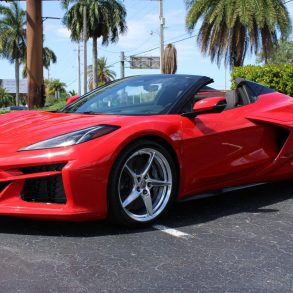
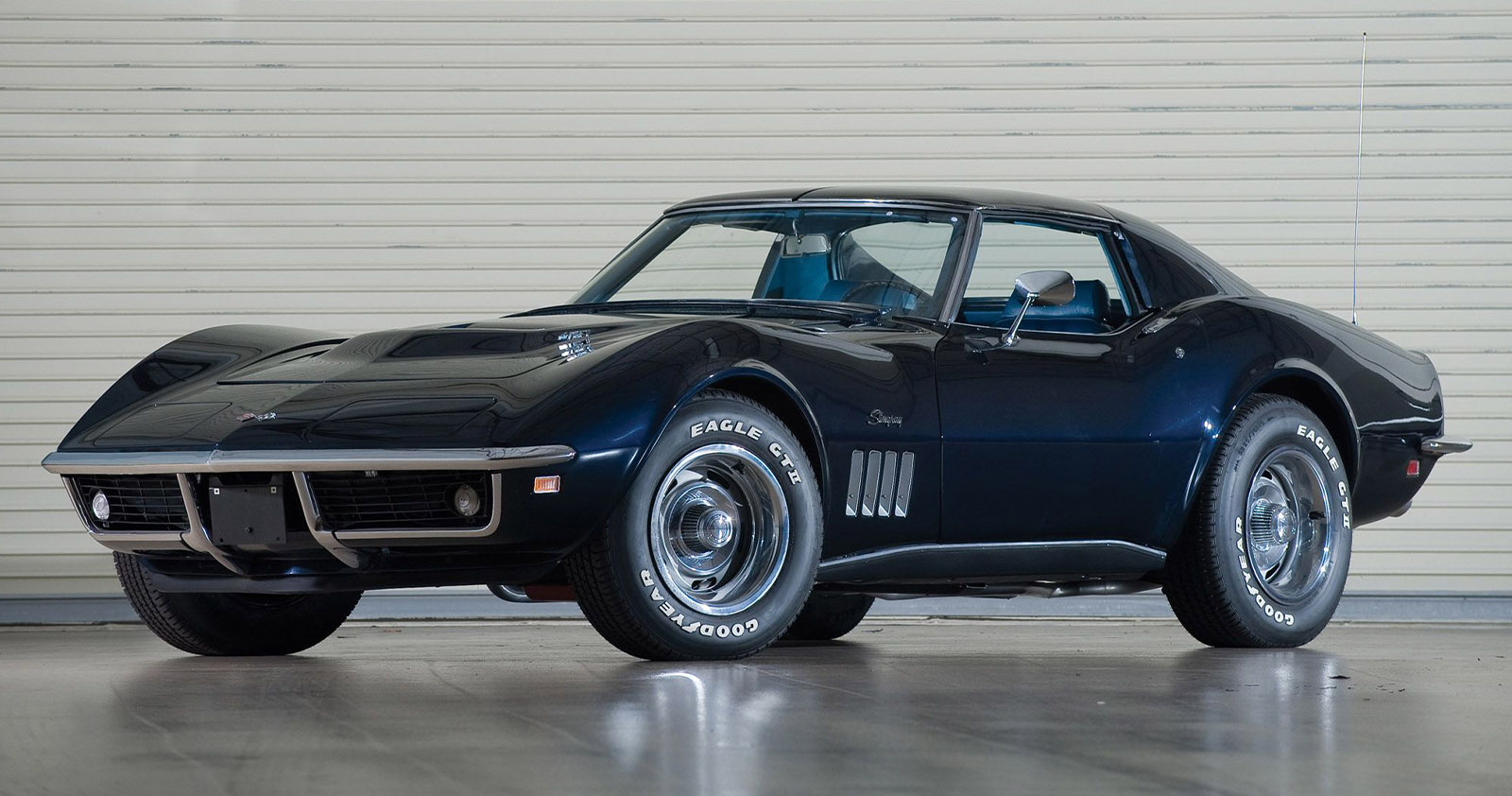
Throughout its history, the Corvette has struggled with being dismissed as a blunt instrument, especially in its early generations. It has carried the reputation of being a torquey muscle car that’s in a straight line, thanks to its impressive acceleration (except the C3 during the oil crisis), but lacking world-class handling compared to some of its rivals. To be fair, that reputation has some valid arguments.
For most of its early life, Chevrolet leaned heavily on big engines and raw power for the Vette rather than the advanced engineering of its European counterparts. Quarter-mile times and burnouts became the calling cards of Corvette ownership, while cornering balance and stability took a back seat. Over time, that image hardened into the simple assumption that Corvettes are fast, but they don’t really handle.
However, that’s not necessarily the case anymore. Since the C4 generation, the Corvette has steadily evolved into a world-class sports car, and the C8 Corvette is a testament to that. Even so, the old myth still lingers
Fact: Early Corvettes Were Built for Power First, Handling Second
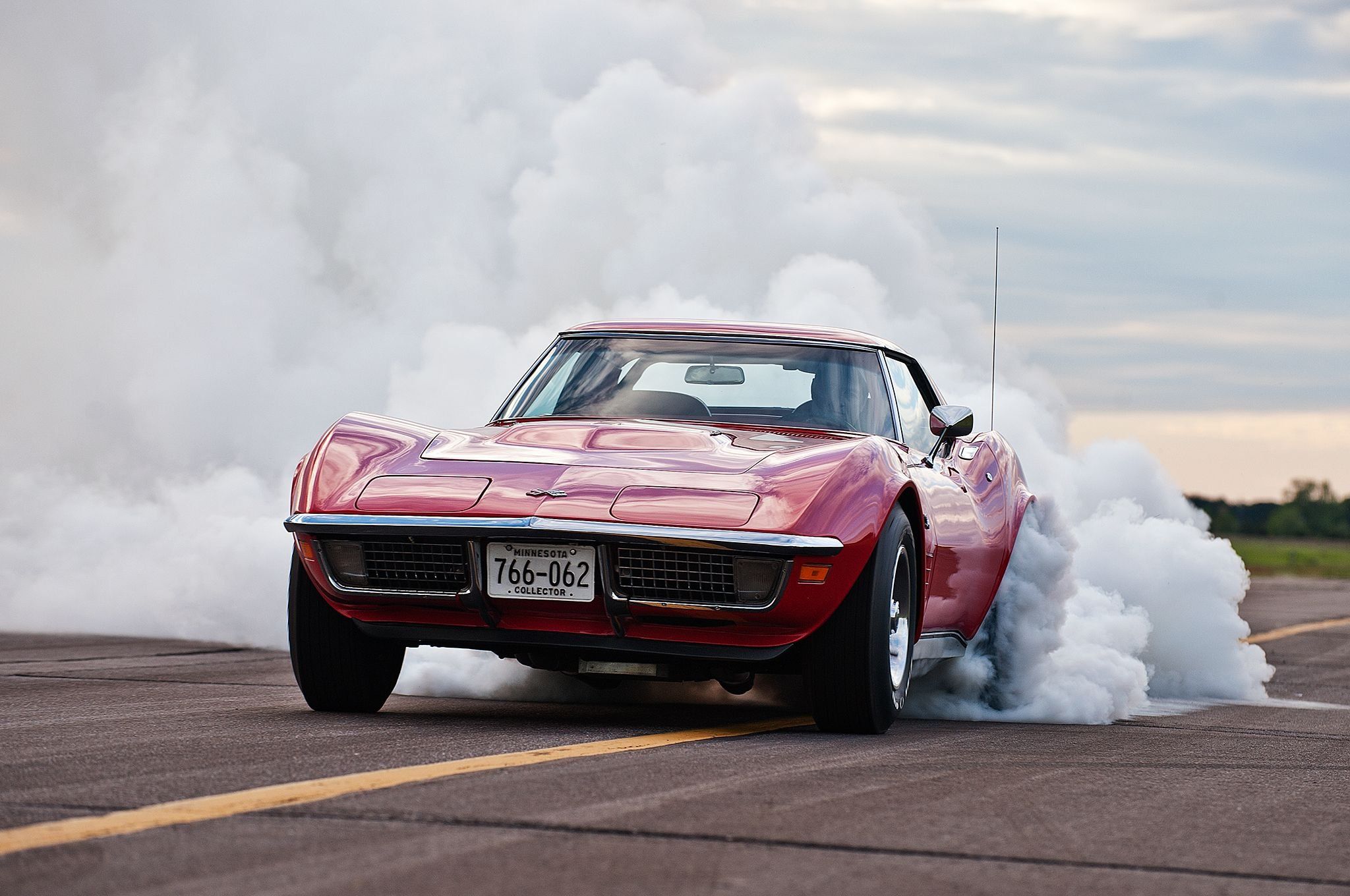
The first three generations of the Corvette were never intended to be corner carvers. When the C1 and C2 were introduced, American buyers valued traits like styling, engine sound, and straight-line speed above all else. Suspension technology was still in its infancy, and tires were narrow and forgiving in all the wrong ways. Also, most carmakers, including Chevrolet, focused more on tuning their chassis for comfort but not necessarily for precision.
By the time the C3 arrived, the Corvette had been on the market for a decade and a half. And despite its dramatic looks and big-block power, this generation carried the same philosophy as its predecessors. Chevrolet equipped the C3 with a solid rear axle and muscle-era suspension geometry that made the car feel unsettled on rough or curvy roads. While it did give the car some charisma and made it somewhat fun to drive, you couldn’t chase lap times in a C3.
If we compare a Corvette from this era to contemporary European sports cars, the Corvette feels less composed when pushed hard. And that contrast stuck for years. For instance, if you drive a classic Corvette back-to-back with a Porsche 911 or even a Lotus from that same era, the differences in balance and feedback are obvious. This is the era people usually have in mind (at least subconsciously) when they say Corvettes “can’t handle.”
Fact: The Corvette’s Engineering Improved Faster Than Its Reputation
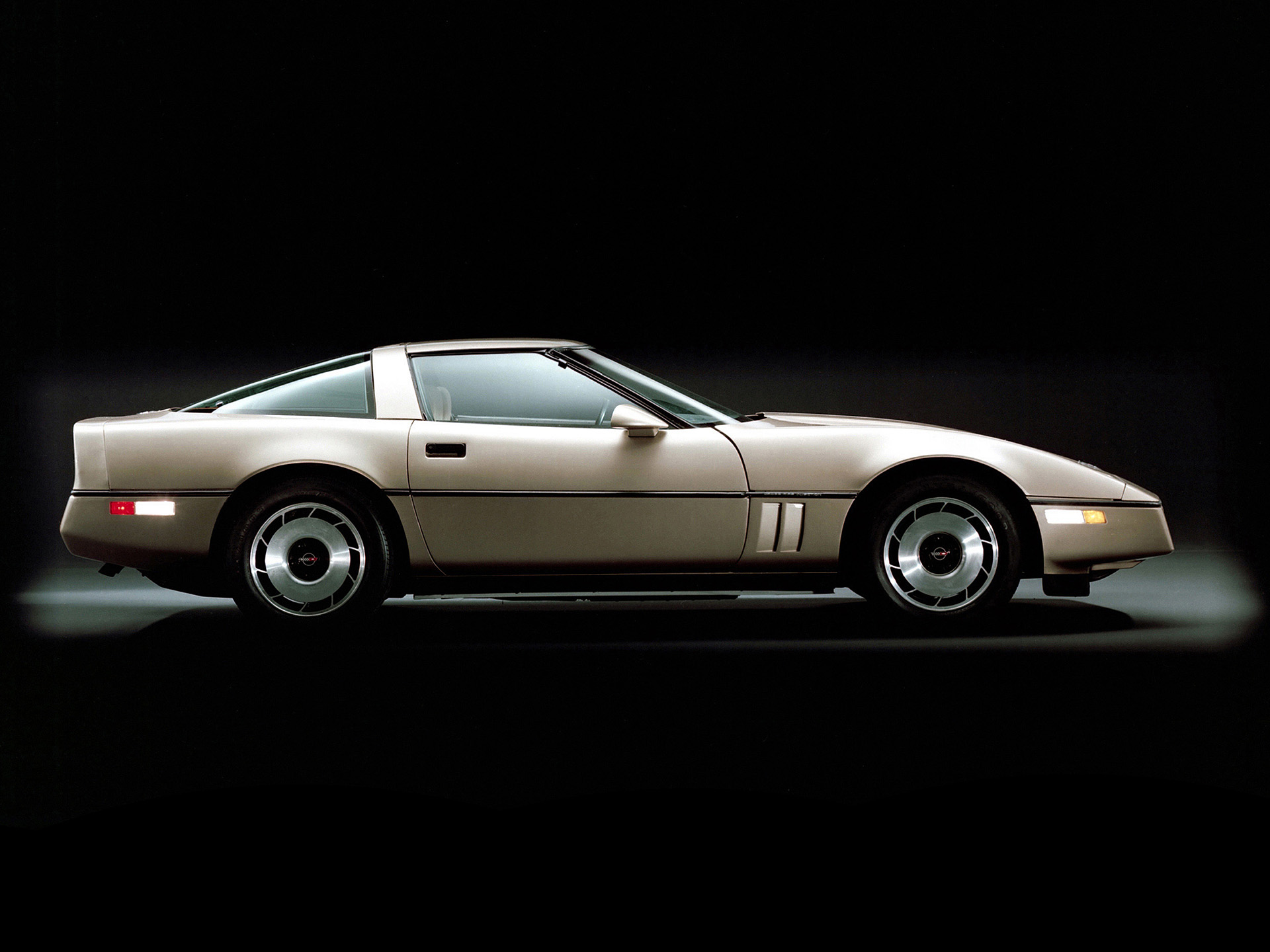
The real shift began with the C4 in the mid-1980s. This was the first Corvette that genuinely tried to reset the narrative. The list of new features of the C4 included: Independent rear suspension, a stiffer chassis, and a far more modern approach to handling that transformed how the car behaved. The problem was that the C4 arrived during a transitional period for performance cars in general. Tires were improving, but not there yet. Electronics were new and sometimes fragile. The intent was right, but execution still had limits. And let’s not forget the controversial Cross-Fire engine of the first model year of the C4, which quickly gained a reputation for being a dud.
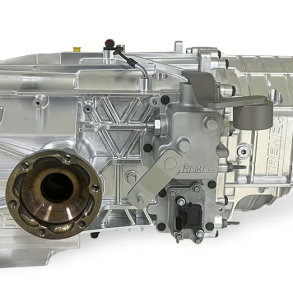
Then the C5 arrived and pushed things further. Its rear-mounted transaxle improved weight distribution, and the chassis felt far more predictable at speed. On a road course, a well-driven C5 could already embarrass cars that supposedly handled better. But public attention remained locked on the LS engine’s power and tuning potential. Once again, the handling story was overshadowed by straight-line headlines.
By the time the C6 arrived, the Corvette was no longer lagging behind dynamically. Wider tracks, better tires, and more refined suspension tuning made it genuinely capable in corners. Yet the stereotype somehow still lingered around. The idea of the Corvette as a one-trick pony had become cultural shorthand, repeated by people who often had not driven one in years.
Fiction: Modern Corvettes Can’t Hang With Real Sports Cars in the Corners
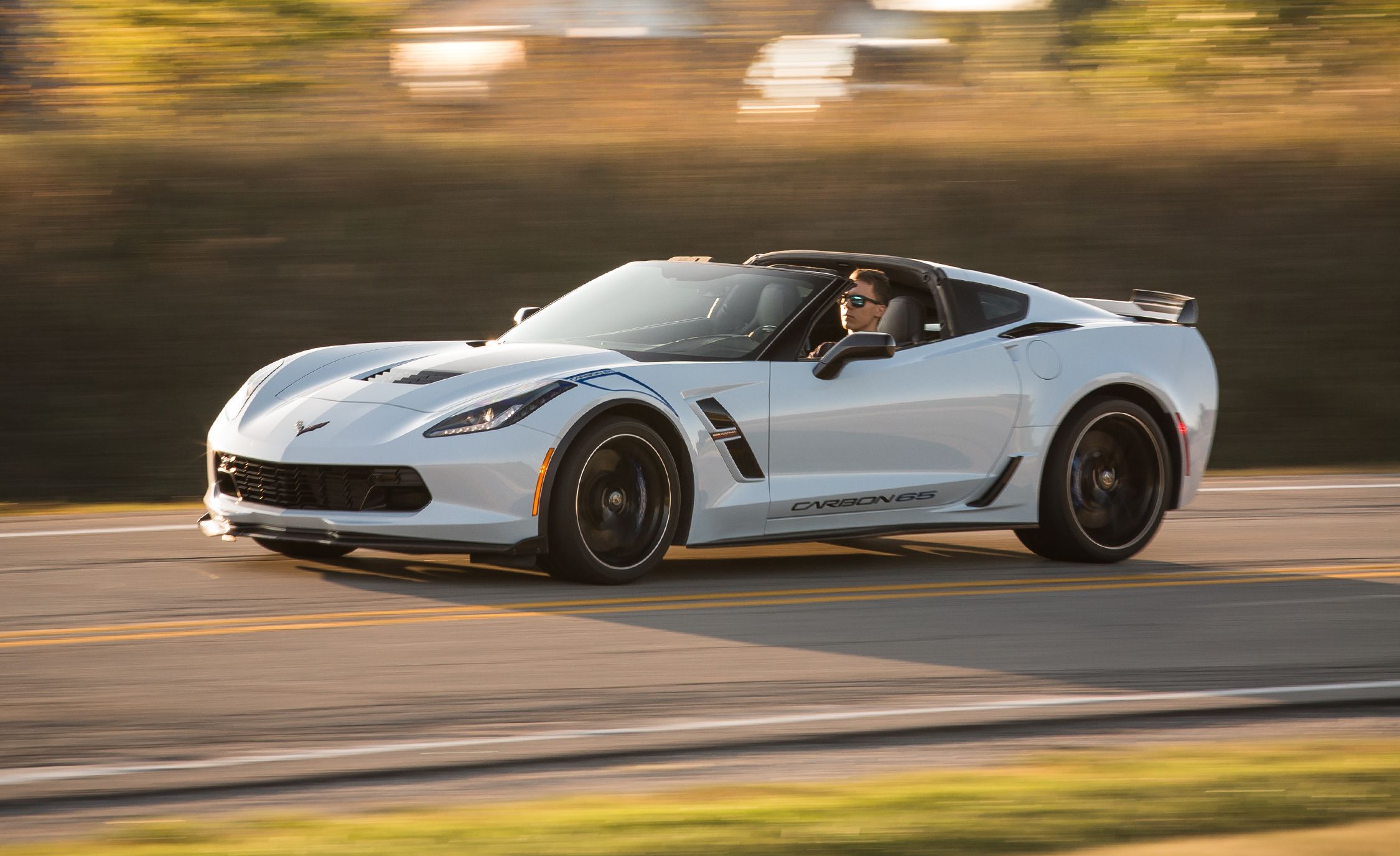
This is where the myth fully breaks down. Starting with the C7, Chevrolet stopped merely closing the gap and began setting benchmarks. For instance, Magnetic Ride Control allowed the car to be compliant on the street and extremely effective on a track. Many drivers agreed that the steering felt improved, and body control also felt tighter. For the first time, the Corvette felt cohesive in a way that didn’t require excuses.
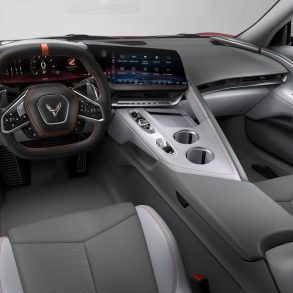
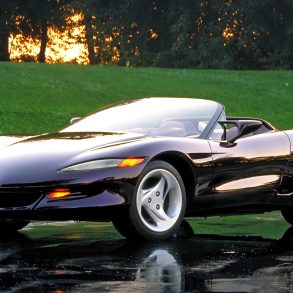
The C8 took that transformation to a whole new level. GM engineers had flirted with the idea of placing the engine behind the driver for decades, developing multiple mid-engine concepts along the way. With the C8, that long-running experiment finally became reality. And this was a handling decision. Right off the bat, it improved weight distribution dramatically, turn-in became sharper, and the car’s behavior at the limit became more predictable. The mid-engine layout did what decades of incremental tuning could not fully achieve.
On track, modern Corvettes now trade blows with cars that cost two or three times as much. Their lap times reflect deliberate chassis tuning and sustained development, not one-off results. These newer Vettes are engineered with circuit performance in mind, making claims that a C8 “can’t corner” increasingly disconnected from reality.
The Reality in Between: Handling Is More Than a Spec Sheet

That said, like any other performance car, the Corvette is not immune to physics or driver input. These are powerful machines, and with wide tires and stiff chassis setups, they demand respect. A base Corvette driven casually will feel very different from a Z06 or E-Ray pushed near its limits.
Context matters. Many owners never explore the full handling envelope of their cars, which means impressions are often based on short test drives or surface-level experiences. Add in social media clips that emphasize launches and acceleration, and the handling story gets buried again.
There’s also the simple truth that Corvettes are still American in character. They deliver performance in an accessible, confidence-building way rather than through nervous precision. To some drivers, that feels less “exotic,” even when the results are just as effective.
Why the Myth Still Persists
Stereotypes are hard to kill, especially when they are rooted in history. The Corvette spent decades building its reputation as a power-first machine, and those early impressions left a deep mark. Horsepower numbers still dominate headlines. Drag racing culture remains part of the brand’s identity. And many critics are still judging the car based on generations they remember, not the ones being built today. It doesn’t help that the Corvette’s success challenges long-held assumptions about what a world-class sports car is supposed to look like or where it is supposed to come from.
Verdict
The idea that a Corvette is only good in a straight line once had some truth behind it. Early generations prioritized power, and handling was often a secondary concern. But that reality has not applied for a long time.
Modern Corvettes are balanced, capable, and genuinely impressive in corners. They didn’t abandon their muscle-car roots but instead refined them into something far more complete. The myth lingers because reputations age slower than cars do. The Corvette has already moved on. The question is whether its critics have.