TFLclassics takes a detailed look at why the fourth-generation Chevrolet Corvette C4 has evolved from an overlooked performance car into one of the most compelling value propositions in the modern enthusiast market.
Often criticized as the least desirable Corvette generation, the C4 is reexamined here through the lens of engineering innovation, driver engagement, durability, and affordability—qualities that continue to attract enthusiasts seeking an authentic analog sports car experience without the premium pricing attached to newer models.
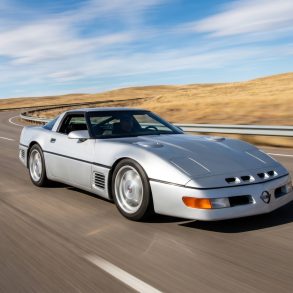
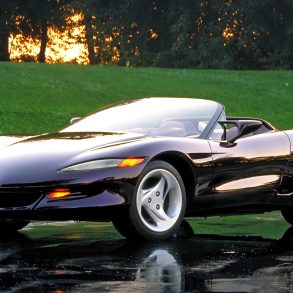
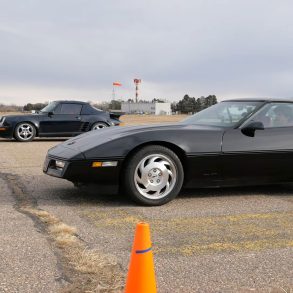
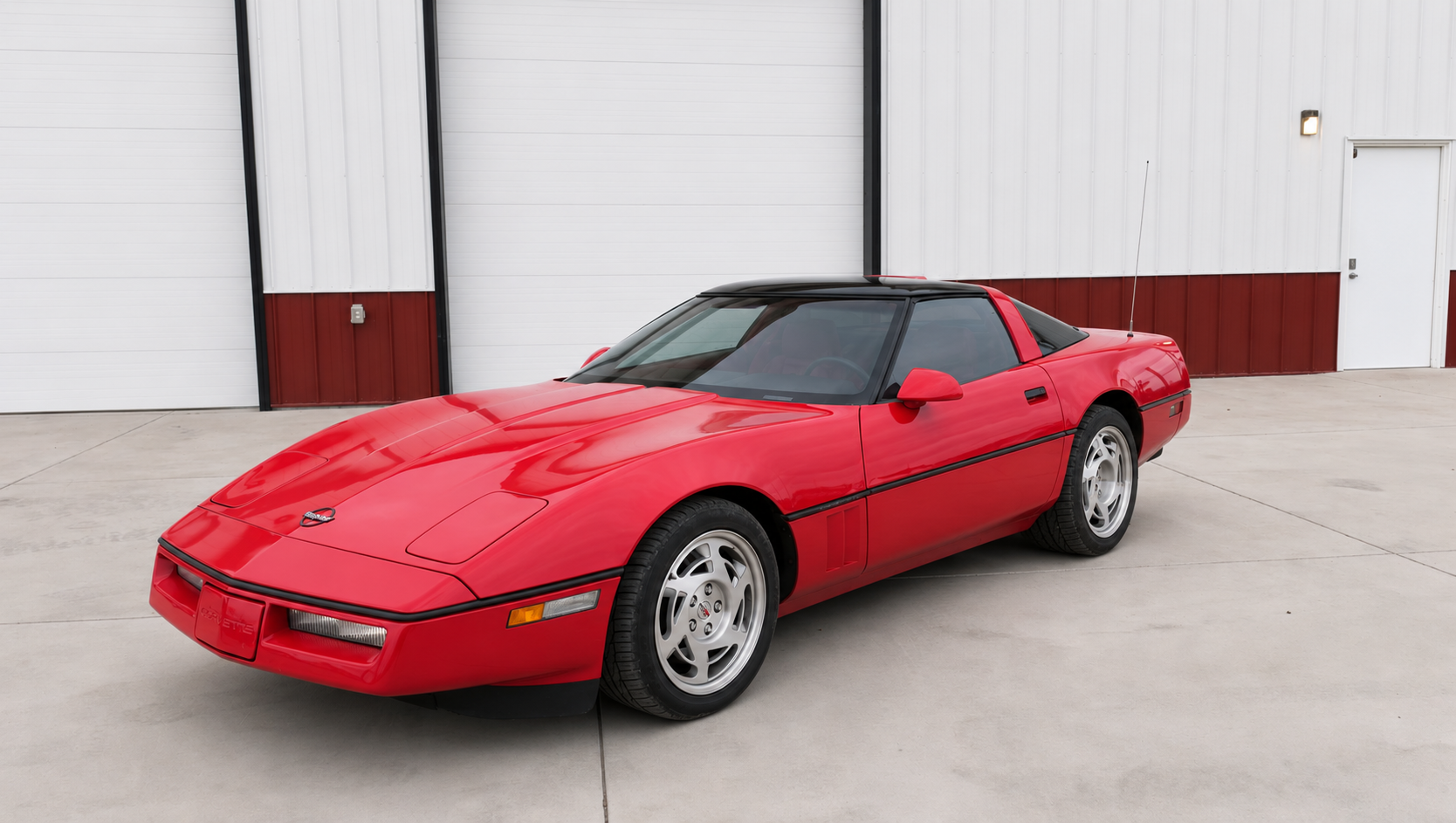
Unlike many contemporary performance cars, the C4 delivers a distinctly exotic character through its low-slung two-seat layout, long hood proportions, V8 powertrain, wide tire setup, and available manual transmission configurations.
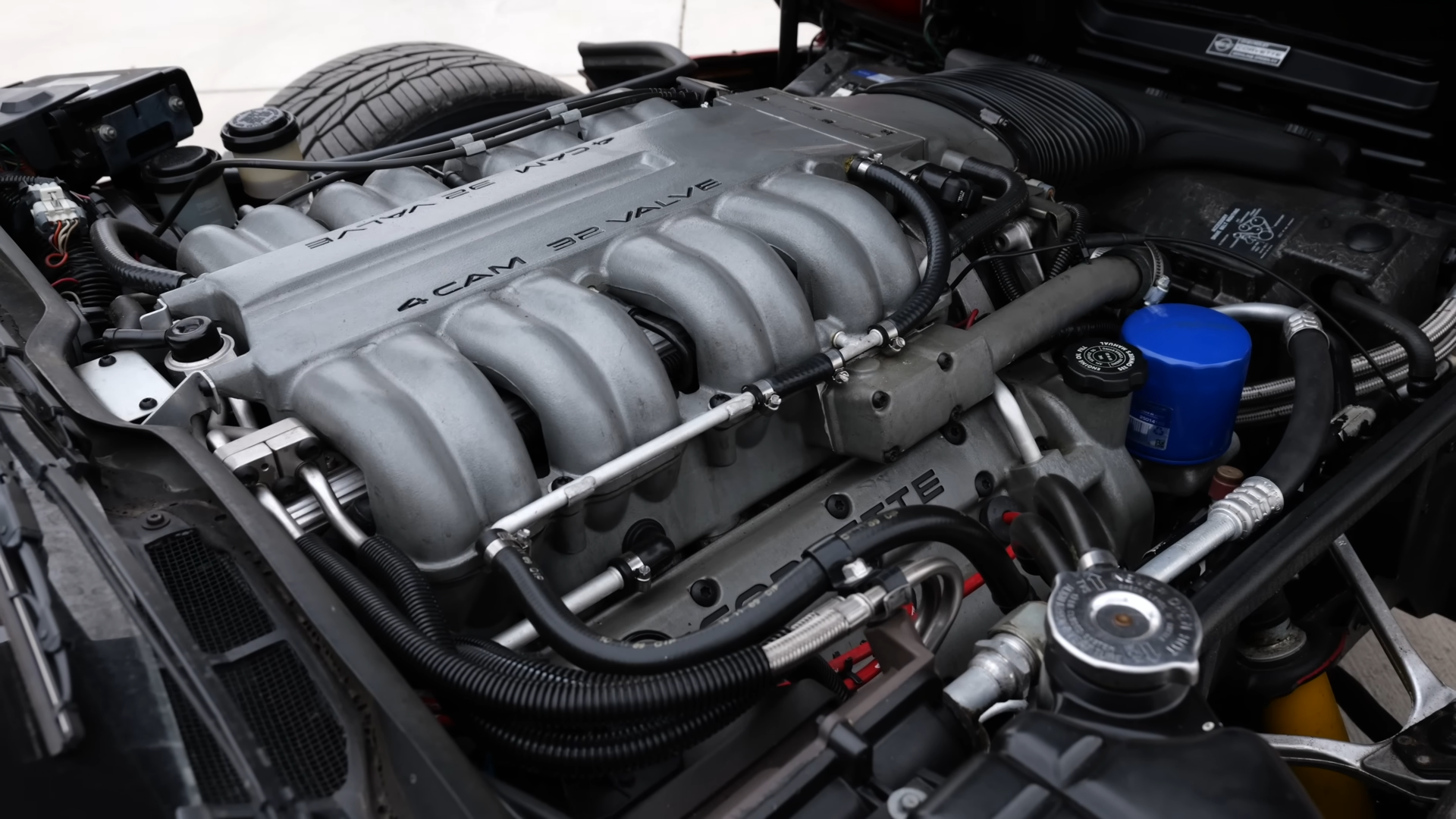
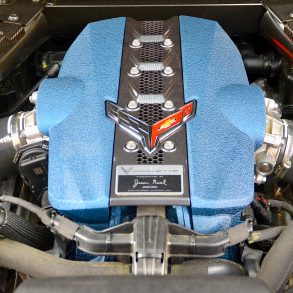
Higher-performance variants such as the Chevrolet Corvette ZR-1 elevated the platform further with the Lotus-designed LT5 dual overhead-cam V8, producing up to 405 horsepower while maintaining impressive long-term durability. Even standard small-block-powered models earned a reputation for mechanical toughness and relatively inexpensive maintenance.
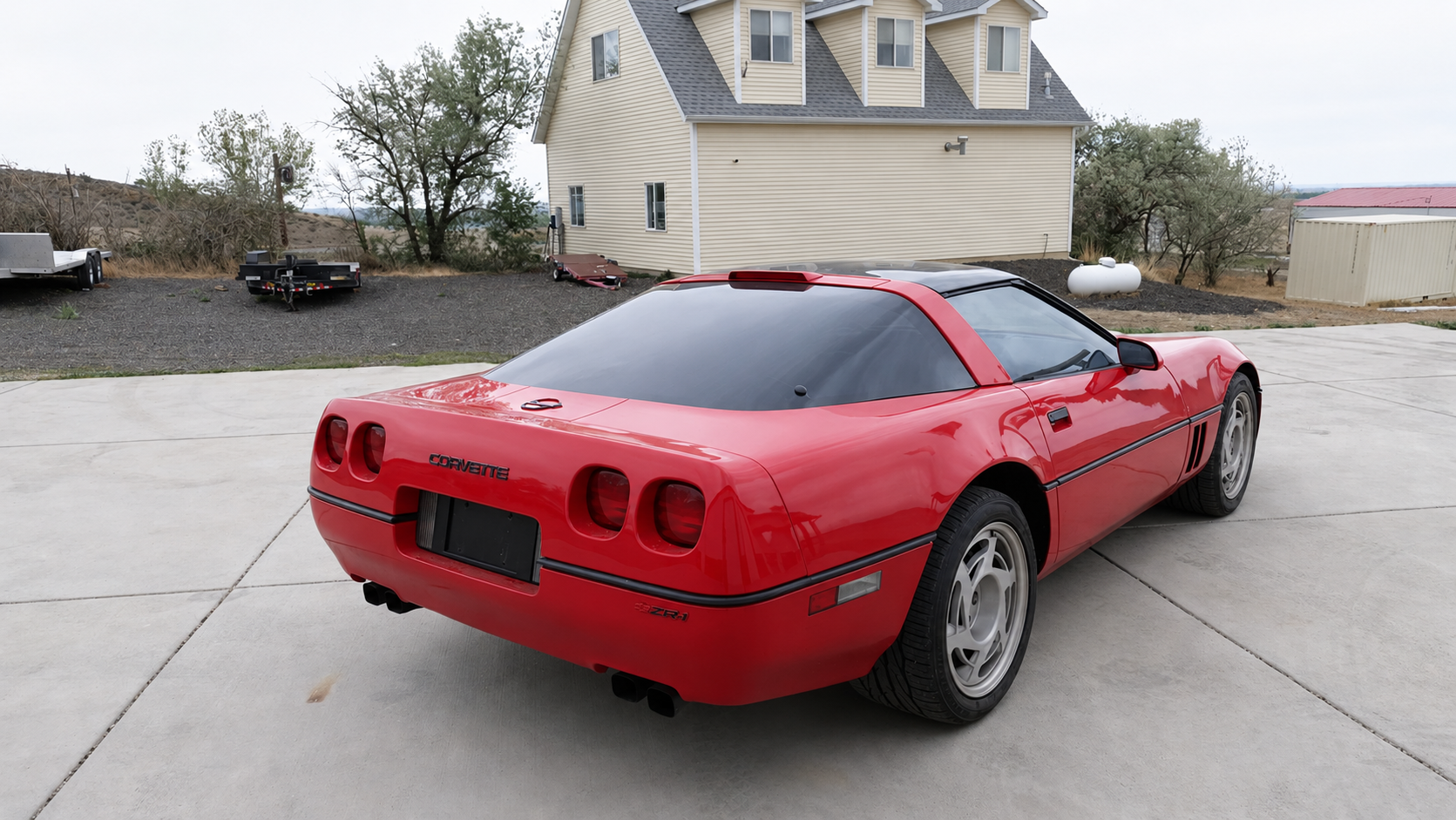
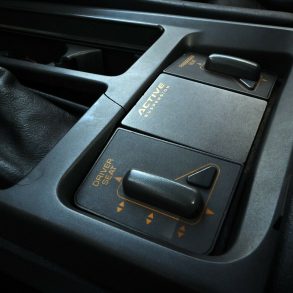
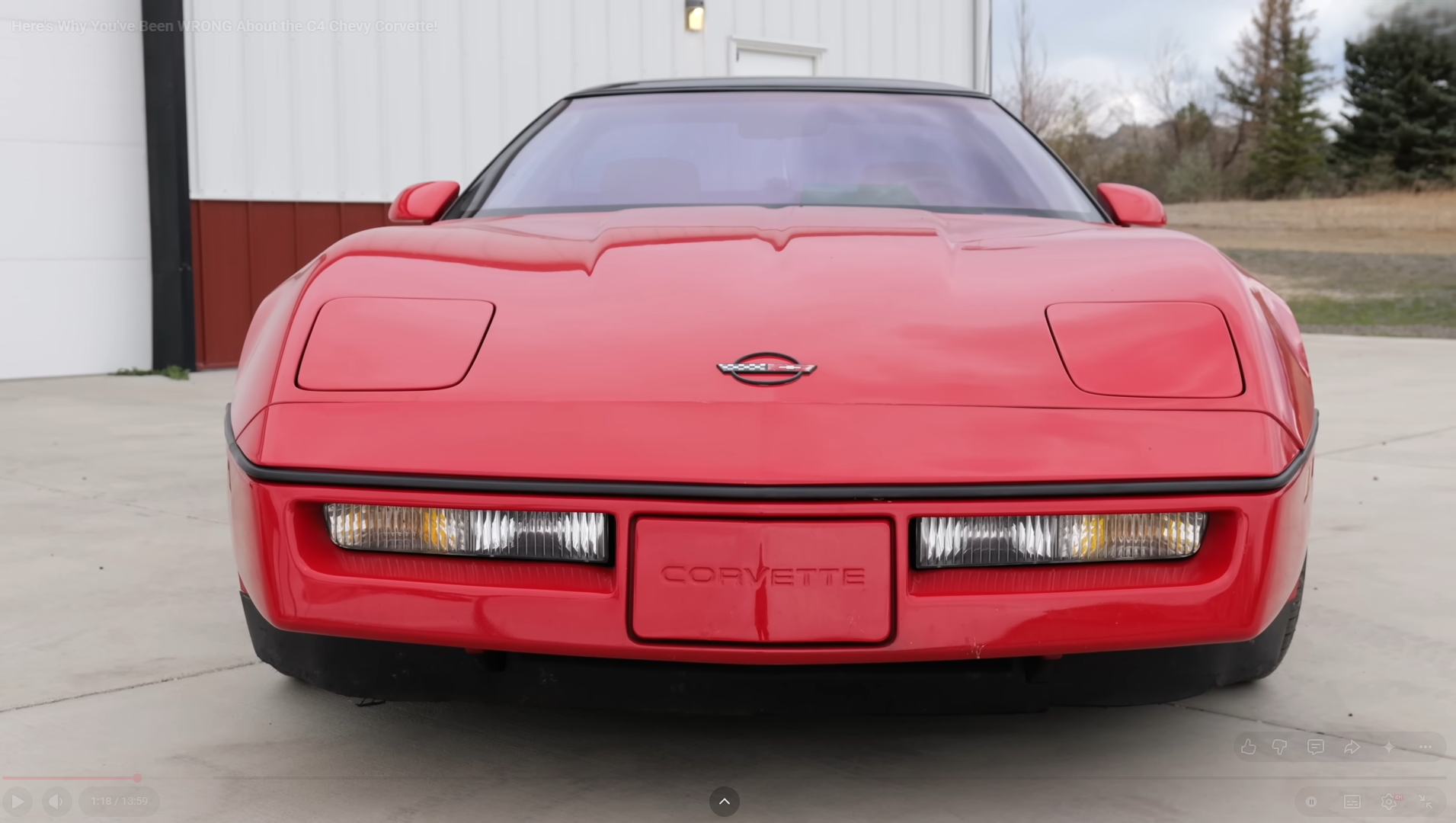
The analysis also emphasizes the C4’s technological leap over earlier Corvettes, citing improved chassis dynamics, sharper steering response, superior braking capability, and significantly enhanced track potential. Retro-inspired styling cues—including pop-up headlights, digital instrumentation, and fighter-jet-inspired cockpit design—add character largely absent from later generations.
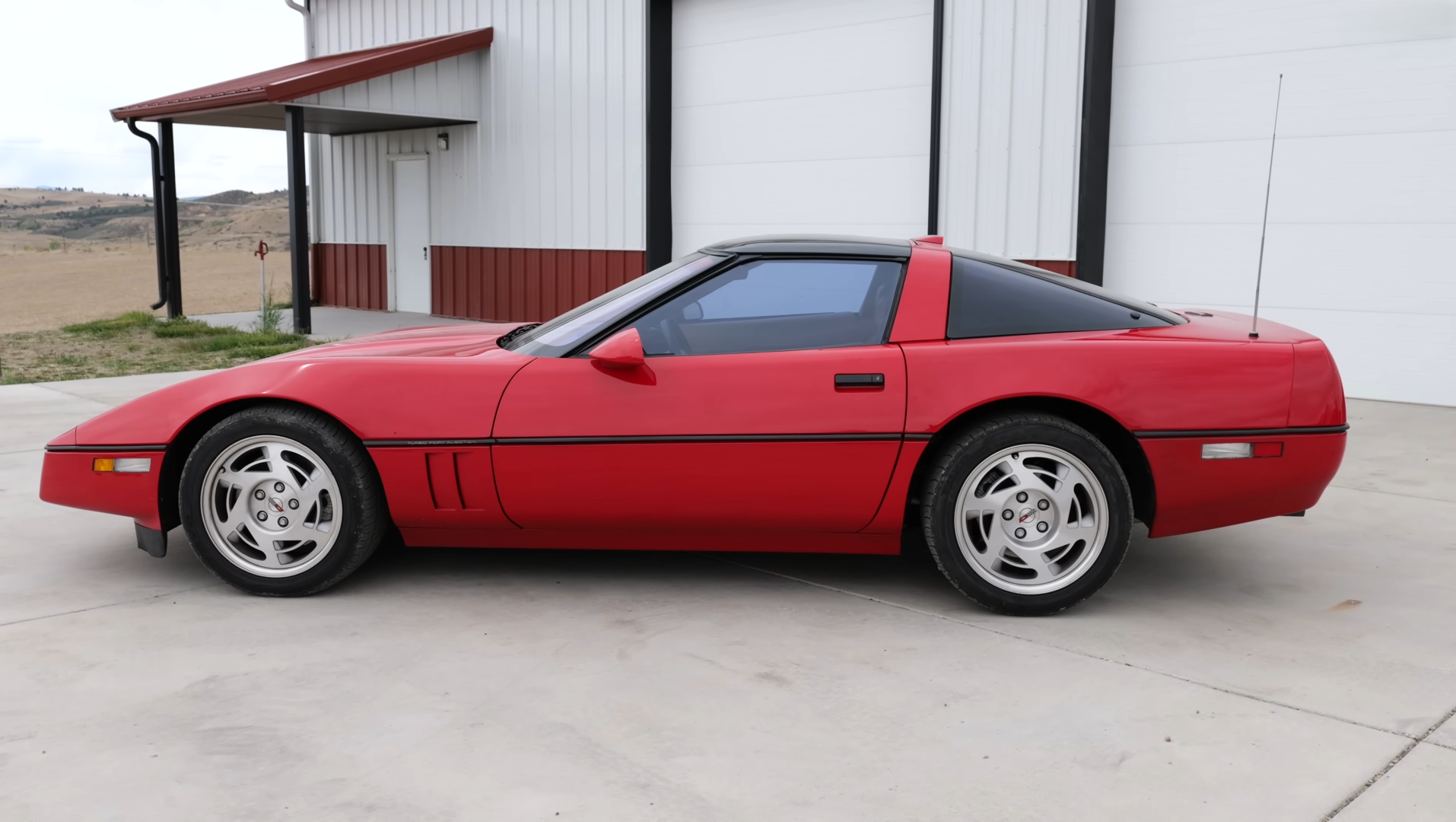
Most importantly, the C4 remains one of the most affordable entries into Corvette ownership. Well-kept examples can still be acquired for remarkably low prices, while special editions such as the ZR-1 and Grand Sport continue to offer substantial performance-per-dollar value.
Although aging interiors, weather sealing concerns, and certain drivetrain issues require attention, a properly maintained C4 represents a highly engaging and surprisingly capable American sports car that balances nostalgia, usability, and performance in a uniquely accessible package.
Source: TFLclassics