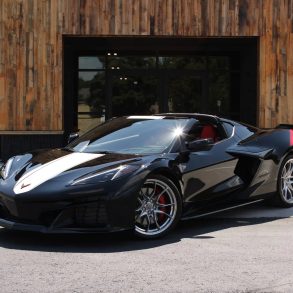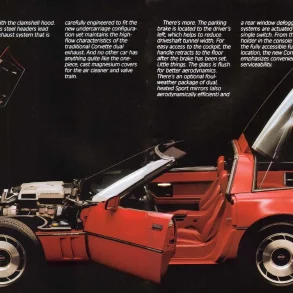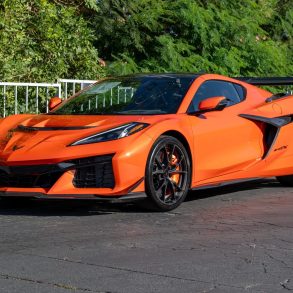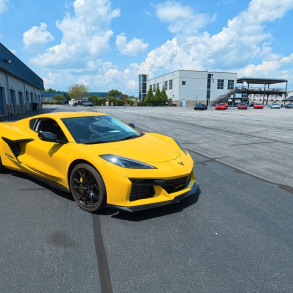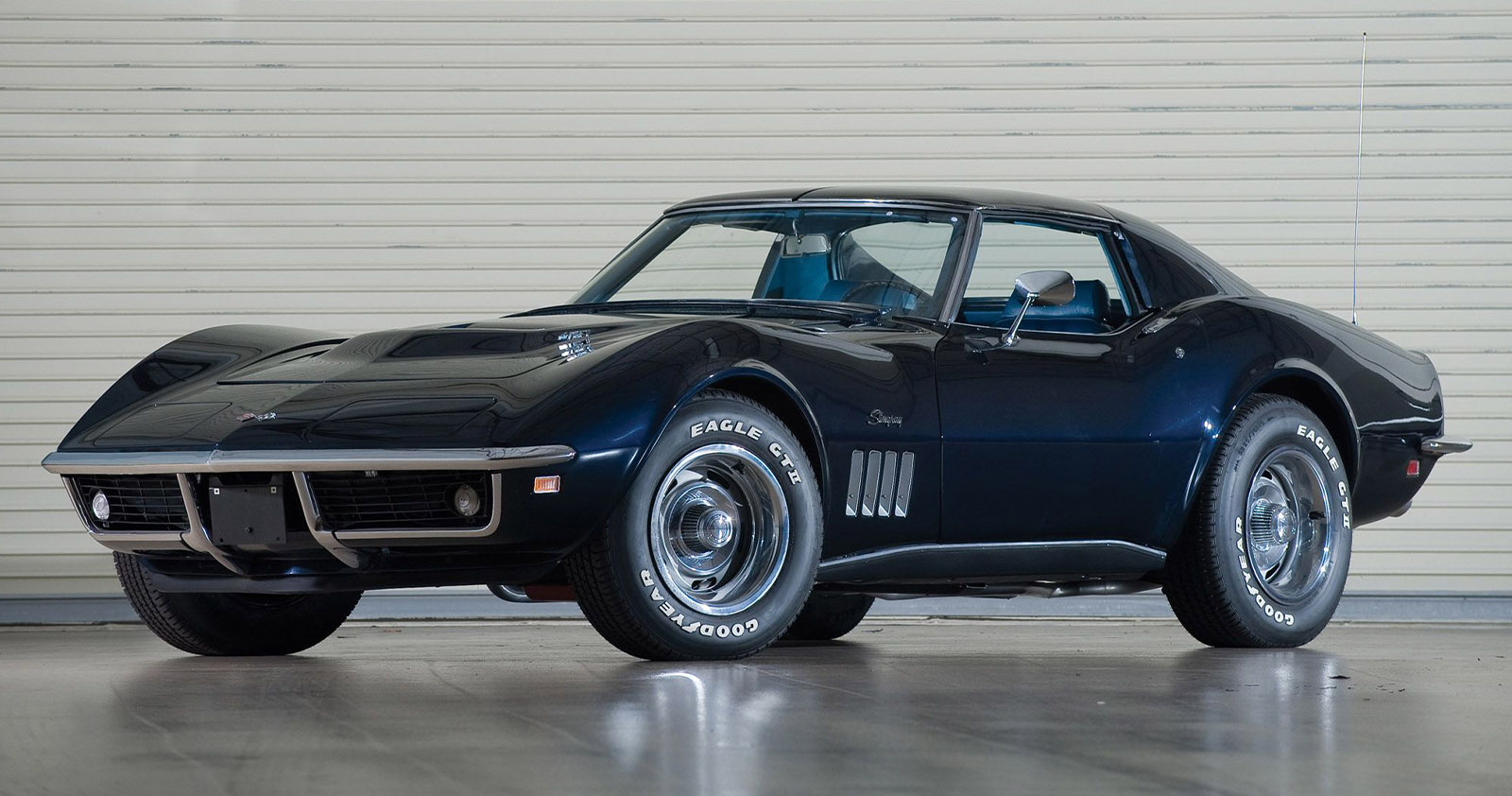
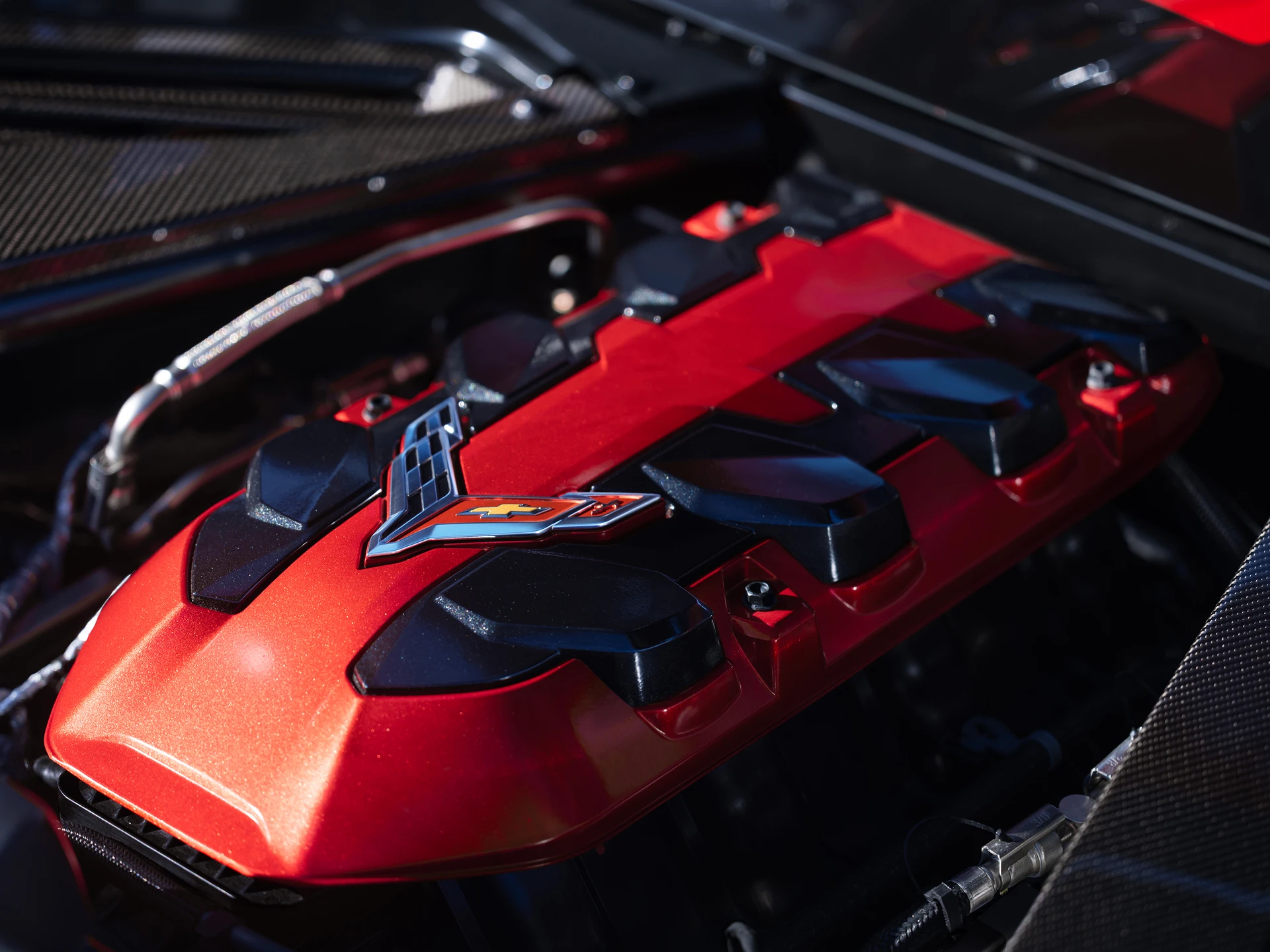
A few days ago, Chevrolet debuted the 6th generation of its acclaimed small block V8 as a 6.7-liter “LS6” engine powering the 2027 Corvette Stingray, Grand Sport, and Grand Sport X. The new iteration of Chevy’s small-block engine is the most powerful base engine ever offered in a Corvette, with the highest torque of any naturally aspirated production V8 ever.
To put this in perspective, with 520 lb-ft of torque on tap, the LS6 slots ahead of every naturally aspirated V8 GM has ever made, including the 7.0L LS7, which produces 481 lb-ft, the LT2 with its 470 lb-ft, and even the heavy-duty 6.6L L8T with 464 lb-ft. But what does this new LS6 engine mean for the Corvette? How does Chevrolet plan to carry it over into the C9 generation of the Vette, and is this a reaffirmation that V8s are not going anywhere?
A Name With Some History Behind It
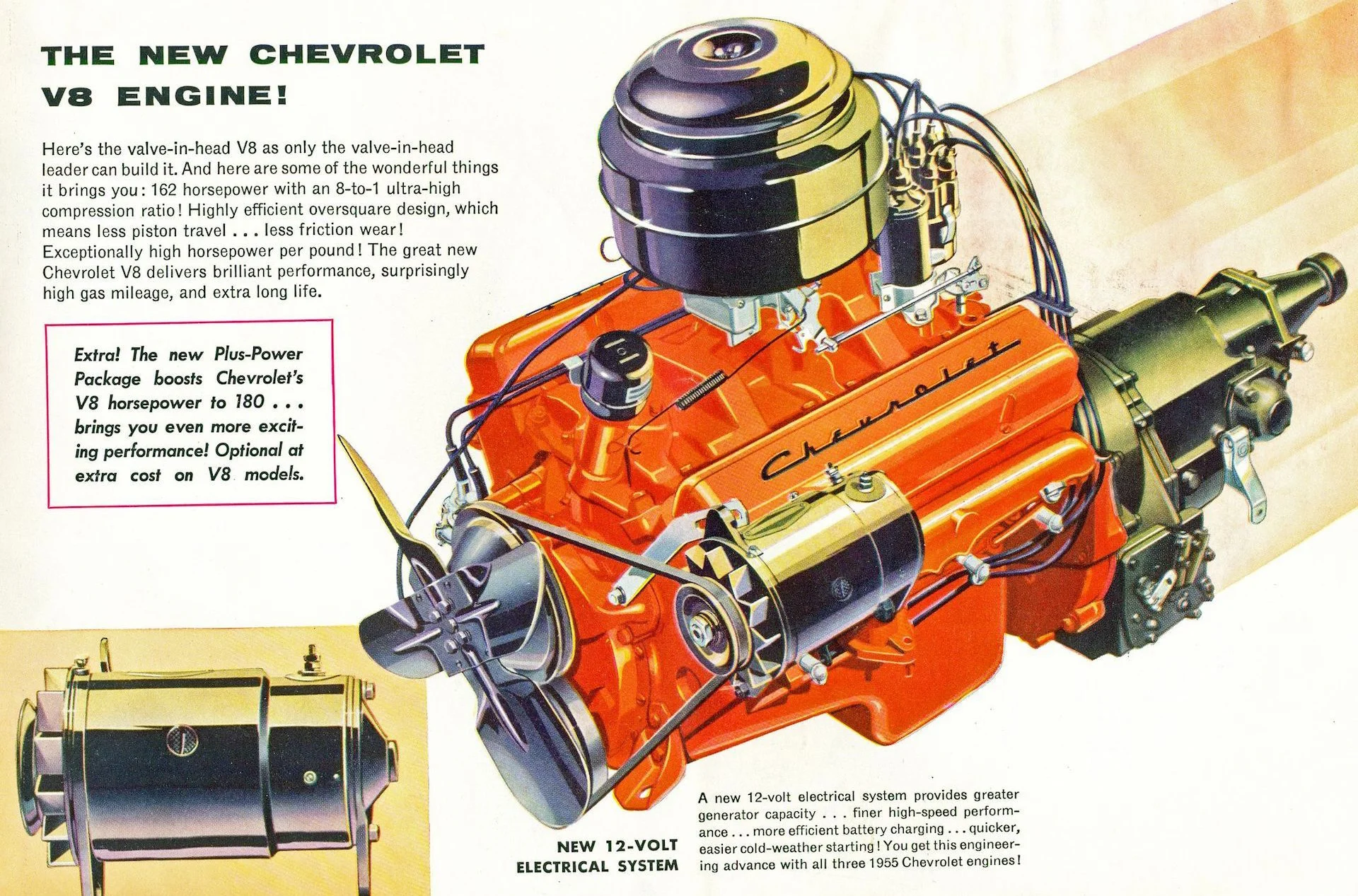
More than 100 million small block V8s have been built since the original 265-cubic-inch unit rolled out of Flint, Michigan on July 9, 1954. Six generations in 72 years. By any measure, it’s one of the most significant engine families in automotive history, and the latest chapter just happened to break a record nobody else was chasing.
“LS6” isn’t a new name. It first belonged to a 454-cubic-inch big block in the early 1970s, then resurfaced on the 5.7-liter V8 that powered the C5 Z06 and the original Cadillac CTS-V. Dusting it off for the sixth-generation small block is a deliberate callback, both to the generational milestone and to a short list of GM engines that genuinely earned their reputation. One more thing: 6.7 liters converts to almost exactly 409 cubic inches. Same number as the big block Chevy was advertising in 1962. Whether that’s coincidence or not, nobody at GM is denying it. Assembly returns to Flint, where the whole story started.
The Engineering Is More Interesting Than the Displacement Bump Suggests
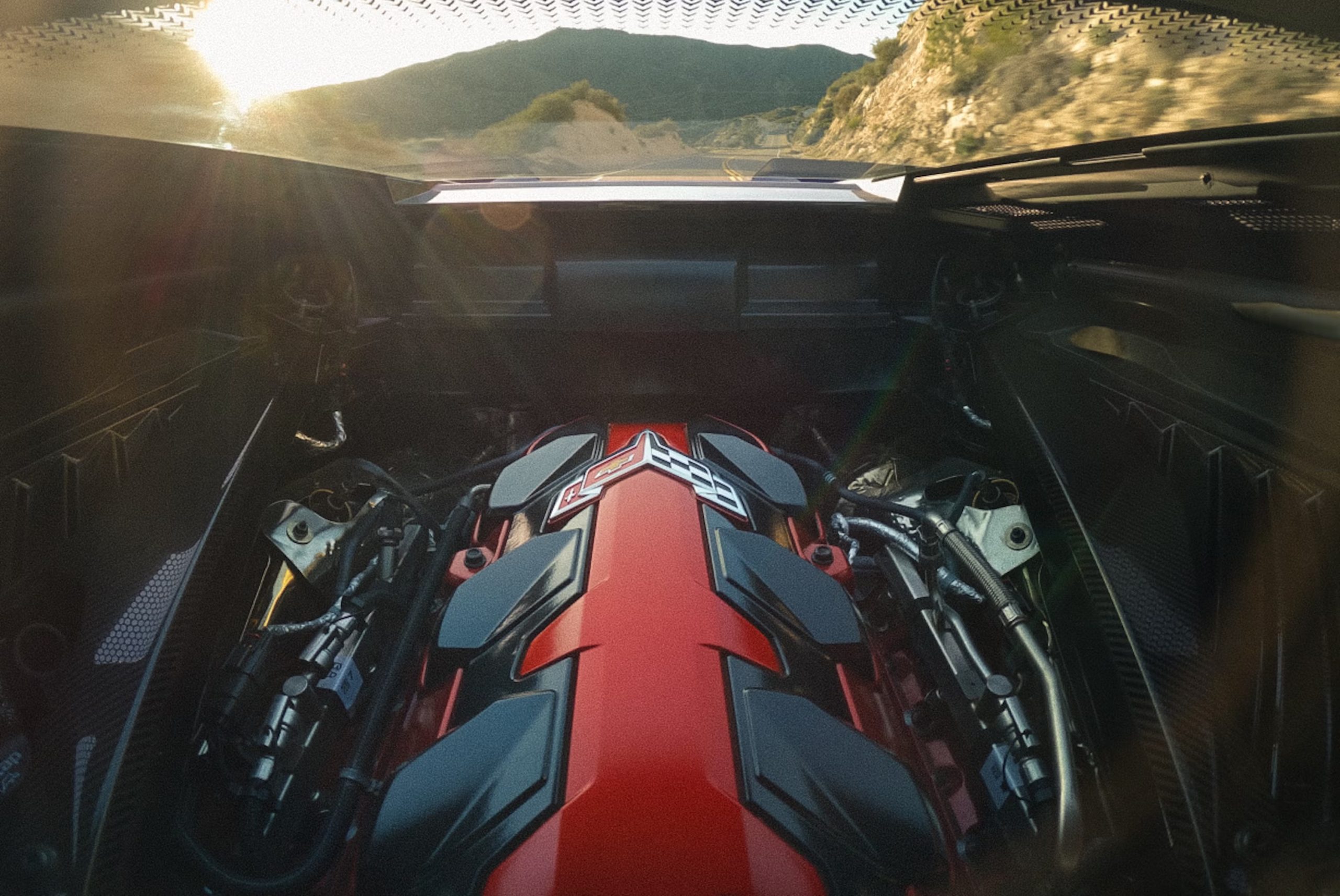
The jump from 6.2 to 6.7 liters came from extending the stroke, 92mm to 100mm, while leaving the 103.25mm bore alone. Bore spacing stays at 4.4 inches, same as it’s been since 1954. On paper, it looks like a straightforward exercise in cubic inches.
It wasn’t. The team’s original target was 6.6 liters. Digital simulation tools showed that adding just two more millimeters of stroke produced meaningfully better performance with no penalties elsewhere. “In the past, we might not have explored that,” said Mike Kociba, assistant chief engineer for the small block. Bigger displacement, better output, no regression on fuel economy or emissions. That’s not the usual deal.
Specs Comparison Chart
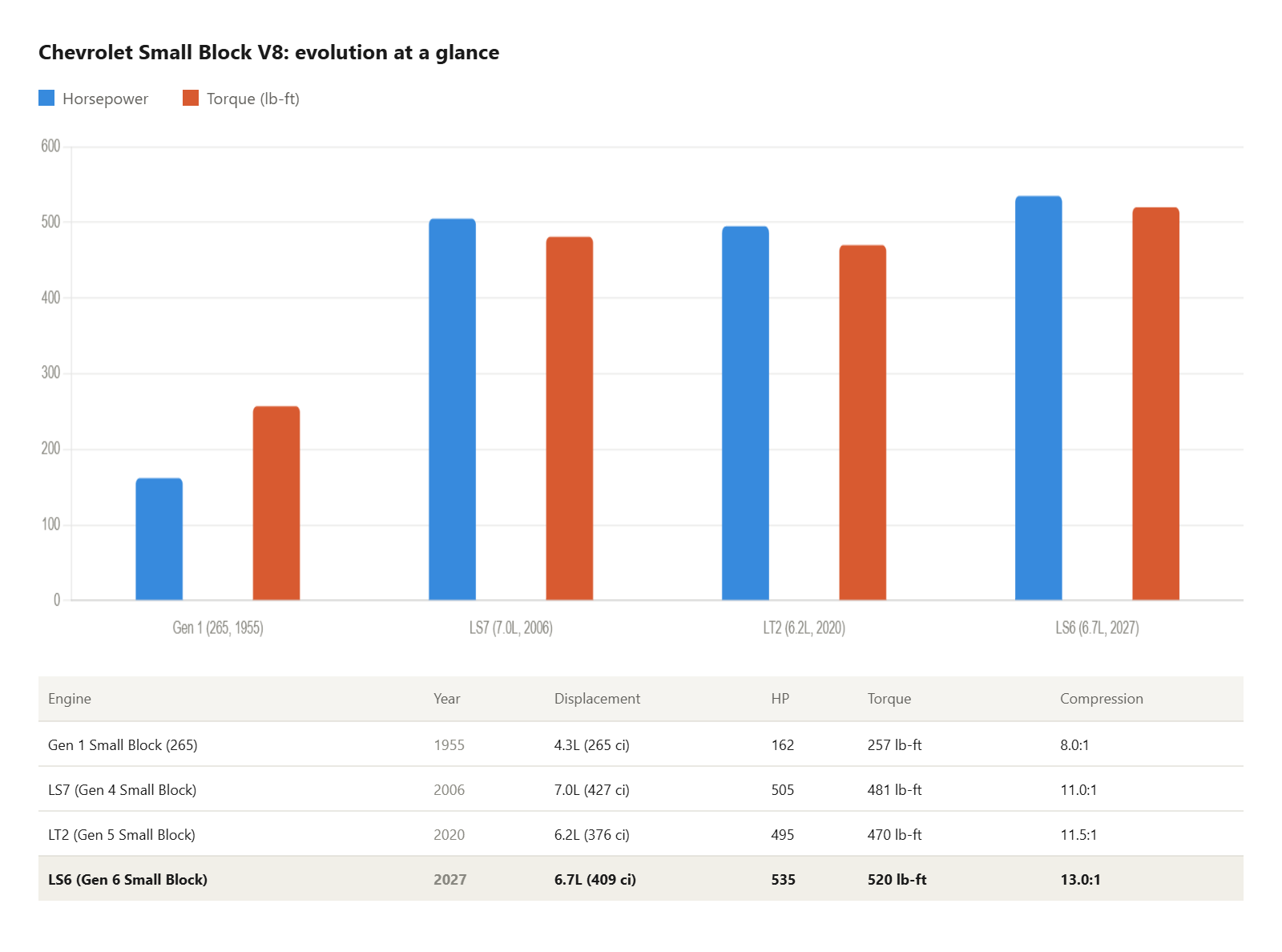
The compression ratio is 13.0:1, the highest ever in a Corvette. The L88 race engine of 1967-69 ran 12.5:1, and it needed leaded fuel to do it. The LS6 clears that number on pump gas, which required engine management sophisticated enough to prevent detonation at compression levels that would have destroyed an earlier engine. Higher compression also means better thermal efficiency: more of the fuel’s energy goes into moving the car, less of it becomes waste heat.
Forged pistons and connecting rods, port-and-direct injection, a 95mm throttle body, revised intake ports and a new oiling system built for track conditions round out the package. The center-exit exhaust is standard on the Grand Sport and Grand Sport X, available on the Stingray. Kociba called the sound “sublime.” That’s not standard engineer-speak.
Where This Likely Leaves the C9
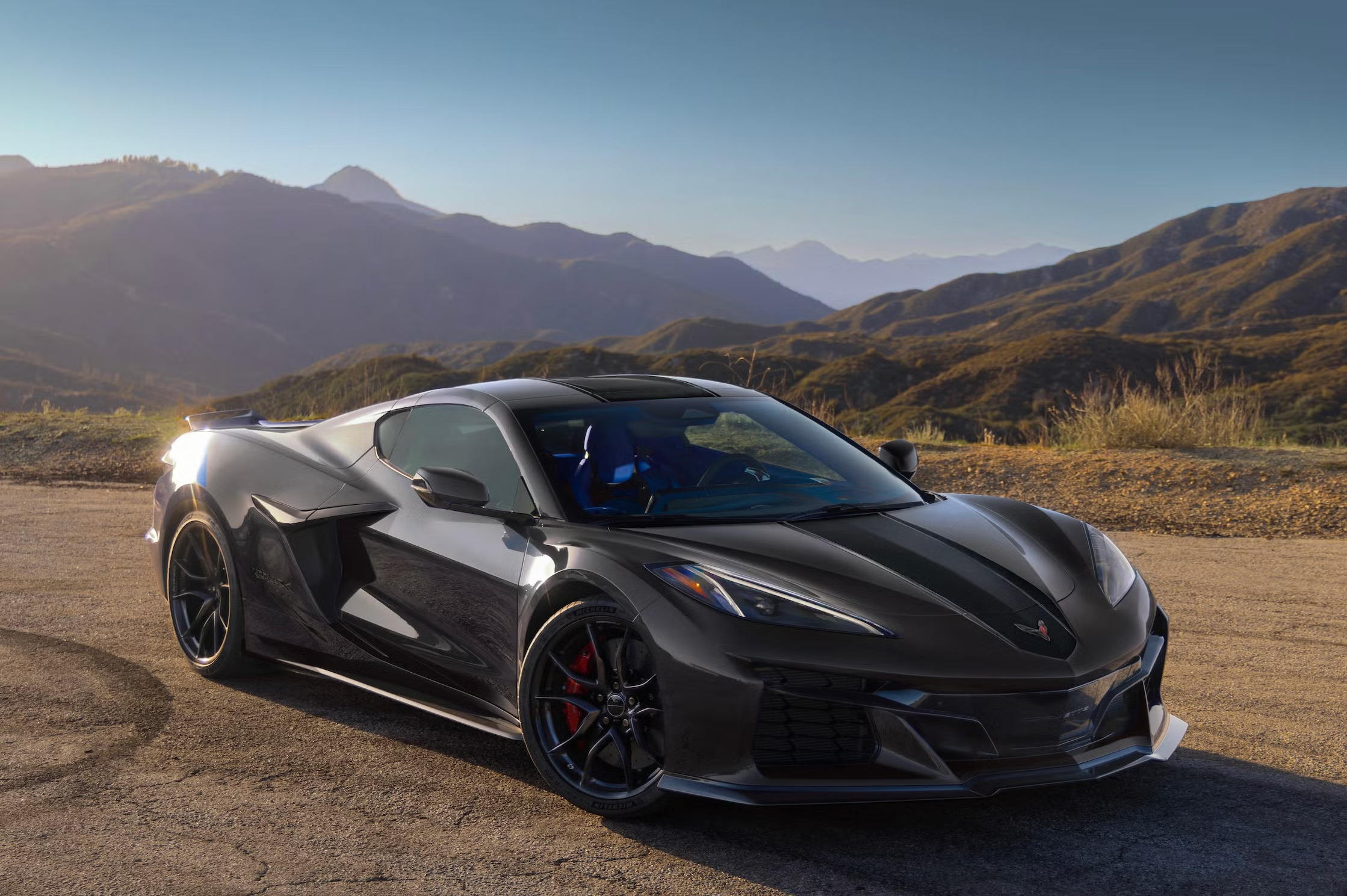
It’s worth being clear: nothing about the C9 Corvette has been officially confirmed. What follows is reasonable inference, not announcement. xThat said, if GM carries the LS6 into the next generation as its base engine, the starting point for the Corvette moves significantly. The C8 Stingray’s LT2 produced 495 horsepower and felt like plenty. The LS6 adds 40 horsepower and 50 lb-ft on top of that, before any performance variants enter the picture. A Z06-spec or ZR1-spec derivative of this architecture, with a flat-plane crank or forced induction layered on top of an already-stronger foundation, could push well past anything the current generation offers.
The efficiency story also has longer-term implications. An engine that makes more power while producing fewer emissions and burning fuel more completely is an engine that survives tightening regulations. GM didn’t build the LS6 for one model year.
More than anything, the decision to pursue a larger, cleaner, naturally aspirated V8 rather than a smaller turbocharged one reads as a statement. Most manufacturers chasing these output numbers would have bolted on a turbocharger. Chevrolet went the other direction. After 72 years and 100 million engines, the small block still has something to prove, and apparently, it just did.