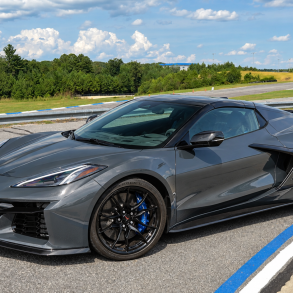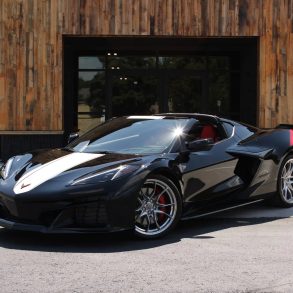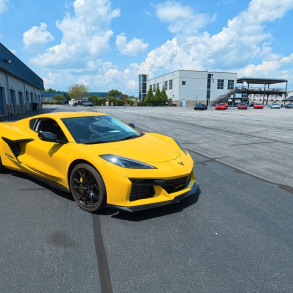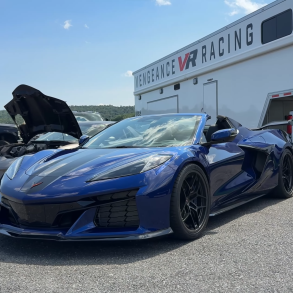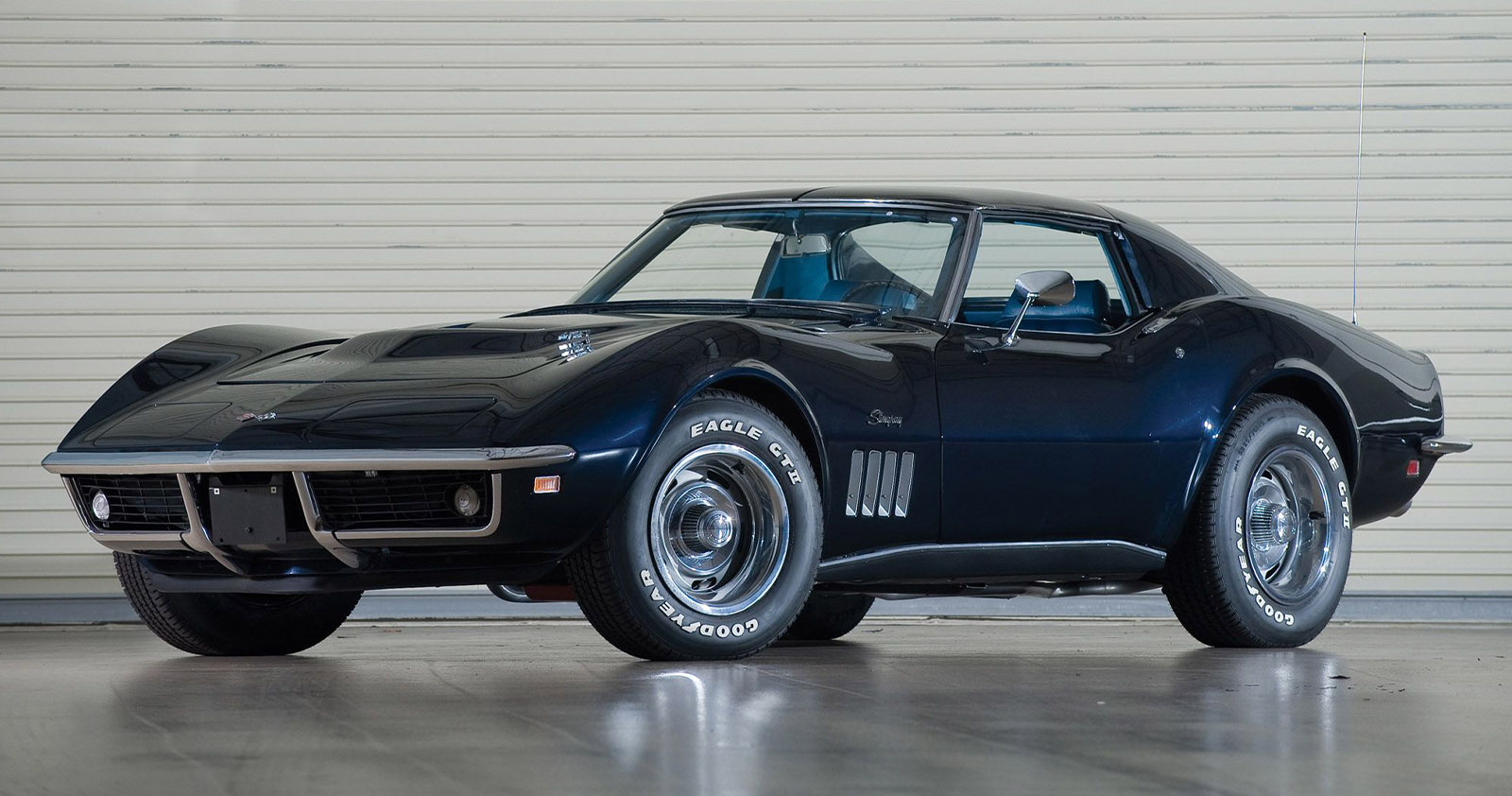
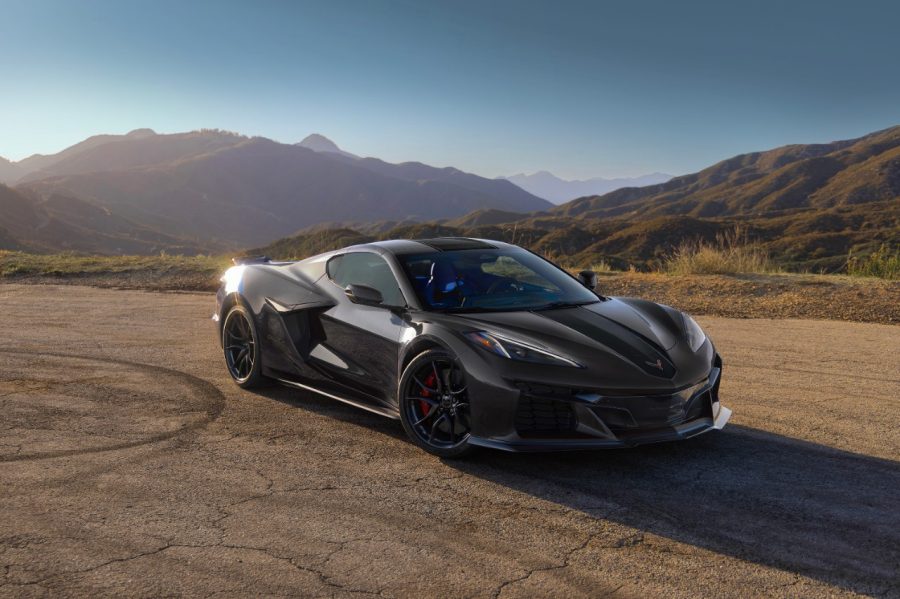
There’s a shift happening across the automotive landscape—and it’s happening fast. Electrification is no longer a future conversation; it’s the present. Software is beginning to define performance as much as hardware. And increasingly, the cars we drive are becoming quieter, more refined, and, in some ways, more distant from the act of driving itself.
And yet, right in the middle of all of it, the Chevrolet Corvette continues to do something remarkably simple—and increasingly rare. It still calls to the driver in all of us and provides a platform to experience that hasn’t changed appreciably in decades.
It’s true that the Corvette, like all modern automobiles, has not gone untouched by progress. But it remains grounded in something that matters.
The Mid-Engine Corvette Wasn’t a Departure—It Was an Evolution
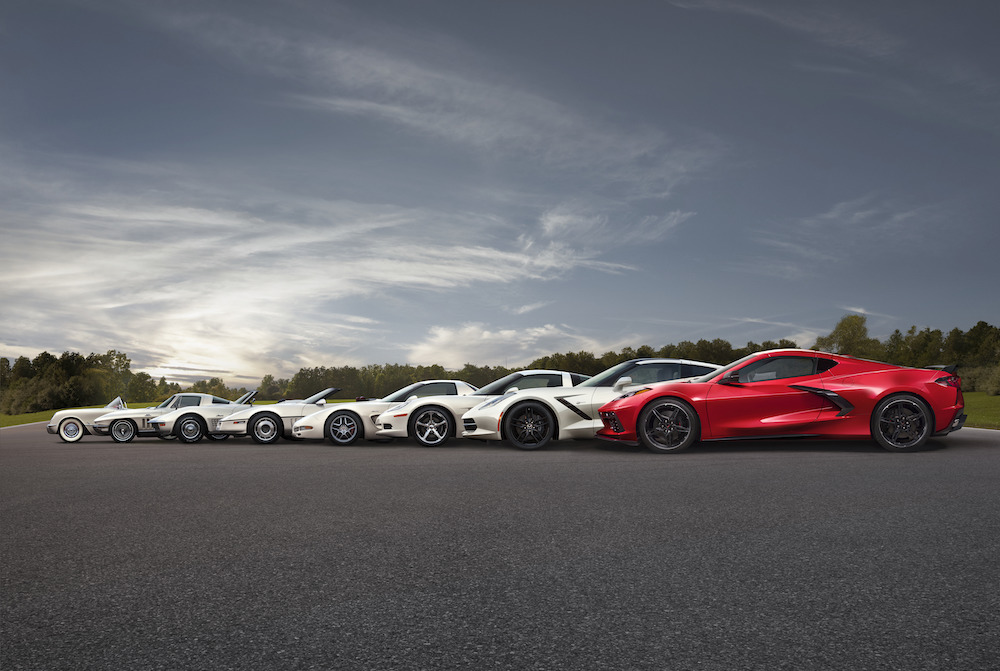
When the C8 Corvette arrived, it was easy to frame it as a radical departure from everything that had come before it. For the first time in its history, America’s sports car had followed its European counterparts and moved its engine behind the driver. The proportions changed. The stance changed. The expectations changed.
But it’s primary mission didn’t.
The Corvette has always been about delivering performance that punches above its weight…and its price point. That hasn’t changed—it’s just been refined. The mid-engine layout didn’t transform the Corvette into something else; it allowed it to finally compete on the same architectural playing field as the world’s best performance cars.
And yet, Chevrolet resisted the temptation to overcorrect. The Corvette didn’t become exclusive. It didn’t chase rarity for the sake of prestige. Instead, it doubled down on something that has defined it from the beginning: accessibility.
You can still walk into a showroom and buy a car that performs at a level once reserved for high six-figure exotics. Yet, while there are variants that enter the $100k+ price range, you can still purchase an incredibly well-equipped Stingray coupe or convertible for seventy to eighty thousand dollars. That is significant given what you get for that money. And it’s a thread that continues to hold true consistently through the Corvette’s evolution, even as everything around it evolves.
The Sound Still Matters—and So Does the Feeling
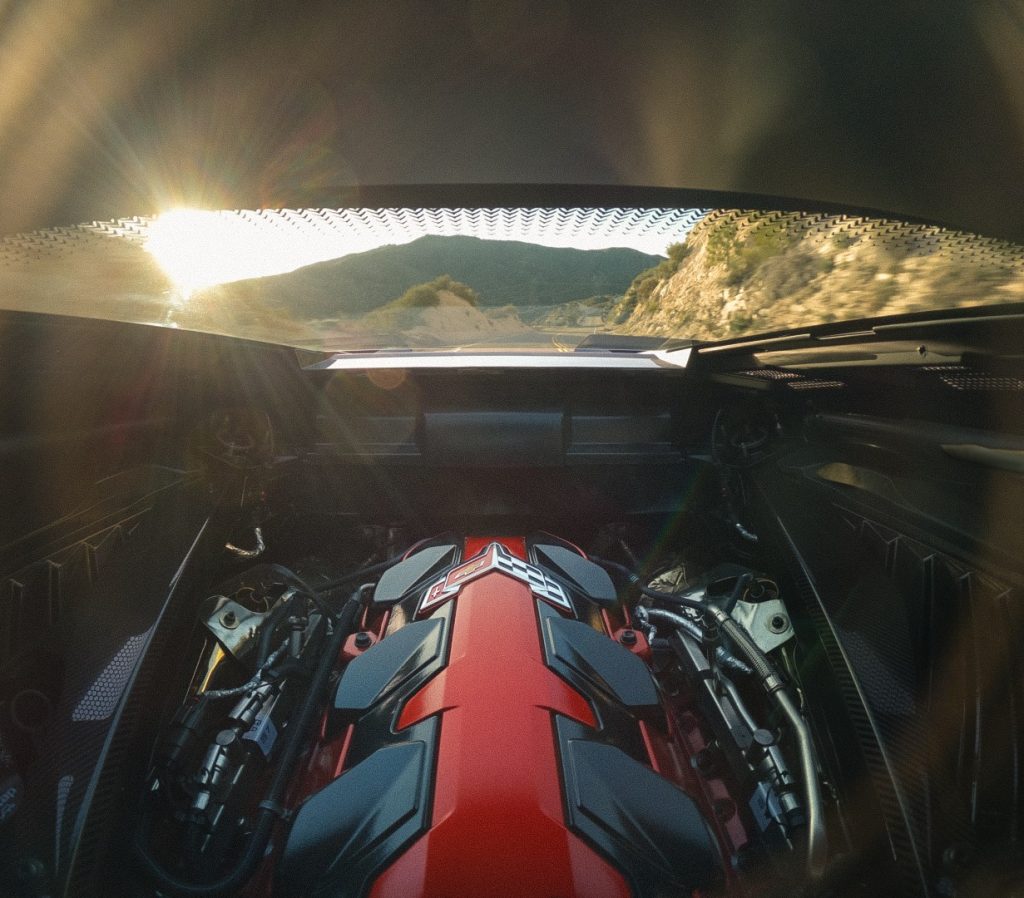
If you spend any real time around the current Corvette lineup—especially the Corvette Z06—you begin to understand something quickly: this car wasn’t built just to post crazy low quarter time and/or top-speed numbers at a dragstrip or on a racetrack.
It was built to be experienced in its entirety.
The Z06’s flat-plane crank V8 is one of the most significant engines Chevrolet has ever produced. Not just because of its output, but because of how it delivers it. It revs freely. It builds intensity. It sounds like it belongs on a grid at Le Mans rather than in a suburban driveway.
And in a world that’s increasingly defined by silent acceleration and instantaneous torque, that kind of experience separates the Corvette from much of the crowd and calls back to a time when an exhaust note was equated to horsepower. It served as an immediate differentiator amongst car enthusiasts, signaling that something powerful was hidden beneath the hood.
But the sound of a loud exhaust system and the performance it once represented no longer serve as the differentiator they once were. Nearly everything is fast now. Instead, what separates great cars from forgettable ones is how they make you feel behind the wheel, as well as how their profile, their shape, their form excite those who witness it on the road, on the race track, or at a car show.
The team behind the Corvette understands this. They always have.
A New Generation Is Rewriting the Corvette Narrative
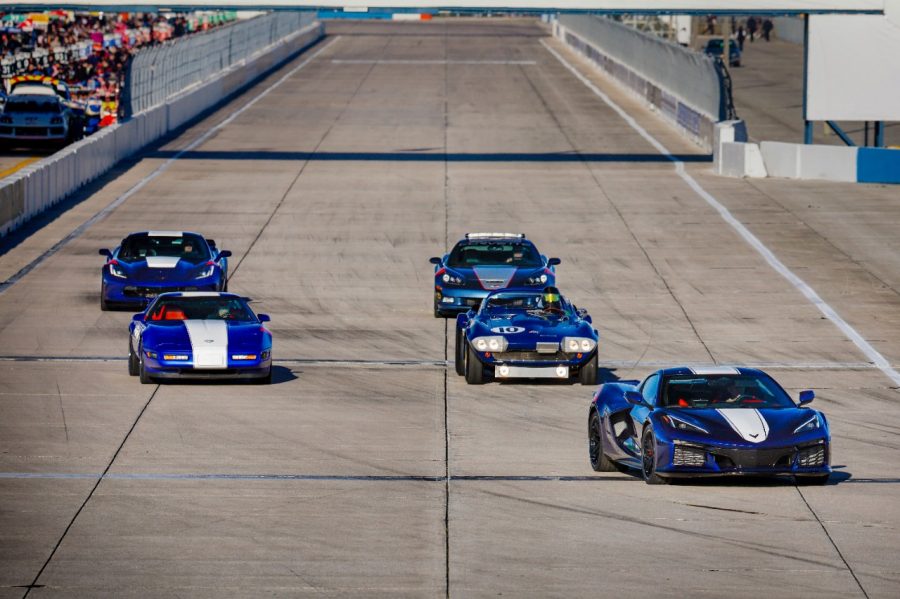
For decades, the Corvette carried a certain reputation. It was respected, certainly. But it was also predictable. Familiar. In some circles, even a little stagnant. As the Corvette aged, so did the enthusiasts who embraced its uniquely American architecture and style… and over time, it gained a reputation as a “midlife crisis” car aimed primarily at men over 60.
That’s no longer the case.
Today, the Corvette is being rediscovered—and in many ways, redefined—by a new generation of enthusiasts. Social media has played a role, but the shift runs deeper than that. The Corvette is no longer just a weekend cruiser or a collector’s piece. It’s becoming part of a broader conversation among the automotive enthusiast elite.
You see it in how these cars are being used. They are being driven harder. They are being customized more aggressively. It is being discovered, shared, and reinterpreted by an entirely new generation of enthusiasts who no longer see it as an “old man’s car,” but rather as a sports car with ageless appeal. In that respect, the Corvette isn’t being preserved by owners who pull it out of the garage just long enough to wash it and admire it as it spends most of its life under a cover—it’s being lived with, driven, experienced.
And Chevrolet appears to be paying attention.
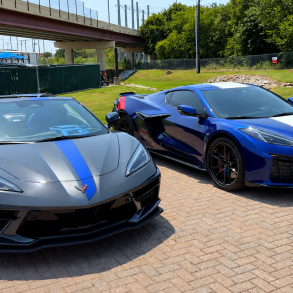
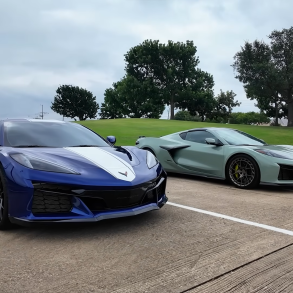
The color choices being introduced year after year continue to be more relevant and more connected to the younger generation. Factory configurations offered as part of the LT trim packages feel more intentional. Even the way the car presents itself—inside and out—feels aligned with a younger, more design-conscious buyer.
This isn’t an accident. It’s evolution….and not just in the way it’s engineered, but who it’s being engineered for, and purpose – drivability in all conditions – road, track, drift – are at the forefront of the efforts put forth by the team that continues to reimagine what the Corvette can become.
The Grand Sport X (and formerly, the ERay) Signals the Future—Without Abandoning the Past
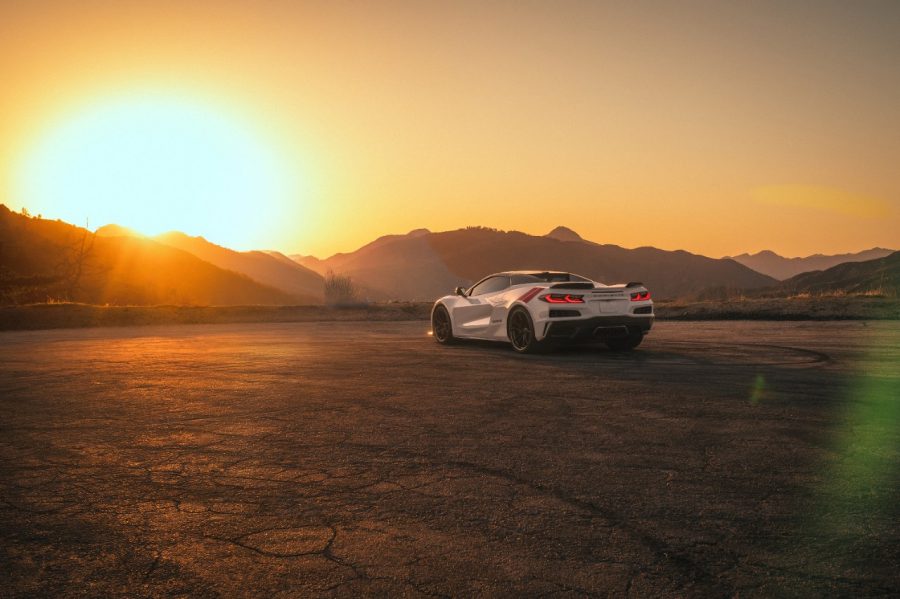
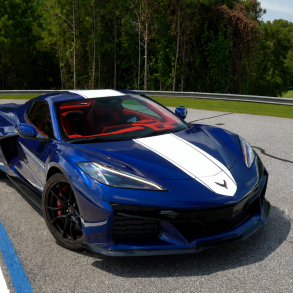
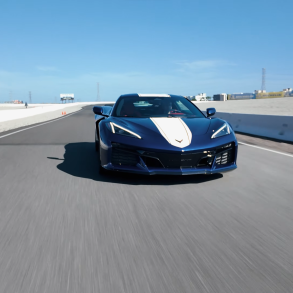
If there’s a single model that best represents where the Corvette is headed, it started with the introduction of the Corvette ERay, and is about to be fully realized as the 2027 Corvette Grand Sport X.
On paper, it’s a hybrid. And for some, that alone raised serious questions… at first.
But try driving it, and it takes virtually no time at all to realize that, in practice, this “hybrid” Corvette feels entirely consistent with what the Corvette has always been about.
The electrified ERay/Grand Sport X doesn’t replace the V8—it builds on it. The addition of an electric motor at the front axle introduces all-wheel drive capability, immediate torque delivery, and a level of composure that expands what the car can do in real-world conditions. It improves acceleration and cornering, and it delivers a more robust experience than anything else at its price point.
To be blunt, the electrification of the Corvette was never about efficiency. It’s about performance, just as every iteration of the Corvette has been with each new evolution of the brand – from Grand Sport all the way to the ultra-exclusive ZR1X.
And perhaps most importantly, it proves that electrification doesn’t have to come at the expense of genuine drivability and/or performance previously found in cars with massive internal combustion engines (though the Grand Sport X and ZR1 X both include that too.) To explain the thinking in a single sentence: the Corvette isn’t retreating from its identity—it’s reinforcing it with new technology.
And this distinction matters.
Why the Corvette Still Resonates
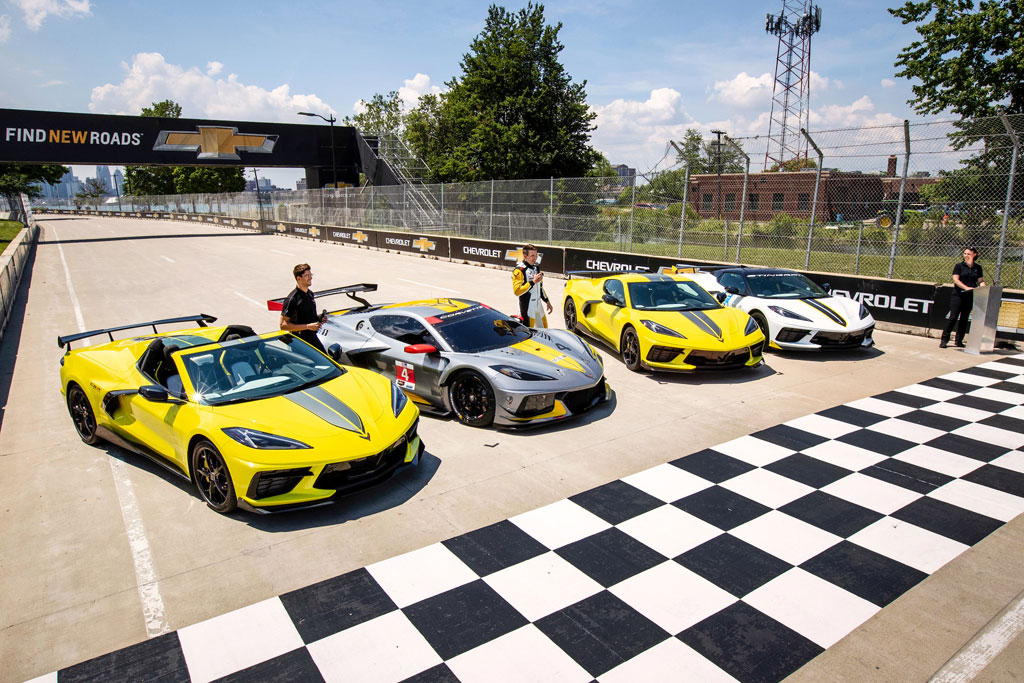
There’s a tendency, especially in moments of transition, to view cars like the Corvette as either relics of the past or stepping stones towards something else.
But framing it that way misses the point of what has always defined the Corvette since its introduction in 1953.
The Corvette has never been static. It has always evolved with each successive generation—sometimes subtly, sometimes dramatically—but always with a clear sense of purpose. Each generation reflects where performance is at any given moment, while still holding onto what makes performance meaningful. In a very real way, each generation of the Corvette serves as a mirror of the era from which it emerged….and that holds as true today as it did when Zora Arkus-Duntov first dropped a V8 engine in the 1955 Corvette, or when Dave McLellan transformed the Corvette into something more than a straight-line cruiser with the introduction of the C4 generation in 1984.
Each generation balanced technology and drivability with the emerging desires of its consumer base. And right now, Corvettes’ need to maintain that balance feels more important than ever.
Because as cars become more digital, more electrified, more “neutered” (in terms of both aesthetics and performance), and more removed from the driver, the team behind the Corvette’s ongoing evolution continues to prioritize connection. Not nostalgia. Not resistance to change. Connection.
It’s still a car that still demands something of its drivers. It’s a car that still rewards its owners with a driving experience that generates thrills. It’s a car that still demands attention. It serves as a reminder of why you fell in love with driving in the first place.
And in today’s world, that might be its greatest strength.
As so much of the automotive industry continues to shift their focus to improved fuel efficency, increased battery ranges, and cars that can do the driving so their occupants can get lost on their phones instead of experiencing the open road, that balance—between innovation and identity—may be exactly what ensures Corvettes place not just in history, but in whatever comes next.