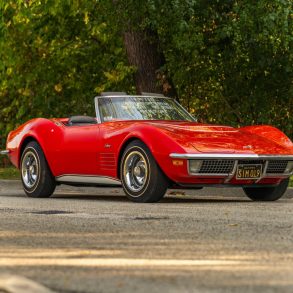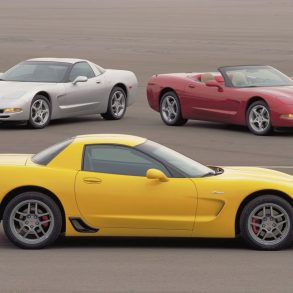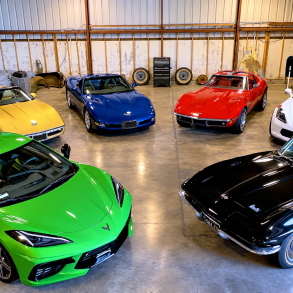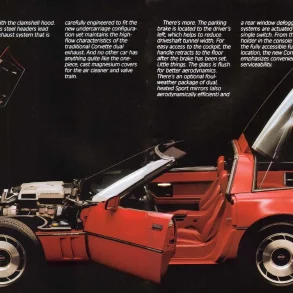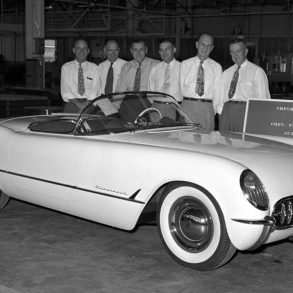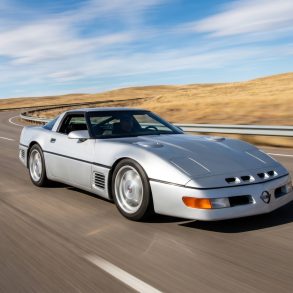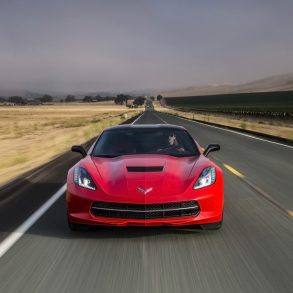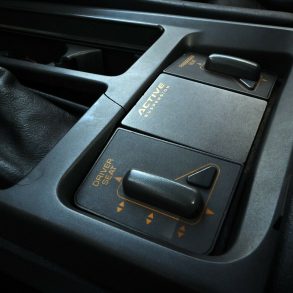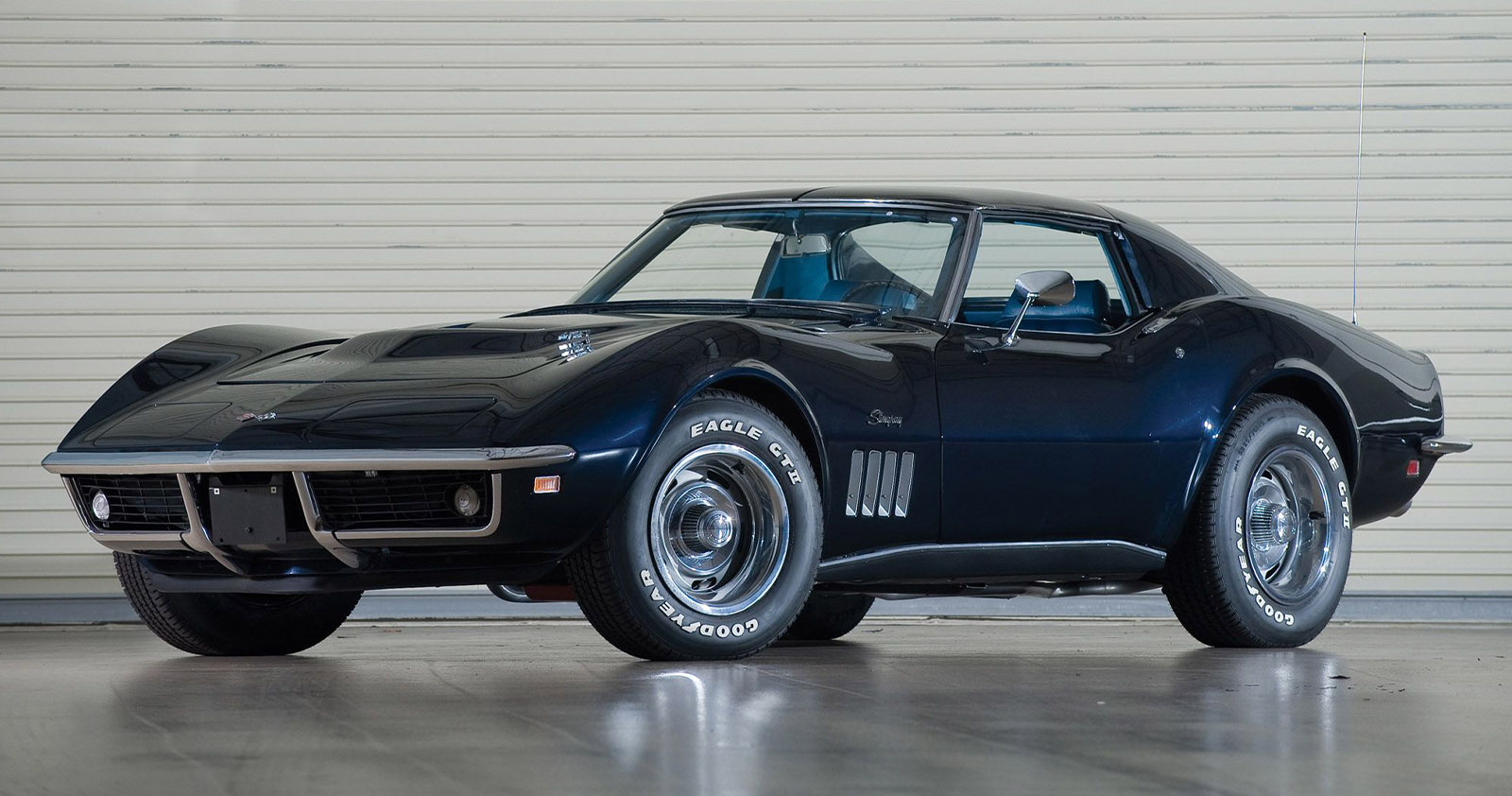
The year is 1992 and General Motors is hemorrhaging cash. The Corvette C4 is aging, and almost nobody outside a small circle of insiders knows that America’s sports car has just been quietly put to death. However a small group of true Corvette believers within GM operating almost like insurgents inside one of the world’s biggest companies, refuse to let the Vette die. If the Corvette C5 generation never happened that means no C6, C7 and no C8. The Corvette story might have ended at C4.
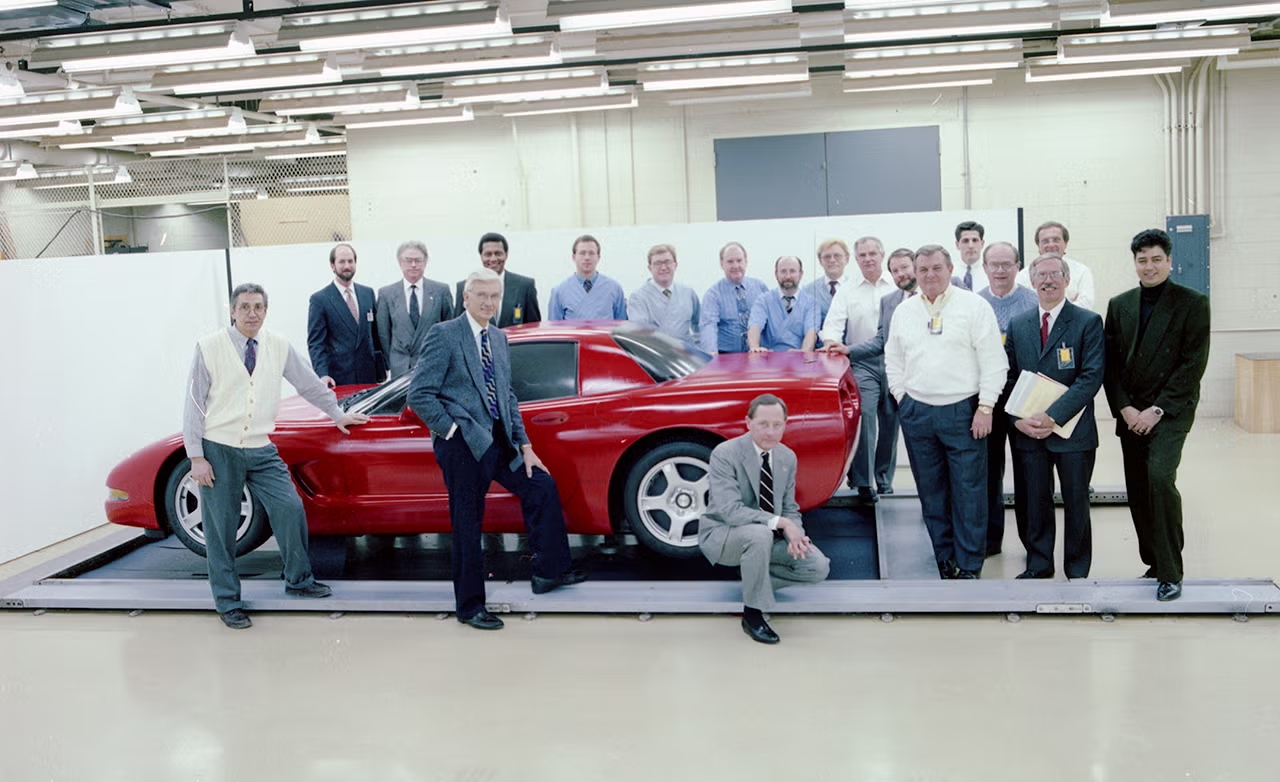
What followed the cancellation wasn’t a formal reversal or a change of heart at the executive level. It was a covert campaign funded with diverted marketing dollars, run by four people who understood that the only way to save the Corvette was to make the business case undeniable before anyone realized what they were doing.
A Company in Freefall
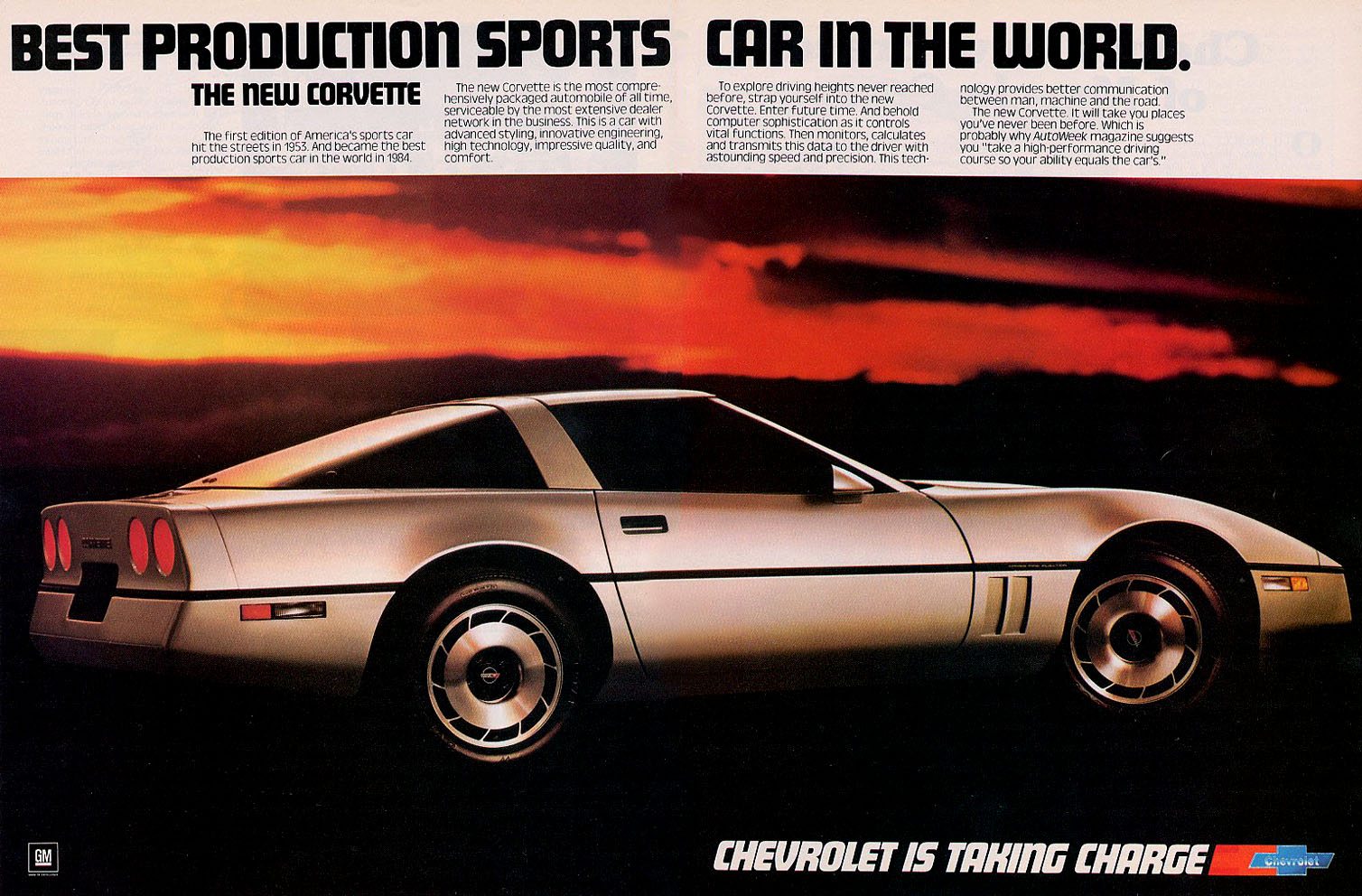
To understand why canceling the Corvette made sense in 1992, you have to look at what GM was dealing with. The company announced it had lost $23.5 billion in the prior fiscal year, the kind of number that forced every division to justify its existence on a spreadsheet, and the Corvette had a weak case to make. In 1984, Chevrolet had moved over 51,000 Corvettes. By 1992, that number had fallen to just over 20,000. The C4 was showing its age, quality and customer satisfaction scores were poor, and the car was losing money on a per-unit basis. For a company drowning in red ink, continuing to build a low-volume sports car in that condition was hard to defend.
GM did what the numbers said to do. The Corvette C5 program was formally cancelled and the resources were redirected to a new full-size sedan platform, the underpinning for the 1992-1999 Pontiac Bonneville, Buick LeSabre, and Oldsmobile Eighty Eight. From a purely corporate standpoint, the decision was defensible. From a Corvette fan’s standpoint, it was a death sentence.
The Covert Operation
Finding the Money
Before the cancellation, outgoing chief engineer Dave McLellan’s team had already been quietly developing a next-generation platform that represented the most significant engineering leap in the Corvette’s history. The platform they were building was a genuine step forward: longer wheelbase, a rear-mounted transaxle, and a significantly stiffer backbone structure. Stopping that work cold meant losing momentum that would be nearly impossible to rebuild, so James Perkins, General Manager of Chevrolet and the top executive for the entire brand, decided the work had to continue, authorized or not.
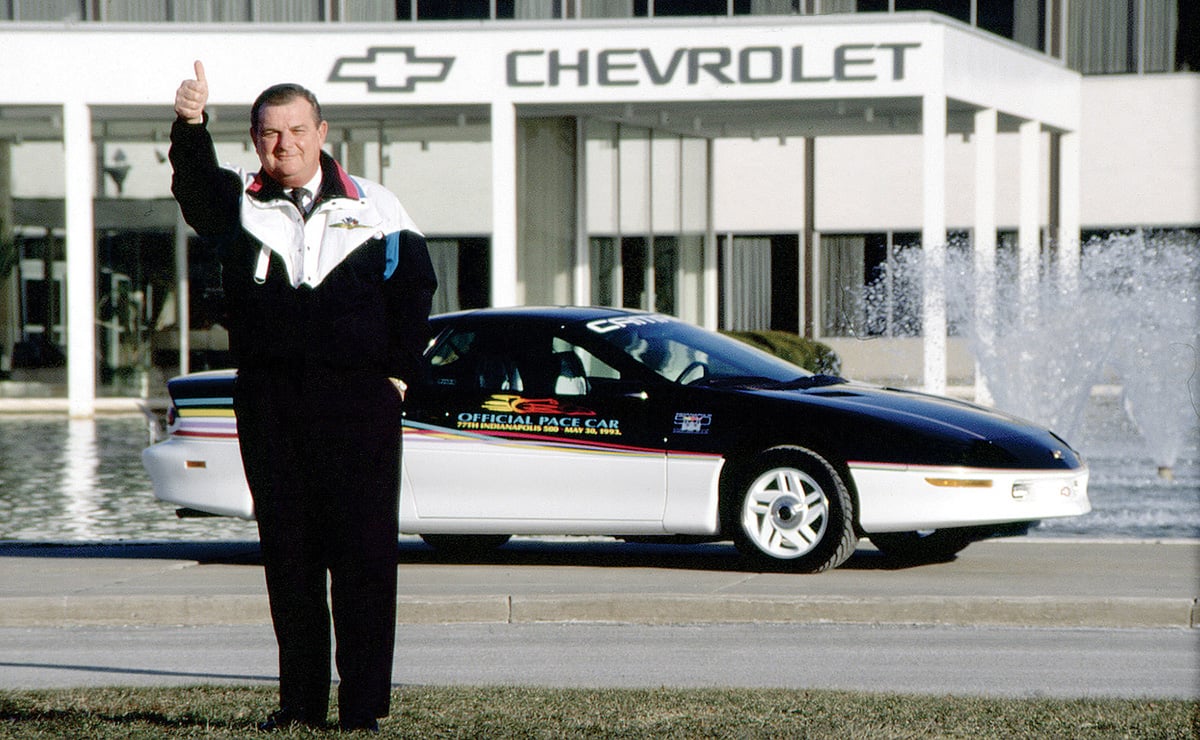
To fund it, he quietly diverted money from his Chevrolet marketing budget while Joseph Spielman, GM’s General Manager of mid-size cars and a genuine car enthusiast did the same across his organization. As Spielman later described it, Perkins contributed a million dollars from his advertising budget and Spielman found “half a million here, a hundred thousand there.” Perkins went back to that well two more times, and the total redirected between them came to $3.5 million. By any reading of GM’s corporate rules, it was a career-ending move if it went wrong.
Getting Executives Into the Car
The money bought time, but the real battle was political. To get the C5 formally approved, they needed senior executives and North American Strategy Board members to understand what they were giving up, and the best way to do that was to put them in a car. The team built a running mule using the hydroformed backbone structure and rear transaxle, hidden under a battered C4 body. They took it to GM’s Desert Proving Ground in Mesa, Arizona, and began scheduling drives for anyone with influence over the program’s fate.
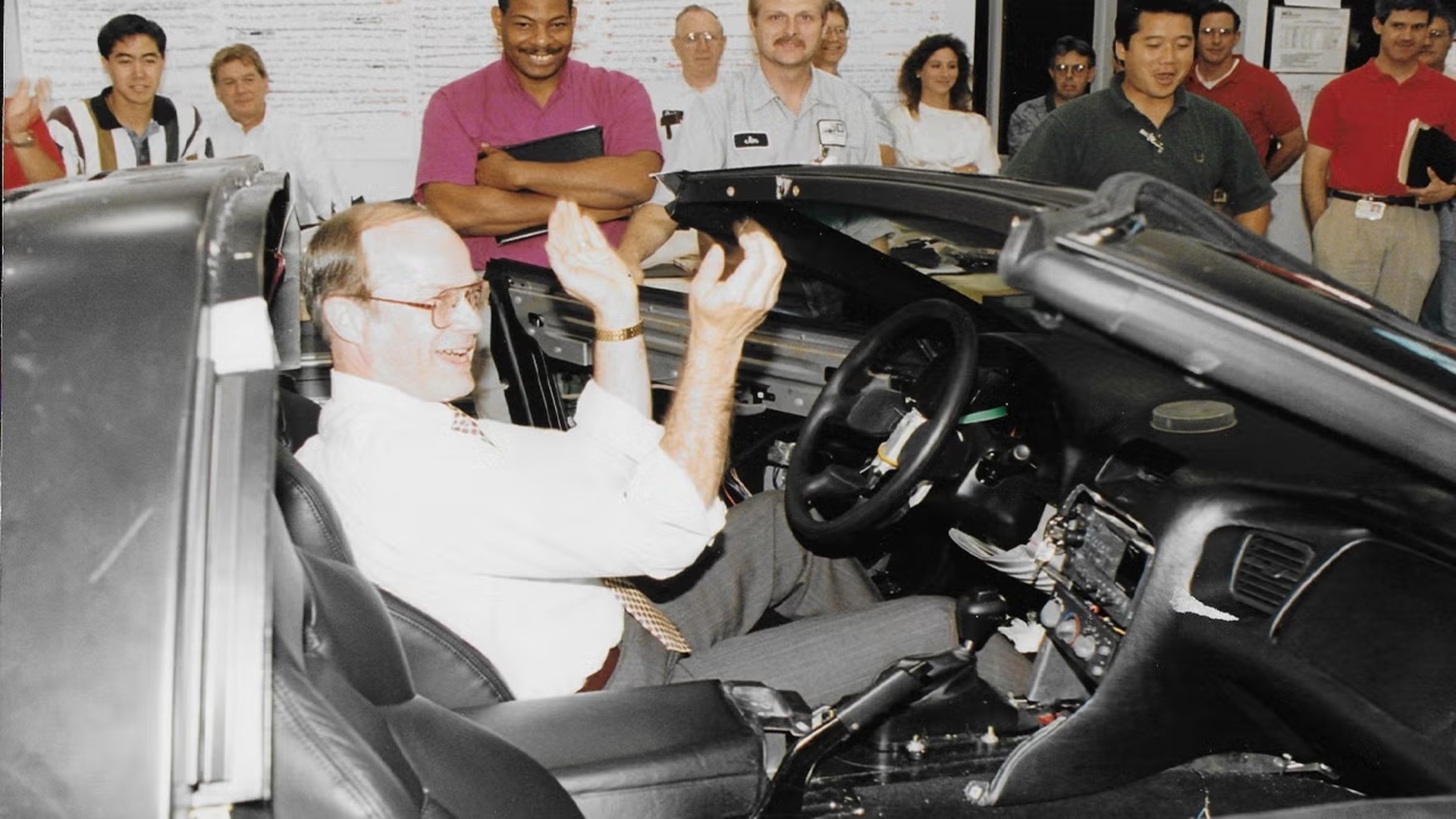
Perkins described running the mule over the track’s ripple strips. With the old C4, you got what engineers called “memory shake,” a lingering chassis-flex vibration after hitting a rough patch. With the mule, the same strips produced nothing but a low, settled hum. For anyone who drove both back to back, the case made itself. Perkins eventually got a formal meeting with Reuss and other top executives, won a cautious okay to continue development, and then pushed to get as many board members as possible into the car before the Concept Approval meeting.
When he made the formal business case to the North American Strategy Board, he brought one more piece of ammunition: a tally of every Corvette magazine cover appearance since 1953. The number was over 800, and his argument was that canceling the Corvette was not simply a financial decision but a statement about what GM stood for.
Earning the Right to Exist
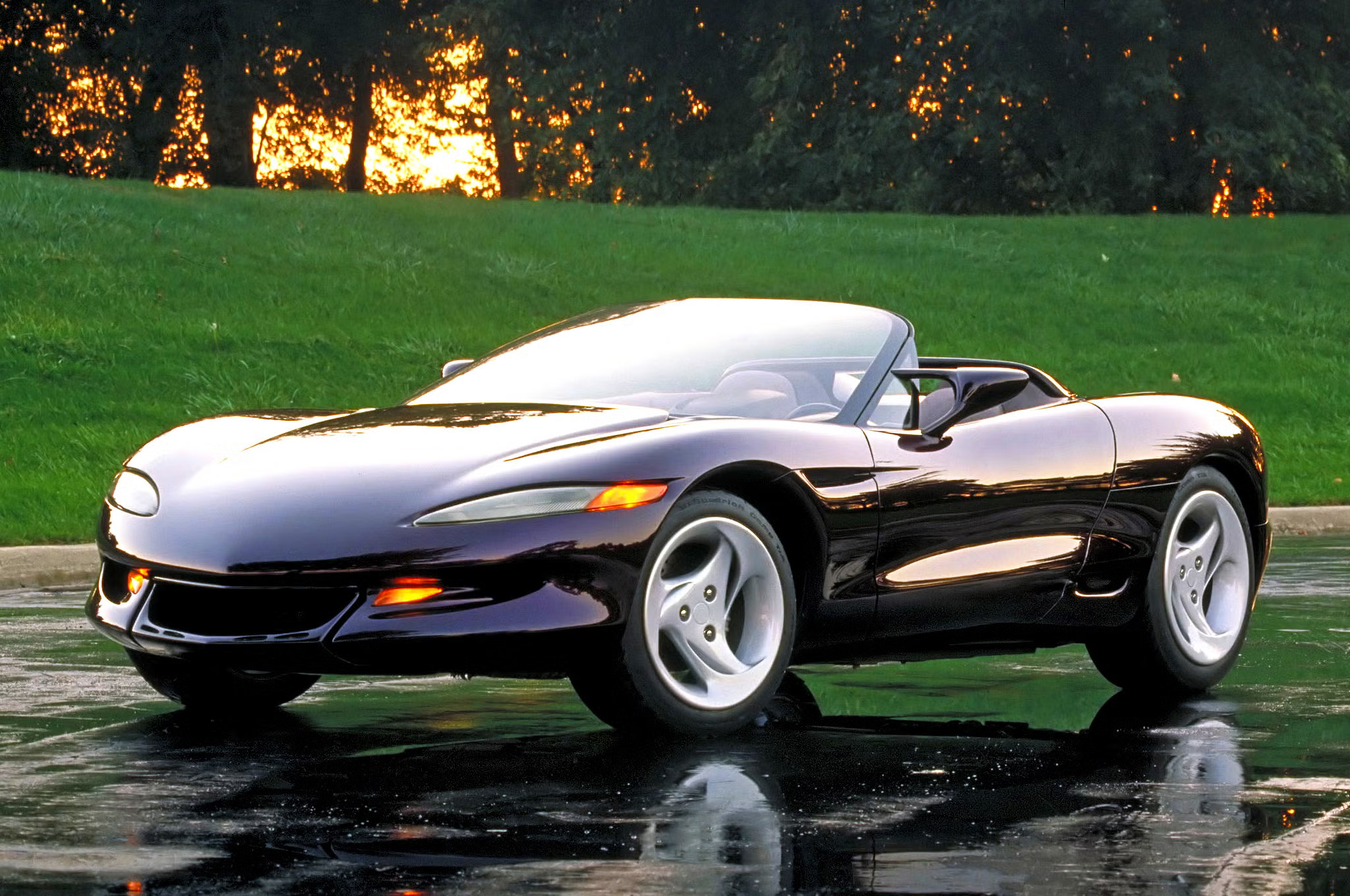
Passion and magazine covers can only go so far inside a corporation fighting for survival. Russ McLean, GM’s Director of Manufacturing for Mexico and the man Spielman had tapped to lead the rescue operation, understood that better than anyone. Before the team could credibly ask for C5 approval, they had to fix the C4 first. Over the following two years, McLean’s team worked to improve C4 quality, customer satisfaction, and per-unit profitability, building documented evidence that they had addressed the problems and could be trusted with the investment. When the financial projections for the C5 were finally assembled, they came back 250 percent better than the C4’s numbers, and that changed the conversation entirely.
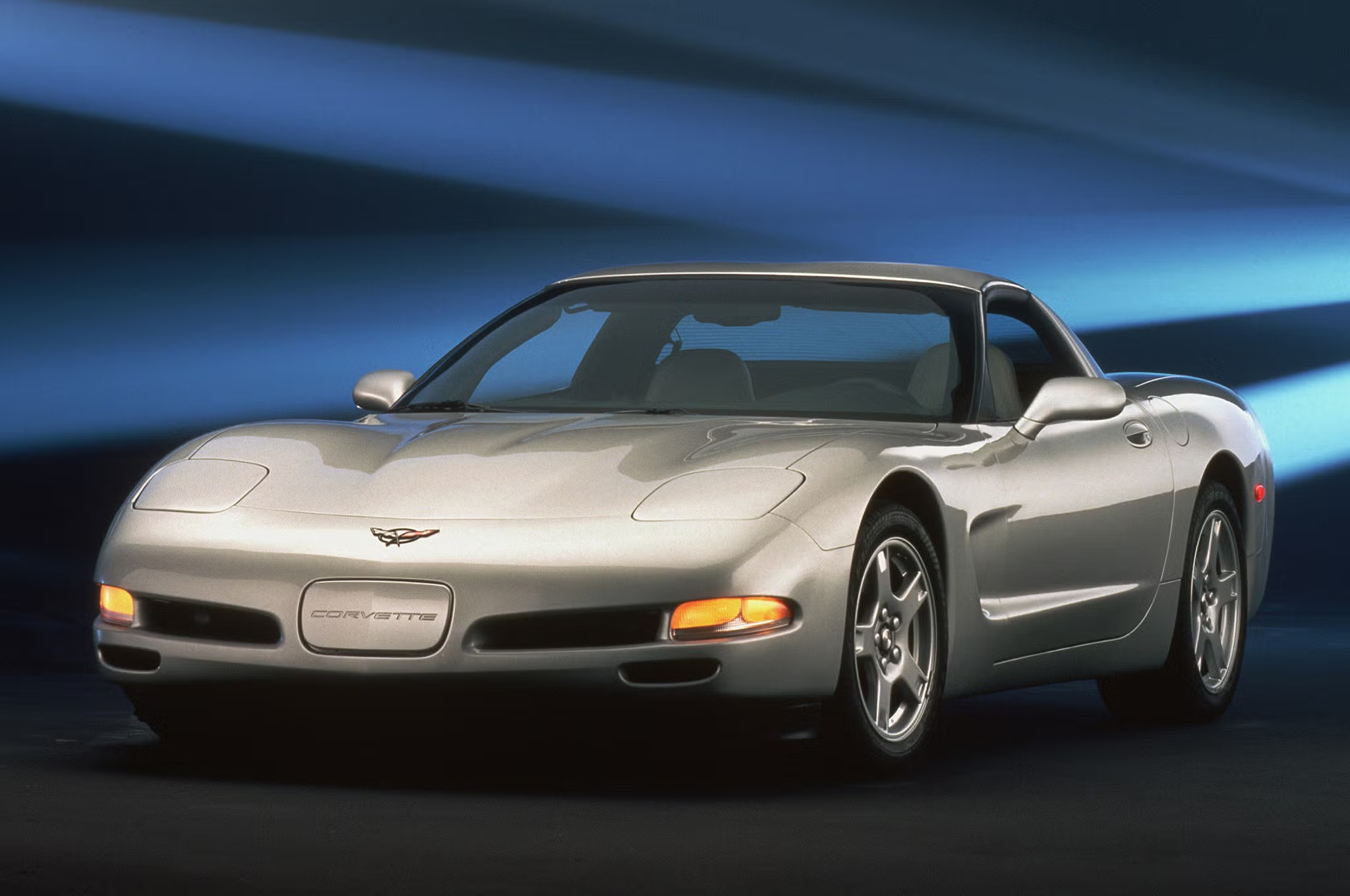
With a new CEO in Jack Smith and a recovering U.S. car market, the numbers held up under scrutiny. In 1994, Smith and his executive committee formally approved the C5 program. The C5 launched for 1997, introduced the LS engine family, and became one of GM’s most successful programs of the decade. Without it, there is no C6 ZR1, no C7 Z06, and likely no path to the mid-engine C8.
Legacy
The Corvette C5 survived because a small group of people were willing to spend their own political capital to keep the program alive long enough to prove its worth. Perkins diverted marketing funds twice more after the first time, knowing what was at stake if it failed. McLean’s team did the unglamorous work of fixing the C4’s problems first and building a financial case the board could not dismiss. The next time you see a C5, C6, C7, or C8 on the road, there’s a direct line back to a battered mule car running laps around the Arizona desert in 1992, and four people who refused to accept a cancelled program as the final word.