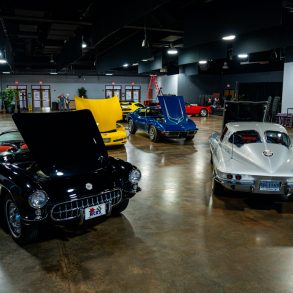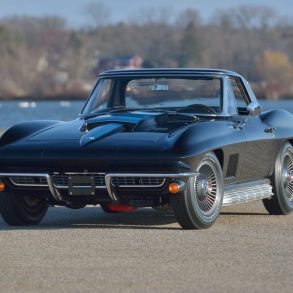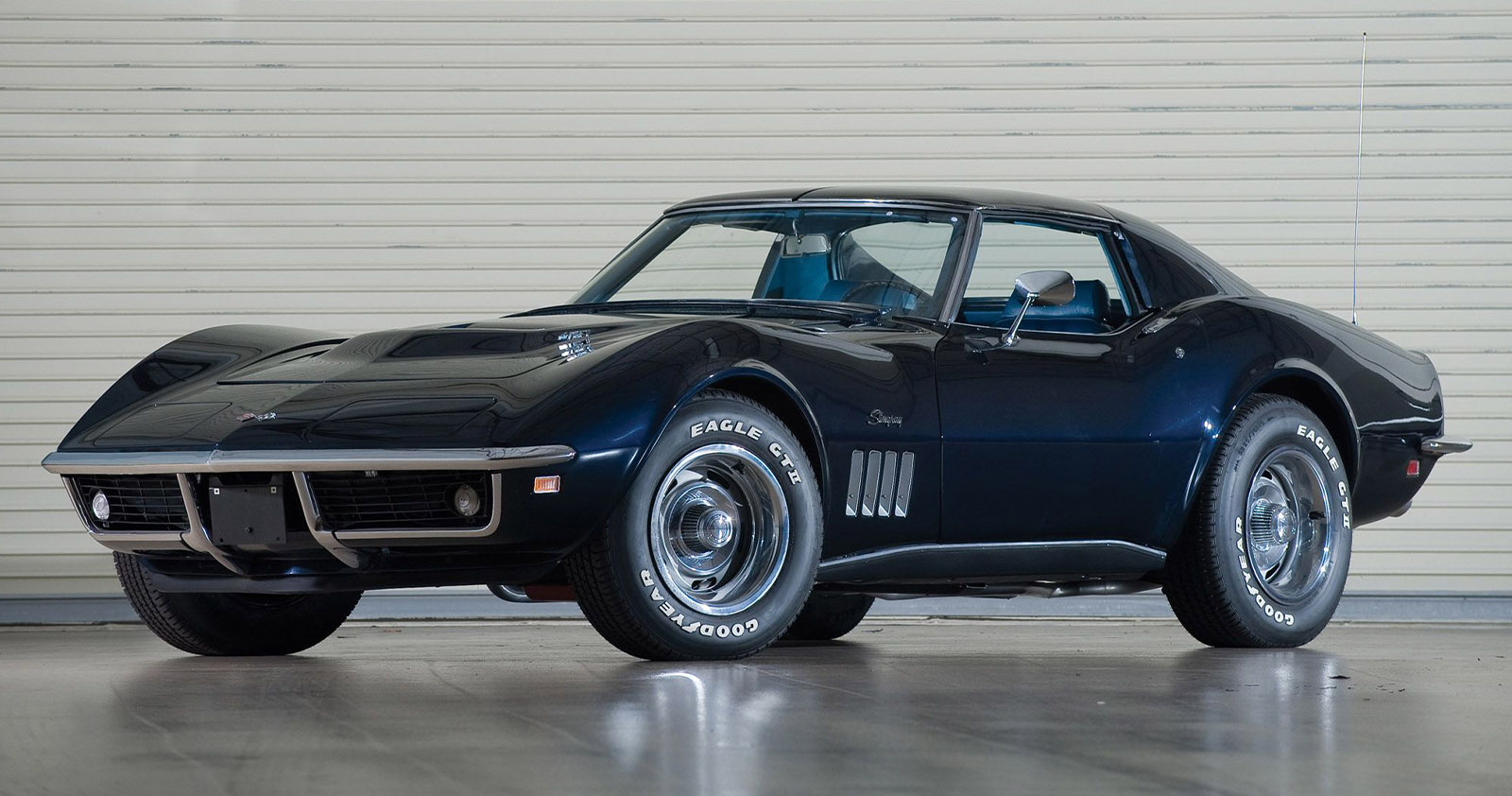
If you’ve been meaning to check in on your National Corvette Museum but haven’t had time to scroll through every crevice of social media, relax — we’ve rounded up the headlines that matter. From cranes in the sky to concours-level preservation in the shop, there’s serious momentum building in Bowling Green. This month’s lineup delivers progress, pride, and a powerful look back at one of the most unforgettable chapters in Corvette history.
Big Builds And Big Buzz
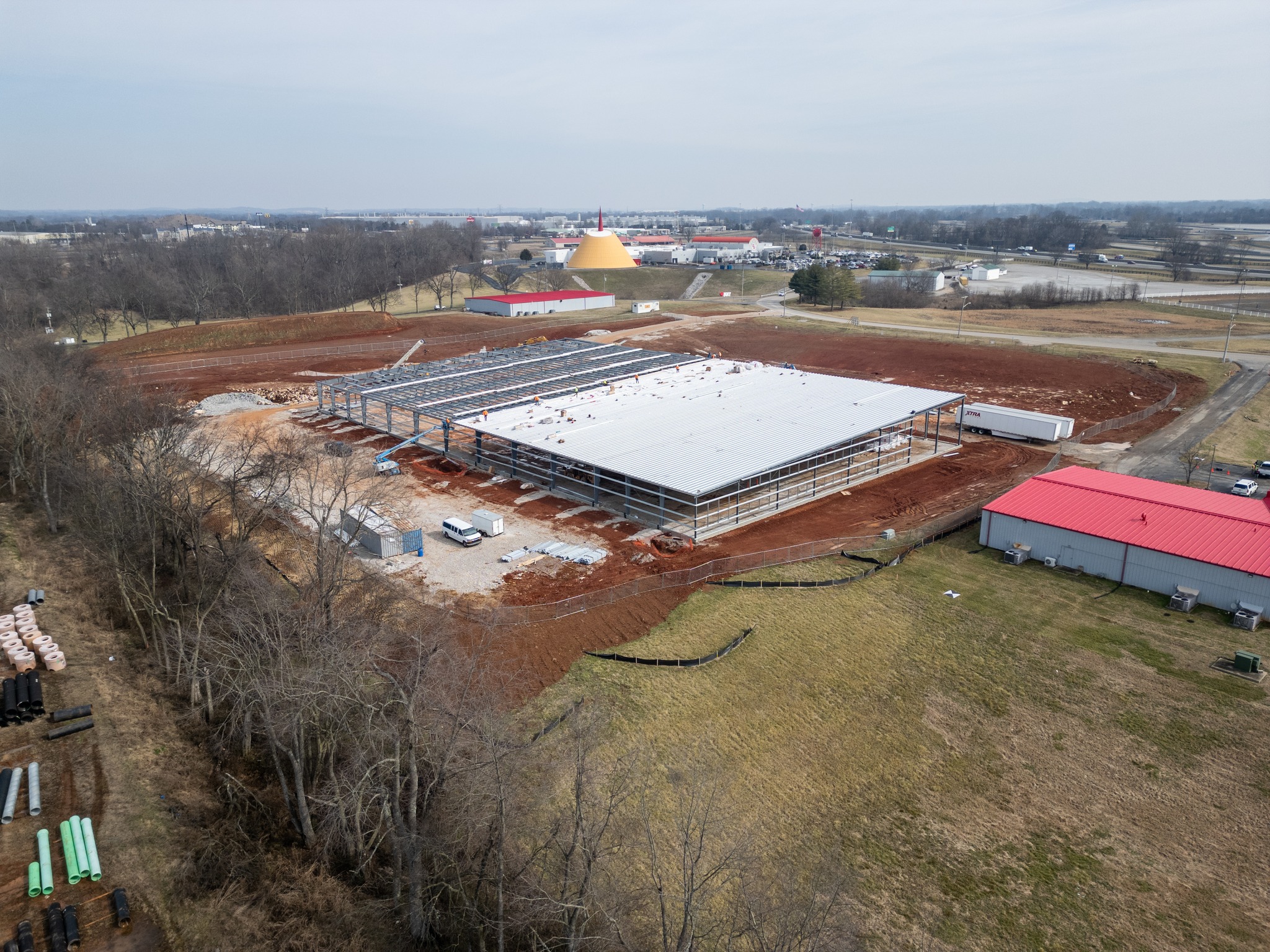
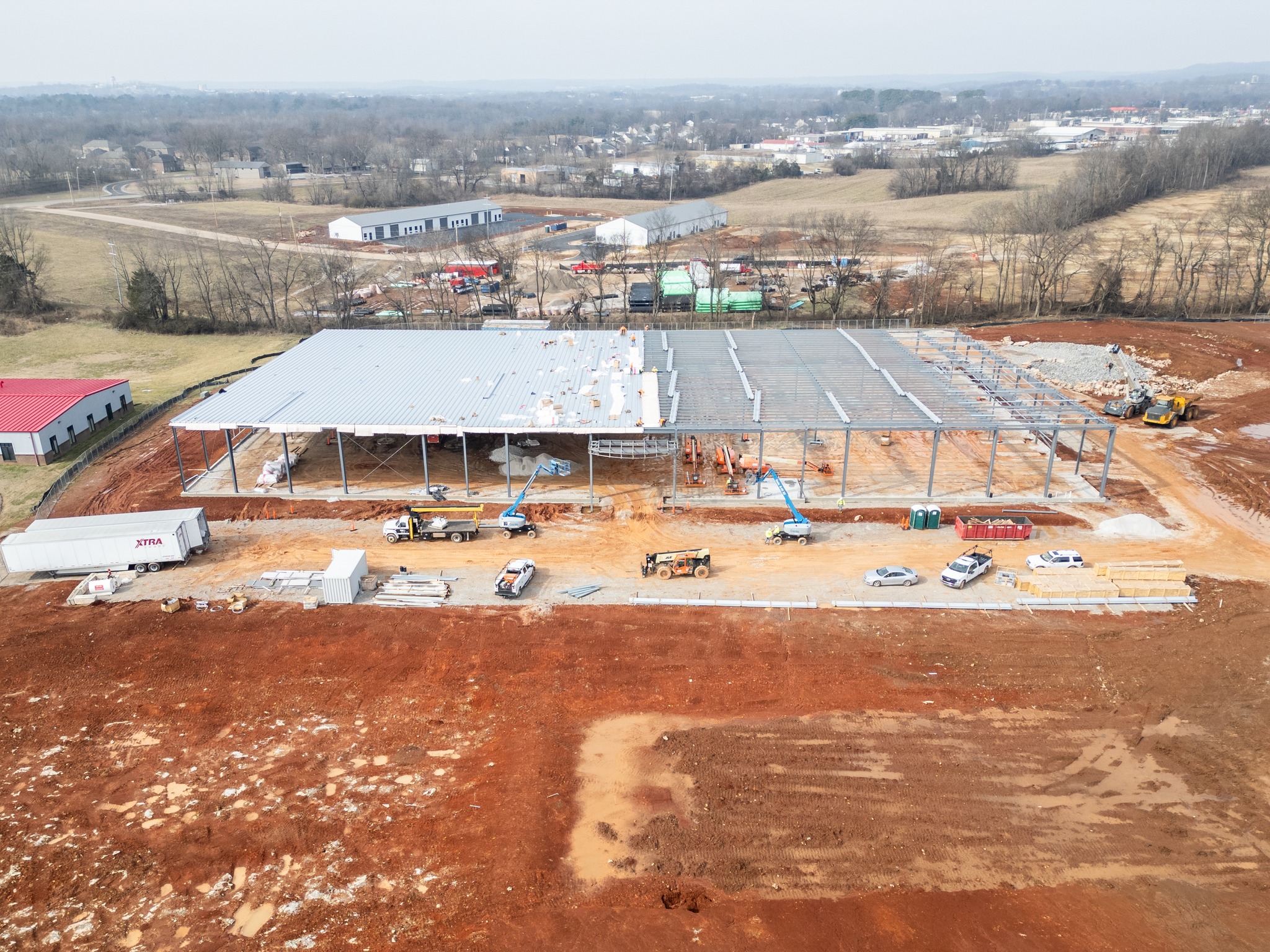
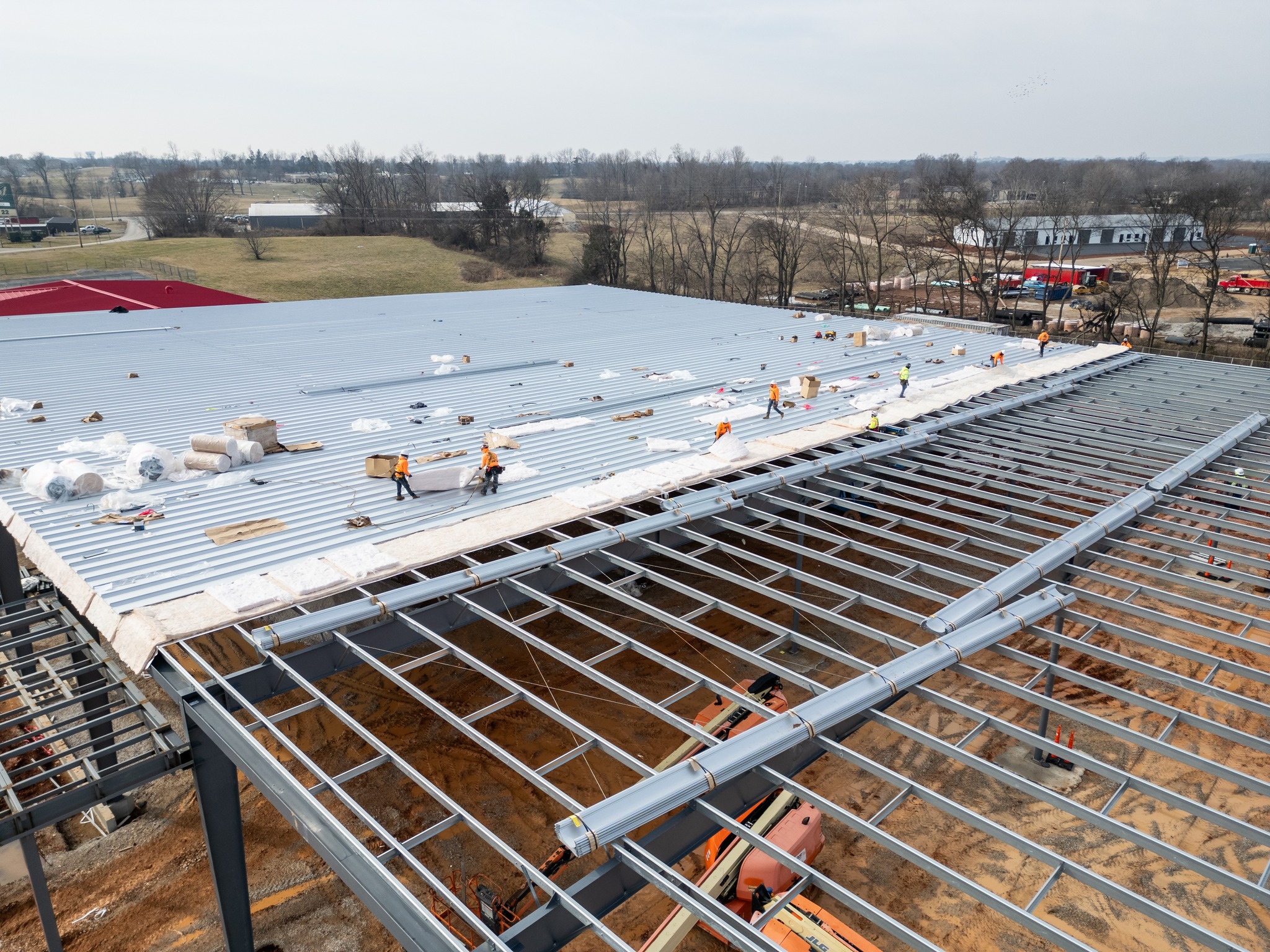
First up: the Museum’s expanding footprint. The new 66,000-square-foot Collections Facility is rising fast, and the aerial construction shots prove it. The project will centralize historic Corvettes, rare artifacts, and preservation work into a purpose-built environment designed for deeper storytelling and future behind-the-scenes tours. The online reaction? Massive. The Facebook update generated more than 2,500 reactions, 110+ comments, and 251+ shares — clear evidence that enthusiasts are invested in how Corvette history is protected and presented. This isn’t just a building going up; it’s a legacy being reinforced in real time.
A Rare ZR-1 Is Revived, And A Moment We’ll Never Forget
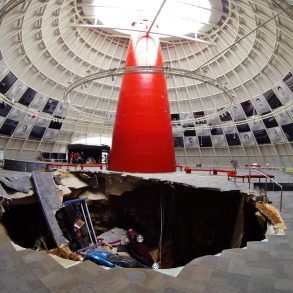
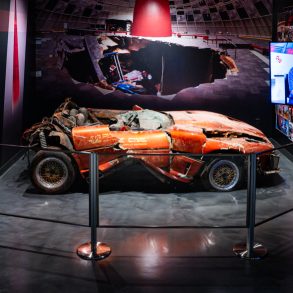
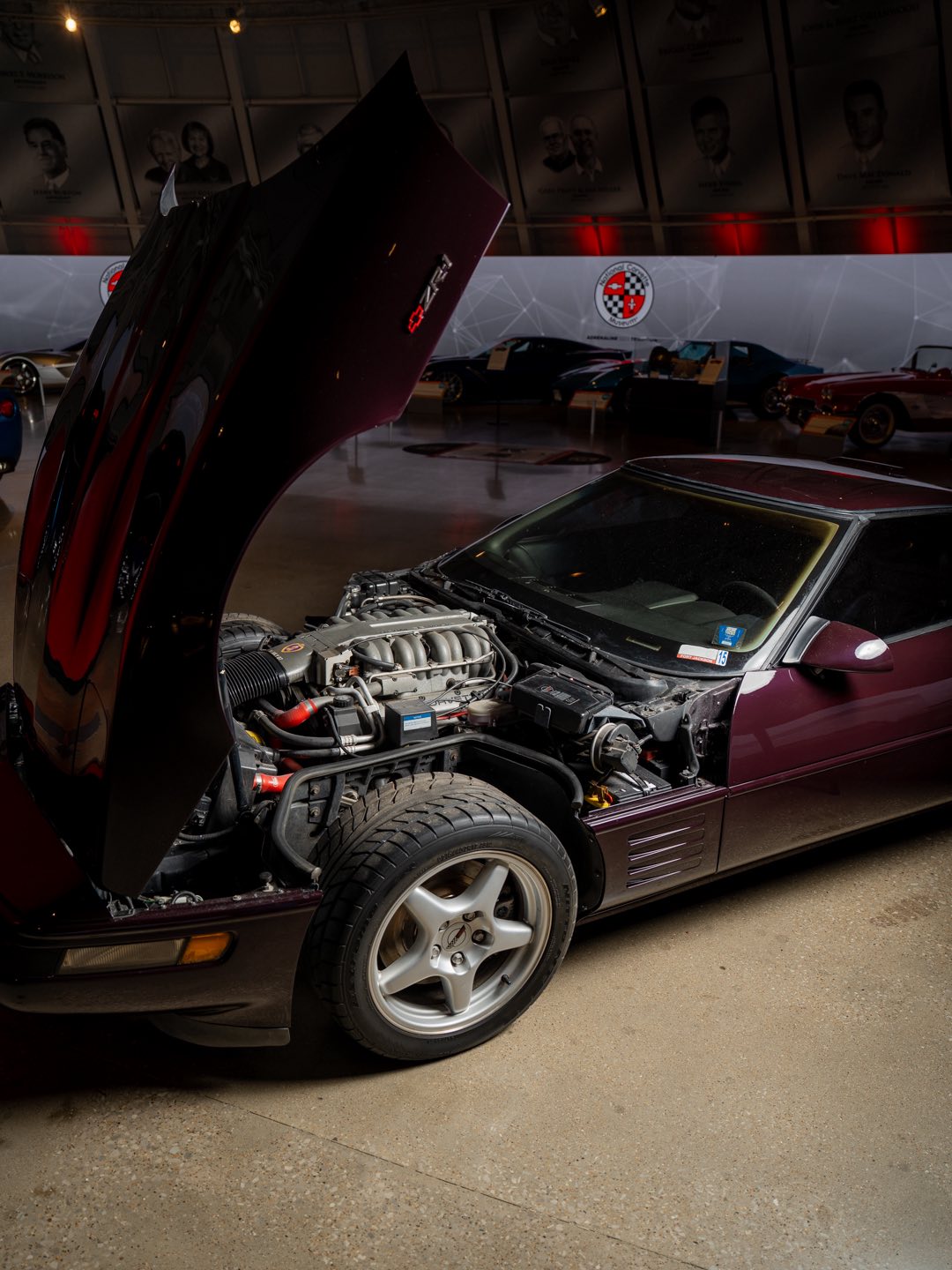
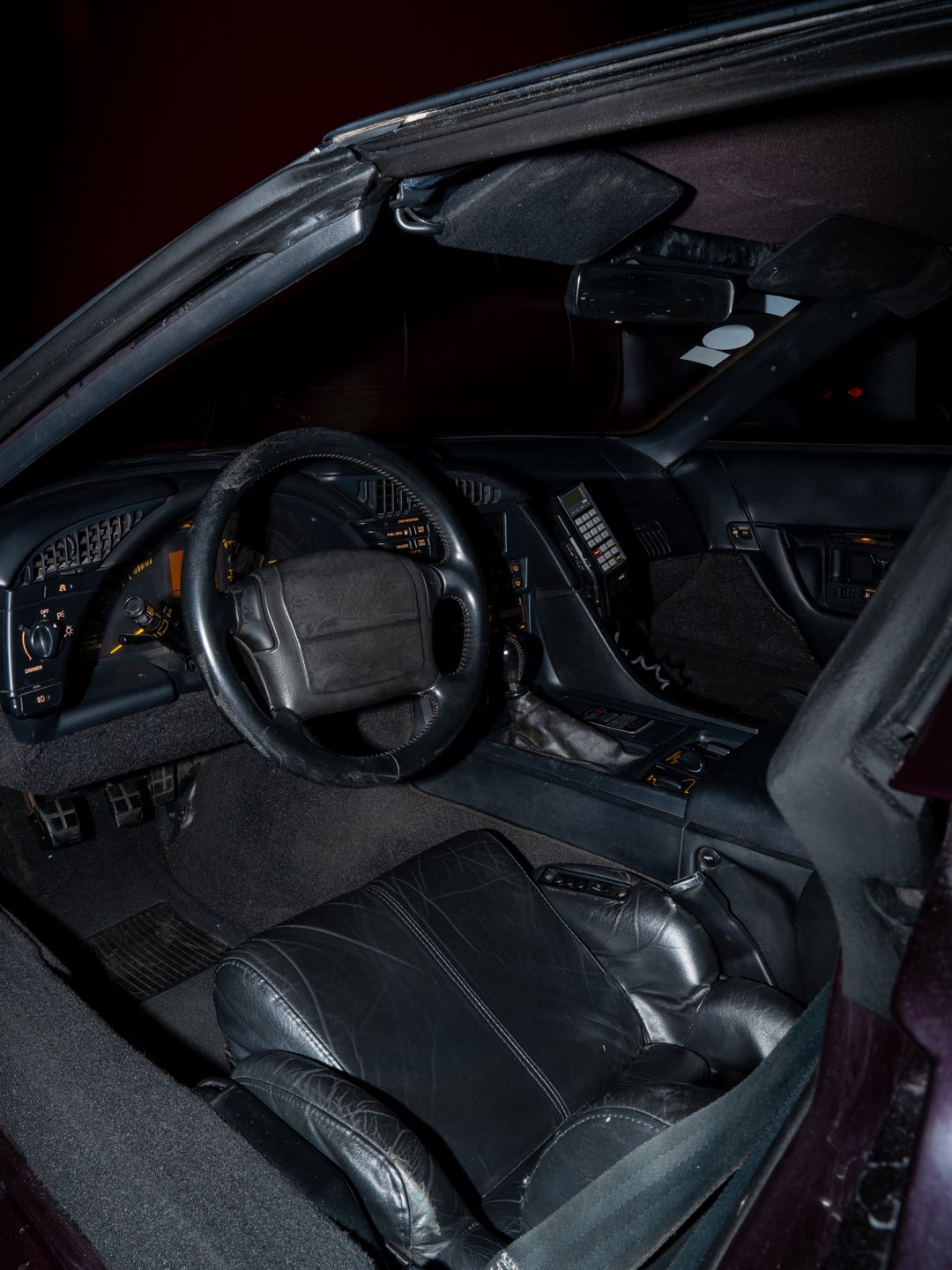
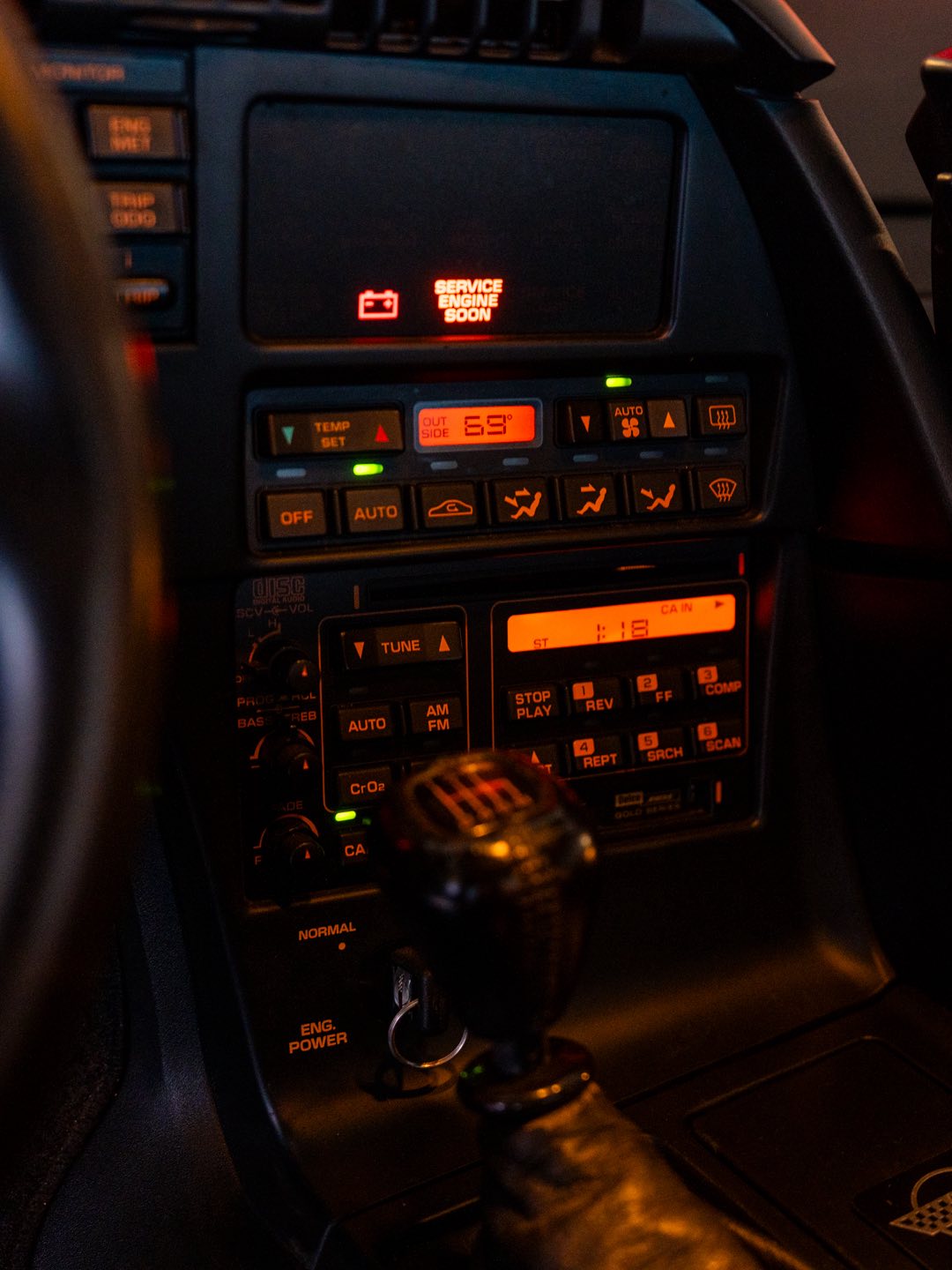
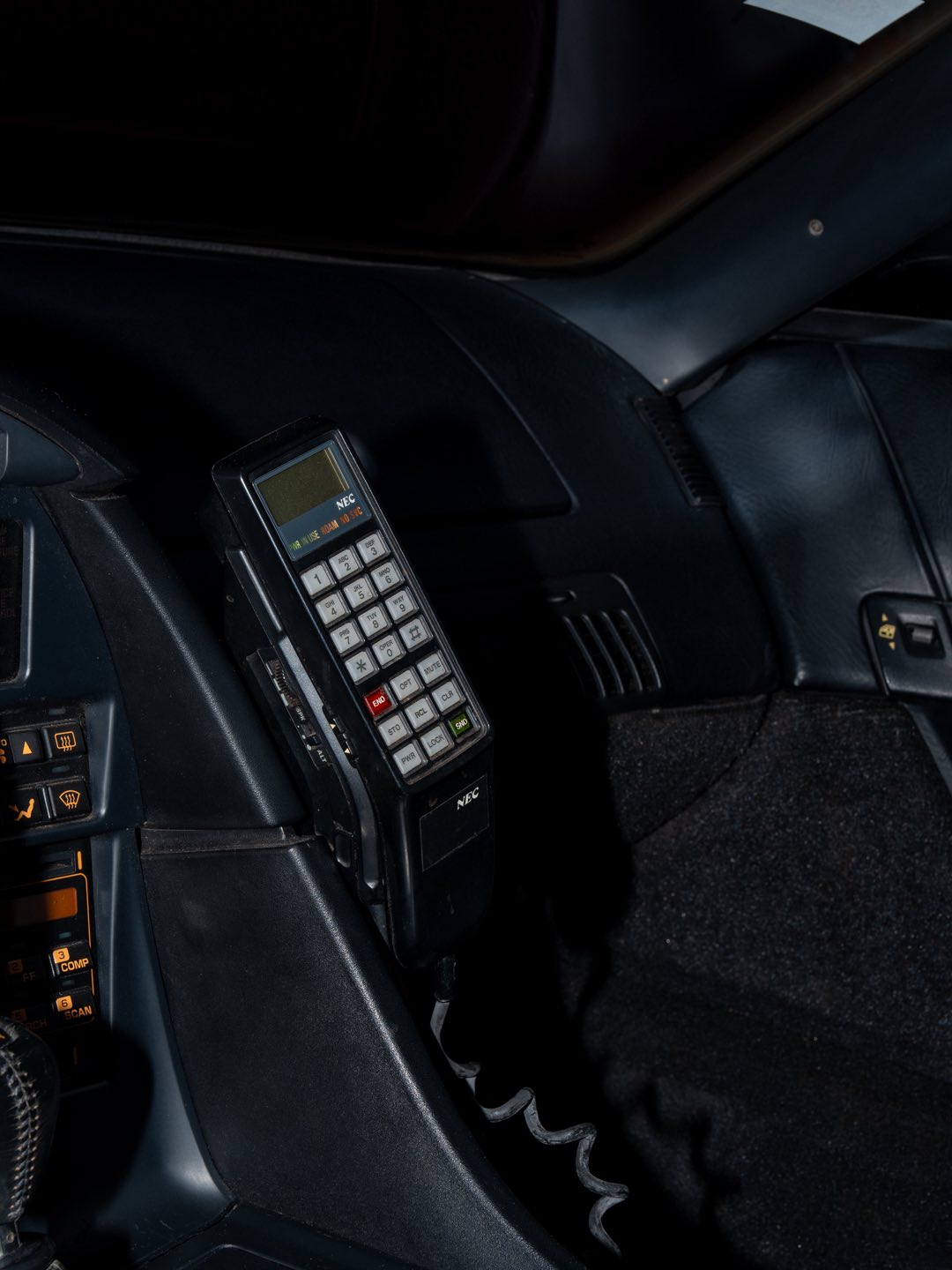
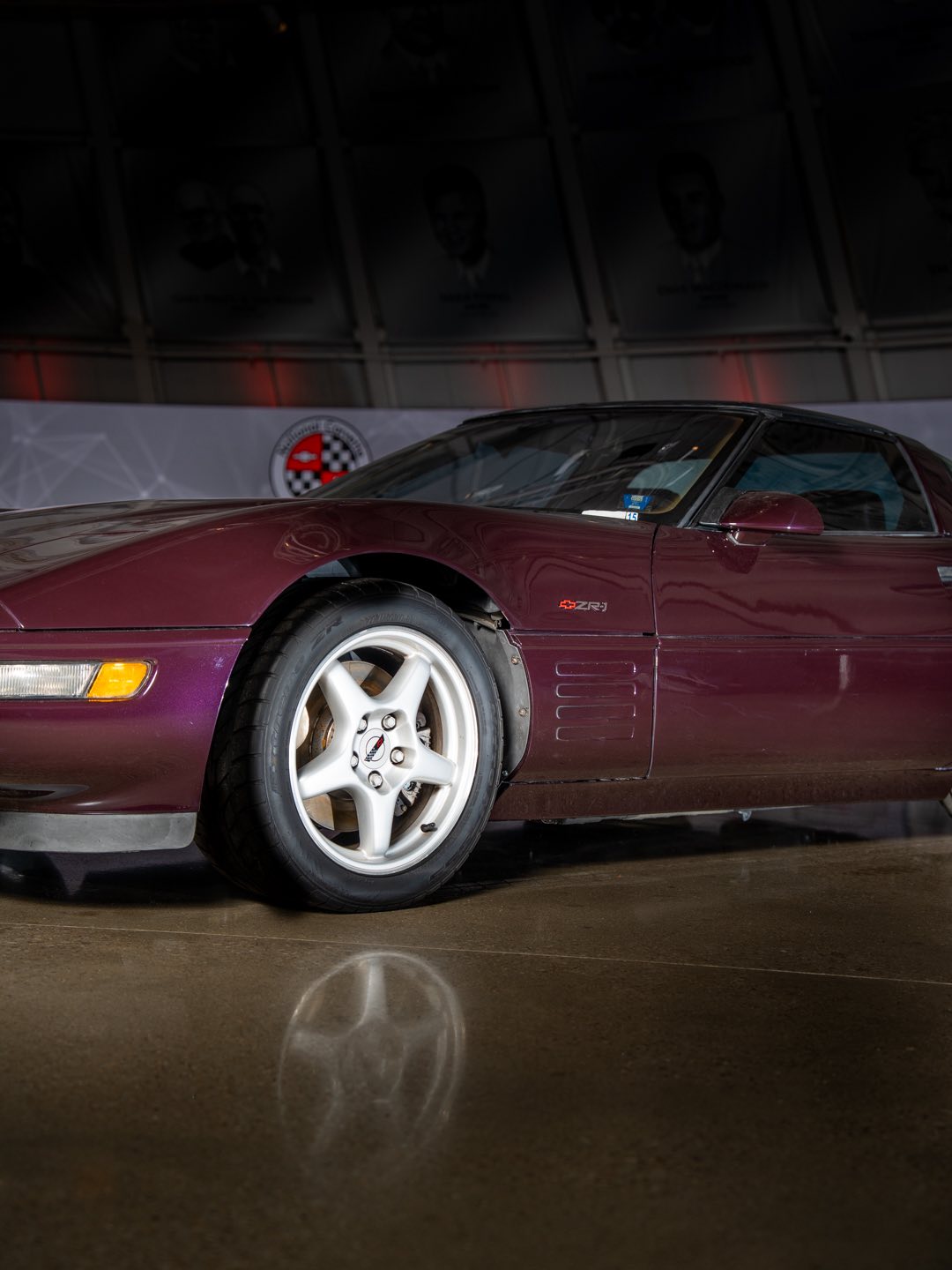
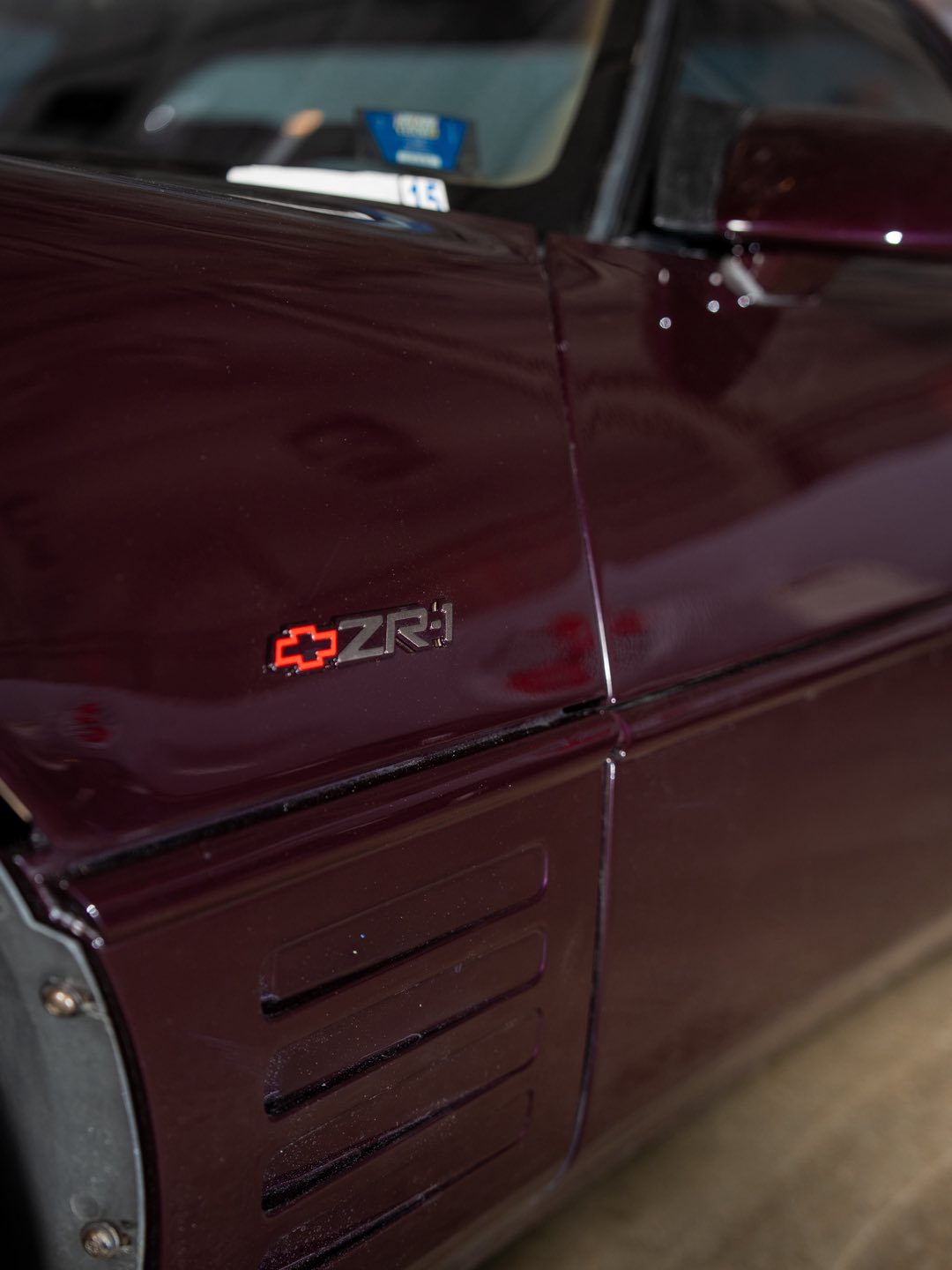
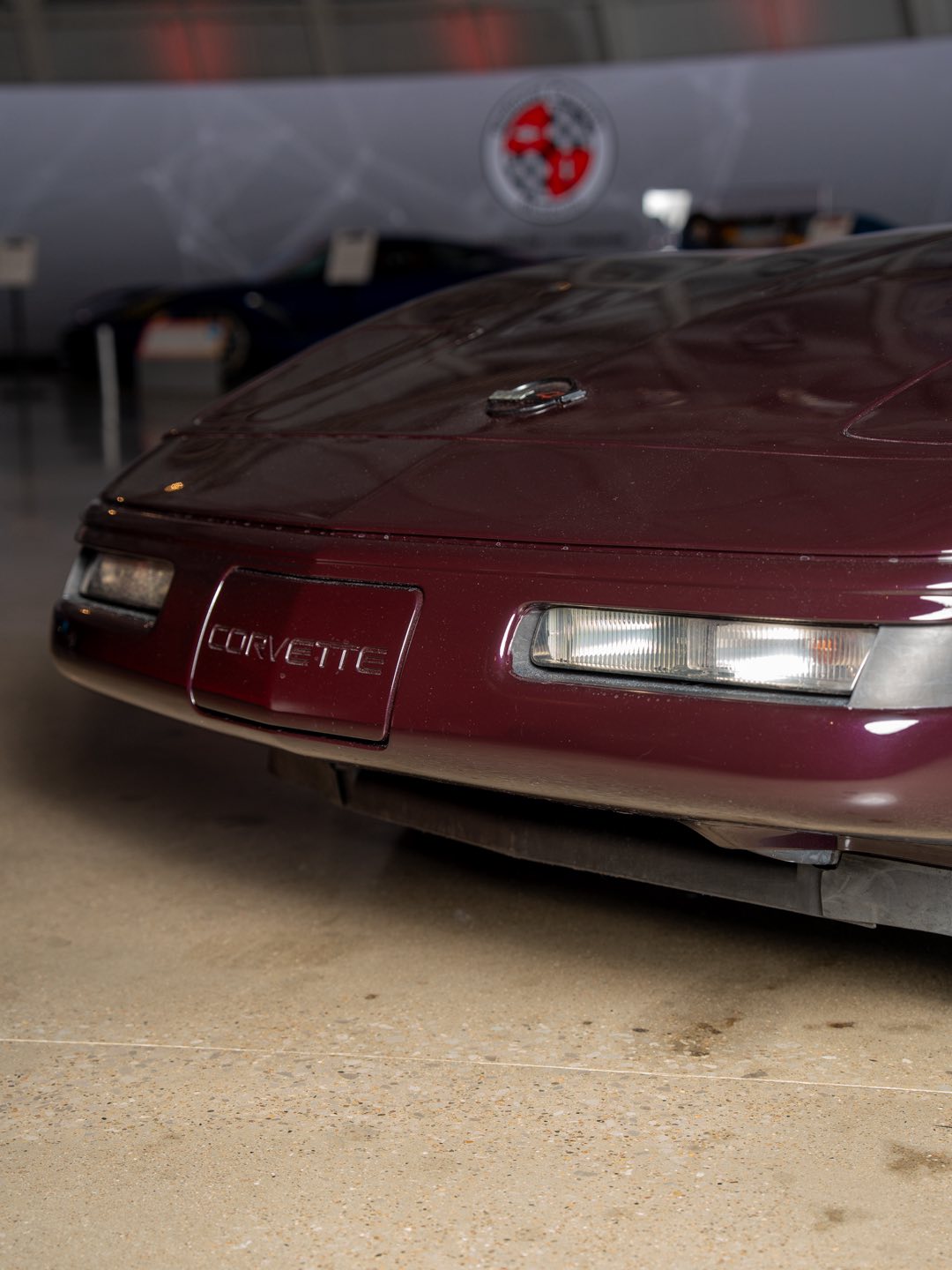
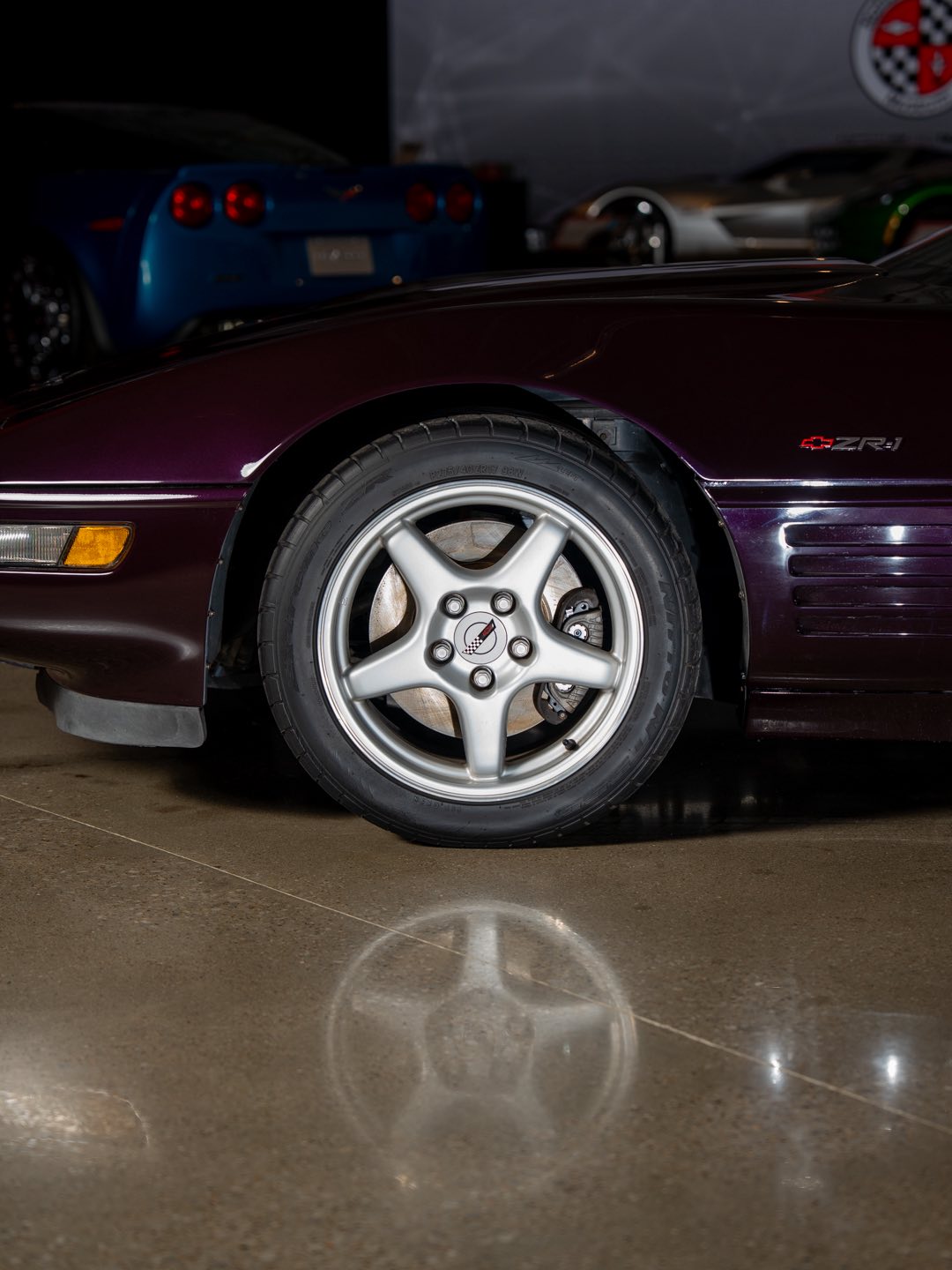
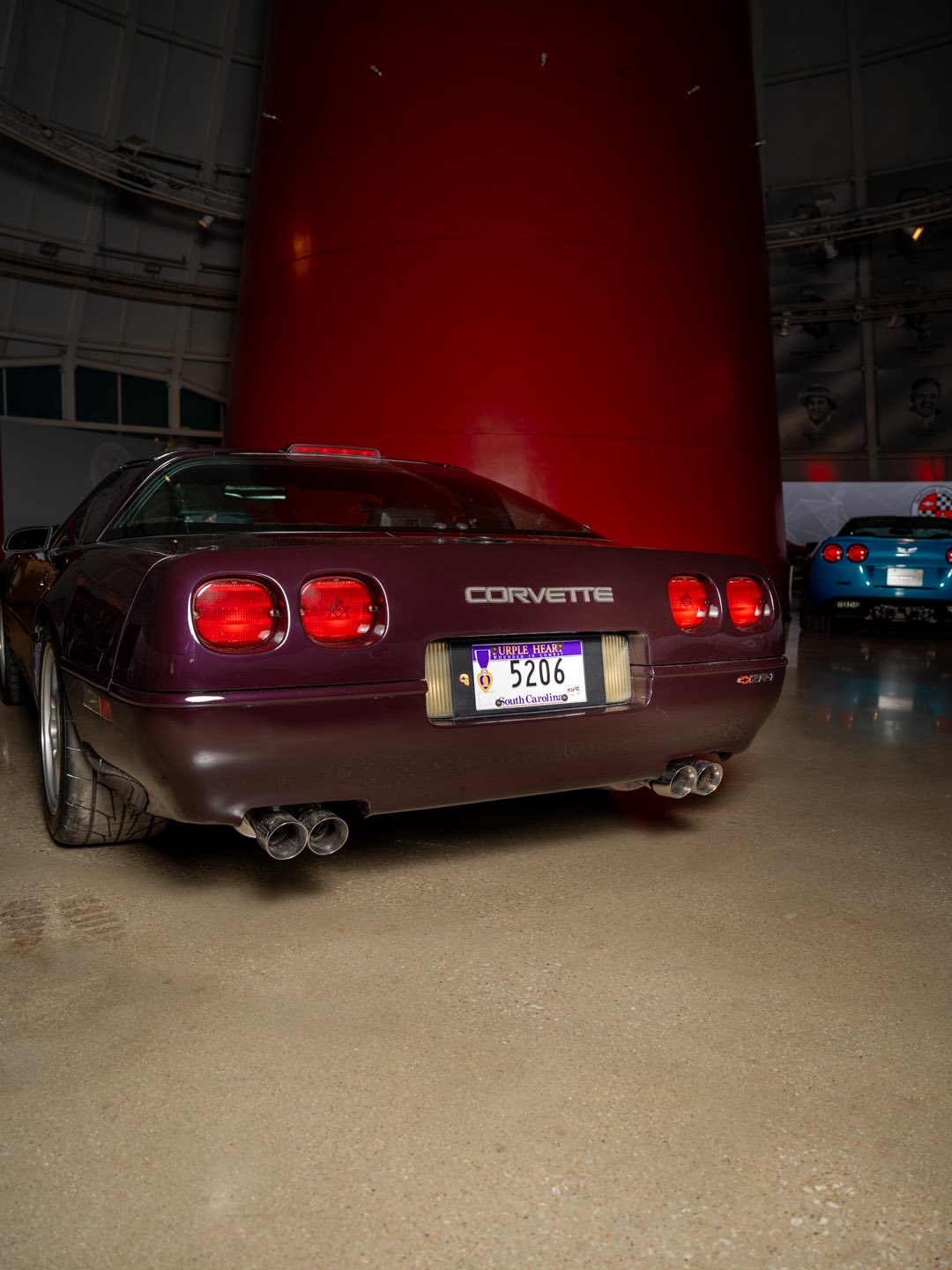
Then there’s the freshly completed preservation of a one-of-eleven 1993 Black Rose C4 ZR-1 — a picture-heavy reveal that lit up feeds with over 2,600 reactions, 132+ comments, and 151+ shares. The mechanical refresh, detailed refinishing process, and community storytelling (including the powerful Purple Heart connection) sparked passionate conversation among owners and fans alike. And in our ICYMI feature, we revisit the 12-year anniversary of the infamous sinkhole that swallowed eight Corvettes — a moment that went viral worldwide and ultimately reshaped the Museum’s story forever.
Three stories. One destination. Construction progress from the sky, a rare ZR-1 reborn in stunning detail, and a reflective look at resilience 12 years after the ground gave way. The community is fired up — and below, you’ll find two opportunities to jump into the conversation yourself.
1 — NCM Expansion Accelerates: A 66,000-Square-Foot Commitment To Corvette’s Future
The National Corvette Museum isn’t just adding square footage — it’s reinforcing its promise to protect, preserve, and present America’s sports car at the highest level. In a recent construction update shared with enthusiasts, the Museum confirmed steady progress on its new 66,000-square-foot Collections Facility, a purpose-built space designed to centralize historic Corvettes, rare artifacts, and preservation efforts under one roof. This isn’t cosmetic growth. It’s infrastructure built for legacy.
Honoring The Icons Of Corvette
At the heart of the expansion is capacity — more room to safeguard the machines and memorabilia that define generations of performance. The new facility will dramatically expand vehicle preservation capabilities, improve conservation of small artifacts, and provide long-term storage tailored specifically for the collection’s needs. Instead of dispersing history across limited space, the Museum is creating an environment engineered for proper care, controlled conditions, and methodical preservation. It’s about protecting the icons properly, not just displaying them.
Behind-The-Scenes Access Like Never Before
For enthusiasts who crave more than a velvet rope experience, this project delivers something special. Once complete, the Collections Facility will introduce behind-the-scenes tours, offering unprecedented public access to areas traditionally reserved for curators and preservation teams. Guests won’t just see Corvette history — they’ll experience how it’s maintained, archived, and interpreted. This deeper level of storytelling transforms preservation into participation, giving members and visitors new ways to connect with the brand’s lineage.
Room To Grow, Built For Generations
The Museum’s collection is expanding faster than its current footprint can accommodate. This new 66,000-square-foot addition ensures those vehicles and artifacts receive the highest standard of care for decades to come, while remaining accessible to members, guests, and future generations. It’s a forward-looking investment in stewardship, not storage.
For readers who want to be part of preserving Corvette history, supporting this project directly contributes to safeguarding these treasures and expanding public access — here’s a direct link to the Museum’s donation page so our community can make an impact.
Engage with other enthusiasts on Facebook!
♦ The community is buzzing:
- 2,500+ Reactions
- 110+ Comments
- 251+ Shares
- Click anywhere on the post to join.
2 — Black Rose Reborn: One Of Eleven 1993 ZR-1s Returns To Glory
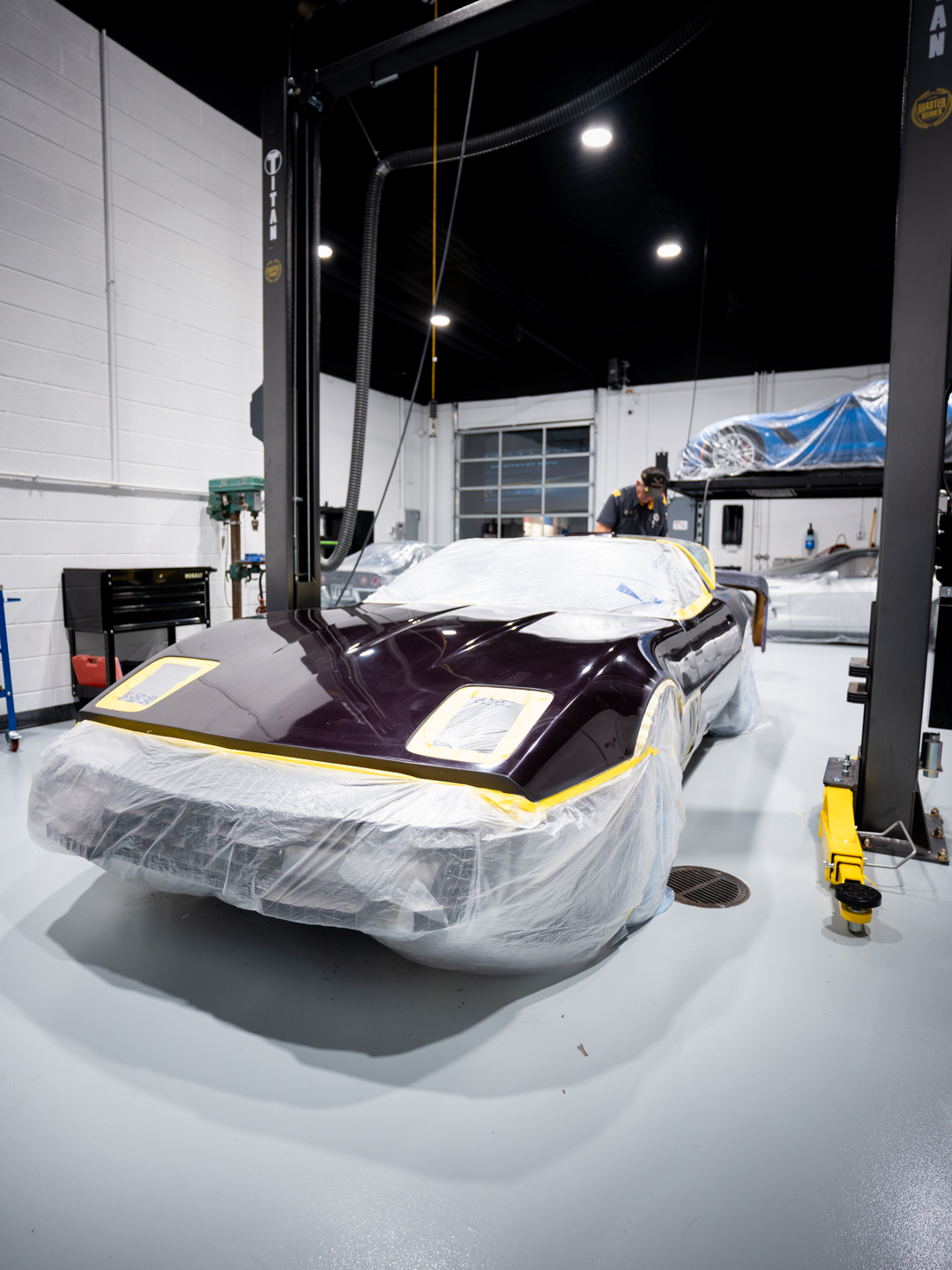
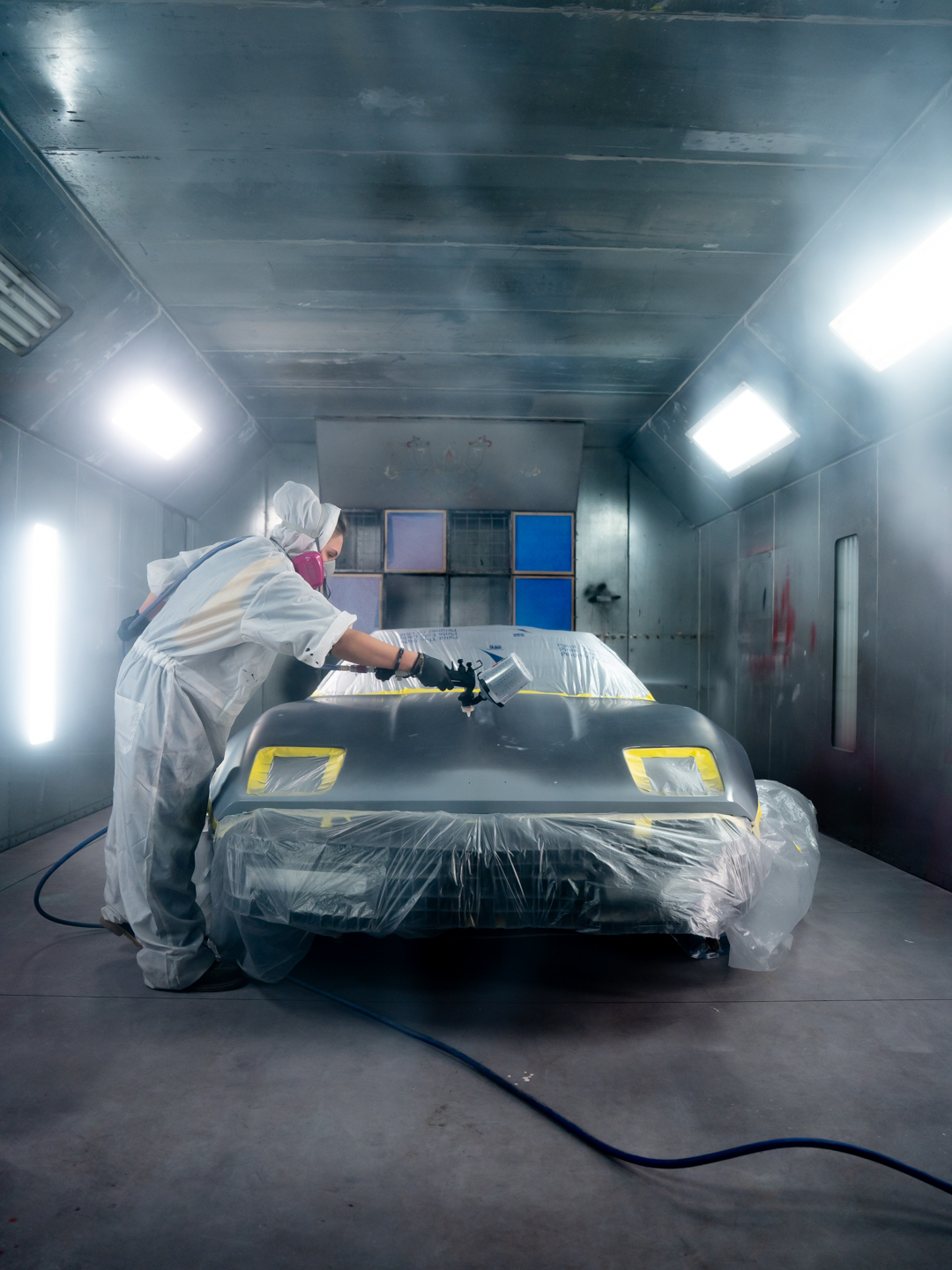
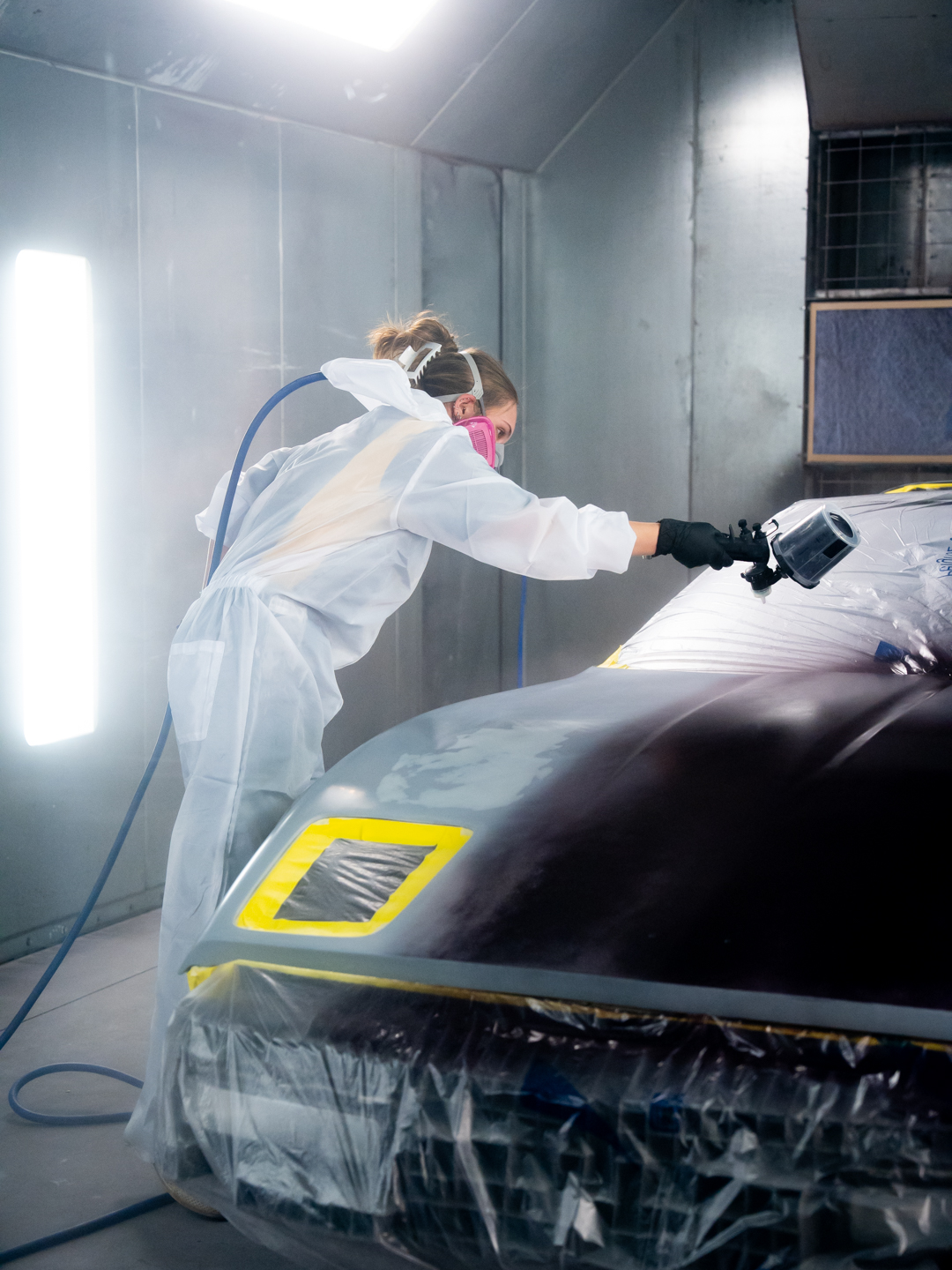
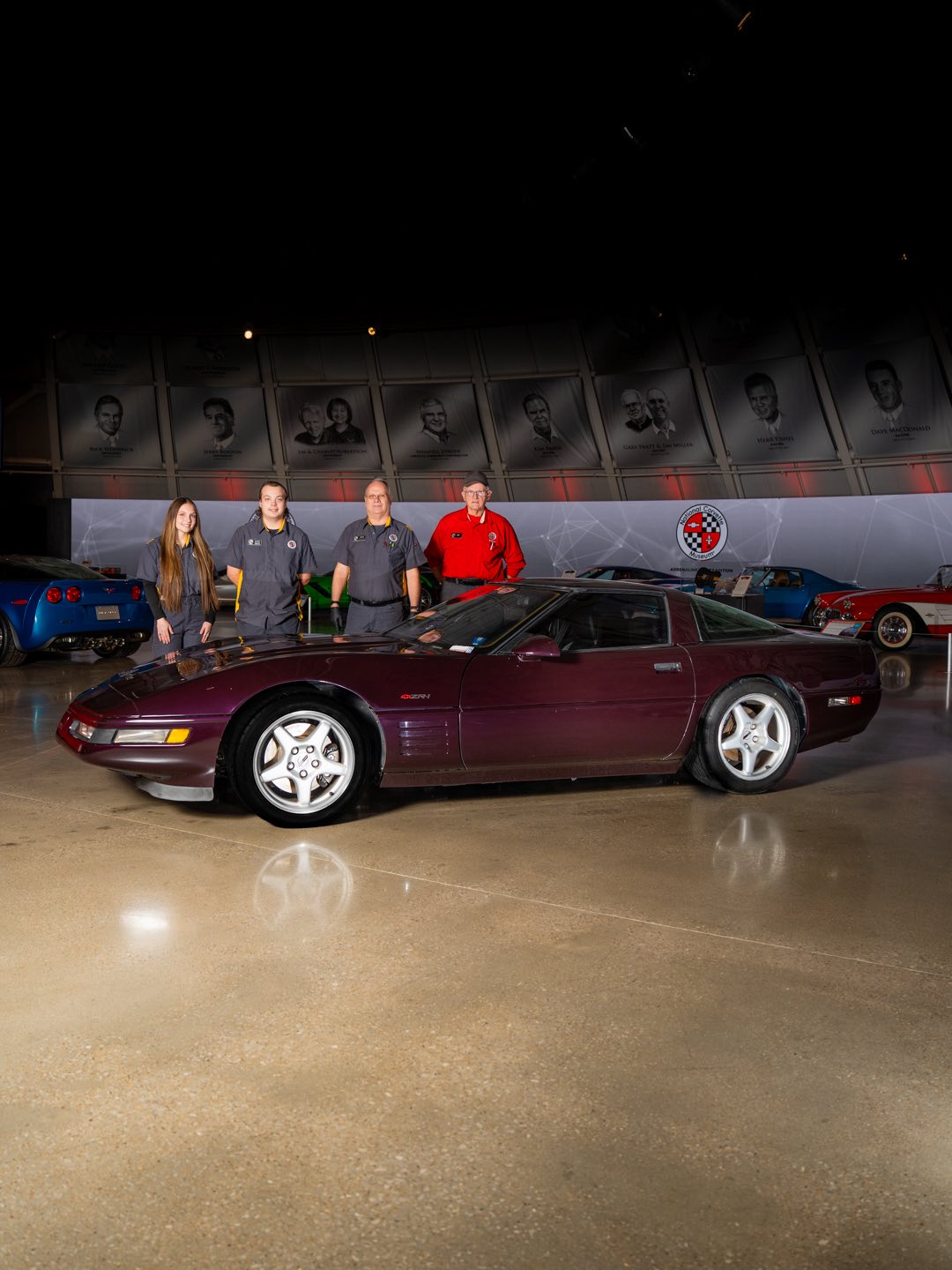
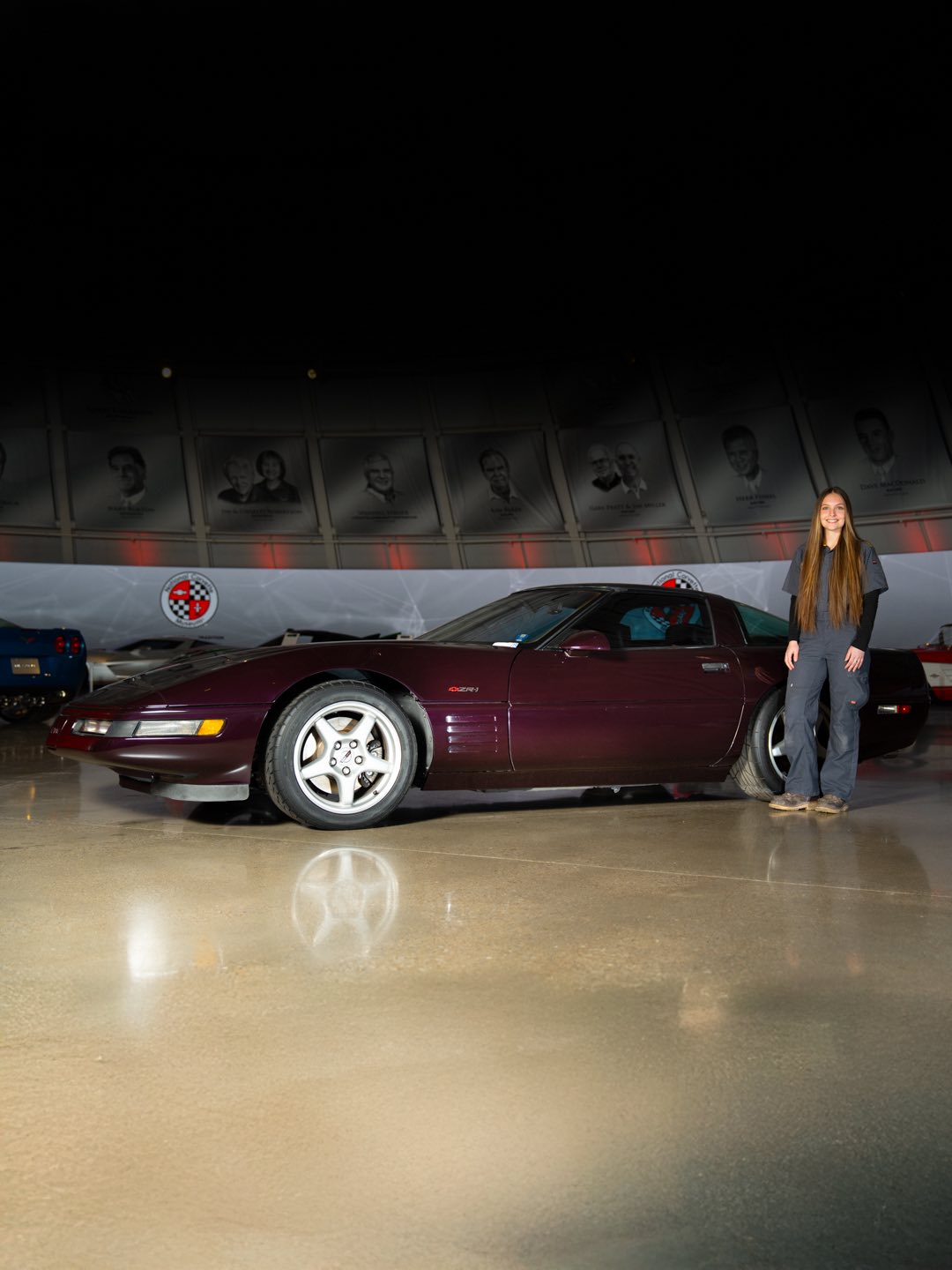
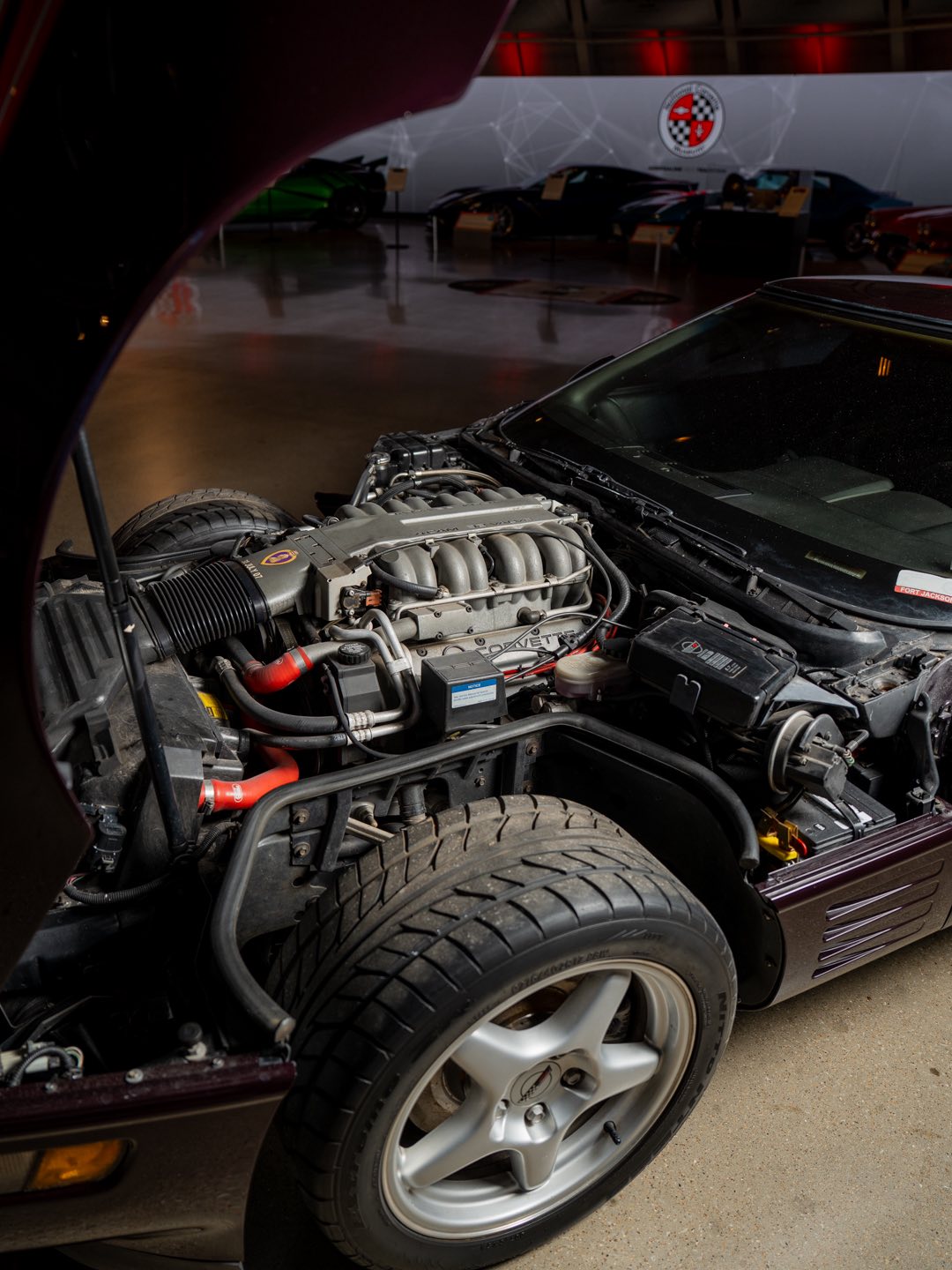
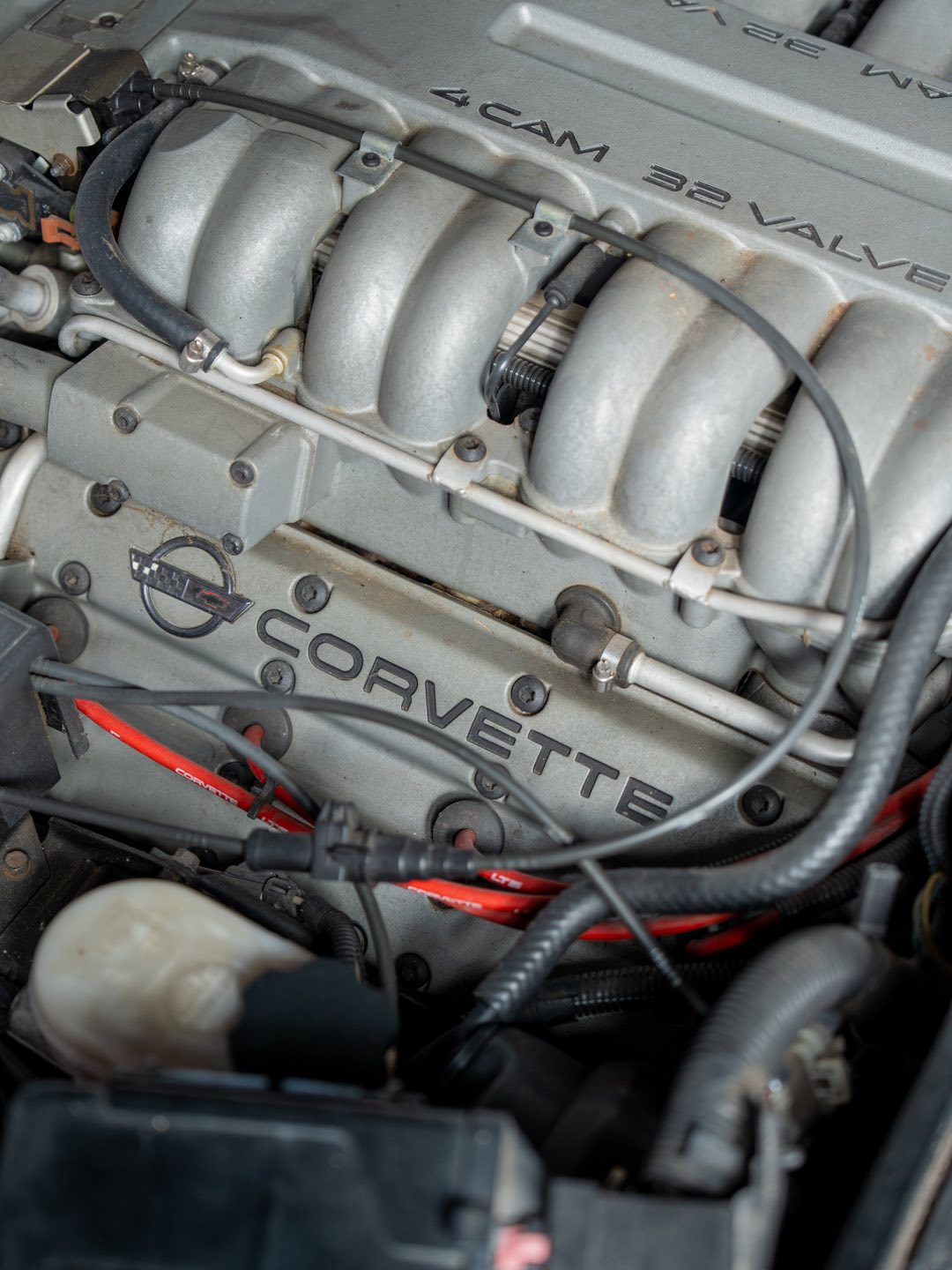
The National Corvette Museum has officially completed the preservation of a rare 1993 Black Rose Corvette ZR-1 — one of just eleven produced in this striking shade for the model year — and the finished product has the community buzzing. This LT5-powered icon underwent extensive mechanical and cosmetic attention, including replacement of the fuel pumps, clutch assembly, and brake system, before moving into a meticulous refinishing process. The body was carefully disassembled, hand-sanded down to primer, then refinished with two coats of base and two heavy layers of clear. The final wet-sanding and buffing session brought the surface to its full depth and gloss. The result? A preserved piece of Corvette performance history that now stands ready for visitors to experience in person.
A sample of the restoration pictures from CorvSport’s previous Black Rose feature: click here to see the full gallery.
Preserved, Not Rewritten
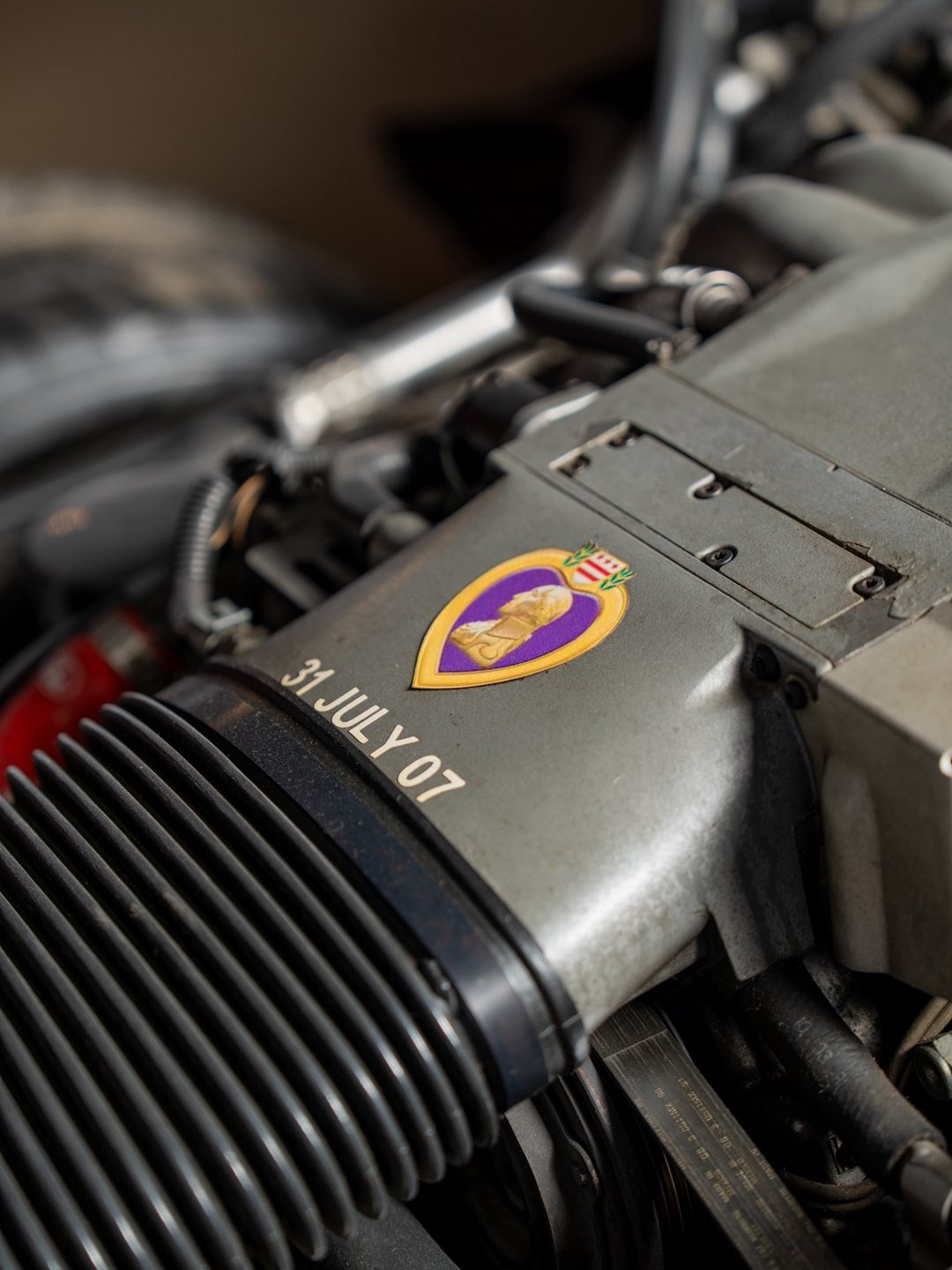
This wasn’t a restoration chasing reinvention — it was a mission rooted in authenticity. When Maureen W. asked whether the car was brought back while maintaining originality, the Museum confirmed its intent: the team preserves each Corvette to remain as true to factory character as possible. Even the details tell stories. Lucius N. noticed a Purple Heart emblem on the manifold and asked about its meaning. The Museum shared that the donor, who prefers to remain anonymous, is a Purple Heart recipient — a powerful layer of personal history woven into an already significant machine. Preservation here means safeguarding both mechanical pedigree and human legacy.
Community Buzz Around A Rare Shade
The revival sparked immediate energy among enthusiasts. Orlando V. called the C4 ZR-1 “one of the most slept-on Corvette models,” noting how unique and special it remains in the performance timeline. Mike R. praised Black Rose as one of the most beautiful hues ever sprayed on a Corvette. And Gregory M. posed a sharp-eyed question: was Black Rose the same as 1993’s Ruby Red Metallic 40th Anniversary color? The Museum clarified that while the two tones can appear similar in photos, Black Rose and Ruby Red Metallic are distinct factory paint codes from the 1993 lineup. The excitement surrounding this one-of-eleven ZR-1 proves the C4 performance flagship still commands attention decades later.
♦ Again, the NCM’s vibrant community is ready to engage:
- 2,600+ Reactions
- 132+ Comments
- 151+ Shares
- Click anywhere on the post to join.
Black Rose ZR-1 Revival Photo Gallery

3 — ICYMI: The Infamous Sinkhole, 12 Years Later
Our founder and contributor, Scott Kolecki, has strong ties to the NCM community and published this touching reminder of what the museum and enthusiasts experienced when Mother Nature temporarily turned her back on America’s Sports Car.
Remembering the NCM Sinkhole and the Eight Cars It Claimed
CorvSport Author: Scott Kolecki
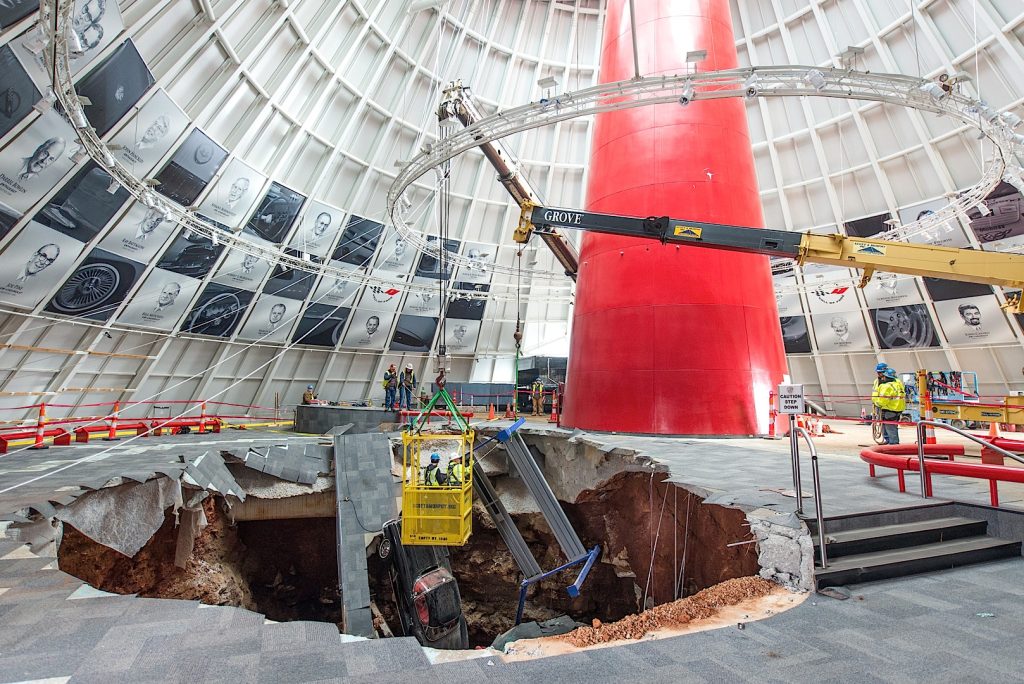
At 5:38 a.m. on February 12, 2014, the National Corvette Museum’s Skydome in Bowling Green did something no Corvette fan could have imagined: it failed. Not with a crack in the drywall or a harmless settling line—this was a full-on collapse. A massive sinkhole opened under the iconic dome and swallowed eight Corvettes, dropping them roughly 30 feet into a previously unknown cave system below.
Fortunately, the museum was closed when it happened, which meant nobody was hurt. But the footage—security-camera video that looked like it belonged in a disaster film—hit the morning news and spread like wildfire. The Skydome, which had been designed as a kind of shrine to the marque, suddenly became the stage for Corvette history’s most surreal headline.
This is the story of what happened, what it took to recover and rebuild, and what became of each of the eight cars that fell into the earth.
The Sinkhole: A Corvette Cathedral Built Over Karst Country
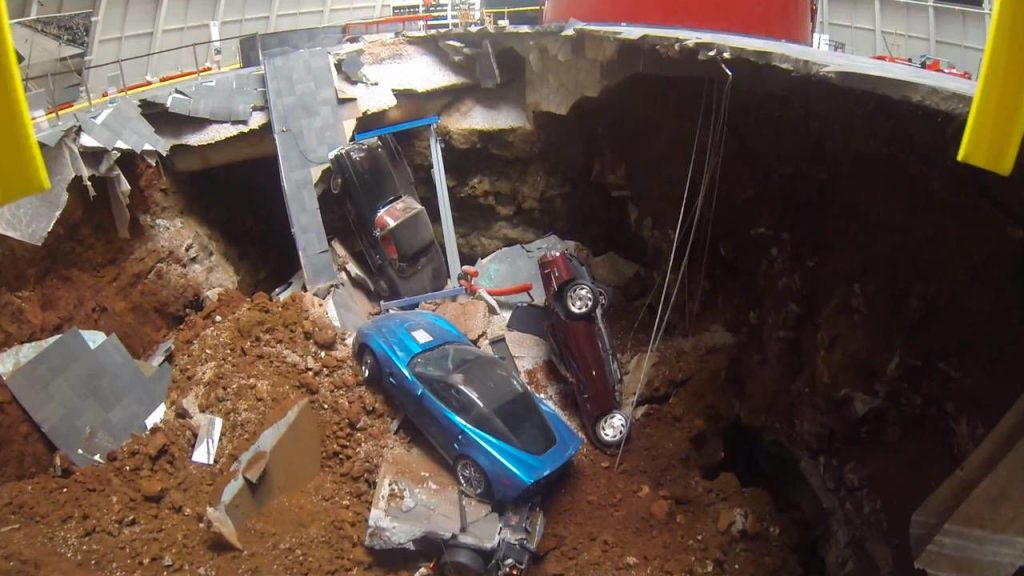
Bowling Green sits on karst terrain—ground that looks solid and dependable right up until the moment that dependability literally dissolves beneath your feet. Over decades (and in the case of the Commonwealth of Kentucky, centuries), water has worked its way through the limestone, slowly dissolving it from the inside out. What you’re left with is a landscape that can be deceptively normal on the surface, but underneath is actually riddled with massive voids, channels, and cave pockets—empty spaces that don’t announce themselves until the day they decide to move.
That same geological fingerprint is what makes southern Kentucky legendary for its caves. It’s why you can drive a few miles north of the Museum and find limestone hills, underground drainage, and the kind of hidden topography that never shows up in a postcard. And on that morning, beneath the NCM’s Skydome, the math and the geological decline finally caught up. The unseen space below the Skydome didn’t “appear” overnight—it had been there, quietly evolving, quietly expanding, until the moment the ground above it could no longer carry the load. Then, in an instant, the surface gave way—and the hidden, vaccuous world underneath finally won… CONTINUE READING or SAVE FOR LATER
From April 23-25, join like-minded enthusiasts and make the pilgrimage to Bowling Green for the annual Michelin NCM Bash!
The Corvette Obsessed team at CorvSport truly appreciates having you as a reader. Can you help make 2026 our best year yet and join the CorvSport movement?
- Engage with CorvSport’s 166,000 Facebook followers and be the first to see our daily content.
- Experience how obsessed we are and view our top 25 monthly features by visiting our digital magazine, CORVETTE OBSESSED.
- Enjoy an ad-free experience, get exclusive content, and support CorvSport for only $2.92/month!