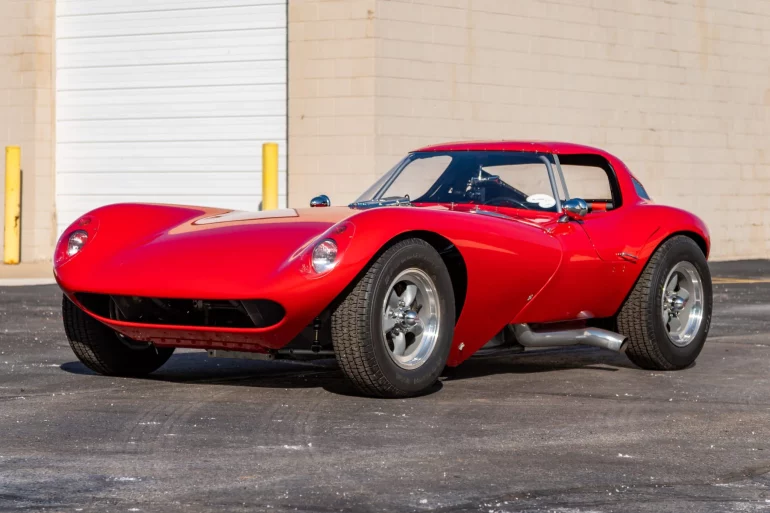
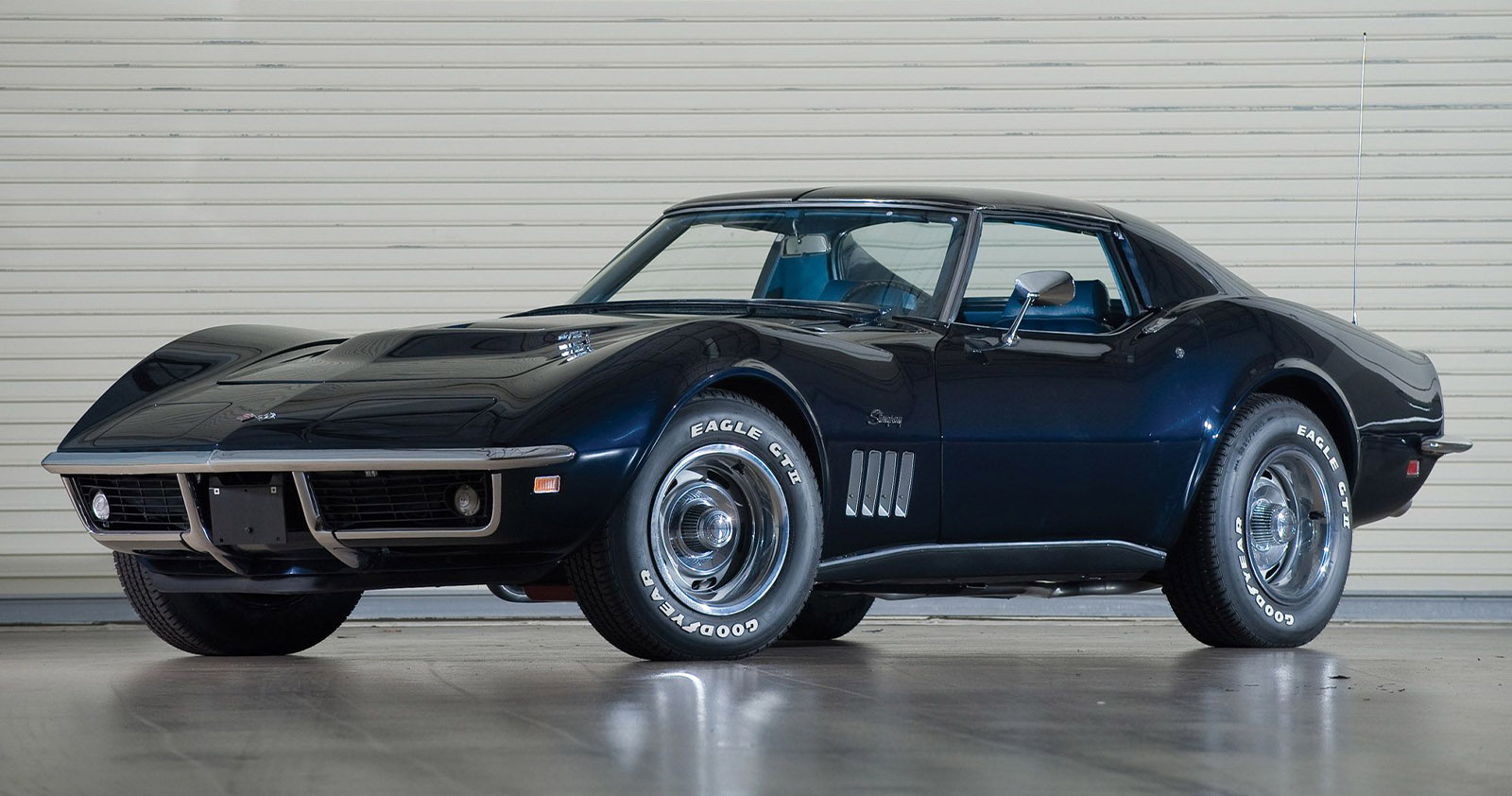
By the time Carroll Shelby’s Cobra started embarrassing Corvettes on road courses and drag strips in 1962, the pressure inside General Motors had become difficult to ignore. Chevrolet’s flagship sports car was losing races to a lightweight, Ford-powered roadster built by a small operation in California, and the people responsible for GM’s performance image knew something had to change. The problem was that GM was bound by the auto industry’s self-imposed racing ban, which meant any response would have to come through channels that didn’t officially exist.
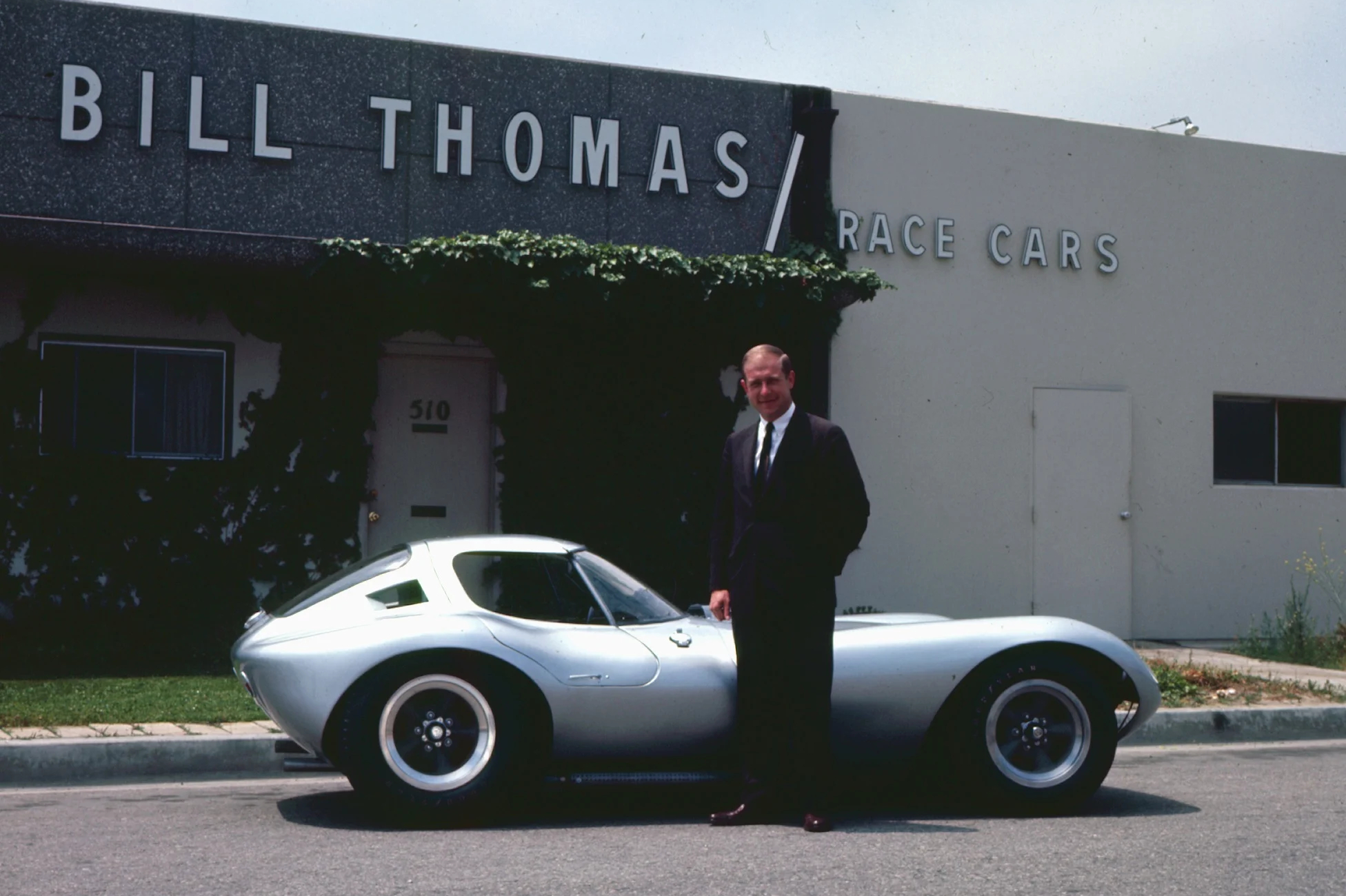
That’s where Bill Thomas came in. Born in May of 1921 and based in Anaheim, California, Thomas had spent years tuning and preparing Chevrolet products for competition.He began his career preparing Corvettes for racing in the mid-1950s, eventually opening Bill Thomas Race Cars in 1960. By the time the Cobra problem surfaced, Thomas had built enough credibility with GM’s performance division that Vince Piggins, head of Chevrolet’s Performance Product Group, was willing to work with him quietly. Piggins sent Thomas back to Anaheim with a purchase order for the 100 cars then required by SCCA in production classes, along with assurances of C2 Corvette parts support and less than one year to deliver a small fleet of Cheetahs.
The Men Behind the Machine
Credit: Silodrome
Thomas was the driving force, but the Cheetah was as much Don Edmunds’ creation as anyone else’s. The car was designed by Thomas and Edmunds, his lead fabricator, with Edmunds credited with the bulk of the construction.Edmunds was not a trained engineer working off formal blueprints. His trademark design methodology was to sketch what he thought the car ought to look like, then build it. The bulk of the initial drawings showed each major component in block form with major dimensions marked. It was a lean operation from the start. Financing for the project came from private investors, Thomas himself, and John Grow, a Rialto, California Chevrolet dealer, who owned the prototype car.
The Team That Built It by Hand
Credit: Bring a Trailer
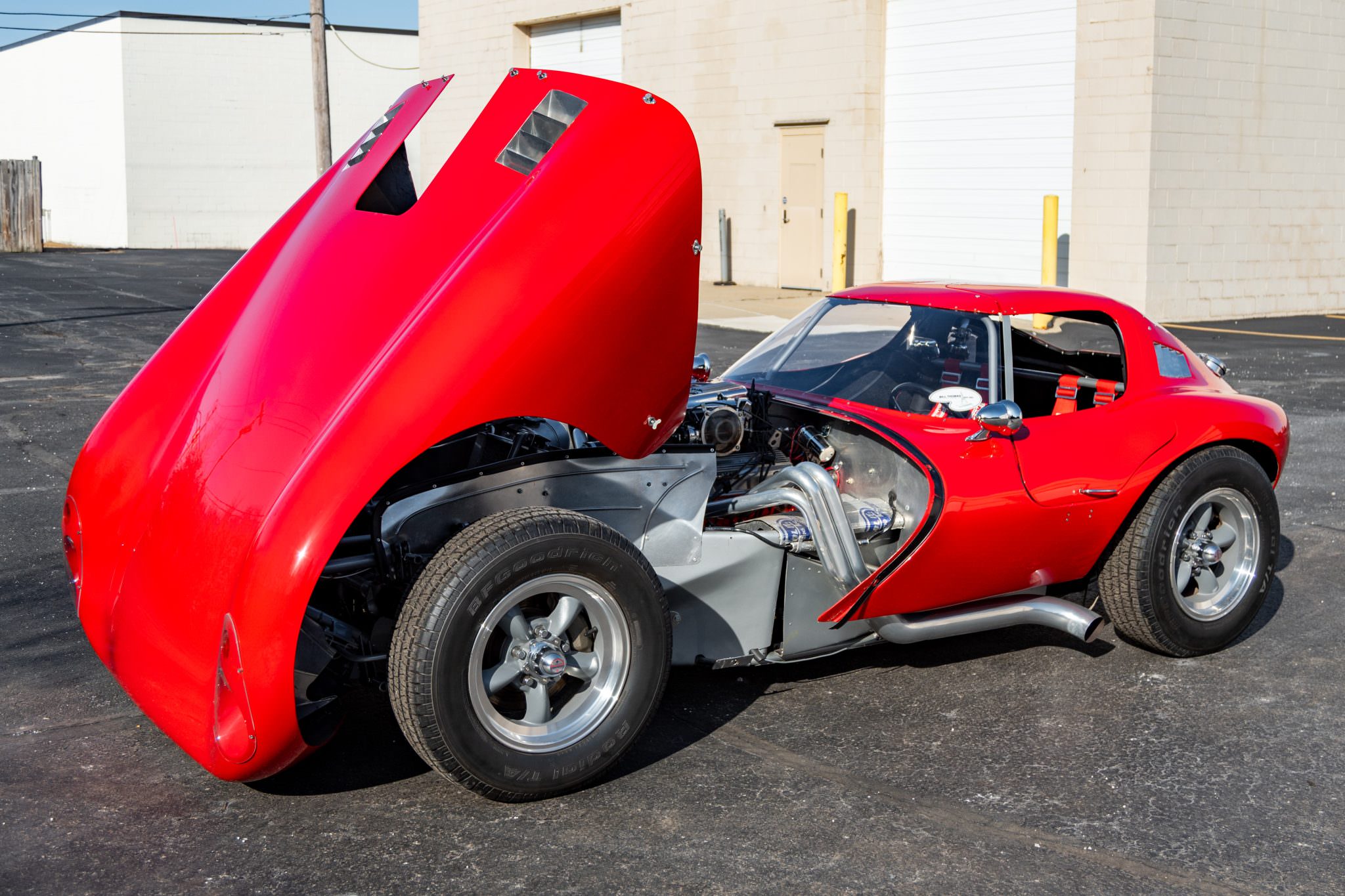
The shop at 510 E. Julianna Street in Anaheim was not a factory in any conventional sense. It was a small race car operation that happened to be attempting something ambitious: building a car from scratch around a Corvette drivetrain, with the goal of beating one of the most competitive sports cars in the country. Thomas had worked with Chevrolet engineering on a wide range of projects over the years, including racing Corvairs, high-performance Chevy IIs, and drag-racing 409s. That background gave him access to parts and people that a less-connected builder would never have had. For the Cheetah specifically, Thomas arranged material assistance from Chevrolet for the major components: the Corvette 327 engine, Muncie transmission, and independent rear-end assemblies. Other components came from the broader GM parts bin, including Chevrolet passenger car spindles and NASCAR-spec drum brakes.
Join 45,000+ Corvette Owners Who Read Our Newsletter
Our newsletter delivers all the Vette news, rumors, deals and events directly to you each week
Members only$35 / year
Keep going. This is where it gets good.
CorvSport Membership is for people who'd rather spend an hour inside one engine option than skim ten headlines. The rest of this story — and every other one like it — is a few seconds away.
Every members-only story
Deep history, market reports, buyer's guides, and the full archive back to 2010.
No ads. None.
The whole site reads like a magazine, on every device.
Every model year, 1953 to today
Production numbers, VINs, RPO codes, colors, options — one page per year.
30% off the shop
Every CorvSport shirt and piece of merch, all year.