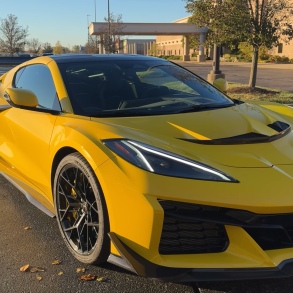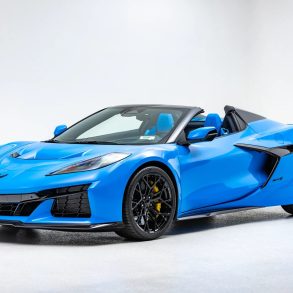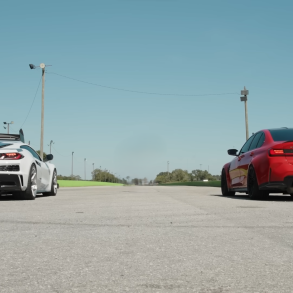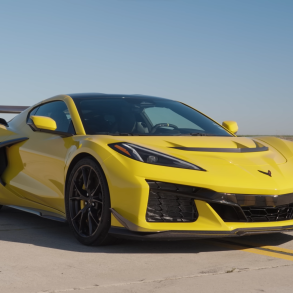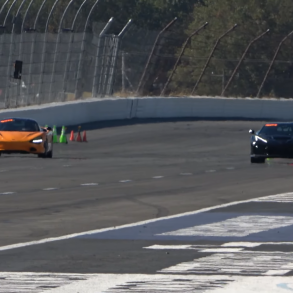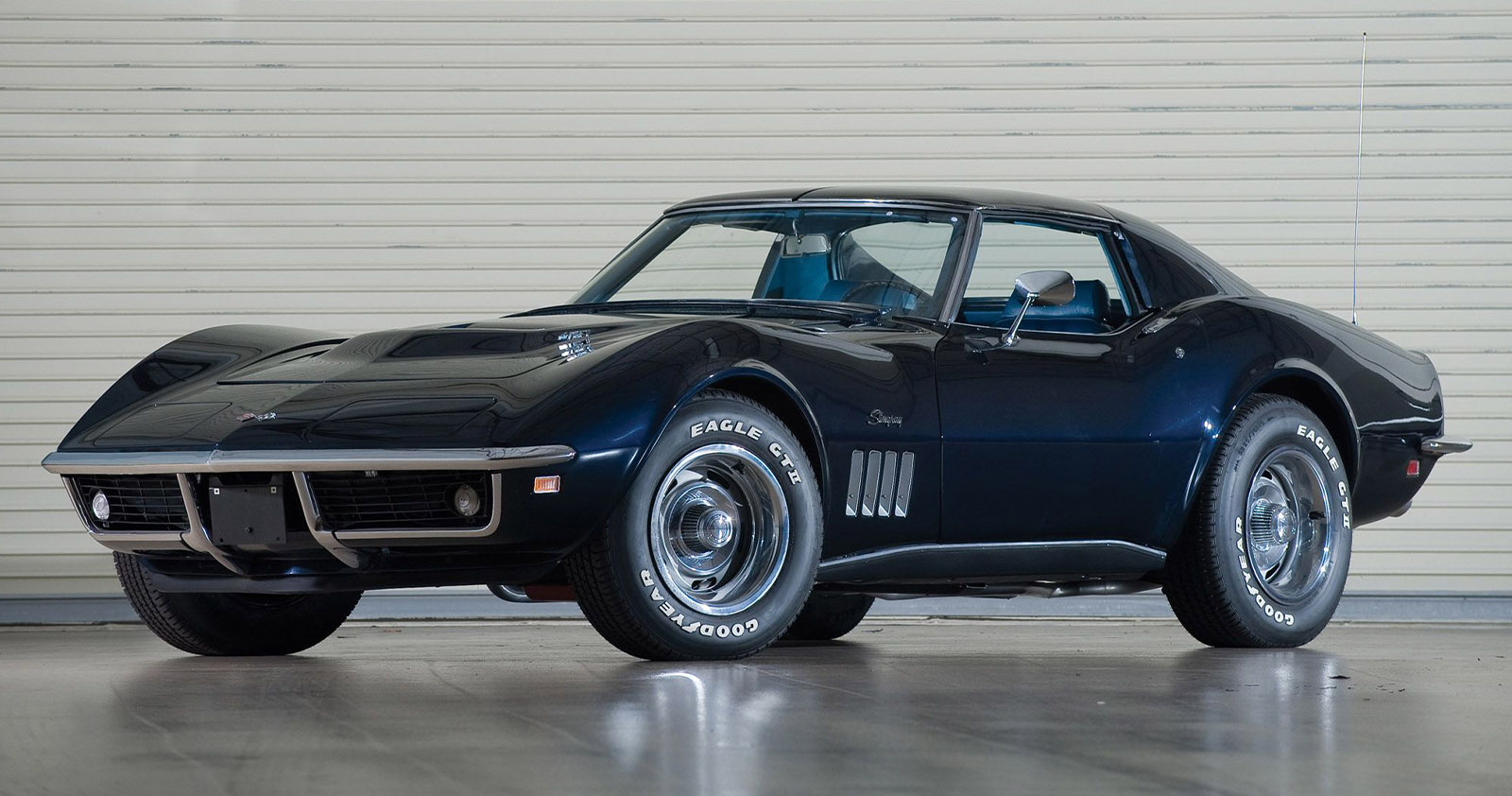
Top Gear staged its most extreme American head-to-head yet at the Ten Tenths Motor Club in Charlotte, North Carolina, pitting the Ford Mustang GTD against the Chevrolet Corvette ZR1. Both are Nürburgring-developed, sub-seven-minute machines with genuine motorsport intent, and both represent a radical evolution of their nameplates.
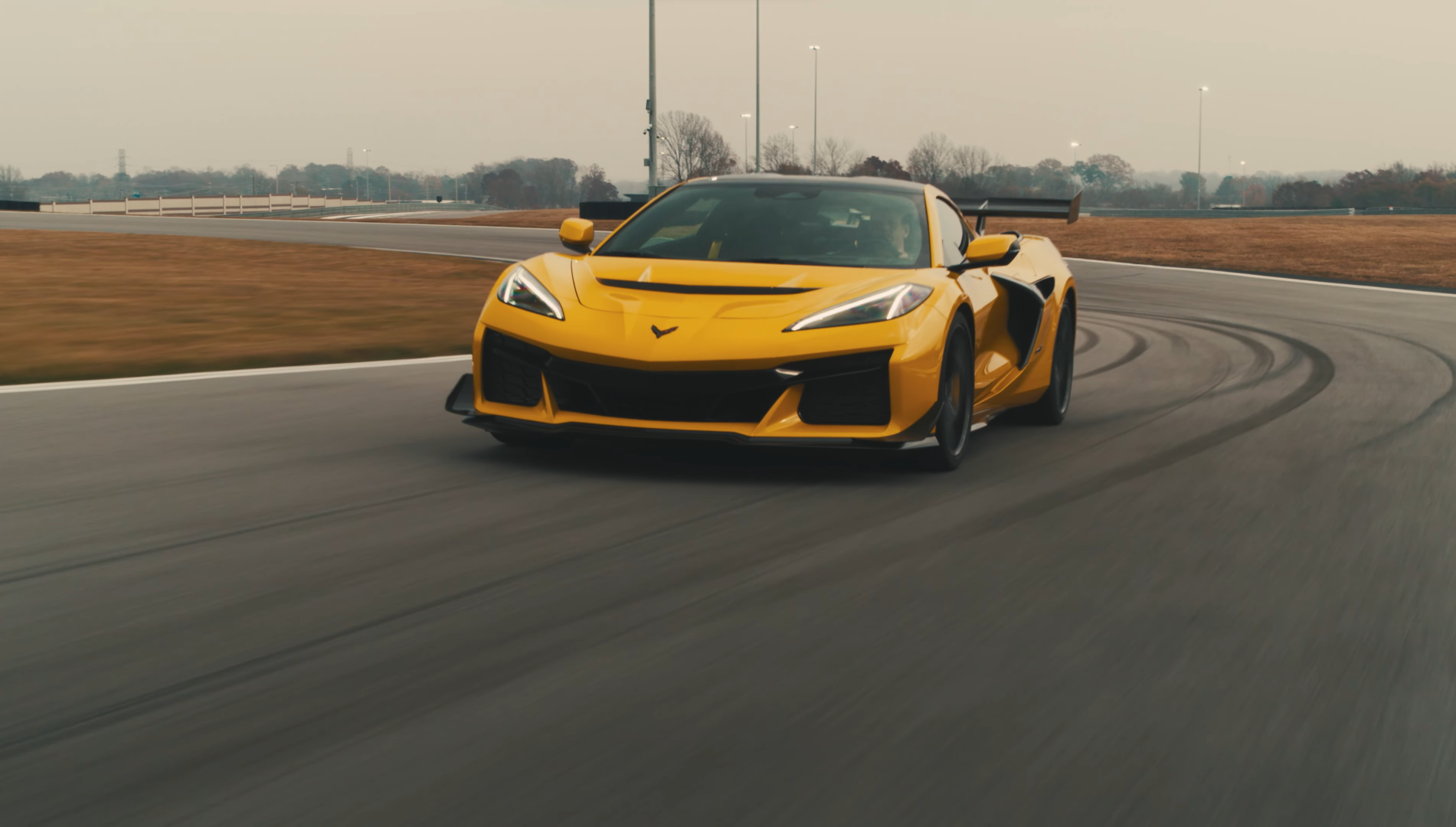
On paper, both cars sit in rare territory. The Mustang GTD is developed with direct race-team involvement, carrying clear GT3 influence and Nürburgring intent. Its 5.2-liter supercharged V8 produces 815 hp. The Corvette ZR1 counters with a 5.5-liter twin-turbo V8 delivering a staggering 1,064 hp, fed by the largest turbos ever fitted to a production car.
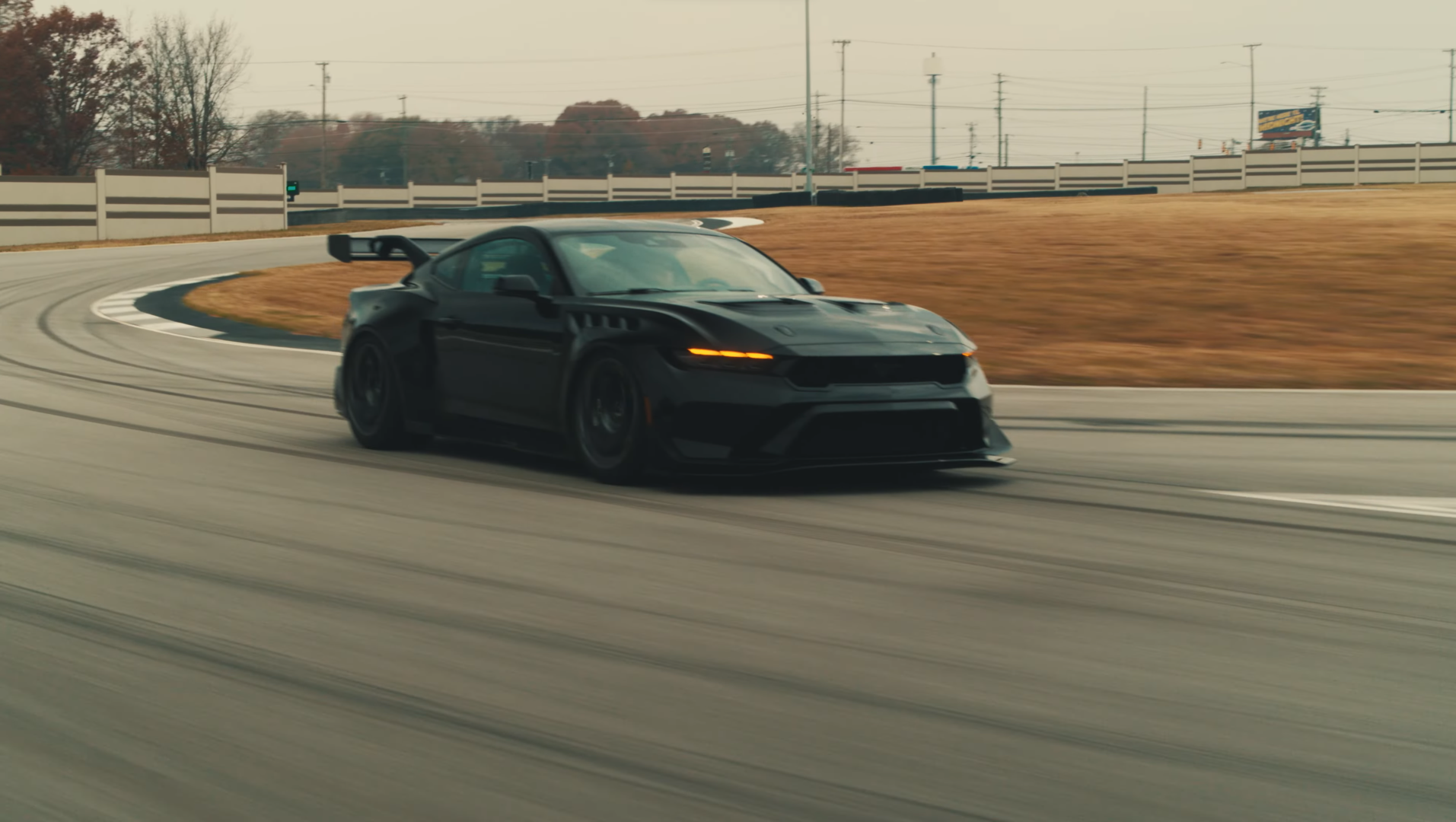
Performance numbers favor the Corvette almost everywhere: 0–60 mph in roughly 2.3 seconds versus the GTD’s 3.2, a 233-mph top speed against 202, and a Nürburgring lap that’s 1.3 seconds quicker. It’s also significantly cheaper. But numbers only tell part of the story.
On track, the Mustang GTD feels like a homologation special with plates. Its standout traits are braking stability, high-speed confidence, and adjustability. Massive front tires, immense downforce, and a race-derived suspension give it relentless consistency and trust at the limit. Despite its weight, it feels composed and progressive, more GT race car than muscle car.
The Corvette ZR1 delivers speed in a different way. It’s brutally fast in a straight line, lighter on its feet, and astonishingly accessible for its output. Power delivery is surprisingly progressive, traction is exceptional, and direction changes feel sharper. It’s less locked down under braking than the GTD, but more agile and devastatingly quick corner to corner.
The lap times settled it. The Mustang GTD set a 1:15.61. The Corvette ZR1 obliterated that with a 1:12.97—over 2.5 seconds quicker on a short circuit.