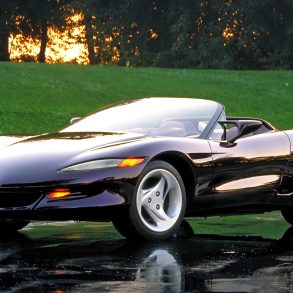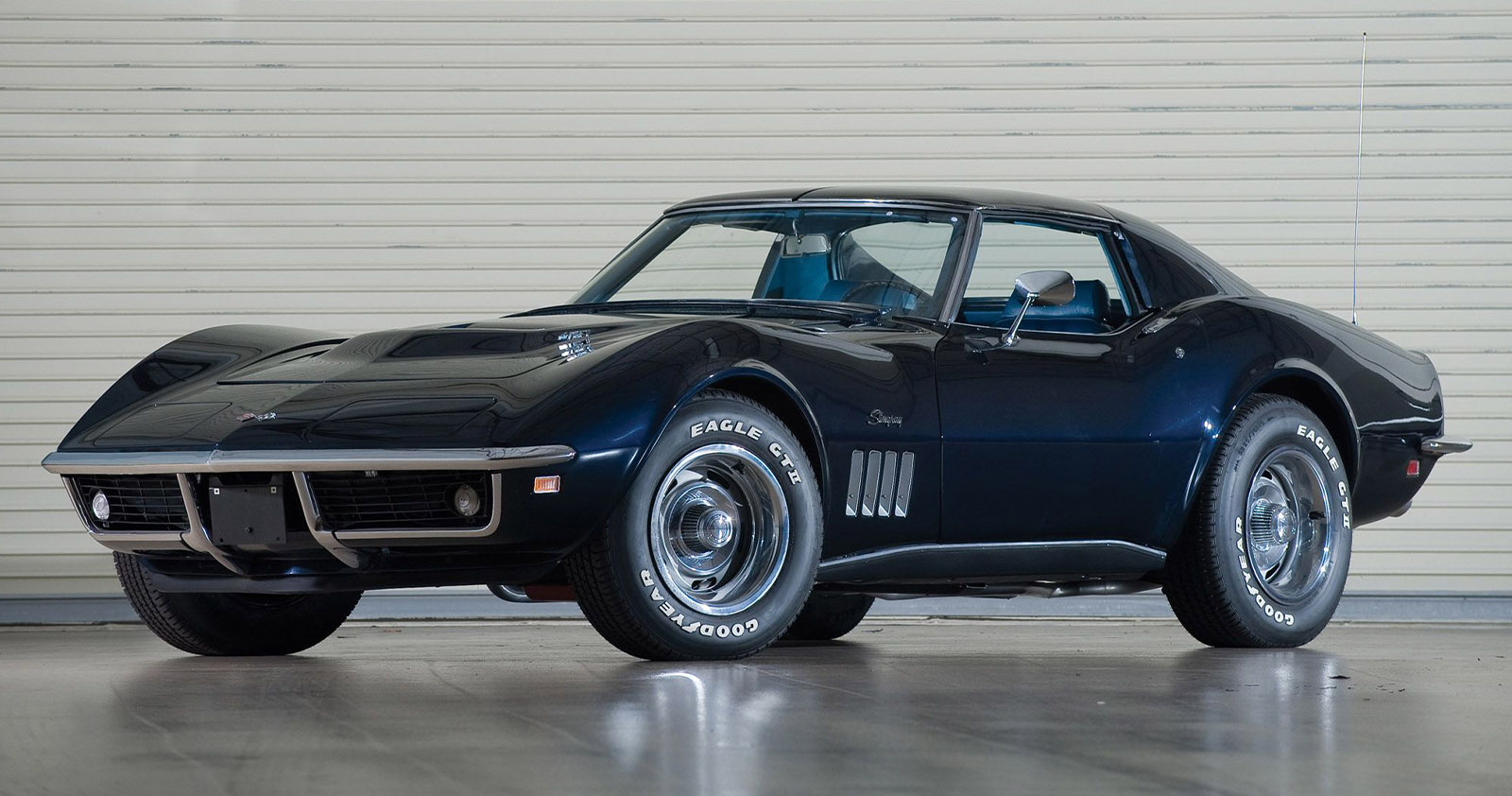
Corvette owners tend to have strong opinions about resale value, and for good reason. The car sits in a strange place in the market. It is an American icon with real performance credentials, yet it is also produced in meaningful numbers and sold through regular Chevrolet dealerships. That combination makes people wonder whether a Corvette is something you buy to enjoy or something you should worry about preserving.
The stereotype says Corvettes do not hold their value. Some owners push back hard against that idea, pointing to special models or moments when demand outpaced supply. Others quietly admit they have seen the numbers firsthand and know the reputation did not come out of nowhere. So which version is closer to the truth?
The short answer is that most Corvettes do not hold their value in any exceptional way, especially base models and high-volume trims. The longer answer is more interesting, because it explains why a few Corvettes absolutely do hold value, and why confusing those exceptions with the rule keeps this myth alive.
Fact: Most Corvettes Depreciate, and That Is Not a Failure
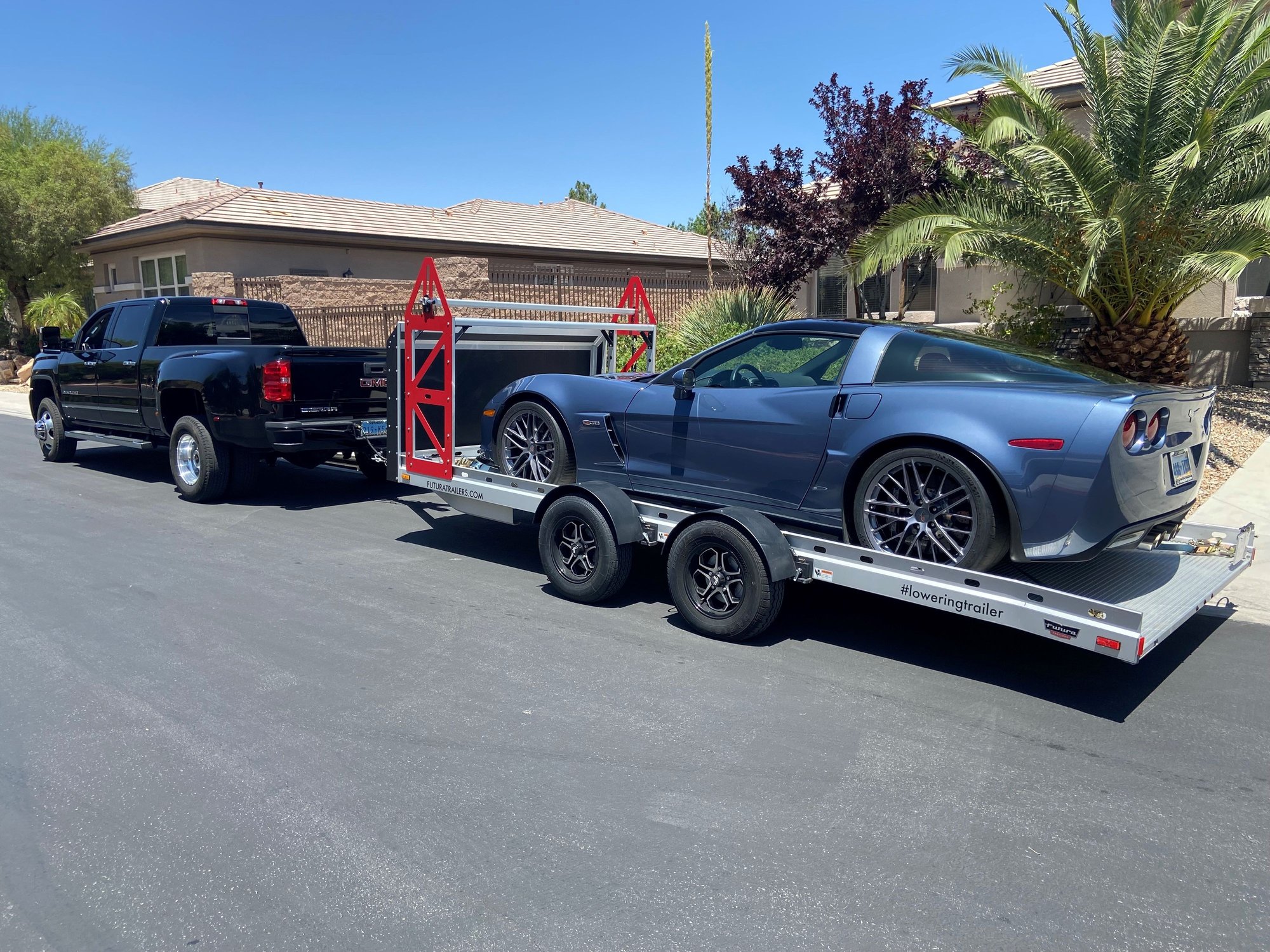
For the average Corvette buyer, depreciation is part of the experience. That is not an insult to the car. It is simply how markets behave when supply is healthy. One of the clearest explanations comes from a video by the C&S Corvettes YouTube channel, where they break down why Corvettes tend to lose value over time. The core argument is simple. Corvettes are special cars, but they are not rare cars. From the C5 generation onward, the used market is full of examples that look very similar on paper. Many have low mileage, clean histories, and careful owners who treated them as weekend toys rather than daily transportation.
That creates competition. Even if your car is pristine, it is often sitting next to dozens or hundreds of other pristine cars. At that point, the market does not reward careful ownership as much as people hope it will. Prices soften because buyers have choices.
This is also where the garage-queen mindset starts to fall apart. Many owners believe that keeping miles off the car protects its value. In reality, mileage is only one factor. If the market already has plenty of low-mileage cars, keeping yours locked away does not change the bigger picture. The car depreciates whether you drive it or not.
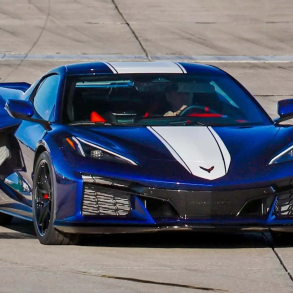
Modern examples reinforce this idea. The Flying Wheels YouTube channel recently walked through the current C8 market and showed how quickly conditions can change. A couple of years ago, C8 Corvettes were selling above MSRP with long waitlists. Today, depending on trim and location, some are listed under MSRP and can sit at dealerships far longer than anyone expected. That does not mean the C8 is undesirable. It means supply has caught up, and pricing has followed.
Fiction: “Corvettes Don’t Hold Their Value” Applies to All of Them
Saying Corvettes do not hold value is only accurate if you are talking about the average example. It stops being true the moment you zoom in on specific models with real historical weight.
Take the 1963 split-window coupe. It has been a standout in the Corvette world for decades, not because it is old, but because it is visually unique, historically important, and limited to a single model year. That combination has kept demand strong long after the nostalgia factor should have faded. The market treats it differently than a standard mid-1960s Corvette because it is different.
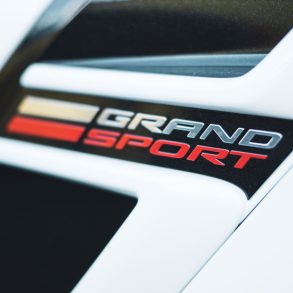
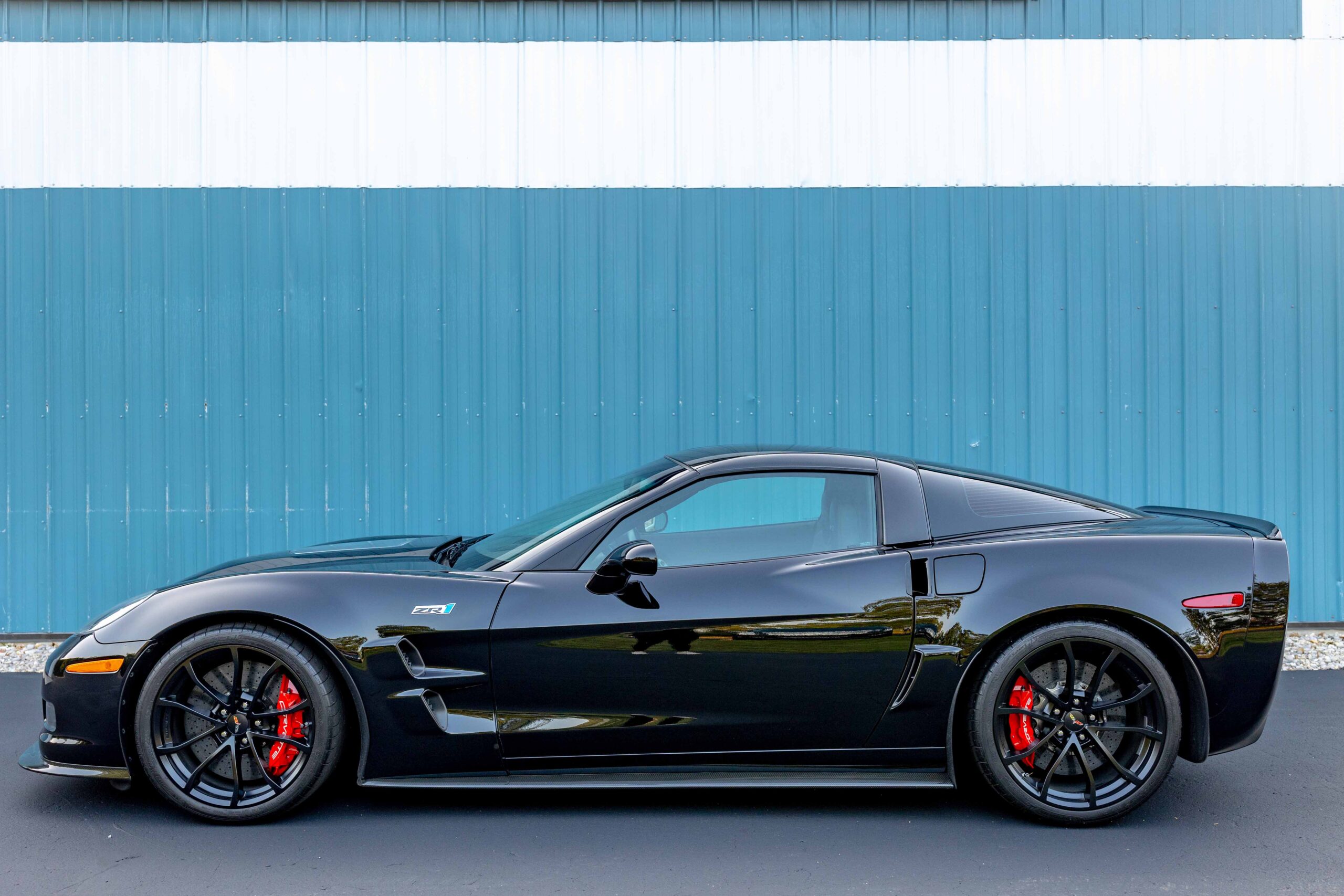
The same logic applies to certain big-block cars from the late 1960s and early 1970s. High-performance variants with documented options and limited production were never meant to be everyday cars, and the market continues to recognize that. A modern example would be the C6 ZR-1, which will set you back anywhere from $90k to $100k. A C5 Z06 or the 1996 Grand Sport holds their value pretty well, too. These are the Corvettes people point to when they say, “See, Corvettes hold value.” And in those cases, they are right.
The mistake is assuming that those cars represent the entire lineup. They do not. They represent a narrow slice of Corvette history that was rare from the start and desirable for reasons that go beyond horsepower.
Even within special models, there are gray areas. The C4 ZR-1 is a good example. It has an incredible engineering story and a genuinely unique engine, yet its values have been debated for years. Some see it as underappreciated. Others point out that it looks too similar to a base C4 and carries long-term ownership concerns. The takeaway is not that the ZR-1 is good or bad financially. It is that “special” alone that does not guarantee appreciation.
The Reality in Between: Value Depends on the Story, Not the Badge
When Corvettes hold value, they usually share a few things in common:
- They are genuinely scarce, not just marketed as special.
- They have a clear identity that separates them from the base car.
- They carry long-term enthusiast demand, not just short-term hype.
- They are documented, original, and easy to understand as collectibles.
Cars like the split-window coupe check all of those boxes. Most Corvettes do not, and that is fine.
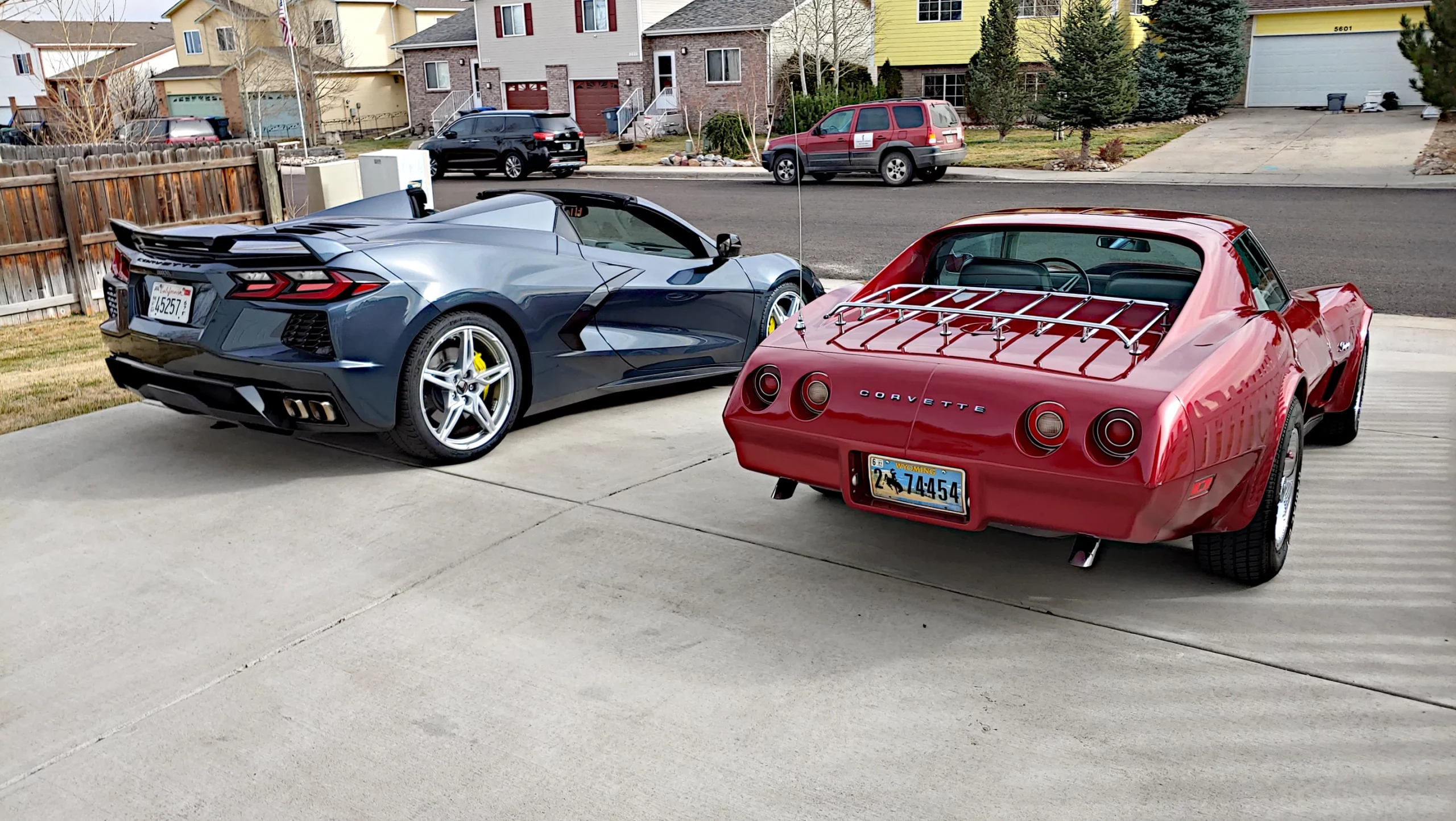
On the modern side, the C8 Corvette shows how quickly value narratives can flip. Early demand made it feel like a guaranteed winner. A few production cycles later, the market looks far more conventional. That does not erase the C8’s performance or its importance to Corvette history. It just means that buying one should be about wanting the car, not expecting it to behave like an asset.
This is why experienced voices often give the same advice, even if it sounds counterintuitive. If you have a regular Corvette and you love it, drive it. Enjoy it. The financial difference between driving it and storing it is often smaller than people think, and the enjoyment difference is enormous.
Verdict: Mostly Fact, With Clear Exceptions
So do Corvettes hold their value? Mostly no, if you are talking about base models and high-volume trims. Those cars depreciate in line with the broader performance-car market, and modern examples like the C8 show how quickly pricing can normalize once supply catches up.
Sometimes yes, if you are talking about rare, historically important cars with a clear reason to exist beyond performance numbers. The myth survives because people mix those two realities together. Corvettes are incredible performance cars. Some are also strong long-term holds, but most are not meant to be.