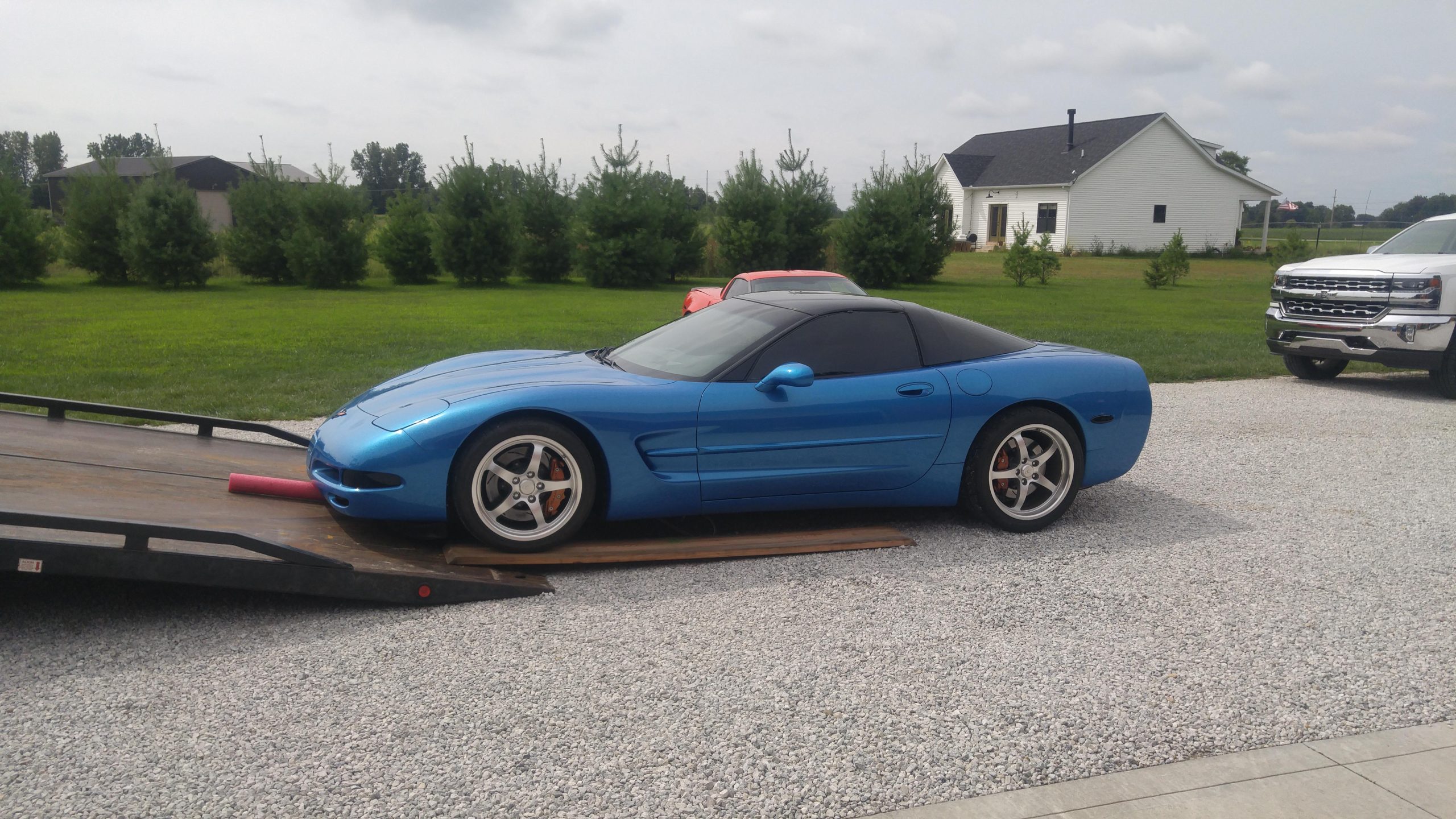
Impound lots have straightforward requirements when your vehicle gets impounded. Before they release your car, they’ll ask you for your driver’s license, proof of ownership, insurance card, and registration. And if you fail to provide any of these, your Corvette will stay put while daily storage fees stack up.
A C7 owner in British Columbia found this out when his car got impounded for 30 days over window tint. Other Corvette Forum members jumped into that thread sharing their own impound experiences and how difficult retrieving a vehicle becomes without immediate paperwork access. The 2017 C7 that got stolen and vandalized in Virginia a few weeks ago created similar documentation headaches for the owner dealing with police reports and insurance.
Fortunately, the solution isn’t complicated. Keeping certain documents in your car, creating backups, and knowing where to access information when originals aren’t available will save you from a few headaches.
Critical Physical Documents to Keep in Your Corvette

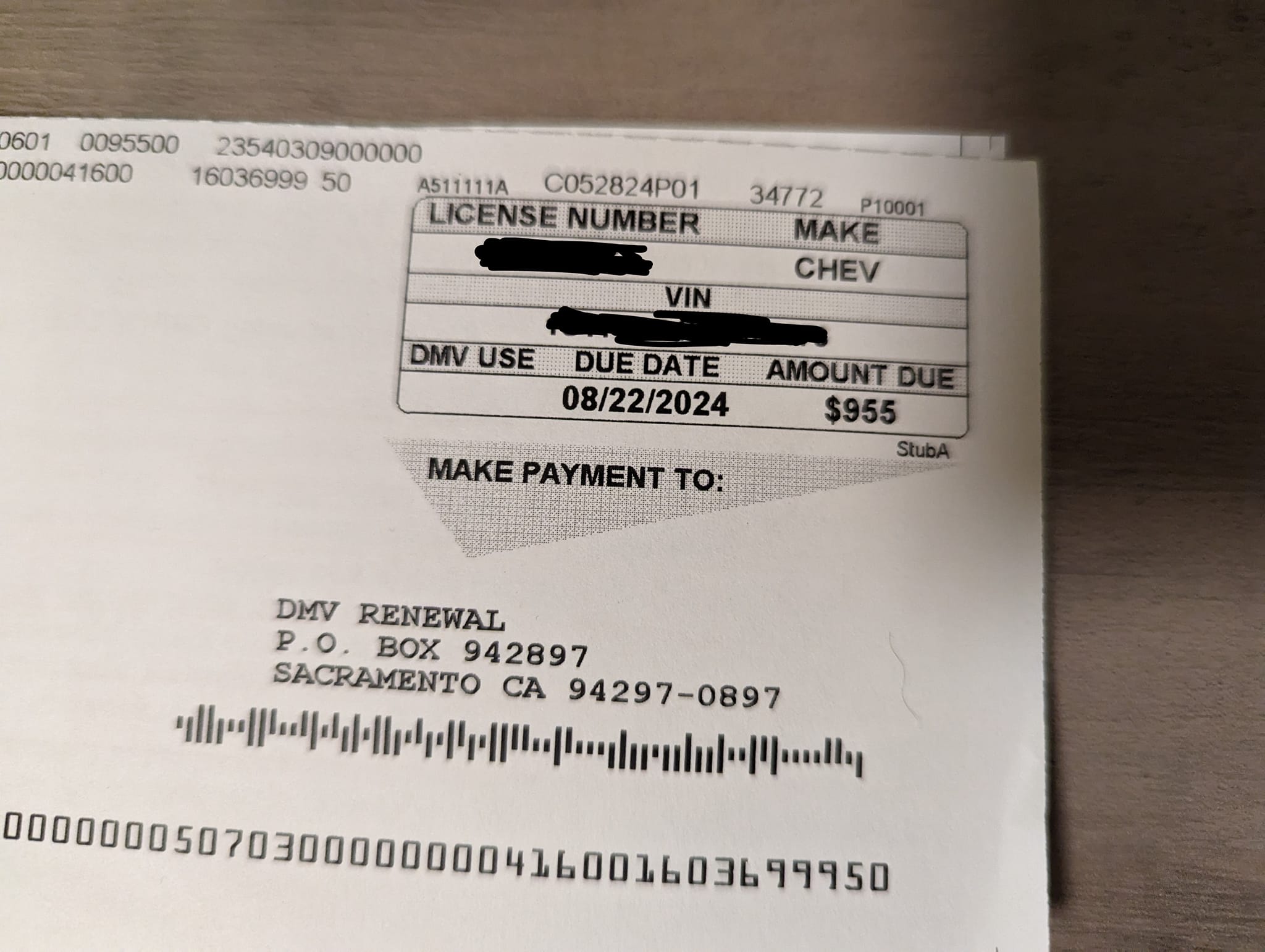
Start with your current registration in the glove box, using a clear plastic sleeve to prevent it from becoming unreadable after a few months. Digital registration exists in some states now, but physical cards still matter during traffic stops. Your insurance card goes next to it. Make sure it’s current, not from two policies ago, since it needs to show your policy dates and 24-hour claims number.
C8 owners and anyone under warranty should keep the owner’s manual in the car. You might need to look up specific system information, and having the manual beats trying to find answers on your phone. Owners of older Corvettes might want a title copy, particularly when traveling to shows where ownership verification occasionally comes up.
Write your VIN, insurance agent’s number, and roadside assistance contact on an index card and keep it somewhere visible. During stressful situations, having consolidated information readily available helps resolve them faster.
Try to also keep receipts for significant service work, such as transmission service, brake jobs, and tire replacements. You don’t need that for oil changes, but for substantial maintenance. These records prove proper care when you sell, especially documentation from reputable shops, which adds legitimate value to the transaction.
What to Do When You Don’t Have Access to Your Documents

Vehicles get towed, stolen, or end up stuck at repair shops, and documents get lost, damaged, or forgotten at home. Different situations create the same access problem. License plate numbers become critical in these moments as police departments need them for reports. Towing companies won’t discuss your vehicle without one, and insurance companies require them for claims processing. DMV offices also use them to pull up records.
Municipal towing regulations across cities follow similar requirements: proper documentation gets your impounded vehicle released. When that documentation is locked inside the impounded vehicle, alternative methods become necessary.
Insurance companies keep plate numbers on file, and old registration papers at home have them. Previous parking tickets also show them. Your vehicle’s VIN, which appears on insurance documents and titles, allows DMV offices to access your full registration history.
If you’re wondering about how to find your plate number without vehicle access, these approaches can help. VINs link to all vehicle records. Insurance policies list plate details, and previous paperwork contains them. Losing documents temporarily creates inconvenience, but it doesn’t have to become a crisis so having backup systems ready prevents most of the hassle.
Digital Backup Strategy for Corvette Documentation
- Use your phone to photograph every document in your glove box and make sure that text is readable in each image. Blurry photos don’t help when you need actual information. Once you have everything documented in photos store them in a cloud storage folder.
- Next, create a phone note containing your VIN, license plate, insurance policy number, and agent’s phone number and give it an obvious label. You can pull this up in seconds instead of searching through email or making calls.
- One thing worth noting is that document scanning apps work better than regular phone cameras. They produce clearer images with smaller file sizes. Email the scans to yourself too, as cloud storage sometimes has problems so email creates a second retrieval option.
- Lastly, keep printed copies at home in a file folder or safe, not stuffed in a kitchen drawer. When vehicles get stolen or burned, you need immediate access to clean copies of your title, registration, and insurance. Therefore, updating these backups when you renew registration or change insurance companies is always a best practice. You could also set phone reminders twice a year to check everything. Updating your files will take a few minutes.
Corvette-Specific Documents Worth Keeping
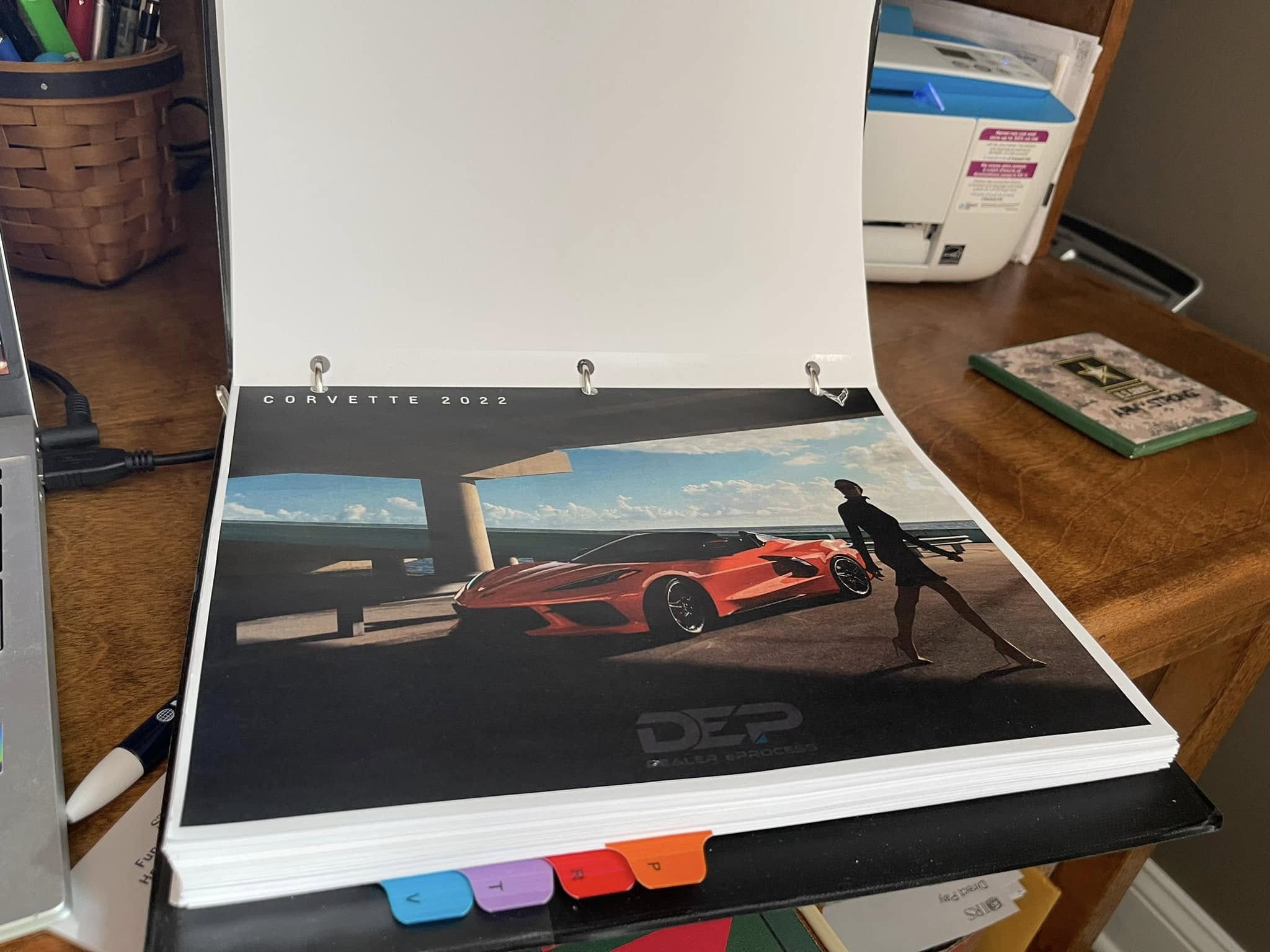
Window stickers and build sheets carry weight for C7, C8, and special edition models. They verify what came from the factory and which options the car has, affecting what buyers will pay, so we recommend keeping the originals at home and take copies for everyday reference.
NCRS documentation and judging sheets establish originality for older Corvettes. Numbers-matching C1 through C4 cars become more valuable with this paperwork as years pass. Always store copies with other records and the originals somewhere secure.
For instance, Z06, ZR1, and Grand Sport models need complete provenance records. Documentation showing the car’s history and what makes it special is worth preserving as liimited production numbers make this more important over time.

Regarding upgrades to your ‘Vette, keep modification receipts because aftermarket parts and performance upgrades need documentation for insurance. These receipts also show quality work when selling as professional installation records can increase offers.
For track day participants we recommend saving waivers and event certificates to document how the vehicle was used. Car show awards and certificates add to the vehicle’s history and although they might seem sentimental, they strengthen provenance and interest serious collectors.
Honestly, you don’t have to spend a lot of time getting your documents organized. It’ll probably take you a few hours to put everything together. Remember that storage fees at impound lots run daily and insurance claim delays cost time and money. Unfortunately, retrieval complications multiply when you can’t produce the right paperwork immediately so the preparation work now saves substantially more trouble later.