The C8 Corvette has grown into a full performance lineup that includes the Stingray, Z06, E-Ray, and the ZR1. As Chevrolet continues to raise the bar, owners have followed with sharper styling, smarter aero, and cleaner fitment. The best exterior upgrades in 2025 are not about being louder or wider. They are about making the C8 work better while emphasizing its mid-engine proportions. Below is a practical guide to the body mods that genuinely improve performance, presence, and daily usability.
1. Splitters, Side Skirts, and Wings That Actually Help
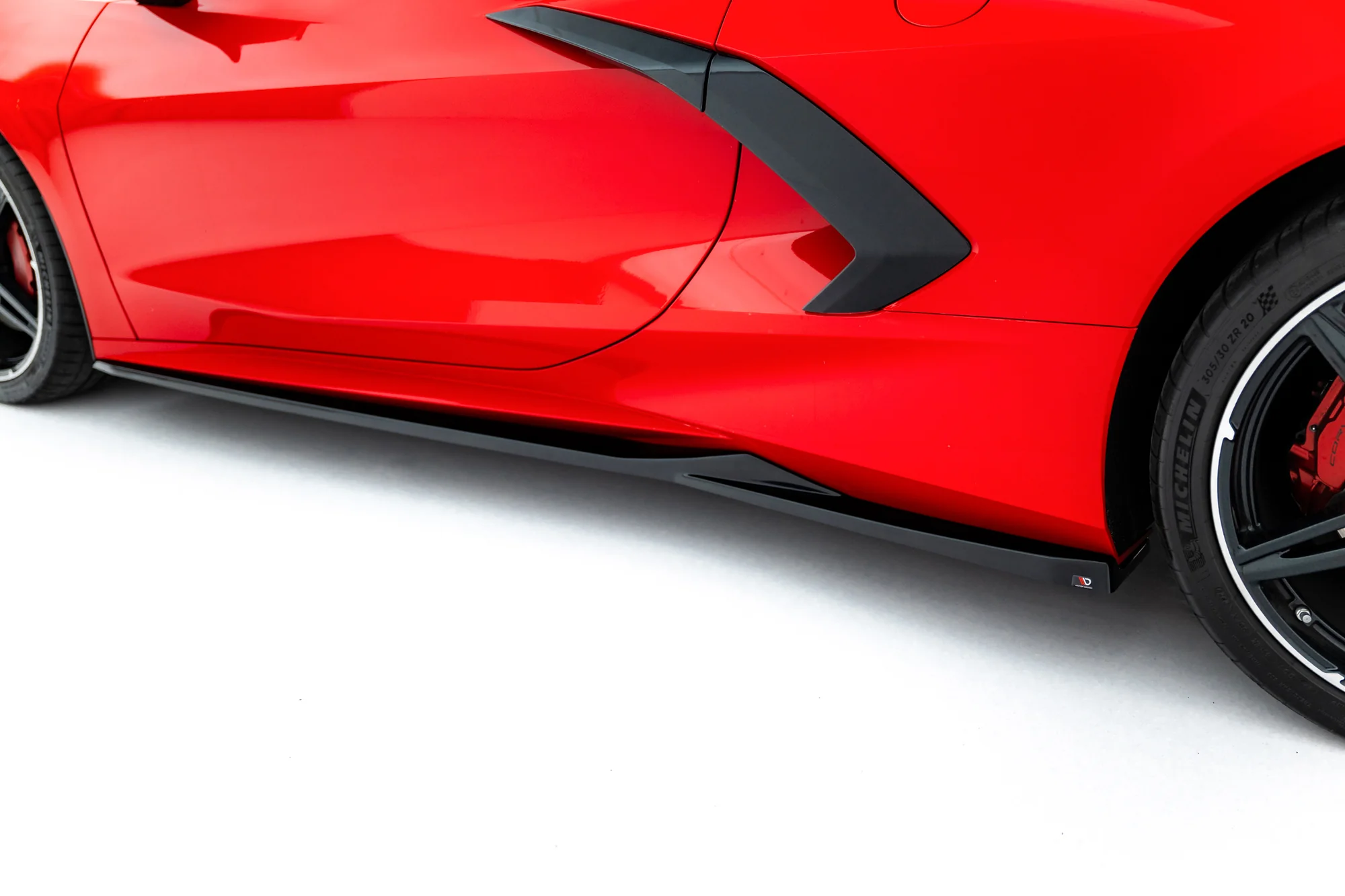
A properly designed splitter settles the front end at speed by managing airflow under the nose. Side skirts help keep that airflow attached along the rocker panels, while a spoiler or wing balances the rear so the car remains stable as speeds climb. You do not need extreme Z06-style aero to feel a difference. The key is using components designed to work together.
Chevy’s ZR1 program is a good reminder that aero pieces work best in harmony. If you missed it, CorvSport recently broke down what the upcoming ZR1 brings to the table and why its aero package matters. Aftermarket kits that include a splitter, rockers, and a rear element typically deliver the most predictable results.
When browsing Corvette C8 tuning body kits, filter by your trim level, narrowbody versus widebody, and your exhaust layout. Fitment tolerance on the C8 is tight, and starting with a trim-correct package avoids unnecessary frustration.
2. Diffusers and Underbody Pieces Where Stability Is Gained
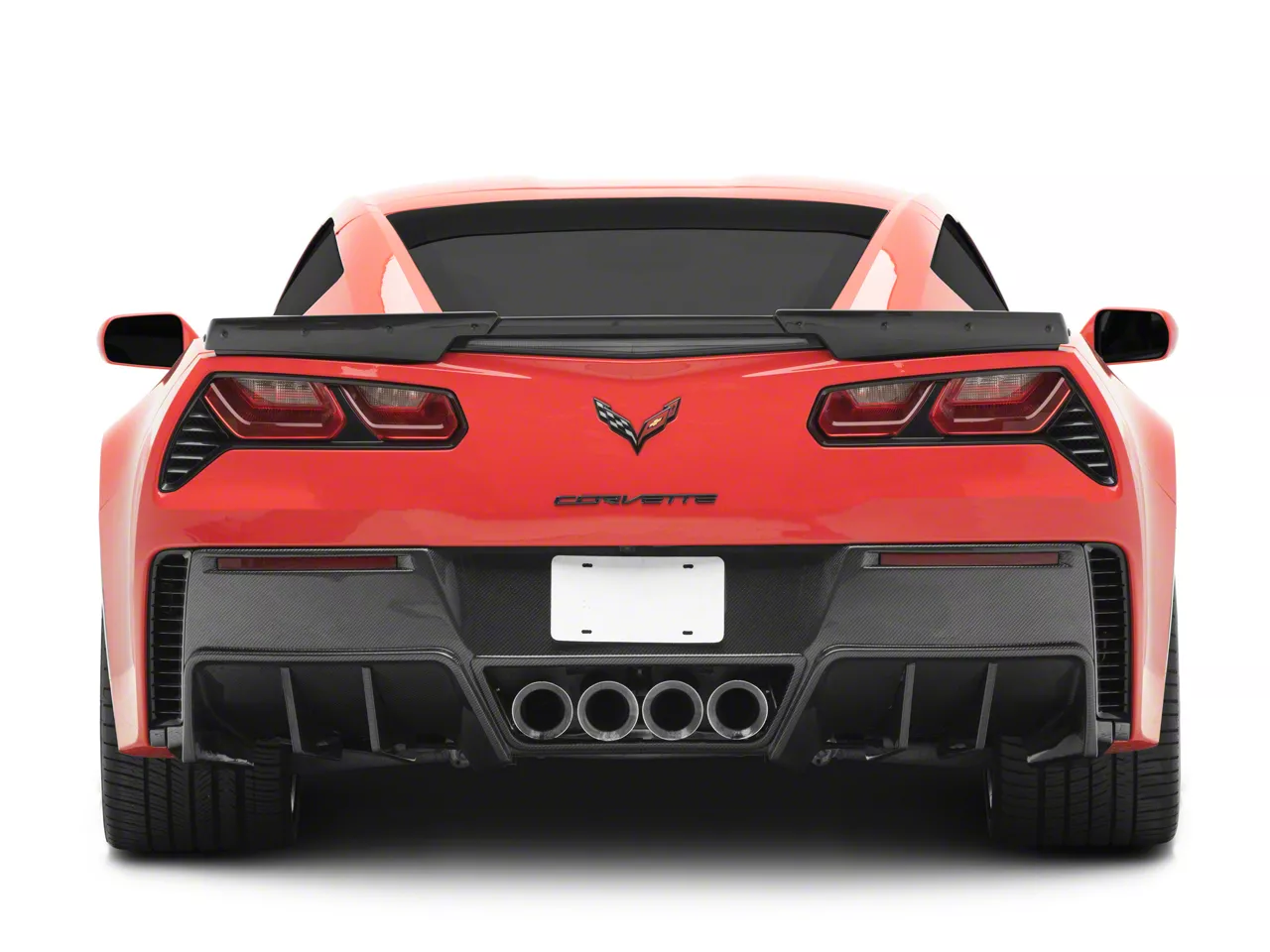
A rear diffuser is not just visual. It helps manage the air exiting from under the car, improving high-speed stability and rear grip. You do not need aggressive ramp angles to see benefits. Well-designed street diffusers offer noticeable composure without scraping on every driveway.
A few practical considerations help avoid common mistakes. Lowered cars need extra attention to departure angle. Adding skid strips can save expensive components. Expect a small increase in drag with added downforce, which is a normal tradeoff for better stability.
For context, CorvSport has covered how Chevrolet approaches airflow management on higher-trim models, including a closer look at the Corvette Z06 and its factory aero balance.
3. OEM vs Widebody Fitment
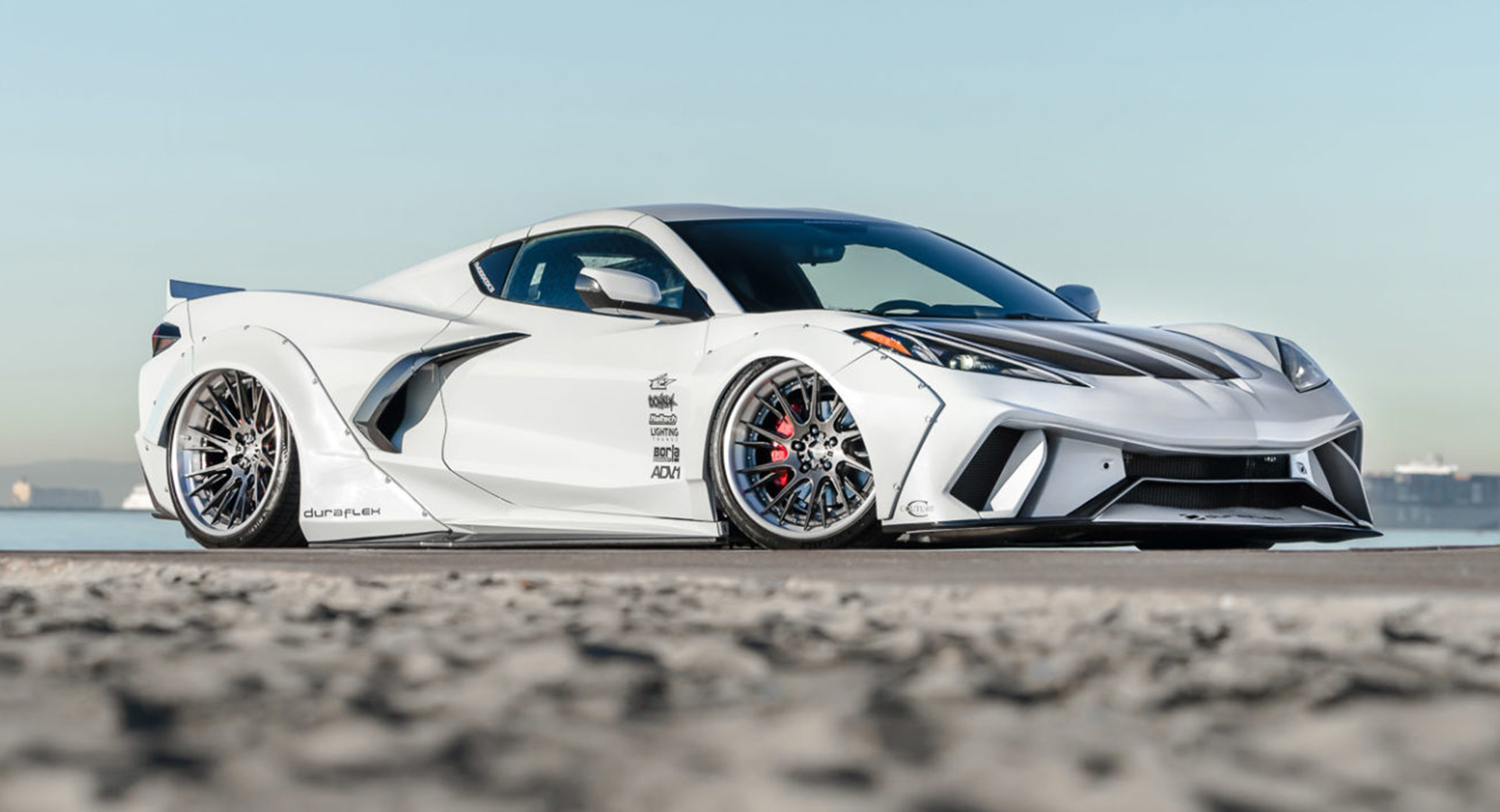
Good aero can be undermined quickly by poor wheel fitment. Stingray and Z51 models benefit from slightly wider wheels paired with mild negative camber to keep the tire square under load. Z06 and E-Ray widebody cars offer more flexibility, but still require proper alignment to prevent excessive outer shoulder wear.
For owners who want numbers instead of guesswork, APEX provides a detailed C8 fitment matrix. CorvSport’s own wheel and tire size guide helps translate those specs into setups that work on the street and at the track.
4. Carbon Fiber, ABS, or FRP: Choosing Materials Wisely
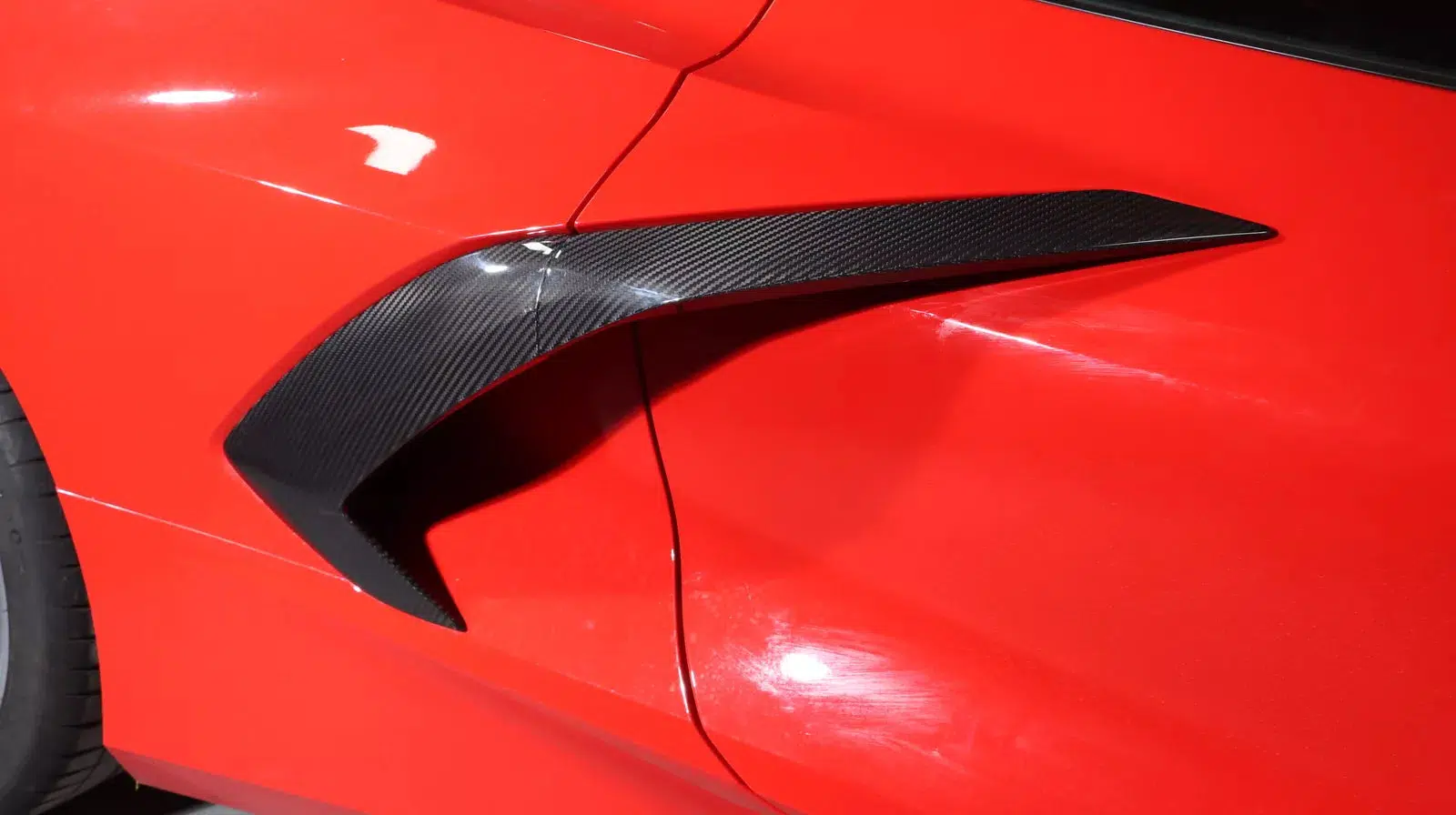
Material choice should reflect how the car is used. Carbon fiber offers excellent stiffness, low weight, and premium finish. It suits performance-focused builds but requires careful installation since carbon does not tolerate forced alignment.
ABS or PC-ABS parts are more forgiving and better suited to daily-driven cars that see parking ramps and uneven pavement.
FRP is cost-effective and repairable, but quality varies. Stick to manufacturers with consistent molds and paint-ready surfaces.
Regardless of material, always dry-fit components before paint or PPF. This step alone prevents most installation issues.
5. Streetability Matters More Than Photos
The C8 sits low from the factory, and aggressive aero can make daily driving difficult if you are not careful. Adding skid pads protects splitters from inevitable contact. Excessive front rake can hurt rear stability. Open grilles and vented panels may increase cabin noise, which is a normal tradeoff for improved airflow.
If your C8 is primarily street-driven, CorvSport’s C8 Corvette buyer’s guide offers useful baseline references for ground clearance and approach angles.
6. Complementary Details That Complete the Build

Small functional upgrades often make the biggest difference in how a car feels.
Brake cooling ducts help manage heat during spirited driving. Vented front fenders reduce wheel well pressure and improve front-end confidence. Paint protection film on rockers and lower doors is especially important once wider tires are installed.
These details are borrowed directly from modern supercar design for good reason.
7. Prep Like a Pro Before Calling It Finished
Before debuting new aero or bodywork, take time to set the car up properly. Get a fresh alignment. Check tire clearance at full lock and full compression. Re-torque wheel and aero hardware after the first drive and again after roughly 100 miles.
Track-focused owners should log tire temperatures and wear patterns so camber and toe adjustments are based on data, not guesswork. CorvSport has covered similar preparation steps in its track setup and driving fundamentals features, and the same principles apply to street builds.
2025 Takeaway
Standing out in 2025 is about balance. A C8 looks fast when it feels composed at speed, confident in corners, and livable every day.
Start with trim-correct, complete kits and then pair them with proper wheel fitment, sensible material choices, and real setup work. Do it once, and your Corvette will not only photograph well, it will drive the way a mid-engine Corvette should.