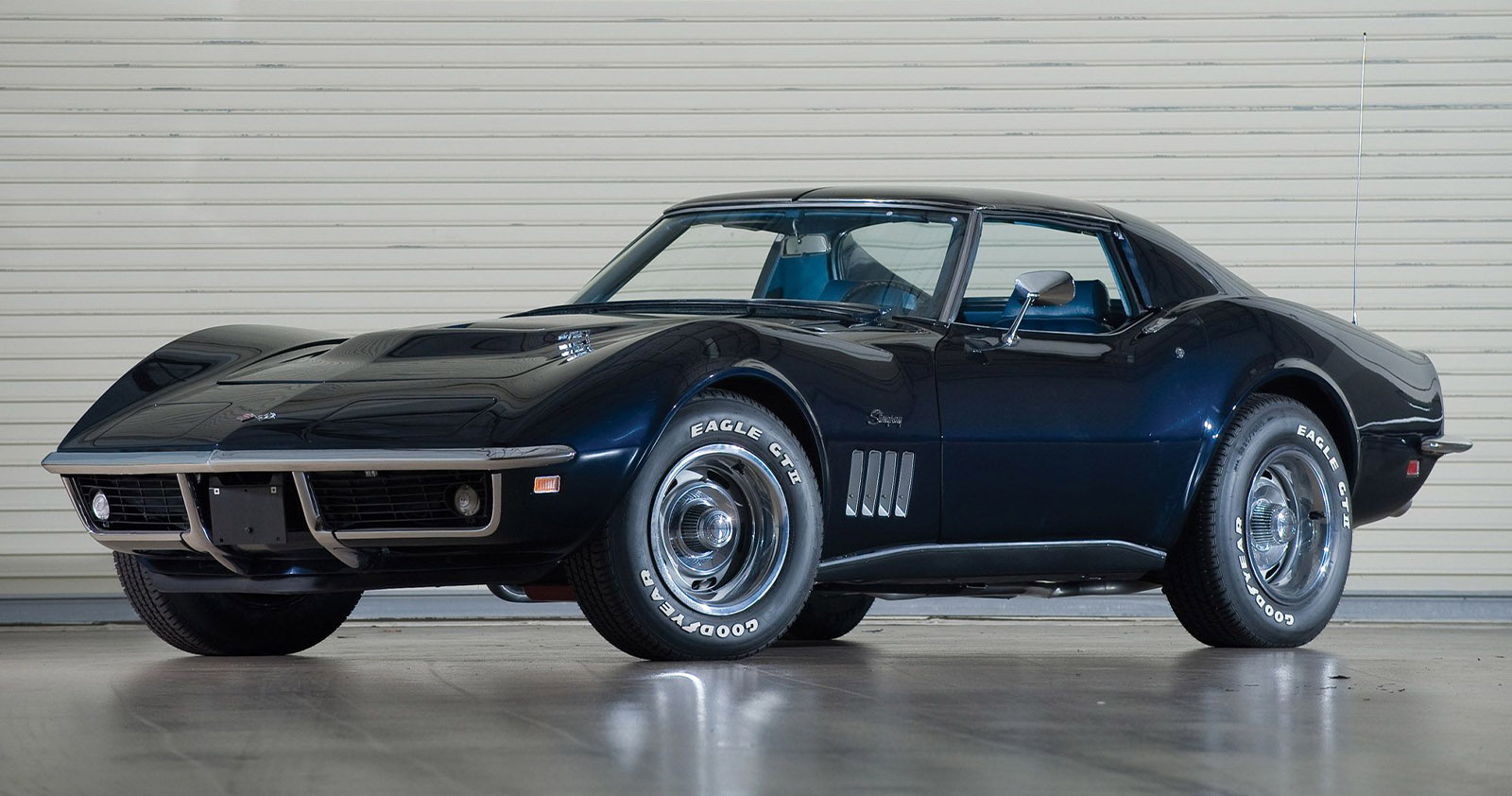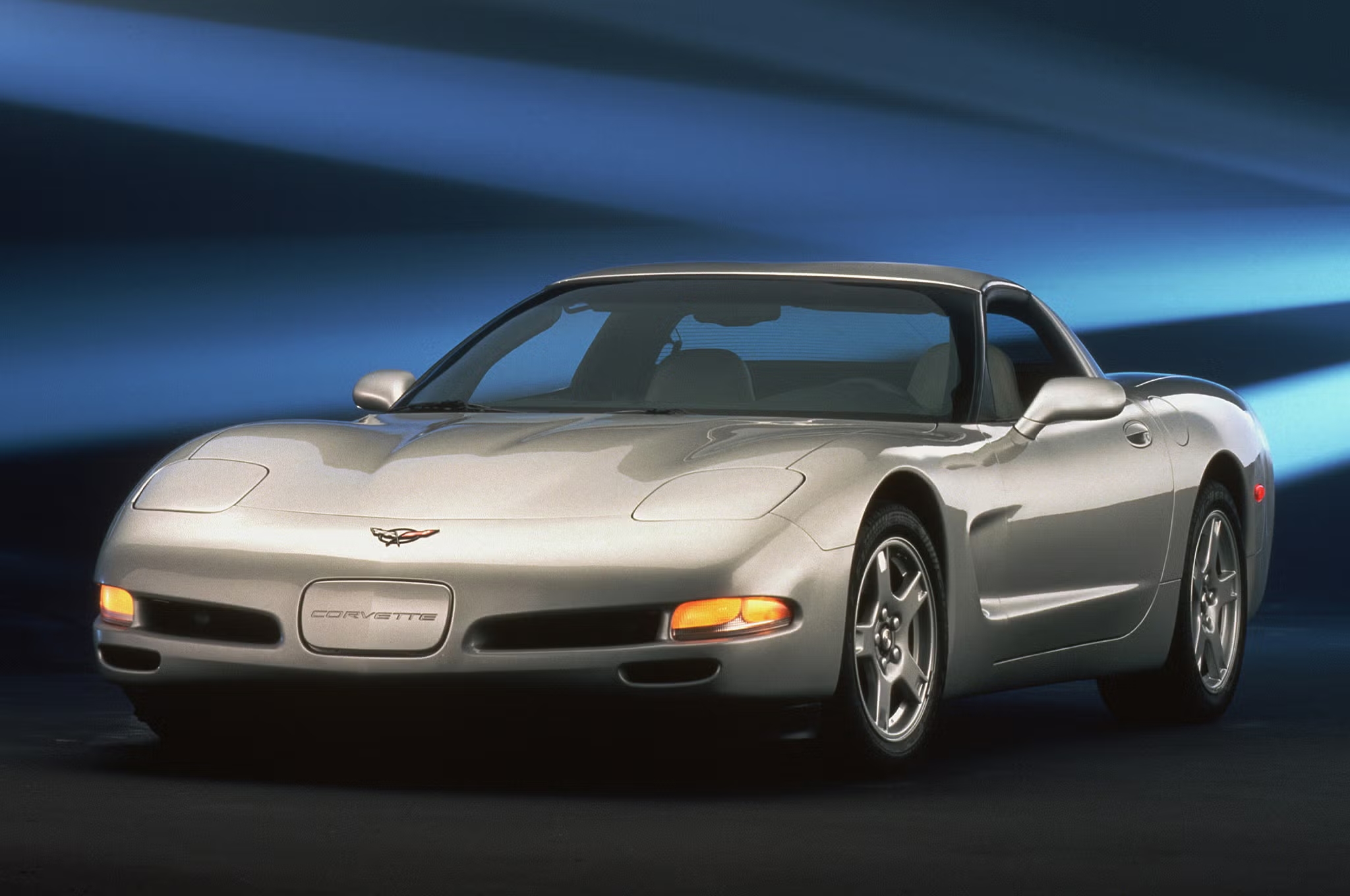
CORVETTE LISTS
The Most Reliable Corvettes
The Corvettes that start every morning: the most reliable classic model years from 1953 to 1988, the most reliable modern generations from the C4 to the C8, what makes them last, and the known weak spots to check before you buy.
Quick Nav: At A Glance · By Generation · Classic Picks · Modern Picks · Why They Last · Watch List · About · FAQs · Issues & Recalls · More Lists
At A Glance
Most reliable generation: The C5 (1997–2004): the LS1, the T56 and the hydroformed frame, and the fewest electronics of any modern Corvette
Most reliable classics: 1963 (proven 327 and gearboxes in a new body), 1969 (the first 350), 1988 (the C4 sorted)
Most reliable modern: 1992–96 LT1 and LT4 C4s, every C5, LS2/LS3 C6s, the C7 Stingray
The engines: The small-block 350 (1969–91), the LS1 (1997–2004), the LS3 (2008–13), the LT1 (2014–19), the LT2 (2020– )
Check before you buy: 1982–84 Cross-Fire Injection; 1968–82 vacuum headlight and wiper systems and wiring; 2006–13 Z06 LS7 valve guides; C5 steering-column locks; early C8 transmission software
What they share: Pushrod V8s, strong gearboxes, a huge parts supply and mechanical simplicity next to anything European
The Overview
When the vast majority of individuals think of the Corvette, performance is often the first thought that comes to mind, and rightfully so. However, if your classic Corvette is intended for daily use, reliability is a factor for consideration every bit as important as horsepower, foot-pounds of torque, or times in the quarter-mile. Although most any Corvette if properly maintained can exude a level of dependability under the majority of circumstances, like any other line of vehicles, there are always stand-out models that exhibit exemplary tendencies toward above-average reliability. The following is a list of the most reliable classic Corvettes.
Corvettes have long been synonymous with American performance, but not every model is built the same when it comes to reliability. While sports cars often have a reputation for being high-maintenance, some generations of the Corvette have stood the test of time. Whether you’re looking for a fun weekend cruiser or a dependable daily driver, certain Corvettes rise above the rest in terms of durability.
When determining reliability, we considered factors such as engine longevity, transmission strength, common failure points, and maintenance costs. Based on these criteria, here are the most reliable Corvettes you can buy today.
This page puts the two lists together: Josh Boyd’s eight most reliable classic model years, Marco’s generation-by-generation verdicts, the C8 added, and the known weak points of every generation with links to CorvSport’s common-issues coverage and buyer’s guides, so you can go in with your eyes open.
Corvette Reliability By Generation
The verdict, the best years and the documented weak spots for every generation.
| GENERATION | VERDICT | MOST RELIABLE YEARS | KNOWN WEAK SPOTS |
|---|---|---|---|
| C1 (1953–62) | Simple and durable; everything is rebuildable | 1956, 1960, 1962 | Fuel injection units need a specialist; 1953–55 trim and fit; brakes are 1950s drums |
| C2 (1963–67) | Proven drivetrains in a new chassis | 1963, 1965–66 small blocks | Trailing-arm bearings, birdcage rust, knock-off wheel spinners; big blocks run hot |
| C3 (1968–82) | Early cars solid, late cars neglected | 1969, 1971, 1977 | Vacuum headlight and wiper doors, aging wiring, frame and birdcage rust, 1982 Cross-Fire |
| C4 (1984–96) | Weak start, strong finish | 1988–89, 1992–96 LT1/LT4 | 1984 Cross-Fire and 4+3, early digital dashes, Opti-Spark on 1992–94 LT1s, weatherstrips |
| C5 (1997–2004) | The most reliable Corvette ever built | All, especially 2001–04 | Steering-column lock, 2001–04 harmonic balancer, EBCM failures, fuel-level sensors |
| C6 (2005–13) | LS2 and LS3 cars excellent | 2008–13 LS3 and Grand Sport | Z06 LS7 valve guides, roof-panel delamination, differential under track use, 2005–07 headlight motors |
| C7 (2014–19) | Strong, with a few model-year items | 2016–19 Stingray and Grand Sport | 8L90 torque-converter shudder, early Z06 heat soak, 2014–15 infotainment |
| C8 (2020– ) | Too early to call, trending well | 2021– Stingray | DCT software and early transmission replacements, frunk-latch and other recalls, Z06 LT6 early engine replacements |
The Most Reliable Classic Corvettes
Josh Boyd’s eight model years, 1953 to 1988, chosen for drivetrains that were proven rather than new.
1953 Corvette
The Blue Flame six: 150 horsepower, and almost nothing to go wrong.
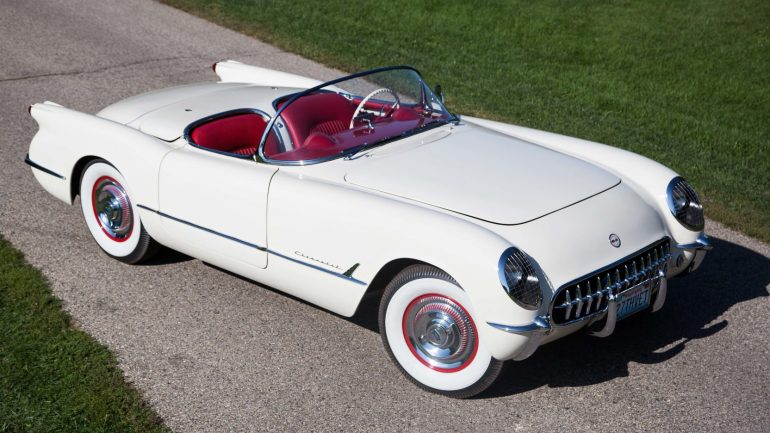
Though the Corvette was in its infancy in 1953, there were certain qualities of value worth consideration for anyone pondering a purchase of these early C1 classics. Many consumers criticized the 1953 Corvette for its underwhelming powerplant, and some valued points can be made there. However, what you will seldom hear is any dissatisfaction in these first-year Corvettes’ level of reliability. While the 1953 Corvette’s 3.8L, I-6 “Blue Flame” engine with its 150 HP was certainly not going to set any land-speed records, it did have one thing to its advantage. In relation to today’s modernized engines of much complexity, the “Blue Flame” was simplistic. This level of simplicity, combined with the vehicle's braking and steering components of the same nature, left little vulnerability for untimely failure.
MORE: THE 1953 CORVETTE / C1 BUYER’S GUIDE / C1 COMMON ISSUES
1956 Corvette
The small block, a three-speed and a new differential make it a different car.
After early criticisms about the Corvette’s lack of performance, as well as fit and finish issues, much refinement went into rectifying these early flaws. While the base 1953 Corvette had always presented a level of dependability, no one within the Corvette design team was satisfied with their creation’s falling sales numbers. This led to an intense effort to build a better vehicle in every regard. The “Blue Flame” engine, utilized in the past Corvettes, rode off into the sunset in 1956, as the more potent small block V8 became standard after premiering the year prior. The 3-speed transmission also became standard for the 1956 production year. Other upgrades included a vastly superior clutch compared to previous renditions, as well as an all-new rear differential. With a series of noteworthy additions in place, the general perception of the Corvette began to change. Those that previously had doled out harsh criticism toward the C1 now hailed the Corvette for its performance, handling, and reliability.
MORE: THE 1956 CORVETTE / C1 BUYER’S GUIDE / C1 COMMON ISSUES

1960 Corvette
Three years into the 283, the quirks worked out.
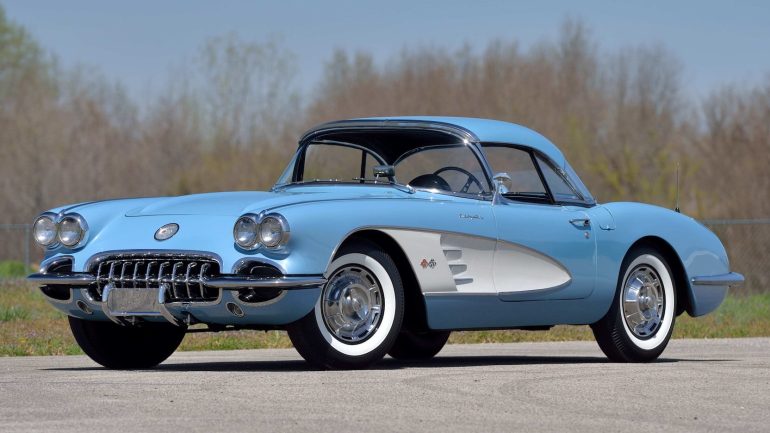
Things were looking bright for the Corvette in 1960. With the better part of a decade in the books, sales had begun to accelerate and progress continued toward making the Corvette into a reliable powerhouse. Additionally, with the better part of the Corvette’s first generation behind it, many of the iconic car’s initial quirks had been worked out in the Chevrolet development team’s continued bid for perfection. By 1960, the Corvette line had completed several full production years with the 283 cubic-inch V8 under the hood. Options existed for both carbureted and injected fuel delivery systems, neither of which were new to Chevrolet's design and development team at this stage in the game. Though the 1960 production year saw several underhood changes in the form of alternative cam options, and solid-state lifters for its largest two engine options, the engine's base stock remained relatively unchanged, leading to an outwardly reliable powertrain.
MORE: THE 1960 CORVETTE / C1 BUYER’S GUIDE / C1 COMMON ISSUES
1963 Corvette
A new car on proven mechanicals.
As the C2 Corvette burst onto the scenes in 1963, consumers were eager to get behind the wheel of the true American sports car in its latest form. Contrary to other first-year generational offerings, the 1963 Corvette proved to be overwhelmingly reliable. Much of this stemmed from the reuse of already proven drivetrain components within the newly released C2. By 1963, the standard 327 cubic-inch V8 had already proven itself a reliable powerplant, as a carryover from the previous year's final C1 model. Likewise, the C2’s transmission offerings were also holdouts from the prior first generation, being well known for their dependability, especially in regards to the 4-speed manual. This meshing of the best of both old and new technology led to a high level of consistency in mechanical reliability.
MORE: THE 1963 CORVETTE / C2 BUYER’S GUIDE / C2 COMMON ISSUES

1969 Corvette
The first 350, with a four-speed.
The C3 undoubtedly faced many trials within the time of its reign. As the generation carried on, government oversight on the control of emissions drove much of what the automotive industry did, and did not do. However, the earlier segment of the generation in 1969 avoided the full extent of the blow dealt by this oversight, thus leading to a quality Corvette that was simplistic in design, yet still showcased much of the performance characteristics that the line had come to be known for. The late 1960s saw the introduction of the 350 cubic-inch small-block, which with time proved itself to be among one of the most reliable engines featured in the Corvette. When pairing the 350 with an optional 4-speed manual transmission, the resulting combination often yielded years of cruising pleasure with little mechanical difficulty.
MORE: THE 1969 CORVETTE / C3 BUYER’S GUIDE / C3 COMMON ISSUES
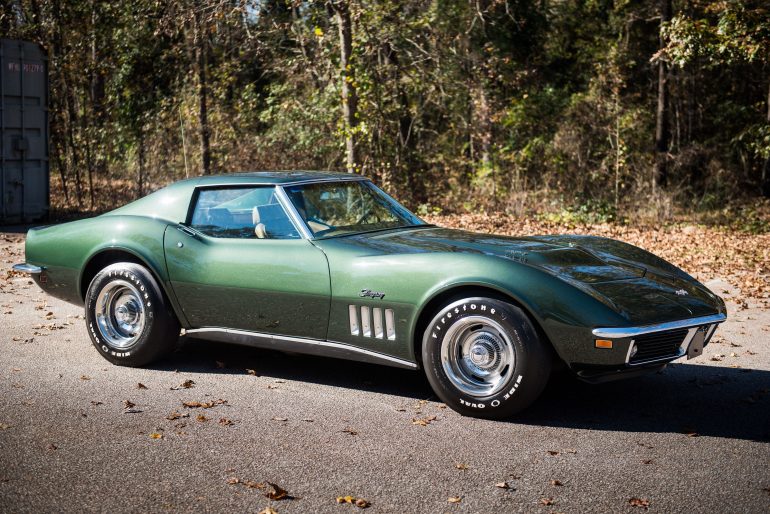
1971 Corvette
The year nothing changed, so the factory concentrated on building them right.
The 1971 Corvette saw perhaps the least amount of change to any Corvette from the previous year's model, in comparison to any other two successive years in the line’s history. The United Auto Workers Union labor dispute of 1969 led to that year's production run extending more than two months past the term originally designated, in turn shortening the 1970 production run by four months. The decision was made to lengthen the 1970 production year, thereby making 1971 an extension of the preceding year's production.
In doing so, very little modification was made between the 1970 and 1971 production years, leading to the St. Louis manufacturing plant's ability to dedicate their full attentiveness to bettering quality control of the product at hand. The only notable exception to this lack of modification was a moderate decrease in horsepower across the board for engines of the 1971 production year. This was due to the flurry of emission regulations that foreshadowed the coming performance reductions that were to follow.
MORE: THE 1971 CORVETTE / C3 BUYER’S GUIDE / C3 COMMON ISSUES
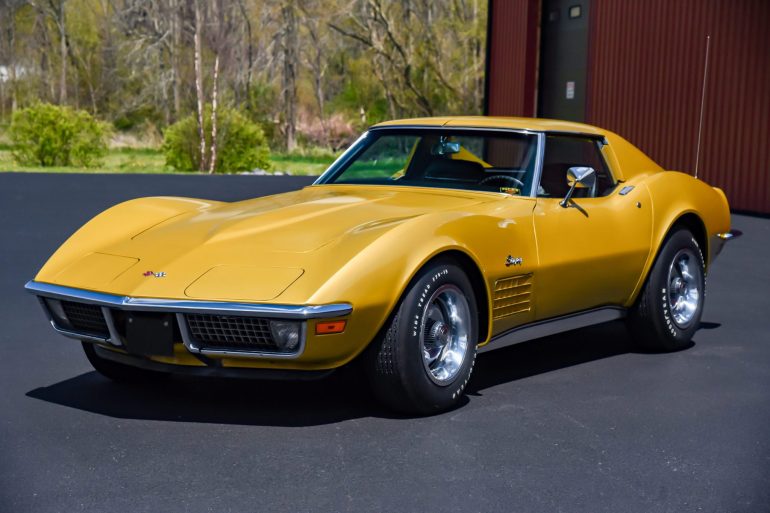
1977 Corvette
Two engines that had proven themselves, and nothing new to break.
The late 1970s were quite a peculiar time for the Corvette. Emissions regulations had significantly hindered the Corvette in the horsepower department, and it seemed that the GM design team had become engrossed in the development of the C4 that was to come. This lead to a period of relative inactivity in the further development of the C3, thus leaving it vastly unchanged, with little modification taking place as the 1970s drew to a close.
If you can look past the overall sluggish demeanor of the 1977 Corvette, a quality candidate for reliability exists. Between the 1976 and 1977 production years, the Corvette’s powertrain went unchanged, leading to both the L48 and L82 engines remaining true to their previous form. This presented the opportunity for consumers to choose from two powertrain options that had both proven their merit.
MORE: THE 1977 CORVETTE / C3 BUYER’S GUIDE / C3 COMMON ISSUES
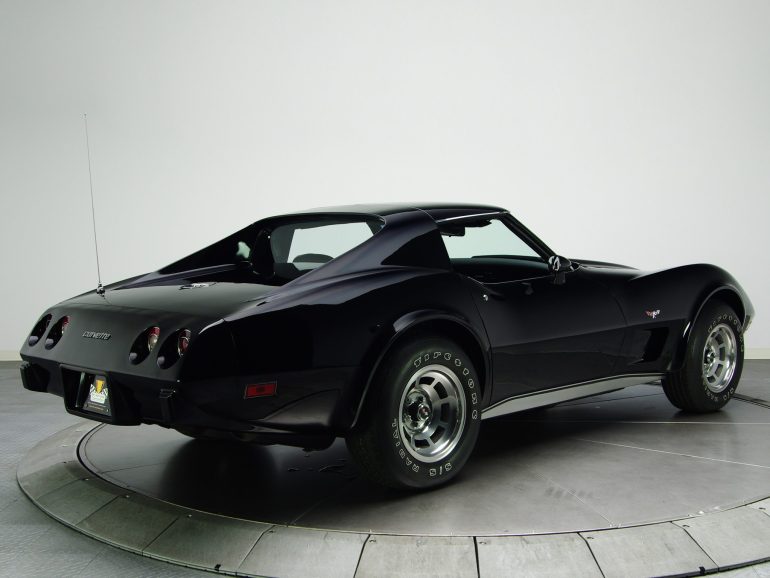
1988 Corvette
Half a decade of C4 fixes, with the 350.
By 1988, the C4 had undergone nearly half a decade’s worth of subtle revisions to perfect the nuances of what was the most ambitious Corvette to date. After the somewhat hard criticism that the C4 had received upon its launch in 1984, many areas of critique had been redesigned, much to the joy of consumers worldwide. Problem areas such as ride quality and cluster visibility had all received attention from the GM design team in a continued bid for perfection. The 1988 C4 also utilized powerplant options that had proven themselves in previous year model offerings. The small-block 350 cubic-inch V8 was especially renowned as a platform of integrity, having been a mainstay of the Corvette line for two decades. With a string of notable improvements over the initial C4 release, and two powerplant options worthy of their place within the Corvette line, the 1988 C4 proved to be among one of the more reliable Vettes to roll off the Bowling Green assembly line.
MORE: THE 1988 CORVETTE / C4 BUYER’S GUIDE / C4 COMMON ISSUES

The Most Reliable Modern Corvettes
Generation by generation, from the C4 to the C8.
C4 Corvette (1984–1996)
Weak start, bulletproof finish: the LT1 and LT4 years.
The C4 generation helped modernize the Corvette, and while early models had their quirks, later versions proved to be incredibly durable. The LT1 engine (1992–1996) was a highlight, delivering both performance and longevity, while the later LT4 (1996) added even more power without sacrificing dependability.
The 6-speed manual transmission (found in later models) is nearly bulletproof. Parts are widely available and relatively affordable. Well-maintained examples can exceed 200,000 miles with ease.
MORE: THE C4 CORVETTE HUB / C4 BUYER’S GUIDE / C4 COMMON ISSUES / THE 1992 LT1 ENGINE GUIDE

C5 Corvette (1997–2004)
The LS1, the T56, and the fewest things to go wrong.
The C5 is often regarded as one of the best-used Corvettes to buy, thanks to its rock-solid LS1 engine and simple yet effective design. It introduced modern technology without excessive complexity, making it both powerful and reliable.
The LS1 V8 is known for durability and ease of maintenance. Fewer electronics mean fewer electrical issues compared to later models. The Tremec T56 manual transmission is known for its longevity.
MORE: THE C5 CORVETTE HUB / C5 BUYER’S GUIDE / C5 COMMON ISSUES / THE LS1 ENGINE GUIDE / THE ULTIMATE C5 BUYING & MAINTENANCE GUIDE
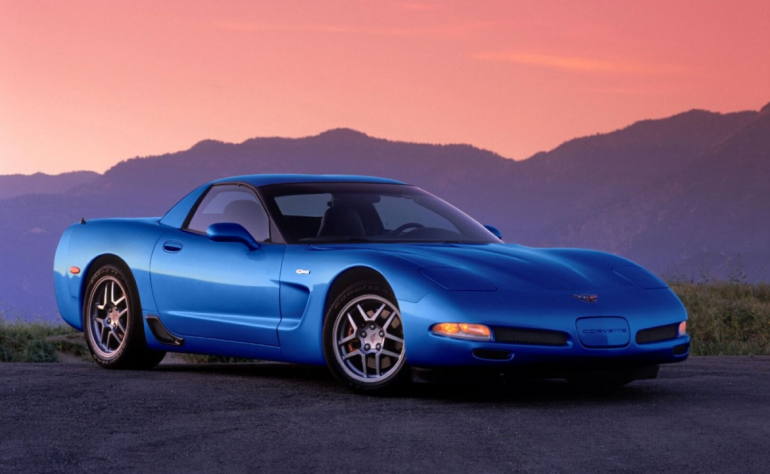
C6 Corvette (2005–2013)
LS2 and LS3: GM’s streak of reliable pushrod V8s continues.
With an upgraded LS2 (2005–2007) and later LS3 (2008–2013), the C6 continued GM’s streak of reliable pushrod V8s. The C6’s build quality improved over the C5, and it retained mechanical simplicity that kept maintenance costs relatively low.
The LS2 and LS3 engines are highly durable when maintained properly. The automatic transmission is solid, and the manual remains a favorite among enthusiasts. The Z06’s LS7 engine is powerful but requires attention to valve guide wear.
MORE: THE C6 CORVETTE HUB / C6 BUYER’S GUIDE / C6 RECALLS & ISSUES / THE LS3 ENGINE GUIDE

C7 Corvette (2014–2019)
Modern, better built, and still simple underneath.
The C7 introduced modern styling and improved interior quality while still retaining Corvette’s traditional reliability. The LT1 engine in the Stingray is particularly well-regarded for its power and longevity.
Stronger build quality compared to earlier Corvettes. Less prone to electronic issues than newer models like the C8. The 8-speed automatic transmission is better refined than its predecessor.
MORE: THE C7 CORVETTE HUB / C7 BUYER’S GUIDE / THE TOP C7 ISSUES / THE 2014 LT1 ENGINE GUIDE
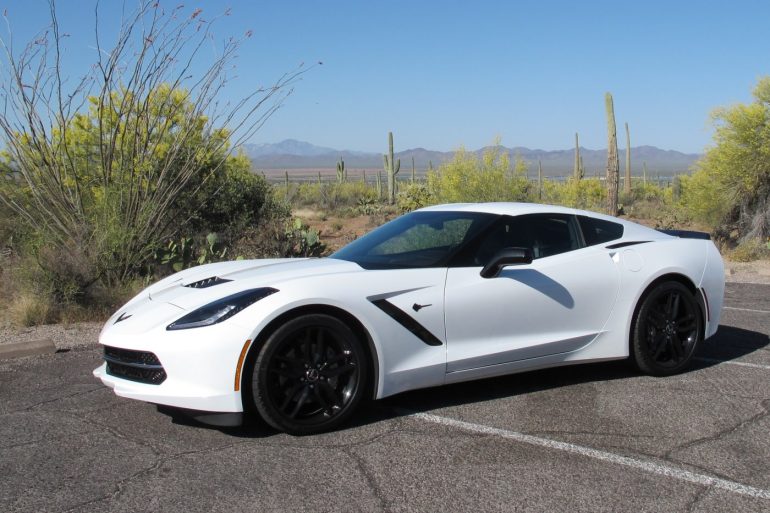
C8 Corvette (2020– )
Six years in: a trouble-free engine and a gearbox that needed software.
The C8 is too young for a verdict on the scale of the generations above it, but the pattern is familiar. The LT2 in the Stingray is a 6.2-liter pushrod small block, the direct descendant of the LT1 and LS3, and it has been as untroubled as they were; the E-Ray’s hybrid system has had no pattern of faults. The new pieces are where the early issues were: the Tremec eight-speed dual-clutch needed several software updates and some early transmissions were replaced under warranty, and the car has had a run of recalls, the 2020 frunk latch being the best known. The Z06’s flat-plane LT6 saw a number of early engines replaced under warranty, which GM addressed in production. A 2021-or-later Stingray with its updates applied is shaping up to be a very reliable car; the recalls and common-issues feeds linked below track the rest.
MORE: THE C8 CORVETTE HUB / C8 BUYER’S GUIDE / C8 COMMON ISSUES / THE LT2 ENGINE GUIDE / C8 RECALLS / GUIDE TO C8 ISSUES, RECALLS AND TSBs / THE C8 RELIABILITY REPORT / THE TREMEC DCT
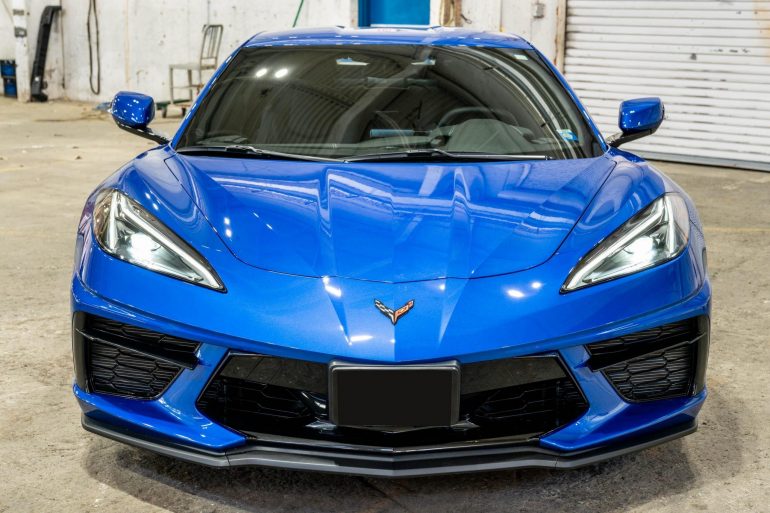
Every Corvette since 1955 has been powered by a Chevrolet small-block V8, apart from the big-block options of 1965–74. The architecture changed twice, to the LS in 1997 and the LT in 2014, but the pushrods, the two valves per cylinder and the cam in the block stayed, and that is most of why these cars last.
DID YOU KNOW
What Makes These Corvettes Reliable?
Each of these Corvette generations shares key traits that contribute to their longevity:
Proven V8 engines: GM’s pushrod V8s are known for their simple design, fewer moving parts, and durability. Well-engineered transmissions: Both manual and automatic transmissions in these generations have stood the test of time. Strong aftermarket and parts availability: Corvette owners benefit from a large enthusiast community and an abundance of replacement parts. Relative simplicity: Compared to European supercars, Corvettes are mechanically straightforward, making repairs and maintenance easier.
Corvettes With Known Issues: The Watch List
Not cars to avoid; cars to check. Every item here has a known fix and a price that already reflects it.
C3 Corvette (1968–1982)
Vacuum systems, wiring, and rust.
The C3 is undeniably a classic, but it’s not without its flaws—especially in later model years. Owners frequently report electrical problems caused by aging wiring harnesses, which can lead to unpredictable performance of interior and exterior systems. The vacuum-operated systems that control the headlights and windshield wiper doors are also notorious for failing. Additionally, rust and frame rot are common concerns, particularly in vehicles from humid or coastal regions, as corrosion can compromise structural integrity if not addressed.
MORE: C3 BUYER’S GUIDE / C3 COMMON ISSUES / TEN RULES FOR BUYING YOUR FIRST C3
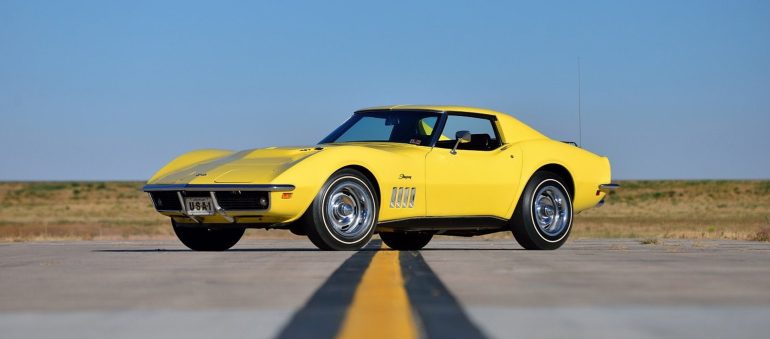
Early C4 Corvette (1984–1991)
Cross-Fire, the digital dash and the 4+3.
While later C4 Corvettes gained a reputation for durability, the early years (especially the 1984 model) were plagued with reliability issues. The Crossfire Injection system used in early models is infamous for being difficult to tune and generally underperforming. Electronic components, particularly the digital dashboards, were ahead of their time but often failed, leading to costly repairs. The early 4+3 manual transmission also proved troublesome, delivering a rough ride and suffering from frequent mechanical issues.
MORE: C4 BUYER’S GUIDE / C4 COMMON ISSUES
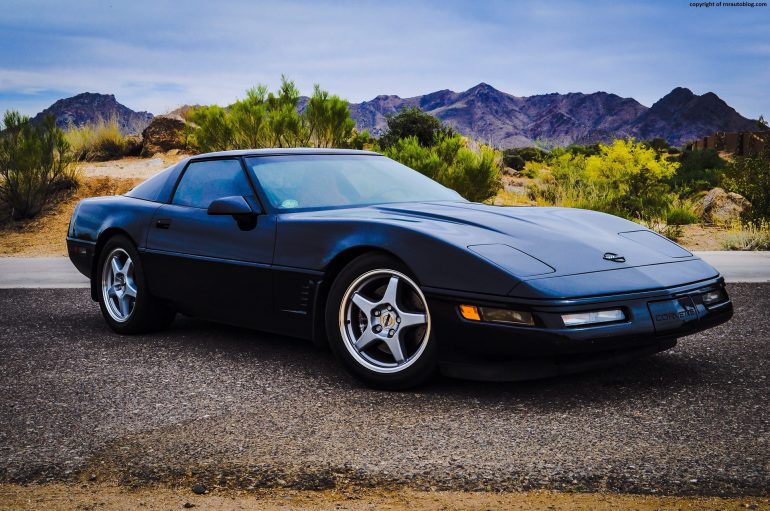
C6 Corvette Z06 (2006–2013)
The LS7’s valve guides.
The C6 Z06 offers thrilling performance, but it’s not without some serious concerns—especially under the hood. The LS7 engine, while powerful, had a factory defect involving valve guide wear that could lead to catastrophic engine failure if left unaddressed. Additionally, some C6 models experienced issues with the targa roof panels delaminating, which affected both aesthetics and safety. Another weak point is the differential, which has been known to struggle under the Z06’s high-performance demands, particularly in track use or aggressive driving situations.
MORE: C6 BUYER’S GUIDE / C6 RECALLS & ISSUES / THE LS7 ENGINE GUIDE

C5 Corvette (1997–2004)
Three well-known items on the most reliable Corvette.
Even the C5 has a short list. The electronic steering-column lock can fail and immobilize the car, which GM addressed with a recall and owners address with a bypass; the 2001–04 harmonic balancer can work loose; the electronic brake control module (EBCM) fails with age and is rebuildable; and the fuel-level sensors read wrong when the sulfur in fuel coats them. None is expensive by sports-car standards, and all are documented in CorvSport’s C5 common-issues coverage.
MORE: C5 BUYER’S GUIDE / C5 COMMON ISSUES / THE C5 COLUMN LOCK FIX / THE C5 HARMONIC BALANCER DIY
C7 Corvette (2014–2019)
A gearbox shudder and an early Z06 heat problem.
The C7’s eight-speed 8L90 automatic developed a torque-converter shudder on some 2015–19 cars, usually cured by a fluid change to the revised specification; the 2015–16 Z06 could overheat on track in hot weather, which GM addressed with a revised supercharger cover and cooling for 2017; and the first-year infotainment had its bugs. The LT1 engine and the seven-speed manual have no pattern of faults.
MORE: C7 BUYER’S GUIDE / THE TOP C7 ISSUES / THE C7 8-SPEED SHUDDER
How We Judged Reliability
Josh’s classic picks are model years whose drivetrains were carried over and proven rather than new, which is the pattern in every reliable Corvette: the 1963 on the 1962’s mechanicals, the 1988 after four years of C4 fixes, the 1997 LS1 that then ran unchanged for eight years. Marco’s generation verdicts weigh engine longevity, transmission strength, common failure points and maintenance cost. The weak spots in the table and the watch list are the documented ones, from GM recalls and service bulletins and from CorvSport’s common-issues reporting; a “weak spot” is something to check, not a reason to walk away, and most have a known fix. The page is updated as the C8 ages into a verdict.
What no list can tell you is how a particular car was kept. A maintained 1984 will outlast a neglected 2004; the buyer’s guides linked under each generation say what to look for.
FAQs
What is the most reliable Corvette?
The C5, built from 1997 to 2004: the all-aluminum LS1 V8, the Tremec T56 six-speed and a hydroformed frame, with fewer electronics than anything after it. Well-kept examples pass 200,000 miles. Among classics, the 1963, the 1969 and the 1988 are the standouts.
What is the most reliable Corvette year?
For a modern car, 2001–2004 (the C5 with the LS1’s final updates and the LS6 Z06). For a classic, 1963 or 1969. For a C6, 2008–2013 with the LS3; for a C7, 2016–2019.
Are Corvettes reliable cars?
By sports-car standards, unusually so. GM’s pushrod V8s are simple and long-lived, the transmissions are strong, parts are cheap and everywhere, and nothing on a Corvette needs a specialist the way a Porsche or Ferrari does. The exceptions are specific and well known: Cross-Fire Injection in 1982–84, the C3’s vacuum systems, the C6 Z06’s LS7 valve guides.
Which Corvette years should I avoid?
None outright, but go in informed on the 1982 and 1984 (Cross-Fire Injection and, on the 1984, the 4+3 gearbox), the late C3s (vacuum and wiring faults, rust) and the 2006–13 Z06 (have the valve guides checked). Each has a known fix and a price that reflects it.
How many miles can a Corvette last?
LS- and LT-engined Corvettes (1997 on) routinely reach 200,000 miles on the original engine and gearbox with normal maintenance; 350-powered C4s do the same. Classic C1–C3s are limited by their age rather than their engines.
Is the C8 Corvette reliable?
The LT2 engine has been trouble-free and the E-Ray hybrid has shown no pattern of faults. The early issues were the dual-clutch transmission’s software and some early transmission and Z06 LT6 engine replacements under warranty, plus a run of recalls. Cars from 2021 on, with their updates, are proving dependable; the C8 buyer’s guide and the recalls feed have the current picture.
Is the LS7 Z06 a bad buy?
No, if the valve guides have been measured or the heads done. The 2006–13 Z06 is one of the great Corvettes, and a car with documented head work or a guide check is a sound buy; one without is a gamble. Roof-panel delamination and the differential under track use are the other items to check.
Corvette Common Issues & Recalls
CorvSport’s running coverage of what goes wrong, year by year, and what GM has recalled.


More Corvette Lists
The fastest, the rarest, the most expensive, the best of every generation and the ones we would buy with our own money.