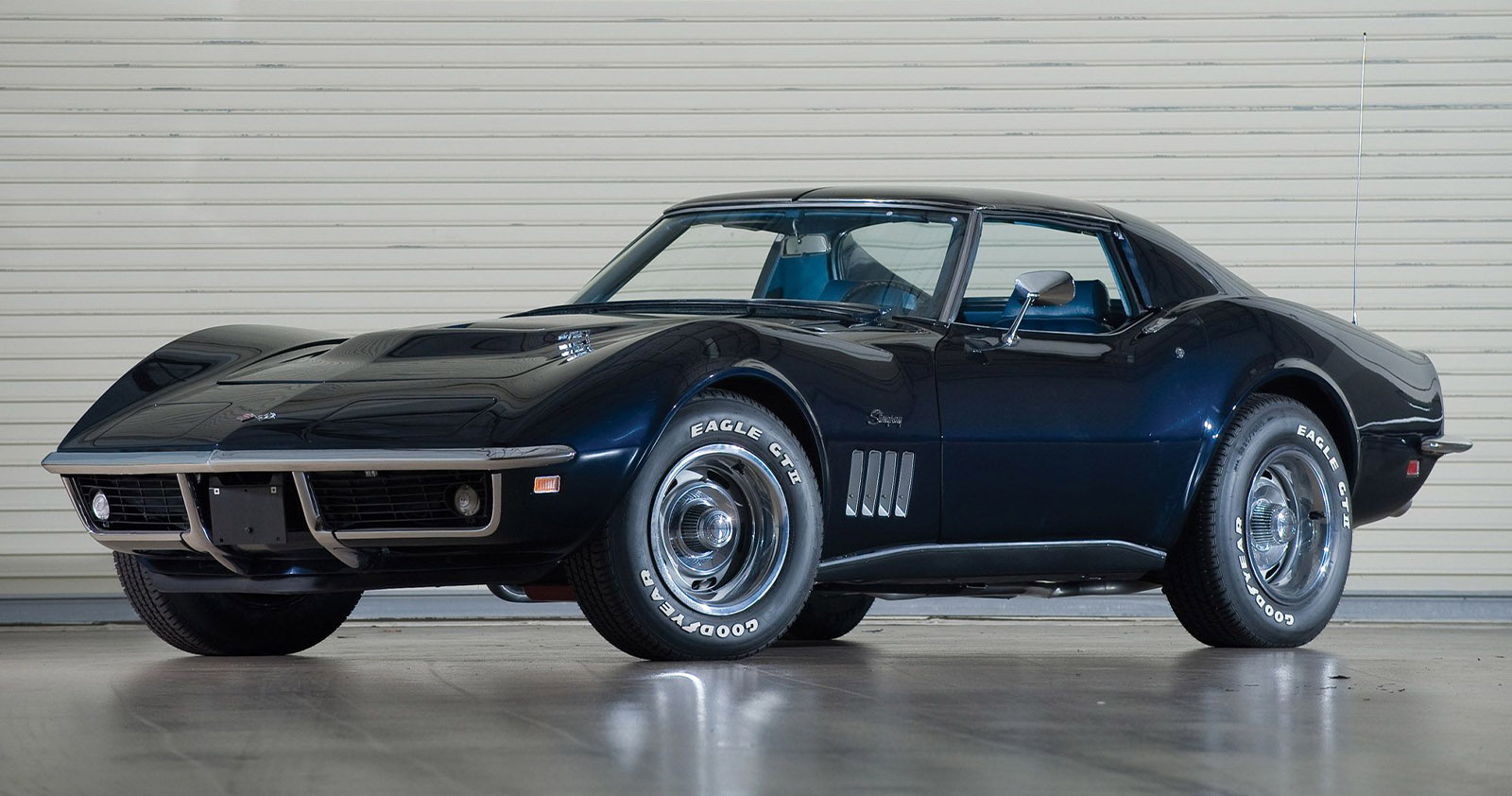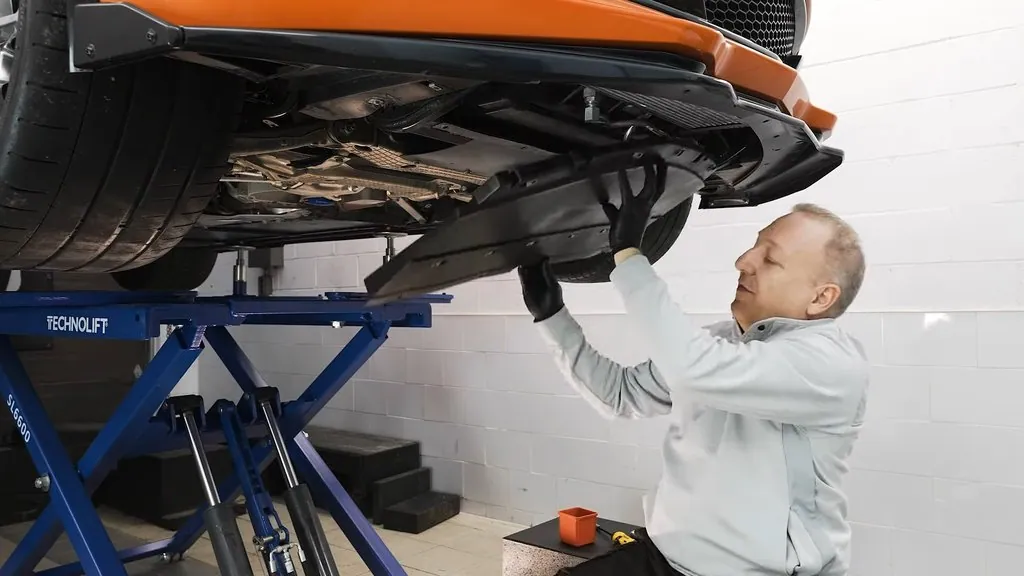
The seventh-generation Chevrolet Corvette is one of the most compelling performance-car bargains on the market. With its 455-horsepower LT1 Stingray, the last manual transmission offered in a Corvette, a sophisticated chassis, and the supercharged Z06 that delivers a breathtaking 650 horsepower, the C7 offers extraordinary American performance for the money. Move up to the Grand Sport or the 755-horsepower ZR1, and the choices become even more tempting if you are willing to up your budget. With 189,507 examples leaving Bowling Green during its 6-year production run, thousands of choices are available in the used market.
But there’s a catch. Buying a used Corvette isn’t just about finding the right color, trim, or lowest mileage. It’s about knowing what might be lurking beneath that sculpted bodywork—and which seemingly minor warning signs could lead to a very expensive surprise. Some C7 problems are well-documented, others depend on the model year and how the car was driven, and a few are easy to overlook until the repair bill arrives.
That’s why we’re breaking down seven issues every prospective C7 owner should understand before signing on the dotted line. For each one, we’ll explain what goes wrong, how to spot trouble before buying, and what the repair could cost. These aren’t reasons to avoid the C7; they’re reasons to shop smarter. After all, the best Corvette deal is the one that still feels like a bargain after you’ve brought it home. And as a bonus, we have our extensive database of Buying Guides and Tips & Advice below today’s feature.
The Top 7 C7 Issues
1 — The 8-Speed Automatic Shudder: The Transmission Problem You Can’t Afford to Ignore
What Goes Wrong?
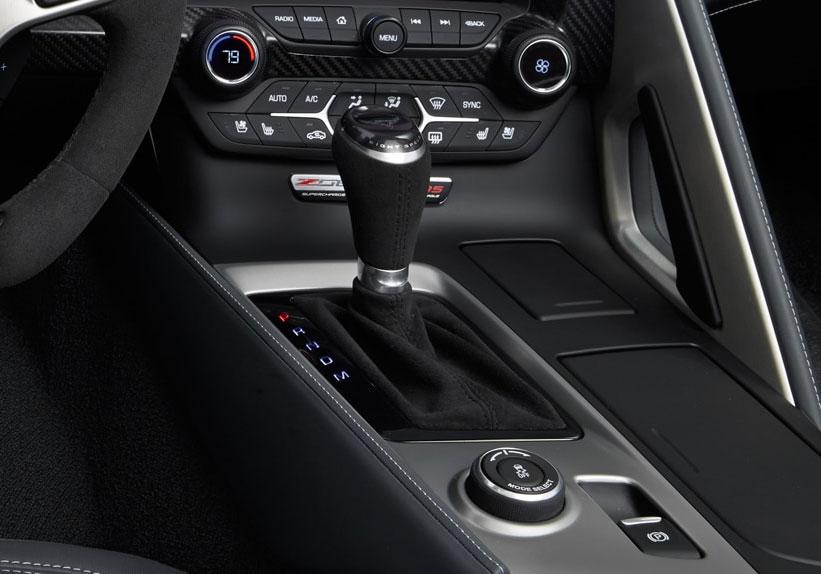
The C7’s eight-speed automatic transmission, designated 8L90, delivers rapid shifts and impressive performance, but certain 2015–2019 Corvettes developed a notorious shudder under light-throttle cruising. Instead of a smooth ride, drivers may feel a vibration resembling rumble strips or rough pavement, particularly between 25 and 80 mph. General Motors addressed the condition in Technical Service Bulletin 18-NA-355, which identifies torque-converter-clutch shudder and prescribes a transmission-fluid exchange using revised fluid. The bulletin applies to 2015–2019 Corvettes equipped with the affected automatic transmission, including LT1 and LT4 applications. Importantly, a shudder does not automatically mean the transmission itself is failing; GM’s diagnostic procedure recognizes that other conditions can produce similar symptoms.
How Do You Catch It Before Buying?
Take the car on a proper test drive after it has warmed up. Find a smooth, relatively level road and maintain light throttle between approximately 25 and 80 mph, paying particular attention to steady cruising rather than hard acceleration. Feel for a repetitive vibration through the seat, steering wheel, or chassis. Try different driving modes where appropriate, and check for delayed engagement, harsh shifts, or other abnormal behavior. Ask the seller for transmission-service invoices and specifically whether they performed the revised-fluid procedure. If the shudder persists, have a Corvette-experienced technician diagnose it before proceeding. Don’t accept a seller’s claim that all C7 automatics do this as an excuse to overlook a potential repair.
How Bad Can The Bill Get?
As a planning estimate, budget roughly $400–$800 for a properly performed transmission-fluid exchange, although local labor rates and the exact procedure can change the price. If the underlying problem persists because of torque-converter damage or another internal fault, repairs can escalate to approximately $2,500–$5,000 or more. These are estimated ranges, not fixed national prices or a quote for every C7. The takeaway is simple: a car with documented corrective service and a smooth test drive is a much safer proposition than one that shudders and comes with no maintenance history.
2 — Cracked And Bent Wheels: The Expensive Surprise Hiding Under Those Widebody Fenders
What Goes Wrong?
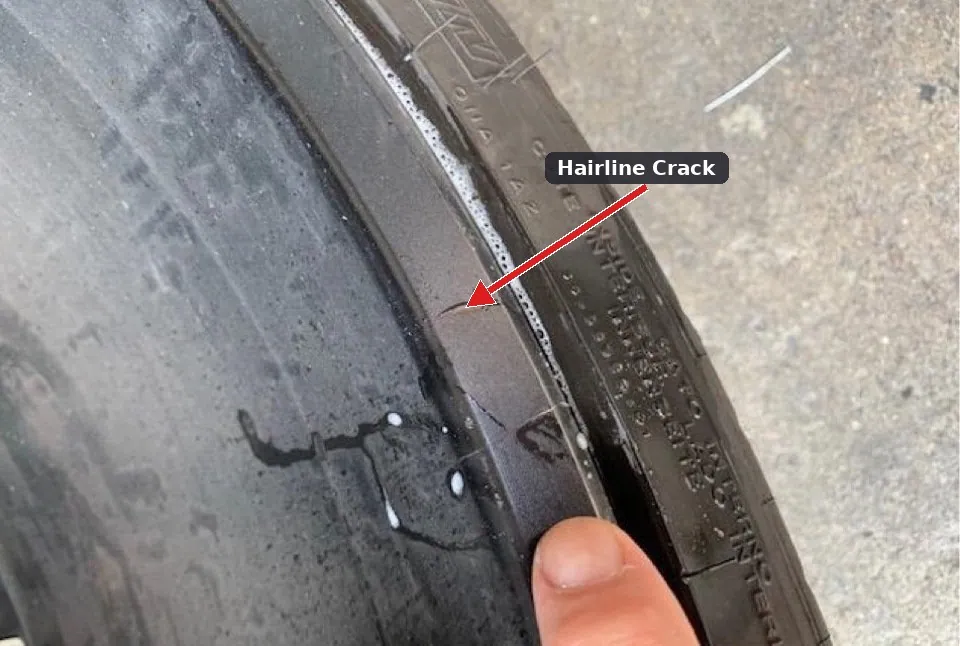
The C7 Grand Sport and Z06 look spectacular on their widebody wheel-and-tire packages, but their factory wheels deserve special scrutiny. General Motors established a (now expired) limited special reimbursement program covering certain cracked or bent wheels on 2015–2019 Z06 and 2017–2019 Grand Sport models. That confirms this was more than just internet speculation. Impacts and road hazards can damage wheels, but GM’s program also addressed reports of cracking or bending not attributable to those causes. Low-profile performance tires provide limited cushioning against sharp impacts, and damage can occur on the inner barrel where it isn’t visible during a casual walk-around. A cracked wheel can lose air and compromise safety, so don’t dismiss it as a cosmetic detail.
How Do You Catch It Before Buying?
Inspect every wheel carefully, including the inside barrels. Ideally, have a specialist remove the wheels and inspect them from both sides; a quick glance at the polished outer faces isn’t enough. Look for cracks, bends, previous welding, fresh refinishing that might conceal damage, and evidence of repeated tire-pressure loss. Check the tire sidewalls for bulges and unusual wear, and ask whether any wheels have been replaced or repaired. Pay particular attention to Grand Sport and Z06 examples, but don’t assume a Stingray is immune to ordinary impact damage. Also ask for any records relating to wheel replacements or reimbursement claims.
How Bad Can The Bill Get?
A reasonable budget estimate is about $300–$850 per wheel, depending on the wheel, condition, finish, and whether you choose new, used, or aftermarket equipment. A complete set can therefore cost well over $1,000, before mounting, balancing, and tires. A tire damaged alongside a wheel adds to the bill. GM’s special reimbursement program had a January 25, 2025 claim deadline, so prospective buyers in October 2026 should not assume that assistance remains available. Verify any remaining eligibility directly rather than counting on reimbursement. In our experience, we’ve seen widebody owners simply ditch the OE wheels and jump to the aftermarket.
3 — Z06 Track-Day Overheating: 650 Horsepower Needs More Than Brute Force
What Goes Wrong?
The supercharged 6.2-liter LT4 turned the C7 Z06 into a 650-horsepower weapon, but early cars earned attention for overheating and reduced-power events during sustained, high-speed track driving in hot weather. This was not simply an internet debate: GM issued Special Coverage Adjustment N202302720 for certain 2015–2018 Z06s. The program covered 2015–2016 manual-transmission cars and 2015–2018 automatic-transmission cars that met the applicable conditions. The prescribed correction included an updated radiator package and, for automatic cars, revised transmission-control calibration. In addition, cooling-system changes evolved during the Z06’s production run. Corvette engineers also addressed the issue by raising the center of the Z06 hood and raising the height of the intercooler cover. The crucial distinction is that this concern primarily relates to sustained track use under demanding conditions—not a claim that every Z06 overheats while cruising on the street.
How Do You Catch It Before Buying?
Start by asking how the car was used. A Z06 that spent its life on Sunday drives presents a different set of demands from one that regularly completed high-speed sessions at a road course. Request documentation for any cooling-system upgrades, radiator replacement, or work performed under GM’s special coverage. During a road test, monitor engine and transmission temperatures, look for warning messages, and check for evidence of coolant leaks or previous overheating. A normal street test drive cannot establish whether the car will remain cool during repeated track sessions. If you intend to track the car, have a specialist inspect the cooling configuration and assess its suitability for your intended use.
How Bad Can The Bill Get?
There is no single repair price because the remedy depends on the vehicle’s configuration, existing cooling hardware, and the actual fault. As a broad planning estimate, aftermarket or out-of-coverage cooling-system work could run roughly $1,000–$3,000 or more. More serious consequences from repeated overheating can cost substantially more. GM’s special coverage covered eligible repairs at no charge when you met its requirements, but it was limited to seven years or 72,000 miles from the original in-service date, whichever came first. Given the age of these cars, most will now be outside that period. Verify the VIN’s service history and coverage status instead of assuming the original program will pay for today’s repair.
4 — AFM Lifter Failure: When That Little Engine Tick Becomes a Big Problem
What Goes Wrong?
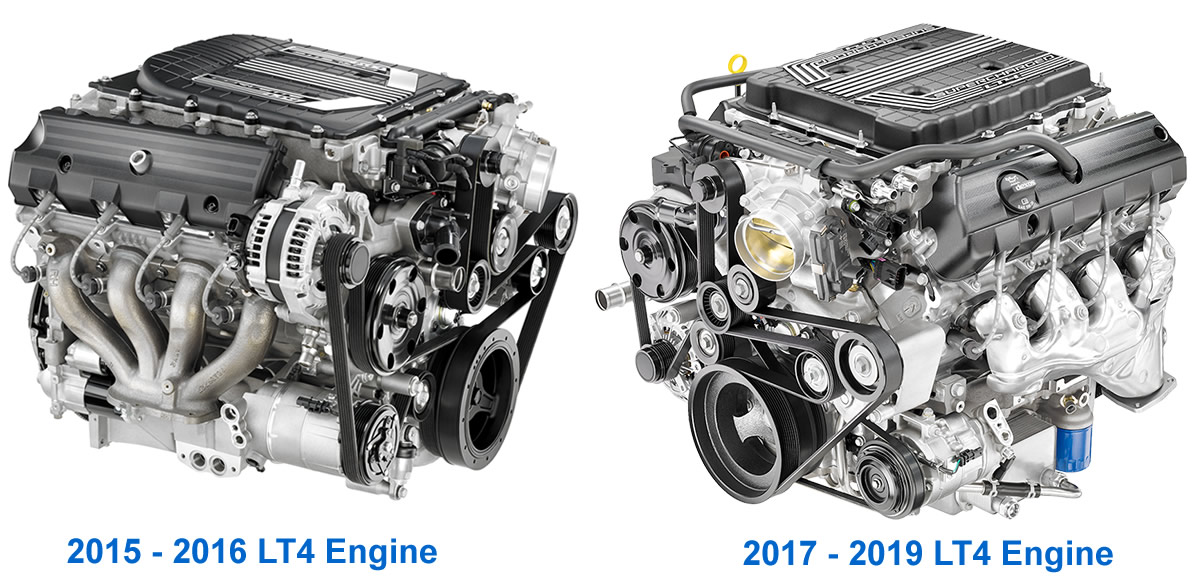
Under the hood, the 6.2-liter LT1 V8 delivers 460 horsepower in the 2017–2019 Grand Sport and up to 460 horsepower in a Stingray with the NPP exhaust, while the supercharged LT4 powers the 650-horsepower Z06. Both engine families use Active Fuel Management (AFM), which deactivates cylinders under certain light-load conditions to improve fuel economy. AFM lifters can collapse or get stuck, potentially causing a persistent ticking noise, misfire, and an illuminated check engine light. GM’s service documentation specifically addresses collapsed or stuck lifters, internal locking-pin damage, and related misfires on vehicles equipped with the LT1 and LT4. That establishes a documented failure mode, but it does not mean every ticking C7 has a failing lifter.
How Do You Catch It Before Buying?
Insist on a cold start, ideally before the seller has warmed up the car. Listen for a persistent, rhythmic ticking or knocking from the engine, and watch for a rough idle, misfires, or a check engine light. Ask whether the car has ever required lifter, pushrod, Valve Lifter Oil Manifold (VLOM), or camshaft repairs. Have a qualified technician scan the engine computer for active and stored diagnostic trouble codes, including P0300, which indicates a random or multiple-cylinder misfire. If the engine makes suspicious noises, don’t let the seller’s explanation that it is merely normal V8 valvetrain noise replace a proper diagnosis. A pre-purchase inspection should include further testing when the symptoms warrant it.
How Bad Can The Bill Get?
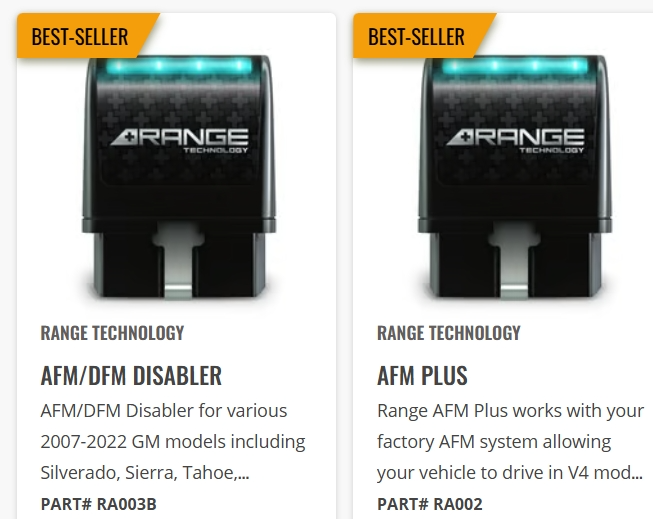
A routine diagnostic visit might cost roughly $150–$300, depending on the shop and the testing required. If a lifter failure is confirmed, a realistic planning range is approximately $3,000–$6,500 for substantial lifter and related component repairs, with the final cost depending on which parts are damaged and local labor rates. One C7 owner on the Corvette Forum documented a $6,040 dealership repair for lifters and the VLOM, illustrating how quickly the expense can climb. If a damaged lifter also damages the camshaft or other internal components, the bill can rise further. In the Corvette Forum member’s case, he used the highly recommended Range AFM Disabler but removed it before a trip to the dealer.
5 — Leather Dash Separation: The Cosmetic Defect That Can Cost Like a Mechanical Repair
What Goes Wrong?
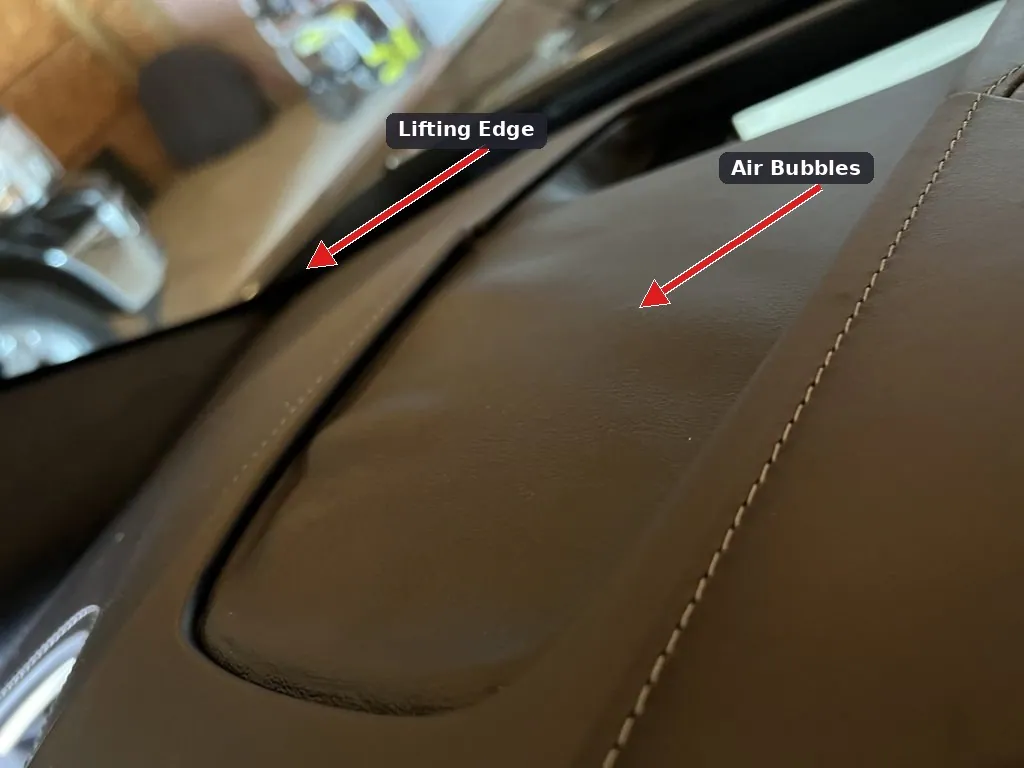
The C7’s cockpit looks and feels special when equipped with its upgraded leather-trimmed interior, but some owners have experienced leather delamination around the dashboard vents and head-up display. The leather can bubble, lift, or separate from the underlying panel, creating an increasingly conspicuous blemish in an otherwise beautiful cabin. This concern is particularly relevant to higher-trim interiors, including 3LT Stingrays, 3LZ Z06s, and Grand Sports. Heat exposure and adhesive deterioration are cited as contributing factors. The problem generally doesn’t affect the car’s drivability, but replacing the panel can require extensive disassembly, making an apparently minor interior flaw surprisingly expensive.
How Do You Catch It Before Buying?
Inspect the dashboard in daylight, paying particular attention to the leather surrounding the center vents, the passenger-side airbag area, and the head-up display. Look for bubbles, lifted edges, uneven surfaces, and evidence of a previous repair. If a replacement panel has been installed, check that it matches the car’s interior color, stitching, material, and head-up-display configuration. Don’t overlook the rest of the cabin: examine the seats, bolsters, door panels, and center console for wear inconsistent with the advertised mileage. A clean interior doesn’t guarantee a problem-free car, but it can help distinguish a well-cared-for example from one that has been neglected.
How Bad Can The Bill Get?
Budget approximately $1,500–$3,000 or more for a professional dashboard-panel replacement, depending on parts availability, labor rates, and the exact trim configuration. Published repair guidance estimates roughly $1,000–$1,800 in labor alone for some panel-replacement jobs, with used OEM panels adding several hundred dollars to the total. A minor cosmetic imperfection may be acceptable if the asking price reflects it, but a badly separated dashboard can turn into an expensive negotiation point. Get a repair quote before making an offer rather than assuming a little adhesive will permanently solve the problem.
6 — Infotainment And Electrical Gremlins: When The Screens And Switches Stop Cooperating
What Goes Wrong?
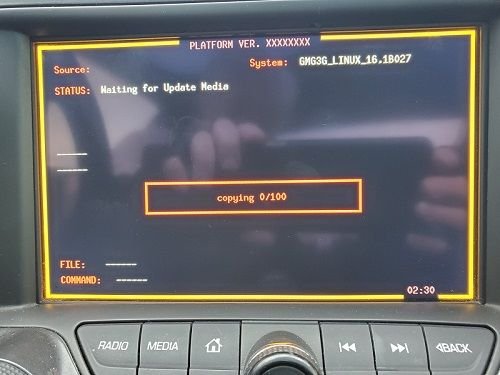
The C7’s interior combines a digital driver-information display, infotainment touchscreen, electronic controls, and an array of convenience features. When these systems malfunction, symptoms can range from intermittent screen freezes and audio problems to unresponsive controls or individual module faults. The challenge is that no single universal C7 electrical defect causes every complaint. A failing component, wiring issue, weak battery, software problem, or previous repair can produce similar symptoms. That makes careful diagnosis more important than replacing parts based on a seller’s guess. Buyers should treat repeated electrical glitches as evidence that the car needs further investigation, not automatically as proof of a major electronic failure.
How Do You Catch It Before Buying?
Test everything you can while the car is stationary. Turn the infotainment system on and off, check the touchscreen, audio, backup camera, Bluetooth connectivity, steering-wheel controls, climate settings, power seats, seat memory, windows, locks, and other installed equipment. Restart the car and repeat any tests involving an intermittent fault. Check that the digital instrument cluster displays information consistently and that no warning lights remain illuminated. Ask about previous battery replacements, module programming, infotainment repairs, or recurring electrical problems. A specialist’s diagnostic scan can reveal stored trouble codes that won’t necessarily appear on the dashboard during a short test drive.
How Bad Can The Bill Get?
A straightforward diagnosis or minor electrical repair might cost approximately $150–$500. A failed display, control module, or more involved wiring problem can push the total toward $500–$2,000 or more, depending on the component and whether programming or additional troubleshooting is required. These are broad estimates rather than C7-specific fixed prices; the actual fault must be identified before a reliable quote is possible. A car with one malfunctioning accessory may be an easy fix, while multiple intermittent faults can become a time-consuming diagnostic exercise. The smart move is to get the problem identified before purchase and negotiate accordingly.
7 — Torque Tube, Clutch, And Drivetrain Wear: The Noises You Don’t Want To Ignore
What Goes Wrong?
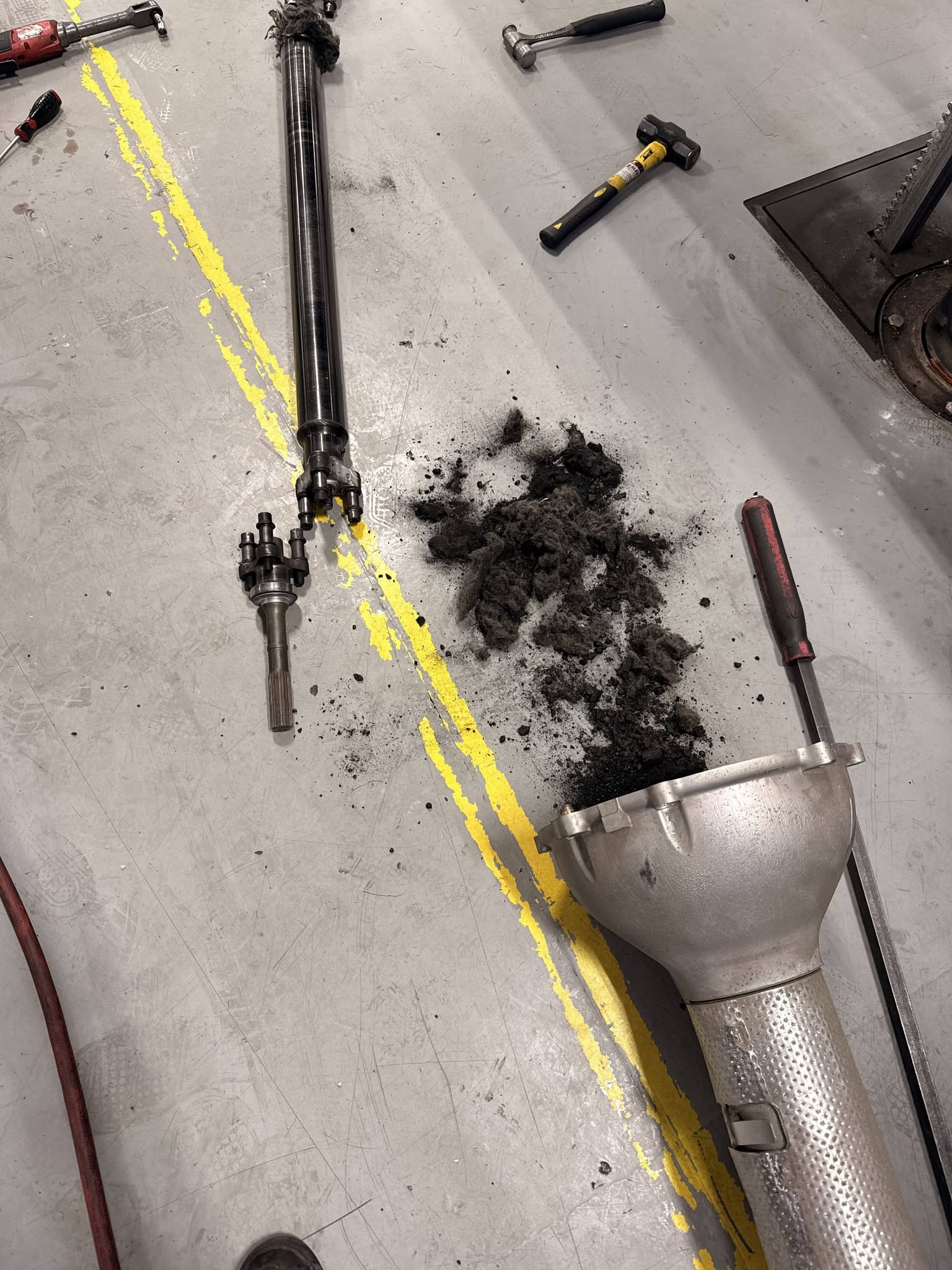
Unlike a conventional front-engine sports car with a transmission bolted directly to the engine, the C7 uses a rear transaxle connected to the engine through a torque tube. That layout contributes to the Corvette’s balance and handling (while creating extra interior space), but it also means that certain drivetrain repairs can require substantial labor. Depending on the car and its history, worn torque-tube components, clutch wear, or transmission problems can produce rattles, vibration, grinding, or difficulty engaging gears. Manual-transmission cars deserve particular scrutiny if they’ve seen repeated hard launches, aggressive shifting, or track use. These symptoms are not proof of a single widespread C7 defect; they are warning signs that a used-car buyer should investigate before committing to a purchase.
How Do You Catch It Before Buying?
During the test drive, listen for unusual rattles or vibrations when accelerating, coasting, changing gears, and transitioning on and off the throttle. In a manual, check that the clutch engages smoothly and that every gear can be selected without grinding or excessive resistance. Pay attention to abnormal noises at idle and when the clutch pedal is pressed or released. For an automatic, check engagement into Drive and Reverse, shift quality, and any shudder or vibration that might overlap with the eight-speed transmission concern discussed earlier. Ask for clutch, transmission, and drivetrain service records, and have a Corvette specialist inspect any suspicious noises on a lift if necessary.
How Bad Can The Bill Get?
A clutch replacement could cost approximately $2,000–$4,000, while a more extensive torque-tube or related drivetrain repair could run roughly $2,000–$5,000 or more. These are estimates, not universal repair prices; the exact component, parts availability, and amount of labor involved make a significant difference. If the transaxle itself requires major work, the expense can climb beyond those ranges. A small noise may ultimately prove harmless, but the right response is diagnosis—not wishful thinking. If the seller refuses to allow an independent inspection, consider that a reason to walk away.
The Final Word: Buy The Corvette, Not Someone Else’s Problems
The C7 Corvette remains one of the great performance-car values of its generation, offering everything from the approachable Stingray to the track-focused Grand Sport, the supercharged Z06, and the extraordinary ZR1. Its potential trouble spots shouldn’t scare enthusiasts away. They should help buyers make smarter decisions, ask better questions, and distinguish a genuinely good example from one that’s been polished up for sale while expensive problems remain unresolved.
Before purchasing any C7, arrange an independent pre-purchase inspection with a shop familiar with the platform, verify the VIN-specific recall and service history, and budget for maintenance even if the car appears immaculate. Prioritize the transmission on automatic cars, wheel condition on Grand Sports and Z06s, cooling-system history on Z06s, engine noises, and evidence of neglected repairs. Then use the inspection findings to negotiate a fair price—or walk away if the risks don’t make sense. The best C7 isn’t necessarily the one with the lowest mileage or the most options. It’s the one with the right history, the right condition, and no expensive surprises waiting for its next owner.
Our Extensive Buying Guides And Tips & Advice Database
- The Ultimate C5 Corvette Buying & Maintenance Guide: Why Didn’t Anybody Tell Me This?!?
- [Tips And Tricks] The Top Ten Most Useful C5 Corvette Secrets!
- The Highest-Rated Tires For Your C4 Corvette
- C5 Owners’ Favorite Tires For Their Corvettes
- The Highest-Rated Tires You Can Buy For Your C6 Corvette
- The Highest-Rated Tires For Your C7 Corvette
- Check Out The Highest-Rated Tires For Your C8 Corvette
- Corvette Owners Vote On The Run-Flat VS Non-Run-Flat Tire Debate
- Made in the USA? Popular Oil Filter Brands For Your C5 Corvette & A WIX Warning
- The Most Popular Oil Choices For Your C6 Corvette
- Having C5 Electrical Issues? CorvSport DIY Guide To The Ground Points On Your Corvette
- The Top Seven C7 Corvette Complaints
- Ten Rules For Buying Your First C3 Corvette
- Hagerty’s Buyer’s Guide For The C2/Mid-Year Corvette
- Easy Corvette Mods You Can Do To Make a Huge Difference On A C7 Stingray, Z06, Grand Sport Or ZR1!
- CORVETTE REPAIR (5 Ways to Avoid Getting Ripped OFF!)
- Ten Maintenance Tips To Keep Your Corvette In Tip-Top Shape
- C5 vs C6 Corvette: A C6 Buying Guide Built Around 10 Real Improvements
- The Top 5 Corvette Parts Replaced Every Month
The authors and contributors at CorvSport get the privilege of writing about Corvettes nearly every day–thanks for being with us today on this Corvette journey. Now, it’s time to join the CorvSport movement!
- Engage with CorvSport’s 163,000 Facebook followers and be the first to see our daily content.
- Experience how obsessed we are and view our whole arsenal of Corvette content at CorvSport.com!
- Never miss a beat on the community pulse! Sign up for our weekly newsletter here.
- Enjoy an ad-free experience, get exclusive content, and support CorvSport for only $2.92/month!
*Additional Resources For This Feature: Our Vast CorvSport Archives, Corvette Forum, NHTSA.gov, go-parts.com, Corvette Action Center