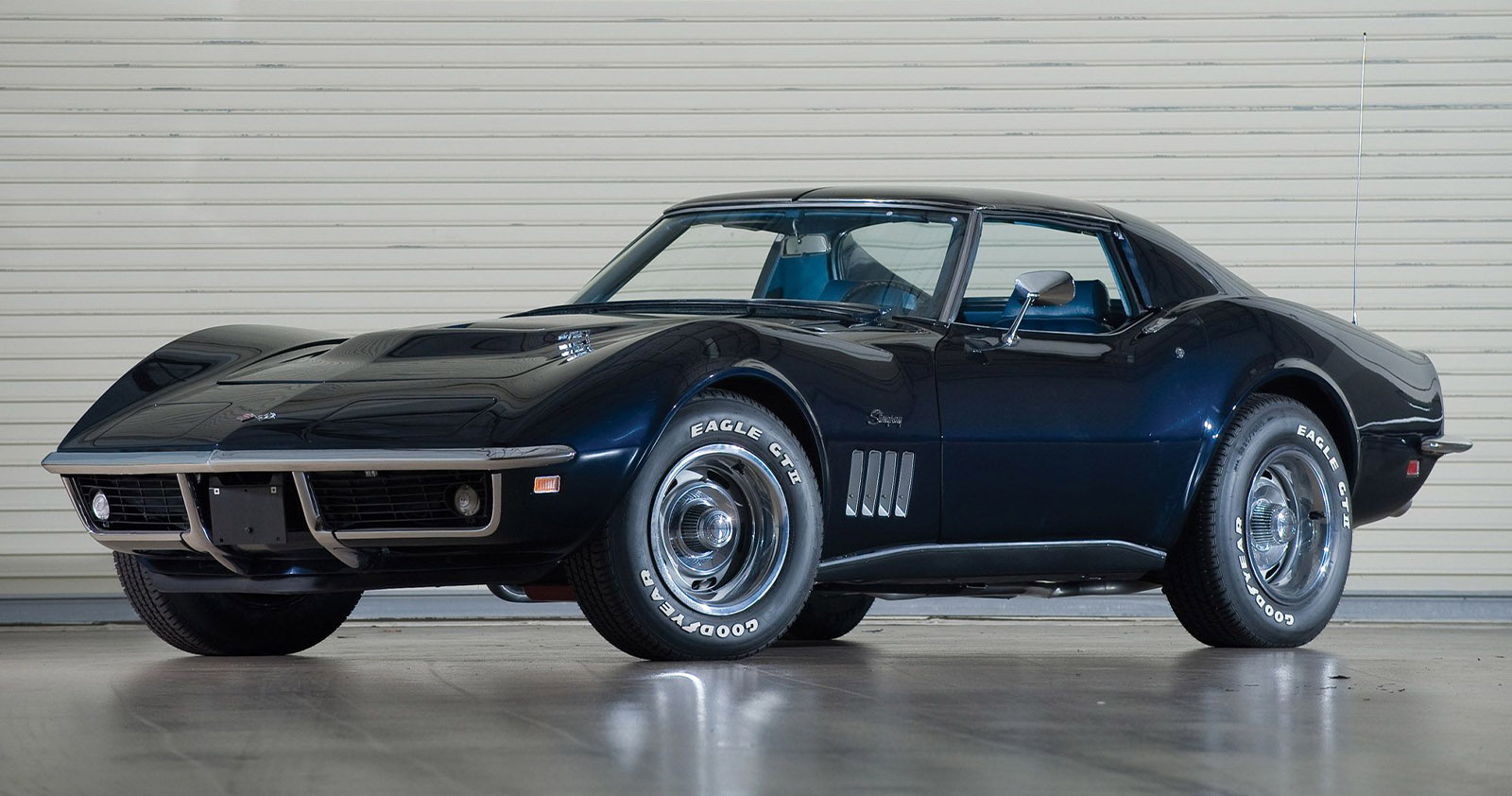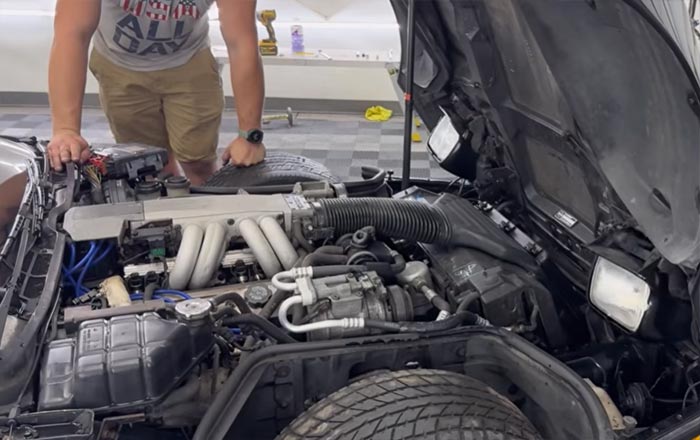
The fourth-generation Corvette represented one of the most significant technological leaps in the history of America’s Sports Car. Chevrolet spent 13 model years refining the C4, producing 358,180 examples between 1984 and 1996. It is the second-longest Corvette generation, trailing only the C3’s 15-model-year run, and its evolution was a steady progression of improvements in performance, handling, technology, and refinement. Today, the C4 remains one of the most accessible ways to experience Corvette ownership, but that affordability can come with a few surprises.
As you likely recall, no 1983 Corvette was produced for the public. Chevrolet originally planned to introduce the redesigned C4 that year, but development delays, manufacturing quality concerns, and the need to meet new emissions and quality standards pushed the launch to 1984. GM built 43 pre-production pilot cars, but none were released for retail sale. Forty-two were destroyed, while the sole survivor now resides at the National Corvette Museum. That makes the 1984 model year the official beginning of a generation that would continue evolving for more than a decade.
But here’s where today’s prospective buyers need to pay attention. The fourth-generation Corvette is an extraordinary performance bargain, but its technological ambition created an entirely different set of ownership challenges. Thirty-plus years later, buyers aren’t just purchasing a sports car; they’re purchasing the condition of its mechanical systems, aging electronics, and the maintenance decisions of everyone who owned it before them. In today’s CorvSport Buyer’s Guide, we’re examining seven issues that deserve your attention, how to spot them before signing the paperwork, and just how expensive repairs can get. Because the difference between buying a great C4 and inheriting somebody else’s problems often comes down to knowing where to look. And our coverage doesn’t stop there.
♦ What We Have Lined Up For You:
- The Top 7 C4 Issues
- Bonus Guide: Three Additional Engine Issues Deserving Special Attention
- The Final Word: Buy The Right C4, Not Somebody Else’s Project
- Our Extensive Buying Guides, Tips, & Advice Database
1 – The Top 7 C4 Issues
#1 – OptiSpark Ignition System — 1992–1996
What Goes Wrong?
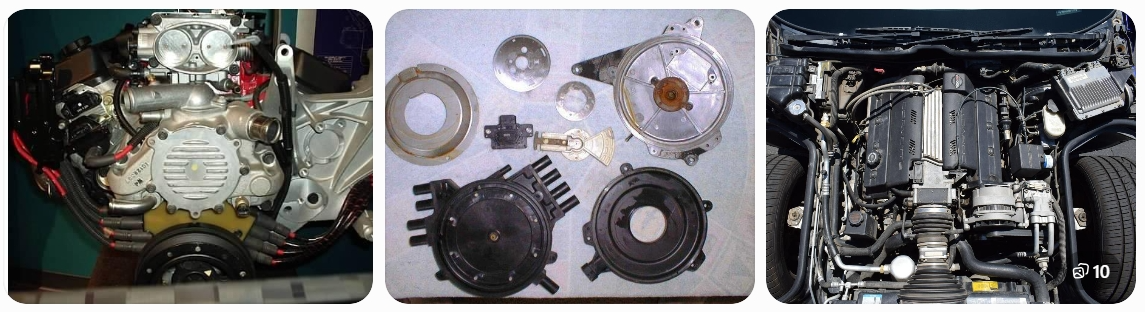
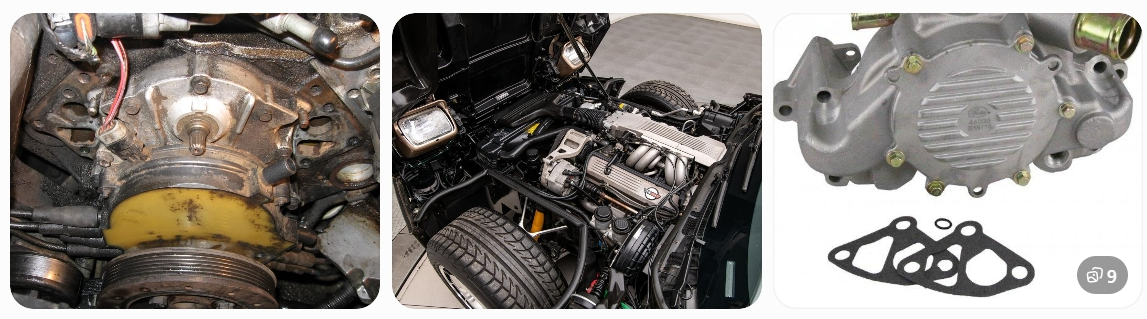
The OptiSpark ignition system is arguably the most notorious mechanical issue associated with the C4, affecting every LT1 and LT4 Corvette from 1992 through 1996. Unlike a traditional distributor mounted toward the rear of the engine, the OptiSpark sits at the front, directly beneath the water pump. This placement creates a vulnerability: coolant leaking from the water pump can find its way into the distributor, potentially damaging the optical sensor and causing misfires, rough running, intermittent stalling, or a complete no-start condition. The 1992–1994 units are particularly troublesome because their original ventilation design was inadequate, allowing moisture and ozone buildup inside the distributor. Chevrolet introduced a vented design for 1995–1996, improving reliability without completely eliminating the possibility of failure.
How Do You Catch It Before Buying?
Start by asking whether the OptiSpark has ever been replaced and, more importantly, what replacement unit was installed. On a 1992–1994 Corvette, look for documentation showing an upgrade to a properly vented distributor. Inspect the water pump for coolant seepage, check the area around the distributor for evidence of leakage, and pay attention to rough idle, hesitation, misfires, or hard starting. A cold start and a thorough test drive are essential. If the seller cannot provide maintenance records, have a Corvette-experienced mechanic inspect the ignition system before proceeding.
How Bad Can The Bill Get?
The distributor itself isn’t necessarily the expensive part; the labor is what makes this repair painful. Accessing the OptiSpark requires removing the water pump and other components, making this a job where replacing the pump at the same time is strongly recommended. Current replacement-part pricing varies considerably, but a distributor and water pump can put the parts bill into several hundred dollars, while professional installation can bring the complete repair into the $800–$1,600 range. Premium components, additional damage, and shop rates can push that number higher. This is a repair worth negotiating before purchasing, not discovering after the first coolant leak.
#2 – Digital Instrument Cluster & Electrical Gremlins — 1984–1996
What Goes Wrong?
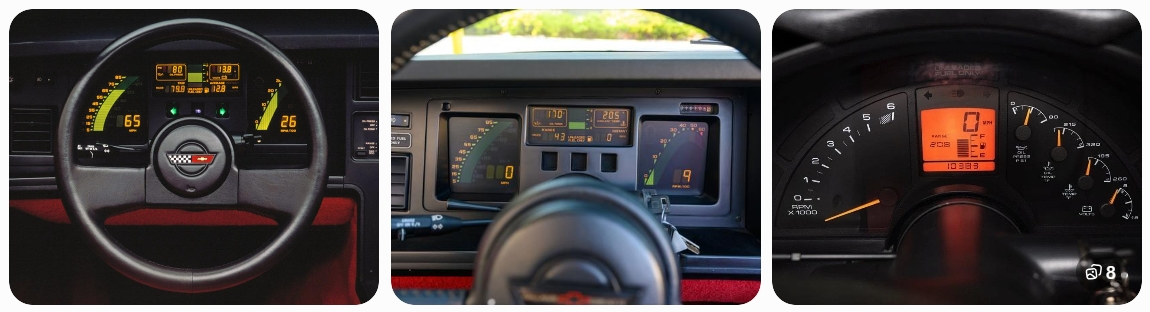
Chevrolet’s decision to equip the early C4 with a futuristic digital instrument panel was certainly bold, but four decades later, that technology can be a liability. The 1984–1989 models feature an all-digital instrument cluster that can develop fading displays, missing segments, dim backlighting, intermittent readings, and complete electrical failure. The 1990 model year brought a redesigned dashboard with conventional analog gauges and a digital speedometer, but those later clusters are not immune to display and lighting problems either. Beyond the instrument panel, aging relays, power-window motors, headlight actuators, door-lock components, and fuel-pump relays can create a frustrating collection of electrical gremlins. The Vehicle Anti-Theft System (VATS), introduced in 1986, is another consideration, as a worn resistor key or failing decoder can leave an otherwise healthy Corvette unable to start.
How Do You Catch It Before Buying?
Don’t simply turn the key, glance at the dashboard, and assume everything works. Cycle through every instrument cluster function and verify that the speedometer, tachometer, fuel gauge, temperature readings, and warning indicators operate correctly. Test every electrical accessory, including the headlights, power windows, locks, antenna, HVAC controls, and audio system. Pay particular attention to intermittent problems: a cluster that works after tapping the dashboard or a window that operates only occasionally may be signaling an underlying electrical issue. Start the vehicle several times, including after a short drive, to help identify potential VATS-related starting problems. Ask whether a professional has repaired the instrument cluster or other electrical components.
How Bad Can The Bill Get?
The good news is that instrument-cluster specialists still service these units. Current advertised rebuild services for 1984–1989 clusters generally start around $245–$350, with additional charges for damaged LCD panels and power supplies. Rebuilds for 1990–1996 clusters can run approximately $225–$395, depending on the service required. Those prices generally do not include shipping, removal, or installation. A failed relay or simple electrical connection may be relatively inexpensive, but multiple electrical problems can add up quickly. The real concern is buying a car with several unresolved issues, particularly when replacement components are becoming harder to source.
#3 – Cooling System Failures & Water Pump Leaks — 1984–1996
What Goes Wrong?
Cooling-system problems are not exclusive to one C4 model year. Aging water pumps, radiator hoses, seals, gaskets, and electric cooling-fan components can all create problems across the generation. Failed fan relays can prevent the cooling fans from operating properly, potentially causing the engine to overheat, particularly in traffic. On 1992–1996 LT1 and LT4 cars, the water pump deserves even more attention because of its relationship with the OptiSpark distributor. A leaking pump can send coolant directly into the ignition system, turning what might have been a relatively straightforward maintenance repair into a much more expensive problem. Some owners also see an illuminated LOW COOLANT warning despite having a full cooling system, which can be caused by a faulty sensor rather than an actual coolant shortage.
How Do You Catch It Before Buying?
Insist on seeing the car start completely cold. Let the engine reach normal operating temperature and confirm the electric cooling fans engage as expected. Inspect the radiator, hoses, water pump, and surrounding engine components for coolant residue, dampness, or evidence of previous repairs. Check the coolant itself for discoloration or signs of oil contamination, and inspect the engine oil for evidence of coolant intrusion. On LT1 and LT4 cars, pay special attention to the water-pump area and ask whether the OptiSpark was replaced when the pump was last serviced. If the temperature climbs unusually high or the fans fail to engage, don’t dismiss it as an old-car quirk.
How Bad Can The Bill Get?
A faulty relay, sensor, or hose may represent a relatively inexpensive repair, while a replacement water pump can cost approximately $130–$180 in parts for a standard L98 or LT1 application, depending on the year and supplier. Professional installation adds labor, and LT1/LT4 owners should consider combining the pump replacement with OptiSpark service whenever appropriate. The real financial danger is allowing an overheating condition to continue. Internal engine damage, compromised head gaskets, or a coolant-related ignition failure can turn a manageable repair into a four-figure headache or worse. A cooling system that cannot maintain proper operating temperature should be treated as a serious purchase concern.
#4 – Wheel Bearings, Suspension Bushings & Steering Components — 1984–1996
What Goes Wrong?
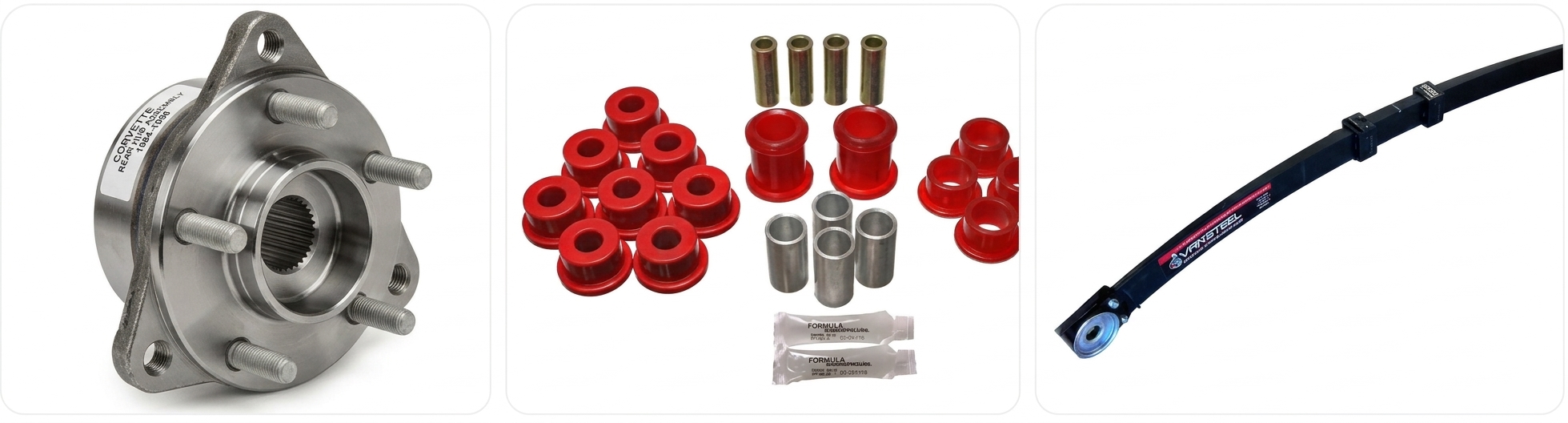
The C4’s sophisticated suspension was a major part of its performance identity, but decades of use have taken their toll on the components underneath these cars. Sealed wheel-bearing hub assemblies are known wear items, and failing bearings can produce growling noises, looseness, and unwanted play. Aging suspension bushings, ball joints, tie rods, and steering components can contribute to clunks, poor alignment, and uneven tire wear. The composite transverse leaf springs themselves are not automatically a problem, but their mounting points and rubber isolators deserve inspection. Cars equipped with FX3 Selective Ride Control, introduced in 1989, have another potential expense: the electronic shock actuators can fail, leaving the adjustable suspension unable to change settings. Finally, the steering-column tilt mechanism can develop excessive play when owners repeatedly use the steering wheel to help themselves out of the car.
There is also an important safety-related distinction for 1988–1989 buyers. GM issued NHTSA recall 90V032000 for certain Corvettes equipped with rear wheel tie-rod assemblies that could fatigue and fracture at the inboard bearing. A failure could result in loss of vehicle control. Buyers should verify whether the recall repair was completed rather than assuming every surviving example was serviced.
How Do You Catch It Before Buying?
Take the Corvette for a proper test drive and listen for humming, grinding, or growling from the wheel bearings. Pay attention to steering play, wandering, clunks over bumps, and unusual vibration. Inspect the tires for uneven wear, which can indicate alignment problems or worn suspension components. Ideally, have the car raised on a lift so a mechanic can check the hubs, control arms, bushings, tie rods, spring mounts, and steering components. On FX3-equipped cars, operate the suspension settings and verify that the system responds. Look for missing shock actuators or warning lights, and inspect the steering column for movement beyond its intended tilt adjustment.
How Bad Can The Bill Get?
A replacement aftermarket wheel-bearing hub can cost about $160–$215 per assembly, while original-equipment replacements cost considerably more. Labor is additional, and replacing multiple hubs can quickly turn a modest maintenance item into a four-figure repair. FX3 actuator rebuild services are currently advertised around $150 per actuator, before additional shock, installation, or controller-related expenses. Suspension bushings and steering repairs vary according to the number of worn components. A single failed bearing or actuator isn’t necessarily a reason to walk away, but a C4 with neglected suspension components throughout deserves a meaningful price adjustment.
#5 – Transmission & Drivetrain Problems — 1984–1996
What Goes Wrong?
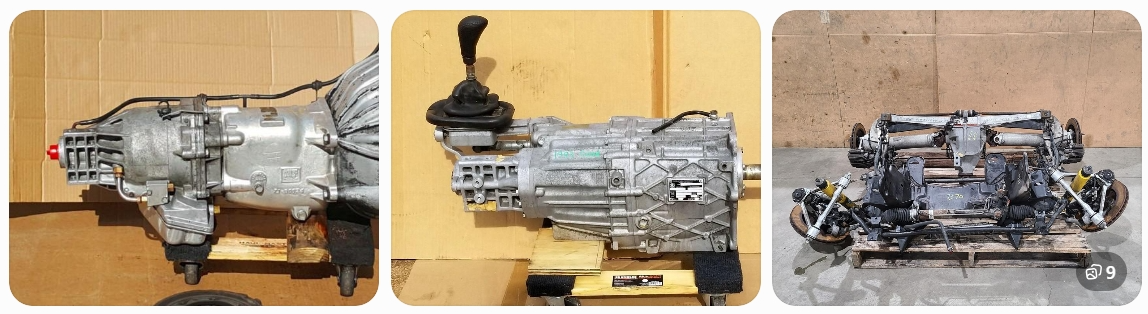
The C4’s transmission history is particularly interesting because Chevrolet used several different configurations throughout the generation. Each brings its own inspection requirements, and buyers should understand exactly which transmission they’re purchasing. The 1984–1988 manual Corvettes used the Doug Nash 4+3, a four-speed manual transmission with an auxiliary overdrive unit that operated in second, third, and fourth gears. The 1989 model year brought the much-improved ZF six-speed, which continued through 1996. Automatic buyers should also pay attention to the evolution of the four-speed transmission, beginning with the 700R4, later designated the 4L60, and eventually the electronically controlled 4L60E introduced for 1994.
The 4+3 deserves special attention. Its reputation for trouble largely stems from the auxiliary overdrive assembly rather than the underlying four-speed gearbox. The 1984–1985 units were particularly susceptible to annular bearing and thrust-washer failures, prompting GM to introduce revised components during 1985 and again in early 1986. Later units generally proved more reliable when properly maintained, although neglected overdrive systems can still leak, slip, or fail to engage. On 1989–1996 six-speeds, inspect for worn synchronizers, difficult gear engagement, clutch problems, and noises associated with the original dual-mass flywheel. Check automatic-equipped cars for slipping, delayed engagement, converter shudder, and inconsistent shifts. Earlier C4s also deserve a differential inspection: some 1984–1985 cars were covered by recall 85V118000 for a potential differential cross-shaft problem, while pre-1990 cars are known to develop axle-seal and cover leaks.
How Do You Catch It Before Buying?
On a 4+3 car, test every gear and verify that the overdrive engages both automatically and through its manual control. Listen for unusual whining and inspect the overdrive housing for leaks. On a ZF six-speed, pay particular attention to second-gear engagement, synchro performance, clutch engagement, and any rattling or clattering noises. An automatic should shift smoothly under both light and moderate acceleration, without slipping or shuddering. Regardless of transmission, inspect the differential and surrounding axle areas for fluid leaks. Ask for service records and verify that applicable recall work has been completed. A transmission that functions adequately during a short test drive may still have an expensive problem developing underneath.
How Bad Can The Bill Get?
This is where a seemingly inexpensive C4 can become a much bigger investment. A specialist’s quoted 4+3 overdrive rebuild is about $1,400–$1,500, with additional costs if the main gearbox also needs attention. A replacement clutch or flywheel assembly on a ZF six-speed can add hundreds of dollars in parts alone; current conversion kits are advertised around $900 before installation. More importantly, a specialist rebuild service for the ZF transmission is currently listed at approximately $6,400, illustrating why a car with shifting problems deserves serious scrutiny. Automatic transmission rebuilds can also reach several thousand dollars once you include removal, installation, and replacement components. Differential resealing is generally a much smaller repair, but internal damage changes the equation considerably.
#6 – Weatherstripping, Water Intrusion & Structural Corrosion — 1984–1996
What Goes Wrong?
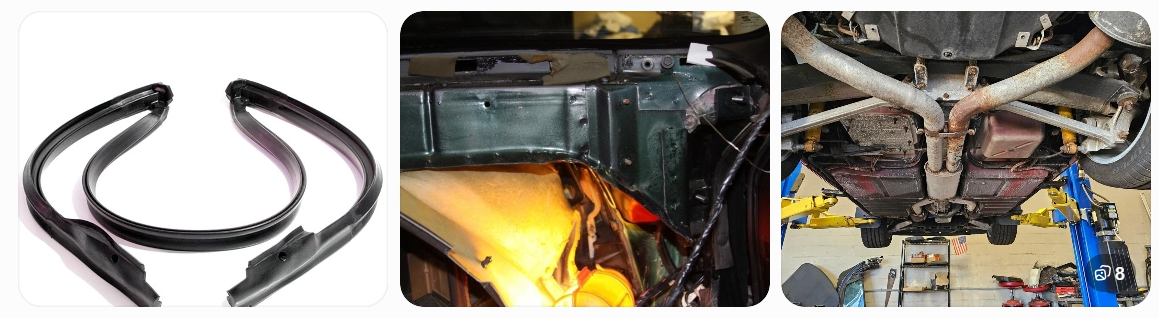
The C4’s fiberglass (specifically SMC) exterior panels have an advantage over conventional steel-bodied cars: they don’t rust. However, that doesn’t mean the structure underneath is immune to corrosion. The fourth-generation Corvette uses a steel uniframe, and certain areas deserve particular attention, including the frame rails beneath the battery tray, rear kick-ups, trailing-arm mounting points, and convertible structural bracing. Corrosion can also develop where aluminum suspension components meet steel mounting hardware. Meanwhile, the weatherstripping around the removable roof panel, doors, hatch, and windows deteriorates with age, allowing water into the cabin. Once moisture reaches the carpeting and interior electrical connections, a relatively simple weatherstrip problem can turn into a much more expensive restoration. Roof-panel mounting hardware and the panels themselves should also be checked for cracks and damage.
How Do You Catch It Before Buying?
This is one area where we would insist on getting the Corvette on a lift. Inspect the steel structure carefully, especially beneath the battery tray and around the rear suspension mounting points. Surface corrosion isn’t necessarily a deal breaker, but significant scaling, structural deterioration, or perforation should raise immediate concerns. Inside the car, lift the carpeting wherever possible and look for dampness, discoloration, mildew, and evidence of previous water intrusion. Inspect every weatherstrip, including the roof-panel seals, door seals, and rear hatch. Check the removable roof panel for cracks around its mounting points, and examine the body-panel gaps for evidence of collision damage or improper repairs. Remember, fiberglass doesn’t rust, but a damaged steel structure can make an otherwise beautiful Corvette a very poor purchase.
How Bad Can The Bill Get?
A replacement weatherstrip package isn’t necessarily inexpensive. Current parts listings show coupe packages generally ranging from approximately $675 to more than $1,000, depending on the year, manufacturer, and quality of the replacement materials. Convertible packages can also run several hundred dollars before installation. A straightforward seal replacement is manageable, but correcting water damage, replacing damaged interior components, or repairing corroded structural mounting points can become substantially more expensive. Here’s our advice: negotiate over worn seals, but be extremely cautious about significant structural corrosion. A little water on the carpet is one thing; a compromised uniframe is an entirely different proposition.
#7 – ABS, ASR, Braking & Aging Safety Systems — 1986–1996
What Goes Wrong?
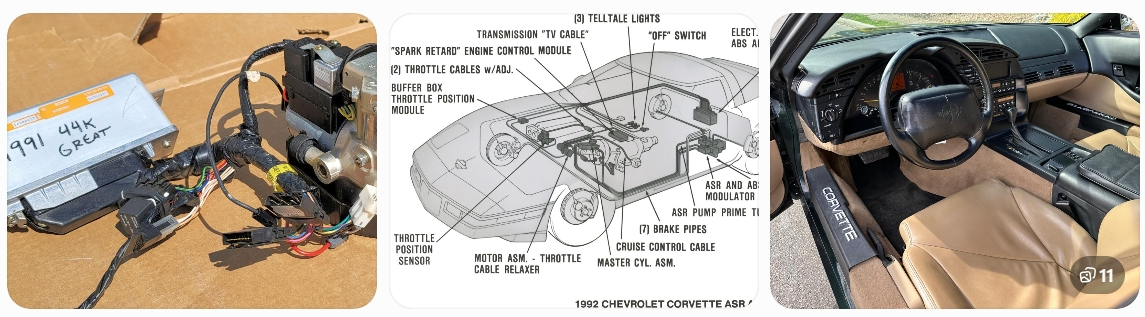
The C4 was at the forefront of automotive technology during its production run, and its safety systems were no exception. However, today’s buyers should know these older electronic systems can be expensive and sometimes hard to diagnose. Anti-lock braking became standard in 1986, followed by the introduction of Acceleration Slip Regulation (ASR) traction control as standard equipment in 1992. The ABS hydraulic pump and pressure modulator assembly on 1986–1991 cars has developed a reputation for internal failures, sometimes resulting in brakes that drag, excessive brake-pad wear, overheating rotors, and persistent ABS warning lights. Later cars use different ABS configurations, so buyers shouldn’t assume every C4 has identical components. ASR-equipped cars also have additional electronic components that deserve inspection.
Two important factory safety campaigns are also worth knowing about. First, NHTSA recall 91V143000 covered 1984–1991 Corvettes because the front seat-belt retractors could lock or jam, potentially preventing occupants from using their seat belts. Second, recall 86V120000 addressed certain 1986 Corvettes with a brake master-cylinder center-valve issue that could result in loss of front braking ability. Additionally, the 1990 Corvette introduced a driver-side airbag, with a passenger-side airbag arriving in 1994. Buyers should verify the operation of the restraint systems and investigate any illuminated airbag or seat-belt warning lights.
How Do You Catch It Before Buying?
Start by verifying that the ABS, ASR, airbag, and seat-belt warning lights illuminate during the ignition self-check and extinguish as intended. Test the brakes carefully in a safe environment, looking for pulling, unusual pedal travel, dragging, or excessive heat at individual wheels. Check that the seat belts extend and retract smoothly and that the retractors lock appropriately. Ask the seller for documentation showing completion of applicable recall campaigns, particularly the 1984–1991 seat-belt recall and the 1986 master-cylinder campaign. A VIN-based recall search through NHTSA is an important step, even on a car with a clean service history. Finally, have a qualified mechanic diagnose any ABS or ASR warning rather than accepting the seller’s explanation that it’s simply an old sensor.
How Bad Can The Bill Get?
These are not systems where buyers should simply ignore a warning light. A specialist currently advertises a rebuild service for the 1986–1989 Bosch ABS pump at approximately $550, while a separate rebuild service for the 1986–1991 brake-pressure modulator is advertised in the $745–$995 range. Those are component-service prices, not complete installed repair estimates. Additional labor, diagnosis, bleeding, sensors, wiring, or replacement modules can raise the final bill. A simple warning-light issue may be relatively inexpensive, but a failed hydraulic component or multiple electronic faults can quickly turn into a four-figure repair. With safety systems, our recommendation is simple: understand the problem and have it corrected before putting the car on the road.
2 – Bonus Guide: Three Additional Engine Issues Deserving Special Attention
The seven issues above apply to the broader C4 buying experience, but there’s another layer of due diligence that depends on which engine is under the hood. Chevrolet used five distinct engine configurations throughout the generation, and three deserve additional attention. These aren’t necessarily reasons to avoid a particular model year, but they are important considerations when evaluating the condition, originality, and long-term ownership costs of a C4.
#1 – Cross-Fire Injection — 1984
What Goes Wrong?
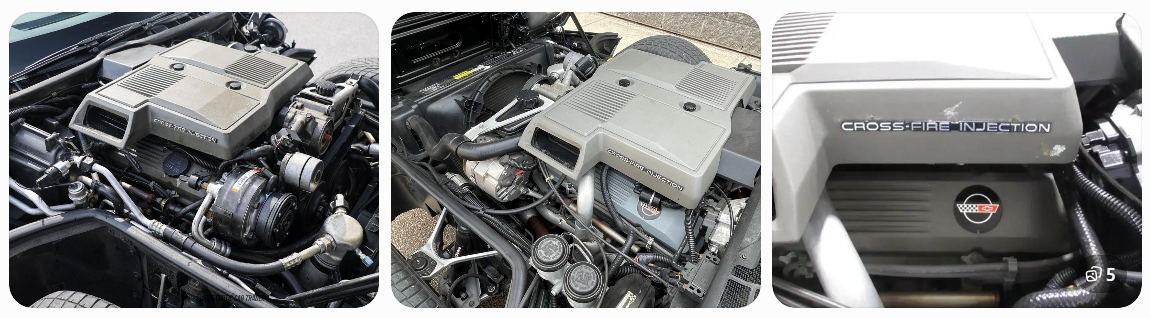
The 1984 Corvette was the only C4 equipped with the L83 Cross-Fire Injection engine, a 350-cubic-inch small-block producing 205 horsepower. Its dual-throttle-body injection system carried over from the 1982 Corvette, and while the design isn’t inherently unreliable, decades of age can create fuel-delivery and drivability problems. Common trouble spots include aging throttle-body injectors, leaking intake crossover gaskets, malfunctioning idle-air control components, and failing sensors. Symptoms can include hard starting, rough idle, hesitation, and inconsistent acceleration. The important distinction is that these problems don’t automatically mean the Cross-Fire system itself is defective; often, individual components simply need attention.
How Do You Catch It Before Buying?
Start the engine cold and listen for an unusually rough idle, hesitation, or difficulty maintaining consistent engine speed. Inspect both throttle bodies for fuel leaks and check the surrounding intake components for signs of previous repairs. Ask whether the injectors, sensors, and fuel-delivery components have been serviced. Also, pay close attention to modified 1984 cars. Some owners have replaced the original Cross-Fire setup with later Tuned-Port Injection systems or carburetors. While those modifications may improve drivability, they can affect originality and future collector appeal. Verify exactly what you’re buying before assigning value to an allegedly original example.
How Bad Can The Bill Get?
Fortunately, many Cross-Fire components remain available through Corvette specialty suppliers. Individual replacement injectors are advertised around $160–$180, while throttle-body rebuild kits can be found for less than $100. Additional sensors and fuel-system components can increase the parts bill, but most isolated Cross-Fire problems are manageable compared with major LT1 or LT5 repairs. The bigger concern is purchasing a car with an improperly modified or poorly maintained fuel-injection system that requires extensive troubleshooting. A properly maintained original Cross-Fire car can be an enjoyable and distinctive Corvette, but buyers should understand its limitations before purchasing one for performance expectations.
#2 – L98 Tuned-Port Injection & Valve Guide Issues — 1985–1991
What Goes Wrong?
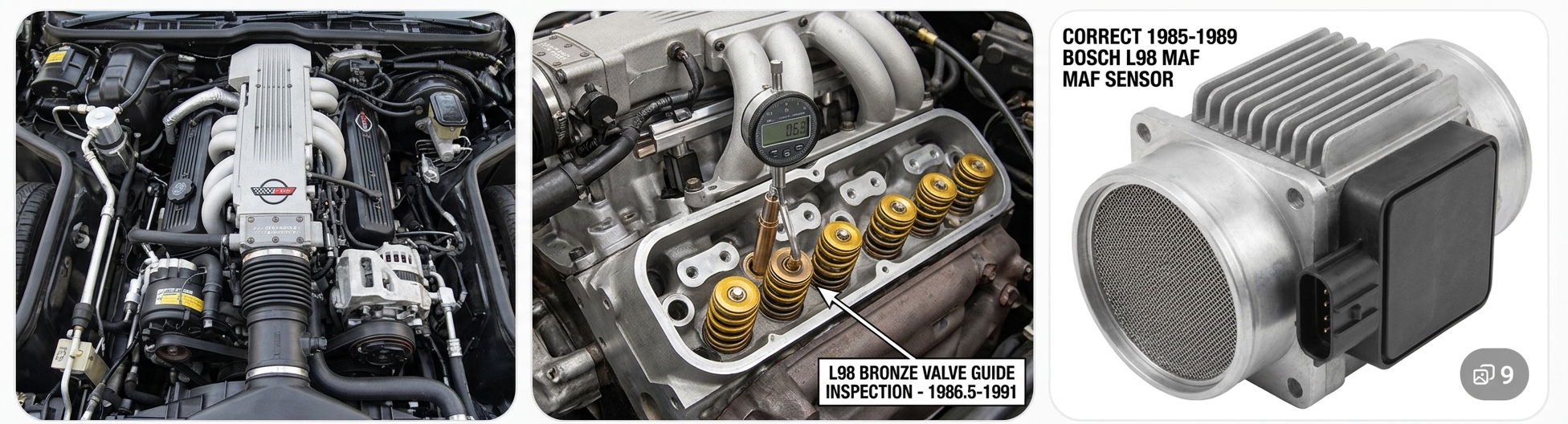
The L98 arrived in 1985, replacing the 1984 Cross-Fire engine and remaining the standard C4 powerplant through 1991. It is generally regarded as one of the generation’s most durable engines, but age-related valve-guide wear is a known concern. As the guides deteriorate, the engine can begin consuming oil, often producing a puff of blue smoke during startup. The Tuned-Port Injection system also has several components that deserve attention, including the mass-airflow sensor, its burn-off relay, cold-start injector, oxygen sensor, and fuel-pump relay. Cars that have sat for extended periods can also develop clogged or deteriorated fuel injectors. These aren’t reasons to avoid the L98, but they are important inspection points on a generation of Corvettes that is now decades old.
How Do You Catch It Before Buying?
Insist on a cold start, preferably after the car has been sitting overnight. Watch the exhaust for blue smoke, especially at startup, and monitor it again during acceleration and deceleration. Excessive oil consumption, smoke, or a persistent rough idle warrants further investigation. Ask the owner about oil consumption, valve-guide work, and previous fuel-injection repairs. During the test drive, watch for hesitation, surging, and inconsistent throttle response. A diagnostic inspection of the fuel-injection system can help identify sensor and relay problems before they become an ownership headache.
How Bad Can The Bill Get?
This is where the distinction between routine maintenance and internal engine work becomes important. Replacing a relay, sensor, or injector is generally manageable, with individual components often costing tens to several hundred dollars. Worn valve guides are a different story because correcting the problem requires cylinder-head work, machine-shop services, and additional labor. Depending on the condition of the heads and the scope of the repair, the bill can reach several thousand dollars. We recommend favoring an L98 with documented maintenance and no signs of excessive oil consumption. A healthy L98 is one of the strongest arguments for buying a C4, so don’t let a neglected example change your opinion of an otherwise excellent engine.
#3 – ZR-1 LT5 Engine Complexity — 1990–1995
What Goes Wrong?
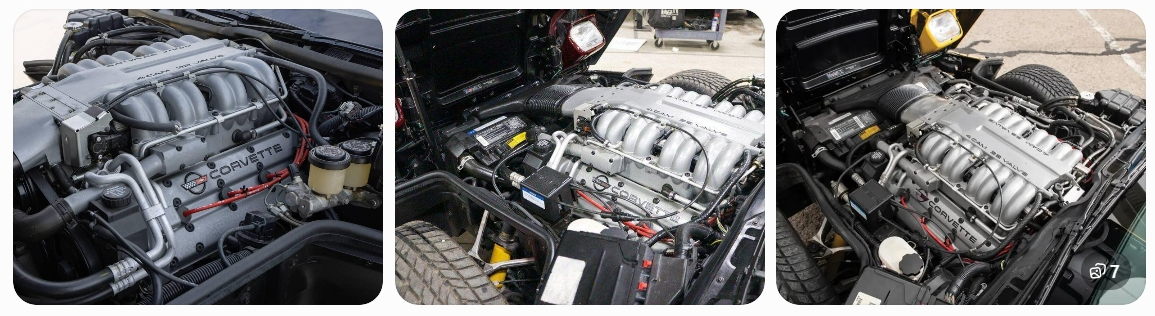
The ZR-1 deserves its own conversation because its Lotus-designed, Mercury Marine-built LT5 engine is an entirely different proposition from the standard C4 small-block. This 5.7-liter, 32-valve DOHC V8 produced 375 horsepower from 1990 through 1992, increasing to 405 horsepower for 1993–1995. While the LT5 is a remarkably capable engine, its complexity creates additional maintenance considerations. The fuel-injection system uses 16 injectors, and the early 1990–1992 factory injectors were particularly vulnerable to ethanol-related deterioration. The 1993–1995 injectors incorporated an improved design. Other areas to inspect include the secondary-port activation system, vacuum controls, timing-chain tensioners, and coolant and oil-cooler plumbing. Even routine maintenance can become more involved because accessing certain components, including the spark plugs and starter, requires removing the intake plenum.
How Do You Catch It Before Buying?
The first requirement is finding a specialist familiar with the LT5. A conventional pre-purchase inspection may not adequately evaluate every system unique to the ZR-1. Ask for documentation showing injector replacement, fuel-system servicing, secondary-port maintenance, and previous engine work. During the test drive, verify that the engine transitions into its full-power operating mode when the secondary system is activated. The engine should deliver a noticeable change in character as the revs climb beyond approximately 3,500 rpm. If that transition isn’t apparent, the secondary system may not be functioning correctly. Also listen for abnormal timing-chain noises and inspect the engine for coolant and oil leaks. A ZR-1 without documented maintenance deserves substantially more scrutiny than a standard LT1 Corvette.
How Bad Can The Bill Get?
This is where ZR-1 ownership can become considerably more expensive than owning a conventional C4. A specialist currently advertises a complete 16-injector replacement service, including parts and labor, for approximately $2,157. That gives buyers a useful real-world benchmark for just one of the engine’s potential maintenance items. Additional work involving the secondary-port system, timing-chain components, cooling lines, or plenum-related service can add thousands more. Parts availability and the limited number of experienced LT5 technicians are also important considerations. The LT5 is not an inherently unreliable engine, but buying a ZR-1 without a documented service history can be an expensive gamble. Before buying one, find a qualified LT5 specialist and determine what the car may need immediately.
3 – The Final Word: Buy The Right C4, Not Somebody Else’s Project
The fourth-generation Corvette represents an incredible opportunity for enthusiasts who want classic Corvette character, legitimate performance, and an ownership experience that doesn’t require a six-figure investment (and in most cases, four figures will get you in the club). But as we’ve outlined, there is a considerable difference between finding a well-maintained C4 and buying one that’s spent decades accumulating deferred maintenance. The OptiSpark, aging electronics, cooling system, suspension components, transmissions, weatherstripping, and safety systems all deserve attention. Some repairs are simply part of owning a 30-plus-year-old sports car, while others can turn an attractive asking price into an expensive lesson. Our recommendation is simple: prioritize maintenance records, insist on a thorough inspection, and never let a beautiful paint job distract you from what is happening underneath.
Ultimately, the best C4 Corvette isn’t necessarily the newest, the fastest, or the rarest. It’s the one that has been properly maintained, honestly represented, and priced according to its actual condition. Whether you’re considering an early Cross-Fire coupe, an L98 six-speed, a later LT1, or the extraordinary ZR-1, the right example can deliver an awful lot of Corvette for the money. Do your homework, know what to look for, and leave enough room in your budget for the unexpected. Because the goal isn’t simply to buy a fourth-generation Corvette. It’s to buy one you can enjoy driving rather than spend your weekends repairing.
4 – Our Extensive Buying Guides, Tips, & Advice Database
- BUYER’S GUIDE: The Top C7 Corvette Issues—Why Didn’t Anybody Tell Me This?!?
- The Ultimate C5 Corvette Buying & Maintenance Guide: Why Didn’t Anybody Tell Me This?!?
- [Tips And Tricks] The Top Ten Most Useful C5 Corvette Secrets!
- The Highest-Rated Tires For Your C4 Corvette
- C5 Owners’ Favorite Tires For Their Corvettes
- The Highest-Rated Tires You Can Buy For Your C6 Corvette
- The Highest-Rated Tires For Your C7 Corvette
- Check Out The Highest-Rated Tires For Your C8 Corvette
- Corvette Owners Vote On The Run-Flat VS Non-Run-Flat Tire Debate
- Made in the USA? Popular Oil Filter Brands For Your C5 Corvette & A WIX Warning
- The Most Popular Oil Choices For Your C6 Corvette
- Having C5 Electrical Issues? CorvSport DIY Guide To The Ground Points On Your Corvette
- The Top Seven C7 Corvette Complaints
- Ten Rules For Buying Your First C3 Corvette
- Hagerty’s Buyer’s Guide For The C2/Mid-Year Corvette
- Easy Corvette Mods You Can Do To Make a Huge Difference On A C7 Stingray, Z06, Grand Sport Or ZR1!
- CORVETTE REPAIR (5 Ways to Avoid Getting Ripped OFF!)
- Ten Maintenance Tips To Keep Your Corvette In Tip-Top Shape
- C5 vs C6 Corvette: A C6 Buying Guide Built Around 10 Real Improvements
- The Top 5 Corvette Parts Replaced Every Month
Writing about Corvettes every day is a privilege our entire CorvSport team takes to heart. Thanks for spending part of your Corvette journey with us today—now it’s your turn to join the CorvSport movement!
- Engage with CorvSport’s 162,000 Facebook followers and be the first to see our daily content.
- Experience how obsessed we are and view our whole arsenal of Corvette content at CorvSport.com!
- Never miss a beat on the community pulse! Sign up for our weekly newsletter here.
- Enjoy an ad-free experience, get exclusive content, and support CorvSport for only $2.92/month!
*Additional Resources For This Feature: Our Vast CorvSport Archives, Corvette Forum