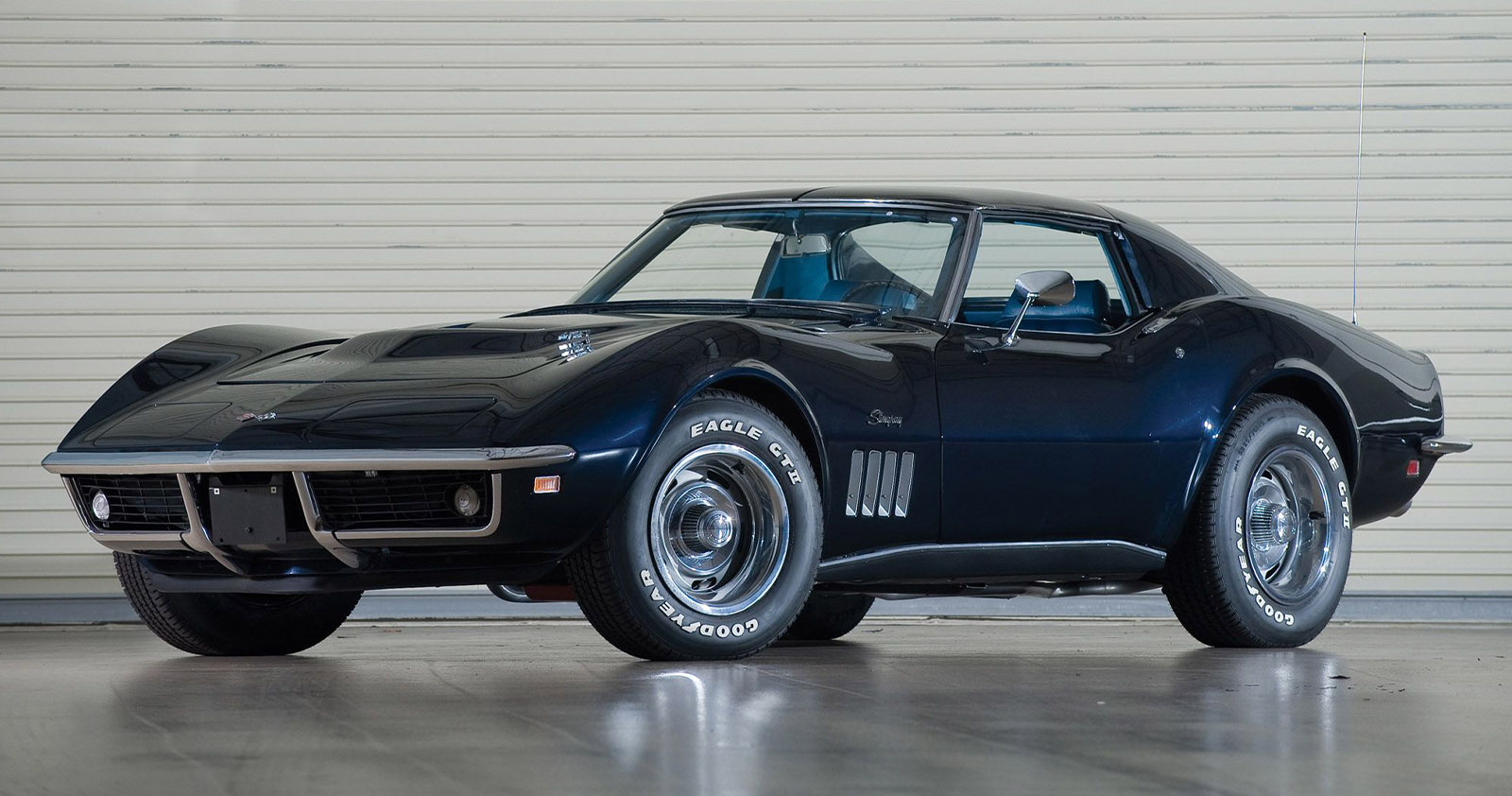
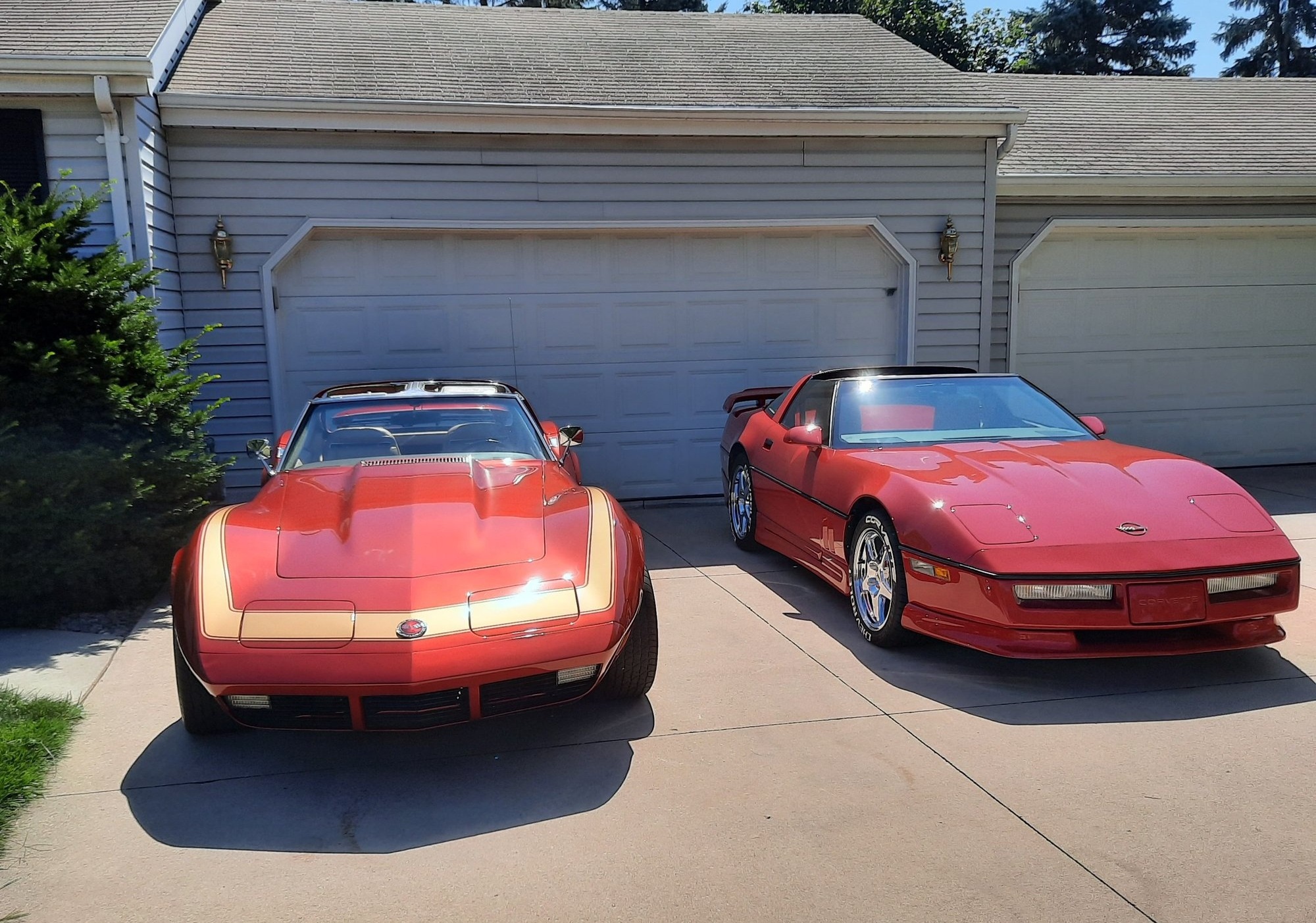
Classic Corvettes have a reputation for running hot, and anybody who has owned one for more than a summer or two has probably earned a story about it. You are sitting in traffic, the temperature needle starts wandering to the right and before long the AC is off and you are hunting for the nearest exit. It happens so often that a lot of owners just shrug and call it part of the charm of driving an old ‘Vette.
The good news is that it really shouldn’t be that way, even on a car that left the factory 50 years ago. Most of the time the heat comes down to a handful of worn out parts and the radiator is only one of them. So before we get into which radiator to buy, it helps to look at why these cars struggle in the first place.
Why Classic Corvettes Tend to Run Hot
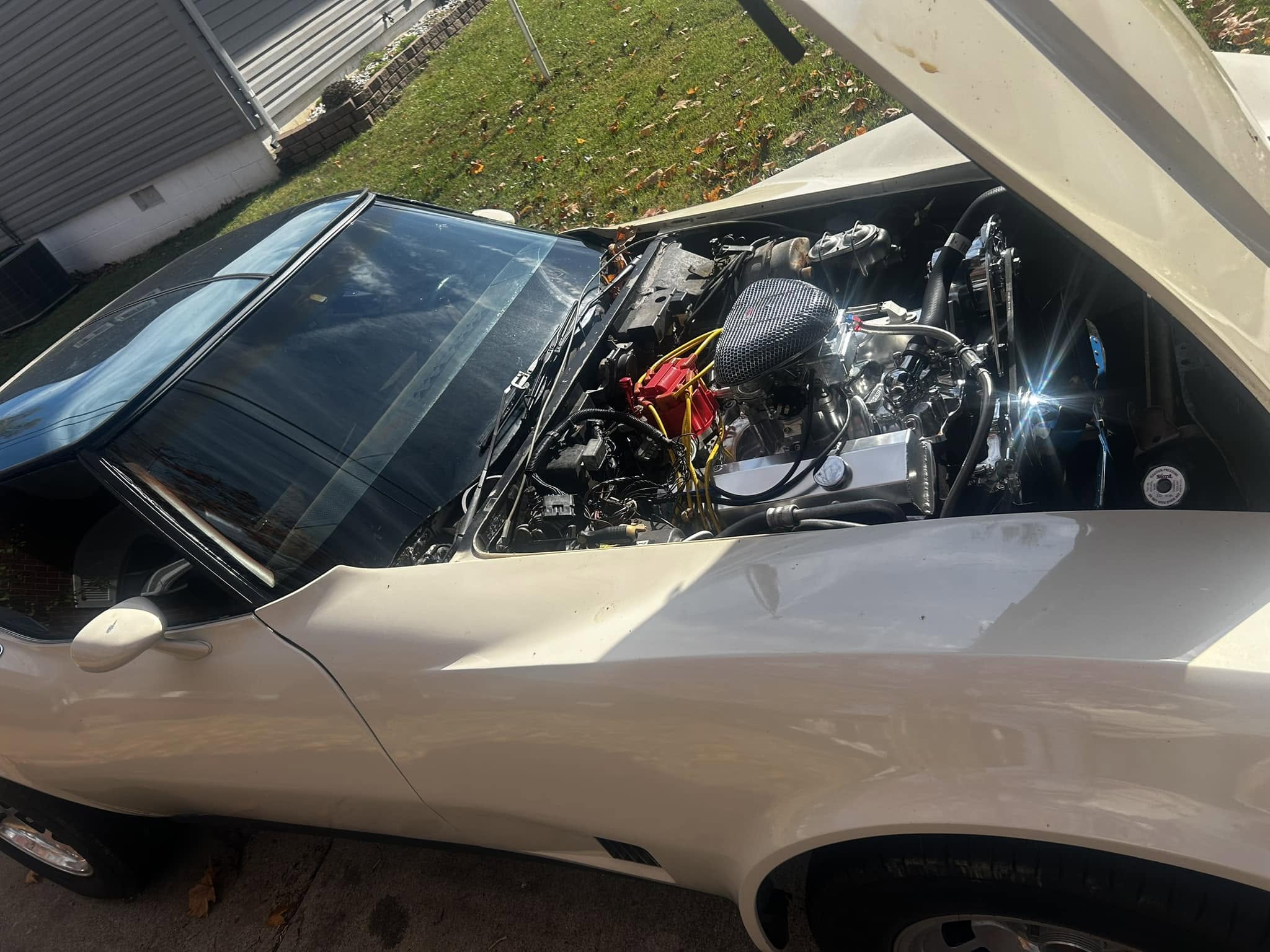
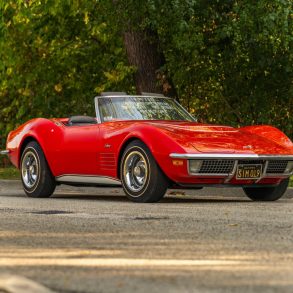
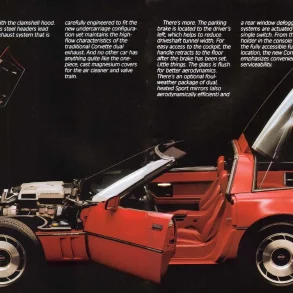
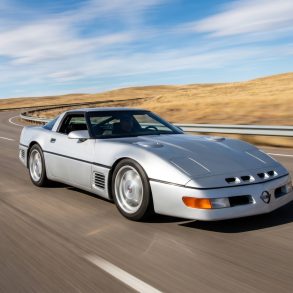
The first problem is baked right into the styling. Corvettes have always worn a low, pointy nose that never left much space for a grille, so Chevy had to get creative about feeding air to the radiator. On the C3 that job falls to a bunch of rubber and foam seals around the radiator support and under the hood, which push the air through the core and keep it from sneaking around the sides. The C4 doesn’t even have a real grille. It grabs its air from under the front bumper with a plastic air dam, and if that piece is cracked or missing the car can run hot on the highway since hardly any air makes it to the radiator.
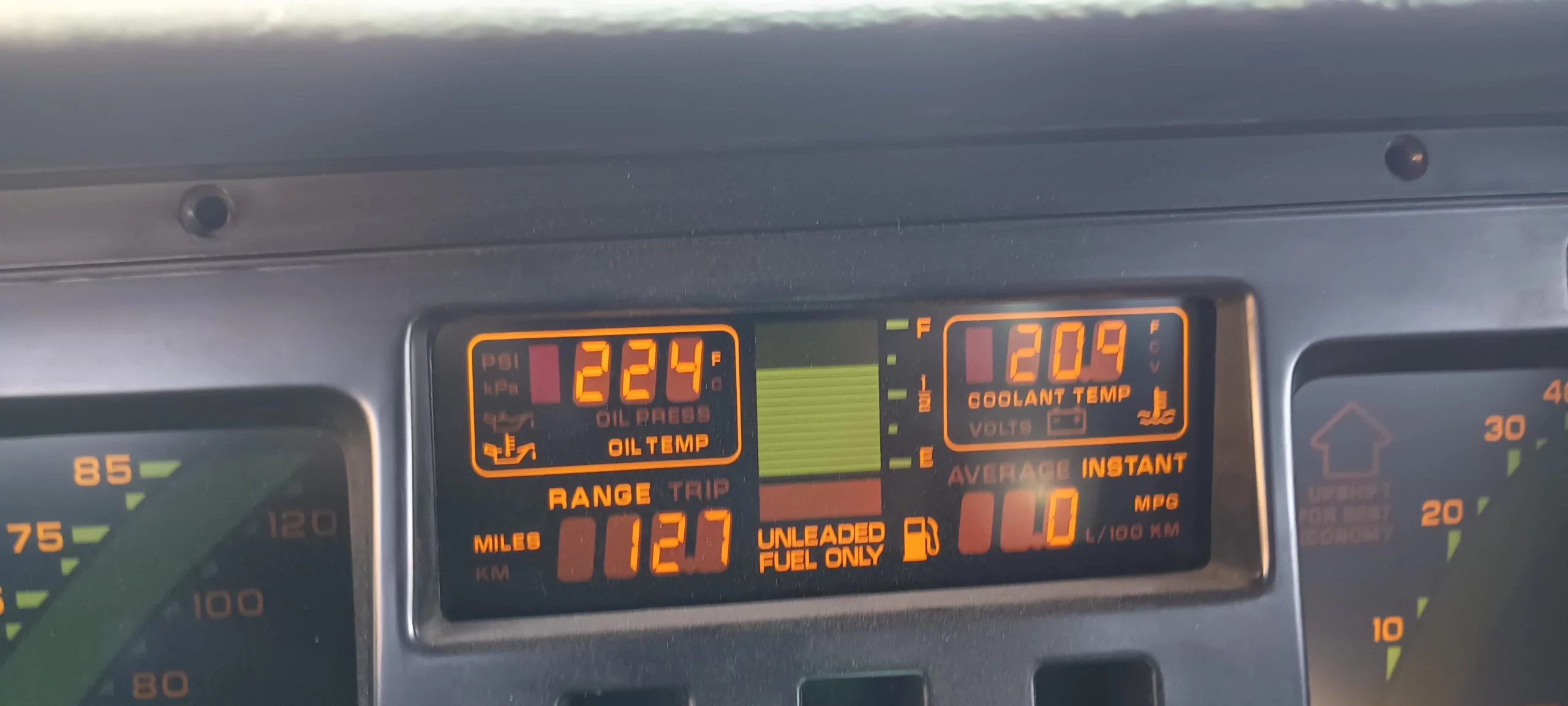
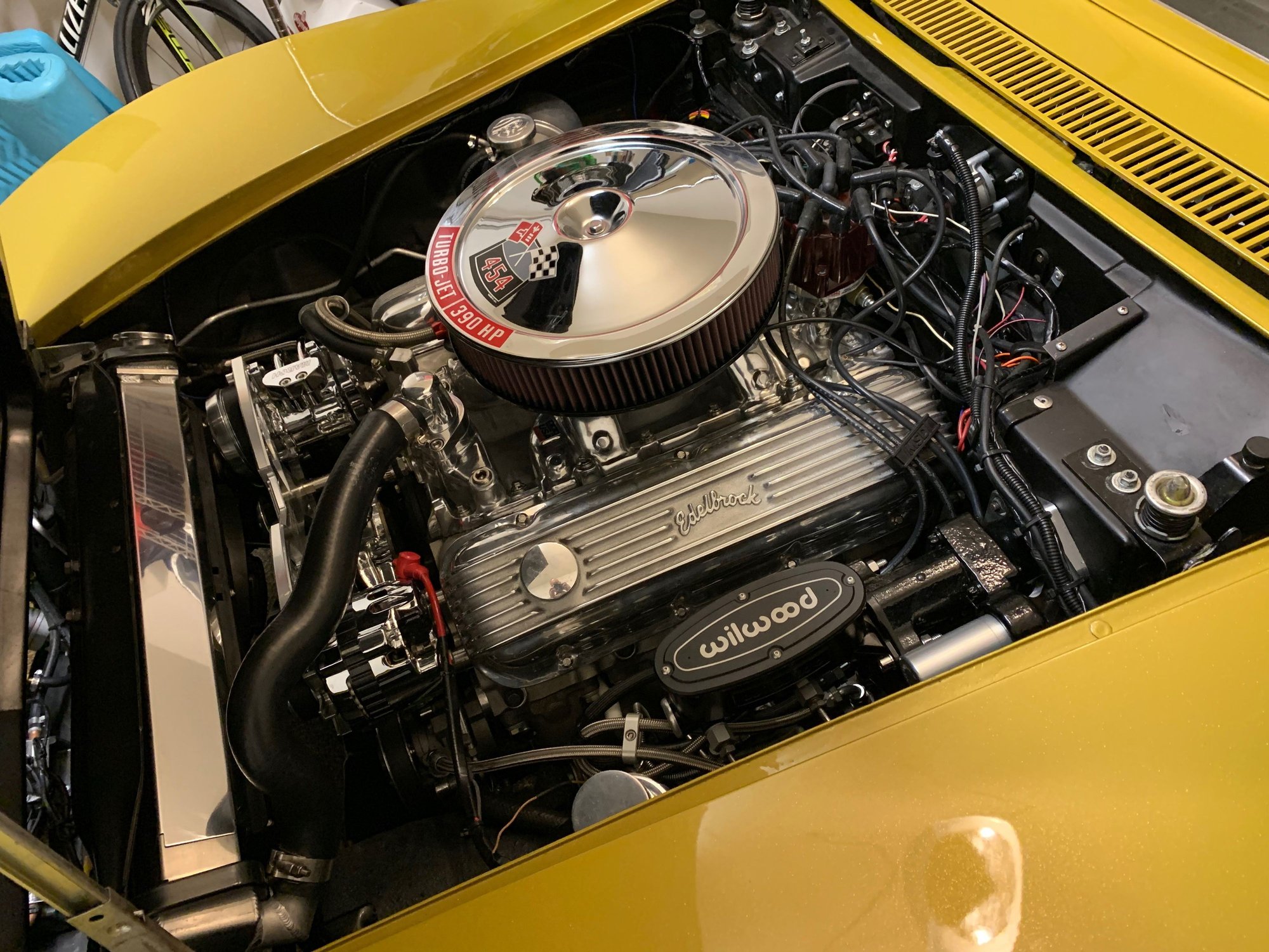
Unfortunately, time has not been kind to any of this. Those foam seals dry up and fall apart after a few decades and most previous owners never thought about replacing them. Cooling fans and fan clutches wear out and shrouds tend to disappear whenever somebody swaps an engine, while the radiator itself slowly fills up with scale until only part of the core is doing any work. Then you have the upgrades. A 383 stroker or a big-block makes a lot more heat than the base engine the factory radiator was built for, and if there is an aftermarket AC condenser parked in front of it too, the little bit of margin Chevy left is long gone.
Signs the Radiator Needs Attention
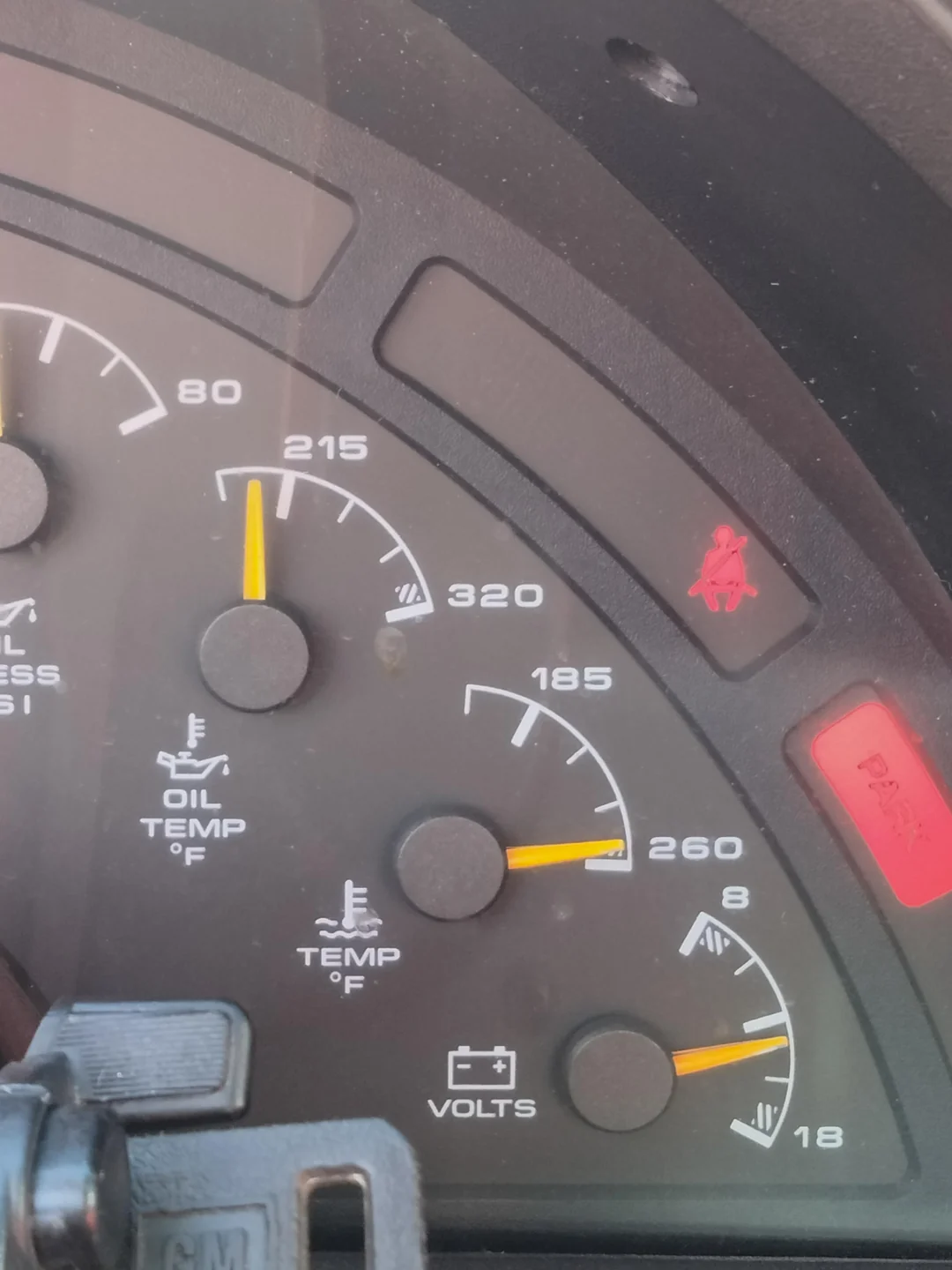
Before blaming the radiator, pay attention to when the car gets hot, because that tells you a lot. If your ‘Vette heats up at idle or crawling through town but cools right back down once you get moving, the problem is usually airflow. On a C1 through C3 the fan and fan clutch, the shroud and those seals are the first places to look, while C4s use electric fans, so on those cars you will want to check the fans, their relays and the wiring instead. However, if it is happy around town and the needle climbs on the highway, the radiator becomes the main suspect. There is plenty of air coming in at that speed, so either the core can’t get rid of the heat quickly enough or the coolant isn’t flowing through it the way it should. C4 owners will want to take a look at that air dam first.
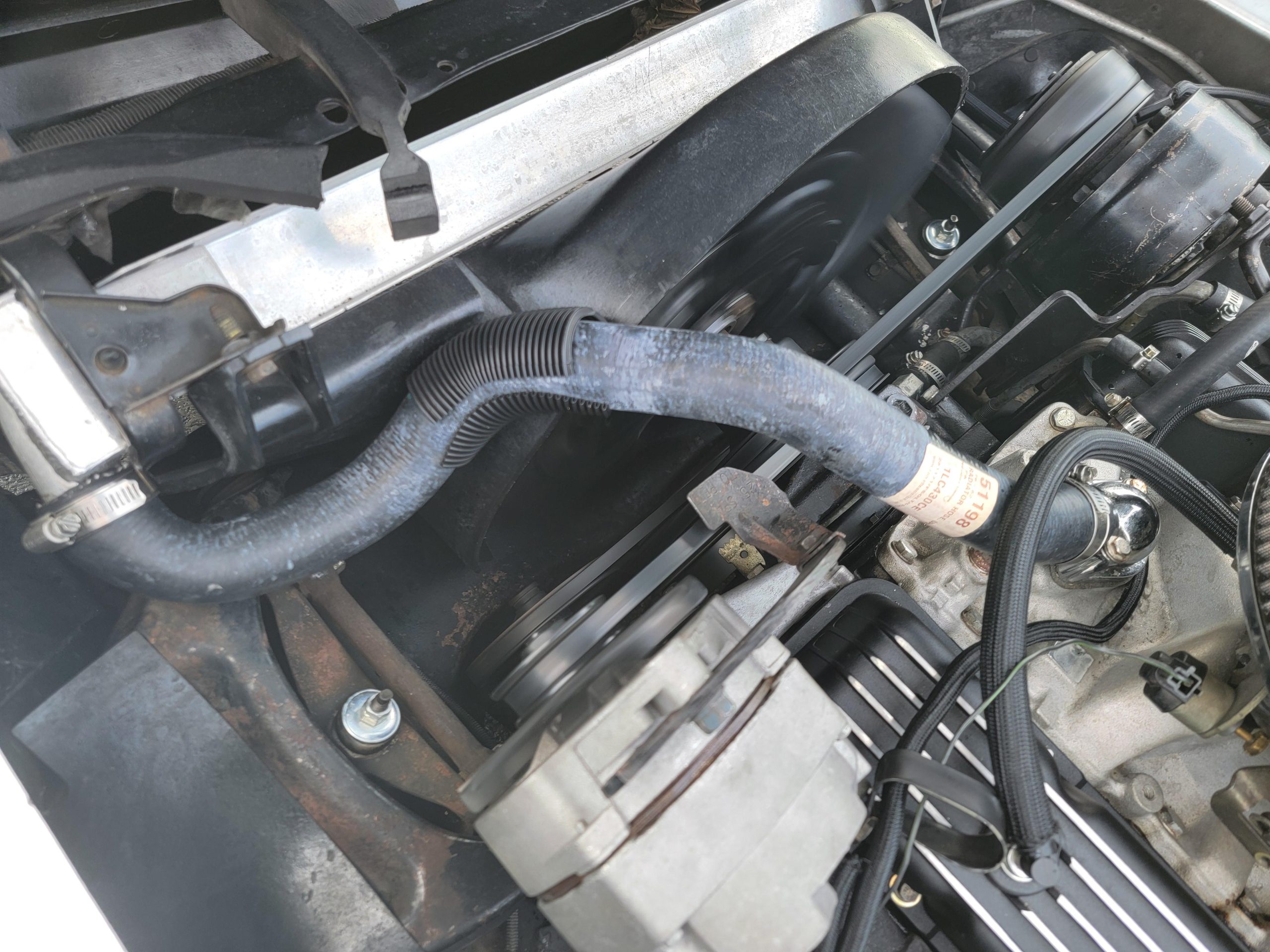
The radiator will usually give itself away if you look closely. Green or white crust along the tank seams is a bad sign and so are fins that crumble when you push on them with a finger, and brown coolant doesn’t help its case either. An infrared thermometer is a cheap tool that helps a lot here, just warm the engine up and run it across the face of the core. Any cold patches may point to restricted coolant flow and deserve a closer look, though keep in mind that shiny bare metal can throw off the readings. Of course, it would be a shame to buy a radiator when the real culprit was something small, so check the radiator cap and the thermostat before ordering anything. Ignition timing that is too retarded will also make an engine run hot, and the gauge on a 40-year-old car is not always telling the truth either.
Copper/Brass vs. Aluminum
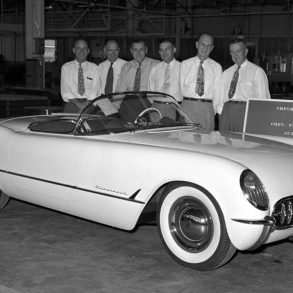
Ask around at any car show and somebody will tell you that copper/brass is the original Corvette radiator and aluminum is the modern upgrade. That is only partly true. Harrison, which was GM’s radiator division, was already making aluminum radiators for the Corvette back in 1960, and nearly all of the small-block Sting Rays built for 1963 through 1967 came with an aluminum core and a separate expansion tank. Most of the big-block cars got copper/brass. After 1972 Chevy dropped aluminum radiators from the Corvette altogether and they didn’t come back until the C4 showed up.
As for which one cools better, copper is technically the better conductor of heat. The trouble is that a copper/brass radiator is held together with solder, and solder doesn’t move heat very well, so a lot of that advantage is lost by the time the radiator is finished. Aluminum cores are brazed, and because the metal is lighter and stronger the tubes can be made wider. Where copper/brass still wins is repairs, since pretty much any old-school radiator shop can patch one or recore it.
What Core Size and Row Count Tell You
Most people shop for a radiator by counting rows, and it is easy to see why since more rows sounds like more cooling. Tube width matters more though, because the heat leaves the coolant at the spots where the tubes touch the fins. A typical copper/brass core has tubes around 13 mm (1/2 inch) wide and most aluminum cores use 25 mm (1 inch) tubes, which is how a two-row aluminum radiator can keep up with or even beat a four-row copper/brass one. It is also the reason a cheap three-row aluminum radiator with skinny tubes can end up being a disappointment.
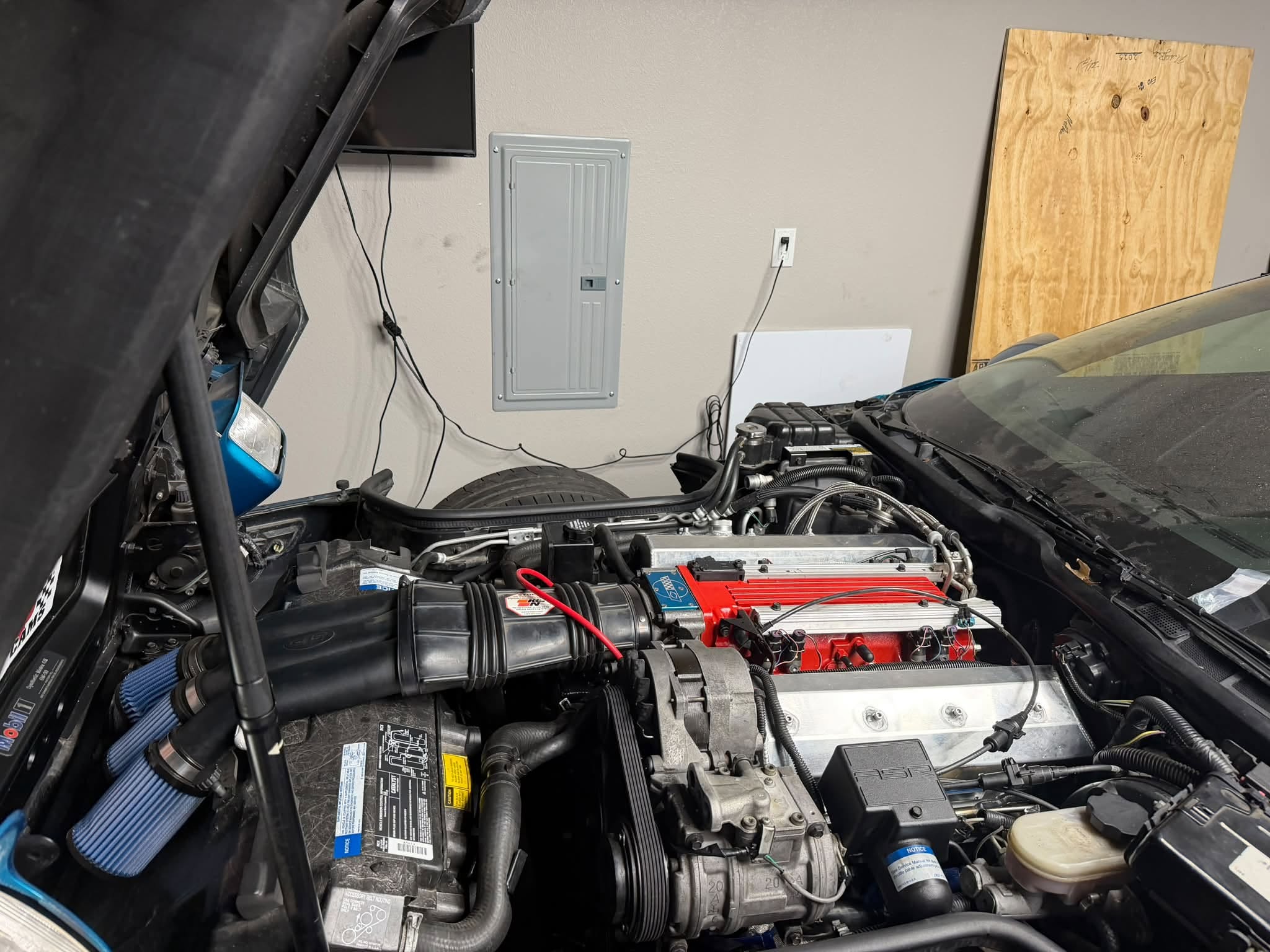
When it comes to size, buy for the engine that is in the car today and forget about the one it was born with. A big-block or a warmed-over small-block needs more radiator than a stock 327 or 350 ever did. Cars with an automatic also need a transmission cooler, either built into the radiator tank or mounted separately. Hose locations and mounting points changed depending on the year and the engine, and the shroud still has to fit, so it is worth double checking all of that against your own car before you order.
Restoration Correct or Built to Drive
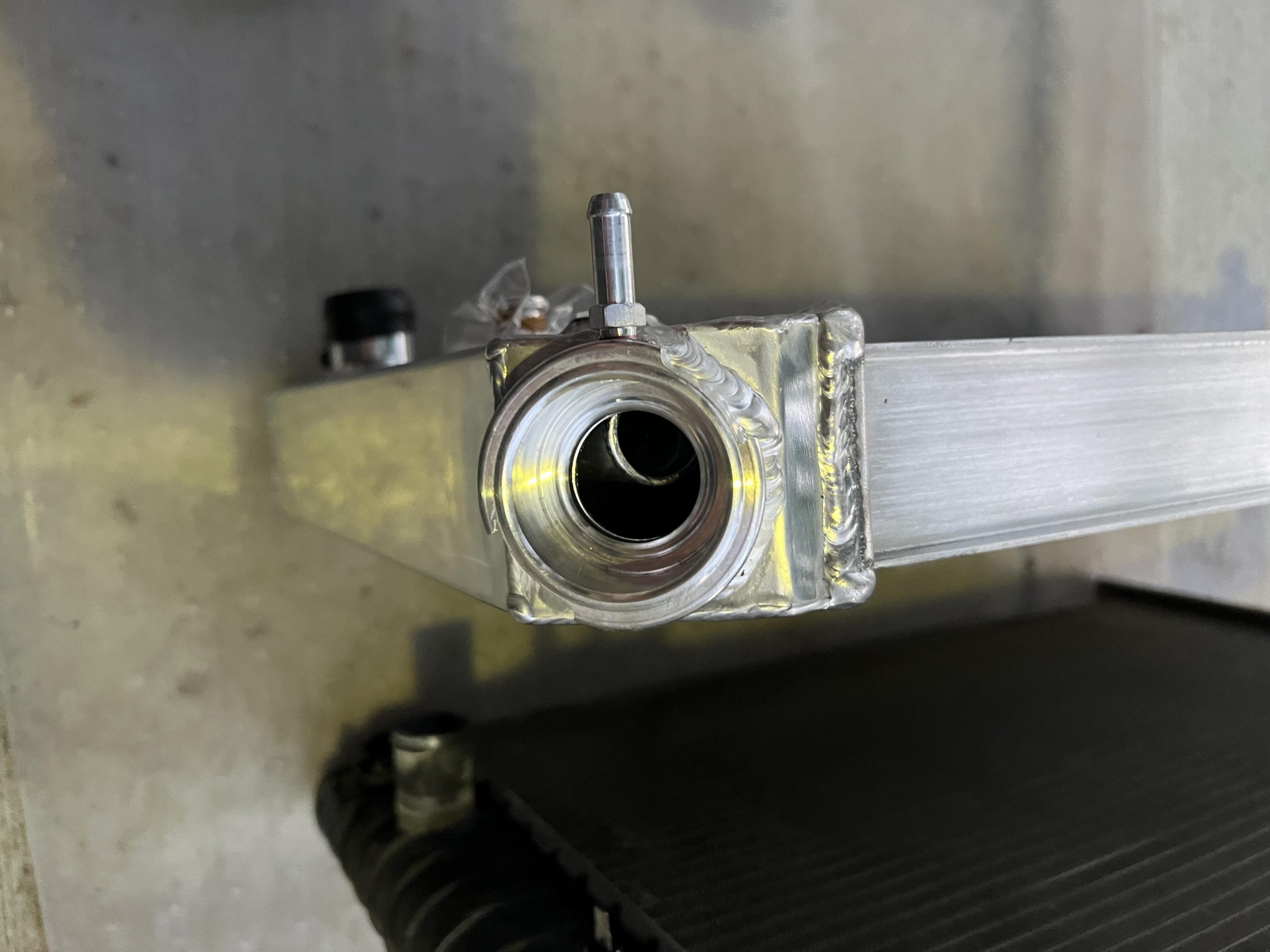
At the end of the day, the right radiator depends on what you do with the car. If your Corvette gets judged, then the radiator needs to look just like the one the factory installed, right down to the construction and the date code. Recoring the original or tracking down a correct reproduction makes sense for those cars, and looking right matters more than a few extra degrees of cooling. For a ‘Vette that gets driven it is a different story. A direct-fit aluminum radiator bolts in where the stock one was and gives you more breathing room for hot days and extra horsepower. Prices and designs are all over the place depending on the generation, and luckily this classic Corvette radiator guide lays out some good options for C1 through C4 cars based on budget and how the car is used.
One last piece of advice is to never drop a brand new radiator into a worn out system. While everything is apart, go ahead and replace the hoses and the cap, then put fresh foam seals around the support and make sure the shroud is where it belongs, since those last two decide how much air the new core is going to see. After that, fill it with fresh coolant and take it out on a hot day. If the needle stays put in traffic with the AC blowing, you can finally quit hunting for that exit.