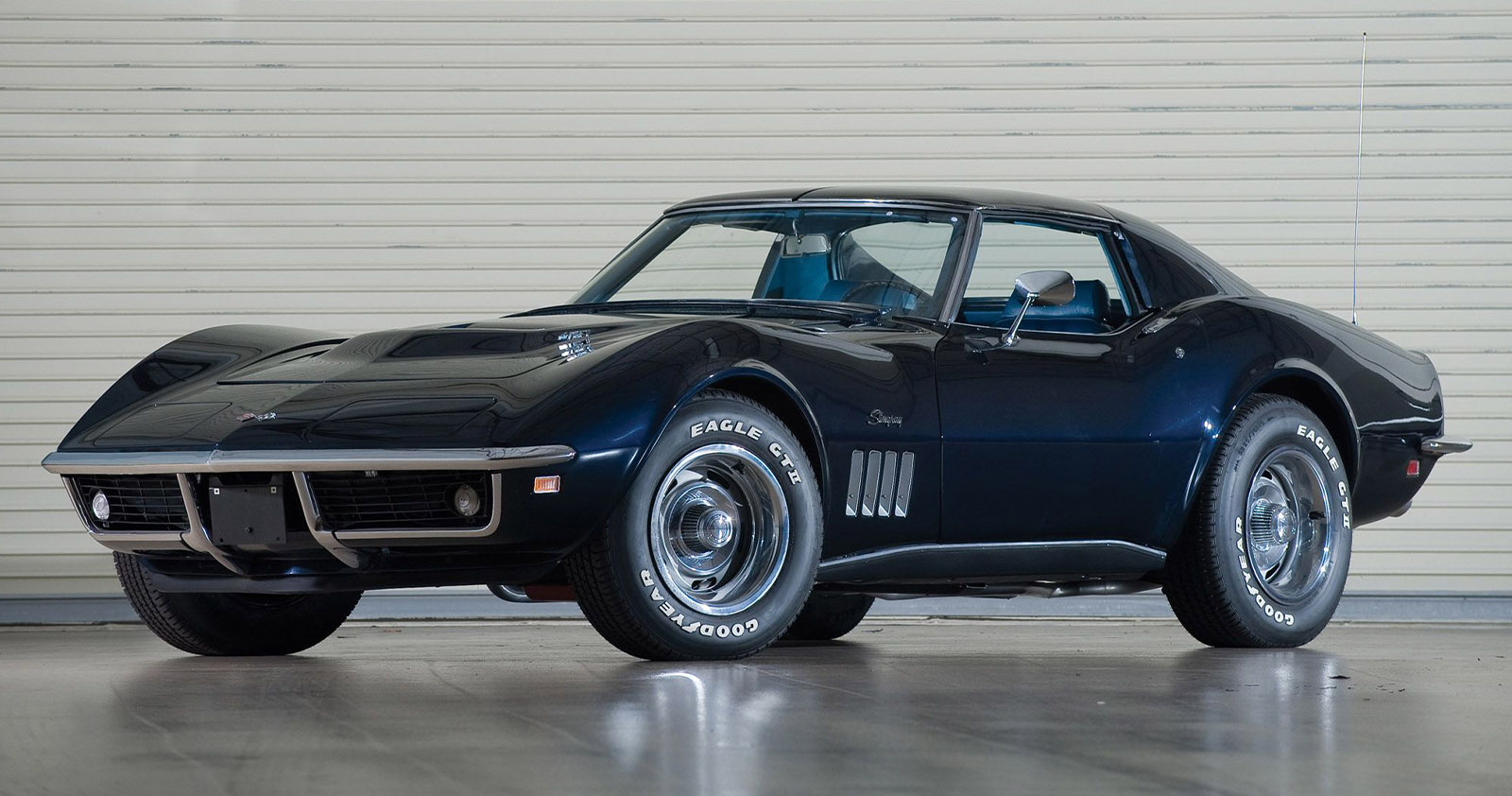
Full-size SUVs and pickup trucks have become larger and taller than ever, offering better visibility and real off-road capability. That added ground clearance, however, also makes climbing into the cabin more demanding than it used to be. For families with children, older passengers, or anyone who prefers an easier step up, getting into a taller vehicle without additional support gets tiring over time. Many factory-equipped trucks and SUVs are also sold without running boards or side steps, leaving passengers to step higher every time they get in or out. As ride heights keep climbing across popular models, running boards have become more than just a styling accessory. For many owners they’re a practical everyday addition.
Beyond convenience, repeatedly climbing into a taller vehicle creates more day-to-day wear than many owners realize. Shoes brush against the lower door sills, leaving dirt and scuff marks around the rocker panels. In rain or on muddy roads, passengers also track water and grime into the cabin while climbing aboard. None of it is serious on its own, but together these become part of everyday ownership for families who rely on their SUV or pickup every day.
Factory Side Steps vs. Aftermarket Running Boards
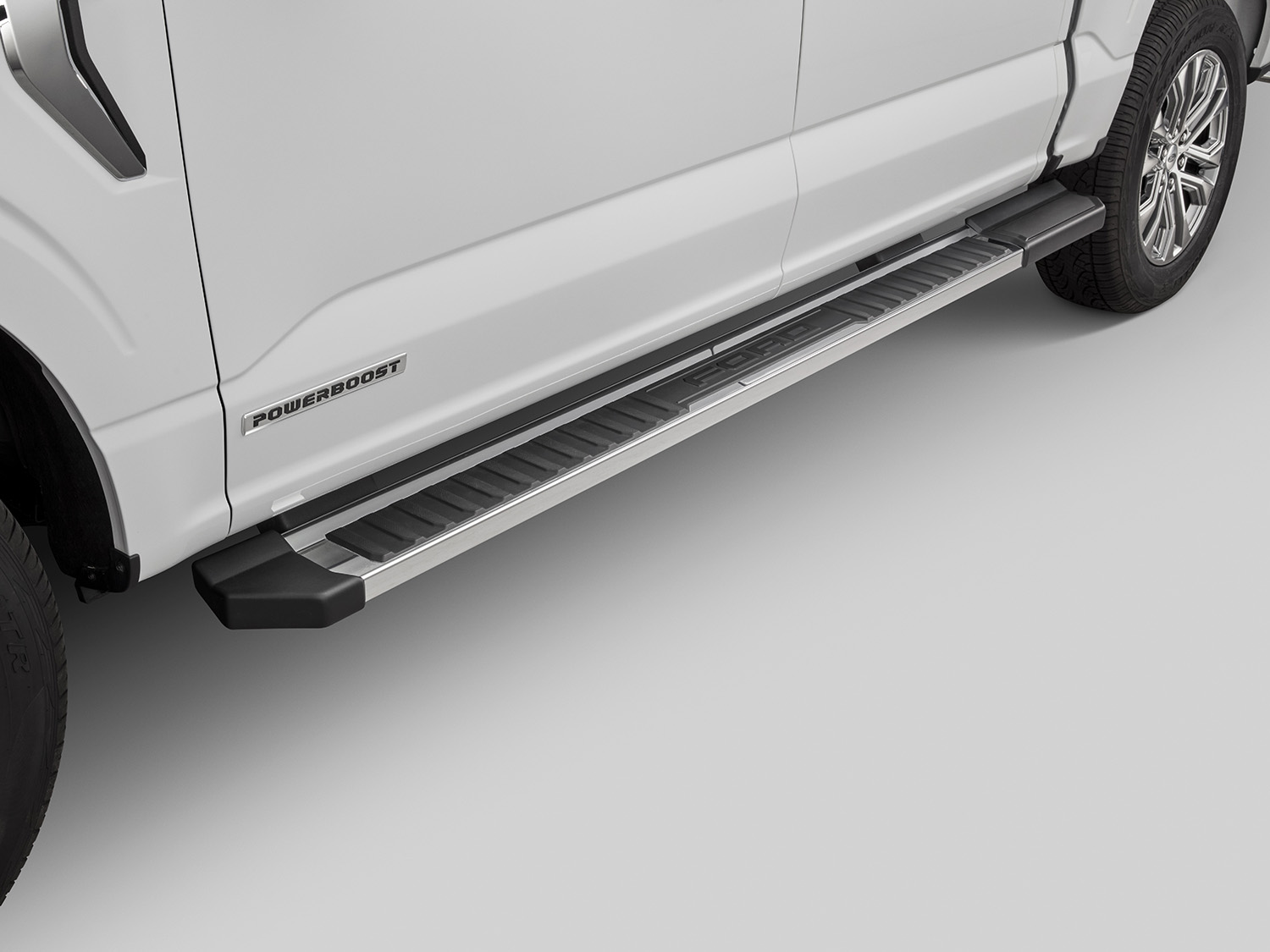
Comparing a factory-equipped truck with one fitted with aftermarket running boards, the difference shows up quickly in daily use. Vehicles without side steps require a higher step into the cabin, especially on lifted pickups or SUVs with generous ground clearance. That extra height may not bother every driver, but it makes entry less comfortable for children and older passengers, and harder still for anyone climbing in with their hands full. Without a step beneath the doors, the lower body panels are also more exposed to road spray and debris.
Entry-level aftermarket side steps improve accessibility, but their performance comes down to build quality. Narrow stepping surfaces and lighter construction can make footing feel less secure, especially in the wet. Some budget-oriented products also leave larger visible gaps after installation, making them look less integrated with the vehicle.
Higher-quality running boards, by comparison, are built to improve accessibility while standing up to everyday use. Wider stepping platforms provide more secure footing, and heavier-gauge steel gives the platform a sturdier feel. Corrosion-resistant finishes hold up to rain and road salt, making them suitable for both daily commuting and occasional off-road travel. A well-designed running board also reduces the road spray reaching the rocker panels while giving passengers a consistent place to step.
A Closer Look at the OEDRO 6-Inch Side Steps
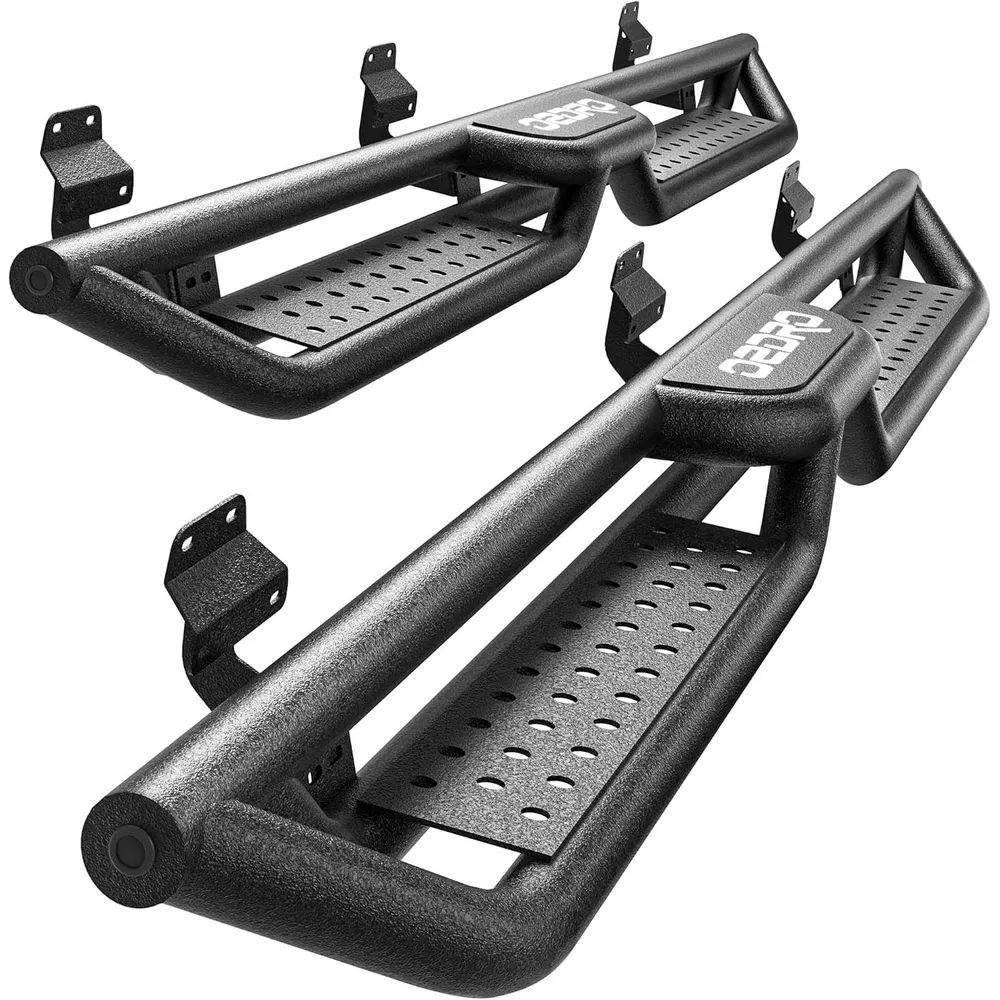
One example is the OEDRO 6-Inch Side Steps designed for the 2015–2026 Ford F-150 and the 2017–2026 Ford F-250/F-350. Built for SuperCrew and Crew Cab configurations, they pair carbon-steel construction with a rust-resistant powder-coated finish for a durable everyday solution. A three-tube, two-step design with a laser-cut anti-slip tread gives a broad, stable surface that makes entering and exiting a taller truck feel more secure, whether it’s lifted or running oversized tires.
Everyday Benefits Owners Notice
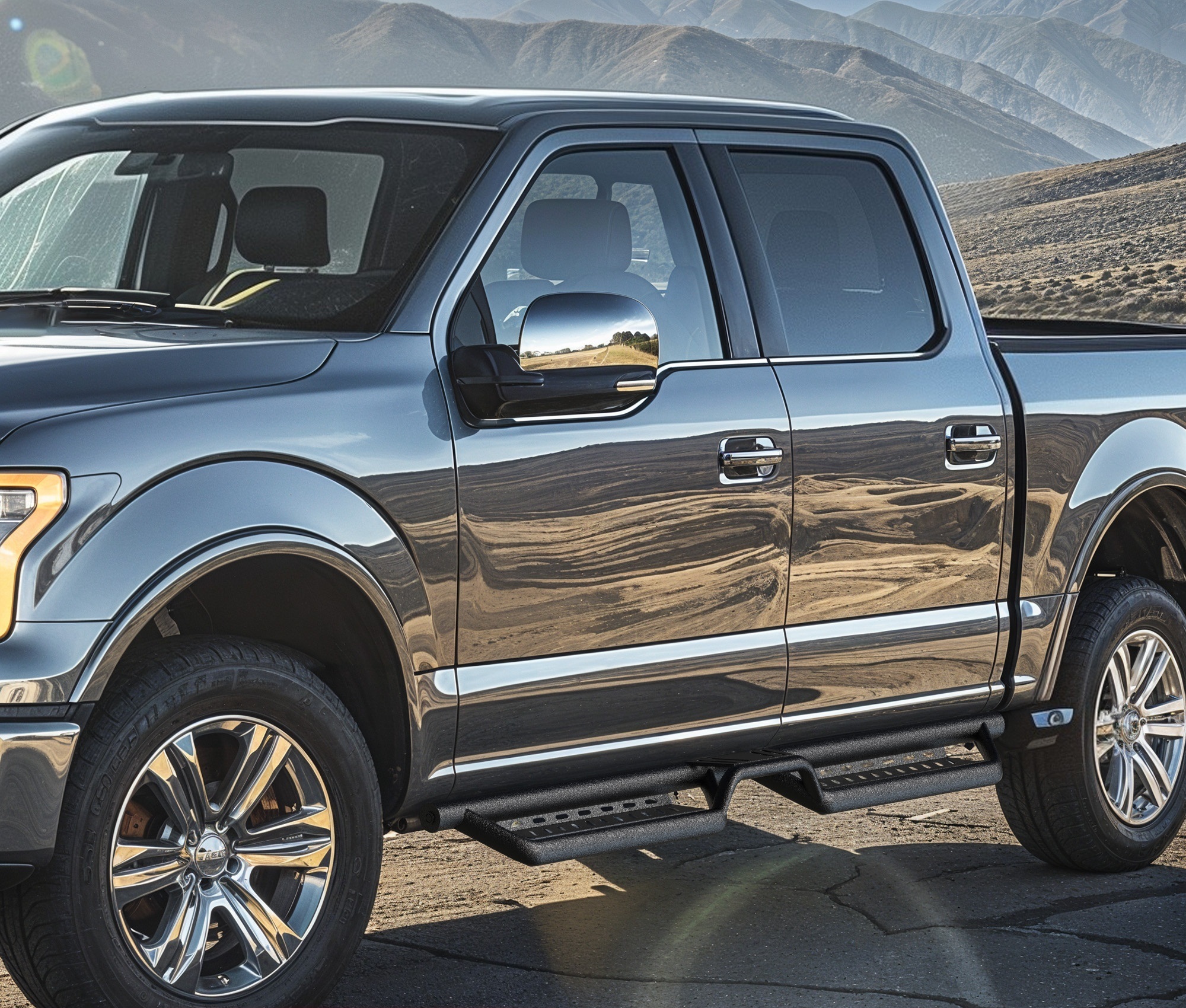
The advantages of running boards aren’t limited to one model or brand. Children find it easier to climb in on their own, and older passengers get an intermediate step instead of hauling themselves straight into a high-riding cab. Loading groceries or work gear gets easier too. On the daily commute or a weekend gravel road, a running board makes a tall vehicle easier to live with.
Besides improving accessibility, running boards help protect the lower sides of the vehicle. Rocks and road debris often strike the board before reaching the rocker panels, reducing everyday cosmetic wear. They aren’t a substitute for dedicated skid protection, but they do limit paint chips and scuffs from routine driving on gravel roads and construction sites. For many owners, that’s simply another reason to add them.
Bolt-On Installation with No Permanent Changes
Another reason running boards remain a popular aftermarket upgrade is that they require no permanent changes to the vehicle. Most quality systems use existing factory mounting points and bolt-on hardware, so installation needs no cutting or drilling. Once installed, they follow the factory body lines closely, adding function without changing the truck’s original look.
Worth the Upgrade
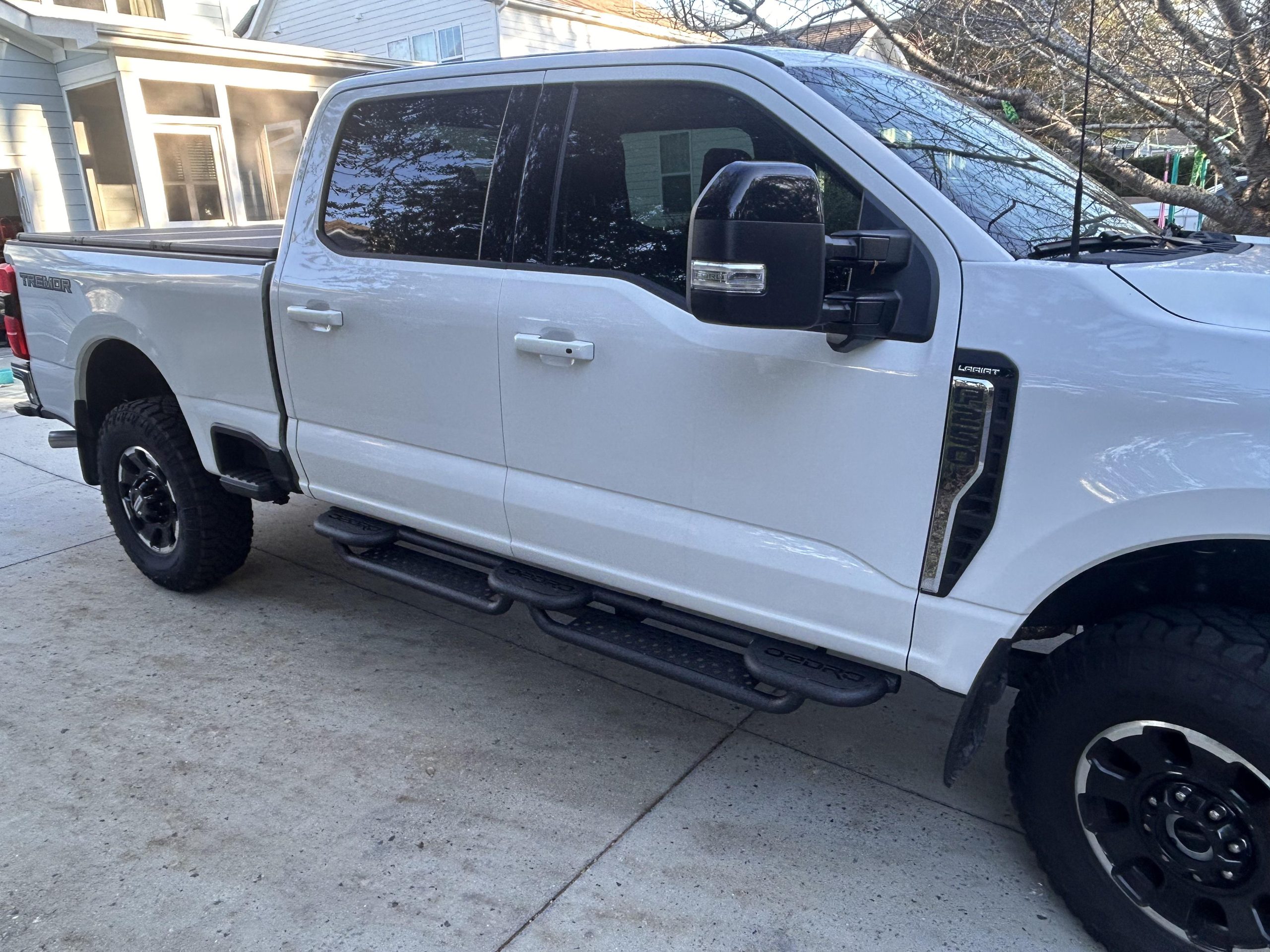
Running boards won’t change the way a truck or SUV drives, but they make everyday ownership noticeably easier. As modern pickups and SUVs keep growing taller, a stable intermediate step is becoming a practical necessity rather than an optional cosmetic upgrade. For drivers weighing this kind of modification, products like those from OEDRO show how running boards can improve both accessibility and day-to-day usability without altering the character of the vehicle.