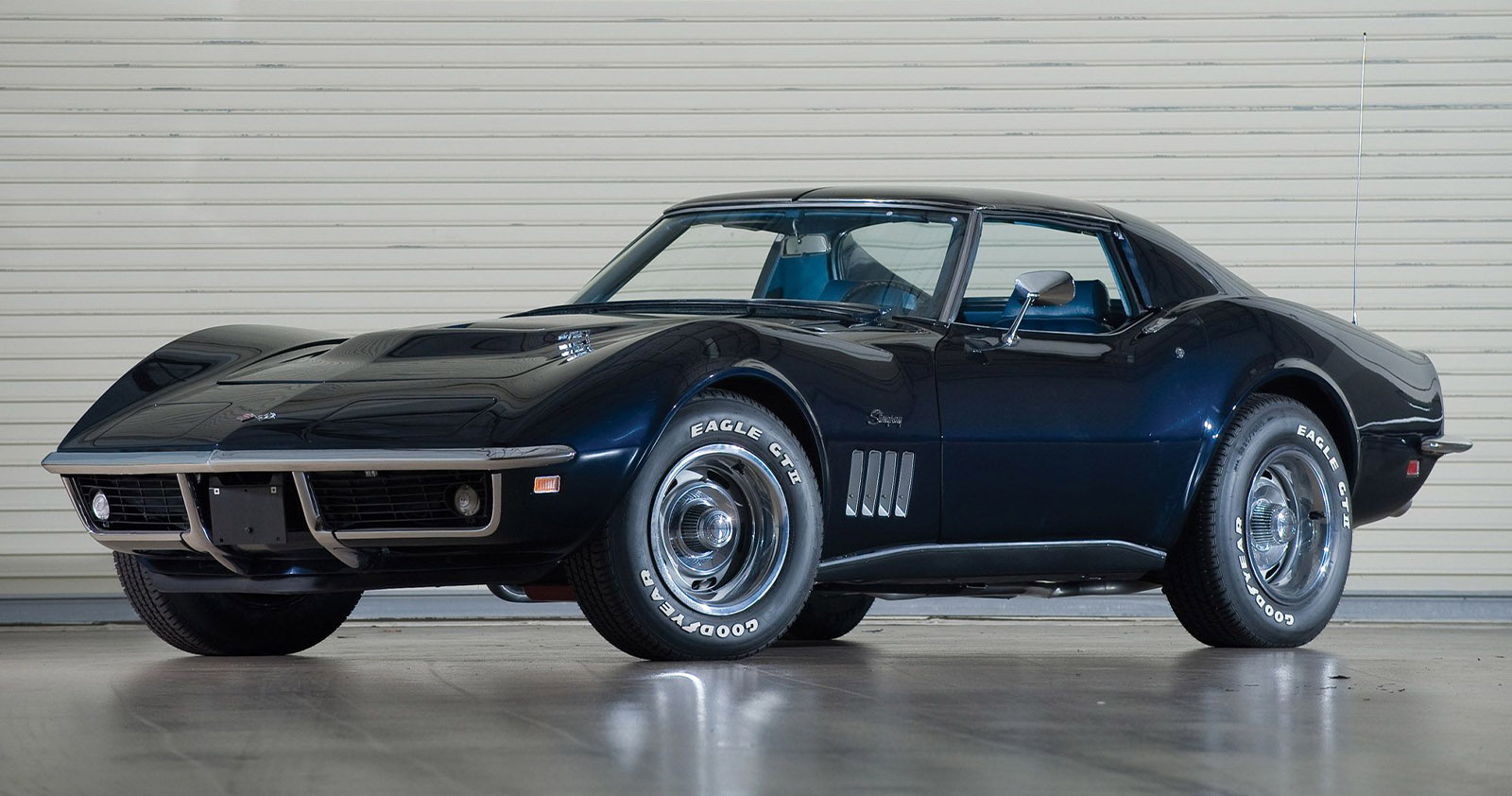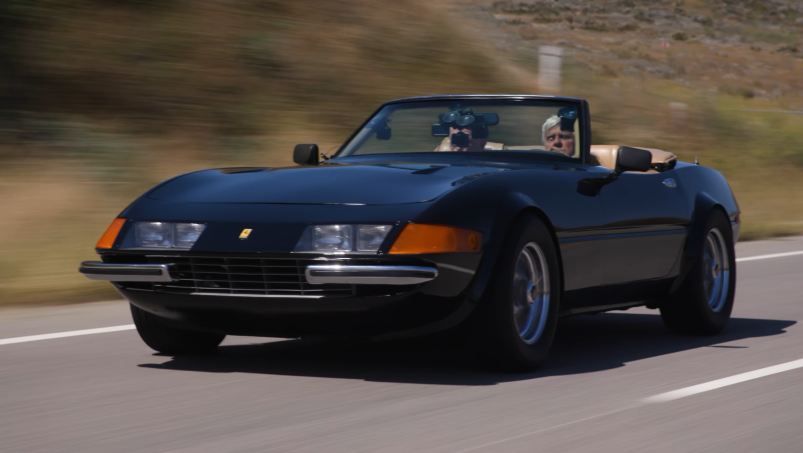
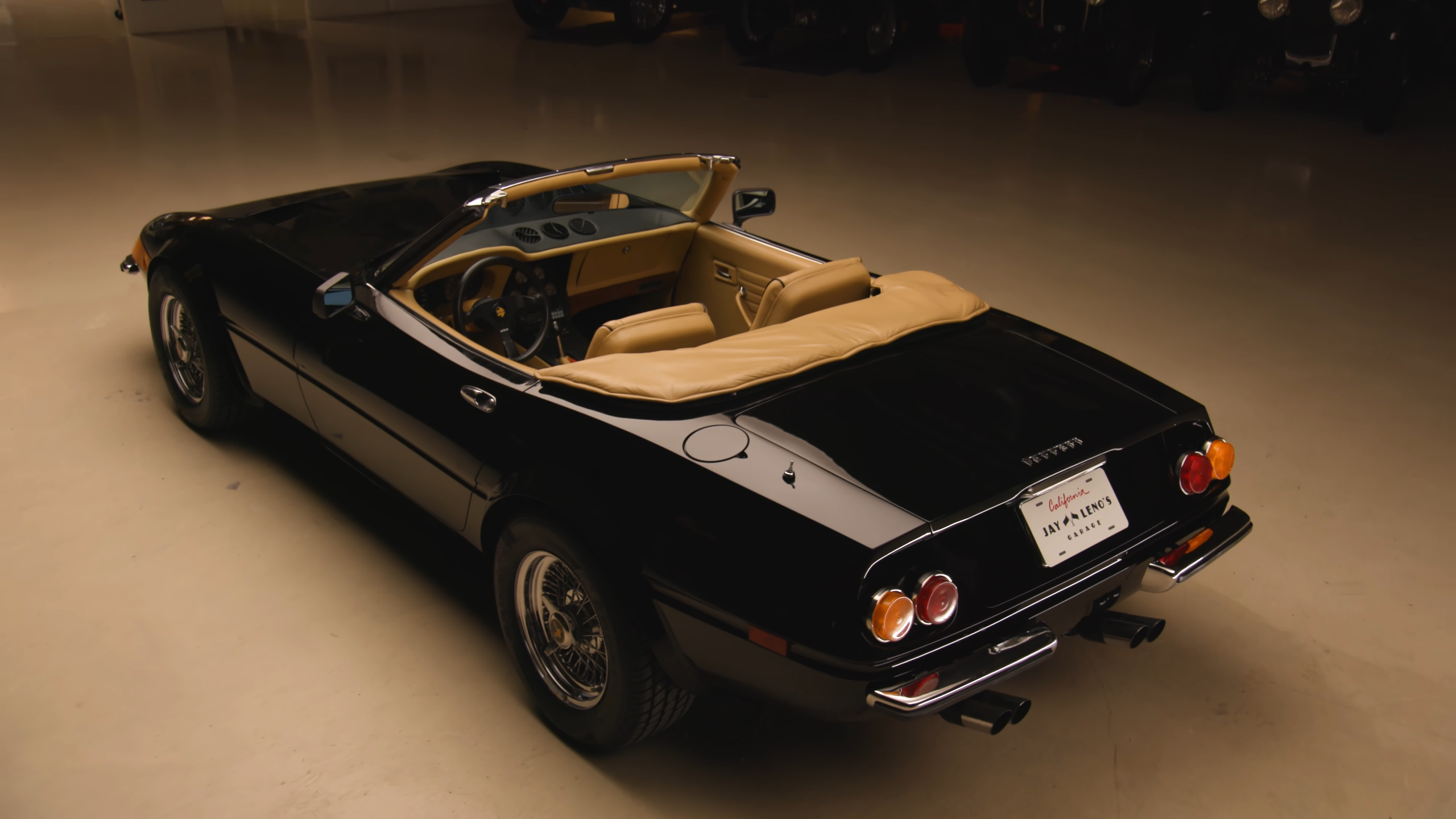
Few television cars became as recognizable as Sonny Crockett’s black Daytona Spyder from Miami Vice. Although it appeared to be an exotic Italian supercar, the actual vehicle was a Corvette-based fiberglass replica built by Tom McBurnie, whose unconventional creation became one of the most iconic automotive stars of the 1980s.
From Kit-Car Builder to Television Fame
McBurnie’s journey began in the kit-car business during the era when replicas of exotic sports cars and classics were booming. Originally contracted to build Cobras for car dealer Al Mardikian, McBurnie was turned down over pricing. However, an encounter with a white Daytona Spyder sitting in a showroom on consignment sparked a different idea. He borrowed the car for a year, studied its shape, and developed his own fiberglass body design—without the original owner realizing what he was doing.
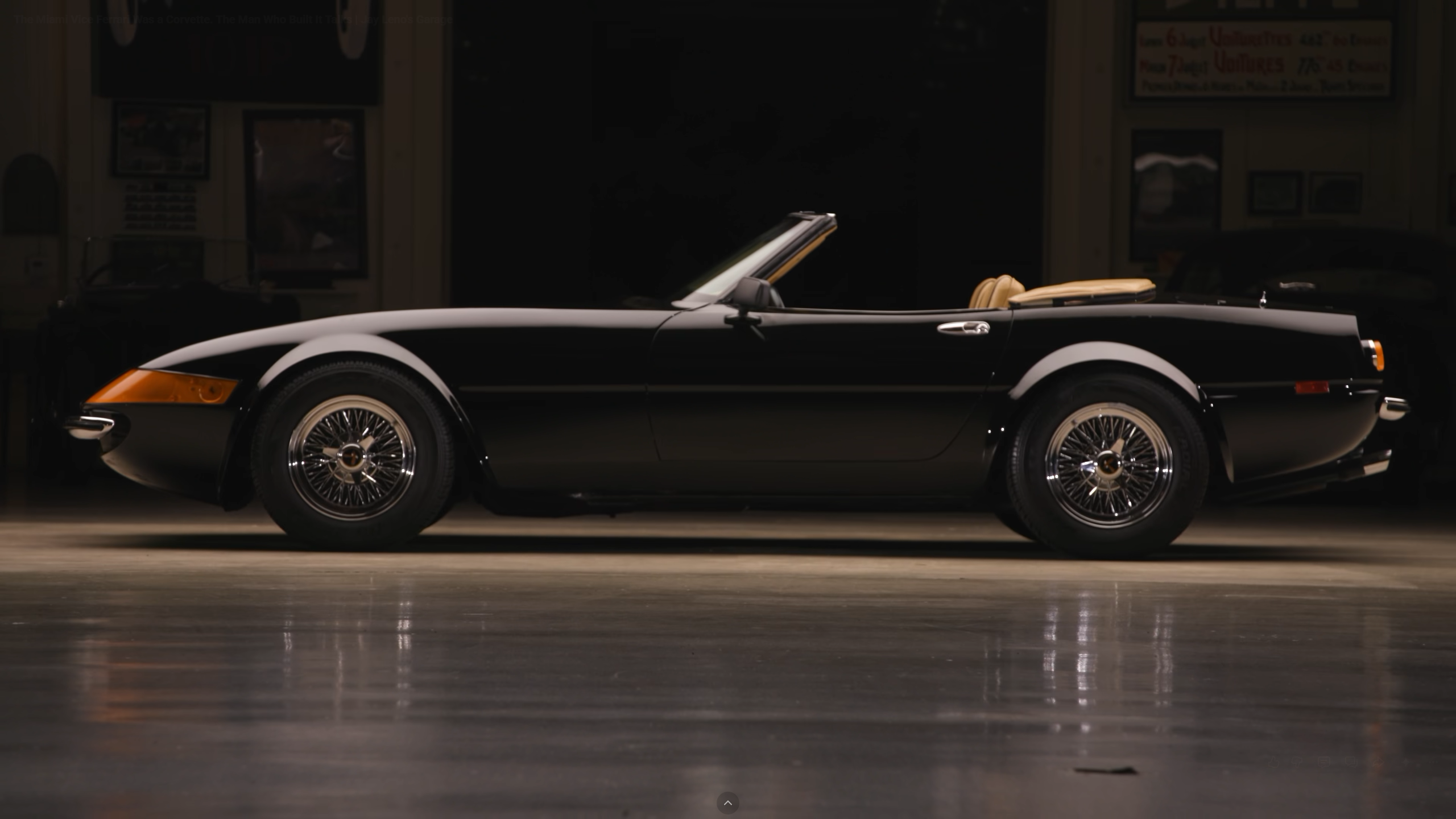
Translating the Italian car’s proportions onto a Chevrolet Corvette chassis presented significant challenges. The original car’s 92-inch wheelbase contrasted with the Corvette’s 98 inches, while its windshield was eight inches narrower. McBurnie had to modify the hood, narrow the doors, and reshape the bodywork to achieve convincing proportions.
Chevrolet Reliability Behind Exotic Styling
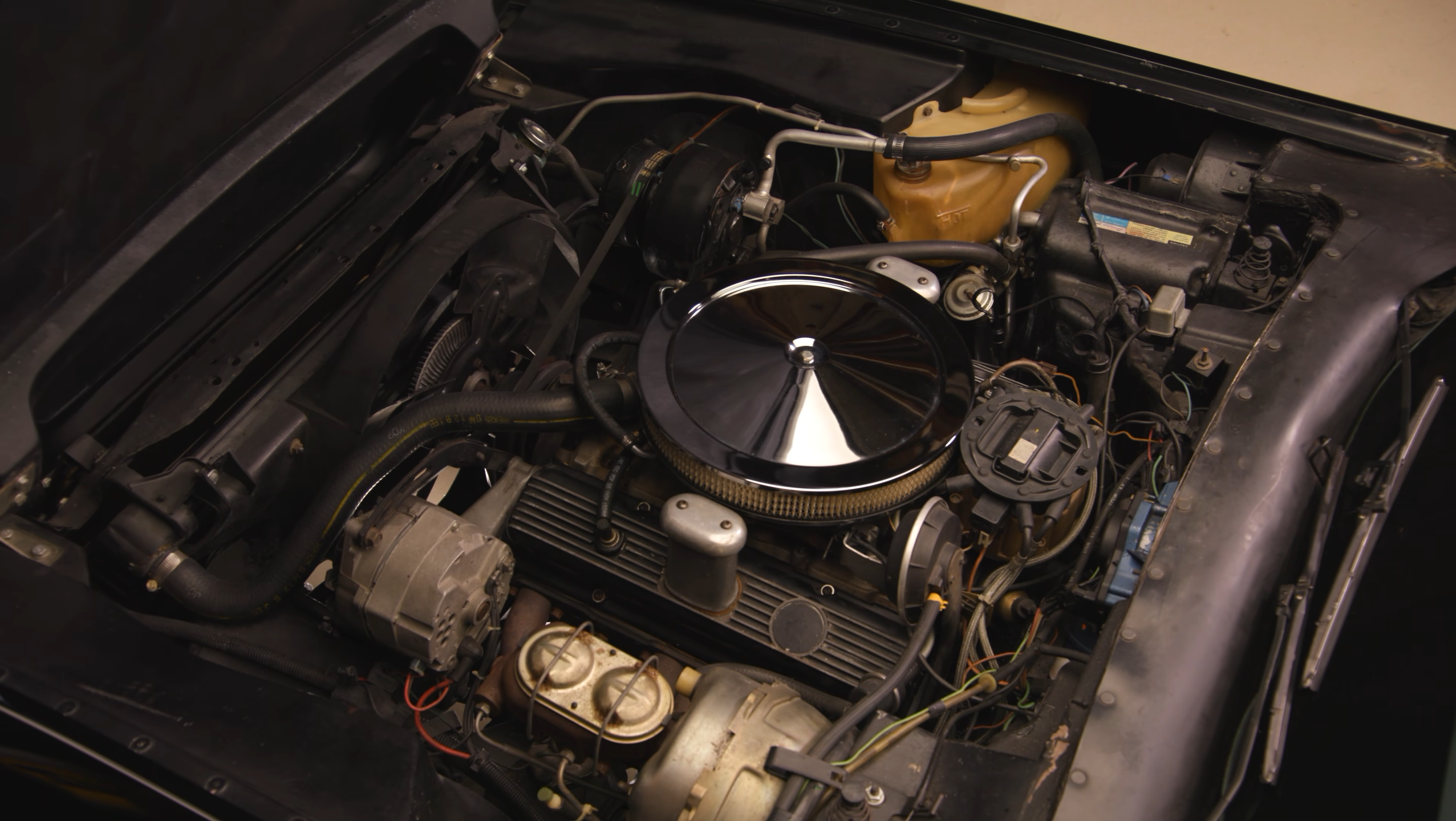
Beneath the fiberglass exterior, the car retained conventional Corvette mechanicals, including a Chevrolet 350-cubic-inch V8, automatic transmission, power steering, power brakes, and air conditioning. This combination made it dependable, easy to drive, and particularly well suited to television production, where reliability mattered more than exotic mechanical complexity.
The Miami Vice Effect
After the car appeared at the Balboa Bay Club, word reached producer Michael Mann, and the black Spyder became a defining element of Miami Vice. McBurnie learned of its television role shortly before the show aired and watched its debut with his family. The exposure transformed his business, expanding his workforce to 55 employees and resulting in 92 completed cars and more than 300 kits.
Success, however, brought a costly legal battle with Ferrari over trade dress. McBurnie spent approximately $640,000 defending his business. Although a jury initially ruled in his favor, the judge overturned the verdict before an appeals court reversed that decision and ordered a retrial.
The story is a remarkable intersection of Corvette engineering, fiberglass craftsmanship, television history, and the legal complexities of replica-car manufacturing—proof that an ordinary Chevrolet platform could become an extraordinary cultural icon.
Source: Jay Leno’s Garage