

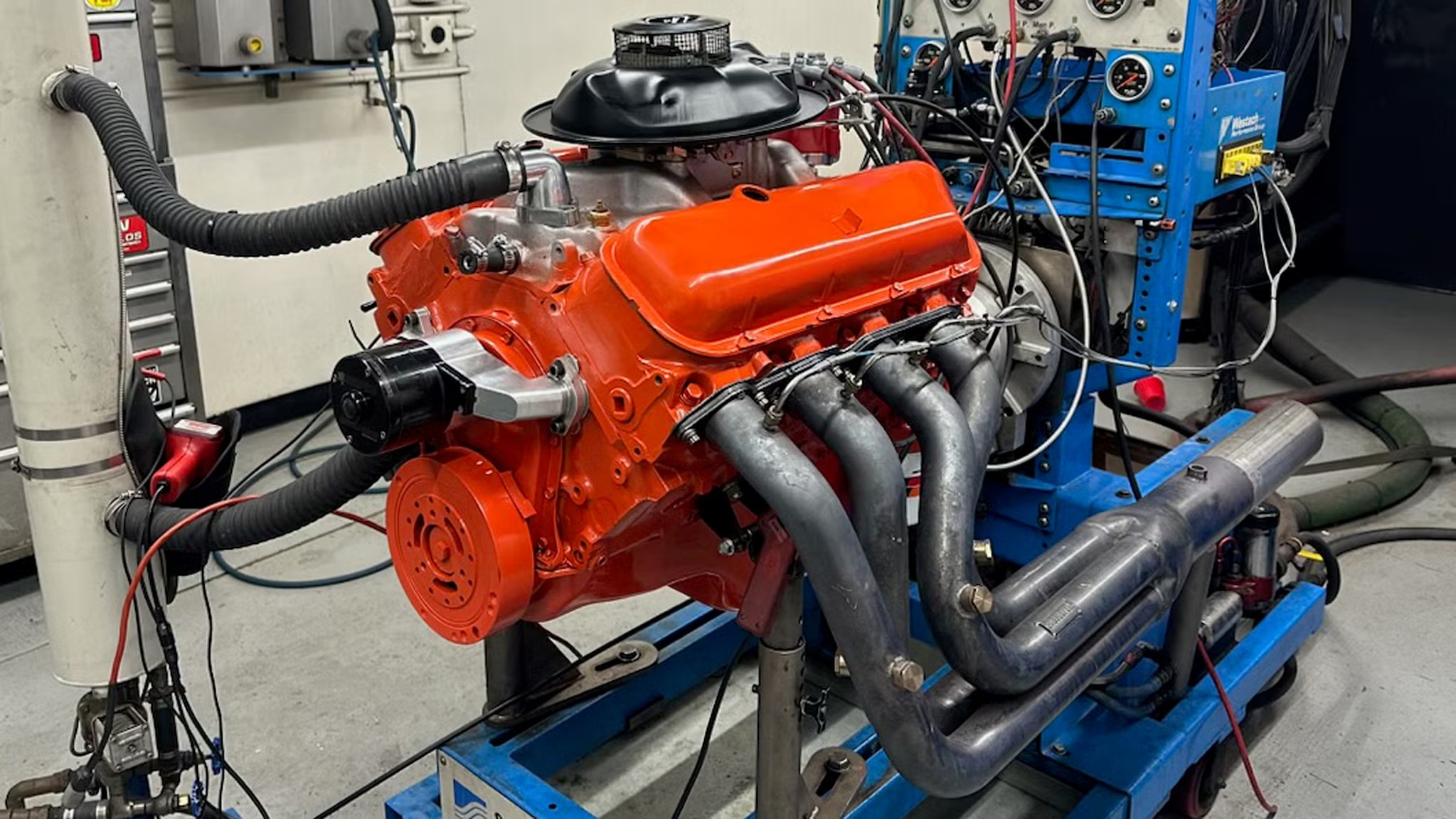
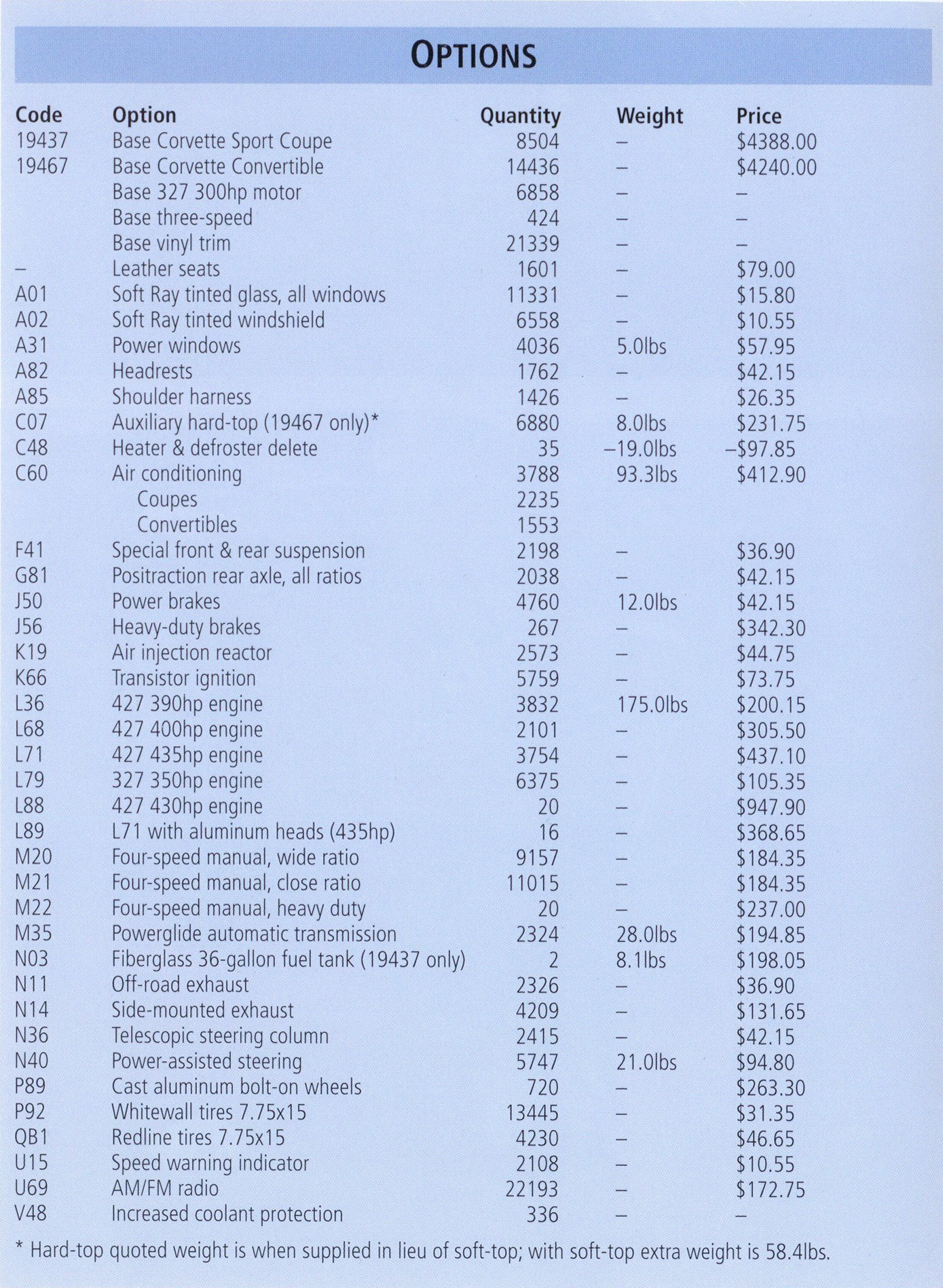
In 1967, a Corvette buyer flipping through the order guide would’ve found two versions of Chevy’s 427 big-block V8 that looked nearly identical on paper. The L71 tri-power was rated at 435 horsepower and added about $437 to the sticker, while the L88 was rated at 430 horsepower and cost roughly $948. That’s more than twice the money for five fewer ponies. Why would anyone pay double for less? That was exactly the point. Chevrolet didn’t really want the average buyer ordering an L88, and it did just about everything short of hiding the option to make sure they didn’t.
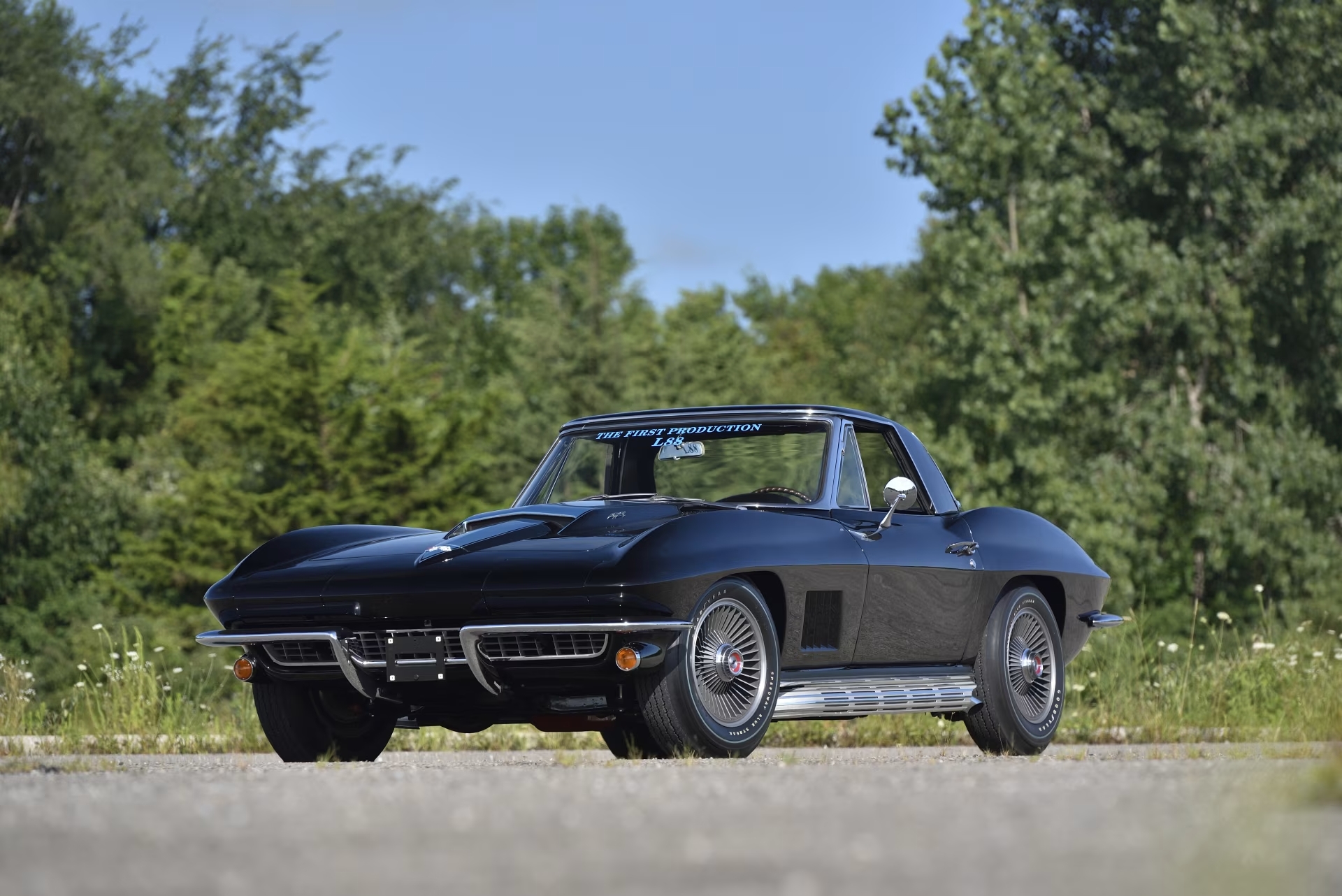
Fast forward a few decades, and that unloved order code is now the holy grail of production Corvettes. A 1967 L88 coupe sold for $3.85 million at Barrett-Jackson’s Scottsdale auction in 2014, and it’s still the most expensive regular-production Corvette ever sold at public auction. Only purpose-built race cars have beaten it, including the overall record holder, a 1963 Grand Sport that brought $18.7 million at RM Sotheby’s Monterey auction this August. So how did an engine Chevy practically begged you not to buy become a multimillion-dollar legend?
A Race Car Hiding in the Order Guide
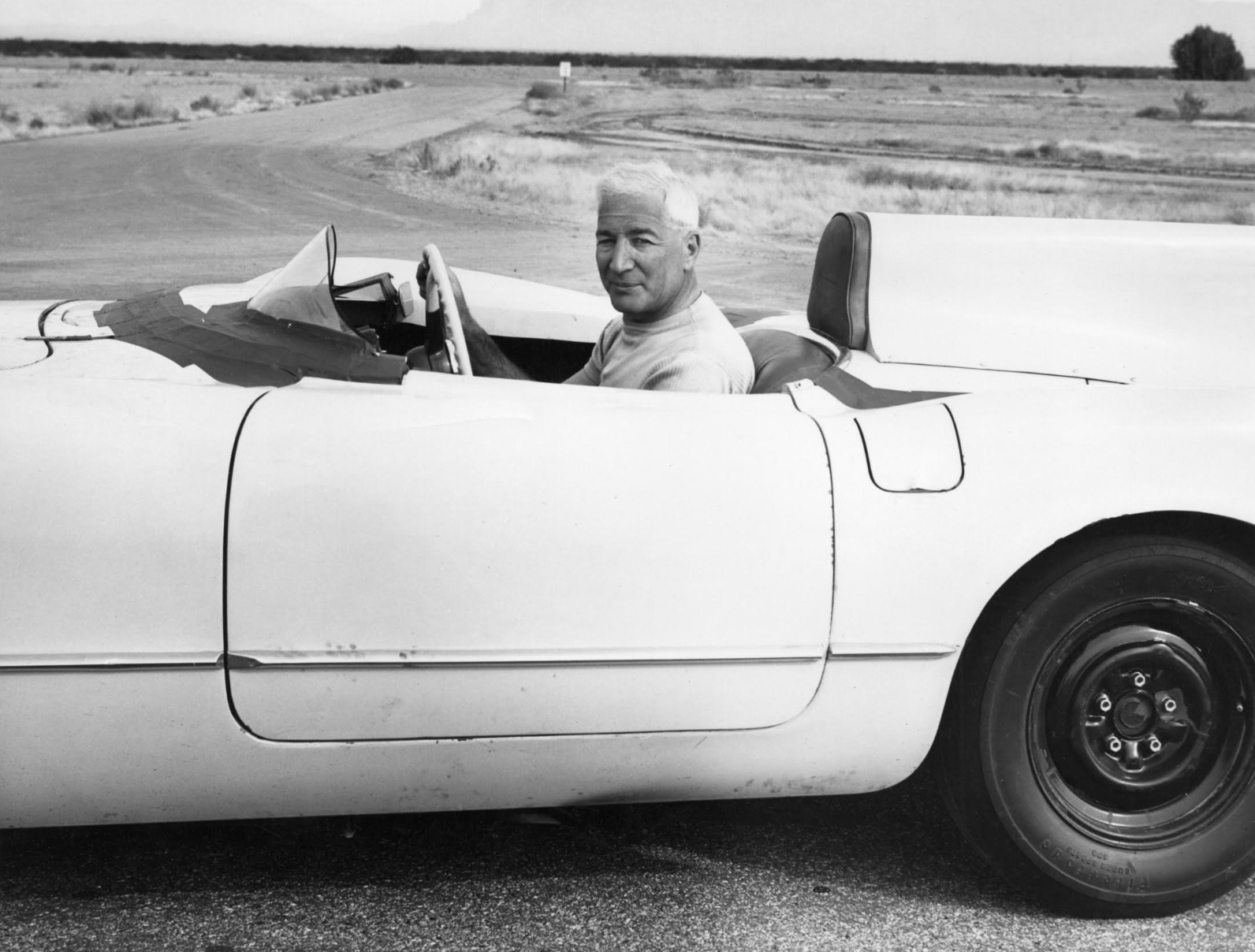
In 1957, the Automobile Manufacturers Association agreed that its members would step away from factory-backed racing, and GM officially fell in line. Officially being the key word. Zora Arkus-Duntov, the engineer who helped turn the Corvette into a serious performance car, had no intention of letting his sports car sit on the sidelines.
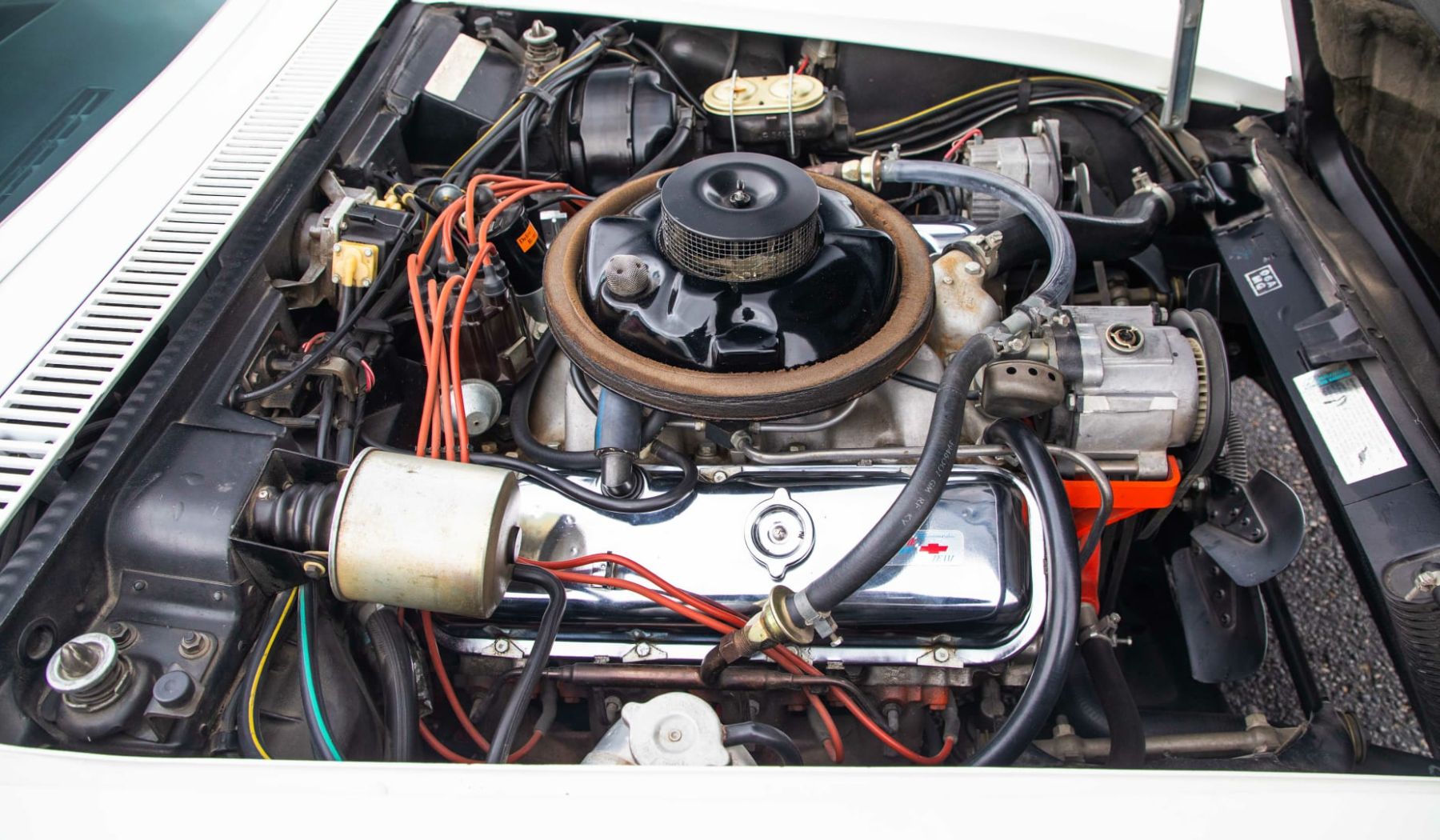
Instead of a factory team, Duntov found another route to the racetrack: the regular production option, or RPO. If competition hardware was listed in the order guide, any customer with deep enough pockets could buy it, and privateer racers could take it from there. This wasn’t something slipped past management, either. The L88 was a fully official Chevrolet option, which tells you a lot about how flexible GM’s “no racing” stance really was.
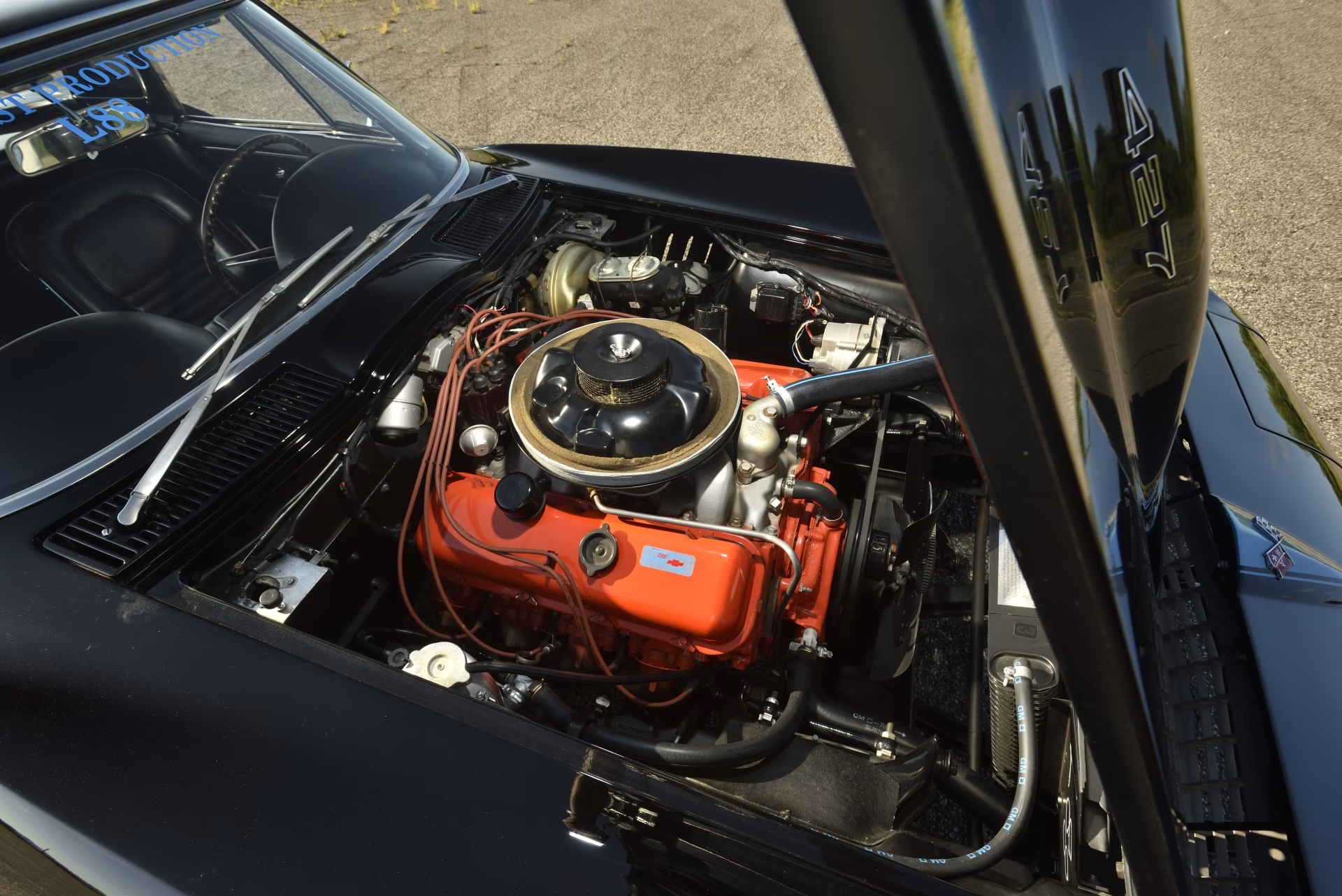
And make no mistake, the L88 was a race engine. It started with the 427 cubic inch Mark IV big-block, then added aluminum cylinder heads, a 12.5:1 compression ratio, a high-lift solid-lifter camshaft and a single 850-cfm Holley four-barrel fed through a functional cold-air hood. All that compression meant regular pump gas wasn’t going to cut it, so the L88 needed high-octane racing fuel. (Quick trips to the corner gas station were not part of the plan.)
As for that 430 horsepower rating, it was a gross figure that seriously understated what the engine could do. Commonly cited estimates put real output at around 550 to 560 hp, depending on how the engine was prepared and tested.
The Price of Admission
Checking the L88 box was only the beginning. Chevrolet tied it to a list of mandatory heavy-duty hardware that turned a Sting Ray into something much closer to a track car, including the M22 close-ratio four-speed (nicknamed the “Rock Crusher” for its trademark gear whine), J56 heavy-duty brakes, J50 power brakes, F41 suspension, K66 transistorized ignition and G81 Positraction.
Then there was everything you didn’t get. For 1967, the L88 required the C48 heater-defroster delete, which meant no heat on a cold morning and no easy way to clear a fogged-up windshield. A radio couldn’t be ordered with the L88 either. Not that you’d hear it over the exhaust anyway.
That modest 430 hp figure fit the strategy too. It’s widely believed the conservative rating was meant to steer everyday buyers toward the cheaper L71 and keep the L88 from drawing too much attention, inside GM or out. The message was clear: this wasn’t a car for cruising to the drive-in. It was built for racers, and Chevy made sure pretty much nobody else would want one.
Proving Its Worth on Track
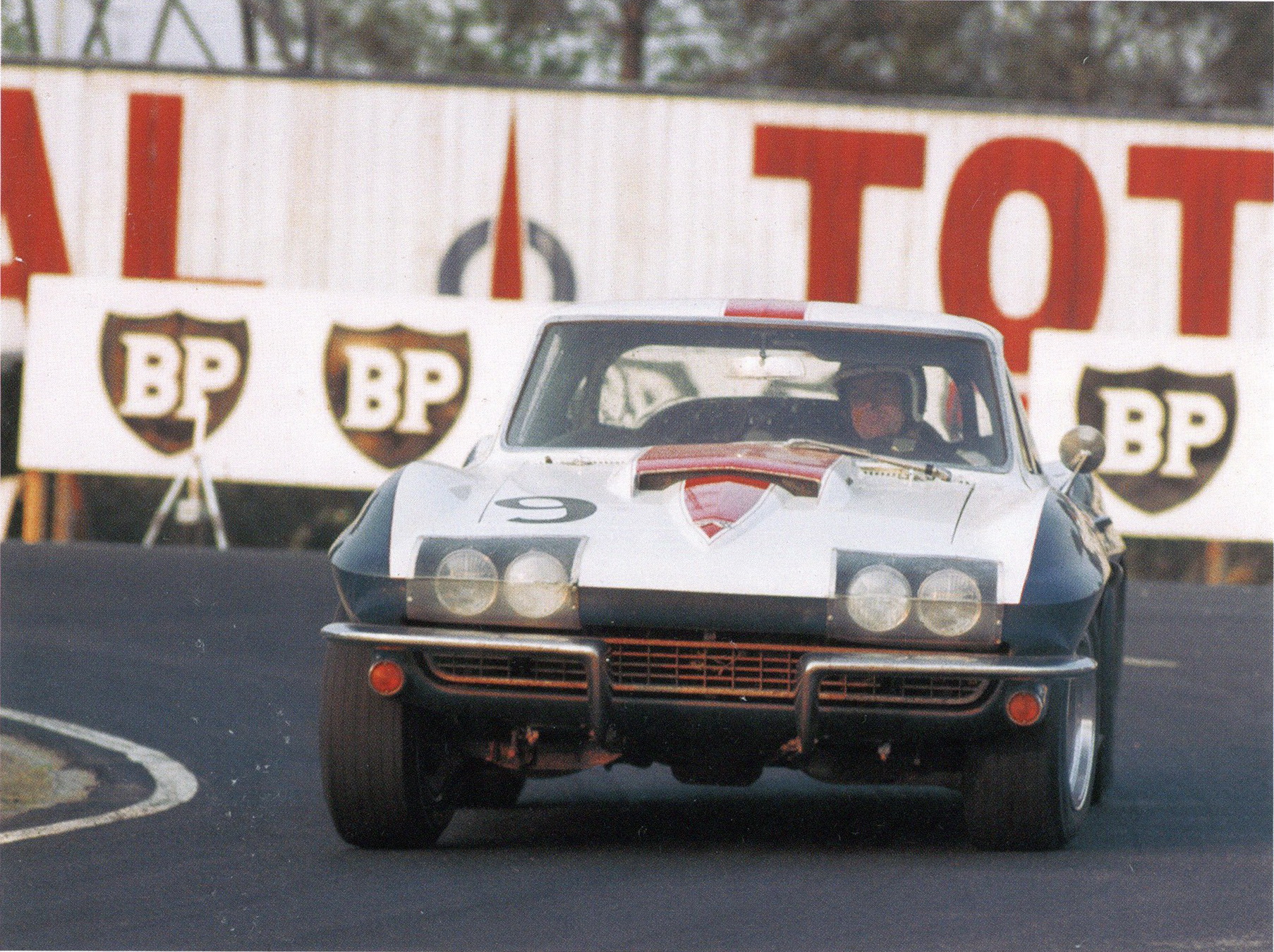
Racers got the message. At the 1967 12 Hours of Sebring, the Sunray DX L88 coupe finished first in its class and 10th overall, an impressive production-option debut for a car you could order from a Chevy dealer. A few months later, an L88 crossed the Atlantic for the 24 Hours of Le Mans. With Dick Guldstrand and Bob Bondurant behind the wheel, it was clocked at roughly 171 mph on the Mulsanne Straight before engine trouble ended its race. It didn’t come home with a trophy, but it definitely made its point.
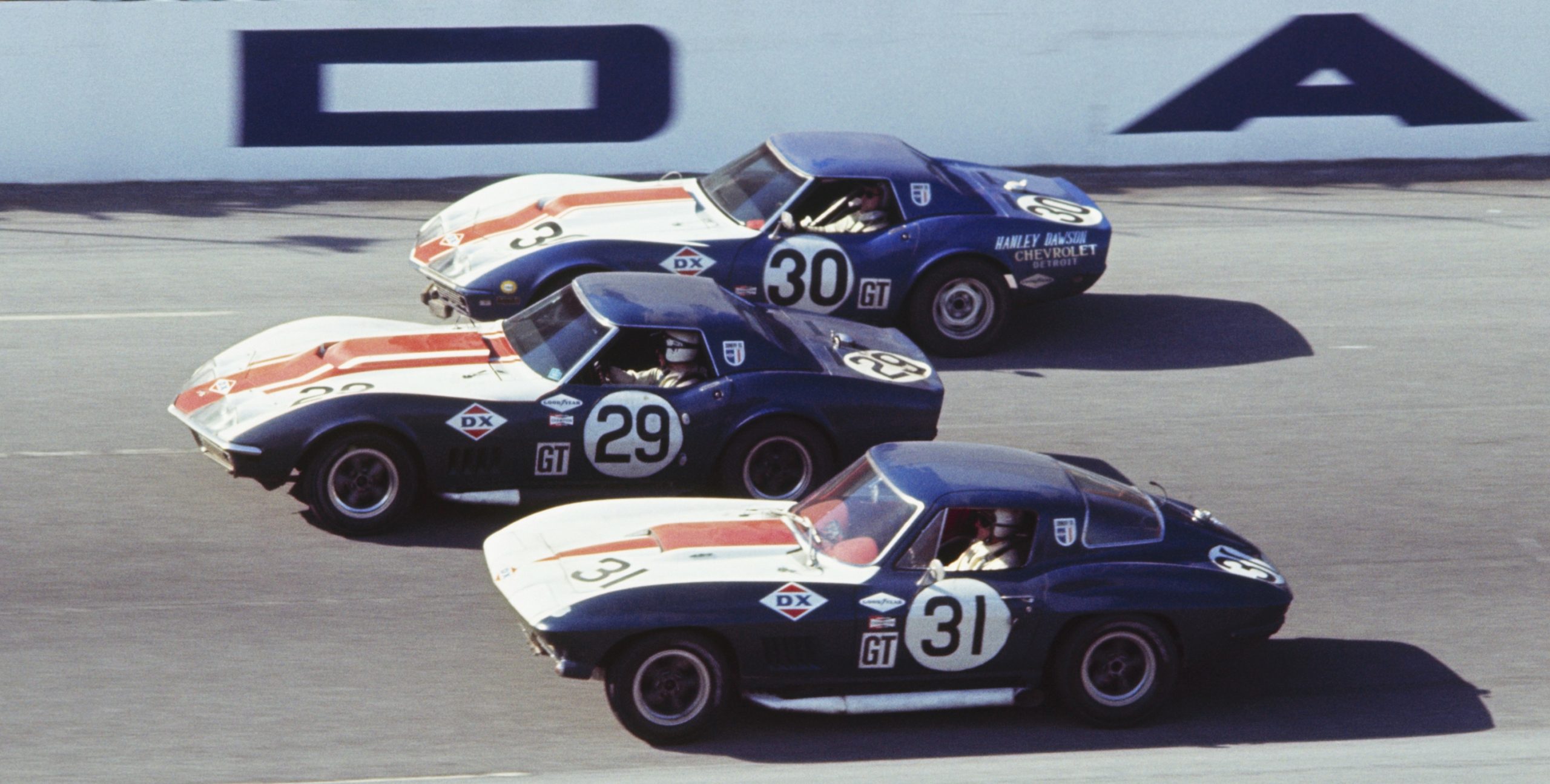
The L88 carried over into the C3 generation, and privateers kept campaigning it well into the 1970s. The most famous of them is probably the “Rebel,” a 1969 L88 convertible whose back-to-back class wins at Daytona and Sebring and 1971 IMSA class championship made it one of the most celebrated racing Corvettes ever built. In other words, the L88 did exactly what Duntov intended.
216 Cars, Multimillion-Dollar Prices
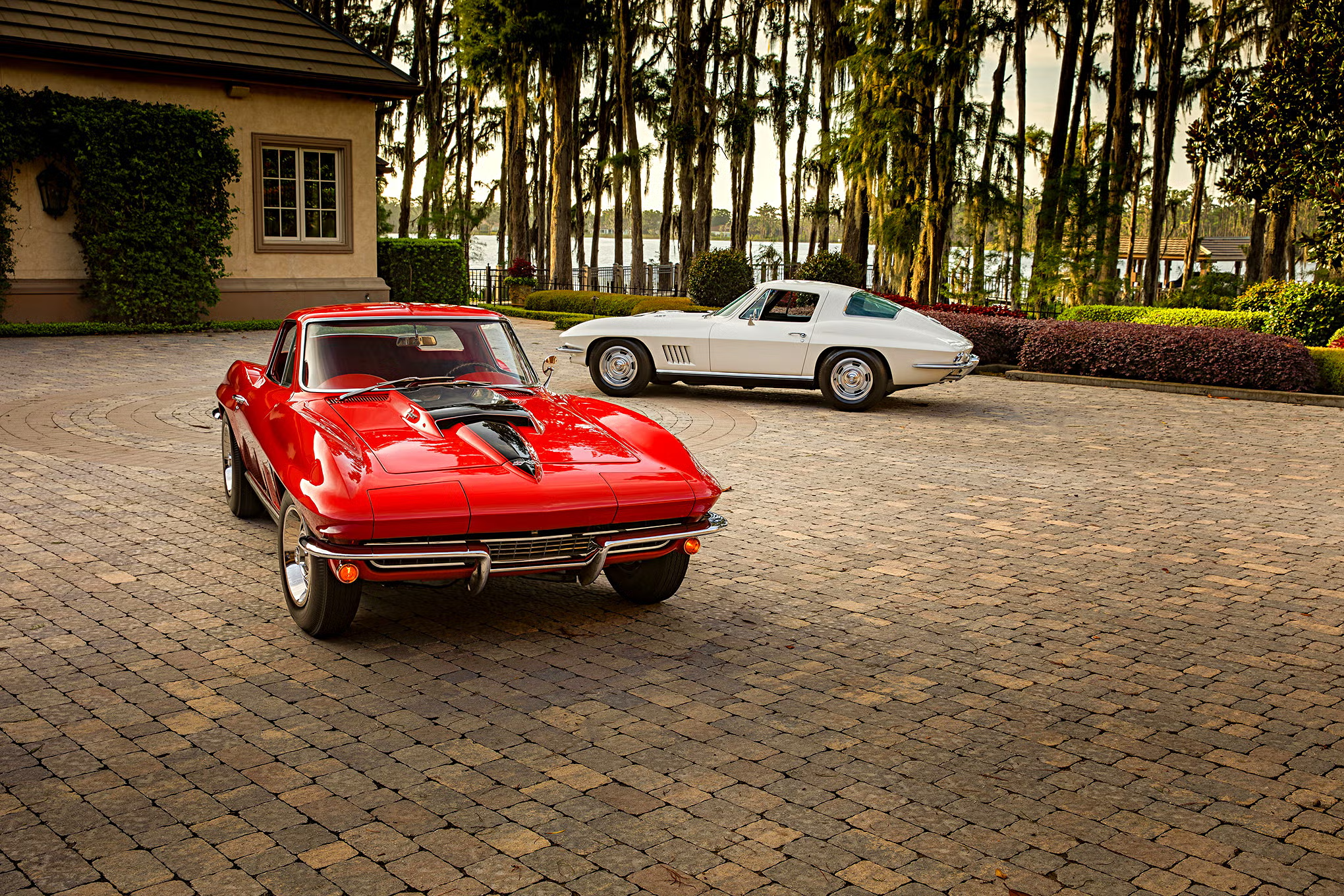
For all its success on track, the L88 was never a big seller. Chevy built just 20 in 1967, the only L88s ever fitted to the C2 Sting Ray. Production climbed to 80 in 1968 and 116 in 1969 with the new C3 body, for a grand total of 216 cars. Since the heater delete was dropped after 1967, the first-year cars are also the purest expression of Duntov’s idea. Add the lowest production numbers and the C2’s timeless styling, and it’s easy to see why the ’67s sit at the very top of the pile.
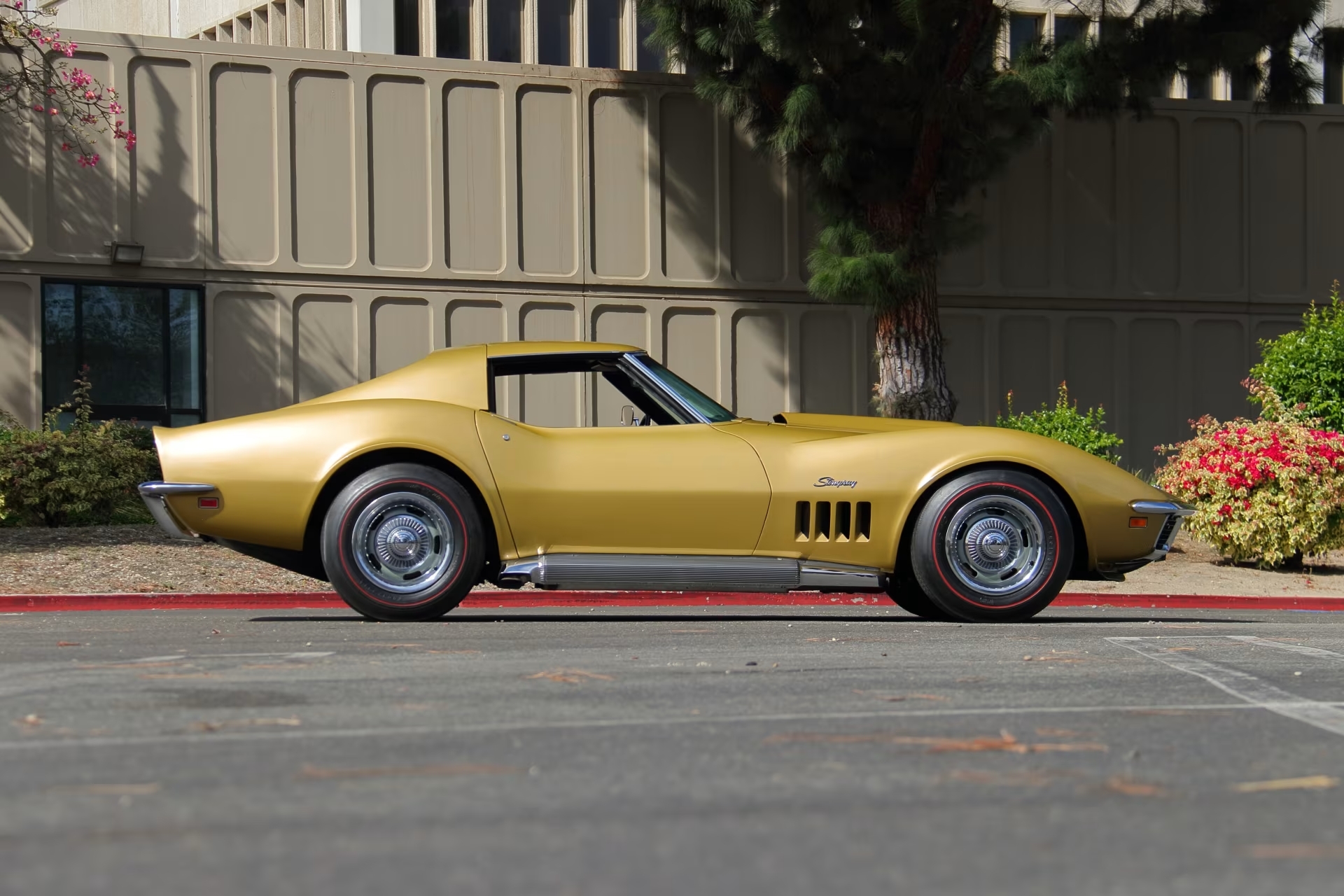
The record-setting 2014 coupe checked every box, wearing red paint over a red interior and backed by a validated tank sticker and major NCRS awards. The later C3 cars aren’t exactly bargains either. This year alone, a rare 1969 L88 coupe with an automatic transmission sold for $544,500 at Mecum Kissimmee, and a 1968 L88-powered RED/NART Le Mans racer brought $747,500 at RM Sotheby’s in Monterey.
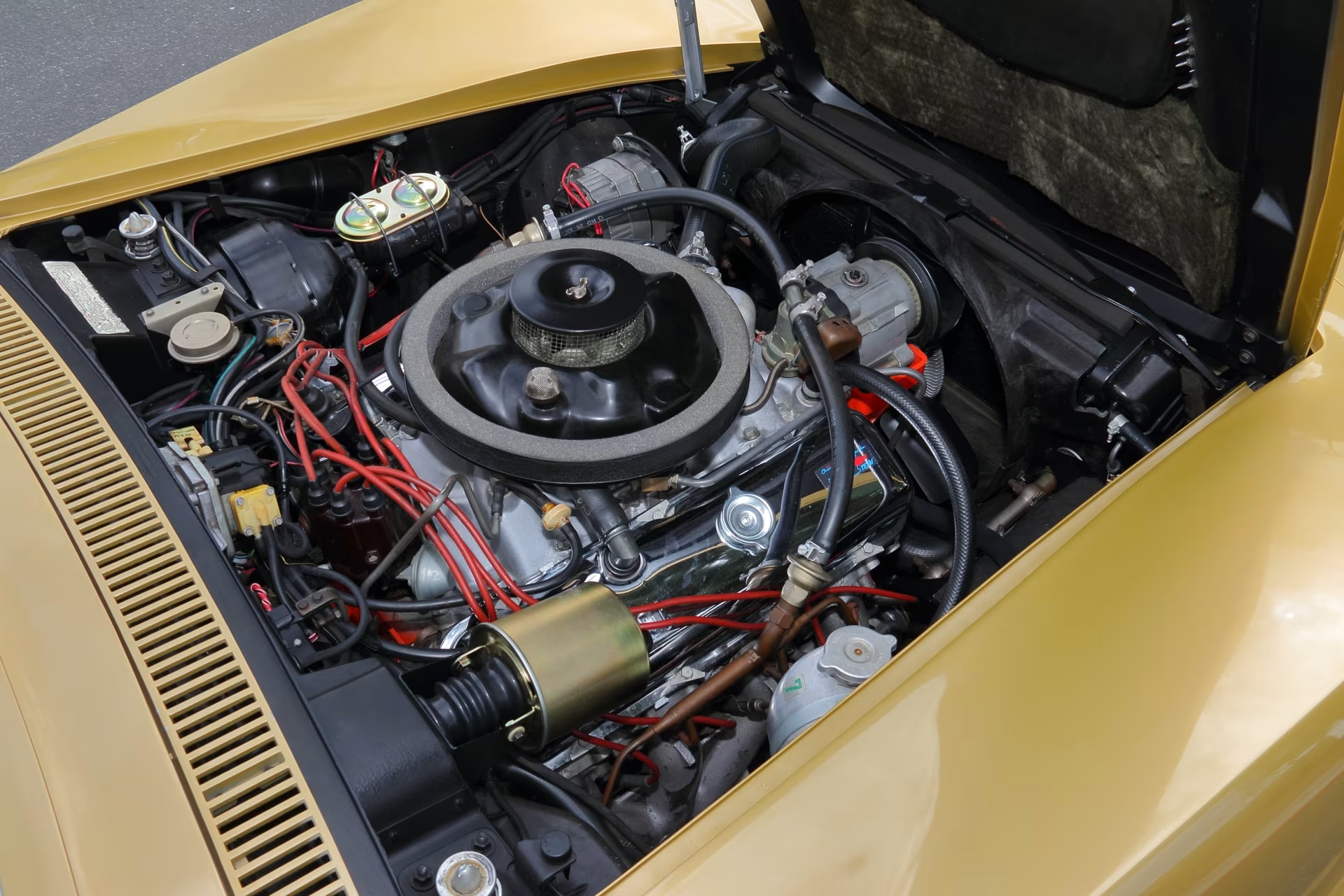
Of course, that kind of money attracts fakes. Turning a regular big-block Corvette into an L88 lookalike isn’t hard for a skilled builder, and there’s nothing wrong with an honest tribute car. The trouble starts when one is passed off as factory original. That’s why serious buyers check everything, from VIN and production records to tank stickers, Protect-O-Plates, engine casting and date codes, and recognition from groups like the NCRS or Bloomington Gold. Even then, paperwork can be forged, so no single document settles the question on its own.
The Spirit of the L88 Lives On
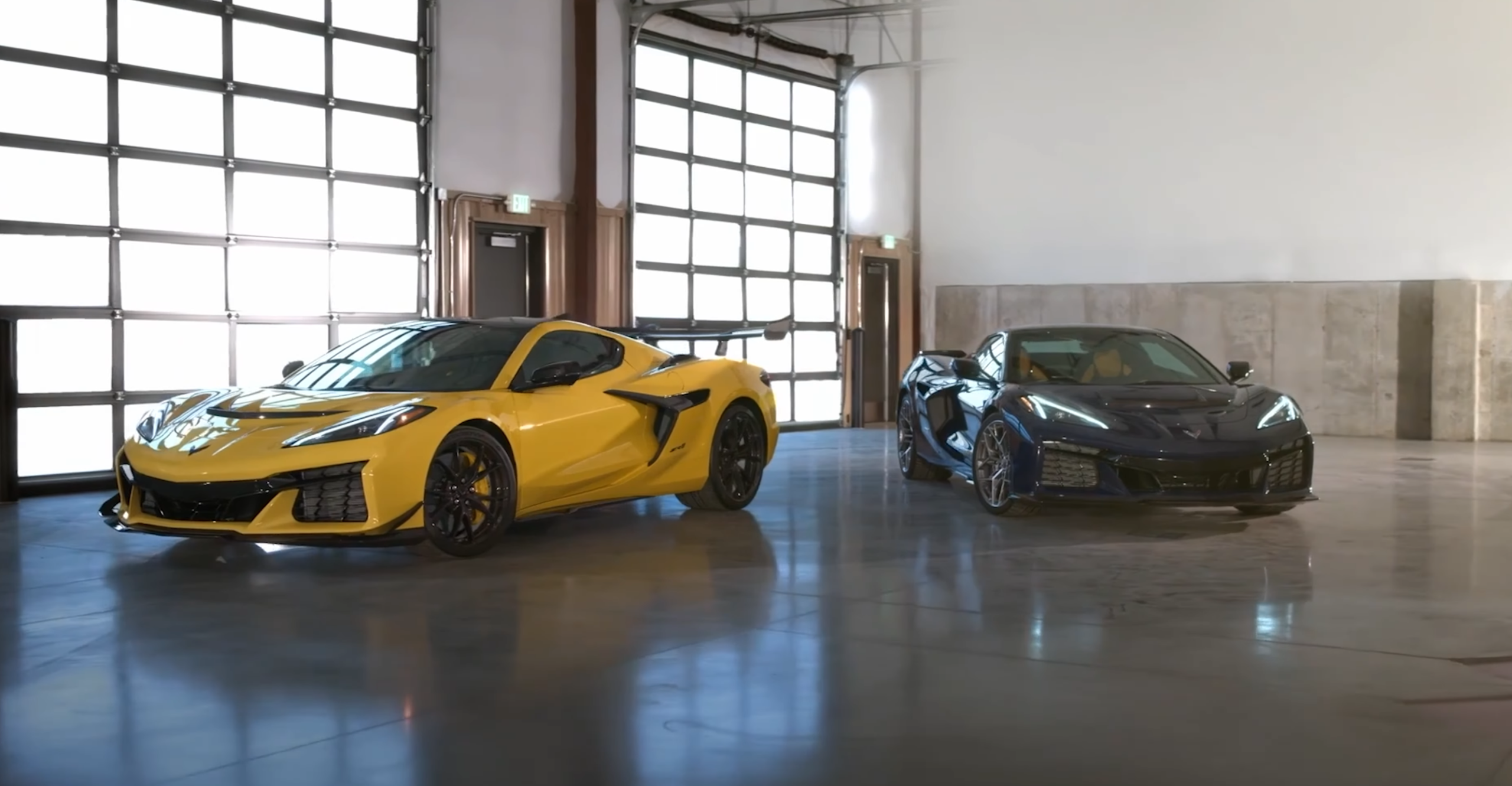
Today’s lineup makes the 1967 strategy look almost quaint. The C8 Z06 makes 670 hp from its flat-plane-crank LT6, the ZR1 makes 1,064 hp, and Chevrolet couldn’t be happier to tell you about it. The engineering is worlds apart from a 427 big-block, but the idea is the same: serious track capability in a Corvette you can buy from a dealer and drive home (heater included).
The L88 even had an extreme sibling. In 1969, the ZL1 option pushed the concept further with an all-aluminum 427 block, and only two Corvettes ever left the factory with one. If the L88 was the engine Chevy didn’t want you to buy, the ZL1 was the one it barely let anyone buy at all.
