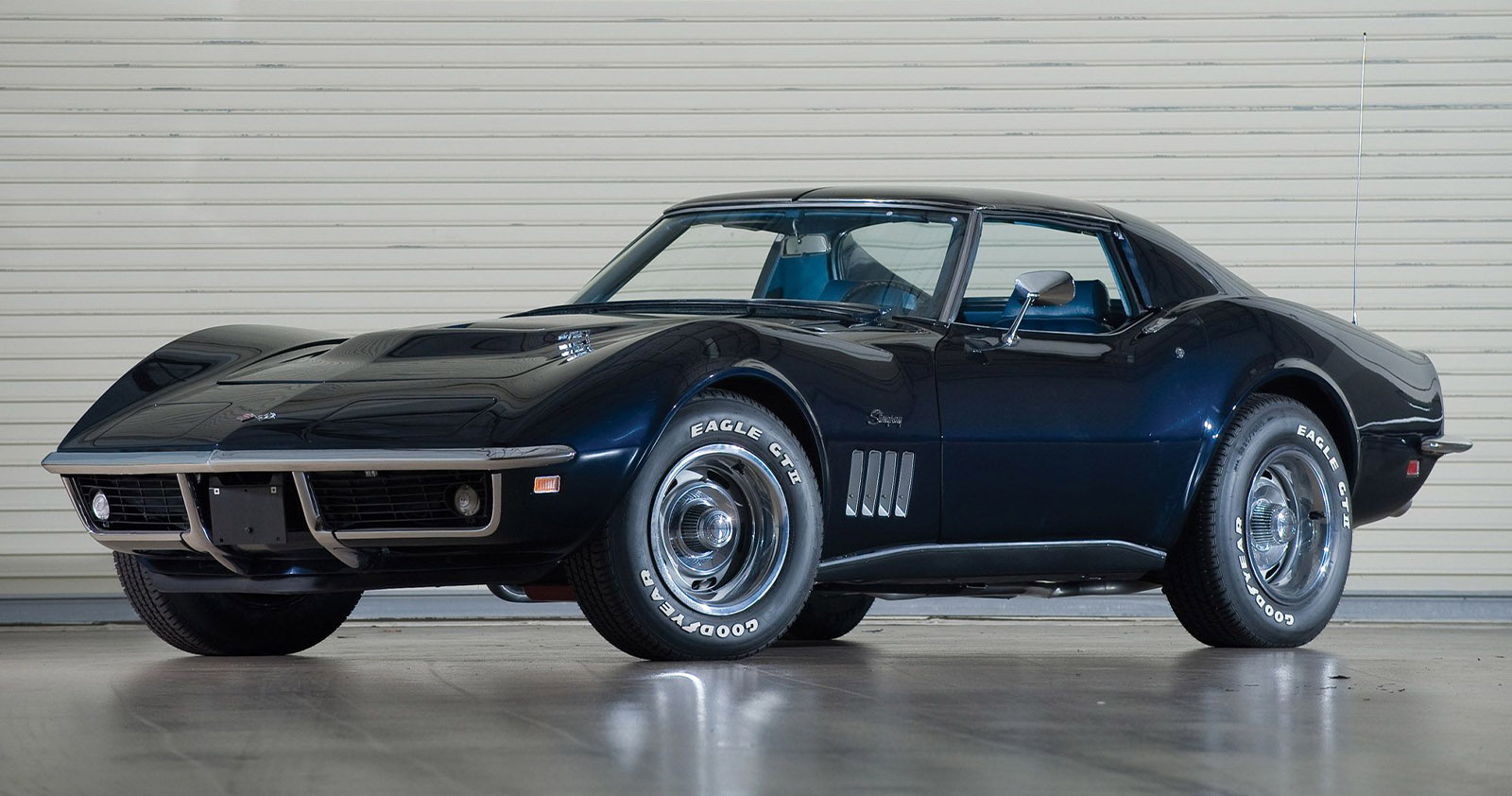
The Chevrolet Corvette C6 has long been regarded as an appealing platform for performance modifications, offering a capable chassis and a naturally aspirated V8 that responds well to tuning. However, building a faster car involves more than simply increasing engine output. In a comparison featured by Westen Champlin, two modified C6 Corvettes go head-to-head to demonstrate the differences between prioritizing horsepower and developing a more balanced performance package.

Both cars begin with the same basic platform, but their modifications reflect distinctly different philosophies. One focuses primarily on delivering substantially more power, while the other combines additional performance equipment with improvements to braking and suspension.
The Supercharged Corvette: Power Comes First
The first C6 receives a ProCharger centrifugal supercharger, complete with an intercooler and revised engine tuning. The forced-induction setup significantly increases power compared with the approximately 400-horsepower output of a standard C6, with the discussion suggesting an estimated figure of around 600 horsepower.
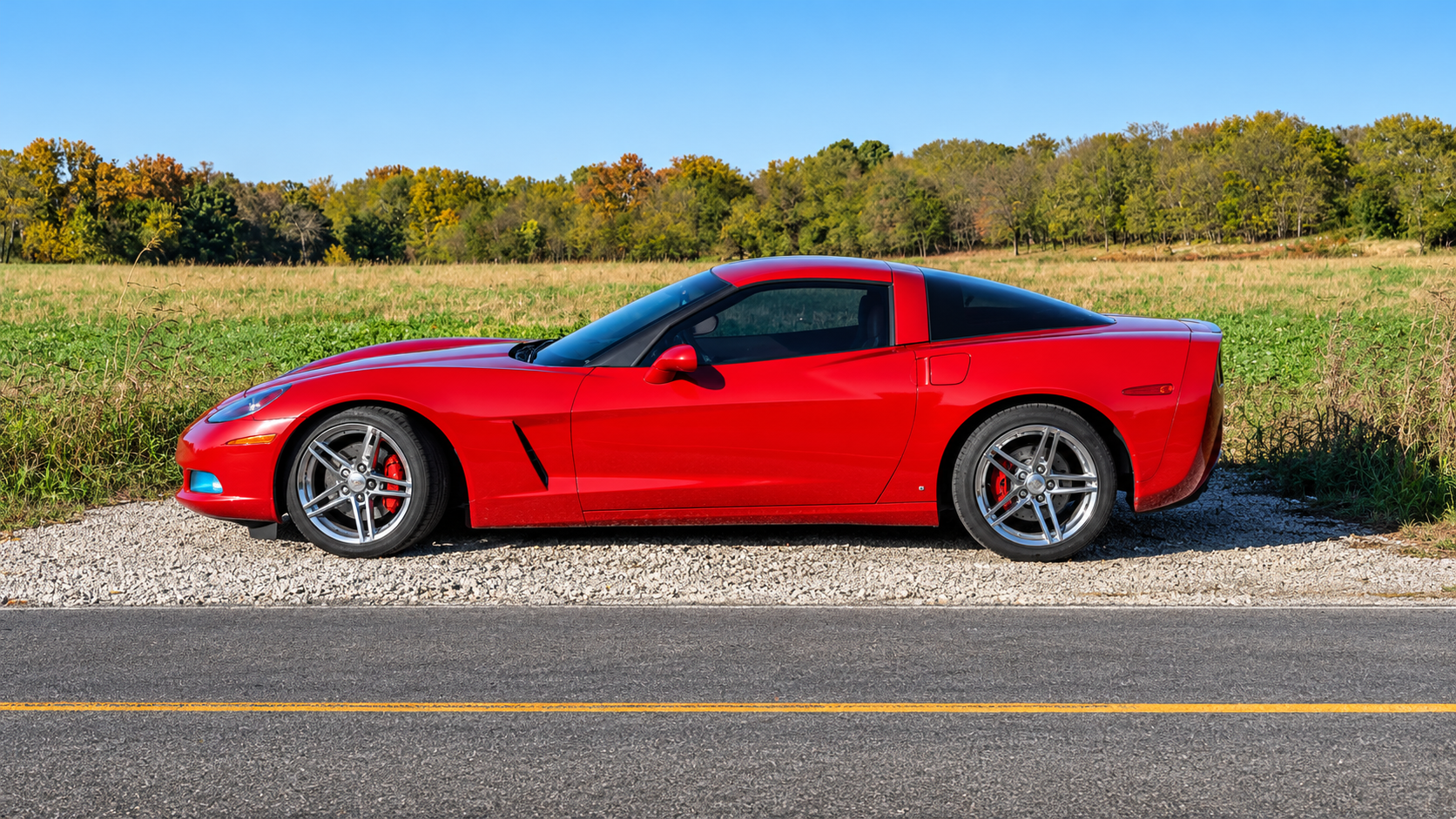
The transformation is particularly evident during acceleration. With considerably more power available, the supercharged Corvette establishes a clear advantage in straight-line performance. However, the additional output also creates challenges for the factory chassis components. The stock suspension and brakes remain in place, while the rear tires struggle to maintain traction under heavy acceleration.
On a circuit, these limitations become more apparent. The car can accelerate aggressively, but managing its power through corners requires careful throttle control, particularly when attempting to accelerate out of slower sections.
The Balanced Corvette: Suspension and Braking Upgrades
The second Corvette follows a broader approach to performance. Rather than concentrating exclusively on engine output, its modifications include Wilwood upgraded brakes, coilover suspension replacing the factory transverse leaf-spring arrangement, and additional handling components. A nitrous system also provides an extra performance boost when required.

These upgrades are intended to improve the car’s overall capability, particularly under demanding driving conditions. The suspension modifications provide a different approach to chassis control, while the upgraded braking hardware offers greater stopping performance and confidence during repeated deceleration.
Although this Corvette does not possess the same supercharged acceleration advantage, its modifications address areas that become increasingly important when driving beyond a straight line.
Drag Race, Braking Test, and Track Challenge
The comparison takes place at Hallett Motor Racing Circuit, where the two builds face three challenges: a drag race, a braking test from 60 mph, and a two-lap timed circuit run.
The supercharged Corvette immediately demonstrates its advantage in the drag race, pulling ahead of its rival with substantially stronger acceleration. The braking test, however, favors the balanced build, highlighting the benefits of its upgraded stopping hardware.
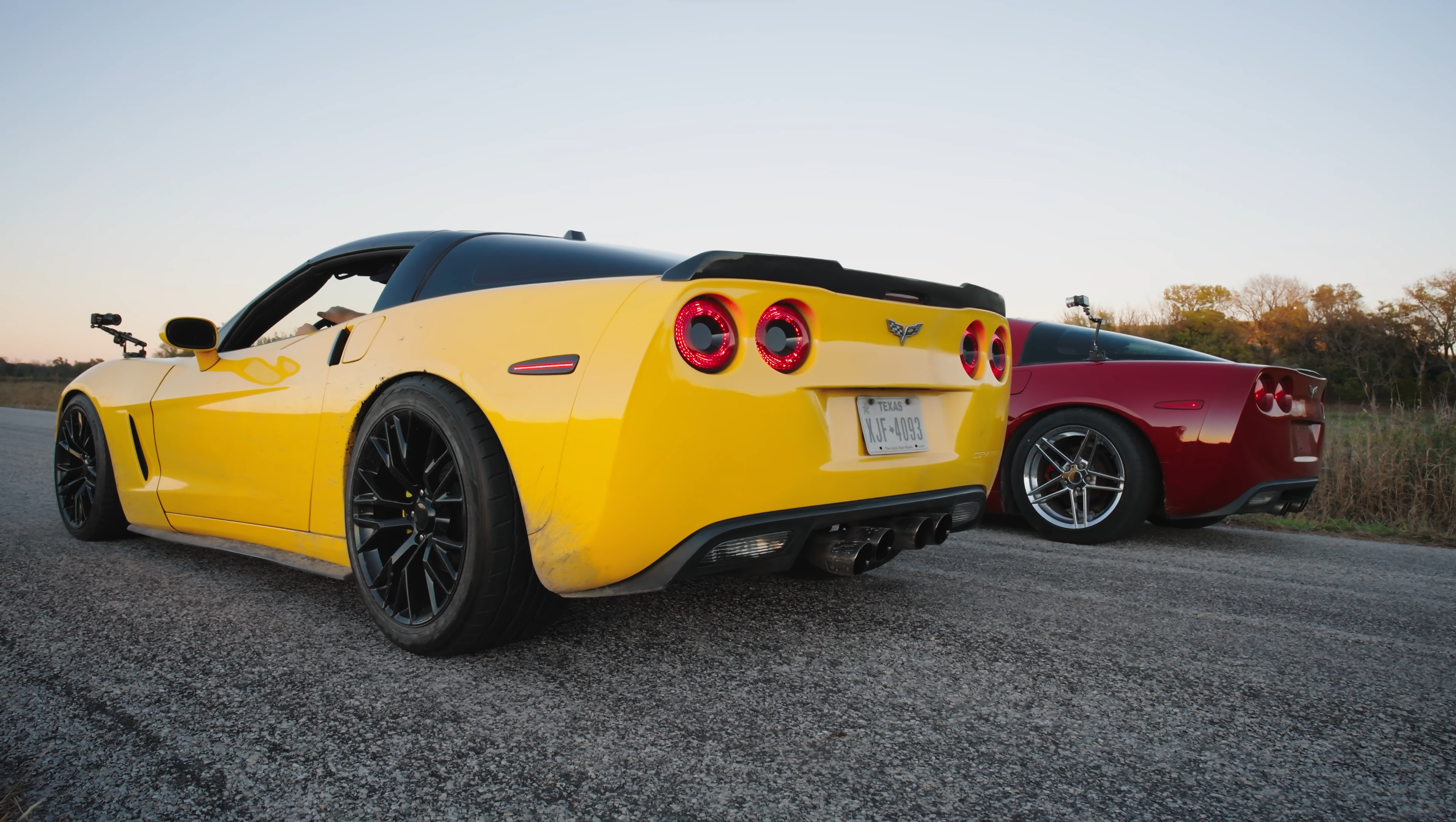
The circuit challenge produces another interesting result. Despite its traction and handling limitations, the supercharged Corvette completes the two-lap run in approximately 3:33, compared with 3:40.1 for the more comprehensively upgraded car. The power-focused build therefore records the quicker overall time, even though it demands more effort to control through the corners.
Ultimately, the comparison illustrates a fundamental performance-engineering principle: horsepower alone does not guarantee faster lap times. The right combination of power, traction, braking, and suspension can make a car more capable when the demands extend beyond straight-line acceleration.
Source: Westen Champlin